Pyramid of Djedefre: A Magical Forgotten Jewel of Ancient Egypt
Pyramid of Djedefre: A Magical Forgotten Jewel of Ancient Egypt
The Pyramid of Djedefre is a true archaeological find. It’s not like every pyramid has treasures hidden away in its chambers, or even all pyramids have unique features that make them stand out from their rivals. But the Pyramid of Djedefre is an extremely unique and phenomenal example of ancient Egyptian engineering.
Unfortunately, we don’t know much about this masterpiece. It was constructed around 2500 BC and only a small section of it was uncovered during the course of the 18th Dynasty construction project which began in 1550 BC. The rest of it has been lost to history ever since.
That’s because the inhabitants of Ancient Egypt didn’t leave any archaeological evidence behind—not even a single stone statue, artifact, or engraving bearing any details about their rulers or the history they knew and ruled over for thousands of years.
We only have their word for it that these pyramids were once absolutely enormous structures with mysterious doors that remain hidden away somewhere beneath the surface…
A Brief History of the Pyramid
The-Pyramid-of-Djedefre-Blog
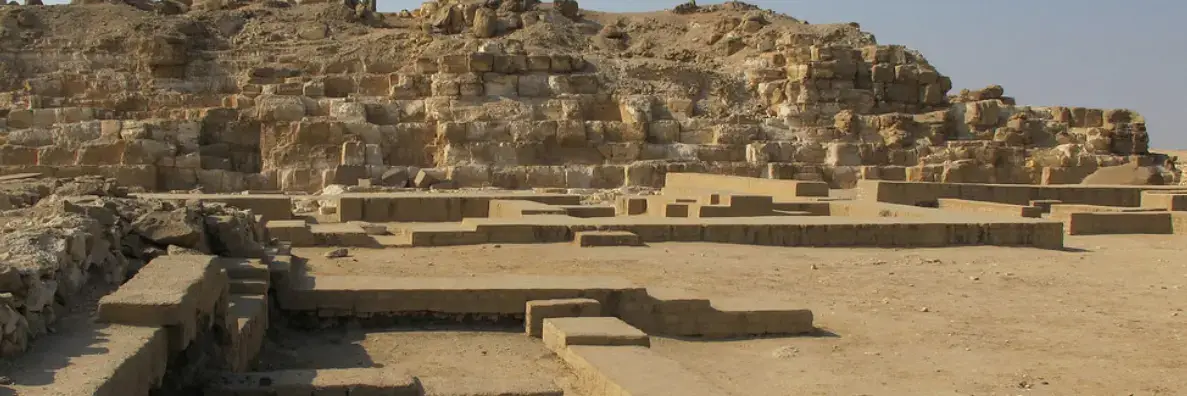
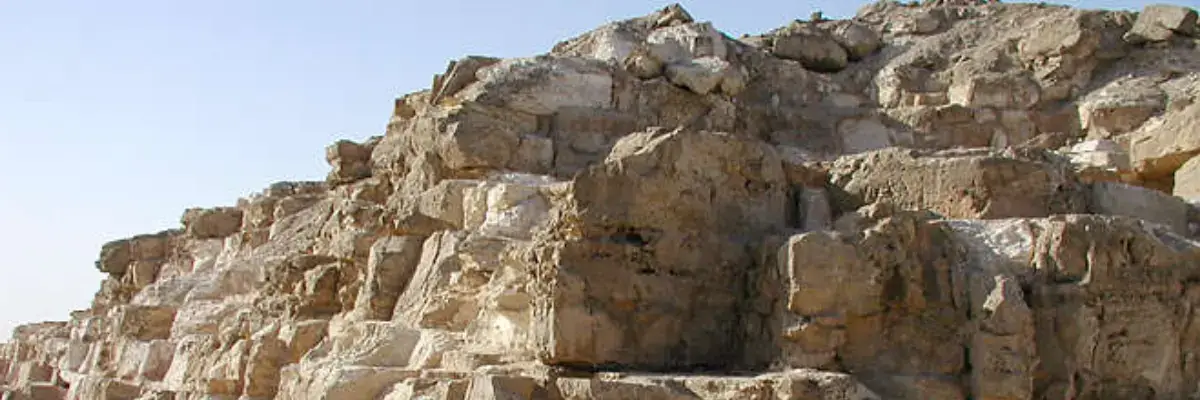
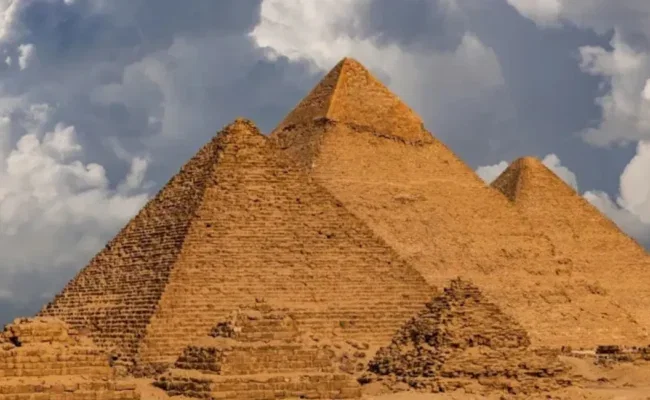
The Pyramid of Djedefre, also known as Abu Rawash, is an ancient Egyptian pyramid located in present-day Giza, Egypt. It was built around 2520 BC by the Pharaoh Djedefre, who was the son of Khufu and a successor to the Fourth Dynasty of Egypt.
It is believed to have been the first pyramid to have been built in Egypt since the time of Khufu, though it is much smaller than the Great Pyramid at Giza. The Pyramid of Djedefre has become an important archaeological site, allowing historians to learn more about ancient Egyptian history and culture.
The Unforgettable Artifacts
The-Pyramid-of-Djedefre
The Pyramid of Djedefre, also known as Abu Rawash, is one of the most memorable artifacts from ancient Egypt. It was built by Pharaoh Djedefre, who reigned from 2532 to 2503 BC during the 4th Dynasty. This pyramid was constructed using stone blocks, and it is located at the northern edge of the Giza Plateau, about eight kilometers from Cairo.
The Pyramid of Djedefre contained many priceless artifacts, including a statue of Djedefre seated on a throne, a limestone altar and several pieces of jewelry. In addition to these artifacts, the pyramid also contained inscriptions detailing the reign of Djedefre and his achievements during his lifetime.
These inscriptions were written in hieroglyphics and are thought to be among the oldest known examples of hieroglyphic writing.
The Pyramid of Djedefre is considered to be a significant structure in terms of its design and architecture. It is one of the earliest pyramids ever built and is believed to have been built on an artificial platform made up of mudbrick. The pyramid stands at a height of 68 meters and has four staircases that lead to the entrance. Inside, it has three chambers, with one being the main burial chamber.
The Pyramid of Djedefre is an impressive example of ancient Egyptian architecture and art. Its artifacts are some of the most memorable from this era, making it a must-see for anyone interested in ancient history.
Djedefre Reign
The-Pyramid-of-Djedefre-Egypt
The Pyramid of Djedefre is a lasting testament to the rule of Pharaoh Djedefre, who reigned from 26th Dynasty Ancient Egypt. Djedefre was the fourth ruler of the 4th Dynasty, which lasted from 2575-2465 BC.
He was the son of Khufu and half-brother of Khafre and Menkaure. As ruler of Egypt, Djedefre worked to expand trade and build new infrastructure. He also created a large canal, now called “Wadi Tumilat”, connecting the Red Sea with the Mediterranean.
During his reign, Djedefre built his own pyramid in Abu Rawash, north of Memphis, and it is believed that he was the first pharaoh to build a pyramid in this region. The Pyramid of Djedefre is unique because it has a rectangular base rather than the more traditional square base of other pyramids.
It is also unique because it is aligned north-south instead of east-west, like many other pyramids. The Pyramid of Djedefre is made of limestone blocks and is smaller than those of his predecessors, Khufu and Khafre.
Though the Pyramid of Djedefre is smaller and less well-known than the great pyramids of Giza, it remains an important part of Egyptian history and provides insight into the reign of Pharaoh Djedefre. The Pyramid of Djedefre is an unforgettable artifact from ancient Egypt and offers a glimpse into its complex past.
The Pyramid of Djedefre Design and Architecture
The-Pyramid-of-Djedefre-Egyptatours
The Pyramid of Djedefre, located at Abu Rawash, Egypt, is a fascinating example of ancient Egyptian architecture. The pyramid is believed to have been built between 2610 and 2605 BCE and is the earliest known structure of its kind. It is thought to have been constructed during the reign of the Fourth Dynasty Pharaoh Djedefre.
The Pyramid of Djedefre was designed as an eight-stepped pyramid, with three stepped layers and a core made from mud brick. It is estimated to have measured around 49 metres in height when it was first completed. It had two entrances – one on the east side, which is believed to have led to a central chamber, and one on the north side which led to an underground chamber.
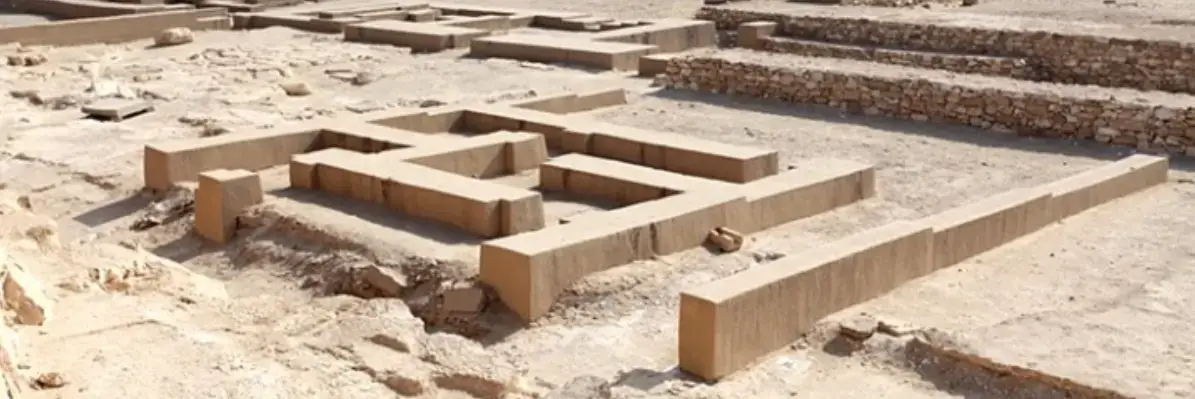
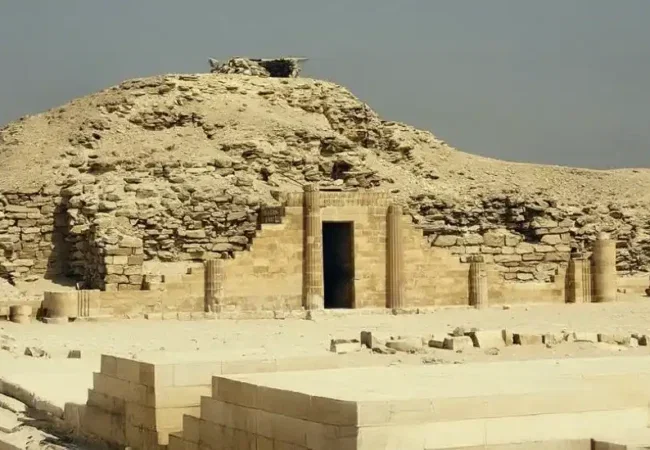
The Pyramid of Djedefre was originally surrounded by a stone wall that provided protection from intruders and ensured privacy. Inside, there was a complex system of passages that connected various chambers and galleries. Unfortunately, much of this has been destroyed or looted over the centuries and we are only left with remnants of the original design.
Overall, The Pyramid of Djedefre provides us with an impressive glimpse into ancient Egyptian architecture and design. Despite its age and lack of preservation, it still stands as a lasting monument to the achievements of the ancient Egyptians.
Facts about The Pyramid of Djedefre
The-Pyramid-of-Djedefre-Giza
The Pyramid of Djedefre, also known as Abu Rawash, was the first pyramid to be built outside of Giza. It was commissioned by Pharaoh Djedefre, the son of Khufu, who was the builder of the Great Pyramid of Giza. The Pyramid of Djedefre is considered to be the second tallest pyramid in Egypt, and stands at around 50 meters tall.
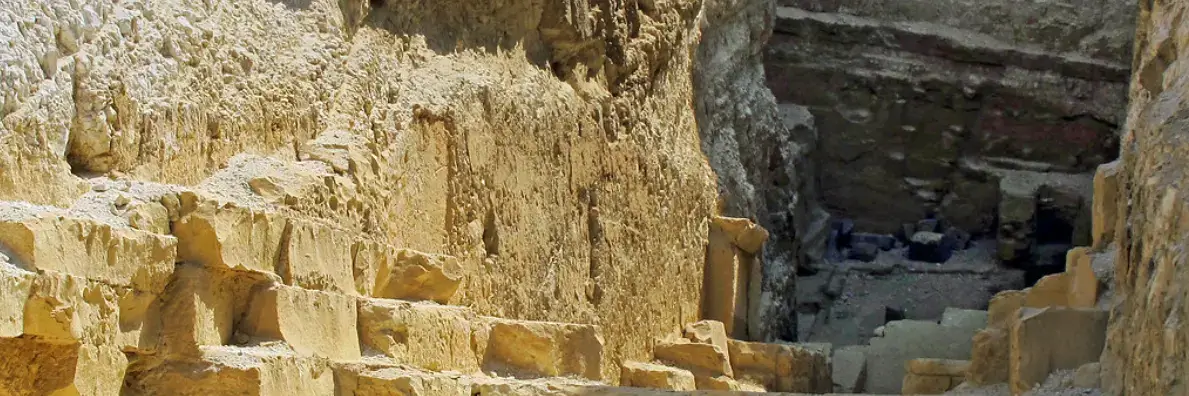
The pyramid was built on a limestone base and constructed out of mud-brick and mortar. Inside, there are three small chambers that are believed to have been used for religious ceremonies. Unfortunately, very little of the pyramid is still intact today due to its age and poor conservation.
Djedefre’s burial chamber is still intact and is believed to have been located within the pyramid. This chamber held a sarcophagus containing the mummy of the pharaoh and artifacts that were intended to assist him in his journey to the afterlife.
Interestingly, the Pyramid of Djedefre has an unusual alignment that differs from the traditional north-south orientation of other pyramids. Instead, it is oriented to the east-west. It is not known why this deviation exists, though some believe that it was done intentionally to signify a break from tradition and past pharaohs.
The Pyramid of Djedefre is one of the most impressive monuments from ancient Egypt and continues to draw visitors from around the world. Despite its age, it provides a unique insight into the history of this ancient civilization and offers an unforgettable experience for all those who come to visit it.
The Pyramid of Djedefre is an ancient Egyptian pyramid built for Pharaoh Djedefre, son of Khufu. It was constructed near Abu Rawash, rather than at Giza with the other famous pyramids.
Why was it built at Abu Rawash?
Djedefre’s choice of Abu Rawash may have been influenced by the site’s elevated position, providing prominence and visibility. It’s also possible he chose the location to distance himself from his father’s legacy.
How does it compare to the Great Pyramid of Giza?
Although originally planned to be large, the Pyramid of Djedefre was never completed to the size of the Great Pyramid. Its ruins suggest it would have been impressive, but it’s less known due to its incomplete state and damage over time.
What materials were used in its construction?
The pyramid was primarily built with local limestone. Some evidence suggests the use of granite for casing stones, especially around the lower parts of the structure.
What condition is it in today?
The pyramid is largely in ruins. Many stones were reused in later periods for other construction projects. Its current state makes it difficult to envision its original grandeur.
Are there any unique features?
The Pyramid of Djedefre is notable for its use of granite, uncommon for pyramids of its time. It also features a unique valley temple, which is now mostly destroyed.
Can tourists visit the Pyramid of Djedefre?
Yes, tourists can visit the site, but it’s less accessible and popular than the pyramids at Giza. The site offers a quieter experience for those interested in Egypt’s less-visited monuments.
Has it been studied extensively by archaeologists?
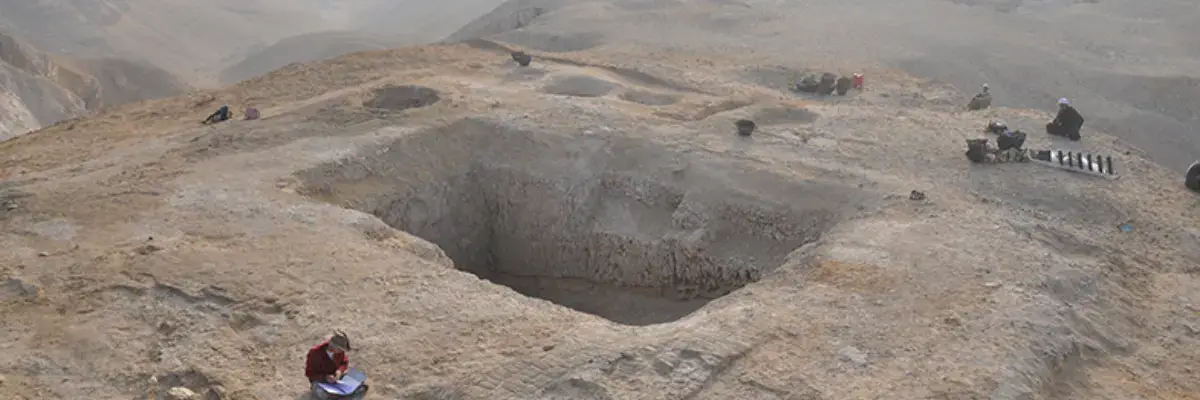
While not as extensively studied as other pyramids, it has been the subject of archaeological investigations. These studies have provided insights into the construction techniques and materials used during Djedefre’s reign.
What mysteries still surround the pyramid?
Several mysteries persist, such as the exact reasons for its incomplete state and why Djedefre chose this location. Ongoing research may provide more answers in the future.
How does it fit into Egyptian history?
The Pyramid of Djedefre marks a transitional period in pyramid construction. Djedefre’s reign represented both continuity and change, as seen in his architectural choices and location preferences.
If we go to the area of the pyramids, and stand in front of the Great Pyramid of Giza , we will feel the greatness of the ancestors who left us this great civilization. The pyramid of King Khufu is considered the largest pyramid in Egypt, this great Egyptian king who lived about 4,500 years […]
Discover the mysterious Red Pyramid of Dahshur, a stunning ancient marvel in Egypt. Explore its rich history, magnificent architecture and mysterious aura as you journey through one of the oldest true pyramids in the world. The Red Pyramid is one of the most priceless tourist attractions in Egypt; It was the first attempt to build […]
The Egyptian pyramids are among the most important and magnificent historical landmarks that attest to the greatness of ancient Egyptian civilization, and they represent an integral part of this ancient history. The pyramids are distinguished by their complex design that inspires astonishment and their strong structure that has stood the test of thousands of years. […]
Saqqara, located in southern Cairo between Giza and Dahshur, is dotted with several fascinating monuments, including a number of tombs and a few crumbling pyramids, but the Djoser’s step pyramid is a must-see. The 4,700-year-old step pyramid, built for the third dynasty pharaoh Djoser in the 27th century B.C., is the world’s oldest stone monument […]
Since the pyramids were discovered, they have become a focus of interest for many researchers and historians. These iconic Egyptian pyramids are ancient monuments that tourists from all over the world come to see, especially since the Great Pyramid of Khufu is one of the Seven Wonders of the World. Through this article, we will […]
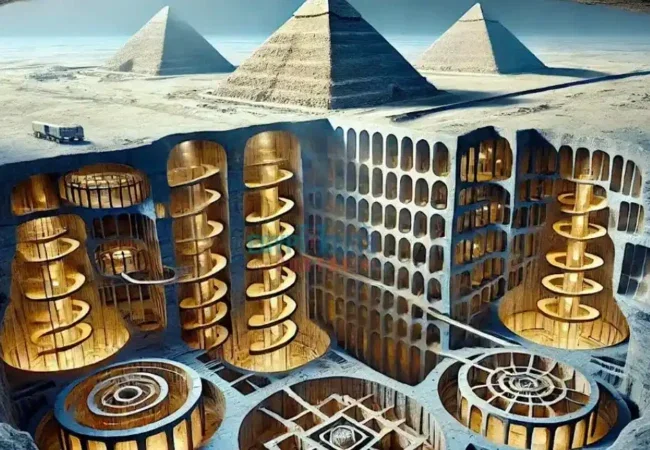
A recent study by a group of Italian researchers claims the discovery of a vast complex under the Giza pyramids, extending for a distance of over 6,500 feet. Its size is estimated to be about ten times larger than the pyramids themselves. It is said that this alleged complex consists of eight cylindrical structures lined […]
Giza Pyramids Complex, one of the Seven Wonders of the World are extraordinary architectural feats, consisting of the Great Pyramid of Khufu, the Pyramid of Khafre and the Pyramid of Menkaure, These pyramids were built as tombs for the ancient Egyptian pharaohs, symbolizing their belief in an afterlife and serving to preserve their legacy. If […]
The Pepi I Pyramid Complex, a testament to the grandeur of ancient Egypt, houses the pyramid of Pharaoh Pepi I and nine other kings. Discover pyramid texts, visions of the afterlife, and ongoing archaeological discoveries The celestial Pepi I pyramid complex is an invaluable monument that transmits a large number of amazing historical and artistic […]