The Royal Jewelry Museum is one of the most prominent cultural landmarks in the world, as it houses a unique collection of precious stones and jewelry that originated from royal families.
This museum is located in the city of Alexandria and is considered a window into the art and handicrafts of distinctive eras of Egyptian history.
It displays some earrings, necklaces, royal crowns, and many valuable artifacts. It was established to preserve Egyptian cultural heritage and attracts tourists from all over the world.
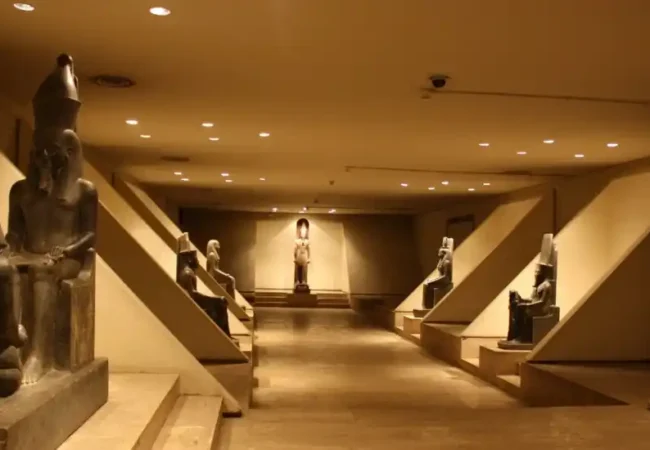
This museum consists of several organized halls to make it easier for visitors to learn about each piece individually.
The Royal Jewelry Museum is an important place for art and history lovers, as it combines the beauty of design and the depth of heritage, making it a distinctive destination for visitors.
History of the Royal Jewelry Museum
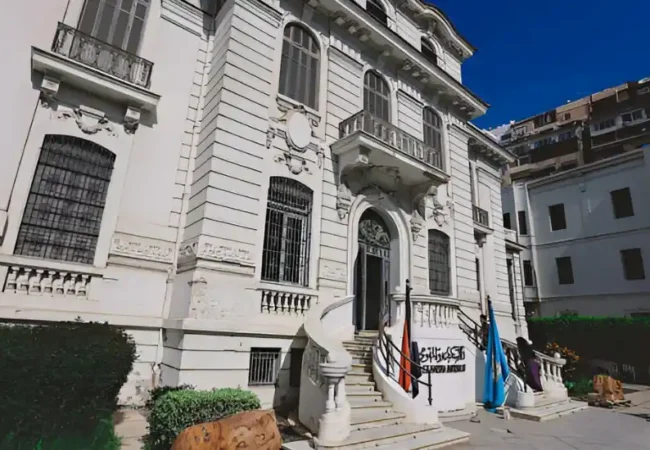
The museum’s building is truly stunning, as it is located in the palace of Princess Fatema El Zahraa, a beautiful example of 19th-century architecture. Some of the items on display at the Royal Jewelry Museum date back to the time when Mohamed Ali Pasha became the ruler of Egypt in 1805. He made Egypt independent from the Ottoman Empire and started a dynasty that lasted for 147 years.
His grandson, Khedive Ismail who ruled from 1863 to 1879, wanted Egypt to become more modern like Europe. He introduced street electric lights, dug the Suez Canal and built many new structures across the country. He also hired talented Egyptian and foreign artists to create golden jewelry and decorative items for the royal family. That is why many of the museum’s treasures come from his time.
After the Egyptian Revolution in 1952, the royal jewelry was taken by the government and kept in storage for many years. Later, a report by the General Administration of Expropriated Money suggested that the jewelry should be displayed in a museum so everyone could see these valuable treasures.
The Most Famous Jewelry on Display in the Museum

The-Most-Famous-Jewelry-on-Display-in-the-Museum-Royal-Jewelry-Museum-EgyptaTours
The Royal Jewelry Museum includes a large collection of golden artifacts and jewelry, most of which originated from the Alawite family. It contains some gold watches that belonged to Khedive Ismail and Khedive Tawfiq, as well as 12 cups of gold and platinum and a money clip, all inlaid with gold and diamonds, which reflects their refined taste and interest in the arts.
The museum also has some gold handles inlaid with diamonds, gold medals, and a platinum crown inlaid with diamonds and bids. This crown dates back to Princess Shivakiar, the wife of King Fouad. There is also some jewelry from Queen Nazli.
There are also some watches, scarves, medals, and duties inlaid with gold and jewelry, and about 4,000 ancient coins, most of which were made of gold, which highlights the wealth and diversity of the royal family’s possessions.
There is also a gold tray and a chess box made of gold and an agate plate, all of which belong to King Farouk and Queen Nazli. There is also the crown of Queen Farida, which was made of platinum inlaid with diamonds along with some brooches inlaid with gold. These pieces reflect aspects of the royal family’s life and their personal interests.
There is also some jewelry belonging to Queen Nariman, such as commemorative medals and awards. There are also gold necklaces inlaid with diamonds that belonged to Princess Fawzia Ahmed Fouad.
The museum also has a collection of necklaces, decorations, and jewelry that belonged to Prince Youssef Kamal and Muhammad Ali Tawfiq.
It contains many artifacts nominated with gold and diamonds that also belonged to the royal family. This museum is considered one of the most beautiful places that can be visited in Egypt, due to its valuable treasures.
Top Must-See Treasures in the Museum
The museum’s collection features over 11,000 pieces of gold and jewelry, originally belonging to the Alawite family. As you wander through the organized halls, you will find items ranging from Khedive Ismail’s gold pocket watches to everyday royal items inlaid with precious stones.
Here are the absolute highlights you cannot miss during your tour:
- Queen Farida’s Platinum Crown: A breathtaking masterpiece encrusted with hundreds of sparkling diamonds that perfectly captures the elegance of the royal court.
- King Farouk’s Chess Set: A fascinating and masterfully crafted chess set made entirely of gold and precious stones, showcasing the sheer extravagance of the era.
- Queen Shivakiar’s Crown: Known as one of the most valuable and luxurious items on display, this magnificent piece is famously formed from 2,159 flawless diamonds.
- The Royal Infant Rattles: A unique glimpse into the lavish personal lives of themonarchs, featuring baby rattles crafted from pure gold and diamonds.
How Does Royal Family Jewelry Reflect the History of Egypt?

How-Does-Royal-Family-Jewelry-Reflect-the-History-of-Egypt-EgyptaTours
The necklaces and decorations in that era reflect how the Egyptians excelled in ornamentation and art, as well as reflecting the skill of manufacturing these jewels.
They were decorated using the best types of diamond stones and express the wealth and economic prosperity of Egypt at that time.
Egypt was a prominent center of luxury and wealth at that time, and a unique touch was added to the formation of jewelry at that time. Although these jewels remained hidden for several years, they are still considered a symbol of creativity and design in jewelry. Therefore, the Royal Jewelry Museum in Alexandria was established to appreciate craftsmanship and beauty, and to preserve this precious legacy.
The Importance of the Royal Jewelry Museum as a Tourist Destination

The-Importance-of-the-Royal-Jewelry-Museum-as-a-Tourist-Destination-EgyptaTours
The Royal Jewelry Museum is one of the most important places that attracts a very large number of tourists around the world to see the wonderful jewelry and how the Egyptians excelled in creating and decorating it with unique designs.
By visiting this museum, the visitor is transported to another world of luxury, and you can take a historical tour to see a unique collection of jewelry.
Therefore, it was established by the Egyptian government in 1919, and it was built in the palace of Princess Fatima Al-Zahra, who is one of the princesses of the Alawite family, to be a place to display these treasures.
The Museum’s Role in Preserving the Egyptian Royal Heritage
The museum greatly helps to educate all visitors about the history of the royal family and Egyptian history during their more than 150-year reign. It is also used to preserve and display royal jewelry. The museum contains many jewels decorated with rubies and diamonds.
It also contains some personal belongings of the kings and princes of the royal family. The museum greatly helps to highlight the cultural history of Egypt between the past and the present, and to transfer this legacy to future generations.
How Were These Jewels Collected and Displayed to the Public?
This museum is one of the most important museums that contain Egyptian jewelry. This museum was established in the palace of Princess Fatima Al-Zahra, which was built for her by her mother, Zeinab Hanem Fahmy.
This palace was taken from the heirs to be the property of the Egyptian government. The precious pieces and jewelry that exist in this palace were collected from individuals and descendants of the Alawite family, and this took decades.
The history of each piece was recorded and written inside the museum to help visitors understand Egyptian history, and they were displayed in a suitable and attractive manner after dividing the museum into different display halls.
The Relationship of the Royal Family Jewelry to the Royal Traditions in Egypt
The royal family in Egypt dealt with the best jewelers in the world, which led to the production of many rare pieces and unique jewelry. The king decided to adhere to some authentic Egyptian traditions and beliefs during this period.
This family was characterized by their love of music and the arts. King Farouk wanted to make a crown specifically for him and chose the lotus flower, which the ancient Egyptians cherished, to be decorated with the crown, but due to the high cost of this crown, it was abandoned.
There are many jewels from this family that have been decorated with some important marks that originated in ancient Pharaonic times, connecting the past and the present.
Reopening of the Royal Jewelry Museum
The Royal Jewelry Museum went through a long period of repair and renovation before it reopened in 2010. During this time, many new services and facilities were added, including central air conditioning, a library, a café, a seminar hall and a restoration workshop. The museum is also protected by a modern security system which includes alarms, fire safety measures and surveillance cameras.
The Egyptian Ministry of Cultural Affairs said that the restoration work cost more than nine million dollars. The museum is now considered one of the most impressive in Egypt. In April 2010, after being closed for many years, it officially opened its doors to the public.
Restoration Work Carried Out on the Museum’s Holdings
The Royal Jewelry Museum was restored and developed in 1986, then restored again in 1994, and restored in 2004 by a group of Egyptian antiquities specialists. The aim of this restoration was to increase the capacity for many of the royal family’s distinctive exhibits.
This restoration was completed in 2009 and the museum was opened again. The artifacts in the museum have been restored and the damaged ones have been repaired, and their luster and shine have been restored again.
All restoration work in the museum is documented by photographing the piece before and after restoration, to maintain a complete record of the restoration process.
Plan Your Visit: Essential Information
Before you embark on your magical journey through Egypt royal past, having the right practical details will make your visit seamless. The museum is housed inside the stunning Princess Fatima Al-Zahra Palace, located at 27 Ahmed Yehia St, in the upscale Zizinia neighborhood of Alexandria.
The museum welcomes visitors daily, with opening hours from 9:00 AM to 5:00 PM (note that the ticket window typically closes at 4:15 PM).
For international travelers planning their 2026 itinerary, adult tourist tickets are priced at 120 EGP, while foreign students can enter for 60 EGP. Egyptian and Arab visitors enjoy discounted rates of 20 EGP for adults and 10 EGP for students. While the museum offers basic accessibility, it is always recommended to call ahead if you require specific wheelchair accommodations.
How Can You Get & Visit the Royal Jewelry Museum?
Reaching the museum in the Zizinia neighborhood is highly convenient for travelers exploring Alexandria. If you prefer a direct route, local ride-share apps like Uber and Careem operate efficiently across the city; simply set your destination to the museum, which is roughly a 15 to 20-minute scenic drive from the downtown Corniche.
For a more traditional local experience, you can take the blue tram line directly to the ‘Qasr El-Safa&’ or & ‘Zizinia’ station, leaving you with just a short, pleasant walk to the palace gates. Want to experience the luxury of Egypt & royal past without the hassle of planning? Booking a comprehensive Alexandria day tour with EgyptaTours is the most hassle-free way to visit.
We handle all the transportation and ticketing, providing an expert Egyptologist guide to bring the history of the Royal Jewelry Museum, the Catacombs, and the Serapeum to life.
The Royal Jewelry Museum is located in the city of Alexandria and is always open to all visitors from 9:00 AM to 5:00 PM. A small amount is paid for tickets to enter the museum, but it can be entered for free for orphaned children, people with special needs, and government school trips, to encourage everyone to visit this cultural landmark.
When To Visit the Royal Jewelry Museum
The Royal Jewelry Museum is open every day from 9 a.m. to 4 p.m. Visitors on Egypt tours can buy tickets at the entrance and enter directly. The museum is set in a beautiful royal palace and guests can explore both the palace gardens and the museum’s collections during their visit.
Tips to Visit Royal Jewelry Museum
Plan Your Visit: The Royal Jewelry Museum is a popular spot, so it’s best to buy your tickets in advance and arrive a little early to avoid crowds. You can spend a day exploring Alexandria and see its main attractions on a city tour.
Dress Appropriately: Since the museum is inside a royal palace, it’s recommended to wear modest clothing and comfortable shoes for walking around the palace and gardens.
Take a Guided Tour: For a better experience, consider joining a guided tour. It gives interesting information and stories about the museum’s exhibits.
Photography: You are allowed to take photos in the museum, but flash photography and tripods are not permitted.
Secrets You Didn’t Know About Egyptian Royal Jewelry

Secrets-You-Didn’t-Know-About-Egyptian-Royal-Jewelry-Museum-EgyptaTours
This museum includes many rare decorations, statues, and paintings, as well as a valuable collection of jewelry for the royal family. This museum was closed in 2003 to carry out restoration operations that took about seven years.
There is a picture of King Farouk in the museum, and three halls of the museum have been allocated to display King Farouk’s belongings only, in appreciation of his historical status.
List of The Best Alexandria Tours
FAQs
Where is it located?
In Alexandria, Egypt, inside a former royal residence (the palace area associated with Egypt’s royal history).
What are the opening hours?
Hours vary by season and day; please check the official site or contact the museum for current times.
How much is the admission fee?
Ticket prices vary (adult, student, and sometimes combined passes); consult the official site or box office for current rates.
Do you offer guided tours?
Yes, guided tours are often available, with options in multiple languages; inquire at the ticket desk or advance booking.
Are there group visit options?
Yes, groups can arrange visits, sometimes with discounts or tailored itineraries. Contact the museum in advance.
Is photography allowed inside the museum?
Photography policies vary by exhibit; generally non-flash photography is allowed in public areas, but check signage or ask staff.
Is the museum accessible for visitors with disabilities?
The museum aims to be accessible, but accessibility features may vary by area. Ask staff for accommodations.
Are there any restrictions on what I can bring?
Large bags or food may not be allowed; there may be security checks at entry. Check current guidelines.
What can I expect to see?
A collection of royal jewelry and ceremonial items from Egypt’s royal era, displayed in curated cases to illustrate history and craftsmanship.
Are there temporary or special exhibitions?
Yes, the museum hosts rotating exhibits and special programs alongside the permanent collection.
Is there a gift shop or cafe?
Many museum venues have a shop with related souvenirs; some may offer snacks or beverages. Check upon arrival.
Can I visit with children?
Families are welcome; some exhibits may include interactive or kid-friendly information. Supervise children at all times.
How long does a typical visit take?
Most visitors spend 1–2 hours, depending on interest and group size. Allow extra time for photos and reading placards.
How can I plan my visit?
Check the official museum website or contact the museum directly for current hours, ticketing, and any travel advisories or closure dates before you