All You want to know about Dahab Red Sea
The city of Dahab on the Red Sea is one of Egypt’s...



There are many archaeological sites that have been discovered, among them the Osiris Tomb in Giza, which is one of the most mysterious and exciting discoveries. It is a living embodiment of the stage of resurrection and eternity that was believed in ancient times, although it was not an actual tomb. Through the following lines, we will learn more about this discovery that has raised many questions.
The ancient Egyptians believed that Osiris was a just ruler of Egypt who established laws, civilization, and taught agriculture. However, his brother Set became extremely jealous of him, so he killed him and dismembered his body into several pieces scattered all over Egypt.
After that, Set took over the rule and became the king of Egypt, marrying his sister Nephthys. But his wife felt sorry for her sister Isis, who was deeply saddened by the death of her husband Osiris, so she helped her collect his remains. It is said that her son Horus also helped her.
According to the myths, she was indeed able to gather those remains and bind them with linen shrouds, believing in the stage of resurrection. After that, he descended to the underworld and ruled the souls of the dead, as they believed. The archaeological site, the Osiris Tomb in Giza, represented this underworld.
Location-of-the-Osiris-Tomb-Where-is-it-EgyptaTours
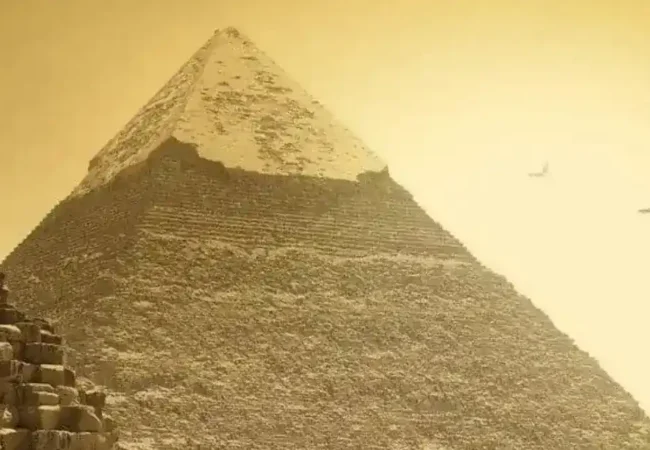
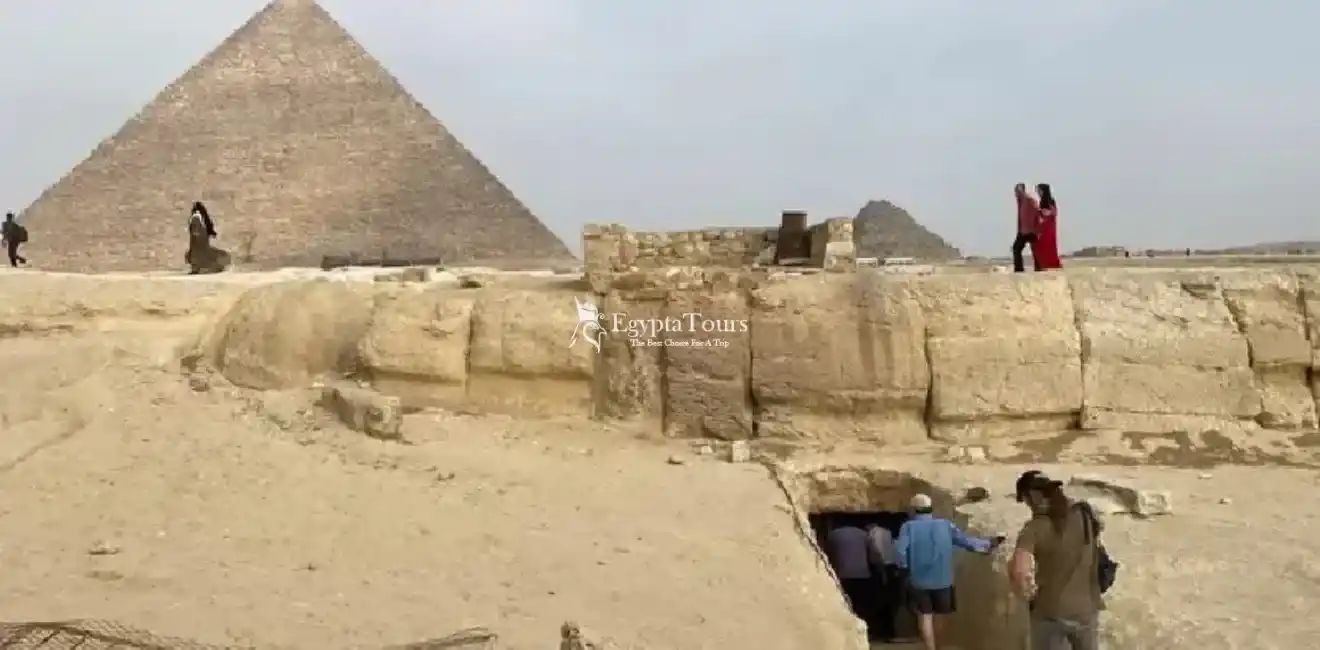
The Osiris Tomb is located in Giza, specifically near the Pyramid of Khafre, meaning it is close to the three pyramids located west of Cairo. It was not a tomb as is commonly known, but an archaeological site where many religious rituals related to the stage of resurrection after death for Osiris were performed, as they believed.
There have been many unproven sayings and theories about the Osiris Tomb in Giza. Egyptologists have said that the tomb is either in Abydos or Abusir, believing the former contains his head. There are also two places there: the Osireion and the tomb of King Djer.
Another opinion is that the tomb of Osiris is the tomb of King Djer. Through excavations carried out in 1900-1901, it was said that Djer’s tomb was modified to become the tomb of Osiris and that it contains his carved bed, which Émile Amélineau was able to find.
Some have said that the term “Osiris buried in the Osireion” was used by the Greeks to symbolize the shrines of Osiris, and this was applied to the building located in Abydos behind the temple of King Seti I. It was discovered in 1901-1902 and completely cleared in 1926.
The-Role-of-the-Osiris-Tomb-in-Egyptian-Funerary-Rituals-EgyptaTours
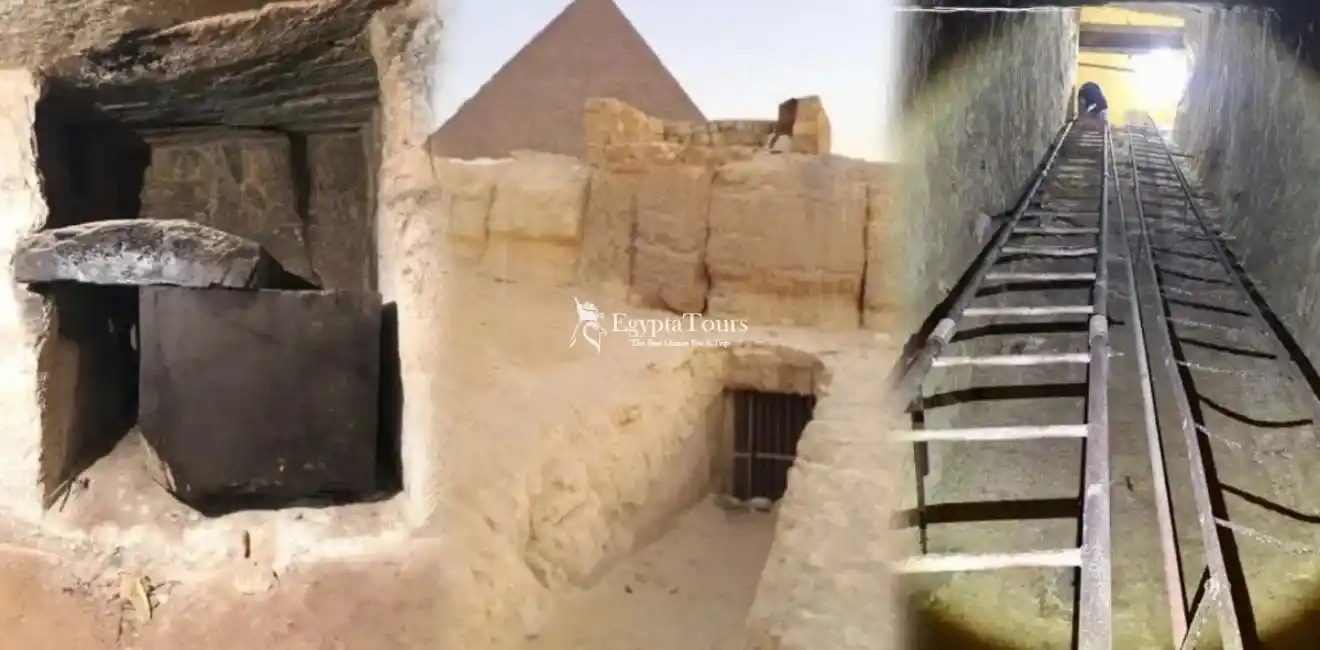
The Osiris Tomb in Giza, or the archaeological site, has a fundamental role in Egyptian funerary rituals. In their belief, it was used to embody the journey of the deceased after death in the other world. It was a reenactment of Osiris’s death and resurrection, according to their belief.
It was designed to illustrate the Egyptians’ beliefs about the underworld, with its chambers and corridors used to perform rituals that refer to the idea of resurrection and eternity, as happened with Osiris, they believed.
Annual religious festivals were also held at the tomb, which included resurrection rituals. Thus, it became a spiritual factor in the Egyptians’ belief that the end was not in death, as there was another eternal life, and it also became a model for others to follow when designing their royal tombs, all according to their beliefs.
Therefore, this tomb was designed with great care to reflect religious doctrines. It was decorated with funerary texts on statues, with food and offerings provided for the comfort of the deceased. Some rituals, such as the “Opening of the Mouth” ceremony, were performed to symbolically restore life to the deceased.
Archaeological-Discoveries-Found-Inside-the-Tomb-EgyptaTours
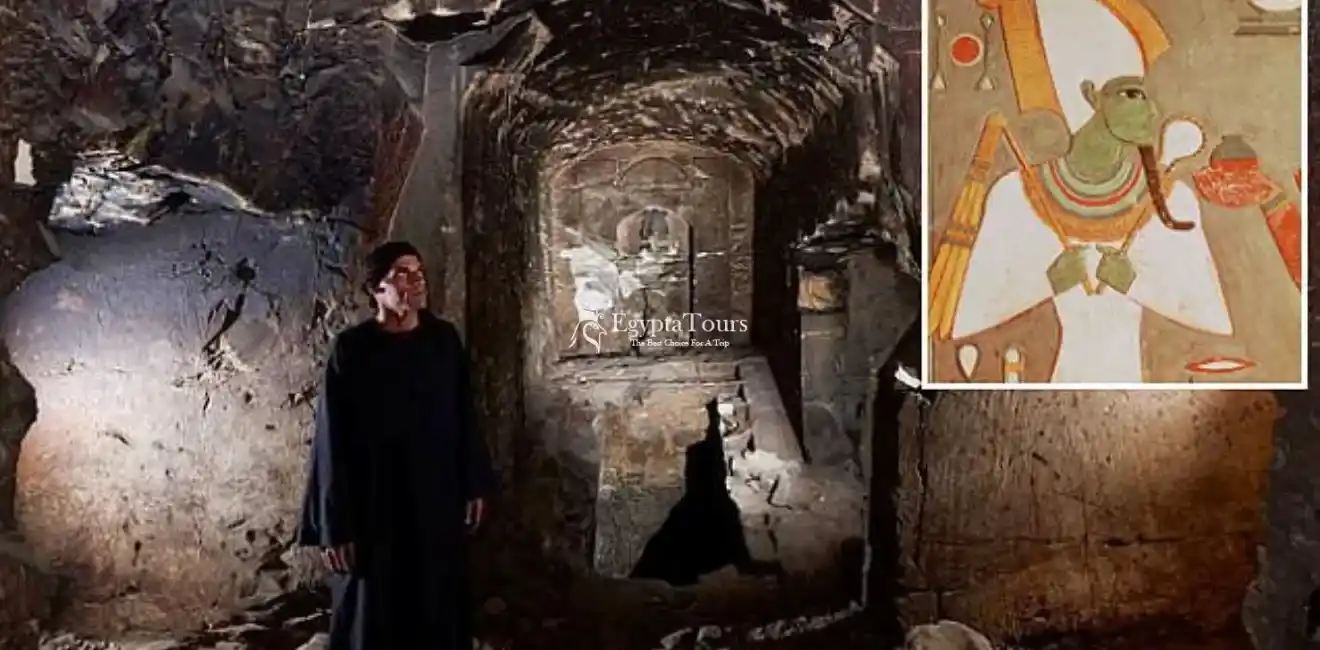
There are many archaeological discoveries found in the Osiris Tomb in Giza, or what is presumed to be the real tomb. Among them are many chambers containing funerary statues and also many pottery fragments.
In addition to some organic materials expected to be used in religious rituals, the tomb was not only for burial but was a funerary temple used to perform the rituals of Osiris’s resurrection. This is a reflection of the Egyptians’ keenness to achieve eternity, as they believed.
Technology has greatly contributed to the discovery of the Osiris Tomb in Giza. Computed tomography (CT) scanning is used to unwrap mummies, and 3D scanning has been used to create a digital model of this tomb.
Geophysical analysis has also been used, where ground-penetrating radar allows for the discovery of shafts and tunnels that exist underground without the need for excavation. Materials have also been analyzed using technology.
You can visit and discover the legendary sites related to Osiris with a visit to the three Giza Pyramids, near which there is a tomb that contains the funerary rituals that were performed for Osiris. You can also take some tours that help to understand it more deeply.
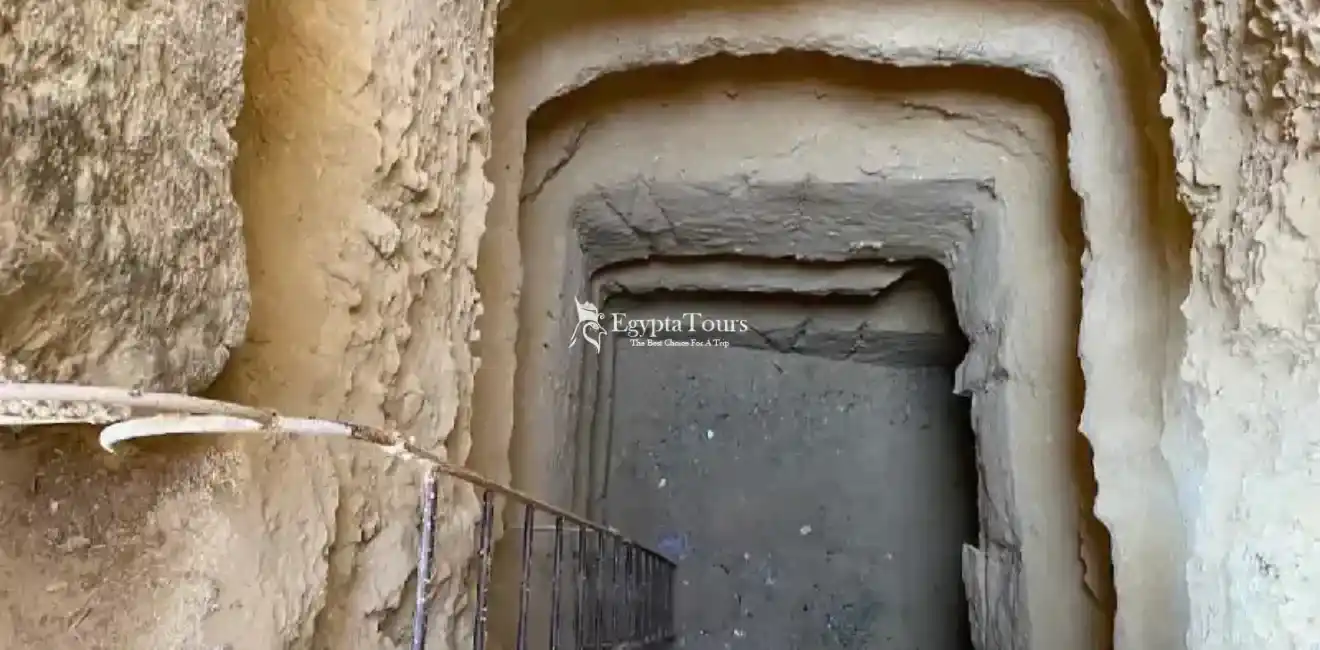
The-Role-of-Groundwater-in-Preserving-or-Damaging-the-Tomb-EgyptaTours
Groundwater can both preserve and damage tombs. Preservation factors include preventing the growth of fungi and bacteria, stabilizing humidity and temperature, and preserving organic materials for a certain period.
However, it can also cause the erosion of stones, the falling of inscriptions on the tombs, the fading and damage of colors. With its abundance, it leads to the decay of organic materials and the occurrence of cracks or land subsidence of ceilings.
It is worth mentioning that the Osiris Tomb in Giza was not an actual tomb for Osiris but contains artifacts related to him, in addition to many pieces of evidence of funerary rituals being held in this tomb. It was a reenactment of resurrection after death and eternity in the other world for the god Osiris, as they believed in ancient times.
It was said in their myths that he ruled the souls of the dead in the underworld after being brought back to life.
There is no actual tomb for this god, as there have been many sayings about him. However, there are many sites associated with him where funerary rituals were held, including Abydos.
This tomb is a symbol of resurrection after death and eternity in the other world, as the ancient Egyptians believed. It is also linked to Osiris, who is said to have been brought back to life by his wife, as they believed in ancient times.
This shaft is an archaeological monument that can be visited by visitors to learn about its importance in the ancient Egyptian religion. It is located in the temple of Abydos.
Many archaeological sites related to Osiris have been discovered. It is believed that he was not a real person but a god, and no actual tomb for him has been discovered so far.
This story is one of the ancient Egyptian myths and is part of the Egyptian religion. It is used to explain natural and cosmic phenomena.
Many artifacts have been discovered in the sites related to the god Osiris, as he does not have an actual tomb. These discoveries include chambers, stones, statues, and inscriptions.

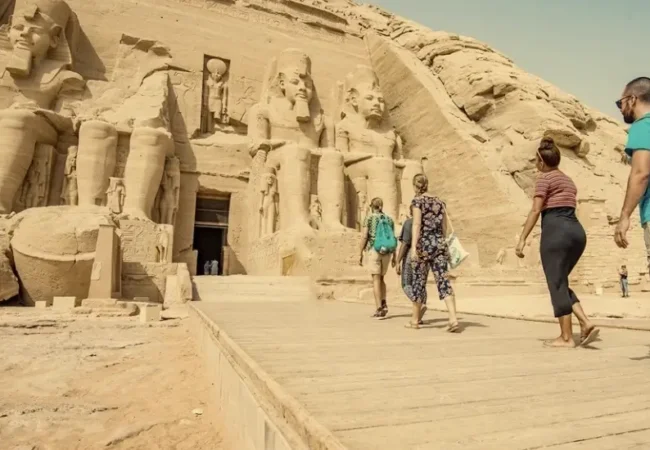




Explore our top-rated Egypt travel packages and embark on an unforgettable journey. From the Pyramids of Cairo to the magical temples of Luxor, Aswan, and Abu Simbel, discover expertly curated tours designed for your perfect Egyptian adventure