






What is Special about Pharaohs
The pharaohs were the rulers of ancient Egypt who ruled for thousands of years. They were not just kings, people saw them as gods on earth. Everything in their lives was important, from ruling the country and organizing farming to religion and arts.
The pharaohs built huge pyramids, large temples, and amazing statues, which made Egypt famous all over the world. Their lives were full of symbols and meanings, and they always focused on maintaining justice and balance in everything around them.
The legacy they left is not only in buildings but also in culture, arts and writing which made them one of the most important civilizations in history and people are still impressed by them today.

What- is -Special -about- Pharaohs- and -Their -titles -Origins
The word “Pharaoh” comes from the Egyptian term per-ao, which means “grand house.” At first, it was used to talk about the royal palace, but later it became a way to refer to the ruler who lived there. The Pharaoh was more than just a political leader, he was seen as a divine being, chosen by the gods to rule Egypt. People believed he was a god on Earth, responsible for keeping mast, which means balance, justice and truth in the world.
What is special about Pharaohs’ First Appearance?
Pharaohs appeared around 3100 BCE when Upper and Lower Egypt were united under one king, often called Menes or Narmer. This marked the start of the Early Dynastic Period making the pharaoh both a political and religious leader.
What is special about pharaos Life, Secrets, Power and Grandeur
Pharaohs in ancient Egypt lived unique lives full of authority, sanctity, mystery, and deep meaning. They were not ordinary kings but living gods on earth, combining earthly power with divine authority. From wearing symbolic crowns that terrified enemies to dedicating their entire lives to preparing for the afterlife, Pharaohs lived lives of grandeur, rituals, and secrets. Each Pharaoh left a clear mark on history through traditions that are sometimes difficult to understand, yet continue to captivate us thousands of years later.
What is Special about Pharaohs and The Divine Role of the Pharaoh
In ancient Egypt, religion and government were connected. The Pharaoh was both king and high priest of each temple. He performed rituals and maintained the worship of the gods. The Pharaoh was seen as the earthly form of the gods, including Horus, the sky god and Osiris, the god of the afterlife. He had to keep the world in order, protect the people from dangers and maintain the universe’s balance.
The Pharaoh’s divine nature was shown in art and inscriptions. He was shown with symbols of the gods, like the crook and flail, which represented rulership and protection. His royal clothes included the Nemes headdress and a false beard. These items connected him to the gods and showed that he was eternal, never aging or weakening.
What is Special about Pharaohs and The Political and Military Power of the Pharaoh

What -is -Special- about -Pharaohs -and -The -Political -and -Military -Power- of -the -Pharaoh
The Pharaoh’s role was not only religious. As the supreme ruler, he had great political and military power. He made laws, collected taxes and ran the country. He also led the army fighting enemies and expanding Egypt’s lands.
Famous Pharaohs like Ramses II and Thutmose III were known for their military skills and strategy. They won many battles and strengthened Egypt’s power. Their campaigns often expanded Egypt’s borders and brought wealth and resources to the kingdom.
What is Special about Pharaohs and The Pharaoh and Society
The Pharaoh’s power influenced all parts of Egyptian society. He built temples, pyramids and statues to show his strength and honor the gods. These projects also helped preserve his legacy.
He was involved in farming and the economy, too. As the divine ruler, he ensured the Nile River flooded in a way that made the soil fertile. Good harvests were seen as blessings from the gods and the Pharaoh helped make them happen.
What is special about Pharaohs’ Facts

What -is -special -about -Pharaohs’ -Facts
Pharaohs of ancient Egypt were not just rulers; they were the most important people in a civilization that lasted for more than three thousand years. Their story is full of history, myths, and amazing human achievements, and it has influenced religion, art, and architecture.
Pharaohs were considered living gods on Earth. They had complete power and acted as both the leaders of their people and as mediators between the gods and humans.
In this journey into the world of pharaohs, you will discover a lot of information, including:
- Their history, from when Egypt was first united to the death of Cleopatra VII.
- Their cultural and religious importance.
- Interesting and surprising facts that show a more human side of their lives.
- Mysteries of their tombs and funeral rituals.
- The legacy they left behind, which still inspires visitors and artists today.
Historical Facts About Pharaohs
The history of the pharaohs tells the story of ancient Egypt. They ruled the country for thousands of years and left a legacy that people still admire and study today. Knowing their timeline helps us understand how their dynasty started and how it ended.
What is special about Pharaohs in the Egyptian Civilization
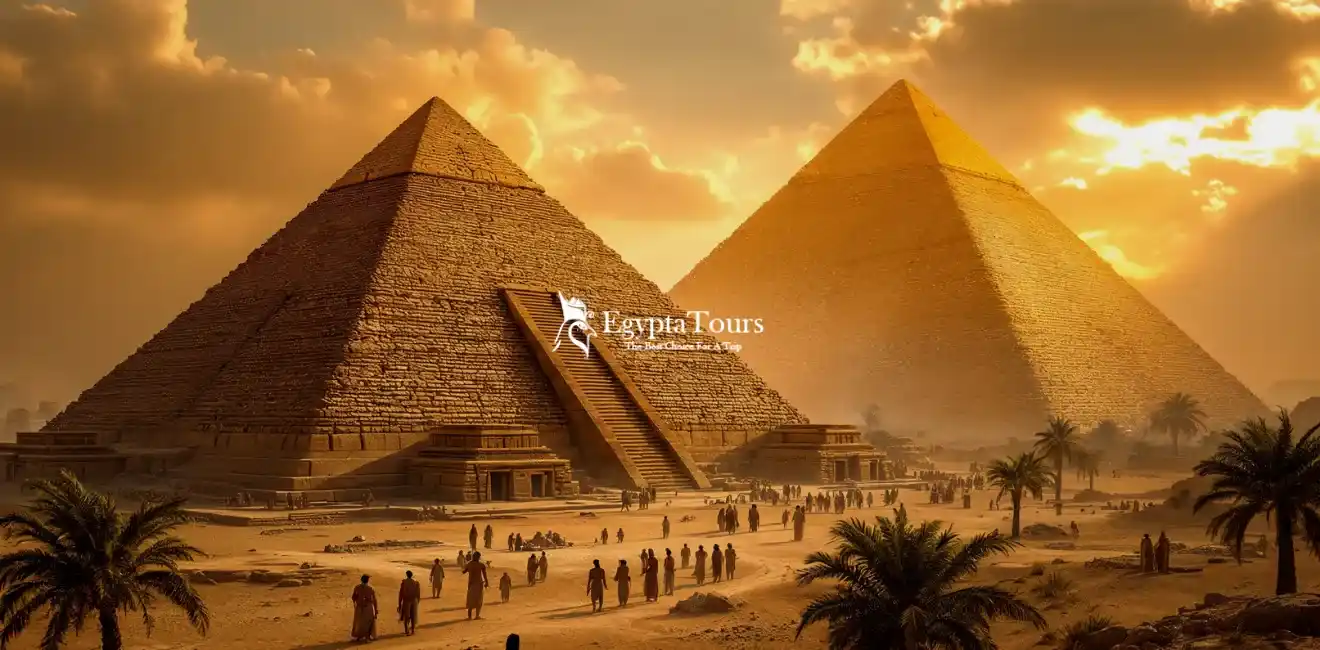
What -is -special- about -Pharaohs- in -the -Egyptian -Civilization
Everything in Egypt was under control of the pharaohs. People believed they were gods on Earth so no one questioned their authority. They had effects on Egyptian life in different ways:
- Building Monuments: They built pyramids, temples and statues.
- Managing the Economy: They organized farming and controlled Egypt’s wealth.
- Leading the Military: They led armies to protect Egypt and expand its land.
The Last Pharaoh of Egypt
The pharaoh era ended with Cleopatra VII in 30 BCE. She was smart, amazing and the last ruler of the Ptolemaic dynasty. After her death, Egypt became part of the Roman Empire ending over 3,000 years of pharaoh rule.
Cultural Facts About Pharaohs
Being a pharaoh was not just about politics, it was connected to religion and culture. Pharaohs were the link between humans and gods keeping the world in balance, a principle called Ma’at.
Religious Rituals
Pharaohs did daily rituals in temples to maintain Ma’at. These included:
- Offering food, wine and incense to the gods.
- Dressing and decorating statues of the gods.
- Leading big festivals and ceremonies.
Fun and Surprising Facts About Pharaohs

Fun -and -Surprising -Facts -About- Pharaohs
Some myths said a pharaoh’s saliva could heal sickness.
- Famous pharaohs include:
- Tutankhamun: Known as the “Boy King”, his nearly intact tomb was found in 1922.
- Akhenaten: Tried to change religion to worship only Aten.
- Hatshepsut: Ruled for over 20 years, sometimes wore men’s clothes and a fake beard.
- Nefertiti: Famous for her beauty and religious changes with Akhenaten.
Interesting Facts About Pharaohs
- In art, pharaohs were always shown young and perfect to show their divine and eternal nature.
- Both male and female pharaohs used cosmetics. They applied kohl around their eyes for beauty, sun protection and health. They also used green malachite for decoration and protection.
- Pharaohs studied from a young age. They learned writing, math, astronomy, medicine and religion.
The influence of pharaohs on the current life
Pharaohs’ influence is still strong today. Their pyramids, temples and obelisks set a standard for architecture and art. They continue to inspire:
- Films and TV: Movies like The Mummy.
- Literature: Historical and fictional novels.
- Video Games: Characters and settings inspired by Egypt.
- Fashion and Art: Designs influenced by Egyptian art.
Tombs and the Afterlife of Pharaohs

Tombs -and- the -Afterlife -of -Pharaohs
- Early Dynastic Period: Mastabas (mudbrick tombs).
- Old Kingdom: Smooth-sided pyramids at Giza.
- New Kingdom: Rock-cut tombs in the Valley of the Kings.
Pharaohs believed death was a step to the next life. Tombs were made as homes for the afterlife with furniture, food, jewelry and even pets. Pyramids had clever designs to stop tomb robbers including false passages and hidden chambers.
What is Special about Prominent Pharaohs in Ancient Egypt
Throughout history, several Pharaohs left remarkable legacies through military victories, architectural achievements and religious reforms.
- Seti I: A significant Pharaoh of the 19th Dynasty, he restored order in Egypt after a period of instability. Known for his military campaigns and revival of traditional religious practices, Seti I rejuvenated Egyptian art and architecture. His power and leadership were embodied in statues and reliefs such as depictions with the nemes’ headcloth and false beard linking him to the gods, particularly Osiris.
- Ramses II (Ramses the Great): One of the greatest Egyptian Pharaohs, he reigned for 66 years, leaving his mark through military victories, grand construction projects and extensive diplomatic relations. He is famous for building the colossal temples at Abu Simbel and his victory at the Battle of Kadesh.
- Cleopatra VII: Despite her fame for relationships with Roman leaders, Cleopatra was the last ruler of the Ptolemaic Kingdom of Egypt. Her reign marked the final chapter of Pharaonic Egypt before its incorporation into the Roman Empire. Her intelligence, political acumen and attempts to restore Egypt’s glory made her a prominent figure in ancient history.
What is Special about Pharaohs and The Symbolism of their Deaths
Every deceased Pharaoh marked the end of one era and the beginning of another. According to Pharaonic ideology, the Pharaoh was immortal but he transitioned to the afterlife to continue his role in maintaining cosmic balance. Egyptians believed in the Pharaoh’s journey to the afterlife and his rebirth for Egypt’s benefit.
Complex funerary rituals ensured the Pharaoh’s journey in the afterlife, including the construction of massive tombs such as the pyramids. Most tombs contained treasures, supplies and offerings for the Pharaoh’s eternal life. Mummification was essential to preserve the Pharaoh’s body for his everlasting existence.
What is Special about Pharaohs specially the Golden Age of Pharaohs
While temples in Abydos are exceptional, many significant ancient Egyptian temples had deteriorated by around 400 BCE. Consequently, the best-preserved temples date from the later centuries, between 400 BCE and the Christian era.
An example is the Temple of Dendera, about 40 miles north of Luxor. For those interested in viewing the oldest monuments, it is reassuring to know that the current temple sits atop several layers of older temples, possibly dating back to the Old Kingdom.
The Temple of Dendera, on the west bank of the Nile opposite modern Qena, is dedicated to the goddess Hathor. As with other Egyptian temples, it is surrounded by a mudbrick wall. Built during the Ptolemaic period and continuing into the Roman era (333–30 BCE), the temple includes a pylon, an entrance hall, a columned hall, a sanctuary and other typical temple facilities. A relatively rare addition is the Zodiac ceiling, introduced for the first time in a temple, although similar ceilings appeared in earlier tombs.
Outside the temple but inside the enclosure, there is a separate building called Mammisi, the divine birth house, a concept introduced during the Greco-Roman era to reinforce the king’s divine authority, especially for foreign rulers.
The Temple of Dendera is also associated with Cleopatra VII, who bore Julius Caesar’s son and had a relationship with Mark Antony. Her dramatic death, immortalized by Shakespeare in Antony and Cleopatra, ended Ptolemaic rule in Egypt. Her son was killed by the Romans who ruled Egypt for the next 300 years.
Before focusing on these somber events, one can visit one of the highlights of ancient Egypt’s golden era:
The city of Waset (ancient Luxor, known to the Greeks as Thebes) is considered the “golden age of Pharaohs.” The city gained global attention in 1922 when British archaeologist Howard Carter discovered the tomb of Tutankhamun, brother of Akhenaten and husband of one of Akhenaten and Nefertiti’s daughters.
Studies show the city’s origins date back to the Middle Kingdom around 2000 BCE. There is no evidence of its existence during Khufu’s time in the Old Kingdom. However, it quickly became an important administrative and religious center with significant worship of the god Amun-Ra and his family.
The Osiris-Isis-Horus triad remained part of the religious rituals but temple construction and celebrations focused primarily on Amun-Ra, his consort Mut, and their son Khonsu.
FAQs
What does the word “Pharaoh” mean and where does it come from?
The word “Pharaoh” comes from the Egyptian term per-ao, which means “grand house.” At first, it referred to the royal palace, but later it became a way to refer to the ruler who lived there.
Why were Pharaohs considered special in ancient Egypt?
Pharaohs were seen as divine beings chosen by the gods to rule Egypt. They were believed to be gods on Earth, responsible for keeping Ma’at, which means balance, justice, and truth in the world.
When did Pharaohs first appear?
Pharaohs appeared around 3100 BCE when Upper and Lower Egypt were united under one king, often called Menes or Narmer, marking the start of the Early Dynastic Period.
What was unique about a Pharaoh’s life?
Pharaohs lived unique lives full of authority, sanctity, mystery, and deep meaning. They were living gods on earth, wore symbolic crowns, dedicated their lives to preparing for the afterlife, and left lasting traditions.
What was the divine role of the Pharaoh?
The Pharaoh was both king and high priest of each temple. He performed rituals, maintained the worship of gods, and was seen as the earthly form of gods like Horus and Osiris. He had to keep the world in order and protect the people.
How was the Pharaoh’s divine nature shown?
It was shown in art and inscriptions. He was depicted with symbols like the crook and flail, wore the Nemes headdress, and a false beard, connecting him to the gods and showing that he was eternal.
What political and military power did Pharaohs have?
Pharaohs made laws, collected taxes, ran the country, and led the army. Famous Pharaohs like Ramses II and Thutmose III were known for military skill and expanded Egypt’s borders.
How did Pharaohs influence Egyptian society?
Pharaohs built temples, pyramids, and statues, managed farming and the economy, ensured the Nile flooded properly and helped bring good harvests, which were seen as blessings from the gods.
About EgyptaTours

EgyptaTours is a name synonymous with trust, excellence, and unforgettable travel experiences, proudly standing as one of the leading travel agencies in Egypt. Renowned for its deep expertise, personalized service, and carefully crafted itineraries, EgyptaTours serves as the ultimate gateway to discovering Egypt in its most authentic and inspiring form.