The city of Safaga is considered one of the most important tourist destinations on the Red Sea coast in Egypt, as it combines the beauty of the enchanting nature and the charm of the local culture which makes it an ideal destination for travelers looking for a unique experience.
It is also an important center for diving and water sports that provide a variety of water activities that meet the needs of adventure and relaxation enthusiasts alike, whether they want to explore the depths of the sea or enjoy fun water activities on the surface of the water.
Safaga Red Sea has a rich history and a unique culture which make it an ideal destination for tourists who want to learn about the rich Egyptian heritage and enjoy an unforgettable cultural experience.
Safaga Red Sea is considered the hidden gem on the Red Sea coast, as it offers a unique blend of natural beauty and therapeutic benefits.
It is an ideal destination for lovers of relaxation and tranquility where they can escape the hustle and bustle of life and enjoy a calm and comfortable atmosphere.
It is located 60 km south of Hurghada which makes it easily accessible from major cities in Egypt.
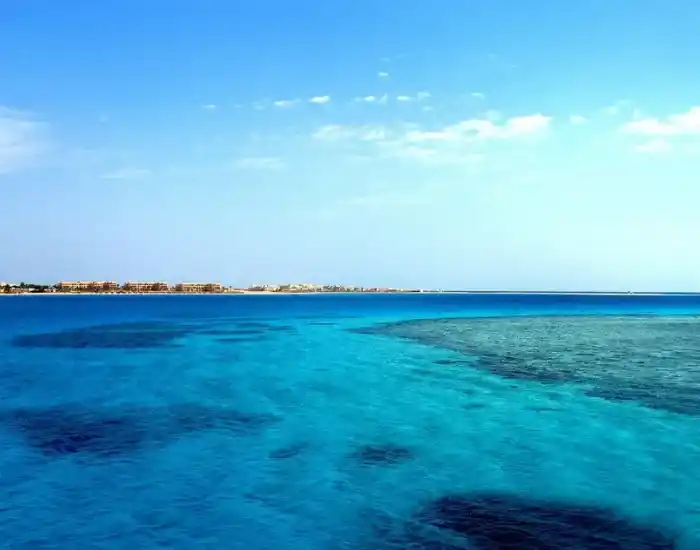
Safaga Red Sea is famous for its picturesque beaches and clear waters that invite relaxation and recreation where visitors can enjoy its therapeutic black sand dunes that are believed to possess unique therapeutic properties, and its mineral springs with known therapeutic properties that attract visitors seeking healing and relaxation.
Safaga was a small fishing village that depended on the sea as its main source of livelihood, but it gradually developed into an important coastal city thanks to its strategic location at the crossroads of maritime and land routes which makes it a center for the trade of spices and jewelry that were transported across the Red Sea to various parts of the world.
With the discovery by German tourists of its therapeutic properties in the nineties of the twentieth century, the city became a leading destination in the fields of health and wellness where visitors from all over the world come to benefit from natural treatments and mineral springs.
Safaga has a hot desert climate throughout the year which makes it an ideal destination to visit at any time of the year, but the best time to visit is between November and March when temperatures are more moderate and suitable for enjoying outdoor activities.
The water remains warm throughout the year, providing great opportunities for practicing various water sports and enjoying the sea at any time.
Safaga Red Sea includes a group of unique tourist attractions that are worth visiting which reflect its rich history and picturesque natural beauty.
The most prominent of these are:
This historic castle dating back to the past centuries is a window into the rich and colorful history of the city of Safaga where visitors can discover the stories and cultural heritage that surrounds it, and learn about the city’s role in ancient times.
The castle also provides panoramic views of the city and the Red Sea.
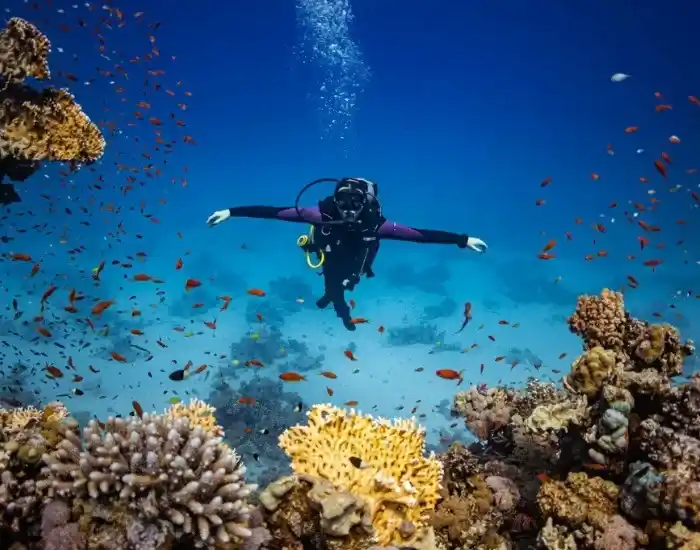
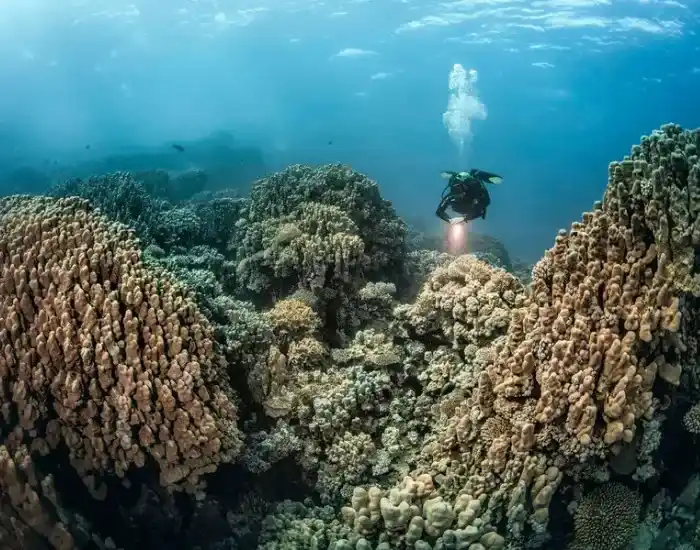
The Red Sea is one of the distinctive destinations that attracts diving and snorkeling enthusiasts from all over the world, as its depths contain wonderful coral reefs that form a real treasure for diving and swimming enthusiasts to allow them the opportunity to explore the unique marine diversity that includes a variety of colorful fish and marine creatures, and learn about the rich ecosystem that distinguishes the Red Sea.
This famous coral reef is located near Safaga and is considered one of the most extensive reefs in the region where it displays the beauty of marine life and provides an exceptional diving experience for adventure enthusiasts who want to explore the depths of the sea and learn about the unique marine creatures that live in this area.
Tobya Island
It is located in the middle of Safaga Bay and is a popular tourist destination that includes luxury hotels and resorts that provide visitors with a comfortable and enjoyable stay.
It is one of the best islands in Safaga where hotels and diving centers offer daily snorkeling trips.
The shallow waters are characterized by amazing coral reef heads which makes snorkeling suitable for adults and children alike.
The trips also include lunch and snorkeling equipment to provide a comfortable and enjoyable experience for all visitors.
This area is located off Soma Bay and is known for its ease of access via a 300-meter long pier which makes it an ideal destination for diving and snorkeling.
Moray eels, squid and octopuses are also found there with various diving designs ranging from sandy slopes to reef walls where you can enjoy watching rays, penguins and other amazing marine life.
Safaga Red Sea offers a range of wonderful water activities that attract visitors from all over the world, in addition to other activities that depend on the therapeutic properties of the city, the most important of which are the following:
To get to Safaga, you can start with a flight to Egypt where direct flights are available from many cities around the world to Cairo International Airport. After that, head to Hurghada International Airport which is the closest to Safaga where regular domestic flights are available from Cairo to Hurghada.
From there, you have two options: you can take advantage of the taxi or bus services heading to the city, or you can rent a private car if you prefer to drive yourself.
Taxis and private cars are the most common means of transportation in the region, while buses provide the possibility to move between the main destinations within the city comfortably and economically.
Safaga is characterized by its rich diversity of local and international cuisine where you can taste a variety of delicious dishes that satisfy all tastes.
Seafood is one of the most prominent local specialties that occupy a special place on the menu of many restaurants in the region where visitors can enjoy eating fresh fish that is caught from the fresh waters of the Red Sea Gulf to ensure high quality seafood.
The options also vary between grilled fish dishes that are characterized by their wonderful flavor, delicious oyster balls, and traditional dishes such as fried seafood that is served with a variety of sauces.
Restaurants in Safaga are also witnessing a large turnout from locals and tourists alike which reflects the quality of food and service they provide.
The most important tips that you should be aware of when visiting Safaga are the following to ensure a safe and comfortable tourist experience:
Safaga is worth visiting for its unique blend of natural treatments, hot springs, and beautiful beaches.
It is a unique destination for natural treatment, not only for water sports. Safaga mud also has medical properties and helps in treating skin and joint problems which attracts many visitors to enjoy the black sands that contribute to treating rheumatism and arthritis.
Safaga also embraces hot water springs suitable for relaxation and health improvement, and some hotels and treatment centers offer treatment sessions using these waters which makes it an ideal destination for those seeking healing.
You can reach Safaga from Cairo by plane, and the trip from Cairo to Safaga takes about 6 hours. Upon your arrival in Safaga, you will receive a warm welcome from the tour guide, and you will find many means of transportation available to take you to your destination.
In Safaga, there are many recommended restaurants that offer a distinctive dining experience and cater to all tastes. The most important of these options are the following:
Safaga sits on Egypt’s Red Sea coast, about 60 km south of Hurghada. Fly into Hurghada International Airport, then take a taxi or pre-booked transfer, 45 to 60 minutes. There’s no commercial airport in Safaga.
March to June and September to November offer warm water and milder air. July and August are very hot, with strong sun. December to February is cooler, with water around 22 to 24°C.
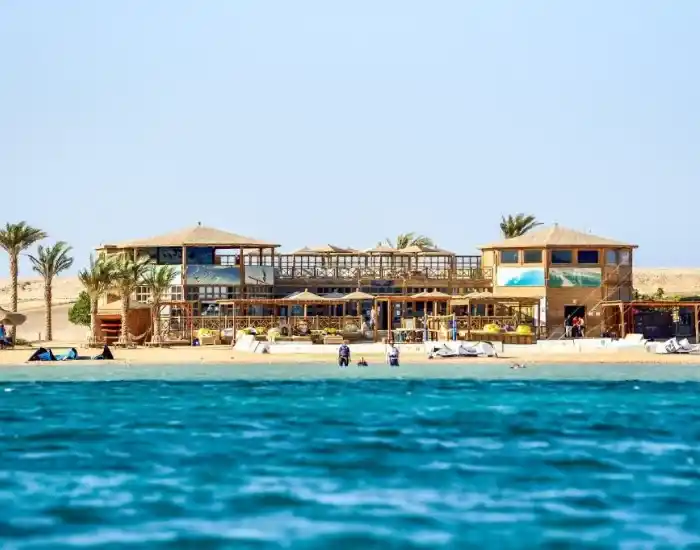
Clear water, healthy coral, and reliable wind. It’s a favorite for scuba diving, kitesurfing, and windsurfing. The pace is calmer than Hurghada, with less crowding.
Yes, many sheltered sites suit new divers, like Tobia Arbaa and Tobia Island. Currents are light in bays, training is easy, and visibility is high. Choose a licensed dive center with small groups.
Panorama Reef, Middle Reef, and Abu Kafan for walls, plateaus, and big coral gardens. Tobia Arbaa for pinnacles and easy conditions. The Salem Express wreck is nearby, but it is a grave site, and some operators do not visit out of respect.
Visibility often ranges from 20 to 40 meters. Currents are usually light to moderate inshore, stronger on outer reefs and around headlands. Ask your guide about site conditions on the day.
Yes, many hotels have house reefs or jetties with good coral. Boat trips reach better reefs with less sand and more fish. Wear fins and a rash guard, and use reef-safe sunscreen.
Yes, the wind is steady, with prime months from May to October. Large bays offer flat water and rescue cover. Schools rent gear and run lessons for all levels.
Yes, boats collect daily environmental fees that support reef protection. The amount can vary by itinerary. Your operator will include them in your booking or charge onboard.
In summer, a 3 mm wetsuit or shorty is enough. In winter, bring a 5 mm suit, hooded vest if you get cold. Add booties, a reef-safe sunscreen, and a surface marker buoy for diving.
Do not touch coral or marine life. Watch for sea urchins, scorpionfish, and stonefish on the bottom. Jellyfish can appear in spring, so wear a lycra top if you are sensitive.
Yes, with quiet beaches, shallow bays, and resort pools. Many hotels offer kids’ clubs and calm house reefs for easy snorkeling. Always check beach entry, some spots are rocky.
Luxor is doable as a long day trip, about 3.5 to 4 hours each way by road. Soma Bay and Makadi Bay are close for beaches and spas. Desert quad tours and Bedouin dinners run from local operators.
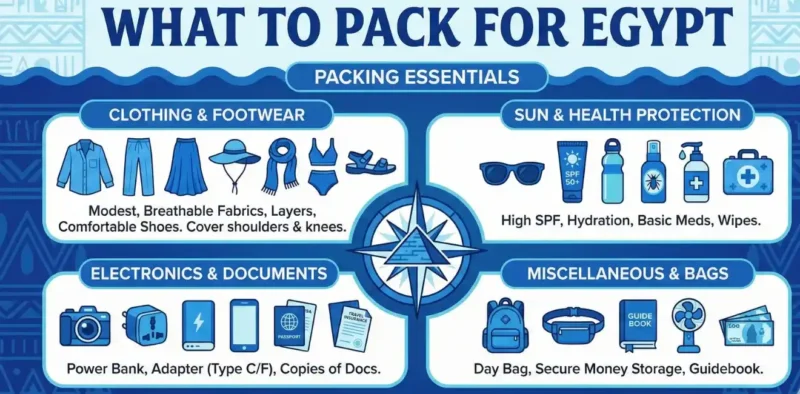
Dry and sunny year-round. Summer air can reach 35 to 42°C, with strong UV. Winter days are mild, nights can feel cool, so pack a light jacket.
The Egyptian Pound is standard. Hotels take cards, but carry cash for tips, taxis, and small shops. ATMs are in town and major resorts.
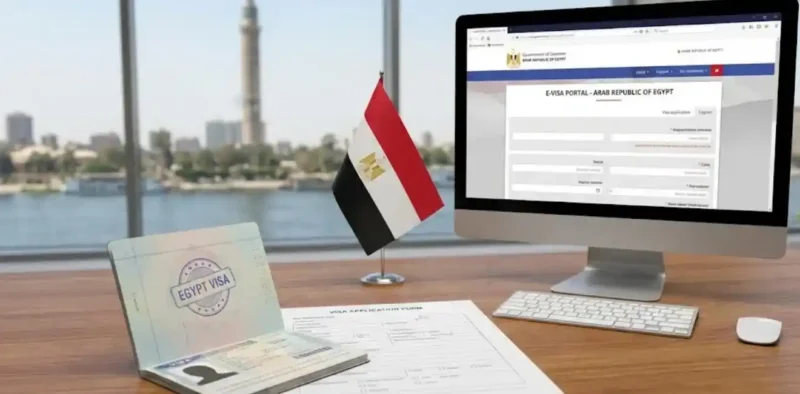
Many travelers can get a visa on arrival at Hurghada Airport or apply for an eVisa in advance. Check your nationality’s rules before you fly. Your passport should be valid for at least six months.
Beachwear is fine at resorts. In town, choose modest clothing, cover shoulders and knees in markets or mosques. Ask before taking photos of people.
Use hotel taxis, ride apps where available, or pre-booked transfers. Public buses are limited and slow. For boats and dive trips, operators include transport from hotels.
Drink bottled water. Hotels provide it, and shops sell large bottles. Brush teeth with bottled water if you have a sensitive stomach.
Yes, in hotels, resorts, and licensed bars. Public drinking is not allowed. Buy alcohol at hotel bars or licensed shops.
Safaga has clinics and pharmacies for basic care. For serious issues, Hurghada has larger hospitals. Bring any personal meds and a copy of prescriptions.
Do not touch or stand on coral, keep fins off the bottom, and do not feed fish. Take all trash back to shore. Choose operators who brief on reef-safe practices and avoid single-use plastic.
Mobile data is strong onshore. Offshore coverage is patchy, so do not count on it at sea. Buy a local SIM at the airport for better rates.
Look for certified instructors, safety gear, oxygen on boats, and small group ratios. Ask about briefings, rescue cover, and maintenance of equipment. Read recent reviews and compare what is included.