



Two Weeks in Egypt
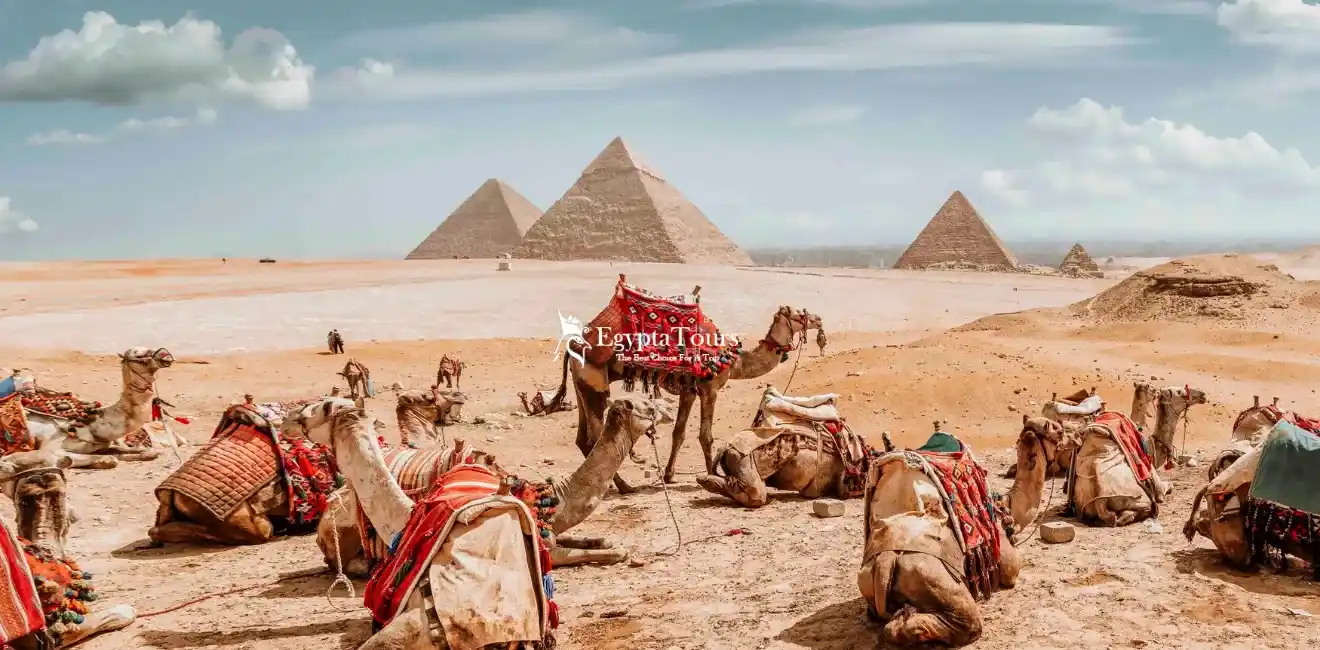
Two weeks in Egypt allow you to discover this country rich in civilization and diversity in a comfortable and balanced way. This time gives the tourist a sufficient opportunity to visit the most important cities and tourist attractions without haste, starting from Cairo, including the Pyramids of Giza, the Egyptian Museum, and the historical markets, passing through a charming Nile cruise between Luxor and Aswan to discover the great Pharaonic temples, and reaching the Red Sea shores to enjoy relaxation and marine activities.
Two- Weeks -in -Egypt
During this trip, the visitor experiences an integrated experience that combines ancient history, breathtaking nature, and authentic Egyptian culture, along with a good level of tourist services that ensure comfort and safety. It is a trip designed to give the traveler a comprehensive view of Egypt, and leave in the memory an unforgettable impression and a rich experience full of special moments.
The Itinerary Of Your Two Weeks In Egypt
Your two weeks in Egypt will start with your arrival and checking in to a 5* hotel then an amazing dinner cruise in the nile
From Day 2 to 4: Cairo Tour
From -Day -2 -to -4 -Cairo -Tour
In these days you will explore the most famous highlights in cairo and giza such as:
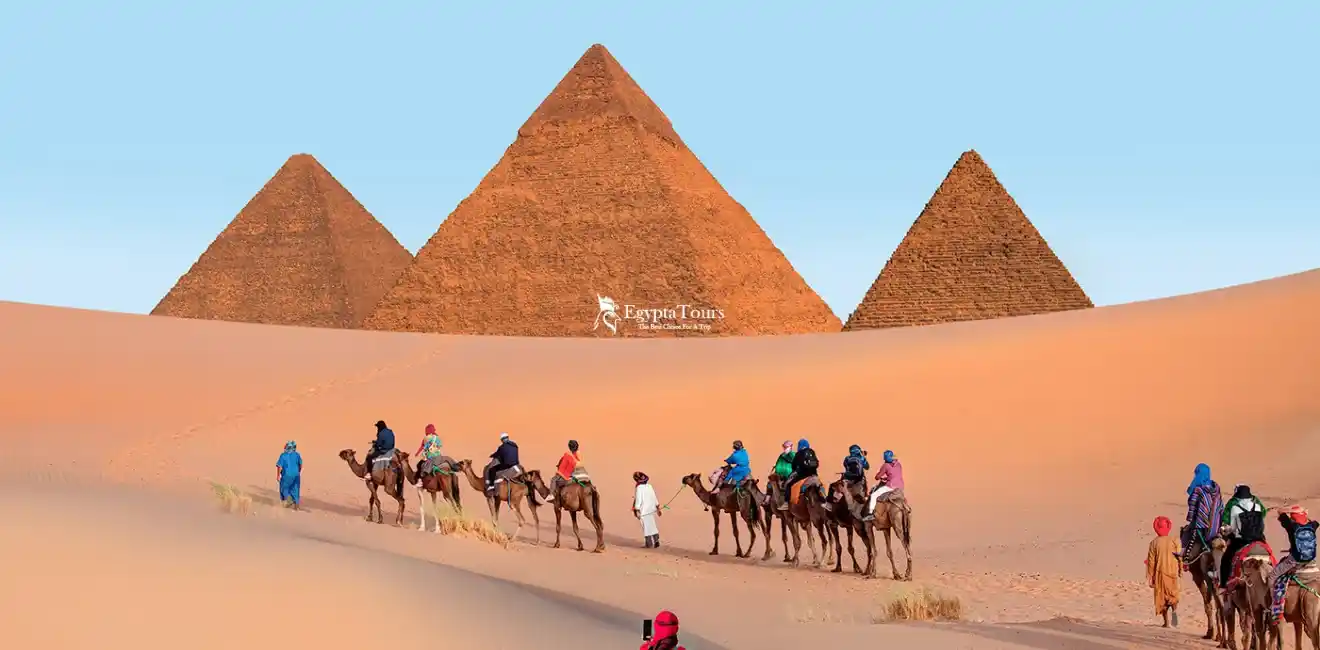
The Pyramids:
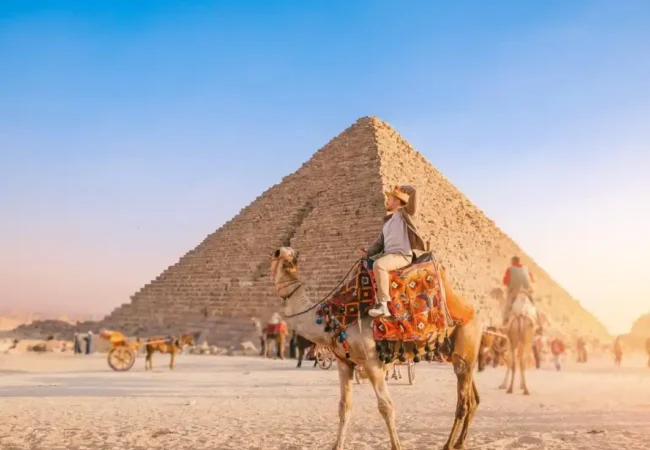
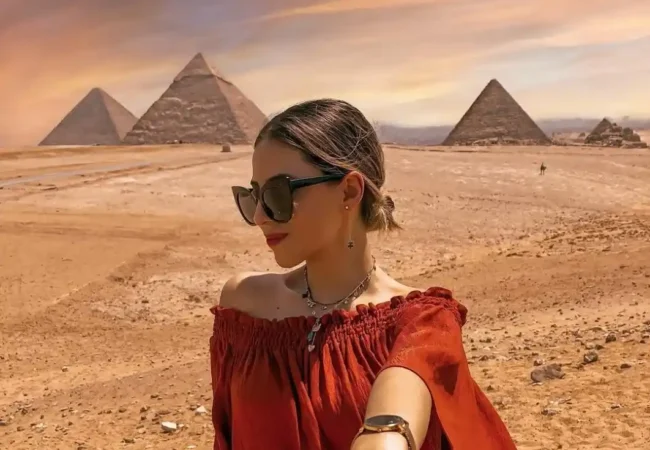
The pyramids are considered royal tombs, each bearing the name of the king who built and was buried in it. The pyramidal construction is considered a stage in the development of tomb architecture in ancient Egypt.
The Sphinx:
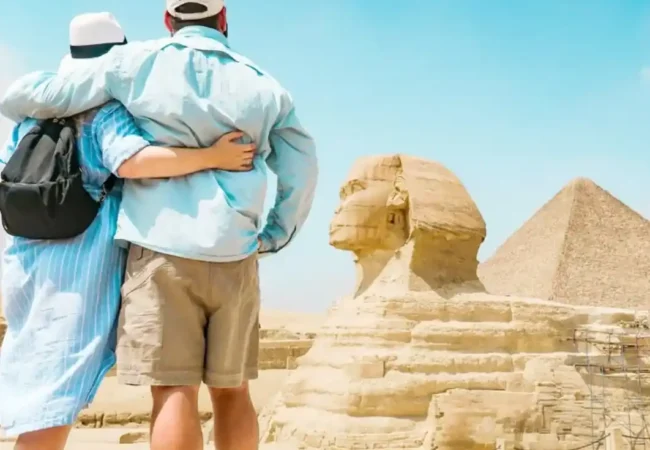
The Great Sphinx was carved around 2500 BC during the reign of King Khafre (builder of the second pyramid in Giza). The statue was carved from the natural rock of the Giza plateau, which was also a source of stones used in the construction of the pyramids and other monuments in the area.
The Grand Egyptian Museum:
The largest museum that includes artifacts of the ancient Egyptian civilization from its earliest times to the Greek and Roman eras, and displays artifacts that have not been exhibited before.
The Step Pyramid of Djoser:
The Step Pyramid of Djoser is an archaeological site in the Saqqara necropolis, northwest of the ancient city of Memphis in Egypt. It was built during the 27th century BC to bury Pharaoh Djoser; it was constructed by his vizier, Imhotep. It consists of six mastabas built on top of each other.
The Egyptian Museum:
The museum houses the greatest collection of artifacts in the world that represent all stages of ancient Egyptian history.
The National Museum of Egyptian Civilization:
The National Museum of Egyptian Civilization contains models, photographs, manuscripts, oil paintings, artworks, and artifacts from the Stone Age, Pharaonic, Greco-Roman, Coptic, Arab, Sudanese, and modern eras. The museum’s site overlooks a natural lake, Lake Ain al-Sira.
The Hanging Church:
The church was built on the ruins of a place said to have been sheltered By <strong>the Holy Family</strong> (Virgin Mary, the Christ Child, and Saint Joseph) during their three years in Egypt, fleeing from Herod, the ruler of Palestine, who had ordered the killing of children fearing a prophecy he had received. Some believe it was a place of seclusion (a place of retreat) where one of the female monks lived, in one of the rock-cut tunnels in the area.
Ben Ezra Synagogue:
Ben Ezra Synagogue is one of the Egyptian Jewish synagogues. It is located in the area of Fustat (Old Cairo district). It is considered one of the largest and most important, especially with the Egyptian government’s care and restoration, and its conversion into a monument and tourist attraction. Due to its library containing precious Jewish books and periodicals that document the existence of the Jewish community in Egypt.
Mohammed Ali Mosque:
The mosque was built on part of the land of the Ablaq Palace within the Citadel of Saladin, and is currently one of the monuments of the Al-Khalifa neighborhood in the southern district of Cairo.
Al-Muizz Street:
Al-Muizz Street is a street that represents the heart of old Cairo, which has been developed to be an open-air museum of Islamic architecture and monuments.
Khan El-Khalili:
The old district of “Khan el-Khalili” is 600 years old, as it is considered one of the oldest markets in Egypt and the Middle East, and still retains its old architecture since the Mamluk era, according to the Egyptian General Information Service.
The Day 5 Of Your Two Weeks In Egypt
The- Day 5- Of -Your -Two- Weeks -In -Egypt
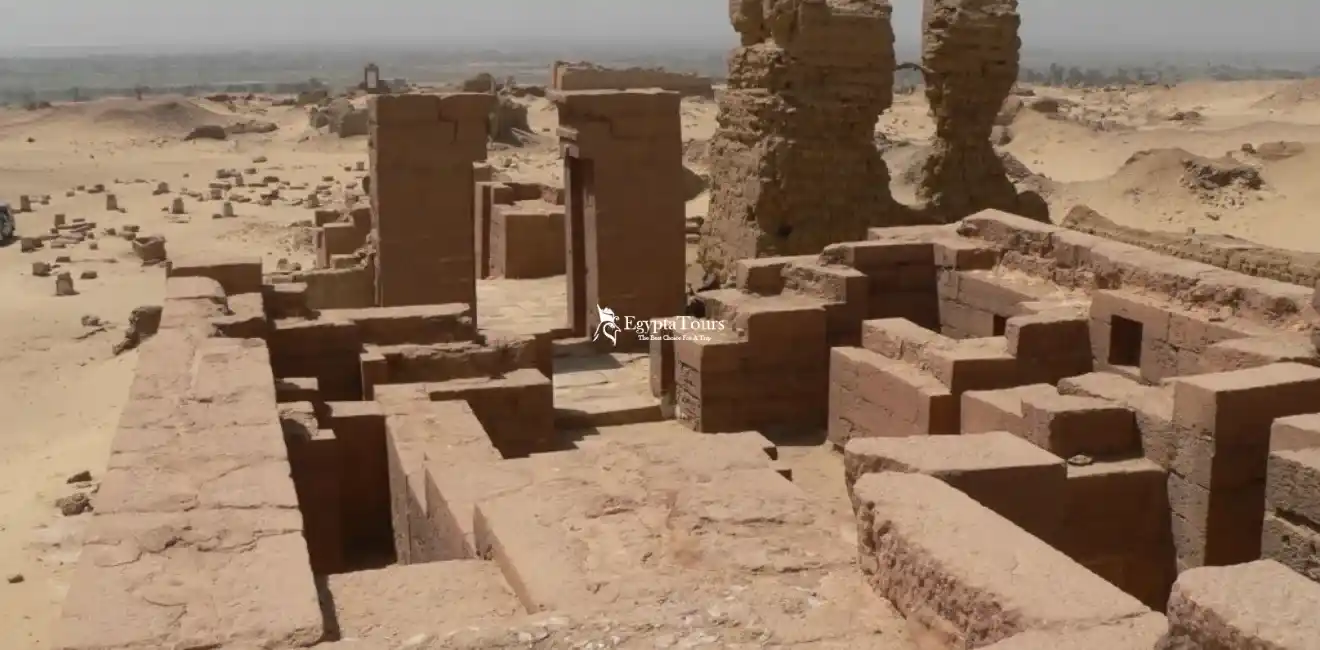
On this day you will visit the landmarks of elfayoum:
Hawara’s Pyramid:
The pyramid contains corridors and chambers; it ends with the burial chamber. It contains a huge stone sarcophagus made of a single piece of quartzite, weighing 110 tons.
Pyramid of Lahoun:
The Lahun Pyramid is one of Egypt’s most famous pyramids in Fayoum, It was built by King Senusret II of the 12th Dynasty, from mudbrick on a high hill 12 meters high on the outskirts of the city of Lahun (in Fayoum Governorate).
The Kom Oshim Museum:
The museum consists of a two-story building that houses a distinguished collection of artifacts that shed light on the history of Fayoum Governorate.
From Day 6 To 10: Nile Cruise Tour

From -Day -6 -To -10- Nile -Cruise -Tour
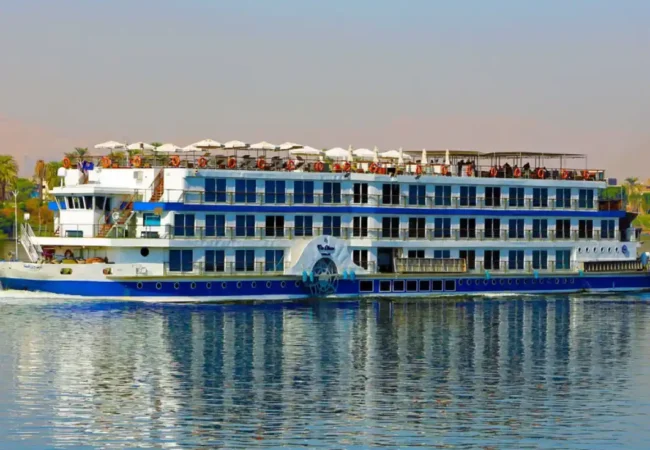
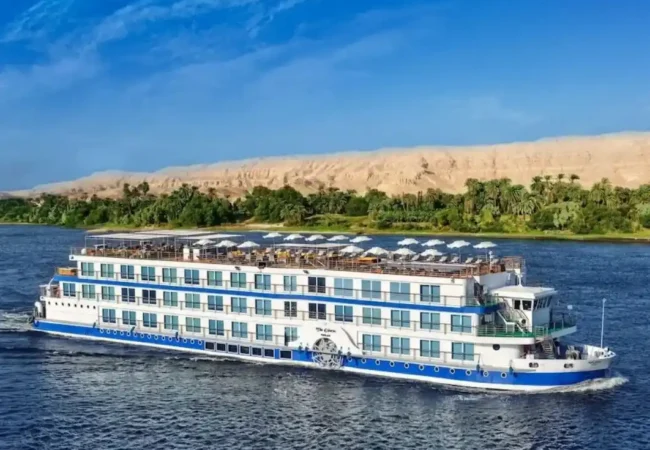
On these days get ready to see the wonder of the nile during sailing towards the ancient Egyptians landmarks, you will go on an amazing nile cruise from luxor to aswan where you will visit:
Karnak Temple:
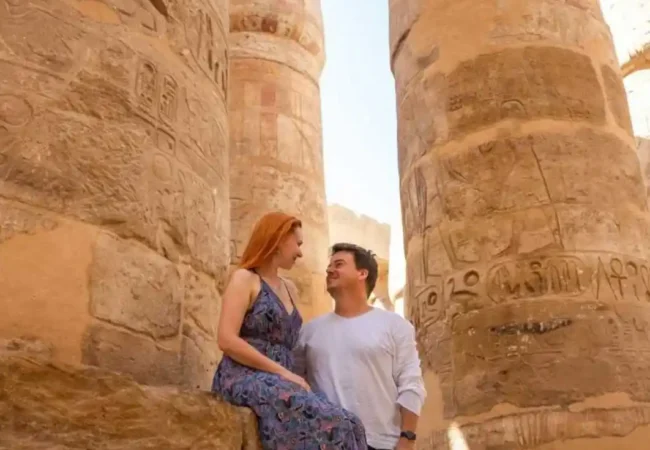
The Karnak Temple is considered a complex of temples; perhaps this is because the construction of the temple continued from the Pharaonic era to the Roman era, and many additions were made to it in each period, which is why it is composed of a group of temples. It was built to approach the god Amun, his wife Mut, and their son Khonsu.
Luxor Temple:
The Luxor Temple was built to worship Amun-Ra, his wife Mut, and their son Khonsu, who are also known as the Theban Triad (Triad of Thebes).
The Valley of the Kings:
This area has been a center for archaeological excavations and Egyptological studies since the end of the 18th century, as its tombs attract the interest of scholars to expand such studies and archaeological excavations. The valley gained fame in modern times after the discovery of the complete tomb of Tutankhamun.
The Valley of the Queens:
This is where the queens of the 18th, 19th, and 20th dynasties (from 1550 to 1070 BC) were buried, along with many princes, princesses, and members of the nobility.
Hatshepsut Temple:
The Temple of Hatshepsut is distinguished by the engraved drawings of the naval expeditions sent by Queen Hatshepsut to the land of Punt for trade and to bring incense and myrrh from that country. The pharaohs used to offer incense to their gods to gain their favor.
The Colossi of Memnon:
The Colossi of Memnon, locally known as (Al-Kolssat or Al-Salamat), are two massive statues, built around 1350 BC, and are all that remains of a temple built to commemorate the pharaoh Amenhotep III.
The Ramesseum:
The Ramesseum is a mortuary temple, located in the necropolis of Thebes in Upper Egypt, west of the Nile River, opposite the modern city of Luxor. It was built by King Ramses II (“Ramses the Great” and also called “Ra-Messu”) who was one of the most prolific builders of temples among the pharaohs.
The Temple of Edfu:
The Temple of Edfu is one of the most beautiful and complete ancient Egyptian temples, located on the west bank of the Nile River in the city of Edfu. It was started by King Ptolemy III and completed during the reign of King Ptolemy XII, and was dedicated to the god Horus.
The Temple of Kom Ombo:
The Temple of Kom Ombo is one of the most important ancient Egyptian temples, due to its architectural and religious uniqueness, and was dedicated to the worship of the gods Sobek and Horus.
The Temple of Abu Simbel:
It is famous for its four massive statues that adorn its facade, and was built so that the sun’s rays align with the face of Ramses II on two days a year, his birthday and death day.
The Aswan High Dam:
Its construction began in 1960 during the presidency of Gamal Abdel Nasser, with significant financial and technical contributions from the Soviet Union, which provided support as part of the Egyptian-Soviet cooperation at that time.
The unfinished Obelisk:
The unfinished Obelisk is a great granite structure that was intended to be a monumental obelisk. If completed, it would have stood at approximately 41.7 meters tall and weighed around 1,168 tons
Philae temples:
The temples of Philae were originally built to worship the goddess Isis, and over the centuries, Philae gained a special place in worship, to the extent that a crowd of followers would gather to reenact the story of Osiris’ death and resurrection.
Day 11- 12 of Your Two Weeks In Egypt: Sharm El Sheikh Tour:
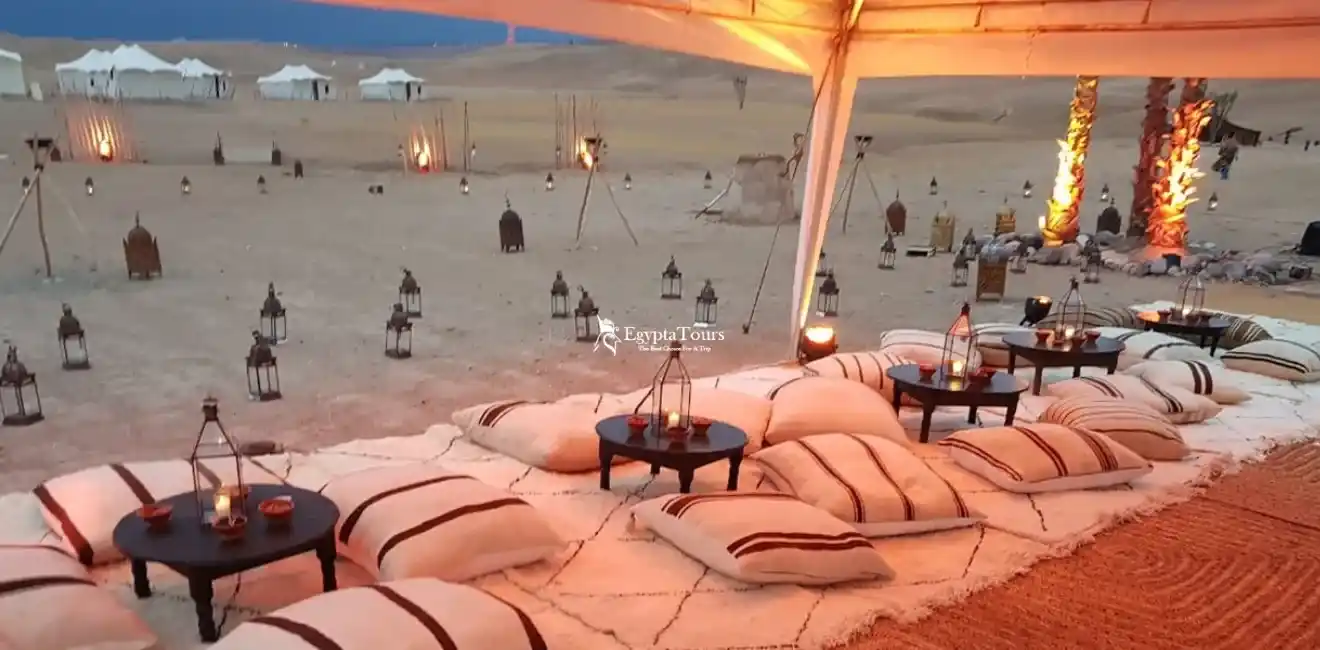
Day -11-12 -of- Your -Two- Weeks -In -Egypt -Sharm -El -Sheikh -Tour
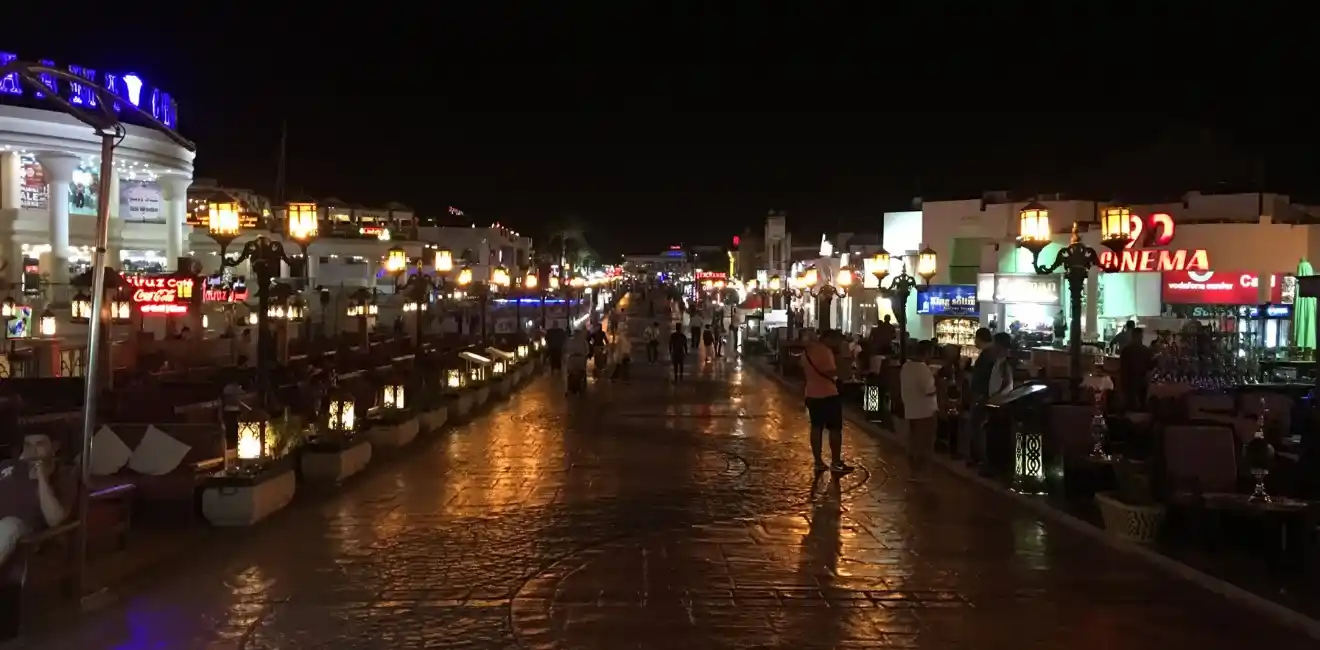
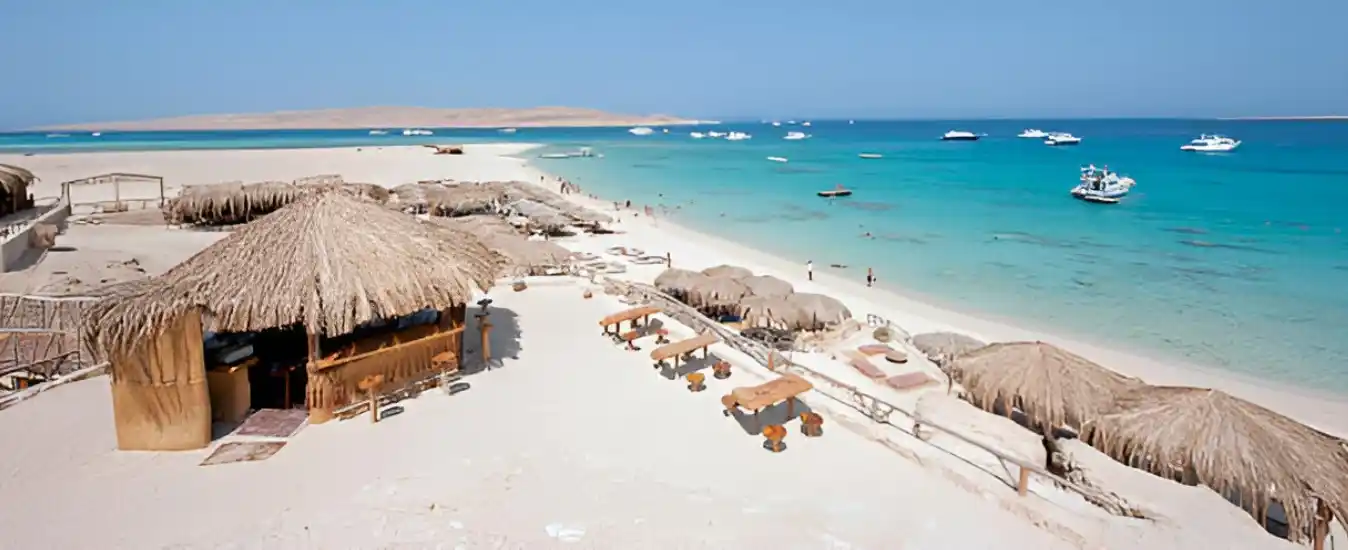
In these two days you will go on a different and amazing adventure, as you will enjoy experiencing the resort’s stunning natural beauty. de-stress on the sandy beaches and indulge in exciting water sports. You can experience snorkeling in the colorful coral reefs, scuba diving or other activities that suit your taste.
You will also visit:
St. Catherine’s Monastery:
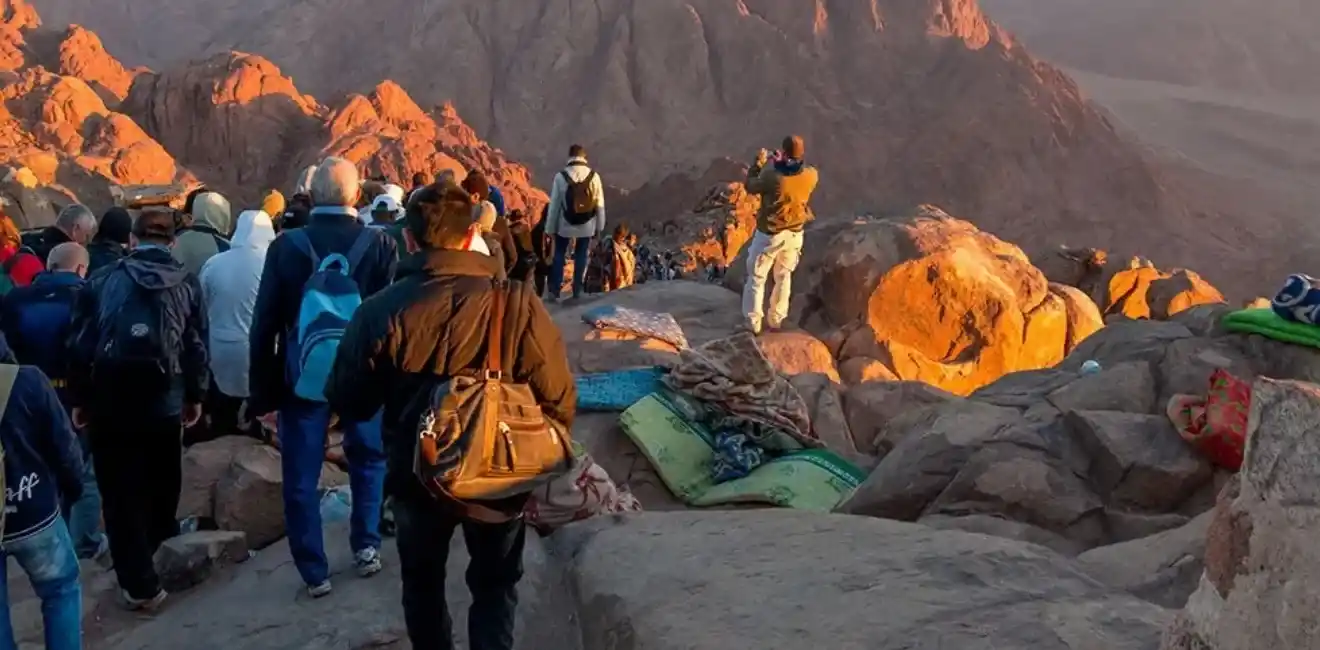
It is considered the oldest Christian monastery continuously inhabited in the world, it is also a major tourist destination that is visited by tourists from all over the world.
Day 13 Of Your Two Weeks In Egypt: Alexandria Tour
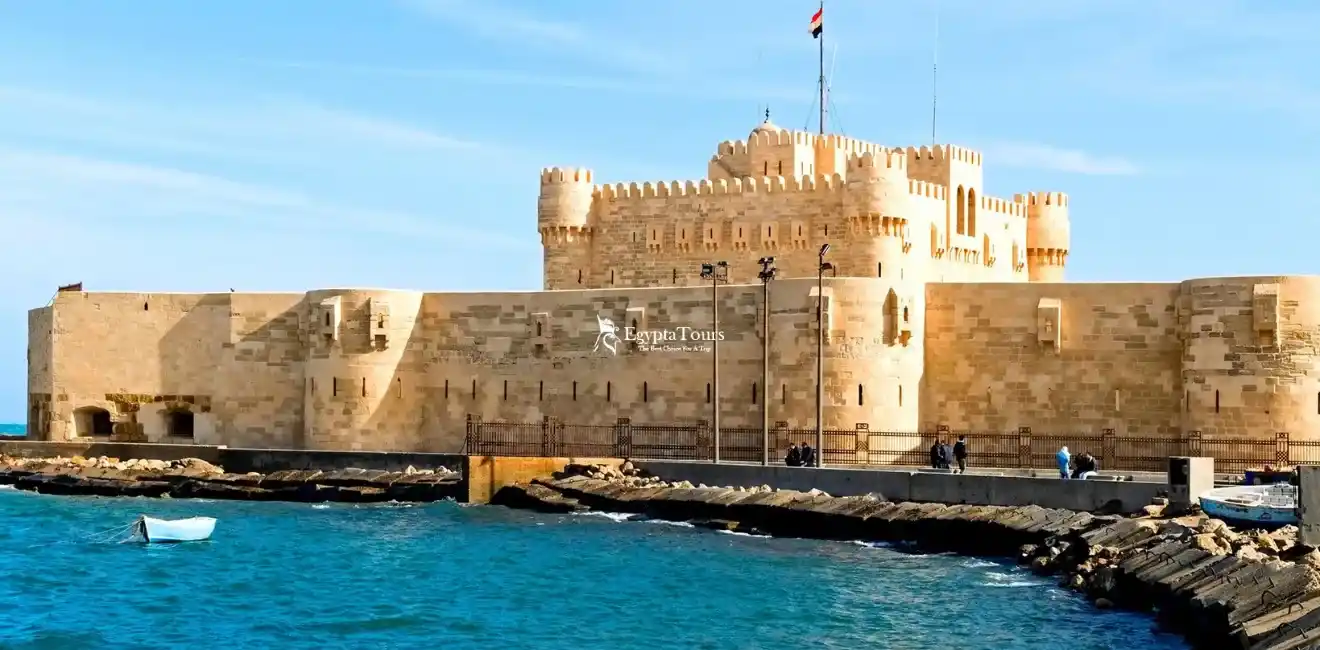
Day-13 -Of -Your -Two- Weeks -In- Egypt -Alexandria- Tour
The magic alexandra has a lot of tourist attraction such as:
The Catacombs of Kom El Shoqafa:
The tomb of Kom el Shoqafa was discovered accidentally when a donkey fell into the main opening of the tomb, and while searching for the cause of the fall, they found the tomb.
Alexandria Library:
The Library of Alexandria was the largest library of its time, built by Ptolemy I. It is said to have been founded by Alexander the Great about 23 centuries ago, and also attributed to Ptolemy II.
Qaitbay Citadel:
The fort is square-shaped, measuring 150m x 130m, surrounded by the sea on three sides, and contains walls and the main tower in the northwest side.
The Last Day of Your Two Weeks in Egypt
This day will be for preparing for your departure and the end of your trip in Egypt.
Other Activities You Can Do During Your Two Weeks in Egypt:
- You can try horseback riding in the Pyramids and experience sand baths in Siwa.
- You will love shopping in local markets and buying souvenirs and handicrafts.
- You can enjoy time on the beach or have relaxation and rejuvenation sessions alone.
- You will also enjoy interacting with people and learning different foods or handicrafts from them.
- Don’t forget photography and capturing special moments as a keepsake.
The Best Time For Two Weeks in Egypt.
It is preferable to go on a two-week trip in the winter because of the wild weather and do not forget to wear suitable clothes for the weather.
FAQs
What are the most famous landmarks one can visit in two weeks in Egypt?
In these two weeks in Egypt You will visit:
The pyramids / the sphinx / Saqqara step pyramid / the grand egyptian museum / the egyptian museum / The National Museum of Egyptian Civilization / the hanging church / Ben Ezra Synagogue / Mohammed ali mosque / Al-Muizz Street / Khan el-Khalili / Hawara’s Pyramid / Pyramid of Lahoun / The Kom Oshim Museum / Karnak Temple / Luxor Temple / The Valley of the Kings / The Colossi of Memnon / Hatshepsut Temple / The Ramesseum / The Temple of Edfu / The Temple of Kom Ombo / The Aswan High Dam / The unfinished Obelisk / Philae temples / St. Catherine’s Monastery / The catacombs of kom el Shoqafa / Alexandria Library / Qaitbay Citadel.
What is the Best Time For Two Weeks in Egypt?
It is preferable to go on a two-week trip in the winter because of the wild weather and do not forget to wear suitable clothes for the weather.
What is St. Catherine’s Monastery?
It is considered the oldest Christian monastery continuously inhabited in the world, it is also a major tourist destination that is visited by tourists from all over the world.
Why is Ben Ezra Synagogue so famous?
Because Ben Ezra Synagogue is considered one of the largest and most important, especially with the Egyptian government’s care and restoration, and its conversion into a monument and tourist attraction. Due to its library containing precious Jewish books and periodicals that document the existence of the Jewish community in Egypt.
When was the Step Pyramid of Djoser built?
It was built during the 27th century BC to bury Pharaoh Djoser; it was constructed by his vizier, Imhotep.