Best 21 National Parks in Egypt
Discover National Parks in Egypt: where heritage and nature meet. From majestic...

Egypt has a predominantly hot, dry desert climate, with sunshine throughout most of the year and limited rainfall. Summer generally lasts from May to October, while the cooler season runs from November to April.
Winter is usually mild during the day, although evenings can be chilly, especially in Cairo and desert areas. Summer temperatures can exceed 35°C (95°F), particularly in Upper Egypt. The Mediterranean coast is generally milder, while destinations along the Red Sea offer warm weather that suits beach holidays.
For sightseeing and exploring historical attractions, October to April is usually the most comfortable period to visit Egypt.
Egypt is known for its sunny skies, ancient monuments, and warm desert climate. For much of the year, the weather is dry, and rain is uncommon in most parts of the country. However, temperatures can vary considerably depending on where you travel and when you visit.
The best time to explore Egypt’s pyramids, temples, and archaeological sites is generally during the cooler months, from October to April. Summer can be extremely hot, particularly in southern destinations such as Luxor and Aswan, although the Red Sea coast remains popular with travelers looking for sunshine, beaches, and water activities.
Understanding Egypt weather year round can help you choose the right time for your trip, pack suitable clothing, and plan activities around the conditions.

Although Egypt is often associated with year-round sunshine, each season offers a slightly different travel experience. Temperatures also vary between northern coastal cities, the capital, the Nile Valley, and southern Egypt.
Winter is one of the most popular seasons for visiting Egypt, particularly for travelers interested in sightseeing. Daytime temperatures are often comfortable enough for exploring outdoor attractions without the intense heat of summer.
Cairo and Alexandria can experience cool evenings and occasional winter rain, especially near the Mediterranean coast. In Luxor and Aswan, winter days are generally sunny and pleasant, making this an excellent time to visit temples, tombs, and archaeological sites.
If you plan to travel during winter, pack light clothing for the daytime and a warm layer for evenings. Temperatures can drop after sunset, particularly in desert locations.
Best for: Historical sightseeing, Nile cruises, walking tours, and exploring ancient monuments.
Spring brings warmer days and plenty of sunshine. Temperatures rise gradually, creating favorable conditions for sightseeing before the hottest part of the year arrives.
March and April are also associated with the khamaseen, seasonal hot winds that can carry dust and sand from the desert. These winds do not occur every day, but they may temporarily affect visibility and make outdoor conditions less comfortable.
If you are visiting during spring, check the local forecast before planning long outdoor excursions. Sunglasses, sunscreen, and a light scarf can be useful on dusty or windy days.
Best for: Exploring historical sites, visiting Cairo, taking Nile cruises, and enjoying outdoor activities before summer.
Summer brings intense sunshine and high temperatures, particularly in Upper Egypt. Luxor and Aswan can become extremely hot, so visiting temples and other outdoor attractions during the middle of the day may be tiring.
Travelers visiting southern Egypt during summer should plan outdoor activities for early morning or late afternoon, drink water regularly, and take breaks in shaded or air-conditioned places.
The Red Sea coast is another option during the hotter months. Destinations such as Sharm El Sheikh and Hurghada are popular for swimming, snorkeling, diving, and relaxing by the sea. Alexandria can also offer a more moderate summer experience because of its Mediterranean location.
Best for: Beach holidays, snorkeling, diving, and travelers comfortable with hot weather.
Autumn is a welcome change after the summer heat. Temperatures gradually become more comfortable, making it easier to explore cities, archaeological sites, and desert landscapes.
October is often a particularly attractive month for visitors who want warm days without the strongest summer temperatures. November is generally cooler, especially in the evenings.
Because the weather is suitable for many different types of trips, autumn is a popular period for exploring Cairo, Luxor, Aswan, and destinations along the Nile.
Best for: Sightseeing, cultural tours, desert excursions, and combining historical attractions with beach destinations.
The following guide explains what travelers can generally expect in each month. Conditions vary by destination, so these descriptions should be treated as a broad overview rather than a forecast for a particular city.
January is generally one of the coolest months in Egypt. Daytime weather in Cairo is often mild, making it a comfortable time to visit the pyramids, museums, and historic neighborhoods.
Evenings can feel cold, particularly when the wind picks up. Alexandria and other northern coastal areas may experience rain, while Luxor and Aswan usually offer sunny conditions that are well suited to sightseeing.
If you are visiting in January, bring comfortable daytime clothing and a jacket or sweater for the evening.
February remains relatively cool compared with the rest of the year. Many days are sunny, and temperatures are often comfortable for exploring outdoor attractions.
Cairo, Luxor, and Aswan are popular choices during this month because visitors can spend more time outside without dealing with peak summer heat. The Red Sea coast can also be a good option, although evenings may still feel cool.
February is a good month for travelers who want to combine cultural experiences with time outdoors.
March marks the transition toward warmer spring weather. Daytime temperatures begin to rise, while mornings and evenings can remain pleasant.
It is a good month for exploring historical attractions and planning outdoor activities. However, seasonal khamaseen winds can sometimes bring dust or sand, so it is worth checking the forecast before heading out.
Pack lightweight clothes, sun protection, and an extra layer for cooler evenings.
April is generally warm and sunny across much of Egypt. It is often a comfortable month for sightseeing before summer temperatures become more intense.
Visitors can explore Cairo’s major attractions, visit the temples of Luxor, or enjoy the Red Sea coast. In southern Egypt, the heat may already be noticeable during the afternoon, so early starts are useful.
Light clothing, sunscreen, sunglasses, and comfortable walking shoes are recommended.
May brings hotter days, particularly in central and southern Egypt. Cairo can feel warm during the afternoon, while Luxor and Aswan may experience considerably higher temperatures.
Rain is uncommon in most destinations, and the days are usually bright. Although sightseeing is still possible, it is sensible to visit outdoor attractions early in the morning and take breaks during the hottest hours.
If you are planning a beach holiday, coastal destinations may be more comfortable than spending long periods outdoors in Upper Egypt.
June marks the beginning of the hottest part of the year in many Egyptian destinations. Strong sunshine and very limited rainfall are typical.
Temperatures in southern cities such as Luxor and Aswan can become particularly demanding, especially around midday. Cairo is also hot, although conditions vary depending on the time of day and local surroundings.
Travelers should drink plenty of water, use sunscreen, wear breathable clothing, and schedule outdoor sightseeing for the cooler parts of the day.
July is one of the hottest months in much of Egypt. Southern destinations can experience very high daytime temperatures, and prolonged outdoor activities may become uncomfortable.
For travelers visiting Luxor or Aswan, early morning excursions are usually more practical than afternoon visits. Museums and other indoor attractions can provide a useful break from the heat.
Along the Red Sea coast, July is popular with travelers who want sunshine and water activities. Remember that the sun can be strong even when you are spending time near the water.
August continues the summer heat, particularly in Upper Egypt. Daytime temperatures remain high, and nights may also feel warm.
Rain is very uncommon in most parts of the country. Travelers should plan outdoor activities carefully, take regular breaks, and avoid unnecessary exposure to the midday sun.
The Red Sea remains a popular destination for beach holidays, diving, and snorkeling. If your itinerary includes historical sites in the south, allow enough time to rest and stay hydrated.
September is still hot, but it marks the beginning of the transition toward more comfortable autumn weather. The first part of the month can feel much like summer, particularly in southern Egypt.
As the month progresses, evenings may become more pleasant. It can be a useful time for travelers who want warm weather but prefer to avoid the busiest winter travel period.
For sightseeing, early morning and late afternoon remain the most comfortable times for outdoor activities.
October is often one of the most appealing months for a trip to Egypt. Summer temperatures begin to ease, and the weather is generally suitable for exploring historical sites and spending time outdoors.
It is a good time to visit Cairo, Luxor, Aswan, and destinations along the Nile. Travelers can also combine cultural sightseeing with a few days on the Red Sea coast.
Bring lightweight clothing for the daytime and a light jacket if you expect to be out after sunset.
November generally offers mild daytime temperatures and cooler evenings. It is a popular month for travelers who want to explore Egypt’s ancient monuments without the intense summer heat.
Cairo and the Nile Valley are often comfortable for walking tours and outdoor sightseeing. Northern coastal areas may experience some rain, so a light waterproof layer can be useful.
November is also a good time to consider a Nile cruise or a multi-city itinerary.
December brings cooler weather to much of Egypt, especially in the evenings and early mornings. Daytime conditions are often pleasant for visiting historical attractions, although northern cities can experience occasional rain.
Luxor and Aswan are popular winter destinations because their daytime temperatures are generally more comfortable than during summer. Red Sea resorts also attract visitors looking for sunshine and water activities.
Pack layers so you can stay comfortable as temperatures change throughout the day.
Egypt’s climate is not the same everywhere. Choosing the right destination for the season can make a significant difference to your travel experience.

Cairo has hot summers and cooler winters. Summer afternoons can be uncomfortable, especially when exploring busy outdoor attractions, while winter is generally more suitable for walking tours and sightseeing.
Spring can bring dusty winds, and winter rain is possible. If you are visiting the pyramids or exploring the city’s historic districts, plan outdoor activities around the forecast and take breaks during the hottest hours.
| Month | Average high | Average low |
| March to May | 27°C | 15°C |
| June to August | 34°C | 21°C |
| September to November | 28°C | 17°C |
| December to February | 18°C | 9°C |
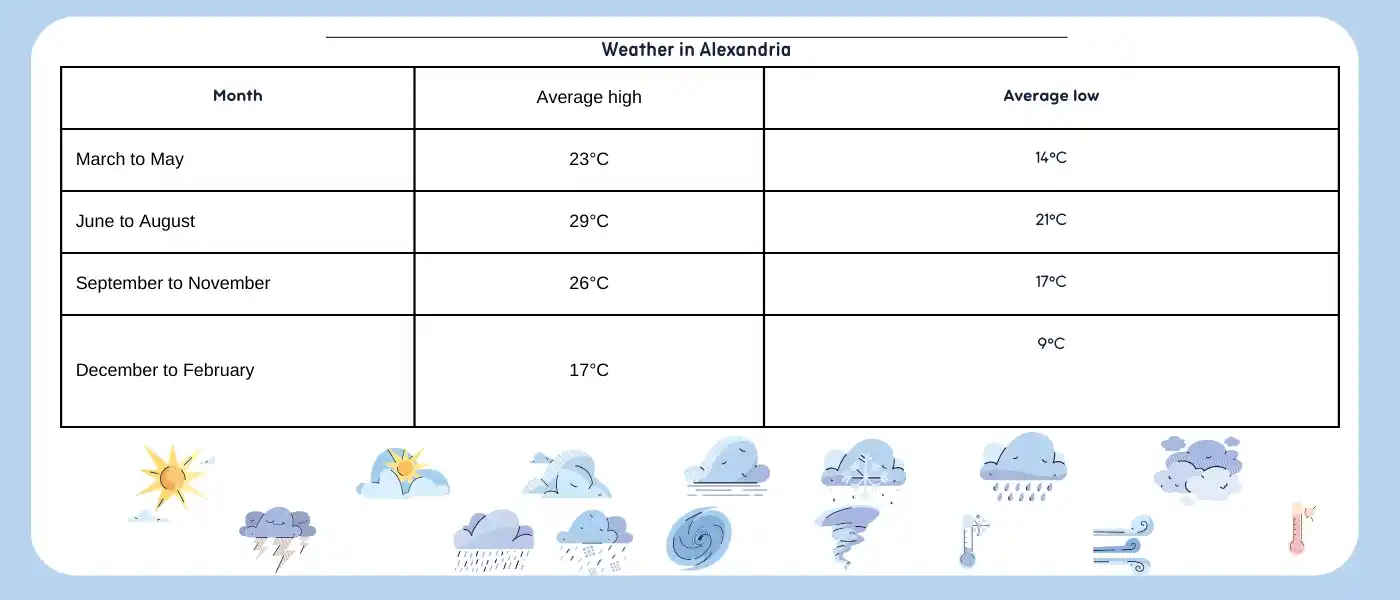
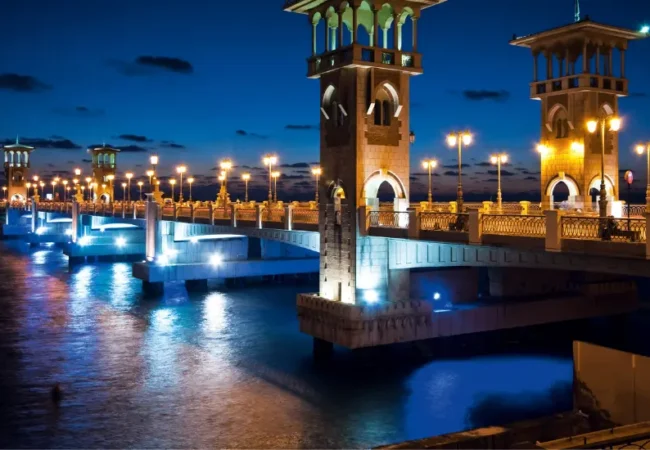
Alexandria has a Mediterranean climate, which makes its weather different from that of much of inland Egypt. Summers are generally milder than in southern Egypt, while winters are cooler and wetter.
Sea breezes can make warm days more comfortable, although wind and rain may affect conditions during winter. August is generally a popular month for beach activities, but actual swimming conditions depend on the weather and sea conditions.
Alexandria is a useful option for travelers who want to experience Egypt’s Mediterranean coast as well as its history and culture.
| Month | Average high | Average low |
| March to May | 23°C | 14°C |
| June to August | 29°C | 21°C |
| September to November | 26°C | 17°C |
| December to February | 17°C | 9°C |

Aswan has a hot desert climate and is one of Egypt’s warmest major destinations. Rainfall is extremely limited, and summer temperatures can become very high.
Winter is generally a comfortable time to explore Aswan’s temples, islands, and Nile scenery. The city is also a popular stop on many Nile itineraries.
During summer, plan sightseeing for early morning or late afternoon and allow time to rest during the hottest part of the day.
| Month | Average high | Average low |
| March to May | 34°C | 18°C |
| June to August | 41°C | 25°C |
| September to November | 35°C | 20°C |
| December to February | 24°C | 10°C |
Luxor has a hot, dry climate, with particularly intense heat during summer. The city is home to important historical attractions, including Karnak Temple, Luxor Temple, and the Valley of the Kings.
The cooler months are generally more comfortable for visiting these sites, especially because many attractions require walking outdoors with limited shade.
If you travel to Luxor in summer, schedule excursions early in the day, carry water, wear a hat, and take regular breaks.
Destinations such as Sharm El Sheikh, Hurghada, and Marsa Alam are popular throughout the year because of their beaches, coral reefs, and water activities.
Summer is hot and sunny, while winter is generally milder than in many colder countries. However, evenings can still feel cool during winter, and sea conditions vary.
If swimming or snorkeling is a priority, check local sea conditions and choose a reputable operator for water activities.
For most travelers interested in history, culture, and outdoor sightseeing, October to April is generally the most comfortable period to visit Egypt.
The best month depends on your itinerary and how well you tolerate heat.
Keep in mind that popular travel periods can be busy, and conditions vary from year to year. If you have fixed travel dates, check the local forecast closer to departure.
Packing for Egypt is easier when you consider both the season and the destinations on your itinerary.
Choose lightweight, breathable clothing and comfortable walking shoes. A hat, sunglasses, and sunscreen are important for spending time outdoors.
If you plan to visit temples or archaeological sites, carry water and consider clothing that protects you from direct sunlight.
Daytime temperatures can be pleasant, but evenings may be cool. Pack layers, including a sweater or jacket, especially if you plan to visit Cairo, Alexandria, or desert areas.
For a trip to southern Egypt, you may need lighter clothing during the day and a warmer layer after sunset.
Regardless of when you travel, consider bringing:
Check the forecast for each destination before departure, especially if your trip includes several cities.
Rainfall is limited across most of Egypt, particularly in the desert regions and the south. The Mediterranean coast in the north generally receives more rain than inland areas.
Alexandria and other northern locations may experience winter showers, while Cairo receives relatively little rainfall. In Luxor and Aswan, rain is extremely uncommon.
Although rain is not usually a major concern for most itineraries, occasional showers and changing weather conditions are possible. Check the forecast if you are planning outdoor activities.
Snow is extremely rare in most of Egypt. The country has a predominantly hot desert climate, and cities such as Cairo and Alexandria do not normally experience snowfall.
However, winter conditions can be much colder at high elevations in the Sinai Peninsula. Snow may occasionally occur in the mountains around Saint Catherine.
If you plan to visit mountainous areas during winter, check local weather conditions in advance and bring suitable warm clothing.
Not necessarily. Swimming can still be possible in December, especially at Red Sea destinations such as Sharm El Sheikh, Hurghada, and Marsa Alam.
The sea is generally warmer than the air during some winter days, but comfort depends on the water temperature, wind, sunshine, and personal preference. Some visitors find the conditions pleasant, while others prefer warmer months.
If swimming and snorkeling are important parts of your trip, check local sea temperatures and conditions before making plans.
Nighttime temperatures depend on the season and location. During winter, evenings can feel cool in Cairo and in desert areas, even when daytime temperatures are comfortable.
In summer, nights are usually warmer, especially in southern Egypt. Coastal destinations may feel different because of sea breezes and local conditions.
If you plan to spend evenings outdoors, bring an extra layer during the cooler months. In summer, lightweight clothing is usually more comfortable.
Egypt is generally sunny and dry, with hot summers, mild winters, and little rainfall across most of the country. Temperatures vary by region, with southern cities such as Luxor and Aswan experiencing more intense summer heat than northern coastal destinations.
January is generally one of the coolest months in Egypt. Days can be mild, but nights may feel cold, particularly in Cairo and desert areas. Temperatures vary by city and elevation.
Egyptian winters are generally mild compared with those in many northern countries. However, evenings can be chilly, and northern coastal areas may experience rain. A jacket or sweater is useful for winter travel.
July and August are among the hottest months in much of Egypt. Temperatures can be particularly high in Luxor and Aswan, so travelers should plan outdoor activities carefully and avoid prolonged exposure to the midday sun.
October to April is generally a good period for sightseeing because temperatures are often more comfortable. The best time depends on your destinations, planned activities, and tolerance for heat.
No. Egypt receives little rainfall across most of the country. Rain is more common along the Mediterranean coast during the cooler months, while desert areas and southern cities are extremely dry.
Yes, swimming is possible in winter, particularly at Red Sea resorts. However, comfort depends on sea temperature, wind, and weather conditions, so it is worth checking local conditions before planning water activities.
Snow is extremely rare in Egypt. It may occasionally occur at high elevations in the Sinai Peninsula, but snowfall is not normal in major cities such as Cairo or Alexandria.
Wear comfortable clothes during the day and bring a jacket or sweater for the evening. Layers are useful because temperatures can change throughout the day and between destinations.
Egypt can be very hot in summer, especially in Luxor and Aswan. Visiting is still possible, but it helps to plan outdoor activities early in the morning, drink plenty of water, and take breaks from the heat. Travelers who prefer milder conditions may find the cooler months more comfortable.
Egypt is a year-round destination, but the weather can shape the kind of trip you enjoy most. The cooler months are usually better for exploring pyramids, temples, and historical sites, while summer is popular with travelers who want sunshine and time by the Red Sea.
Before choosing your travel dates, consider the cities you want to visit, the activities you have planned, and how comfortable you are in hot weather. Checking the forecast for each destination will also help you pack appropriately and make the most of your time in Egypt.


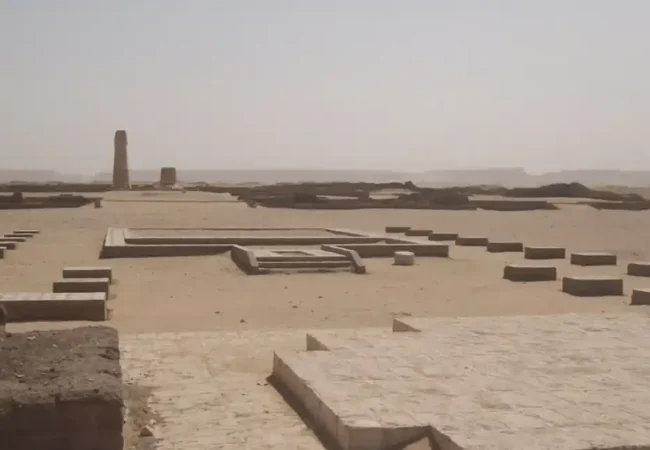


Explore our top-rated Egypt travel packages and embark on an unforgettable journey. From the Pyramids of Cairo to the magical temples of Luxor, Aswan, and Abu Simbel, discover expertly curated tours designed for your perfect Egyptian adventure