


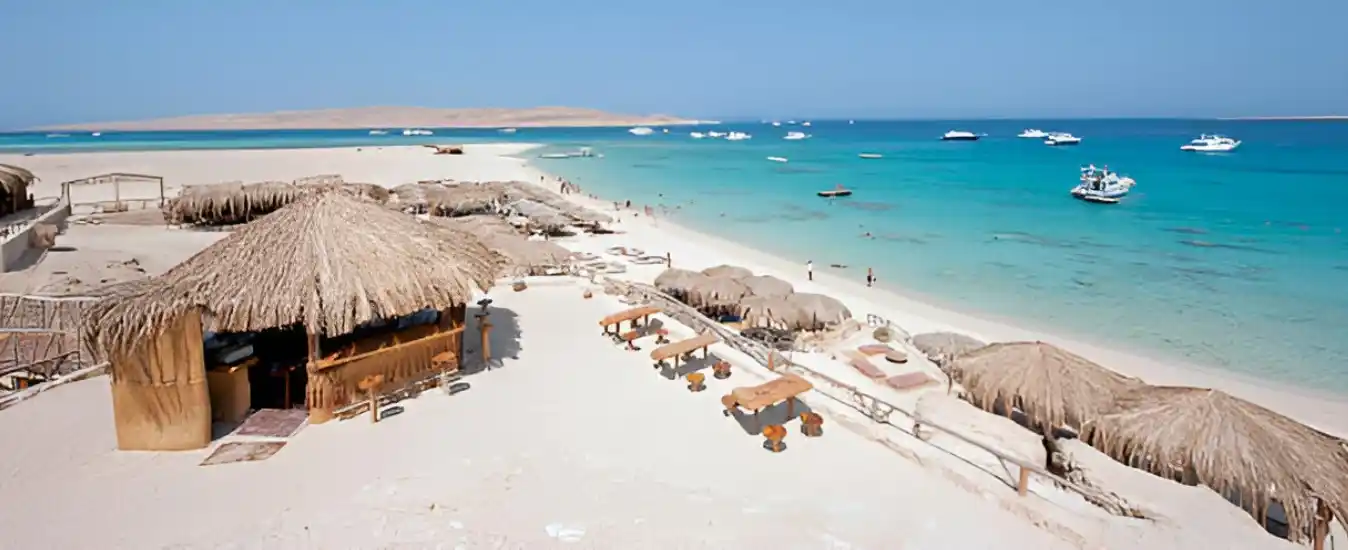



Where Is Egypt On The Map
Egypt is a transcontinental country that stretches from the northeast corner of Africa to the southwest corner of Asia. The Sinai Peninsula of Egypt acts as the land bridge between these two continents. Egypt is located in the Northern and Eastern Hemispheres of the Earth. It has land borders with Sudan to the south, Libya to the west, Israel and the Gaza Strip to the northeast. To the north, Egypt has a coastline on the Mediterranean Sea while the Red Sea and Gulf of Aqaba border it to the east.
Exploring the Where Is Egypt On The Map and the History of Ancient Egypt Through these Maps

Exploring -the- Where -Is -Egypt -On -The- Map -and- the -History -of -Ancient- Egypt -Through -these- Maps
Life in Egypt goes back more than 5,000 years but around 3500 BCE, important changes began to appear along the banks of the Nile River. These changes formed the foundation of one of the greatest civilizations in world history. Ancient Egyptians found smart ways to control the Nile’s irregular floods by building irrigation systems, dikes, and water channels which greatly improved agriculture. This control over water led to strong economic growth and helped create an organized society. A class of officials appeared, skilled in administration, engineering and mathematics, helping to build solid foundations for Egyptian civilization.
By 3000 BCE, Egypt was unified under one ruler, marking the beginning of a period of strength and stability.
Egypt During the Old Kingdom (Around 2500 BCE)
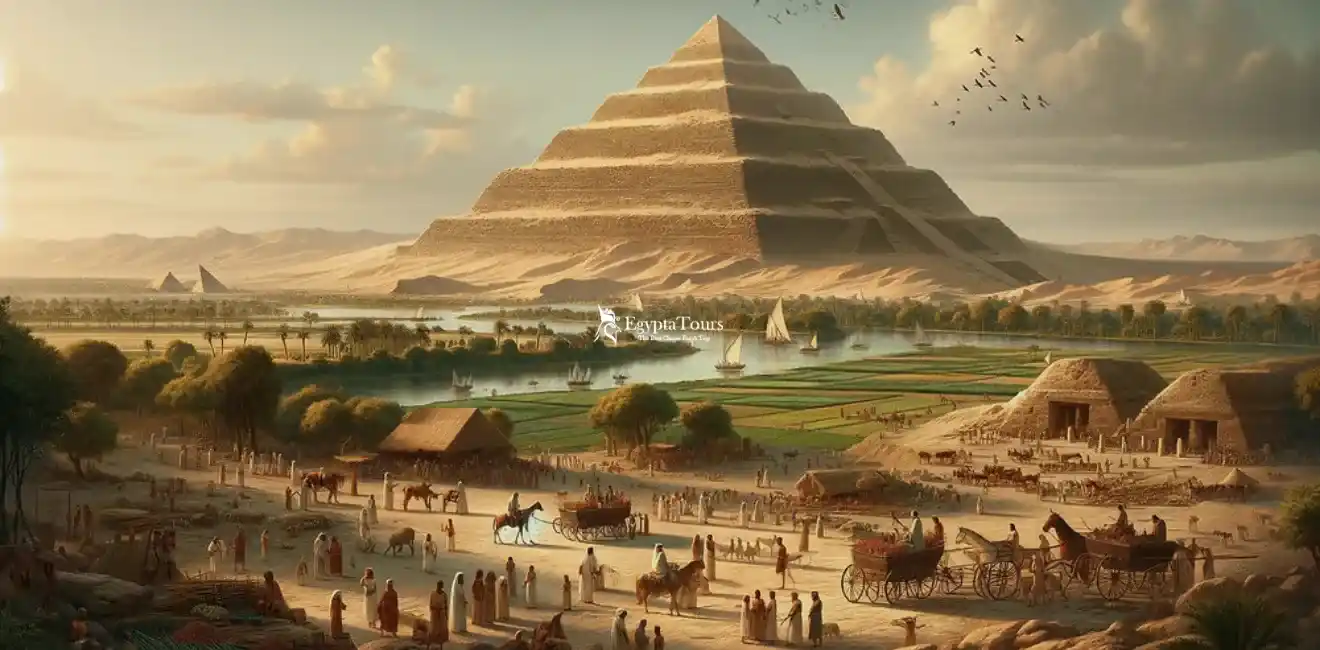
Egypt- During- the- Old- Kingdom -(Around -2500 -BCE)
Around 2500 BCE, Egypt entered the Old Kingdom period which developed along the fertile Nile Valley. This era followed the unification of Upper and Lower Egypt by King Menes, who chose Memphis as the capital. The stability created by unification led to population growth along the Nile and the rise of important cities such as Heliopolis and Abydos.
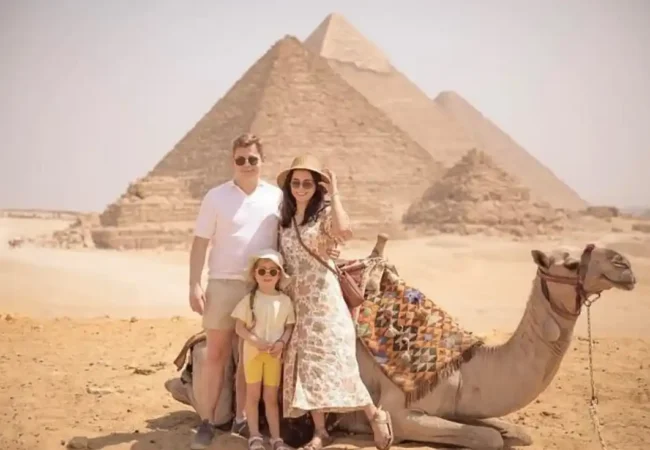
Memphis became a major administrative and cultural center and great architectural achievements appeared, most notably the pyramids which still stand today. This period also saw major developments in religion, government and social organization which continued to influence Egyptian society for many centuries.
Egypt During the New Kingdom (Around 1500 BCE)
By 1500 BCE, Egypt entered the New Kingdom, a period known for military strength, expansion and large building projects. This era came after a time of weakness and instability during the Middle Kingdom (2050–1650 BCE), when internal divisions affected the country.
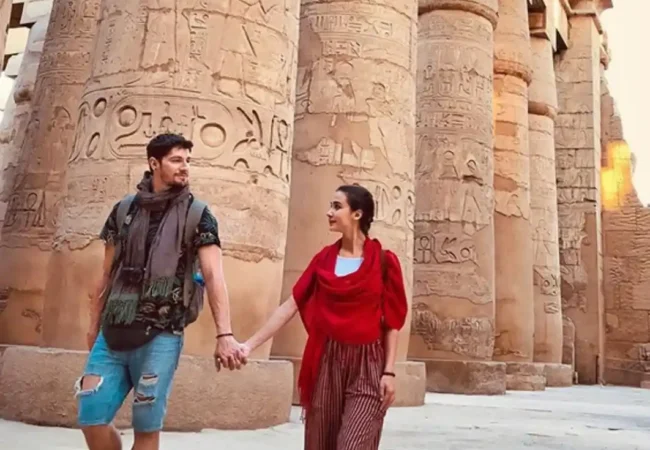
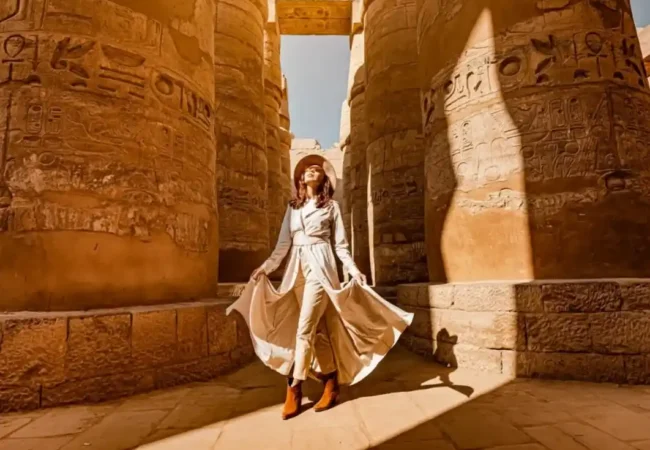
Egypt regained its power during the New Kingdom and expanded south into Nubia and north into Palestine and Syria. This expansion increased wealth and brought new ideas, arts and technologies. Large temples were built in Luxor and the Valley of the Kings and important historical figures such as Hatshepsut, Tutankhamun and Ramses II appeared, making Egypt one of the leading powers of the ancient world.
Egypt Under Persian Rule
Starting around 1200 BCE, Egypt experienced periods of weakness due to internal problems and external threats. This eventually led to Persian control in 525 BCE under King Cambyses II. Egypt became part of the Persian Empire and its resources were integrated into the Persian economy through new administrative systems and taxes.
At first, Egyptians resisted Persian rule but over time the Persians tried to adapt to Egyptian religion and customs. Persian rule lasted for nearly 200 years and, while Egyptian culture survived, this period prepared the way for future conquests.
Egypt During the Ptolemaic (Greek) Period

Egypt -During- the -Ptolemaic -(Greek) -Period
In 332 BCE, Alexander the Great entered Egypt and was welcomed as a liberator from Persian rule. He founded the city of Alexandria which soon became an important center for learning, trade and culture.
After Alexander’s death, his general Ptolemy took control and founded the Ptolemaic Dynasty which combined Greek and Egyptian cultures. This period lasted for nearly 300 years and Egypt prospered economically and culturally, especially during the reign of Cleopatra VII, despite growing Roman influence.
The End of the Greek Period and the Start of Roman Rule
The Greek period ended in 30 BCE after the suicide of Queen Cleopatra VII, following the defeat of Mark Antony. After that, Egypt came under the control of the Roman Empire which made use of its wealth, especially grain and gold.
Egypt Under Roman Rule
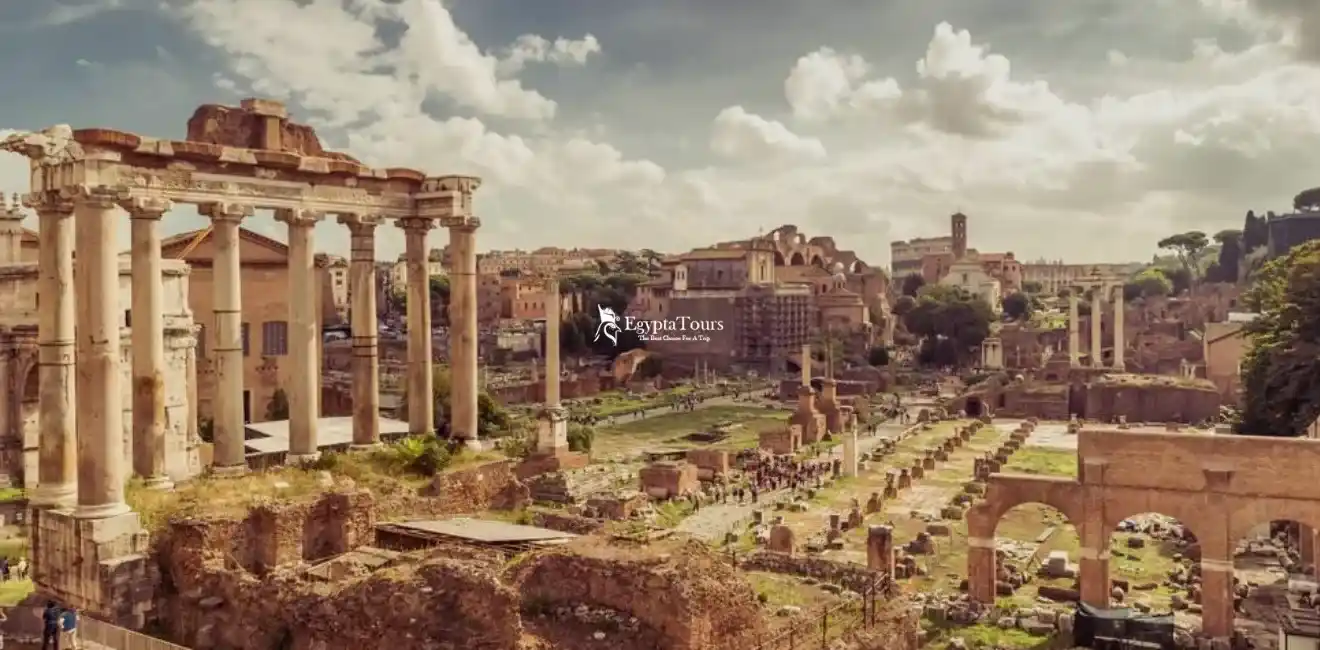
Egypt- Under- Roman -Rule
The fall of Cleopatra marked the end of native rule and the beginning of Roman control. Rome depended on Egypt as a major source of food. Alexandria continued to be an important cultural and scientific center, where Egyptian, Greek and Roman traditions mixed.
By 200 CE, Alexandria had become one of the most important cities in the Roman Empire and its library held valuable knowledge that attracted scholars from across the ancient world.
Egypt During the Coptic Period
Around 500 CE, Egypt experienced social and economic changes and Christianity spread widely. Egypt became an important religious center and monasticism developed in the desert.
The Coptic Church kept its distinct identity despite religious disagreements with Constantinople and helped shape a Christian heritage that remains important in Egypt today.
Egypt During the Arab Conquest
In 639 CE, Arab Muslim forces entered Egypt, bringing major changes to its history. The city of Fustat was founded, Arabic became the official language and Islam spread gradually.
Many Egyptians viewed the Arabs as liberators because of their relatively tolerant approach which led to deep changes in Egypt’s cultural and religious identity.
Egypt Under Fatimid Rule
In 979 CE, the Fatimid dynasty made Cairo its capital and turned it into a major center of Islamic learning, trade and culture. Al-Azhar Mosque was built and became one of the most important centers of religious education. Agriculture and the economy flourished during this period.
Egypt During the Ayyubid Period
In 1170 CE, Saladin founded the Ayyubid Dynasty and succeeded in recapturing Jerusalem in 1187. He strengthened Cairo by building the Citadel and Egypt became a major political and cultural power in the Islamic world.
Egypt Under Mamluk Rule
By the fifteenth century, Egypt came under Mamluk rule. The Mamluks successfully defended Egypt against foreign threats, especially the Mongols in 1260. Cairo flourished with mosques and markets and became a major center of trade and Islamic art.
Egypt Under Ottoman Rule
In 1517, Egypt became part of the Ottoman Empire, while the Mamluks continued to hold local power. Egypt played an important role in regional trade and maintained its economic and cultural importance.
Egypt Under Muhammad Ali
In 1805, Muhammad Ali Pasha took control of Egypt and began major reforms in the military, education and agriculture. These reforms turned Egypt into a semi-independent state and started its modernization.
Major Changes in the Nineteenth Century
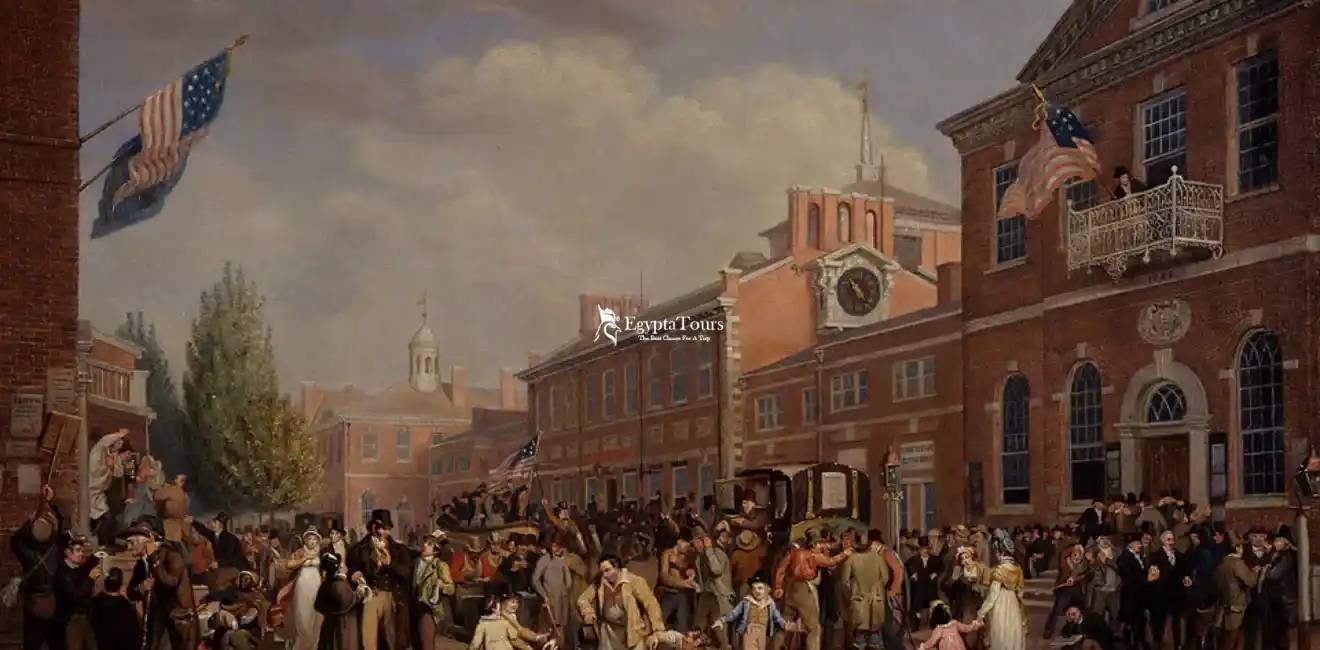
Major -Changes- in- the- Nineteenth -Century
Although Muhammad Ali had plans to expand beyond Egypt, he was forced in 1841 to limit his rule to Egypt alone. In 1869, the Suez Canal opened, becoming one of the most important global trade routes.
Egypt Under British Occupation
In 1914, Egypt became a British protectorate because of the strategic importance of the Suez Canal. Britain controlled many state affairs and developed infrastructure but this control led to strong nationalist movements demanding independence.
Egypt Under National Rule
After World War II, the 1952 Revolution ended the monarchy. Gamal Abdel Nasser became one of the most important leaders in modern Egyptian history. The nationalization of the Suez Canal in 1956 strengthened Egypt’s sovereignty and confirmed its leadership role in the Arab world.
The Shape of Egypt’s Map Today
Today, Egypt has clear and stable borders, especially after the return of Sinai in 1979. Egypt balances its ancient heritage with modern development, remains a major tourist destination and continues to play an important political and cultural role in the region.
FAQs
Where is Egypt located on the map?
Egypt is a transcontinental country located in the northeast corner of Africa and the southwest corner of Asia, connected by the Sinai Peninsula.
Which hemispheres is Egypt located in?
Egypt is located in the Northern and Eastern Hemispheres of the Earth.
What countries share land borders with Egypt?
Egypt shares land borders with Sudan to the south, Libya to the west and Israel and the Gaza Strip to the northeast.
Which seas border Egypt?
Egypt is bordered by the Mediterranean Sea to the north and the Red Sea and Gulf of Aqaba to the east.
When did life in Egypt begin to develop into a major civilization?
Life in Egypt began more than 5,000 years ago with major developments starting around 3500 BCE.
How did ancient Egyptians control the Nile River floods?
They built irrigation systems, dikes and water channels to manage the Nile’s irregular floods.
What impact did water control have on ancient Egyptian society?
It improved agriculture, led to economic growth and helped create an organized society with skilled officials.
When was Egypt unified under one ruler?
Egypt was unified by 3000 BCE under one ruler.
What characterized Egypt during the Old Kingdom?
The Old Kingdom was marked by stability, population growth, major cities, strong administration and the construction of pyramids.
Who unified Upper and Lower Egypt and chose Memphis as the capital?
King Menes unified Upper and Lower Egypt and chose Memphis as the capital.
What were the major achievements of the Old Kingdom?
Major achievements included pyramids, developments in religion, government and social organization.
About EgyptaTours

EgyptaTours is a name synonymous with trust, excellence, and unforgettable travel experiences, proudly standing as one of the leading travel agencies in Egypt. Renowned for its deep expertise, personalized service, and carefully crafted itineraries, EgyptaTours serves as the ultimate gateway to discovering Egypt in its most authentic and inspiring form.