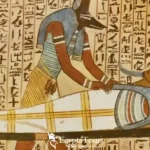
Table of Contents

Article Summary
  • Khnum was an ancient Egyptian god of creation, often shown as a ram headed god associated with fertility and life.
  • He was closely linked to the Nile River and its annual flood which brought fertile soil and new life to Egypt.
  • Egyptians believed Khnum created humans and their life force (ka) by forming them from clay on a potter’s wheel.
  • He was also connected to birth, protection and giving life to children, ensuring health and blessings after birth.
  • Khnum was widely worshipped in places like Elephantine and Esna where he was seen as a powerful creator and protector god.

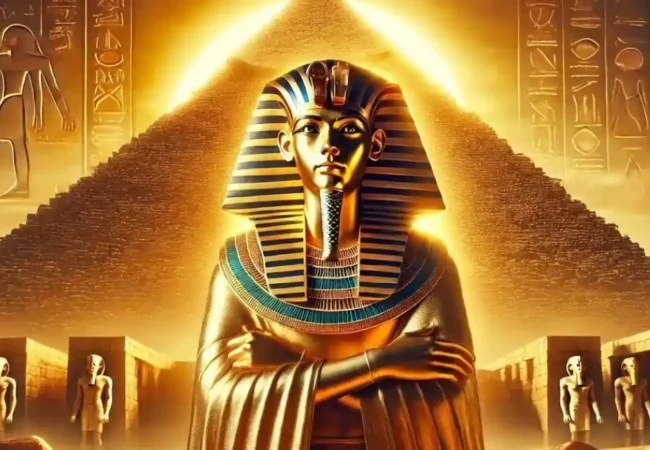
The pharaohs were the rulers of ancient Egypt. They were responsible for political leadership, religion, the army and maintaining order in society. The idea of the pharaoh as a divine ruler began around 3100 BCE with the unification of Upper and Lower Egypt under one king, often identified as Menes or Narmer.

Ancient believed that pharaohs were living gods on Earth and mediators between the gods and the people and they were seen as the incarnation of Horus during their lifetime. Power usually passed from father to son, although this was sometimes disrupted by conflict. Some women also ruled as pharaohs with full authority not only men. Pharaohs performed religious rituals to preserve balance and prosperity and built pyramids and temples as symbols of power and preparation for the afterlife. The pharaonic era lasted over three thousand years and ended in 30 BCE with the death of Cleopatra VII, after which Egypt came under Roman rule.

Ancient Egyptian Pharaohs FAQs

Who were the ancient Egyptian pharaohs?

The ancient Egyptian pharaohs were the rulers of ancient Egypt and had power over the state. They were responsible for political leadership, religious duties and maintaining order in society. Historical estimates suggest that the pharaohs were around 190 pharaohs from 2649 BC until 30 BC when Egypt fell under Roman control.

How was power passed down between pharaohs?

Power was usually passed from father to son, following a hereditary system. However, this system was often disrupted by political conflict, assassinations, civil unrest and mysterious disappearances, especially during times of instability.

What were the main periods of pharaonic rule in ancient Egypt?

Pharaonic history is divided into different major periods including the Old Kingdom, the First Intermediate Period, Middle Kingdom, Second Intermediate Period, New Kingdom, the period of the High Priests of Amun, the Third Intermediate Period, the Late Period, the Macedonian Period and the Ptolemaic Period.

Did women rule in ancient Egypt?

Yes, although most pharaohs were men, history records several women who ruled Egypt as pharaohs. These women held the same royal titles and authority as male rulers and included figures such as Hatshepsut, Sobekneferu, Twosret, Nefertiti and Cleopatra VII.

Why were pharaohs considered gods in ancient Egypt?

Pharaohs were believed to be divine beings on Earth who acted as mediators between the people and the gods. During their lifetime, they were seen as the embodiment of Horus and after death, they were believed to unite with the sun god.

What was the relationship between the pharaoh and the Egyptian people?

The pharaoh was viewed as both protector and ruler of the people. He was responsible for maintaining justice, order and harmony in the land. Egyptians showed complete obedience and respect, believing that loyalty to the pharaoh ensured stability and divine favor.

How many wives could a pharaoh have?

A pharaoh could have many wives and concubines but only one held the title of Great Royal Wife. This practice was common due to high infant mortality rates as producing many heirs was seen as necessary to secure the royal lineage.

Could female pharaohs have more than one husband?

Female pharaohs were not allowed to have multiple husbands. This restriction reflected the political and religious traditions of ancient Egyptian society.

Why did ancient Egyptians create death masks for pharaohs?

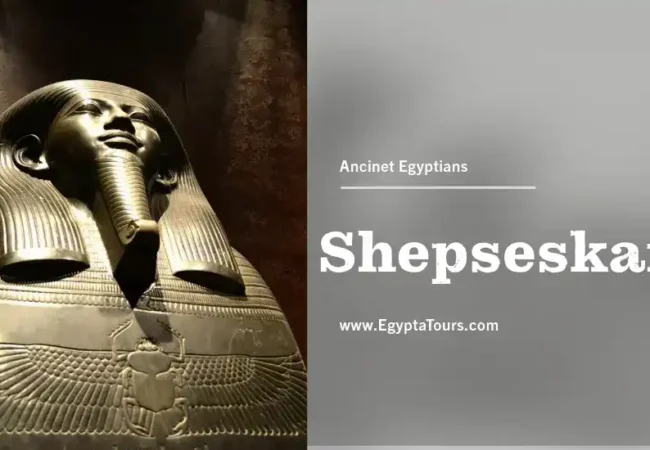
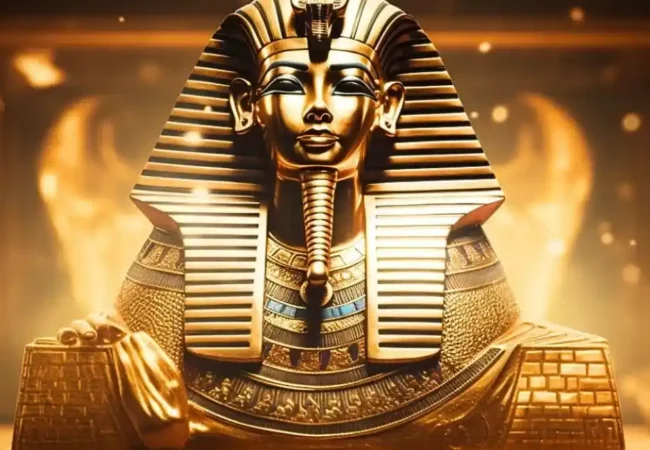
Ancient Egyptians believed that the soul would return to the body after death. Death masks helped the soul recognize its body and were often made of precious materials with idealized facial features and gentle expressions.

When did pharaohs begin building their tombs?

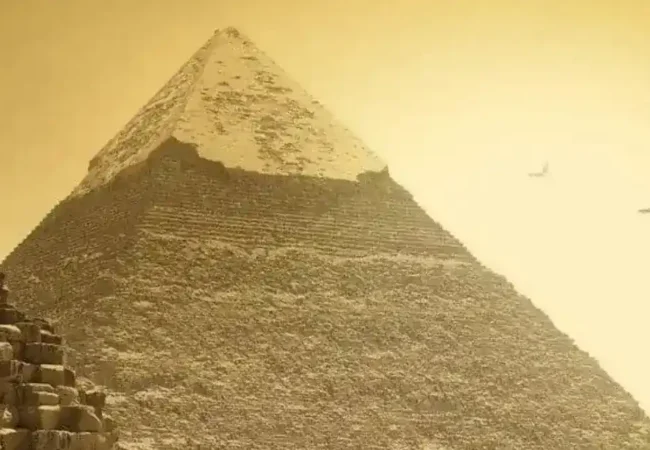
Pharaohs began planning and constructing their tombs or pyramids as soon as they ascended the throne. Preparation for the afterlife was a central part of royal duties and tombs were sometimes reused by later rulers.

What were the clothes of pharaohs in ancient Egypt?

Pharaohs wore fine linen garments, decorated aprons and elaborate jewelry. They often shaved their heads to prevent lice and wore wigs. Both male and female pharaohs used eye makeup as part of their appearance.

What were the religious roles of pharaohs?

The pharaoh served as the highest religious authority and the commander of the army. He performed daily rituals and offerings to the gods to ensure prosperity and the regular flooding of the Nile.

What was the importance of pharaohs in Egyptian civilization?

Pharaohs made the monumental construction, economic organization, military leadership and religious practices. Their rule influenced every aspect of daily life and left a legacy that continues to be studied today.

What was the role of pharaohs in building monuments?

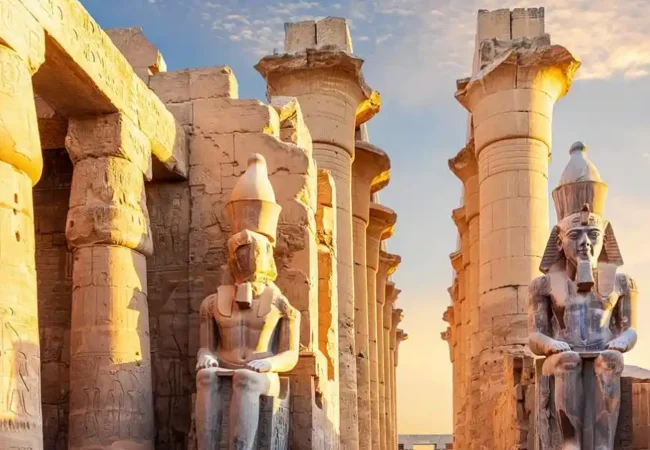
Pharaohs built massive construction projects such as pyramids and temples. These monuments symbolized their power, religious devotion and desire for immortality.

How did pharaohs keep power over the vast Egyptian kingdom?

Pharaohs maintained control over the large kingdom by managing agriculture, the economy, religious institutions, and the military. Their power was strengthened by religious beliefs that presented them as divine rulers chosen by the gods, which encouraged obedience and loyalty from the people

Who was the final pharaoh of Egypt?

The last pharaoh of ancient Egypt was Cleopatra VII. She died in 30 BCE, which ended the pharaonic era and Egypt’s independence as a kingdom. After her death, Egypt became part of the Roman Empire, ending over three thousand years of continuous pharaohs.

What was the importance of Cleopatra VII in Egyptian history?

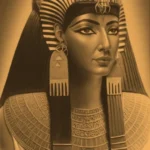
She was the final ruler of the Ptolemaic dynasty and the last active pharaoh of Egypt. Her reign represented the final chapter of ancient Egyptian sovereignty before Roman control making her a central historical figure.

Ancient -Egyptian -Pharaohs- FAQs-Cleopatra VII

Ancient -Egyptian -Pharaohs- FAQs-Cleopatra VII

What was the cultural role of pharaohs?

Pharaohs were not only political leaders but also important in Egyptian religion and culture. They were believed to maintain Ma’at, which means cosmic order, balance, and justice, keeping the universe and society stable.

Why were pharaohs considered mediators between gods and humans?

Pharaohs were believed to communicate directly with the gods and perform rituals for the people. This helped ensure the gods’ favor, good harvests, and stability throughout Egypt.

What religious rituals did pharaohs perform?

Pharaohs performed daily temple rituals to preserve Ma’at and protect Egypt. These included making offerings of food and incense, decorating statues of the gods, and leading major religious festivals each year.

Why were only pharaohs allowed to perform certain temple rituals?

Only pharaohs could enter the innermost sanctuaries of temples because they were believed to be divine beings. Their presence was considered necessary to properly communicate with the gods and maintain cosmic balance.

What did the double crown mean in ancient Egypt?

The double crown showed that Upper and Lower Egypt were united. It combined the white crown of Upper Egypt and the red crown of Lower Egypt, showing the pharaoh ruled the whole country.

What did the false beard mean for a pharaoh?

The false beard showed divinity and royal power. By wearing it, the pharaoh connected himself to the gods and showed he was sacred.

Why were pharaohs shown as young and perfect in art?

Egyptian art always showed pharaohs as young and perfect. This ideal look represented their divine perfection, not their real age or appearance.

Did pharaohs wear makeup in ancient Egypt?

Yes, pharaohs applied kohl and malachite around their eyes. It was used for beauty, protecting the eyes from the sun, and preventing infections.

Why was kohl important in ancient Egyptian life?

Kohl helped shield the eyes from sunlight, avoided eye diseases, and was also believed to give spiritual protection. It had practical, religious, and decorative uses.

How were young pharaohs educated?

From childhood, pharaohs learned hieroglyphs, math, astronomy, medicine, religious rituals, and how to manage the kingdom, to prepare for ruling Egypt.

What unusual powers did people believe pharaohs had?

People thought pharaohs could heal illnesses, and even their spit could cure diseases, showing they were seen as directly connected to the gods.

Why is Tutankhamun considered one of the most famous pharaohs?

Tutankhamun became famous because the treasures inside his tomb provided exceptional insight into royal life and burial practices in ancient Egypt.

Ancient -Egyptian -Pharaohs- FAQs-Tutankhamun

Ancient -Egyptian -Pharaohs- FAQs-Tutankhamun

Why was Akhenaten considered a controversial pharaoh?

Akhenaten attempted a religious revolution by abandoning traditional gods in favor of worshipping a single deity, Aten. This radical change made his reign one of the most unusual in Egyptian history.

Which female pharaohs were the most influential?

Women like Hatshepsut and Nefertiti had major roles in Egypt’s history. Hatshepsut ruled for more than twenty years and built many monuments, while Nefertiti had strong influence during Akhenaten’s reign.

How did pharaohs get ready for the afterlife?

Pharaohs started preparing for the afterlife as soon as they became rulers. Their tombs were made as eternal homes filled with food, jewelry, and other items they would need in the next life.

Why did pyramids have hidden passages?
Pyramids included false corridors, sealed rooms, and hidden burial chambers to keep the pharaoh’s body and treasures safe from robbers.

Why was mummification important?

Mummification kept the body preserved so the soul could find it and return after death. The process involved drying the body, removing internal organs, and wrapping it carefully in linen.

How did pharaohs influence modern culture?

Pharaohs continue to influence modern culture through movies, books, video games, fashion and art. Their imagery and myths remain symbols of mystery and power.

Why do pharaohs still attract tourists today?

The monuments built by pharaohs such as the pyramids and the Valley of the Kings, offer a direct connection to ancient history. Their scale, mystery and craftsmanship continue to inspire awe worldwide.

What were the royal titles used by ancient Egyptian kings?

During the Early Dynastic Period, Egyptian kings used several official titles to express their authority and divine role. At first, kings held three main titles which later expanded into a more complex royal titular system. By the Middle Kingdom, the full royal titulary consisted of five names that reflected political power, religious significance and divine legitimacy.

How many titles did Egyptian kings have during the Early Dynastic Period?

During the Early Dynastic Period, kings originally used three titles. These included the Horus name which was the oldest, the Nesu Bity name introduced during the First Dynasty and the Nebty name which appeared toward the end of the First Dynasty.

What was the Horus name in ancient Egyptian kingship?

The Horus name was the earliest royal title and was adopted by the king when he ascended the throne. It was written inside a serekh, a rectangular frame representing the royal palace. This name emphasized the king’s association with the god Horus and symbolized his divine authority.

Ancient -Egyptian -Pharaohs- FAQs-Horus

Ancient -Egyptian -Pharaohs- FAQs-Horus

What is a serekh in ancient Egypt?

A serekh was a symbolic frame representing the royal palace and was used to enclose the Horus name of the king. The earliest known serekh dates to the reign of King Ka, before the First Dynasty making it one of the oldest royal symbols in Egyptian history.

How did Horus’ names change over time?

In later periods, Horus’ names evolved to reflect broader concepts of kingship rather than direct physical strength. For example, Khasekhemwy’s Horus name emphasized peace and unity while Nebra’s name highlighted a connection between Horus and the sun god.

What was the Nesu Bity name in ancient Egypt?

The Nesu Bity name which was also known as the prenomen appeared as a royal title during the reign of King Den. It followed the symbols of the sedge and the bee and is usually translated as King of Upper and Lower Egypt, emphasizing political unity.

What is the Nebty name in ancient Egyptian royal titles?

The Nebty name was the Two Ladies name which linked the king to the goddesses Nekhbet and Wadjet who represented Upper and Lower Egypt. This title first appeared during the reign of King Aha in the First Dynasty.

What was the Golden Horus title?

The Golden Horus or Golden Falcon name was preceded by a falcon standing on a gold sign. Although its exact meaning is debated, the title likely represented the divine and eternal nature of the king.

Could the Golden Horus name relate to Horus defeating Set?

Yes, one interpretation suggests that the Golden Horus iconography represents the Horus conquering Set. The gold sign may reference the city of Nubt, traditionally associated with Set symbolizing Horus’s victory.

What are the prenomen and nomen in ancient Egypt?

The prenomen and nomen were royal names enclosed within a cartouche. These names were introduced later in Egyptian history and became standard components of the king’s official title.

What titles accompanied the prenomen?

The prenomen often followed titles such as King of Upper and Lower Egypt or Lord of the Two Lands. It frequently incorporated the name of the sun god Re emphasizing divine approval.

What were the accompanying titles to the nomen?

The nomen usually followed the title Son of Re or Lord of Appearances. This name represented the personal name of the king and reinforced his divine lineage.

Why were royal names enclosed in a cartouche?

The cartouche symbolized protection and eternity. Enclosing the king’s names within it emphasized their sacred nature and ensured divine safeguarding of the ruler’s identity.

Was every royal title always known for all kings?

No, for some rulers only one or two royal names are known today. This is due to incomplete records and the fragmentary nature of early historical sources.

Was the pharaoh considered divine in ancient Egypt?

Yes, the pharaoh was often considered a divine being in ancient Egypt. This belief originated before 3000 BCE and defined the Egyptian concept of divine kingship where the ruler was seen as both king and god.

How did Egyptian divine kingship differ from Mesopotamian traditions?

In Mesopotamia, kings acted as intermediaries between the gods and people but were not themselves considered gods. In Egypt, however, the pharaoh was believed to be a god on Earth representing a major religious innovation.

How was the pharaoh connected to Horus?

During the Early Dynastic Period, the pharaoh was believed to be the living incarnation of Horus. This association reinforced his role as protector and unifier of Upper and Lower Egypt.

How did the pharaoh’s divine origin change over time?

By the reign of Djedefre, the pharaoh was believed to have no human father as his mother was said to be magically impregnated by the sun god Ra. This strengthened the belief in the king’s divine birth.

How do Pyramid Texts describe the divine nature of the king?

The Pyramid Texts describe the king as having been created by the god Atum before the existence of the sky, earth, humans, gods or death. These texts emphasize the eternal and cosmic nature of kingship.

How do inscriptions describe the pharaoh?

Inscriptions often referred to the pharaoh as the good god or the perfect god. These phrases highlighted his divine qualities and moral perfection.

How was the pharaoh’s divinity understood in the New Kingdom?

In the New Kingdom, the pharaoh was believed to possess the living royal ka of the god Amun Re. This divine essence was received during the coronation ceremony.

Were foreign rulers also described as divine pharaohs?

Yes, during the Persian domination of Egypt, rulers such as Darius the Great were referred to as divine beings in Egyptian temple texts. Similar descriptions were later applied to Alexander the Great and Ptolemaic rulers.

How did Classical Greek writers view the divinity of the pharaoh?

Classical Greek sources mention the divinity of the pharaoh less frequently. Herodotus denied the idea, claiming Egyptian priests rejected it while Diodorus Siculus described pharaohs as divine based on earlier sources.

How is the pharaoh portrayed in rabbinic literature?

In rabbinic literature, the pharaoh is depicted as arrogantly claiming divinity. These texts contrast his claims with the power of the one true God and portray him as ultimately human and weak.

How is the pharaoh associated with the Nile in rabbinic texts?

Some rabbinic sources describe the pharaoh as claiming to be the god and owner of the Nile. These claims are challenged by God through disasters such as the plague of frogs.

Why is the pharaoh portrayed as a heretical figure in rabbinic tradition?

The pharaoh is portrayed as heretical because he claimed divine status and creative power. Rabbinic texts emphasize the exposure of these false claims by showing his human weaknesses.
Picture of ET Team

ET Team

EgyptaTours is dedicated to transforming ordinary vacations into extraordinary, immersive journeys that unlock the rich history, vibrant culture, and timeless mysteries of ancient Egypt. Our premier team comprises certified private Egyptologists, seasoned local experts, and dedicated travel consultants who bring decades of combined on-the-ground expertise to every custom itinerary. Built on a foundation of trust, transparent pricing, and historical accuracy, we provide travelers with meticulously curated, up-to-date insights into Egypt’s most iconic monuments and hidden gems. Specializing in fully bespoke travel experiences—including luxury Egypt tours, customized Nile River cruises, private day excursions, and tailored multi-city adventures—EgyptaTours designs every detail entirely around your unique pacing and desires. Recognized for our handpicked heritage accommodations and unparalleled commitment to traveler satisfaction, we consistently deliver transformative, world-class experiences that set the gold standard for travel in Egypt.

Discover Egypt’s Hidden Elegance

Step beyond the crowds. Enjoy VIP access to the Pyramids at dawn and curated cultural encounters along the Nile, designed entirely around your personal travel style.

Related Tours To This Article

Explore our top-rated Egypt travel packages and embark on an unforgettable journey. From the Pyramids of Cairo to the magical temples of Luxor, Aswan, and Abu Simbel, discover expertly curated tours designed for your perfect Egyptian adventure
The-Best-Egypt-14-Days-Tour-Itinerary-Featured
Egypt Travel Packages
Cairo Luxor and Abu Simbel 5 Days Tour Package EgyptaTours Featured
Egypt Tours Including Abu Simbel
Magical-6-Days-Cairo-and-Hurghada-Tour-Package-EgyptaTours-Featured
Egypt Tours include Red Sea
Egypt-Itinerary-9-Days-EgyptaTours-Featured-Image
Egypt Travel Packages
WHY CHOOSE US

Why Travel With EgyptaTours

Unlock the true wonders of Egypt with confidence. We combine expert local knowledge, seamless logistics, and round-the-clock support to deliver flawless, responsible, and unforgettable travel experiences.

Safety & Security
Experience complete peace of mind on your travels with our rigorous safety standards, utilizing modern vehicles and constant support for a secure journey
Customizable Package
Craft your perfect holiday itinerary seamlessly with our dedicated travel experts, adapting every single detail and preference for a truly customized, flawless experience
24/7 Support
Travel with ultimate confidence alongside our round-the-clock support team, managing every detail and request instantly for a truly seamless and hassle-free vacation
Local Guided Tours
Uncover the authentic secrets of the pharaohs with our professional Egyptologists, providing profound insights and engaging narratives for a truly enriching journey
Premium Accommodations
Rest easy in carefully selected hotels and luxury Nile cruises that guarantee top-tier comfort and authentic hospitality.
Effortless Transfers
Travel seamlessly between Cairo, Luxor, Aswan, and the Red Sea in modern, air-conditioned vehicles with professional drivers.
The EgyptaTours Promise.

Plan Your Egyptian Adventure with Total Confidence
We handle the complex logistics so you can focus on the experience. From the moment you book until the day you return, enjoy flexible payments, secure reservations, and unwavering support every step of the way

Read Our Payment Policy

Book Now, Pay Later

Secure your spot today and manage your budget effortlessly with our convenient payment plans.

Instant Confirmation

Lock in your ideal itinerary instantly through our highly protected and seamless checkout process.

Round-the-Clock Care

Whether it’s a late-night inquiry or on-trip assistance, our local experts are always on standby.

Trusted by Travelers

Rely on our proven track record of delivering flawless, award-winning adventures across Egypt.

Inside The Journey: Watch Real Traveler Stories Before You Go

Video Cover

American Couple Review

Avatar
EgyptaTours
Verified Review
Video Cover

A Great Review about EgyptaTours

Avatar
EgyptaTours
Verified Review
Video Cover

Greek Friends Review

Avatar
EgyptaTours
Verified Review
Video Cover

Turkish Group New Review !

Avatar
EgyptaTours
Verified Review
Video Cover

New EgyptaTours Review

Avatar
EgyptaTours
Verified Review
Video Cover

New Couple Reviews

Avatar
EgyptaTours
Verified Review
Video Cover

Family Review For EgyptaTours

Avatar
EgyptaTours
Verified Review
Reviews

Hear From Those Who Lived The Egyptian Dream With Us

Mike L R
Mike L R
@Mikelremish
We chose EgyptaTours for our Nile cruise and Alexandria, and the experience was simply perfect! The tour operator was exceptional in organizing and looked after us with care and professionalism from day one to day two.
We couldn't have asked for more. The cruise was fantastic and allowed us to discover wonderful places along the Nile. Special thanks go to our guide Mona, who, with his impeccable Italian and in-depth knowledge of ancient Egyptian history, managed to convey all the magic and beauty of those places, bringing us back to bygone eras. Thank you so much to everyone for making this experience unforgettable!
johnmichael
johnmichael
@johnmichael07
We spent 10 days in Egypt assisted by the agency. From the moment we requested the trip quote from Walaa, and specially throughout the entire trip, we had representatives and guides accompanying us.
Providing information about history and culture in an exclusive and easy way to understand! We were lucky to have people like Abdul and Mona and Ahmed (our driver in Cairo).. They did everything calmly and the agency is truly prepared to provide us with the best of Egypt! Highly recommend them. Very grateful.
 Climber Da
Climber Da
@Climber498
I planned a trip for my husband and I to come to Egypt for 2 weeks and I wanted to see as much as possible while we were here. I found EgyptaTours and was very pleased with the itinerary options they offered.
My agent was super helpful in the planning process and the accommodations once we arrived to Egypt were OUTSTANDING. Our guides were fabulous, communicative, highly knowledgeable, and super friendly. They even allowed us to alter our itinerary in Egypt to allow us time to see some new things that we didn't know about while planning the trip! We had a wonderful experience and I recommend this company to anyone who wants to see Egypt and learn about the amazing history and culture.
Anthony B
Anthony B
@Anthony B
Wonderful experience. We have made a trip through Egypt and the Egypta Tours company has been in charge of organizing all our activities, as well as transfers within the country.
Our contact with the agency was Abdelrahman Tayea. At all times he was watching us and it was a real pleasure to work with him. I highly recommend you come to them to organize your trip!

Karl A
Karl A
@ Karl A
A wonderful experience! We recently traveled to Egypt, and Egypta Tours organized all our activities and transfers within the country.
Our contact at the agency was Mohamed alaa. He was always attentive to our needs, and it was a true pleasure working with him. I highly recommend contacting them to plan your trip!
Andrea R
Andrea R
@Andrea Riosalido
EgyptaTours team was absolutely excellent! Our tour was personalised for our requirements, was extremely well organised and we got to enjoy a trip of a lifetime.
Guides Mona and Ahmed were very knowledgeable and accommodating when we wanted to change the itinerary. Thank you so much for a wonderful trip. I can't recommend this company highly enough.
Dany Manuel
Dany Manuel
@Connector24765218398
Beautiful Egypt!!!! Our tour, organized by EgyptaTours, was a complete success. Ahmed Amged, my first contact and the one who organized our entire trip, was very kind and provided us with all the necessary information beforehand.
He also kept in touch with us once we arrived in Cairo. The guides have extensive knowledge of Egyptian civilizations and gave us very informative explanations at each of the sites we visited. It was an unforgettable experience!!!
 Diana Na
Diana Na
@Diana Na78
Incredible experience with this agency. Their thoroughness, recommendations, punctuality, and personalized service were impeccable. But above all, the assistance of Rafat Ahmed was outstanding.
He helped us with admirable patience and commitment during the difficulties we encountered at the airport, from arrival to departure, as Iberia lost our luggage and it was difficult to recover it. He spoke with everyone he could, accompanied us 100% of the time it was truly incredible! Extremely grateful!
Canh Le
Canh Le
@Canhlesi
Had a great tour of Egypt with Egypta tours. From the starting till the end the plan was customized and tailored for my needs. Since I was traveling with my daughter who is infant I had few special needs which they fulfilled.
The tour guide Ms Mona and driver Mr Eid/Mr Ahmed were very co operative and professional. Want to thank Mr Abdallah for making our vacation a memorable one. I would recommend Egypta tours for Egypt vacation.
Bram Groen
Bram Groen
@BramGroen
This travel agency made our week in Egypt! I contacted Egypta Tours via Whatsapp to organize a 8 day trip (Cairo, Luxor & Hurgharda). From the beginning, the communication was very smooth and clear.
From our first airport shuttle after arrival till our last day, everything went very well and services were reliable without surprises.. There was always a driver present and on time and the tour guides were true professionals. I can only recommend!
James Williams
James Williams
@James Williams
Exceptional Egypt Experience with EgyptaTour! We had an amazing trip to Egypt, all thanks to the outstanding management by EgyptaTour! From start to finish, everything was flawlessly organized.
Their guides were incredibly knowledgeable, making history come alive at every site we visited. The team was always punctual, professional, and eager to ensure we had the best experience. A special thanks to their staff for their warm hospitality and attention to detail, which made our journey truly memorable. If you’re planning a trip to Egypt, we highly recommend EgyptaTour for a hassle-free and unforgettable experience!
PD
PD
@pdShruti
We had an absolutely incredible time in Egypt, thanks to EgyptaTours! They planned and organized our customized itinerary seamlessly, making the entire trip hassle-free and unforgettable.
Selim was a most gracious host, going above and beyond to make us feel at home. From the breathtaking White Desert safari to camping in the Black Desert, from an awe-inspiring hot air balloon ride in Luxor to perfectly arranged inter- and intra-city transfers, every detail was handled flawlessly. Selim also personally showed us around Cairo, making sure we experienced the best of the city. Everything was splendid, and the trip was not just memorable but also very affordable. If you’re planning a trip to Egypt, we highly recommend EgyptaTours for a smooth, well-organized, and
Our Partners

Brands Aligned With Our Standard Of Excellence

Partner Logo
Partner Logo
Partner Logo
Partner Logo
Partner Logo
Partner Logo
Partner Logo
Partner Logo
Partner Logo

38

+
Years of Local Expertise

85,000

+
Satisfied Travelers Worldwide

2000

+
Glowing Guest Reviews

100

%
Private & Fully Tailored Tours