Akhenaten: The Pharaoh Who Changed Ancient Egyptian Religion
Akhenaten was one of the most controversial and revolutionary pharaohs in ancient...



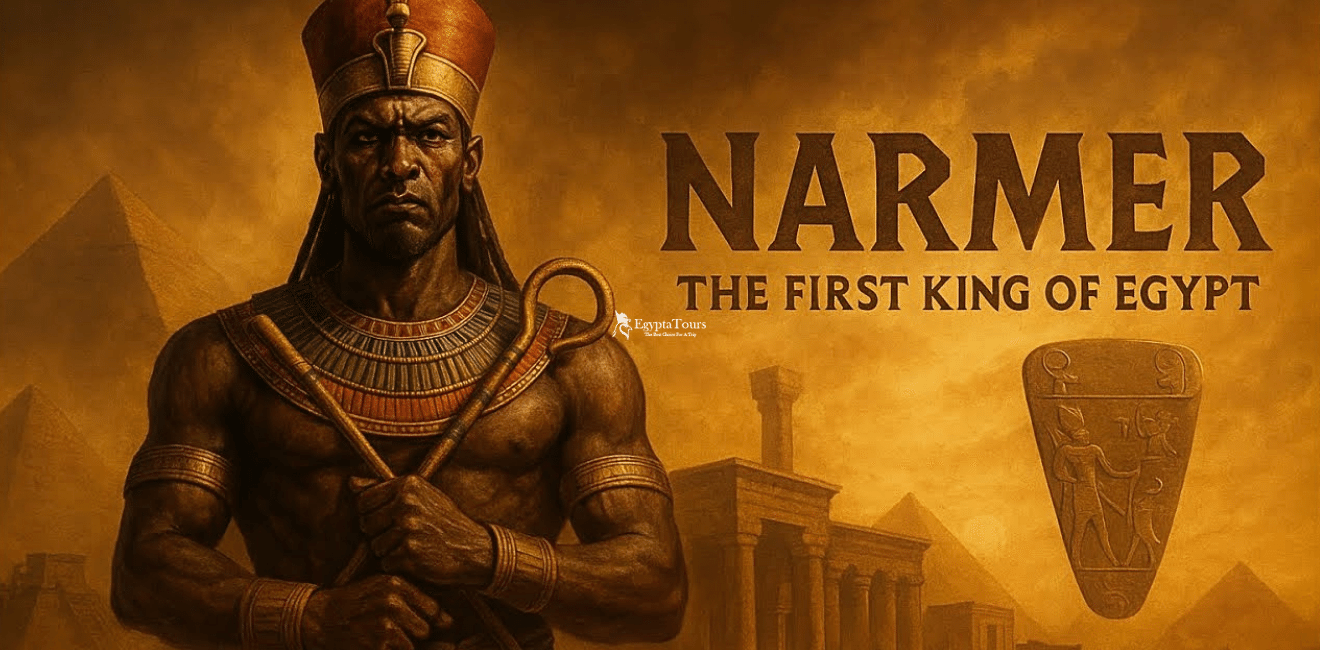
Narmer was an early king of ancient Egypt who ruled around 3100 BC, near the end of the fourth millennium BC. His name in ancient Egyptian may have meant something like fierce catfish. He is thought to have come after an earlier ruler named Ka.
Many historians believe that Narmer was the first king to unite Upper and Lower Egypt, which is why he is often seen as the founder of Egypt’s First Dynasty. He also had more influence in Canaan than the kings who came before or after him. A woman named Neithhotep is believed to have been either his wife or possibly his daughter.
Most Egyptologists also think that Narmer and Menes were actually the same person.
Who -Is- The- Oldest- Pharaoh
King Narmer, often called Menes, is believed to be the first king of Egypt. Around 3100 BCE, he is said to have united Upper and Lower Egypt after defeating his enemies. This event marked the beginning of the First Dynasty and the Early Dynastic Period. Because of this, Menes is seen as the starting point for the long line of more than 30 Egyptian dynasties that followed.
One of the most important discoveries connected to him is the Narmer Palette. It shows Narmer wearing the crowns of both Upper and Lower Egypt which stand for the unity of the two lands. This is one of the main reasons he is remembered as the first pharaoh and one of the most important rulers in ancient Egyptian history.
Learning about the first pharaoh helps visitors and researchers understand how long Egypt’s history really is. When you visit the Egyptian Museum or the Grand Egyptian Museum, you can see artifacts that tell the story of Egyptian civilization from the time of Narmer more than 5,000 years ago.
For travelers, a trip to Egypt feels like walking through history. You can discover the lives of the earliest pharaohs from the First Dynasty, as well as famous rulers like Ramesses II and Tutankhamun.
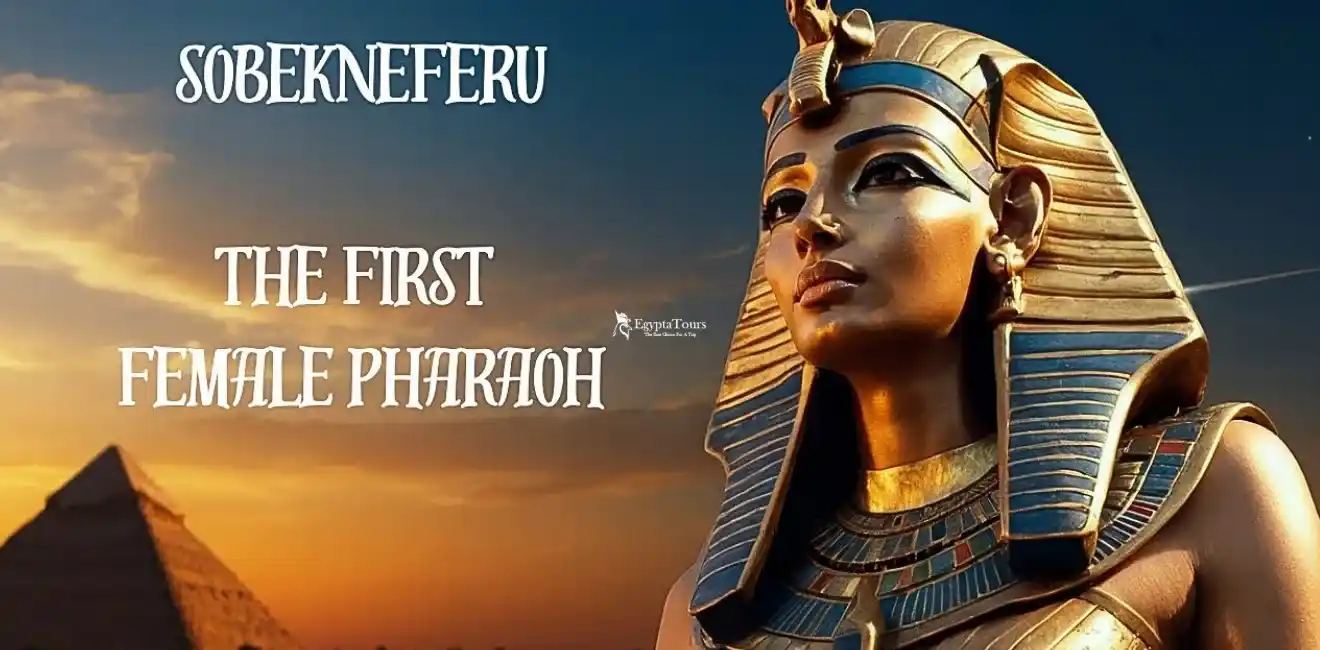
Who- was- the- first- female- pharaoh -of -Egypt
While many people learn about Egypt’s male rulers, there is also interest in its early female leaders. One of the most commonly mentioned answers to who the first female pharaoh was Sobekneferu who is believed to be the first woman to rule Egypt officially as a king.
People often ask similar questions, like who the first female ruler of ancient Egypt was or who the first lady pharaoh was. These questions show curiosity about how women also held power in ancient times.
Later on, another well known female ruler was Hatshepsut who made her own mark in Egyptian history. But Sobekneferu is still considered the earliest confirmed female pharaoh.
For travelers, visiting places such as Luxor Temple or Deir El Bahari helps bring these stories to life and shows the achievements of Egypt’s female rulers.
Learning about who the first woman pharaoh was gives a fuller view of Egypt’s history and shows that ancient Egypt had powerful women much earlier than many people expect.
Knowing who the first pharaoh of a united Egypt was is not only about learning history it also makes your trip more meaningful. Everything you see, from pyramids to temples and tombs, is part of a story that started with Egypt’s earliest ruler.
This knowledge helps you understand the greatness of ancient Egypt and the size of its civilization. It also makes famous places in Luxor and Aswan easier to appreciate because you can see how they connect to the past.
Instead of just looking at old monuments, guided tours start to feel like real stories from history. It also helps you feel a stronger connection to the people who lived there thousands of years ago.
Many travelers say that learning about the first ruler who united Egypt makes their visit more interesting and memorable.
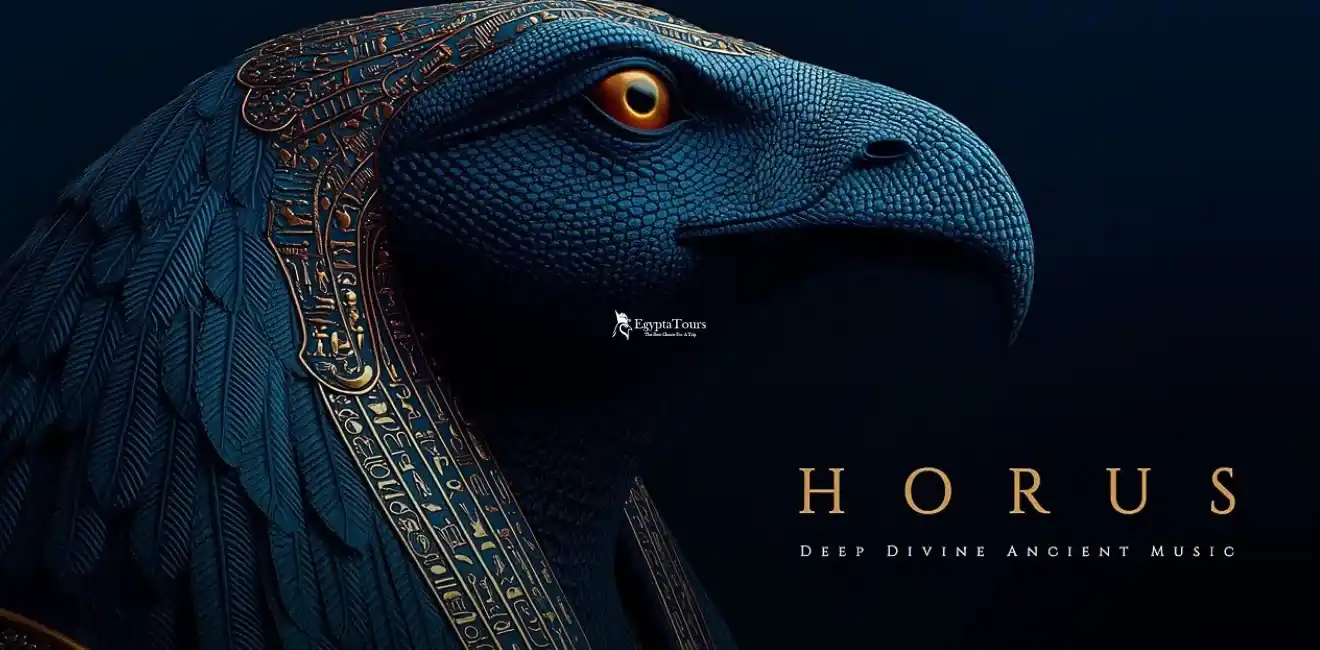
Who -Is- The- Oldest- Pharaoh-Religious -and -Cultural- Advances
Narmer’s unification of Egypt also brought important changes in religion and culture. He is believed to have helped promote the worship of the god Horus which became one of the first religious beliefs shared across the whole kingdom. This early form of worship was centered in places like Hierakonpolis, also known as Nekhen.
The worship of Horus continued for many centuries in ancient Egypt. Later pharaohs also adopted many of Horus’s symbols and ideas, using them to show their own power and connection to the gods.
The death of Narmer is still a mystery and there is no clear evidence about how he died. Some ancient writers, like Manetho and Herodotus, suggested that he may have been killed by a hippopotamus which was a dangerous animal in ancient Egypt. However, this idea is not proven.
Archaeologists also do not know for sure where his tomb is located. Different experts have different opinions. Some believe it could be at Saqqara while others think it may be at Umm El Qaab. This confusion exists because items linked to Narmer have been found in different tombs and objects from other kings have also appeared in places connected to him.
Even with these mysteries, Narmer is still believed to be the first pharaoh of ancient Egypt. He united Upper and Lower Egypt and helped create a strong civilization that lasted for thousands of years. His leadership influenced art, culture and government and later pharaohs continued to see him as an important and respected figure in Egypt’s history.
The Narmer Palette is one of the most important pieces of evidence showing King Narmer’s role in uniting Egypt. This shield shaped object was found at Hierakonpolis, an important religious site in early Egypt.
The carvings on the palette show Narmer defeating his enemies and bringing Upper and Lower Egypt together. It also shows him wearing both the White Crown of Upper Egypt and the Red Crown of Lower Egypt. This combination of crowns represents his control over both regions.
Because of this image, the palette became a powerful symbol of royal authority in ancient Egypt and it helped set the style for how pharaohs were shown for thousands of years.
One of the most interesting questions in Egyptian history is whether Menes and Narmer were actually the same person. Many experts think that Menes is the name written in ancient records, while Narmer is the name seen on objects found by archaeologists.
Because of this when people ask who the first pharaoh of Egypt was, both names are often mentioned. Menes is usually seen as the founder of the First Dynasty, while Narmer is supported by physical evidence that shows his rule.
According to the tradition recorded by Manetho, Narmer is remembered as an important early ruler who helped build the foundations of Egypt’s cities. He is said to have founded or developed several settlements that later became major centers, especially Memphis. This city went on to become the first capital of unified Egypt and the main center of government.
It is also likely that Narmer had a role in establishing Hierakonpolis (also known as Nekhen). This place was already known for its old religious importance, especially as the center of worship for the falcon god Horus.
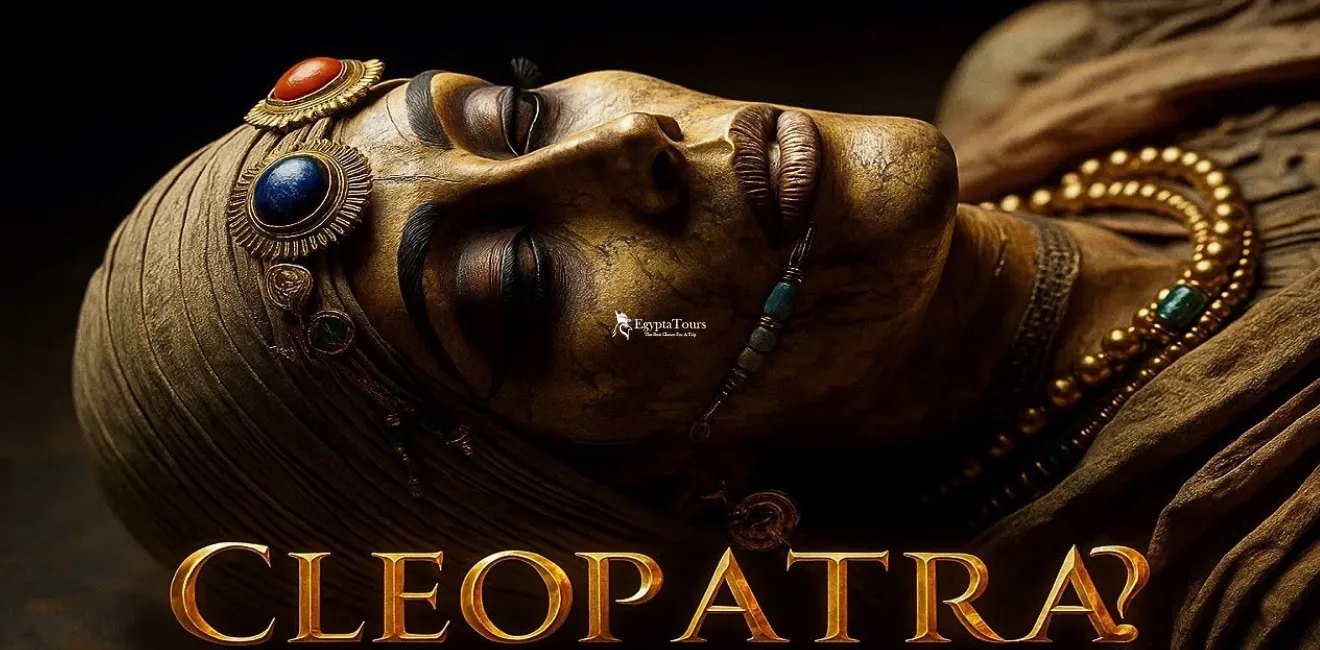
Who- was- the -last- pharaoh- of -Egypt
To understand the beginning of Egypt’s history, it also helps to look at its end. Many travelers wonder who the last pharaoh of Egypt was and the most common answer is Cleopatra VII.
Her rule is seen as the end of ancient Egypt’s pharaonic era which came to a close after the Roman takeover following her death. Cleopatra lived thousands of years after the first Egyptian king, but her story is still part of the same long history.
When you visit Alexandria today, you are exploring places tied to the final period of ancient Egyptian rule.
From the first pharaoh to the last, Egypt’s history stretches across more than 3,000 years. This long and continuous story is one of the reasons Egypt remains such a powerful and fascinating place to visit.
Learning about the first pharaoh helps visitors and researchers understand how long Egypt’s history really is. When you visit the Egyptian Museum or the Grand Egyptian Museum, you can see artifacts that tell the story of Egyptian civilization from the time of Narmer more than 5,000 years ago.
For travelers, a trip to Egypt feels like walking through history. You can discover the lives of the earliest pharaohs from the First Dynasty, as well as famous rulers like Ramesses II and Tutankhamun.
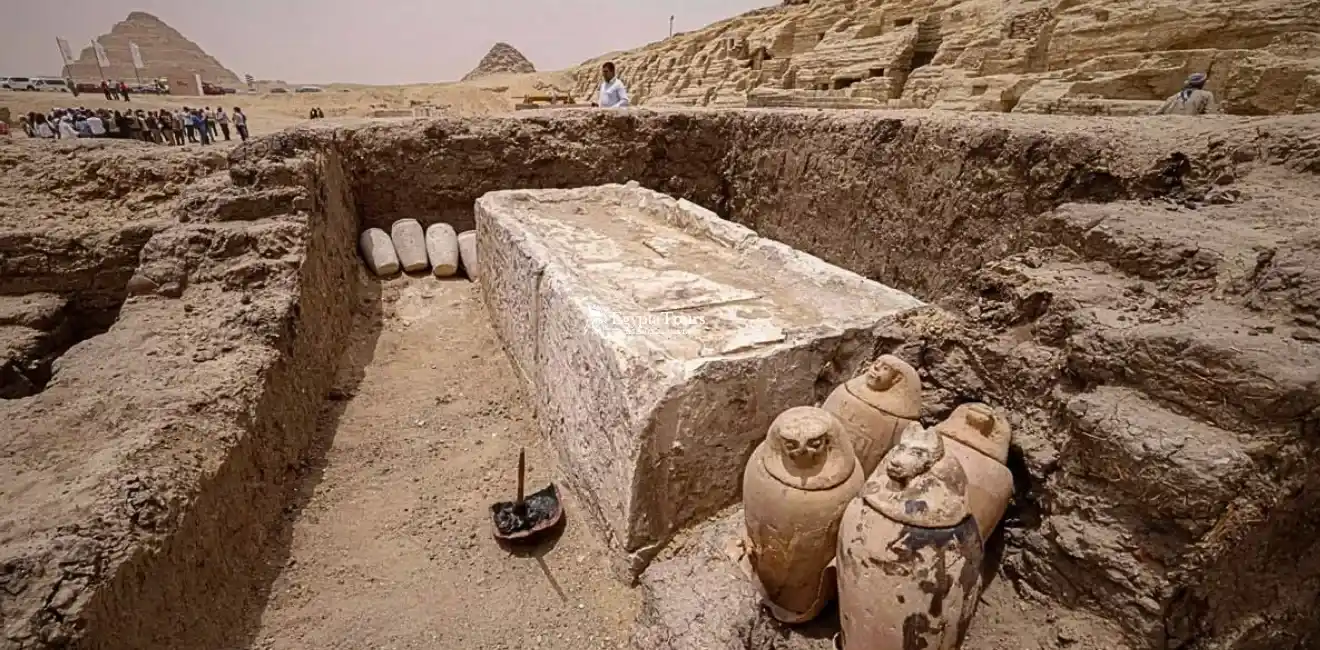
The- Mystery -of- Narmers -unfound- Tomb -in -Saqqara
Even though King Narmer is known as the ruler who united Egypt, his body and tomb have never been found with certainty. He lived during the Early Dynastic Period, before the Third Dynasty, when kings were usually buried in mastabas. These were simple, flat topped tombs made of mudbrick, long before the great pyramids were built.
Some researchers think Narmer may be buried in the large burial area of Saqqara. However, no tomb there has been clearly proven to belong to him. Because of this, his exact burial place remains unknown and the idea is still only a theory.
On the back side of the famous Narmer Palette, there is a detailed and symbolic scene showing two strange animals with long, snake like necks. These creatures are called serpopards by Egyptologists because they look like a mix of a leopard and a serpent.
In the scene, two officials are holding ropes attached to the animals’ necks. As they pull, the long necks of the creatures twist and come together. Many scholars believe this image represents the joining of Upper and Lower Egypt. It is seen as a symbol of Narmer’s role in uniting the two regions into one kingdom.
Egyptian pharaohs are often easy to recognize because of the special royal symbols they wore, many of which were first established in Narmer’s time.
As the first pharaoh of ancient Egypt, Narmer helped shape how kings were shown and how they dressed. He is often shown wearing both the red crown of Lower Egypt and the white crown of Upper Egypt which represented the uniting of the two lands.
He also set early styles that later pharaohs continued to use. These included the royal false beard, the cobra symbol worn on the crown (called the uraeus) and other signs of kingship. Over time, these features became common symbols of Egyptian rulers.
Even small details mattered. For example, sandals and other royal objects were seen as symbols of power and control. Over time, these royal styles became part of the standard image of every Egyptian pharaoh, continuing for thousands of years.
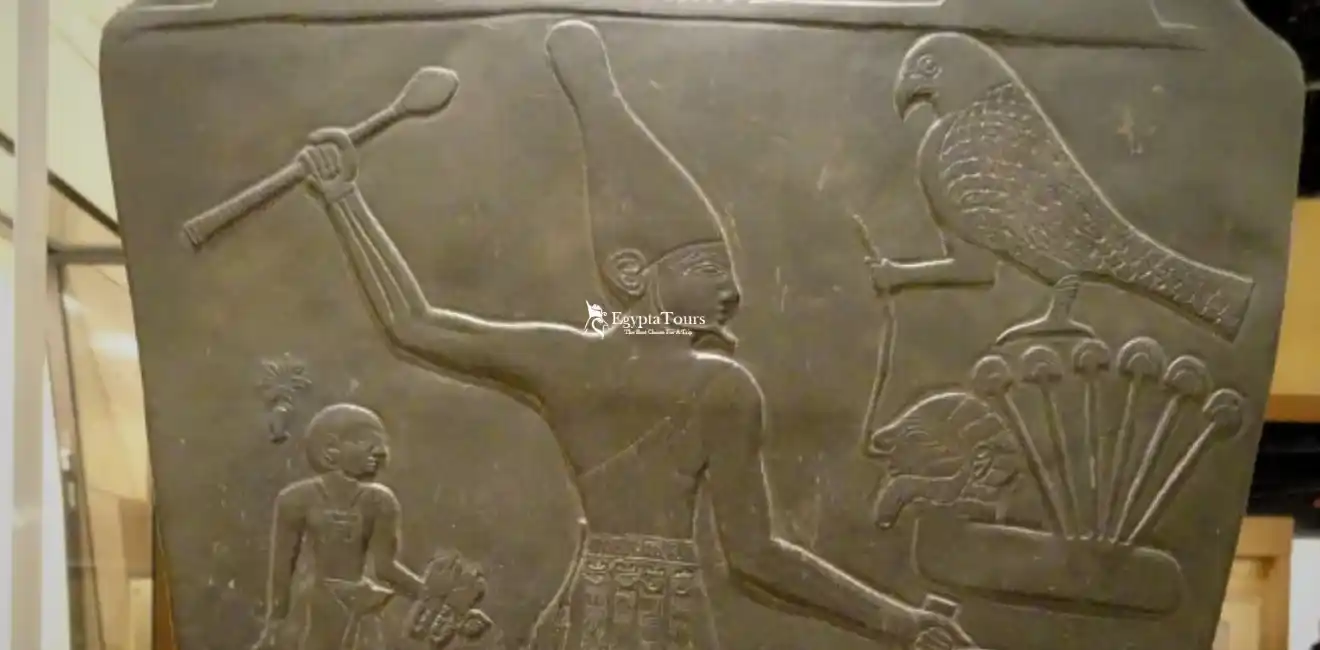
Narmer’s- Palette -at -Temple -of- Horus
The Narmer Palette was found among other important objects at Nekhen (Hierakonpolis), an ancient religious center linked to the worship of the god Horus. These objects were discovered in what is now called the Main Deposit inside the Temple of Horus. The palette was uncovered in 1900 by archaeologists James Quibell and Frederick Green and their discovery showed how important Narmer was to this site.
Because the palette was found buried in a ritual deposit, we do not know its exact original location or when it was placed there. In ancient Egypt, it was common to bury sacred objects in temple foundations as offerings, especially items linked to respected rulers. This was done for protection and good fortune.
In this case, Narmer was seen as a very important early king. The people of the Temple of Horus likely believed his legacy would protect the temple and those who visited it for many years. His role in forming one of the earliest unified states made him a key figure in world history.
In ancient Egypt, pharaohs gained great honor from founding new cities. There was a special ceremony where the king would hold a symbolic plow to show his role in starting the settlement. The pharaoh also took part in marking out the city’s borders by making a line in the ground near the Nile River.
After this ritual, workers would begin building important structures such as royal palaces and temples. A large granary was also always built in or near the city. It was used to store grain so the people would have food during hard times like droughts or other emergencies. This helped the ruler take care of the population and keep the city stable.
Although Narmer is usually seen as the first pharaoh, other early rulers of the First Dynasty, such as Hor-Aha who likely came after him and Djer, are also among the earliest known kings of Egypt. Their time in power helped establish strong political control, as well as important religious beliefs and burial traditions. These practices continued and became key parts of ancient Egyptian life for thousands of years.
Narmer’s name is usually explained as Chisel Fish, coming from two ancient symbols: a catfish for Nar and a chisel for Mer.
One of the most important finds linked to him is the Narmer Palette which shows scenes of battle and the unification of Egypt.
Some historians think Narmer may be the same person as Menes, the first king mentioned by Greek writers like Herodotus and Manetho. Others believe his rule combined both military action and peaceful agreements to unite Egypt.
He is also often credited with founding Memphis which became the first capital of a united Egypt.
Narmer is known for shaping early royal symbols that later pharaohs continued to use, such as the red and white crowns, the uraeus cobra and the false royal beard.
His death is still a mystery and some ancient stories even suggest he may have been killed by a hippopotamus. The exact location of his tomb is also unknown, though possible sites include Saqqara or Umm El Qaab.
Overall, Narmer’s role in uniting Egypt and creating a central government helped lay the foundation for one of the greatest civilizations in history. His legacy continued for thousands of years, as later rulers followed his example and honored his achievements.
The oldest known pharaoh of Egypt is Narmer, who ruled around 3100 BCE and is believed to be the first king of a unified Egypt.
Narmer is considered the first pharaoh because he united Upper and Lower Egypt, marking the beginning of Egypt’s First Dynasty.
Many historians believe that Narmer and Menes are the same person. Menes is mentioned in ancient records, while Narmer appears in archaeological evidence.
The Narmer Palette shows Narmer wearing both crowns of Egypt and symbolizes the unification of Upper and Lower Egypt.
Narmer is important because he laid the foundation for one of the longest lasting civilizations in history.
Narmer introduced royal symbols such as the double crown, the uraeus (cobra), and the false beard.
Learning about the first pharaoh helps people understand the origins of ancient Egyptian civilization and appreciate its long history.




Explore our top-rated Egypt travel packages and embark on an unforgettable journey. From the Pyramids of Cairo to the magical temples of Luxor, Aswan, and Abu Simbel, discover expertly curated tours designed for your perfect Egyptian adventure