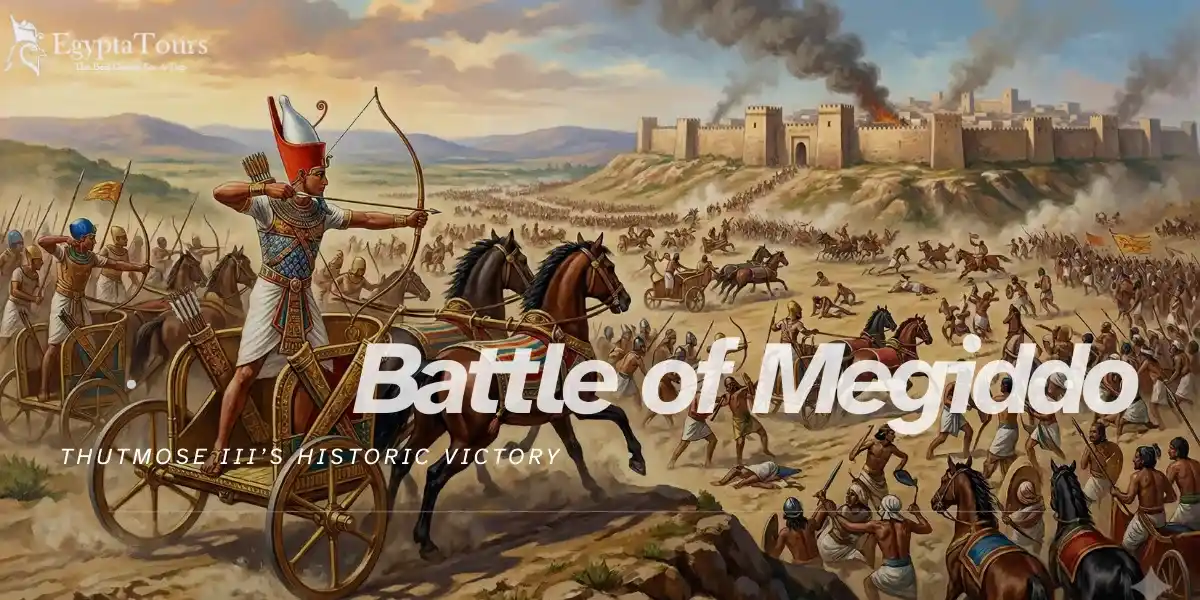
Battle of Megiddo: Thutmose III’s Historic Victory
📋 Summary & Quick Facts
Article Summary
Imagine standing on the very grounds where the first fully documented military campaign in human history unfolded. In the 15th century BCE, the brilliant Pharaoh Thutmose III—often hailed as the “Napoleon of the Ancient East”—led his Egyptian forces to a legendary victory at this historic site. Facing a massive rebellion from a Canaanite coalition, the young ruler ignored the conventional, safer routes and boldly marched his army through the treacherous Aruna pass to completely surprise his enemies.
This masterful tactical gamble, followed by a tense seven-month siege, decisively crushed the uprising and secured Egypt’s absolute dominance over the Near East. Today, the strategic plains of Megiddo remain an incredibly significant historical destination, offering an unparalleled glimpse into the ancient military genius that shaped the borders of the early world.
Key Facts & Takeaways
-
-
The First Recorded Battle: This conflict stands as the earliest military engagement in history with surviving, detailed documentation, thanks to the meticulous daily war diaries carved directly into the walls of the Karnak Temple.
-
A Tactical Masterpiece: Pharaoh Thutmose III revolutionized ancient warfare by dividing his forces into a central core and two wings, executing a sweeping surprise attack that threw the coalition into absolute chaos.
-
The Ultimate Gamble: Defying the desperate advice of his war council, the Pharaoh chose the narrowest, most dangerous mountain corridor to ambush the enemy—a brilliant maneuver that is still taught in global military academies today.
-
A Grueling Seven-Month Siege: After the enemy forces abandoned their camps and retreated behind the heavily fortified city walls, the Egyptian army constructed a wooden barricade and a moat, starving the city into a peaceful surrender without harming the civilians or captives.
-
Massive Spoils of War: The victorious Egyptian forces captured staggering wealth, including 924 chariots, over 2,000 horses, 200 suits of armor, and the royal tent of the defeated king.
-
The Birth of an Empire: This decisive victory successfully launched a series of 17 additional campaigns, firmly establishing the Egyptian Empire’s control from Nubia all the way to the Euphrates River.
-
The Battle of Megiddo It is considered one of the greatest military battles in ancient history, as the battle is taught in military academies in the majority of countries in the world to this day. Military experts in the West called King Thutmose III the “Napoleon of the Ancient East.” The battle began in the twenty-second year of Thutmose’s rule. The third, approximately in 1475 BC.
The city of Megiddo, in northwestern Palestine today, is considered one of the most important military and spiritual sites. Throughout history, this city has witnessed some decisive battles in the future of politics in the Middle East, perhaps the last of which was the battle of British General Edmund Allenby in 1918, in which the army was defeated.
The Ottoman Empire then took control of Syria. From the name of this city, the word “Armageddon” is derived, which is mentioned in the Old Testament (the Torah), which refers to the decisive battle between Christ after he came down again to fight Satan and defeat him, and security, safety, and faith would prevail throughout the world.
What is historically proven is that before the following battles, a very important battle took place on the land of this Palestinian city that decided the history of the Middle East for several centuries to come. It was the famous battle of Tuthmosis III, Pharaoh of Egypt, confronting the King of Kadesh and the gatherings of Syrian mini-states to get rid of Egyptian hegemony and the possibility of occupying Egypt and eliminating its military and cultural power.
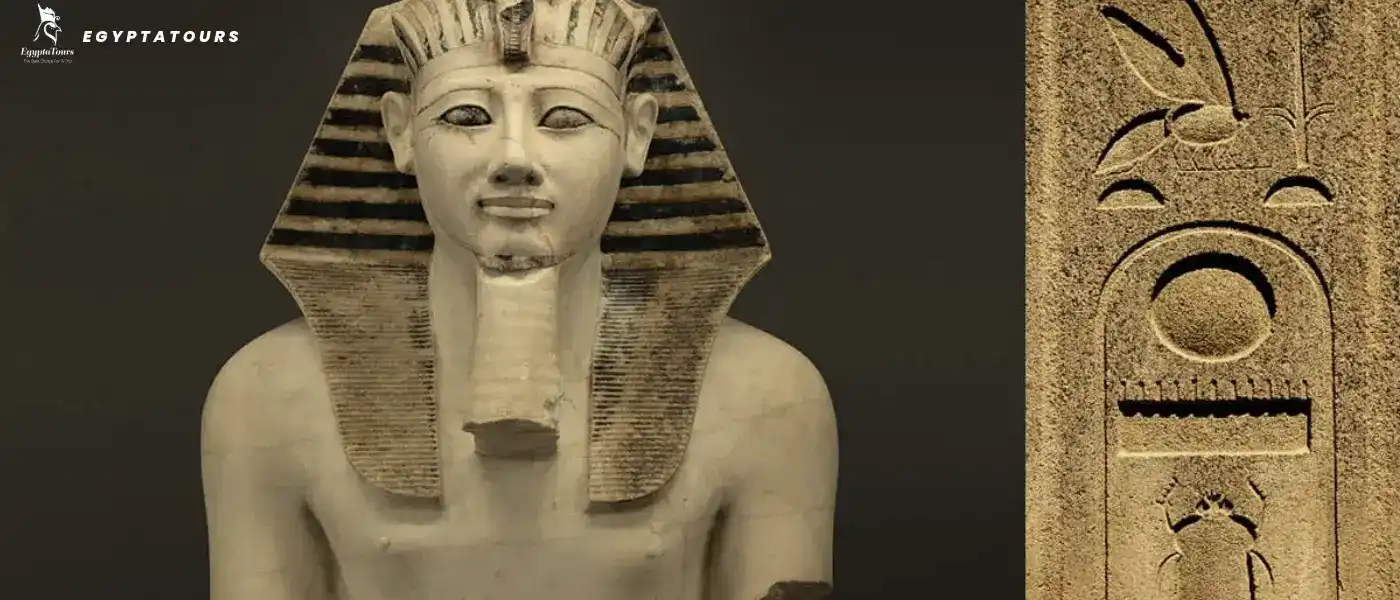
The-Reign-of-the-Pharaoh-and-the-Road-to-Megiddo
Thutmose III is considered the sixth pharaoh of the Eighteenth Dynasty, the greatest ruler of Egypt, and one of the most powerful emperors in history. He founded a modern Egyptian empire at that time, and that empire remained until about 1070 BC, during the reign of Ramses XI.
Thutmose III is called the Father of Empires, and he is also called the first emperor in history, as he is considered one of the outstanding geniuses in the history of the military throughout the ages. His military plans are studied at many military colleges and institutes around the world.
He was the first to divide the army into a core and two wings, and the empire used the British to develop many of its plans in its battles, especially in its battles against the Ottoman Empire in World War I.
Thutmose III Military Campaigns
The book “Warrior Pharaohs: Diplomats and Military Personnel” by Dr. Hussein Abdel Basir confirms that Thutmose III remained in the shadows for a long period until Queen Hatshepsut was absent or excluded from the political scene in the country, and the lion came out of his den to show us the legendary personality of King Thutmose III, recording the glory of Military Egypt, written in letters of Nour and Azaz, in all the military colleges and academies of the world.
“Thutmose III” engraved the scene of his coronation as king of Egypt on the walls of the Karnak Temple in a wonderful ceremony that represented a representative description that dwarfs the imaginary stories that we read or watch on the white screen, according to the Encyclopedia of Ancient Egypt by Selim Hassan.
According to the encyclopedia, this epic Battle, in which Thutmose III fought the armies of the Syrian alliance under the command of the ruler of Kadesh, is the first military battle in the history of the ancient world of which noteworthy details remain.
The credit for this is due to the diary that Thutmose III left on one of the walls of the Karnak Temple. It was apparently the custom in the Egyptian army during the era of the empire to write diaries about the progress of fighting during the campaigns carried out by the pharaoh.
The Masterful Military Tactics of Thutmose III
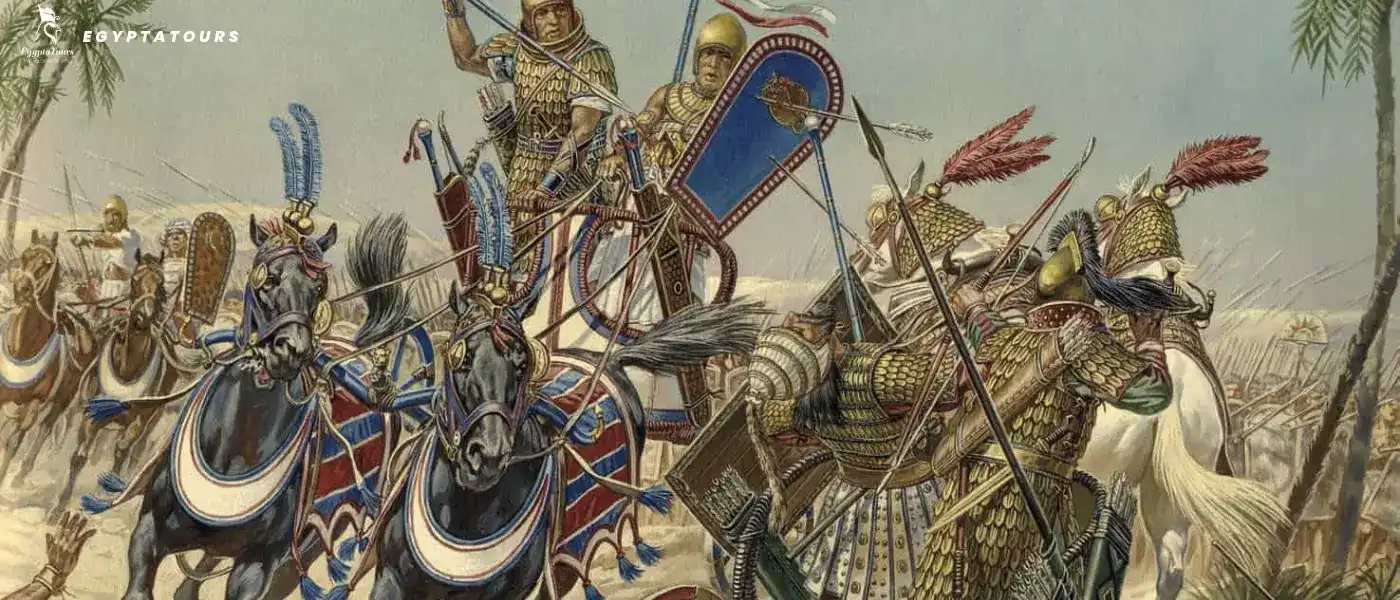
Battle-of-Megiddo-Thutmose III’s-Masterful-Military-Tactics-EgyptaTours
One of those great battles that were immortalized in ancient Egyptian history was this one, which took place between the ancient Egyptians and Kadesh and took place in the fifteenth century BC. The Egyptian army was led by Thutmose III, and the military campaign was a wonderful plan with strong precision and implementation.
We see him marching towards Gaza in ten days, occupying the city, and making his way to Megiddo, which rebelled against his rule under the leadership of the Prince of Kadesh.
Dr. Hussein Abdel Basir mentioned in his book “The Warriors of the Pharaohs” that there was a problem in choosing the appropriate route that the forces had to take to Megiddo. There were two usual routes, but Tuthmosis III chose the unexpected, narrow, and most dangerous and rugged route in order to surprise the enemy and eliminate him. The great victory was won by the ally of the warrior pharaoh, Thutmose III, after he besieged the city for seven months.
The Seven-Month Siege
A relief in the Karnak Temple depicts Pharaoh Thutmose III striking down Canaanite captives after the Battle of Megiddo, 15th century BCE. Thutmose III skillfully seized the initiative. He set up camp at the end of the day and during the night positioned his forces close to the enemy. At dawn, he launched the attack. It remains unclear whether the King of Kadesh had fully prepared his troops, and even if he had, it did little to help.
Although the Canaanite forces held the high ground near the fortress, the Egyptian army advanced in a concave formation with three wings, threatening both enemy flanks. Both Egyptians and Canaanites are estimated to have fielded around 1,000 chariots and 10,000 infantry each. The Pharaoh led the central attack.
The combination of strategic positioning, numerical strength, the superior maneuverability of the Egyptian left wing and a bold early strike broke the enemy’s morale, causing their line to collapse. Those closest to the city fled inside and shut the gates behind them.
During the chaos, Egyptian soldiers plundered the enemy camp, capturing 924 chariots and 200 suits of armor. Despite this, the scattered Canaanite forces, including the kings of Kadesh and Megiddo, managed to regroup within the city. They even lowered tied-together clothing to haul men and chariots over the walls, preventing the Egyptians from taking the city immediately.
The city was subsequently besieged for seven months. The King of Kadesh escaped but the Egyptians, having constructed a moat and wooden palisade, eventually compelled surrender. Historical records indicate that the victorious Egyptian army captured 340 prisoners and seized large quantities of booty.
These included 2,041 mares, 191 foals and six stallions. The army also took 924 chariots, 200 suits of armor and 502 bows. In addition, the spoils listed 1,929 cattle and 22,500 sheep. Among the captured items were the royal armor of the King of Megiddo, his chariot and the poles of his royal tent. The city and its citizens were spared and several other towns in the Jezreel Valley were also conquered, restoring Egyptian authority throughout the region.
Megiddo in History and Geography
Megiddo was also known as Tel el-Mutesallim, situated in the Jezreel Plain between Galilee and the hills of Nablus, rising approximately sixty meters above the surrounding landscape.
Archaeological evidence clarified that the site was fortified during the Early and Middle Bronze Ages. However, its first clear historical reference dates to the fifteenth century BCE, appearing in the records of Thutmose III.
The city’s control of the Via Maris trade route made it a focal point of political and military power, eventually becoming the center of a coalition of Canaanite city-states led by the ruler of Kadesh against Egypt. Megiddo is also mentioned in later sources, including the city lists of Seti I, the Amarna letters and the Hebrew Bible, particularly in the Book of Judges. These references reflect its long-standing strategic significance and enduring role in the history and geography of the region.
The Results of the Campaign
The campaign significantly expanded Egypt’s territory. Historian Paul K. Davis noted, “By reestablishing Egyptian dominance in Canaan, Thutmose began a reign in which Egypt reached its greatest extent as an empire.” Defeated kings were required to send sons to the Egyptian court, where they received an education in Egyptian culture and governance, ensuring their loyalty upon returning home.
The Historical Importance of the Conflict
The victory at Megiddo marked only the beginning of pacifying the Levant. Over the course of seventeen additional campaigns, Thutmose III solidified Egyptian control from Nubia in the south to the Euphrates River in the north. The battle also introduced innovative military tactics, including strategic encirclement, use of the composite bow, and psychological warfare, setting standards for future conflicts. The city of Megiddo also gave rise to the term “Armageddon,” symbolizing the final battle in later biblical texts.
An Overview of the Tactical Situation
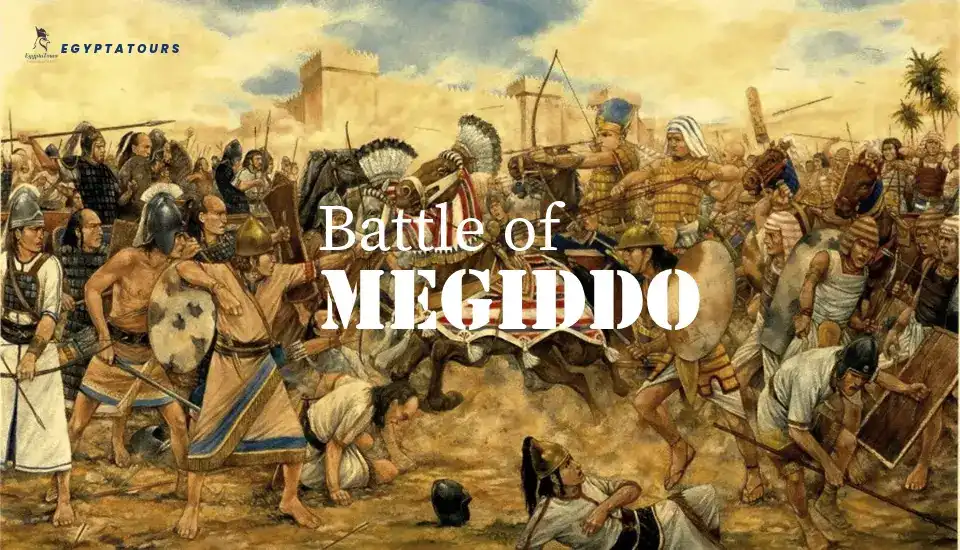
The-Battle-of-Megiddo-Thutmose III’s-Masterful-Military-Tactics
The Egyptian army faced a strategic decision at Yemma. Based on reports received from reconnaissance units, the commanders were required to decide which route across the Carmel Ridge would allow the army to reach Megiddo. Yemma lay close to the meeting point of three established routes. Among these, the Pharaoh preferred the most direct path, known as the Aruna road, which descended from the mountains and emerged near Megiddo.
This route was narrow and challenging, although it is likely that some officers overstated the dangers involved. The other two routes were considered safer alternatives. One passed southward through Taanach, entering the Megiddo Valley near Jenin, while the other ran northward through Tell Yokneam. These paths were recommended by the officers in order to avoid exposing the army to a potential ambush within the narrow Aruna defile.
Despite these concerns, Thutmose III placed his trust in the intelligence gathered by his scouts and deliberately chose the Aruna route, believing that surprise would outweigh the risks.
In mountainous regions, roads naturally follow existing passes, many of which remain in use today. Modern maps strongly suggest that the Wadi ‘Arah route, extending from Tell el-Asawir to Megiddo, corresponds closely with the path selected by the Pharaoh. Any alternative route would have demanded exhausting ascents across rough and broken terrain.
The narrow defile forced the army to march in single file, stretching it into a long column that was vulnerable to attack. By contrast, once the army reached the open plain, it gained space suitable for chariot maneuvers.
The Necessity of an Overnight Camp at ‘Ar’arah
Crossing the Carmel Ridge could not be completed in a single day and therefore required two days of travel. For this reason, Thutmose III established an overnight camp at a strategically chosen location, identified today with modern ‘Ar’arah and generally associated with ancient Aruna. This site lay within the mountain pass, approximately seven to eight miles from Megiddo and offered access to water, sufficient open ground and defensible terrain capable of accommodating the entire army.
As the terrain dictated, the troops advanced in single file, described in the sources as “horse behind horse.” While open plains allowed for traditional military formations, the constraints of the mountain pass resulted in a stretched and disorganized column, making coordinated defense extremely difficult.
This situation highlights the tactical challenges posed by the route and helps explain why the Pharaoh chose to lead the column himself. He was accompanied by infantry and mountain troops on the flanks, while the chariots followed the main track so they could move quickly once open ground was reached.
The Campaign Against the Canaanite Kingdoms
The reign of Thutmose III showed the height of Egypt’s territorial expansion, achieved through a series of sustained military campaigns in the Levant. After the end of Hatshepsut’s regency, he acted decisively to suppress uprisings in regions around Kadesh and Megiddo. In response, the rulers of several Canaanite city-states, including the kings of Kadesh and Megiddo, formed a coalition supported by Mitanni and Amorite groups in an effort to resist Egyptian control.
Megiddo’s position along the Via Maris, the principal trade route connecting Egypt with Mesopotamia, made it a site of exceptional strategic importance. The Egyptian army, estimated to number between 10,000 and 20,000 soldiers, faced a Canaanite force of approximately 10,000 to 15,000 troops.
From Yaham, three possible routes led to Megiddo: a northern road via Zefti and Yokneam, a southern route through Taanach and the direct Aruna path. Thutmose III deliberately selected the central route in order to achieve surprise, a decision that proved effective since the enemy had left it only lightly defended. Egyptian flanking units intercepted enemy scouts, enabling the main chariot force to advance rapidly and secure the valley without opposition.
Thutmose III’s Battle Strategy
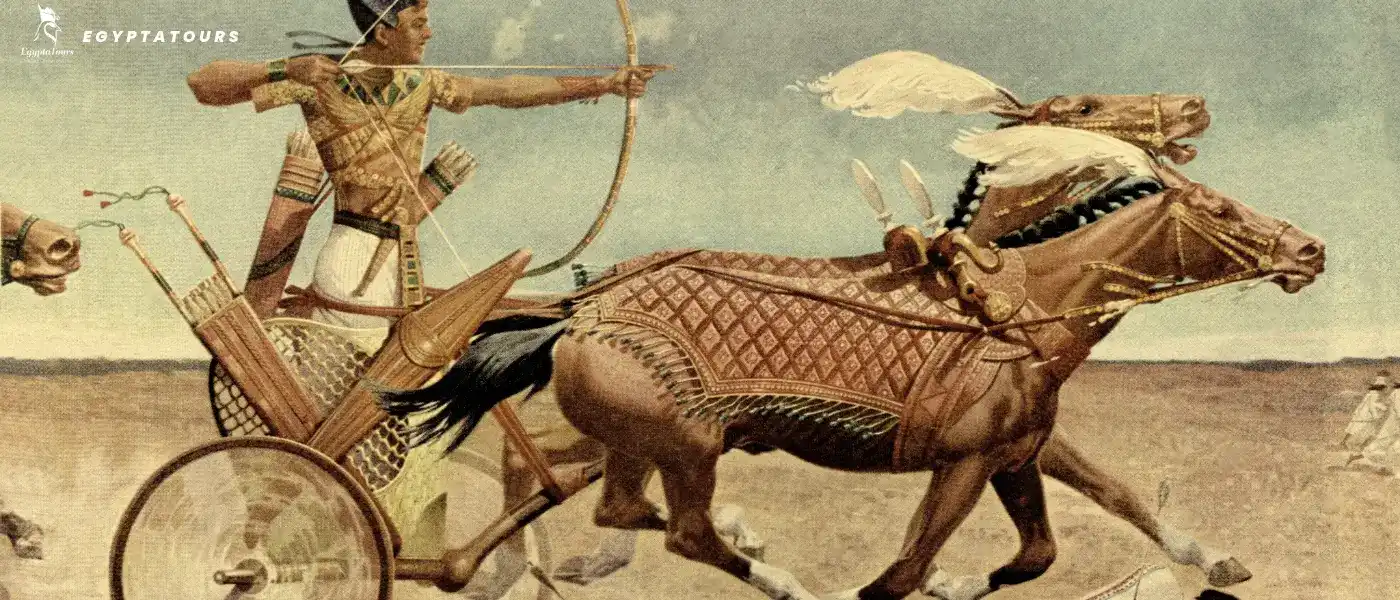
Battle-of-Megiddo-Thutmose III’s-Masterful-Military-Tactics-EgyptaTours
Thutmose III revolutionized ancient warfare by building forts, issuing innovative weapons like modern arrows, and expanding the use of war chariots. He divided his army into a central core and two wings, utilizing maneuvers the world had never seen.
His strategy unfolded in three brilliant phases:
-
The Rapid March: He mobilized his army from Qantara, covering an astonishing 150 miles in just ten days to reach Gaza. From there, they marched another eighty miles to the foot of Mount Carmel.
-
The War Council: Upon learning that the Emir of Kadesh had gathered 230 allied princes in the fortified city, Thutmose held a council. Despite his generals begging him to take wider, safer routes, he boldly chose the narrowest, most dangerous corridor directly to the city to secure the element of surprise.
-
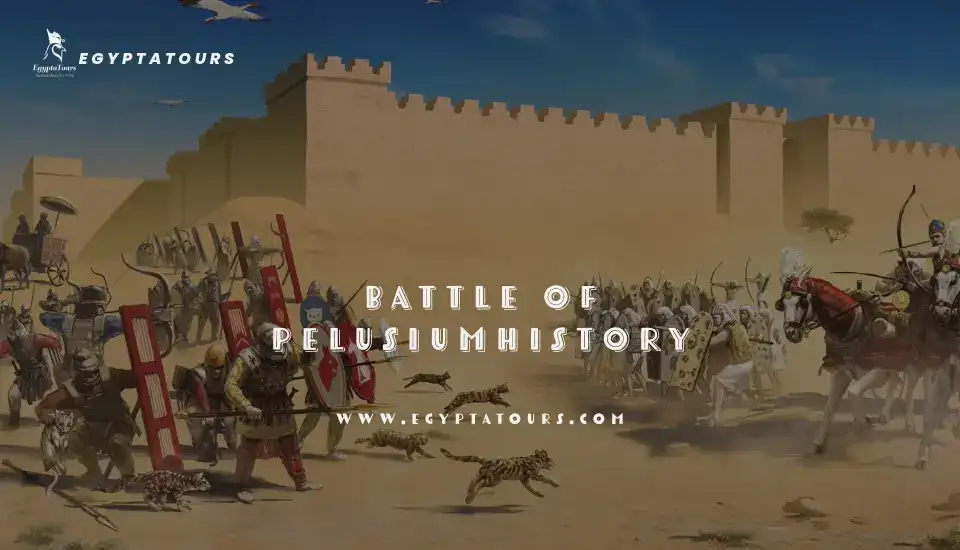
The Surprise Attack: The enemy stationed their forces at the wider roads, expecting a traditional approach. At dawn, the Egyptian army charged out of the narrow pass in a semi-circle formation. The shock of this sweeping attack threw the Asian armies into absolute chaos, forcing the leaders to abandon their chariots and flee behind the city walls.
(Note: Because the Egyptian army paused to collect the massive spoils left behind in the enemy camp, they lost the chance to end the war that day, forcing Thutmose III into a seven-month siege).
Thutmose III‘s victory at Megiddo
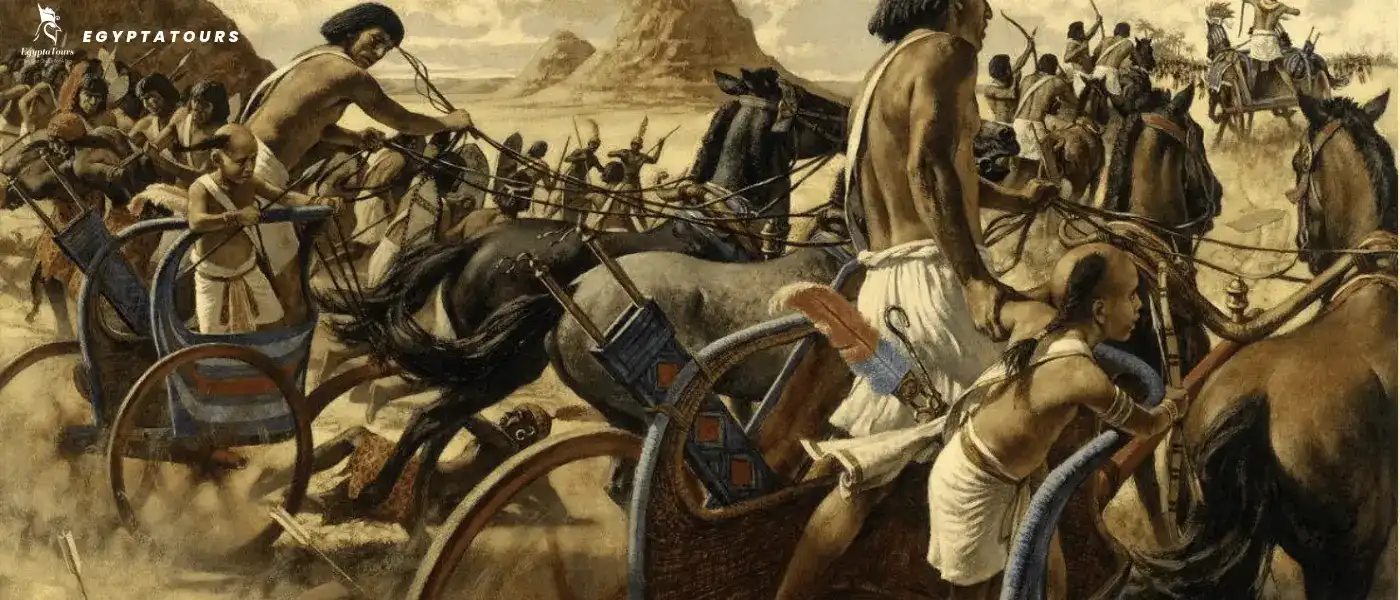
Thutmose-III’s-Megiddo-Battle-Strategy
Those who were killed were killed, and the remaining soldiers fled into the castle of Megiddo, barricading themselves in it. Tuthmosis III besieged the castle, dug a trench around it, and built a wooden wall, preventing anyone from leaving or entering it. So everyone in the castle surrendered, and the army received the castle with everything in it, and Tuthmosis reconciled with them and pledged allegiance to him in obedience, and none of them were killed.
A prisoner or any individual, whether military or civilian, because this is the ethics of the Egyptian army. Before the battle, Thutmose addressed his soldiers, saying to them, “Do not kill a prisoner, nor an old man, nor a woman, nor a child” but give bread to the hungry.”
Thutmose won a great victory here and returned to Egypt with many spoils, which were “340 prisoners.” And 2041 horses, 6 stallions, 924 chariots, 200 shields, 502 bows, 1929 cattle, and 22500 sheep, in addition to the royal shield and the tent of the King of Megiddo.
Conclusion
This monumental clash stands as a testament to Thutmose III’s military genius. and the pivotal role it played in shaping the ancient world. This decisive victory cemented Egypt’s dominance in the region and paved the way for centuries of prosperity and influence.
By understanding the strategic importance of Megiddo and the brilliant tactics employed by Thutmose III, we gain valuable insights into the power dynamics and geopolitical landscape of the ancient Near East. The legacy of this epic battle continues to captivate historians and military strategists alike, making it a truly remarkable chapter in the annals of history.
FAQs
What was this historic clash, and when did it occur?
It took place around 1457 BCE between the Egyptian army led by Pharaoh Thutmose III and a coalition of Canaanite city-states led by the King of Kadesh. It is considered the first battle in recorded history with detailed documentation.
Who were the main leaders involved?
The key leaders were Pharaoh Thutmose III of Egypt and the King of Kadesh, who led the coalition of rebellious Canaanite rulers opposing Egyptian dominance.
Why was this event a turning point in ancient Egyptian history?
The victory marked the beginning of Egypt’s expansion into the Near East, establishing Thutmose III as one of Egypt’s greatest military leaders and ushering in an era of unmatched imperial power.
What military strategies did the Pharaoh use to win?
He executed a bold surprise attack by taking the narrow Aruna pass—a risky route his enemies thought was impassable—allowing him to catch the Canaanite forces completely off guard.
How did the local geography influence the outcome?
The city’s position along major trade routes made it a strategic stronghold. The Egyptians’ ability to navigate the challenging mountain terrain and attack swiftly was the absolute key to their success.
What were the immediate consequences of Egypt’s victory?
The Canaanite coalition was crushed, many cities surrendered, and Egypt gained total control over vital trade routes, massively increasing its wealth and regional power.
How did the Battle affect Egypt’s power and influence in the Near East?
The battle solidified Egypt’s dominance over Canaan and Syria, making it the leading superpower of the ancient Near East for nearly a century.
Why is this considered one of the earliest recorded conflicts in history?
The campaign was recorded in astonishing detail on the walls of the Temple of Amun at Karnak. It describes troop movements, war council strategies, and specific spoil counts, making it the first fully documented military campaign in human history.
Similar Posts
About EgyptaTours

EgyptaTours is a name synonymous with trust, excellence, and unforgettable travel experiences, proudly standing as one of the leading travel agencies in Egypt. Renowned for its deep expertise, personalized service, and carefully crafted itineraries, EgyptaTours serves as the ultimate gateway to discovering Egypt in its most authentic and inspiring form.