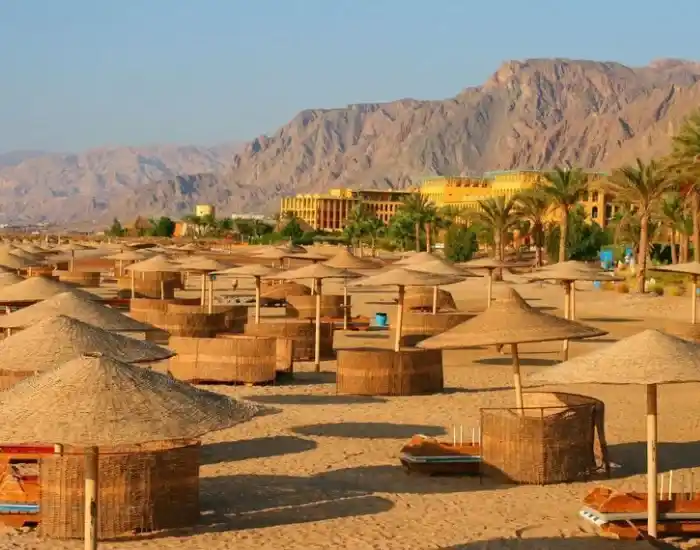
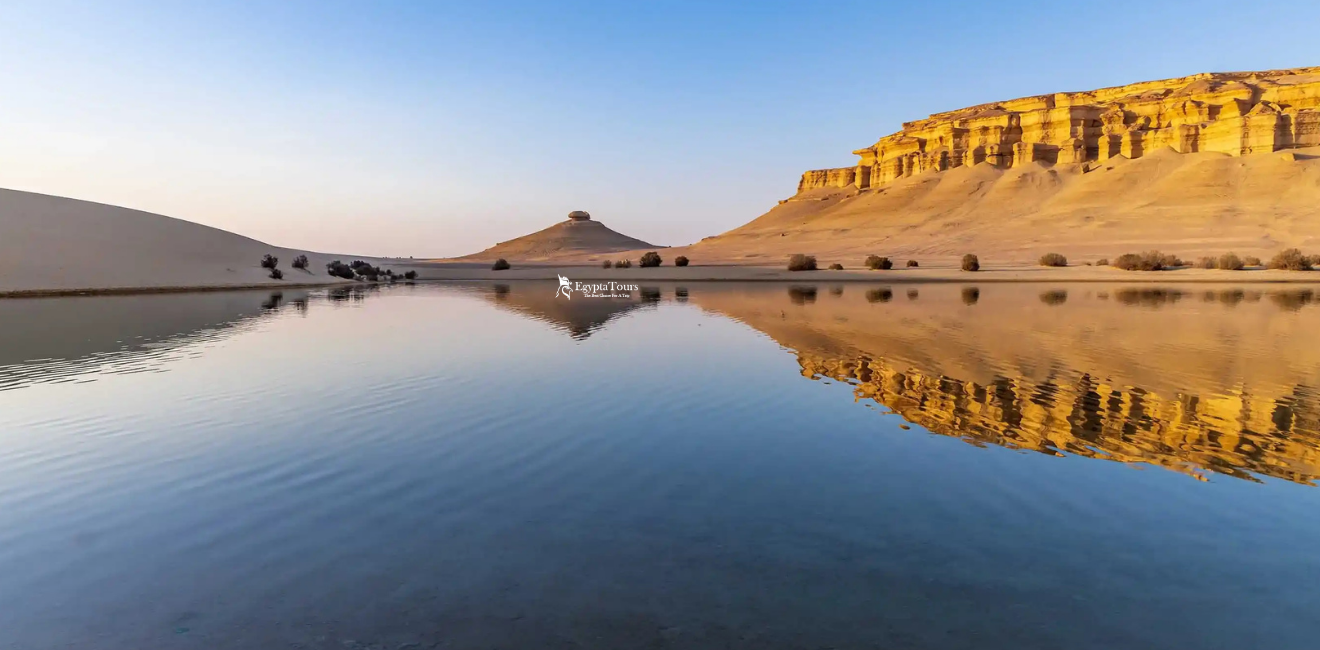
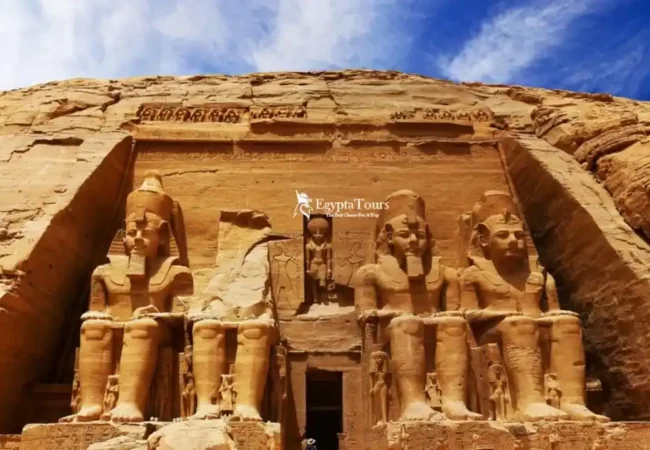
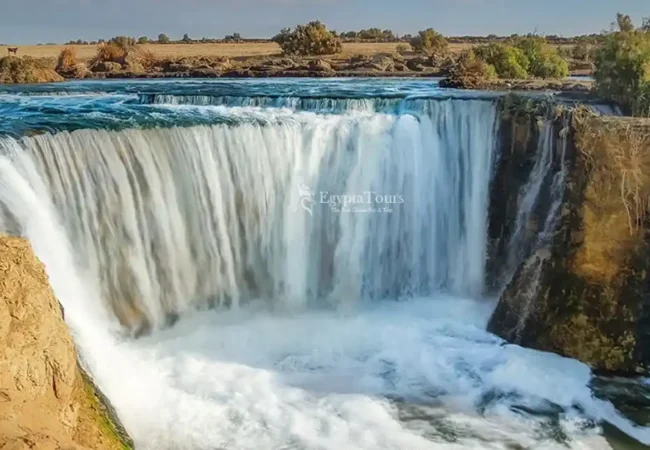
Taba city is one of the most enchanting and exciting tourist destinations, as it is distinguished by its strategic location on the border with Palestine and its view of the Red Sea, making it a point of convergence for diverse civilizations and cultures.
Taba is characterized by its unique location that combines the beauty of the sea and the charm of the mountains, making it one of the top tourist destinations in the Middle East.
Taba city also embraces breathtaking natural scenery, where the towering Sinai Mountains blend with the calm coasts of the sea, providing a perfect backdrop for nature and adventure enthusiasts who seek a tourist destination full of natural beauty and tranquility.
Taba city is strategically located at the tip of the Gulf of Aqaba, surrounded by a range of mountains and Taba’s eastern plateaus on one side, with the Gulf waters covering it on the other side. The city’s population is about 3,000 people, and it covers an area of about 508.8 acres.
Taba is about 240 kilometers north of Sharm El Sheikh.
It is located on the borders of four countries: Egypt, Saudi Arabia, Jordan, and Palestine, making it a point where various cultures and civilizations converge over the centuries.
Taba is distinguished by its proximity to the Israeli port of Eilat, located about 7 kilometers to the east. It also faces the Saudi border towards the Tabuk military base.
Taba city is considered the last Egyptian settlement on the Gulf of Aqaba, overlooking Jordan’s only seaport, Aqaba Port. Its attractive coastlines reflect a diversity of beaches, bays, and lakes, making it an ideal destination for relaxation and tranquility.
Taba city is a rich city with unique tourist attractions. Among its main landmarks is the Flag Platform, which serves as a memorial to the raising of the Egyptian flag over the liberated land of Taba, symbolizing an important historical moment in Egypt’s struggle.
The city also features the model Bedouin village, which showcases authentic Bedouin culture, along with the Taba Museum that houses over 700 artifacts representing the history of the South Sinai region, from the Pharaonic era to the Islamic period.
The Taba Reserve is considered one of the favorite places for tourists, as it contains caves, mountain passes, and rare species of animals and birds. This reserve is one of the best places in Egypt to observe wildlife, and it enjoys an environmental diversity that reflects the unique ecosystem of the area.
The Colored Canyon is one of the natural wonders of the reserve, with its colored sandstone formations shaped by centuries of rainfall. It offers a unique landscape that fascinates visitors.
This natural phenomenon is one of the most spectacular sights in the Sinai desert, making it a destination for photographers and nature lovers.
Mount Moses, also known as Mount Sinai, is a major tourist destination near the cities of Taba and Saint Catherine. It offers visitors the chance to hike and enjoy breathtaking panoramic views.
Mount Moses features trails of varying difficulty levels for hiking, attracting adventurers from all over the world. At the foot of the mountain lies the Orthodox Church of the Virgin Mary, a significant spiritual site for millions of visitors.
Located near Taba, the Ras Mohammed Nature Reserve is one of the top tourist destinations in Sharm El Sheikh. The reserve is famous for its rich marine biodiversity, where visitors can enjoy diving and snorkeling to explore the coral reefs and tropical fish.
It also has pristine beaches with crystal-clear waters, making it ideal for relaxation and enjoying nature.
The Salt Cave is located in the highlands of Taba and is considered a natural therapeutic site. The cave contains salt rich in minerals that contribute to healing and treating various health issues.
It is one of the best places in the region for those seeking relaxation and natural treatments.
The Fjord Bay, located about 15 kilometers south of Taba, is another striking natural landmark. It is a popular destination for divers, thanks to its impressive coral reefs and stunning landscapes.
The bay also contains dive sites suitable for all levels, such as the Deep Pit for professionals and the shallow Mosa Reef, known for its coral formations.
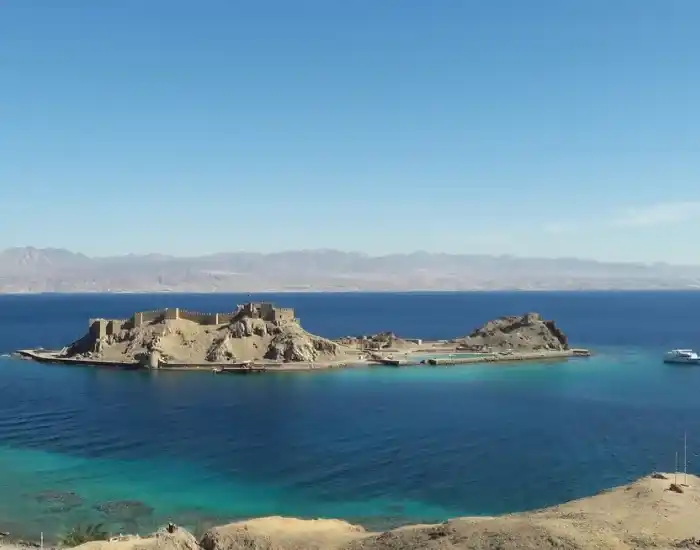
Pharaoh’s Island, located about 10 kilometers from Aqaba, is home to the historic Saladin Castle, built in 1171 AD to protect the Egyptian Hajj route. The castle is known for its defensive architecture and various facilities, making it a prominent historical site that attracts visitors, reflecting the military strength and defense capabilities of the era.
Tourism in Taba city offers a variety of recreational activities that allow travelers to explore the beauty of the sea and coral reefs while enjoying the rich marine life. Here are some of the tourist activities you can do in Taba:
The tourism experience in Taba city is one of the best that you can have in your life. The city blends comfort and enjoyment, offering a peaceful and beautiful setting. This coastal city is characterized by its blue waters, mountain ranges, and quiet nights, making it one of Egypt’s top tourist attractions. To enhance your tourism experience, it is essential to choose a good hotel that provides all the comforts. Here are some of the top hotels in Taba:
Taba city is a remarkable tourist destination with several transport options that make it easy to reach. Tourists can fly to Taba International Airport, which is located just a short distance from the city and receives flights from major cities.
There are also public buses connecting Taba city to other Egyptian cities like Cairo and Sharm El Sheikh, making it an economical option.
Additionally, visitors can rent cars at the airport or from rental agencies, and taxi services are available within the city. Be sure to check flight schedules and visa requirements if your journey involves crossing borders.
Taba is a great year-round tourist destination, but the best times to visit depend on your preferences:
Taba city is a coastal gem on the Red Sea, combining natural beauty with a rich history and culture. It is known for its white sandy beaches and diverse diving sites. It also serves as a crossroads for many civilizations, offering visitors the chance to explore both Egyptian and Bedouin heritage through various activities, including safari trips and visits to historical landmarks.
Taba sits at Egypt’s northeastern tip, on the Gulf of Aqaba. It borders Israel at Eilat, with views toward Jordan and Saudi Arabia.
October to April is mild and sunny. Summer gets very hot, often above 38°C, and the sun is strong.
Most travelers fly into Sharm El Sheikh, then drive 2.5 to 3 hours. From Israel, walk or drive through the Taba Border Crossing from Eilat. From Jordan, cross at Aqaba to Eilat, then enter Egypt at Taba, or take the ferry from Aqaba to Nuweiba and drive.
Yes, Taba International Airport exists, but flights are limited and often seasonal. Most routes go through Sharm El Sheikh.
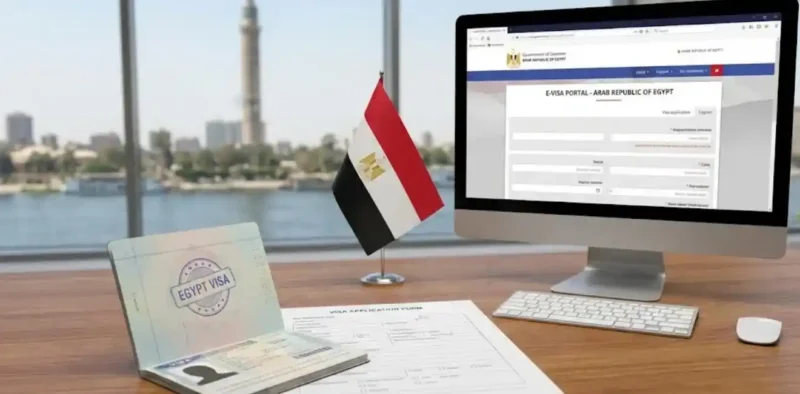
Many visitors receive a free Sinai-only entry stamp at Taba or Sharm, valid for about 14 days in South Sinai. It does not allow travel to mainland Egypt. Rules change, so check official guidance before you go.
Taba and the South Sinai resort area have visible security and checkpoints. Stay on main roads, avoid remote desert areas without a guide, and check your government’s travel advice.
Yes. The Gulf of Aqaba has clear water, coral gardens, and easy entry from many hotel jetties. Bring reef-safe sunscreen and water shoes.
Yes. Hire a boat from Taba hotels or the marina. The island has a historic citadel and excellent snorkeling. Bring passport, entry fees, and cash for tips or rentals.
About 2.5 to 3 hours by car from Taba. Many travelers do a night hike for sunrise. Dress warm, nights can be cold even in spring.
The Egyptian Pound, EGP. Large hotels often accept cards and may take USD or EUR. ATMs exist but can be limited, so carry some cash.
Yes, in larger hotels and at the border, but availability varies. Exchange small bills for tips and taxis.
Options are limited. Get a SIM from Vodafone, Orange, or Etisalat in Sharm, Dahab, or Cairo before heading to Taba. Signal near the border can switch to Israeli or Jordanian networks.
Most people use hotel taxis or prebooked transfers. Intercity buses run to Dahab, Sharm, and sometimes Cairo, but schedules change. Private drivers are common for day trips.
Yes. Many resorts have shallow entries, kids’ pools, clubs, and calm bays. Always check lifeguard coverage and currents.
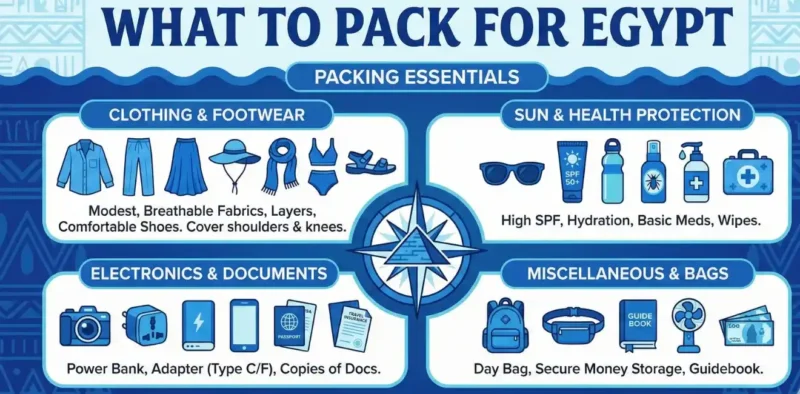
Resorts are casual, beachwear is fine by the pool or sea. Outside resorts, dress modestly. Bring a light layer for cool nights and a hat for the sun.
Licensed hotels and restaurants serve alcohol. Small shops may not. Do not drink in public spaces.
Drink bottled water. Resorts maintain good standards, but choose busy places for street food. Pack any needed medication for sensitive stomachs.
Yes, with shore and boat dives, walls, and pinnacles. Conditions suit beginners and experienced divers. Bring certification card and logbook.
Resort clinics handle minor issues. For serious care, the nearest larger hospitals are in Sharm El Sheikh or Eilat. Travel insurance is important.
Egypt uses 220V, 50Hz, Type C and Type F plugs. Bring an adapter if needed.
Yes, on foot or by car through the Taba crossing. Check border hours, fees, and Israel’s entry rules. Lines can be longer during holidays.
Greet with a smile, use polite language, and ask before taking photos of people. Tipping is common for porters, drivers, and service staff.
For canyons or remote routes, use a licensed guide. The desert is vast, phone signal can drop, and marked trails are limited.
Border hours and services can change around major Jewish and Islamic holidays. Check current notices before you go.