Egypt Tours From Nigeria 2026 / 2027 : Best Packages, Visa Guide & Flights
Nigeria and Egypt share a powerful bond as two of Africa’s greatest...



Travel interest in Egypt has soared among Kenyan adventurers looking for more than a typical getaway.
Fast flights, simple e-visas, and focused tour packages make it easier than ever to step into the world of pharaohs, mummies, and ancient wonders straight from Nairobi.
Many Kenyan travelers are drawn by Egypt’s rich history, stunning landscapes, and unique culture.
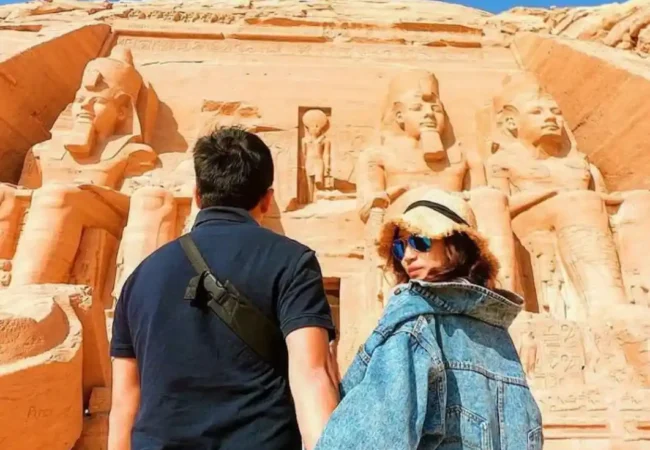
Egypt Tours from Kenya highlights like the Pyramids of Giza, Abu Simbel, and cruising down the Nile give every trip a blend of excitement and discovery.
Clear entry rules and digital visa systems help smooth the way, turning historic Egypt into a top pick for Kenyan families, solo travelers, and groups.
Whether you’re after classic sights or a taste of local life in bustling Cairo, Egyptian tours promise adventure with modern comfort and flexibility.

Egypt-Tours-From-Kenya-Requirements-EgyptaTours
Planning a trip from Kenya to Egypt in 2026 feels more accessible than ever.
With direct flights, digital visa systems, and clear entry protocols, you can step straight into Egypt’s vibrant history from Nairobi.
Here’s what you need to know to get started—flights, visas, health guidance, and more to set your Egypt adventure in motion.
Getting to Egypt from Kenya is hassle-free with both direct and connecting flights available year-round.
The main gateway is Jomo Kenyatta International Airport (NBO) in Nairobi, flying into Cairo International Airport (CAI).
Major airlines operating this route include:
Flight details you should know:
Travel hack: Consider signing up for frequent flyer programs—points add up fast for regional flights and upgrades.
Online-Visa-Application-Process-for-Kenyan-Travelers-EgyptaTours
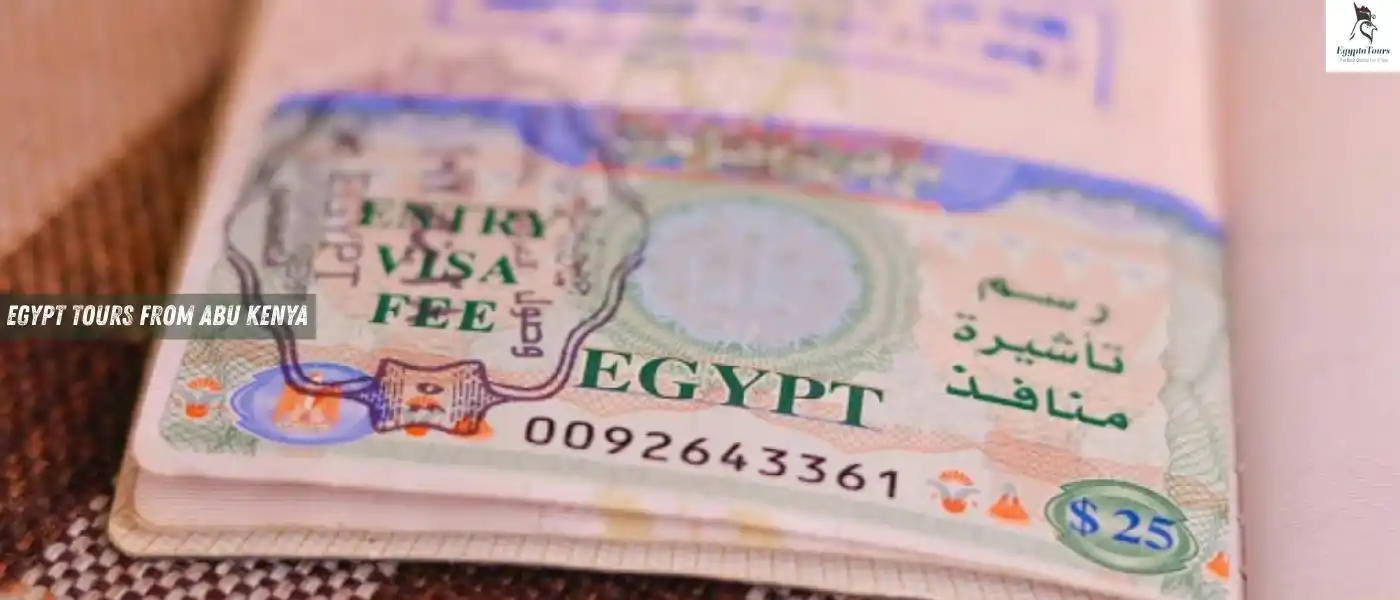
Egypt’s visa process for Kenyans is straightforward but requires you to prep ahead.
As of 2026, Kenyan citizens must apply for a visa in advance—there is no visa-on-arrival for Kenyan passport holders.
Here’s how to get your Egyptian visa:
With plenty of direct and connecting flights from Nairobi, Egyptian adventures have never been easier for Kenyan travelers.
Today’s tour companies design packages that blend classic sightseeing, comfort, and authentic experiences, whether you’re in Egypt for just a long weekend or an entire week.
Here’s how the top itineraries stack up for 2026, including quick highlights, extended journeys, and hybrid safari adventures that let you explore both the Maasai Mara and the land of pharaohs.
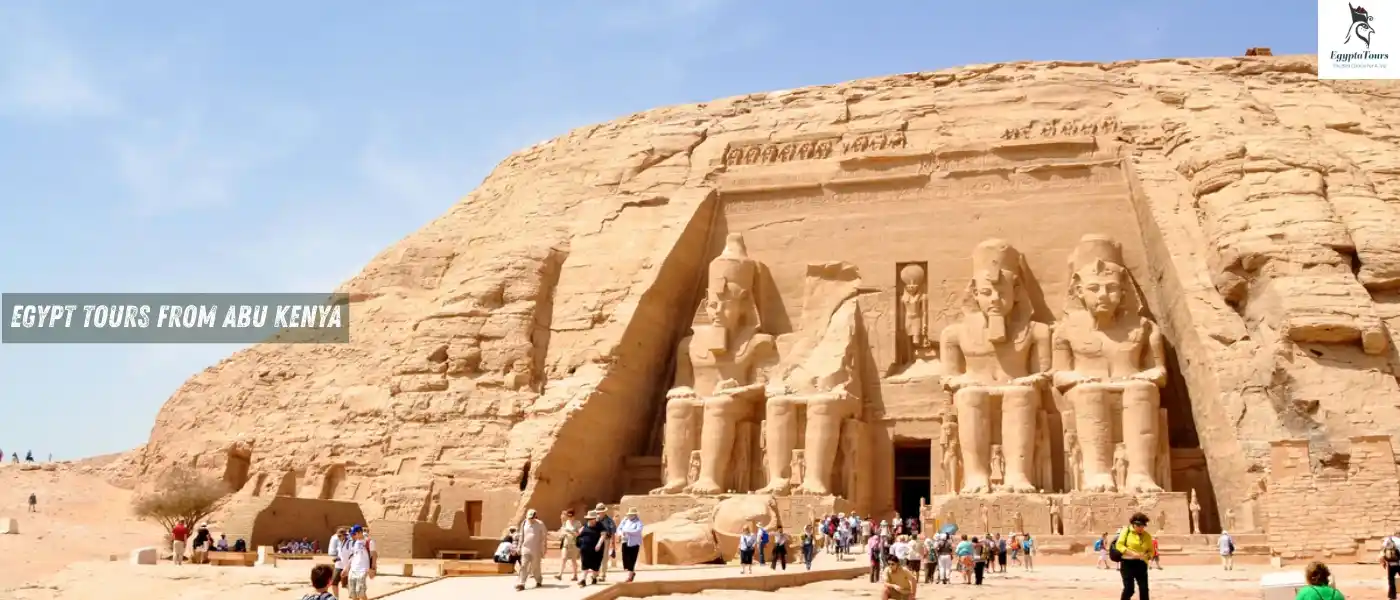
4-Days-Cairo-Aswan-Abu-Simbel-Egypt-Tours-from-Kenya-EgyptaTours
For those with limited time, a 4-day Egypt itinerary from Kenya gets straight to the icons. These short tours focus on must-see landmarks and keep travel simple.
Typical structure for a quick 4-day trip:
Key attractions on these short tours:
These itineraries pack in Egypt’s top bucket-list sites, perfect for a fast-paced taste of ancient wonders. Transfers are usually streamlined, and local guides make sure you don’t miss a thing.

8-Days-Comprehensive-Egypt-Tours-from-Kenya-EgyptaTours
A week-long (or slightly longer) Egypt holiday gives you the time to unlock ancient secrets at a slow, comfortable pace.
These tours let you travel from city to city, often by air and Nile cruise, for a well-balanced journey.
Standard 8-day route for Kenyan travelers:
This itinerary suits first-timers who want to see it all without rushing. It blends major attractions with relaxed travel and memorable moments along the Nile.
[trustindex no-registration=google]
[trustindex no-registration=tripadvisor]
Yes, Kenyan passport holders require a visa to enter Egypt. The good news is that Egypt offers an e-Visa you can apply for online before travelling — the process is straightforward and takes two to five business days to process. You can also get a visa on arrival at Cairo International Airport, though applying in advance is recommended to avoid long queues after a long flight.
The Egypt e-Visa typically takes between two and five business days. As of 2024, a single-entry e-Visa costs approximately $25 USD, while a multiple-entry visa costs around $60 USD. It is valid for 90 days from the date of issue and allows a stay of up to 30 days. Always verify current fees on Egypt’s official e-Visa portal before applying, as fees can change.
Your Kenyan passport must be valid for at least six months beyond your intended date of entry into Egypt. Airlines may deny boarding and Egyptian immigration may refuse entry if your passport does not meet this requirement, so check your passport’s expiry date well in advance of booking.
EgyptAir operates direct flights from Jomo Kenyatta International Airport (NBO) in Nairobi to Cairo International Airport (CAI). The flight takes roughly four to five hours. Other airlines such as Ethiopian Airlines, Kenya Airways (with a connection), and Emirates offer connecting routes. Direct EgyptAir flights are the fastest and most convenient option for Kenyan travellers.
Return airfares from Nairobi to Cairo generally range between $350 and $700 USD depending on the airline, how far in advance you book, and the time of year. Peak travel periods — especially around December, Easter, and Egyptian national holidays — tend to push prices higher. Booking two to three months ahead usually gives you the best value.
Mombasa (MBA) does not have direct flights to Cairo, but it is easy to connect through Nairobi. Most tour operators flying from Kenya will route you through Jomo Kenyatta International Airport, so a short domestic leg or bus transfer from Mombasa to Nairobi is usually required.
All-inclusive Egypt tour packages sold from Kenya typically start at around $800 to $1,200 USD per person for a seven-night itinerary, including flights, accommodation, guided tours to major sites, and daily breakfast. Premium packages featuring Nile cruises, five-star hotels, and private guides can run from $2,000 to $4,000 USD or more. Budget-conscious travellers can find deals closer to $700 if they travel in the shoulder season and book early.
Most packages from Kenya cover return flights, airport transfers, hotel accommodation, daily breakfast, an English-speaking tour guide, entrance fees to major monuments, and a guided tour of the Pyramids of Giza and the Egyptian Museum. Higher-end packages may also include a Nile River cruise, all meals, sound-and-light shows, a visit to Luxor and Aswan, and a flight from Cairo to Upper Egypt. Always read the fine print to know exactly what is and is not included.
For first-time visitors from Kenya, a packaged tour usually offers better value because operators negotiate bulk airline and hotel rates that are hard to match independently. Independent travel gives you flexibility but requires more planning, can involve higher per-unit costs, and means navigating a foreign transport system without local support. If you are a confident, experienced traveller, independent travel is certainly possible — but for Egypt’s most iconic sites, having a knowledgeable guide adds enormous value.
October through April is widely considered the best time to visit Egypt. Temperatures during these months are far more comfortable, ranging from about 15°C to 25°C in Cairo. May through September brings intense summer heat — particularly in Luxor and Aswan, where temperatures can exceed 40°C — which can make long days of sightseeing exhausting.
For Kenyan travellers already accustomed to warm climates, the shoulder months of October–November and March–April offer a great balance of pleasant weather and fewer crowds.
Egypt is largely a desert country and receives very little rainfall — Cairo sees less than 25mm of rain per year on average. Unlike Kenya’s distinct rainy seasons, rain is rarely a concern when planning an Egypt trip. However, Alexandria and the northern Mediterranean coast receive slightly more rain between November and February. You can essentially travel to Egypt without worrying about rain disrupting outdoor sightseeing.
Egypt’s official currency is the Egyptian Pound (EGP). Kenyan Shillings are not widely exchanged in Egypt, so it is best to exchange your money into US Dollars or Euros in Nairobi before departure. USD and EUR are accepted at Egyptian banks, airport exchange bureaux, and authorised currency exchange shops. You can then exchange these into Egyptian Pounds on arrival. ATMs are widely available in Cairo and tourist areas.
Visa and Mastercard are accepted at most hotels, upmarket restaurants, and large shops in Cairo, Luxor, and Hurghada. However, many smaller restaurants, local markets, bazaars, and rural areas operate on cash only. It is wise to always have a mix of Egyptian Pounds in cash for day-to-day expenses and to keep your card for larger purchases. Notify your Kenyan bank before travelling to avoid your card being blocked for suspected foreign transactions.
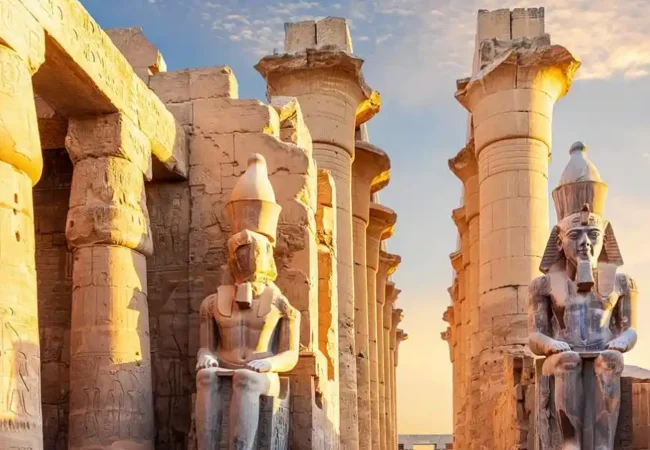
First-time visitors should not miss the Pyramids of Giza and the Great Sphinx, the Egyptian Museum in Cairo (home to Tutankhamun’s treasures), the Karnak Temple complex in Luxor, the Valley of the Kings, the temples at Abu Simbel, a Nile River cruise between Luxor and Aswan, and the Aswan High Dam. For beach lovers, Hurghada and Sharm el-Sheikh on the Red Sea coast offer world-class snorkelling and diving.
A minimum of seven to ten days allows you to cover Cairo, Luxor, and Aswan comfortably. Ten to fourteen days gives you time to add a Nile cruise, Abu Simbel, and a few days relaxing on the Red Sea. If you only have five or six days, focus on Cairo and Luxor — these two cities alone contain the majority of Egypt’s most iconic ancient monuments.
Absolutely — a Nile cruise is one of the most memorable parts of an Egypt holiday. Sailing between Luxor and Aswan over three to four nights allows you to visit temples along the riverbanks, watch the Egyptian countryside drift by at a gentle pace, and enjoy onboard meals and entertainment. Many Kenyan tour packages already include a Nile cruise, but even when added separately, the experience is well worth the extra investment.
Egypt’s major tourist destinations — Cairo, Luxor, Aswan, Hurghada, and Sharm el-Sheikh — are generally safe for international visitors. Tourist police are present at all major sites and the Egyptian government invests heavily in protecting the tourism industry. As with any destination, exercise normal travel precautions: keep your valuables secure, be mindful of your surroundings in busy markets, and use reputable transportation. Petty hassle from overly persistent vendors is common near tourist sites but rarely escalates.
There are no mandatory vaccination requirements for Kenyan citizens entering Egypt under normal circumstances. However, it is sensible to be up to date on routine vaccinations (hepatitis A and B, typhoid, tetanus). Yellow Fever vaccination proof is only required if you are arriving from a country where yellow fever is endemic — since Kenya is on that list, Egyptian authorities may ask Kenyan passengers for a valid Yellow Fever vaccination certificate. Always consult your doctor or a travel clinic at least four to six weeks before departure.
Travel insurance is strongly recommended, though not legally required. Medical treatment can be expensive for foreigners in Egypt, and a good policy will cover emergency hospitalisation, trip cancellations, lost luggage, and flight delays. Some Kenyan banks and credit cards offer limited travel insurance — read the terms carefully to understand what is covered before assuming you are protected.
Egypt is a predominantly Muslim country where conservative values are widely observed, especially outside of tourist resorts. When visiting mosques, churches, and religious sites, both men and women should dress modestly — cover shoulders and knees. Women visiting mosques are expected to cover their hair.
Public displays of affection are frowned upon. During Ramadan, eating, drinking, or smoking in public during daylight hours is considered disrespectful. Kenyan visitors who are already accustomed to multicultural societies typically adapt quickly.
Yes — as a Muslim-majority country, virtually all meat served in Egypt is halal by default. Kenyan Muslim travellers will have no difficulty finding compliant food. Egyptian cuisine is hearty and flavourful, featuring dishes like koshari, ful medames, grilled meats, and fresh flatbreads. Vegetarian options are also widely available. Pork is generally absent except in some international hotel restaurants.
Arabic is the official language of Egypt. However, English is widely understood in Cairo, tourist areas, hotels, and at major attractions — largely because of Egypt’s long history of international tourism. Most tour guides speak excellent English. Learning a few basic Arabic greetings like “Ahlan” (hello) and “Shukran” (thank you) goes a long way and is always appreciated by locals.
Tipping — locally called “baksheesh” — is a deeply embedded cultural practice in Egypt and forms a meaningful part of many service workers’ income. Tip your tour guide around $5–10 USD per person per day, your driver $3–5 USD per day, and hotel porters and housekeeping $1–2 USD. Restaurant tips of 10–15% are appropriate where a service charge is not already included. Always carry small Egyptian Pound notes for spontaneous tipping at monuments and sites.





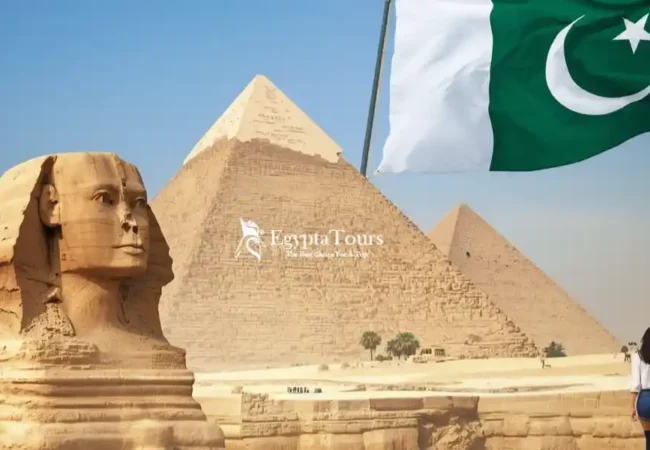

Explore our top-rated Egypt travel packages and embark on an unforgettable journey. From the Pyramids of Cairo to the magical temples of Luxor, Aswan, and Abu Simbel, discover expertly curated tours designed for your perfect Egyptian adventure