The Natural Places of Egypt
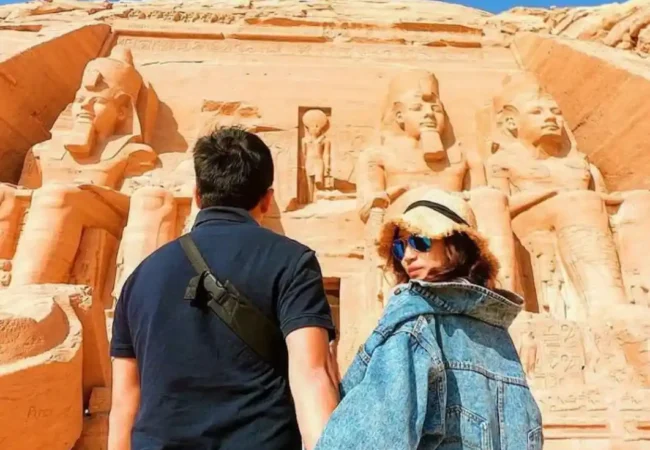
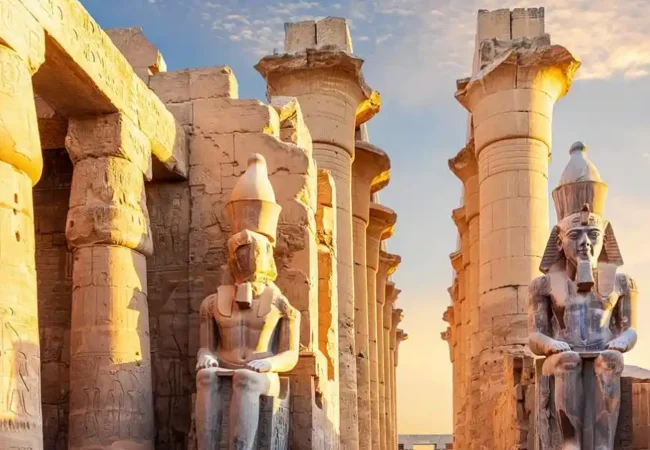
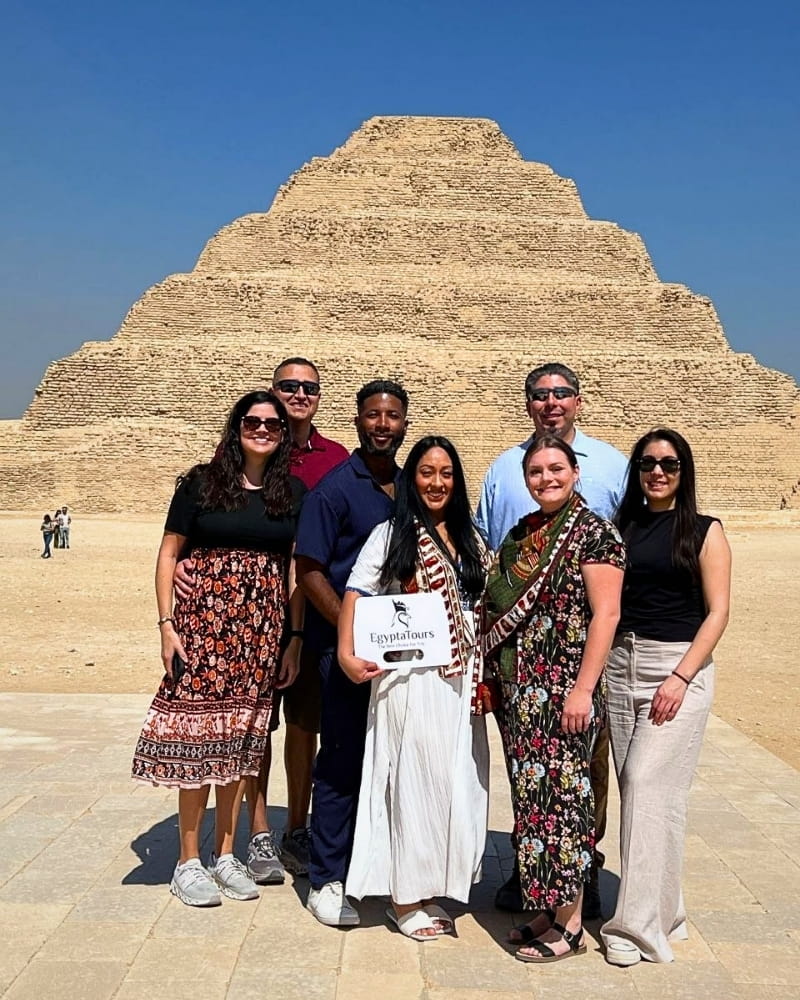
Egypt is famous for a unique diversity of natural places that look...



In modern culture, gods connected to death are often seen as evil figures. This idea mainly comes from Christian beliefs that link Hell and Satan with the underworld and its guardians. Because of this influence, movies and popular media, especially Hollywood portrayals of Greek and Egyptian mythology, often present gods of death as frightening villains. However, this modern view is very different from how ancient civilizations understood these deities.
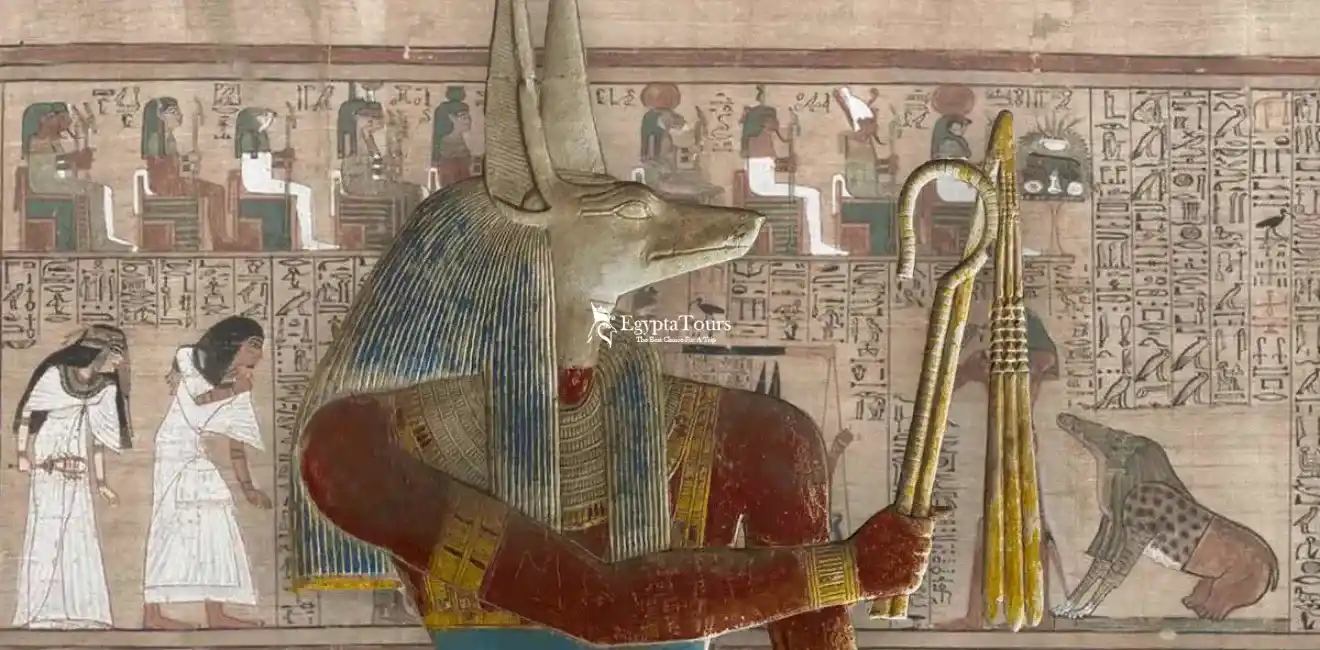
This difference is especially clear when looking at Anubis, the god of death in Egypt. Anubis is easily recognized by his jackal form or his human body with a canine head. He was the god of mummification and funerary rituals, responsible for guiding souls after death. Anubis helped judge the souls of the dead and led them safely into the afterlife. Despite his connection to death, he was not considered evil. In ancient Egyptian mythology, the greatest evil was chaos, not death itself.
Most Egyptian religious beliefs focused on preserving balance and cosmic order to prevent chaos. The cycle of life, death and the afterlife was essential to maintaining this order. Funerary rites and burial practices were deeply important because they ensured the continuation of this cycle. As the god who protected these rituals, Anubis played a key role in keeping balance and harmony. Therefore, Anubis was seen as a protector who kept evil and disorder away from Egypt rather than a source of fear.
About- Anubis -The -Ancient- Egyptian- God- Of -Death
Anubis (Ancient Greek: Ἄνουβις), also known as Inpu, Inpw, Jnpw or Anpu in Ancient Egyptian, was the god of funerary rites, the protector of graves and the guide to the underworld in ancient Egyptian religion. He was known as the god of death in Egypt and represented the transition from life to the afterlife. He was usually depicted as a canine or as a man with a jackal head, a symbol closely connected to burial grounds and cemeteries.
Like many ancient Egyptian gods, Anubis had different roles depending on the time period. From the First Dynasty, he appeared as a guardian of tombs and burial sites. He was also closely associated with embalming practices. During the Middle Kingdom, Osiris took over the role of ruler of the underworld but Anubis remained responsible for guiding souls. One of his most important duties was attending the “Weighing of the Heart,” a ceremony that decided whether a soul could enter the realm of the dead. Anubis became one of the most frequently shown and mentioned gods in Egyptian art and texts, even though few major myths focused on him directly.
Anubis was traditionally depicted in black, this color symbolized regeneration, life, fertile Nile soil and the physical changes of the body after embalming. He was associated with Wepwawet, another ancient Egyptian god shown in canine form, often with lighter-colored fur. Over time, these two figures were likely combined in religious belief. Anubis’s female counterpart was Anput and his daughter was the serpent goddess Kebechet.
God- Of -Death- Egypt
The name “Anubis” is the Greek form of the ancient Egyptian name Anpu or Inpu. Before the Greeks arrived in Egypt around the 7th century BC, the god was known by his original Egyptian name. The roots of the name in the ancient Egyptian language are closely connected to death. One interpretation links the name to the meaning “a royal child” while another root comes from the word “inp” which means “to decay.” These meanings reflect Anubis’s early and strong association with death, making him clearly identified as the god of death in ancient Egyptian religion.
Because of this connection, Anubis became widely known as the god of death, funerary rites and burial practices. His name itself carried meanings related to decay, transition and the passage from life to the afterlife. Over time, this association strengthened his role as the god of death who guided souls and oversaw the rituals surrounding death.
Anubis was known by many titles that acted as additional names, each reflecting a specific aspect of his identity. He was called “First of the Westerners” referring to the land of the dead and “Lord of the Sacred Land,” a name connected to burial grounds and necropolises. Another important title was “He Who is Upon His Sacred Mountain” which emphasized his presence over the sacred areas connected to death. These titles reinforced his status as the god of death and protector of the dead.
Other names show the authority and role of anubis in funerary practices. He was known as “Ruler of the Nine Bows,” a title symbolizing power and control and “The Dog Who Swallows Millions,” a direct reference to his role as the god of death. Titles such as “Master of Secrets” reflected his knowledge of what lies beyond death while “He Who is in the Place of Embalming” and “Foremost of the Divine Booth” emphasized his connection to mummification and burial rituals.
During the Old Kingdom, the name of Anubis was written in hieroglyphs using the sound signs inpw which often accompanied by symbols that reinforced his funerary identity. Overall, the name Anubis along with its meanings and titles shows him as the god of death in ancient Egyptian mythology.
The -Depiction -of- Anubis- The -Ancient- Egyptian- God- Of- Death
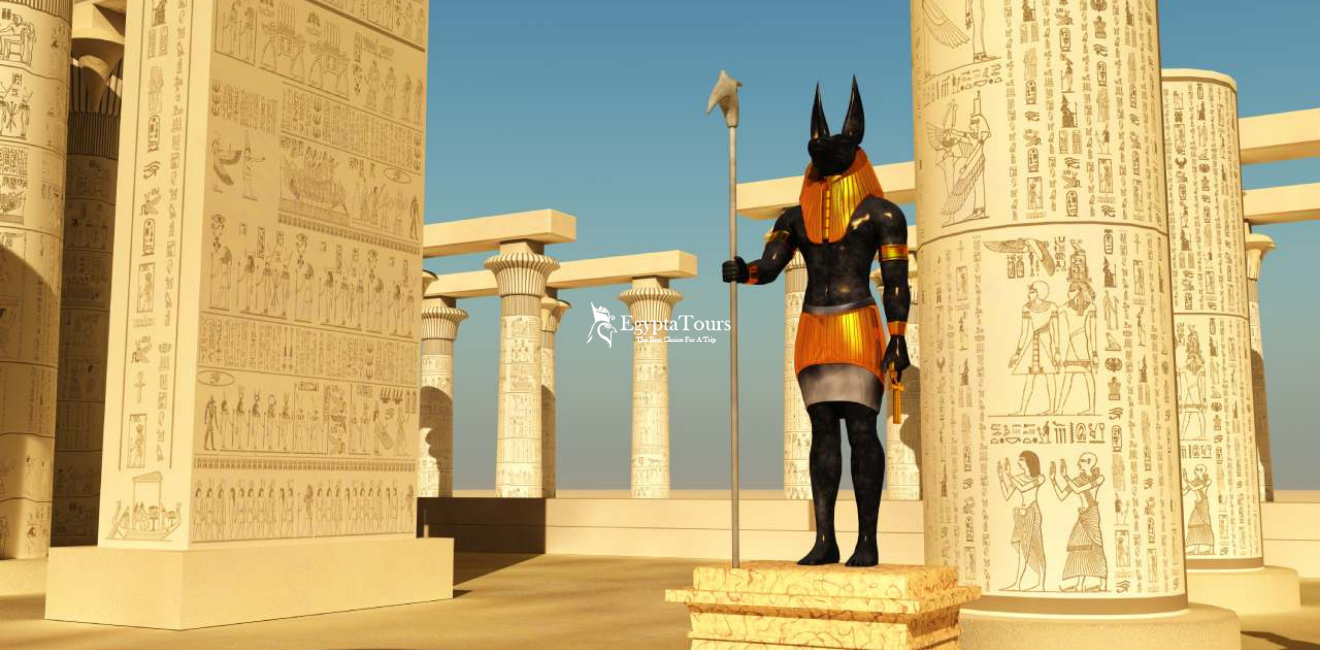
Anubis is usually shown as a black canine, a jackal-dog mix with pointed ears or sometimes as a strong man with the head of a jackal. The black color was chosen for its symbolic meaning, not because real Egyptian dogs or jackals were black. Black symbolized the decay of the body after death and also the fertile soil of the Nile River Valley, which represented renewal and life. In this way, the strong black canine became the protector of the dead, ensuring they received proper burial rights and staying with them in the afterlife to help their resurrection as a god of death.
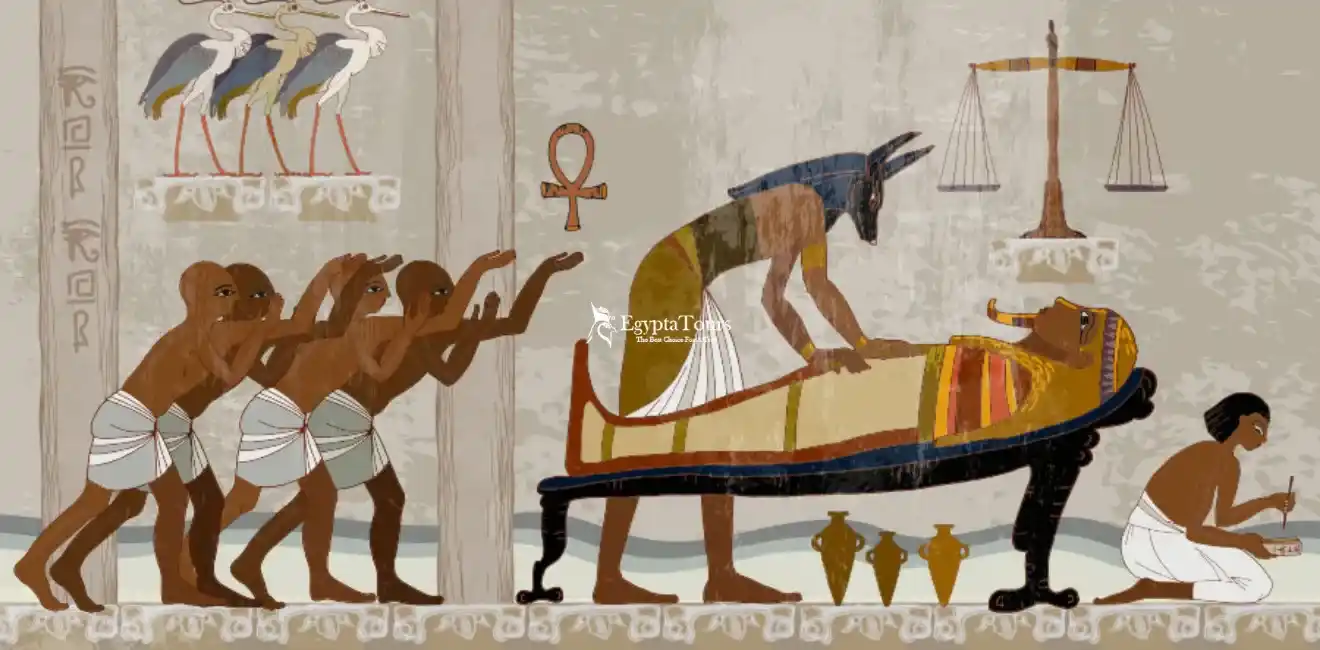
In earlier myths, Anubis was considered the son of Ra and Hesat (linked to Hathor) but after his integration into the Osiris myth, he was regarded as the son of Osiris and his sister-in-law Nephthys. Anubis is the earliest Egyptian deity depicted on tomb walls and called upon to protect the dead. He is usually shown tending the king’s body, overseeing mummification rituals and funerals or standing with Osiris, Thoth and other gods during the Weighing of the Heart of the Soul in the Hall of Truth in the afterlife.
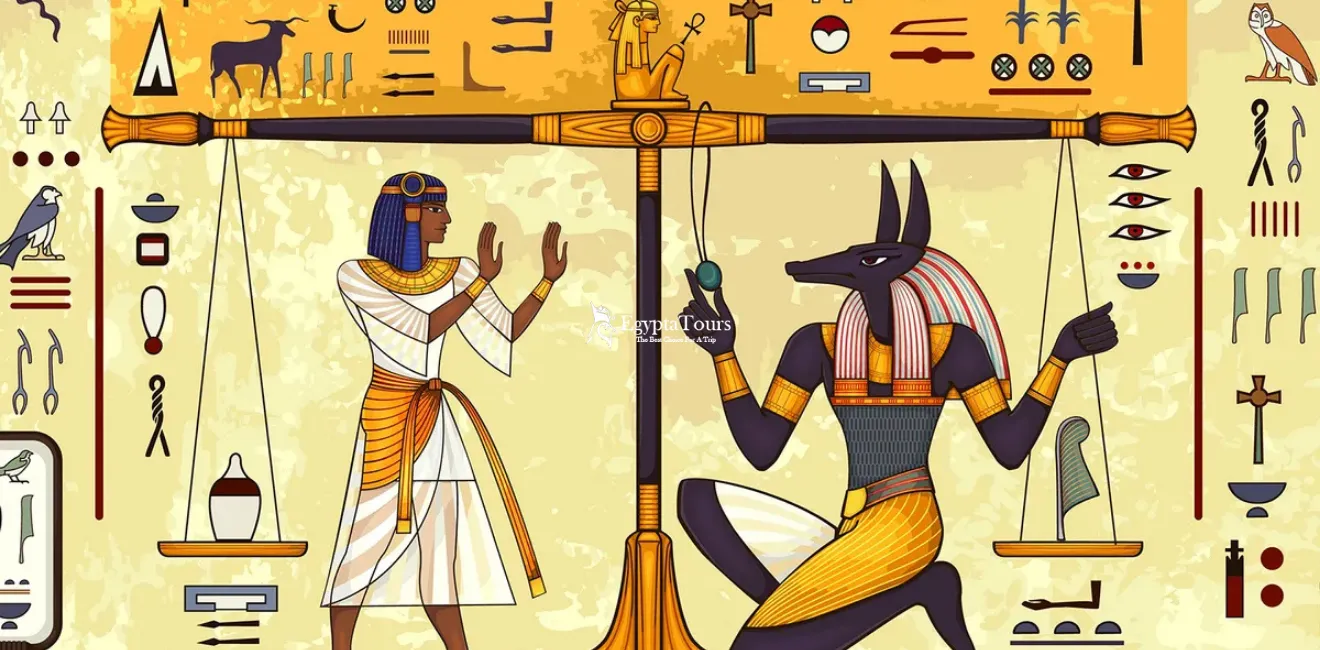
One of the most well-known images of Anubis is of him as a standing or kneeling man with a jackal’s head, holding golden scales where the heart of the soul is weighed against the white feather of truth. His daughter is Qebhet (also known as Kabechet) who brings cool water to the souls of the dead in the Hall of Truth and comforts newly deceased spirits. His connection with Nephthys (“Friend of the Dead”) and Qebhet highlights his long-standing role as protector of the dead and guide for souls in the afterlife, emphasizing his status as a god of death.
Anubis was one of the most frequently represented deities in ancient Egyptian art. He appears in royal tombs as early as the First Dynasty. He is usually shown tending a king’s body, supervising mummification rituals and funerals or standing with other gods during the Weighing of the Heart of the Soul in the Hall of Two Truths. One of the most iconic images is him as a man with the head of a jackal, standing or kneeling, holding golden scales while the soul’s heart is weighed against Ma’at’s white feather of truth.
In the Early Dynastic Period, Anubis was depicted fully in animal form, as a black canine. The black color did not represent the animal itself but had symbolic meanings: it represented the discoloration of the corpse after treatment with natron and the coating of wrappings with resin during mummification. Being the color of the fertile Nile silt, black also symbolized fertility and the possibility of rebirth in the afterlife. In the Middle Kingdom, Anubis was often shown as a man with a jackal head. The African jackal was the species depicted and served as a model for many Egyptian deities including Anubis. Rarely, he was depicted as fully human such as in a chapel of Ramesses II in Abydos.
Anubis was often shown wearing a ribbon and holding a nḫ3ḫ3 “flail” in the crook of his arm. Another attribute is the jmy-wt or imiut fetish, connected to his role in embalming. In funerary art, he appears either attending to a deceased person’s mummy or sitting atop a tomb to protect it. New Kingdom tomb seals sometimes show Anubis sitting on the nine bows symbolizing his domination over Egypt’s enemies.
Throughout history, Anubis was represented in statues, wall reliefs, murals, amulets and shrines. Notable examples include the Anubis Shrine from the Valley of the Kings, Roman statues of Hermanubis and tomb paintings from Saqqara. His images appeared all over Egypt and beyond, showing his enduring importance as a god of death and protector of the dead.
During Egypt’s Early Dynastic period (c. 3100 – 2686 BC), Anubis was shown entirely in animal form with the head and body of a jackal. Stone inscriptions from the reigns of early First Dynasty pharaohs including Hor-Aha and Djer, depict a jackal god, which is believed to be Anubis. Even in Predynastic Egypt, jackals were closely linked to cemeteries because they scavenged human remains. To protect the dead, Egyptians chose the jackal as a symbol, making Anubis the natural god of death who guarded tombs and burial grounds.
In the Old Kingdom, Anubis was considered the most important god of the dead. He served as god of death until the Middle Kingdom (2000–1700 BC) when Osiris took over as the ruler of the underworld. Despite this, Anubis remained significant. In the Roman period, beginning in 30 BC, tomb paintings often show him holding the hands of the deceased to guide them to Osiris, showing his continued role as god of death and protector of souls.
The parentage of Anubis varies in different myths and historical sources. In early myths, he was seen as the son of Ra. In the Coffin Texts from the First Intermediate Period (c. 2181–2055 BC), he was described as the child of either the cow goddess Hesat or the cat-headed Bastet. Other stories present him as the son of Ra and Nephthys. More commonly, he was regarded as the son of Osiris and Isis. and During the Ptolemaic period, Anubis was sometimes described as the son of Isis and Serapis, a Hellenized version of Osiris that appealed to Egypt’s Greek population.
Greek historian Plutarch (c. 40–120 AD) mentions a tradition that Anubis was the illegitimate child of Nephthys and Osiris, later adopted and raised by Isis. According to the myth, Isis found the abandoned child with the help of dogs, raised him and he became her protector, earning the name Anubis and establishing him firmly as the god of death.
During the Ptolemaic period when Egypt was ruled by Greek pharaohs, Anubis merged with the Greek god Hermes, forming Hermanubis. Both gods shared the role of guiding souls to the afterlife, reinforcing Anubis’s identity as god of death. The main cult center for Anubis was at Cynopolis which means “city of dogs.” Evidence from Book XI of The Golden Ass by Apuleius shows that the worship of Anubis continued in Rome at least until the 2nd century. Hermanubis was also mentioned in alchemical and hermetic texts of the Middle Ages and Renaissance.
Although Greeks and Romans often mocked Egyptian animal-headed gods, Anubis was jokingly called “Barker”, he was sometimes linked to Sirius in the sky and to Cerberus and Hades in the underworld. In Plato’s dialogues, Socrates swears oaths “by the dog,” “by the dog of Egypt” and “by the dog, the god of the Egyptians,” emphasizing Anubis as the god of death and a guardian of truth in the underworld. This shows how Anubis retained respect across cultures as the god of death who guided and protected souls.
The- Roles -of -Anubis -The- Ancient- Egyptian- God -Of- Death
Anubis played a central role as an embalmer in ancient Egyptian religion. Under the title jmy-wt (Imiut), which means “He who is in the place of embalming,” Anubis was closely associated with mummification rituals. He was also known as “He who presides over the god’s booth,” a title that referred either to the embalming place itself or to the burial chamber of the pharaoh. Through these roles, Anubis was clearly recognized as the god of death who oversaw the preparation of the body for the afterlife.
In the myth of Osiris, Anubis helped Isis embalm Osiris after he was killed by Set. According to the myth, the organs of Osiris were given to Anubis, strengthening his connection to mummification. Because of this, Anubis became the patron god of embalmers. In scenes from the Book of the Dead, priests performing mummification rites are often shown wearing a wolf or jackal mask, symbolizing Anubis and reinforcing his role as the god of death responsible for preserving the body.
Anubis was also known as a powerful protector of graves, tombs and cemeteries. Many of his epithets in Egyptian inscriptions reflect this role. One of these titles was Khenty-Amentiu, meaning “Foremost of the Westerners,” referring to the west bank of the Nile where the dead were buried. In this role, Anubis acted as the god of death who guarded burial sites and protected the deceased.
Other titles further emphasized this protective function, such as “He who is upon his mountain,” meaning that he watched over tombs from above, and “Lord of the Sacred Land” which connected him to the desert necropolis. These names strengthened his image as the god of death who defended sacred burial grounds.
According to the Jumilhac Papyrus, Anubis once protected the body of Osiris from Set who tried to attack it by transforming into a leopard. Anubis defeated Set, marked his skin with a hot iron, flayed him and wore the leopard skin as a warning to anyone who might desecrate tombs. Because of this story, priests who served the dead wore leopard skins during rituals, honoring Anubis and his role as the god of death who punished those who threatened the dead. This myth was also used to explain the spots on a leopard’s skin. Many ancient tombs included prayers carved to Anubis, asking for his protection.
By the Late Pharaonic Period (664–332 BC), Anubis was commonly depicted as guiding the dead from the world of the living into the afterlife. Although this role was sometimes associated with Hathor, Anubis was more often shown fulfilling this duty. In this role, he acted as the god of death who safely led souls across the boundary between life and the afterlife.
Greek writers during the Roman period described this role using the term psychopomp, meaning “guide of souls,” and compared Anubis to the Greek god Hermes. Funerary art from this time shows Anubis leading deceased individuals, often dressed in Greek clothing into the presence of Osiris, who had by then become ruler of the underworld. Even so, Anubis remained the god of death responsible for guiding souls on their final journey.
One of the most important roles of Anubis was as the Guardian of the Scales. In the famous scene of the Weighing of the Heart from the Book of the Dead, Anubis is shown controlling the scales that determined the fate of the soul. As the god of death, he weighed the heart of the deceased against ma’at, often represented by an ostrich feather.
If the heart was heavier than the feather, it would be devoured by Ammit and the soul would be destroyed. If the heart was lighter, the soul would be allowed to continue into a blessed afterlife. Through this judgment, Anubis acted as the god of death who ensured justice, balance and moral order in the afterlife.
Even though Anubis does not appear in many myths, he was extremely popular among the Egyptians and in other cultures. The Greeks connected him with their god Hermes, who guided the dead to the afterlife. This connection later became known as Hermanubis. Anubis was widely worshipped because he gave people hope. They trusted that their body would be treated with respect after death, their soul would be protected and they would receive fair judgment for their deeds.
Anubis had male priests who wore wooden masks representing the god when performing rituals. His main cult center was in Cynopolis, Upper Egypt but shrines and memorials were built all over Egypt and he was respected throughout the entire country. The priests of Anubis often wore jackal-headed masks made of wood during ceremonies. These masks were used to represent Anubis during mummification and burial rites and they were also used in processions. Scholar Richard H. Wilkinson explains:
“The chapel of Anubis in the temple of Hatshepsut at Deir el-Bahri may have continued an earlier shrine in the area and shows the lasting importance of the god long after he became part of the cult of Osiris. Because Anubis was said to have prepared Osiris’ mummy, he became the patron god of embalmers. In the Memphis necropolis, the area connected to embalmers became a central place for the cult of Anubis in the Late Period and Ptolemaic times, called ‘the Anubeion’ by modern Egyptologists. Many two- and three-dimensional images of Anubis have survived from funerary contexts, showing his importance and amulets of Anubis were also common.”
Although he is not central to many myths, Anubis remained extremely popular. Like many Egyptian deities, his worship continued into later periods and was connected with gods from other cultures. The Greeks associated him with Hermes, the guide of the dead and Egyptologist Salima Ikram notes:
“Anubis became associated with Charon in the Graeco-Roman period and St. Christopher in the early Christian period… It is likely that Anubis is seen as a super-canid, combining traits from several types of canids, not just a jackal or dog.”
This “super-canid” gave people assurance that their body would be respected after death, that their soul would be protected in the afterlife and that they would receive fair judgment for their life. These are the same guarantees people seek today, which explains why Anubis remained such a popular and lasting god. His image is still one of the most recognizable among Egyptian gods and replicas of his statues and tomb paintings are still popular today, especially among dog lovers.
Anubis was the god of death, funerary rites, protector of graves and guide of souls to the afterlife in ancient Egyptian religion.
He was usually shown as a black jackal, a jackal-dog mix or a man with a jackal head. The black color symbolizes decay, fertile Nile soil, regeneration and life.
Anubis guides souls, protects tombs, oversees mummification and funerary rituals and weighs the heart of the deceased to ensure justice in the afterlife.
He is described as the son of Ra and Hesat or Osiris and Nephthys. His female counterpart was Anput and his daughter was the serpent goddess Qebhet.
Some of his titles include “First of the Westerners,” “Lord of the Sacred Land,” “Ruler of the Nine Bows,” “The Dog Who Swallows Millions” and “He Who is in the Place of Embalming.”
As god of the dead, he protected tombs, guided souls, oversaw embalming and ensured proper burial rituals, keeping balance and order between life and afterlife.
His main cult center was in Cynopolis, Upper Egypt, but he was venerated throughout the country with shrines, temples and memorials everywhere.
The Greeks linked him to Hermes, forming Hermanubis, a guide of souls. Romans continued his worship and he was sometimes associated with Charon and Sirius.
Anubis weighed the heart of the deceased against Ma’at’s feather of truth. A heart lighter than the feather allowed the soul to reach the afterlife, heavier hearts were devoured by Ammit.
He guarded burial sites, defeated Set when he threatened Osiris and priests honored him by wearing leopard skins, showing his protective role over the dead.





Explore our top-rated Egypt travel packages and embark on an unforgettable journey. From the Pyramids of Cairo to the magical temples of Luxor, Aswan, and Abu Simbel, discover expertly curated tours designed for your perfect Egyptian adventure