Kalabsha Temple in Aswan: A Nubian Masterpiece
Kalabsha Temple is one of the most impressive Nubian temples in southern...



Location: Southern Egypt, approximately 280 kilometers south of Aswan.
Construction: Built during the reign of Ramesses II (1290–1223 BC).
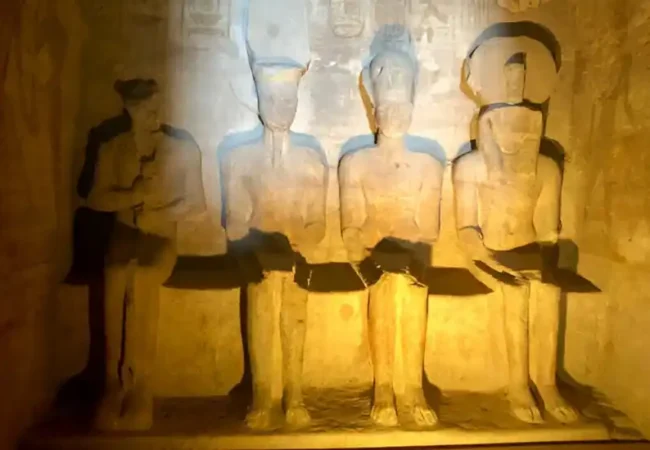
Solar Alignment: Twice a year (usually February 22 and October 22), sunlight reaches deep into the sanctuary to illuminate the statues of the gods, excluding Ptah, the god of darkness.
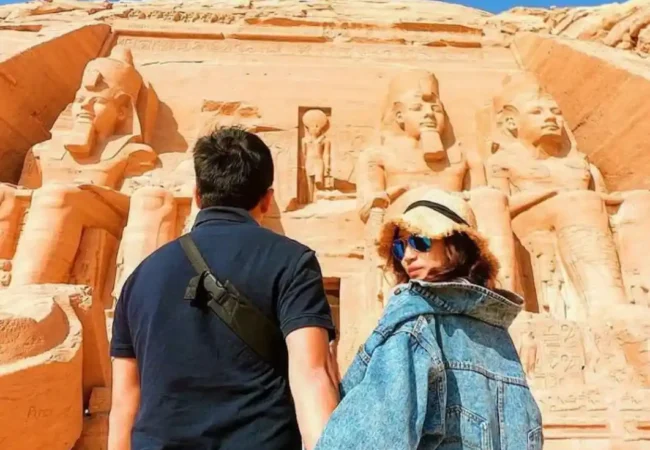
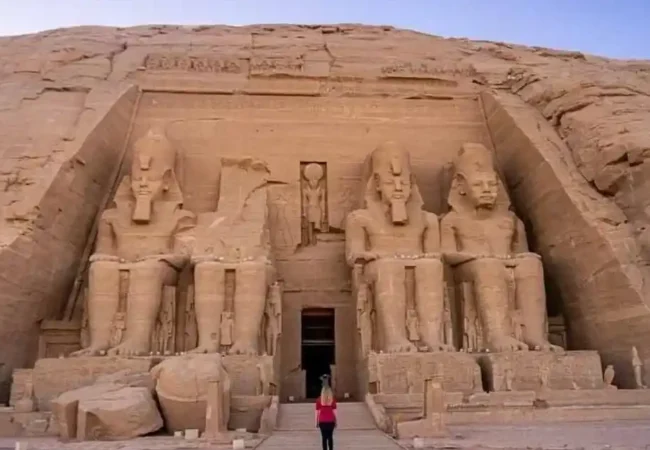
Great Temple Entrance: Protected by four colossal statues of Ramesses II, each measuring about 20 meters tall.
Queen Nefertari’s Temple: Notable for being one of the rare instances in ancient Egypt where a queen is depicted at nearly the same scale as the pharaoh.
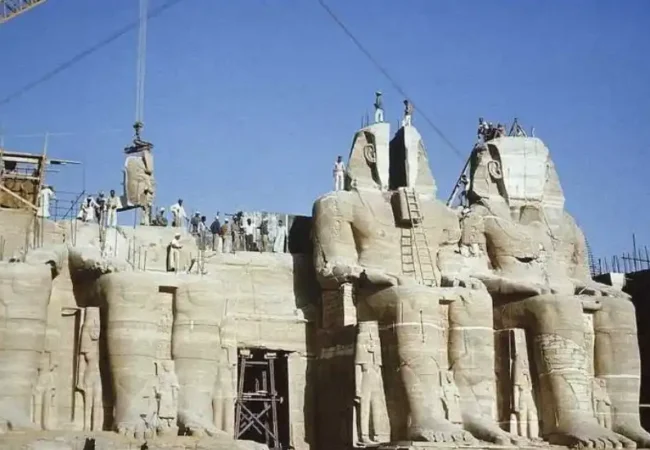
Relocation Project: Considered one of the largest archaeological rescue operations in history, costing $80 million and involving over 50 countries.
UNESCO Status: The site is a recognized UNESCO World Heritage Site due to its historical and engineering significance.
The temples of Abu Simbel are among the most impressive ancient Egyptian temples in the country. They are located in southern Egypt near the border with Sudan about 280 kilometers south of Aswan.
The site includes two massive rock cut temples that were built during the reign of Ramesses II who ruled Egypt between 1290 and 1223 BC. These temples were carved directly into the mountainside and remain one of the greatest achievements of ancient Egyptian architecture.
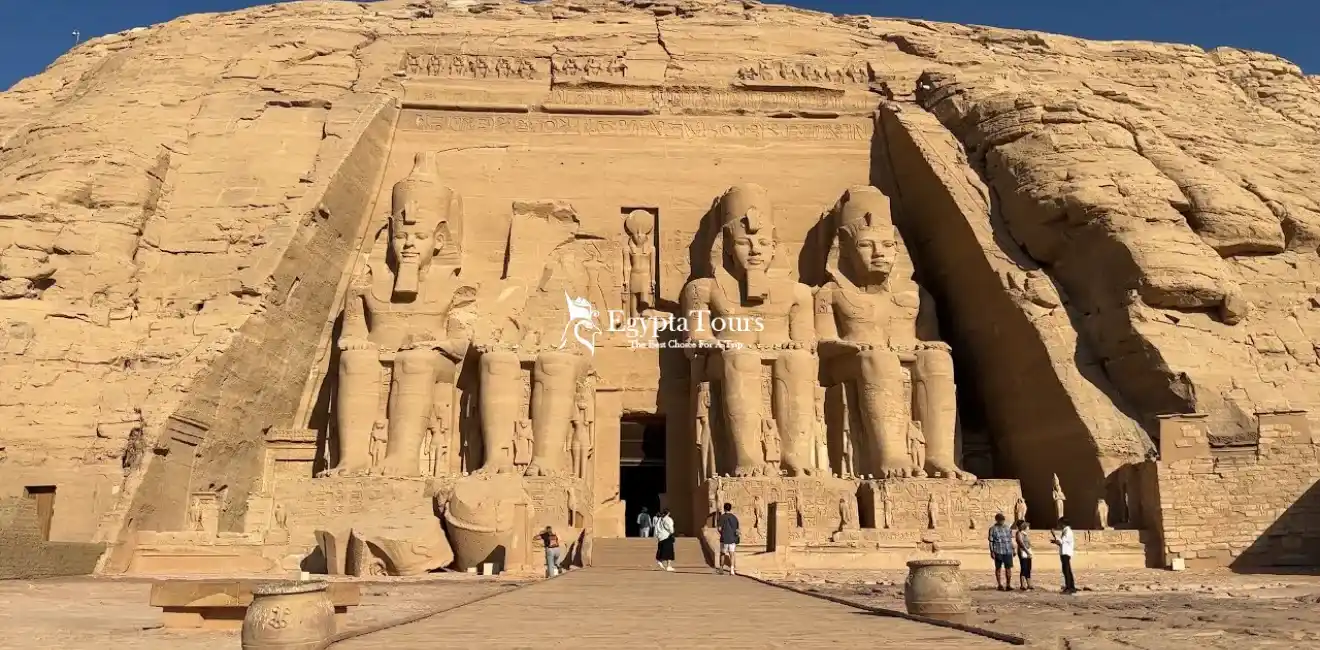
What-you-notice-first-when-you-step- inside-Abu-Simbel-Temple-EgyptaTours
As you go inside, the first thing you feel is how big the place is. The temple doesn’t reveal itself all at once, it pulls you deeper step by step and the space seems to grow around you.
The light gets weaker and shadows stay on the walls making the carved figures slowly come into view. Even the sound feels different. Your footsteps don’t just fade; they echo farther than you’d expect, as if the temple is listening back.
The difference between the bright desert outside and the dark interior feels immediate. One moment, the sunlight reflects strongly off the pale sandstone. Just a few steps later the stone becomes cooler and darker and your eyes need time to get used to the shade.
The path inside is straight but it doesn’t feel simple or ordinary. At first, the carved walls seem close around you while the high stone ceiling naturally draws your eyes upward. Since the temple was carved directly into the mountain, it doesn’t feel like entering a normal building. Instead, it feels as if you are walking inside the cliff itself.
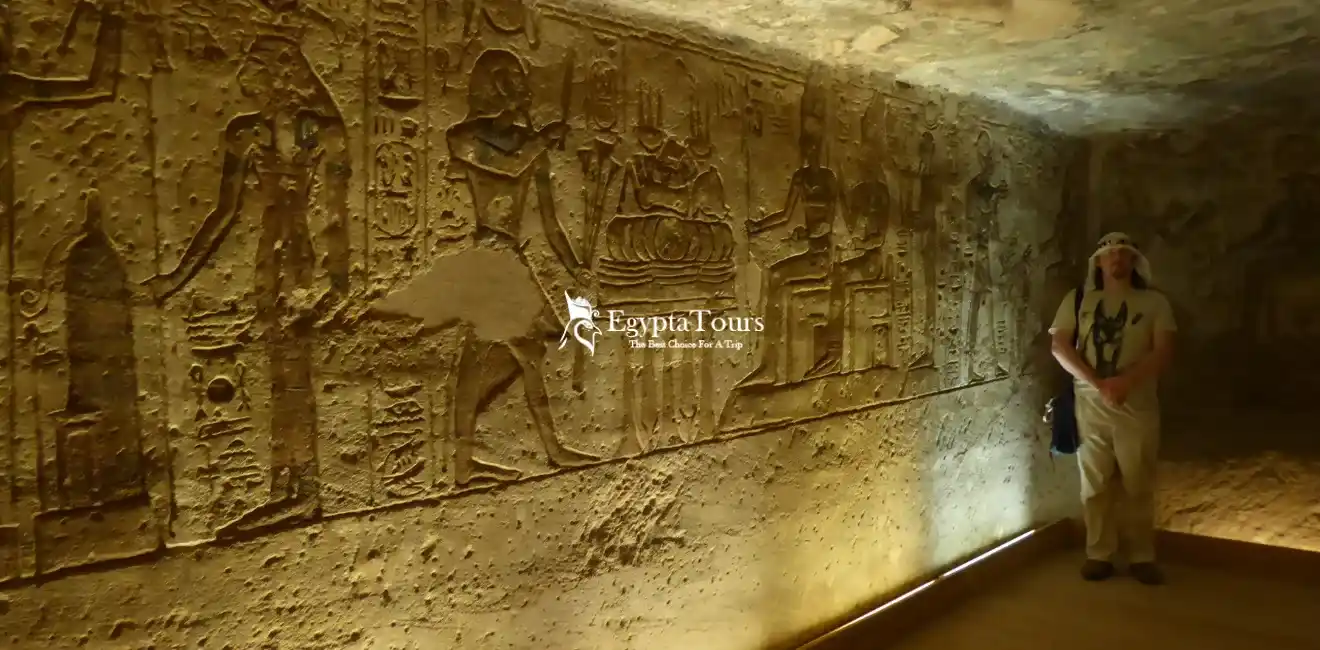
Inside-Abu-Simbel-Temple-What-you-will see-EgyptaTours
When you enter Abu Simbel Temple, you move through a series of about fourteen rooms. It starts with a large entrance hall where eight massive statues of Ramesses II stand in a row welcoming visitors.
As you continue deeper, each room feels a little different from the last. Together, they show the power, detail and religious meaning behind this famous temple complex making the whole journey feel like a slow walk through ancient history.
This hall has huge Osirid style statues of Ramesses II, with his arms crossed and holding royal symbols. These figures were meant to show stability, power and the idea of lasting strength in ancient Egyptian belief.
The walls are covered with detailed scenes from the Battle of Kadesh where Ramesses II is shown winning in battle. These carvings were created to highlight his leadership, authority and military power.
The second hall is smaller and contains four pillars shaped like lotus flowers. These pillars are decorated with images of gods such as Ptah, Amun, Amun-Ra and Ra-Horakhty.
The walls show Ramesses II offering gifts to the gods, a sign of his loyalty and respect toward them. These scenes also present him as the protector of the New Kingdom. Other carvings show the gods Horus and Seth placing the crown on the pharaoh’s head symbolizing that his right to rule was believed to come from the gods themselves.
These small rooms were mainly used to keep ritual tools, special clothing and offerings for temple ceremonies. The carvings inside are simpler than in the larger halls but they still carry important meanings connected to purity, safety and worship.
These spaces also give visitors a better idea of the daily religious practices and sacred rituals that once took place inside the temple.
The sanctuary is the holiest and most important room inside Abu Simbel Temple. At the back of the chamber sit four statues of Ptah, Amun-Ra, Ra-Horakhty and Ramesses II.
What makes this room especially famous is a rare solar event that happens twice each year. On those mornings sunlight travels deep into the temple and lights up the statues inside the sanctuary. The only figure that stays in shadow is Ptah, the god connected with darkness. This careful design is considered one of the most impressive examples of ancient Egyptian engineering and astronomy.
As you move farther inside, the space suddenly feels much larger and the normal sense of size begins to disappear. Huge royal statues stand along the hall while the walls are covered with carvings of gods, kings and ancient symbols.
Everything in the room was designed to leave a strong impression. Ramses II appears over and over again calm, powerful and larger than life. Even today the message is clear: this was a ruler with great authority and the temple was built to remind every visitor of his power.
Even in the dim light the carvings draw your attention. Faces, crowns and hieroglyphs slowly stand out from the stone as you look around. The hall feels both holy and political at the same time a place made for worship but also a lasting symbol of royal strength.
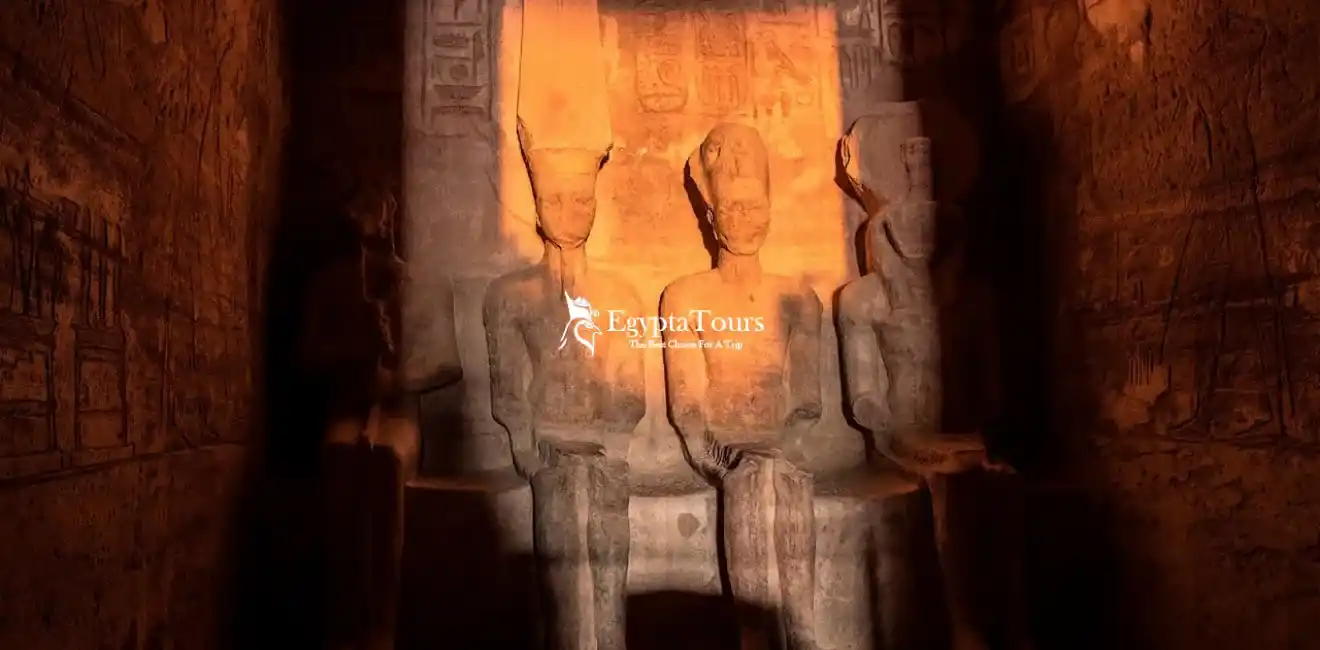
The-Sun-Alignment-Phenomenon-inside-Abu Simbel-EgyptaTours
Twice each year sunlight enters Abu Simbel Temple and travels all the way to the sanctuary deep inside the temple. On those special mornings the light shines directly on three of the four seated statues. The statue of Ptah, the god connected with the underworld and darkness, remains in shadow.
The moment only lasts for a short time but the careful design behind it has survived for more than 3,000 years.
People continue to admire this event because it shows the incredible skill of the ancient builders. They understood direction, space and the movement of sunlight with amazing accuracy. The temple does more than speak about power; it demonstrates it through stone, timing and precise planning.
Yes, some areas inside the temples are closed to visitors in order to protect the site and keep it safe. These restricted areas usually include:
These rules help preserve the temples and protect the ancient carvings and structures from damage.
|
Section |
Description |
| Entrance Façade |
Four colossal statues of Ramses II |
| Hypostyle Hall |
Pillars with battle scenes and offerings |
| Second Hall |
Religious rituals and divine worship carvings |
| Sanctuary |
Inner chamber with gods’ statues |
| Side Chambers |
Storage and ceremonial rooms |
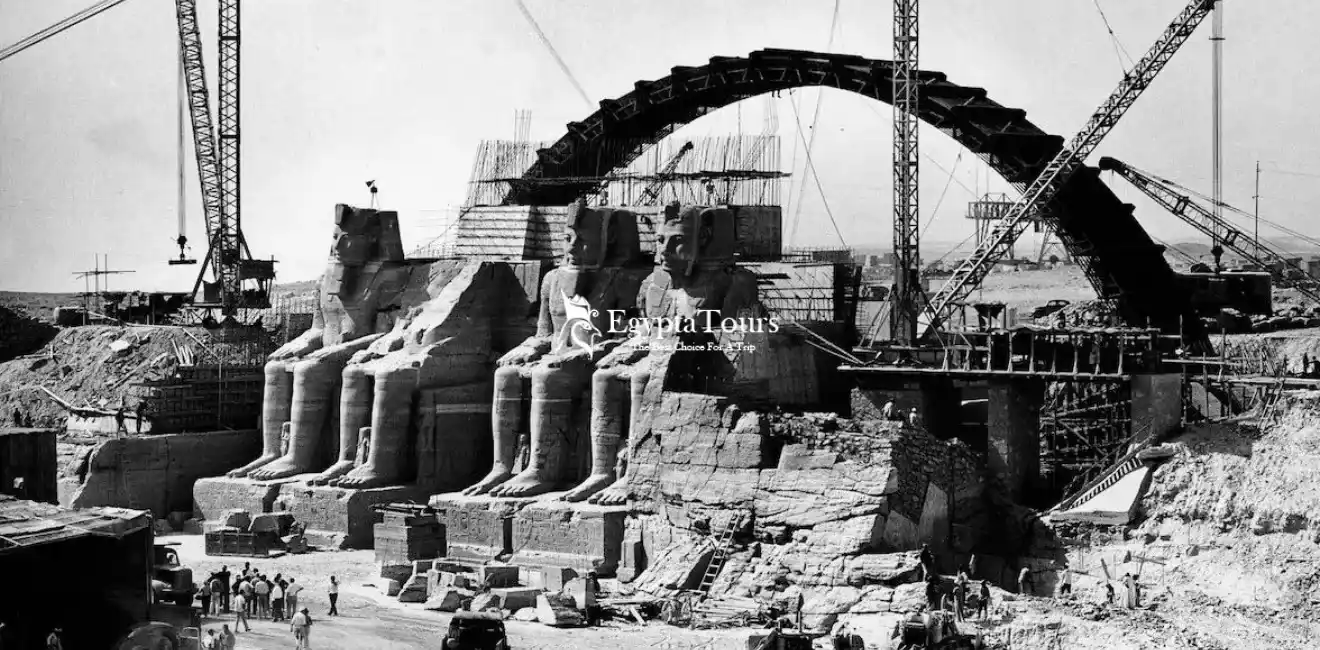
The -Relocation -Of- Abu -Simbel-EgyptaTours
The relocation of Abu Simbel Temple was more than just a major engineering project; it became an important international effort to protect world history. Over 50 countries helped support the project, which cost around $80 million. Companies such as Atlas Copco provided special drilling machines and compressors that helped workers cut the huge sandstone blocks with great accuracy.
The work required extremely careful planning. Engineers rebuilt the temples in almost the exact same position and direction as the original site so the famous sunlight event inside the Great Temple would continue to happen. To recreate the look of the original mountain, a huge artificial dome was built over the temples and then covered with a man made hill of rock and sand.
This rescue project later became a model for other international efforts to save important cultural sites threatened by construction projects, rising water or climate change.
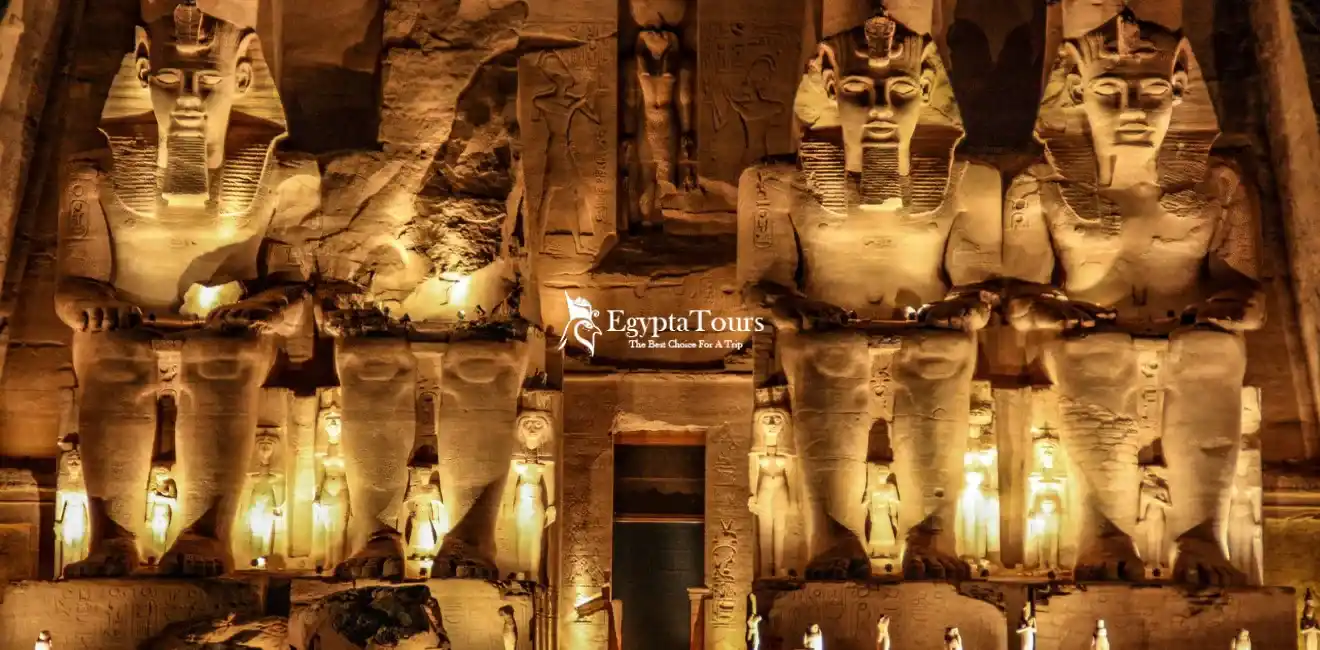
Why-the-Inside-of-Abu-Simbel-Temple-Stays-in-Your- Memory-EgyptaTours
Inside Abu Simbel Temple the beauty is not only in the massive size of the temple. What makes it special is the way the cool stone, carefully planned rooms, royal carvings and natural sunlight all come together.
The journey from the bright desert outside into the quiet, dark interior is something many visitors remember for a long time. Every part of the temple feels carefully designed even the way light and shadow move across the walls. It is a place where history, religion and architecture were all carved directly into the mountain. Among Egypt’s ancient sites, very few interiors feel this detailed and complete.
Inside the temple complex, visitors can explore large halls, carved pillars, side chambers and the famous sanctuary containing statues of ancient Egyptian gods and Ramesses II.
The Great Temple contains around fourteen rooms and chambers, including two hypostyle halls, side rooms used for rituals and the sacred sanctuary at the back of the temple.
Twice each year, sunlight travels deep into the temple and lights up the sanctuary statues. The statue of Ptah remains in shadow because he was connected with darkness and the underworld.
The walls contain detailed carvings showing religious ceremonies, offerings to the gods and scenes from the Battle of Kadesh.
Photography rules may vary depending on current regulations. In some cases, photography inside certain chambers may require extra fees or special permission.

Explore our top-rated Egypt travel packages and embark on an unforgettable journey. From the Pyramids of Cairo to the magical temples of Luxor, Aswan, and Abu Simbel, discover expertly curated tours designed for your perfect Egyptian adventure