Exploring the Rich Tapestry of Nubian Culture and Traditions
The Nubian culture and traditions are a magical topic of discussion that...



In normal times, Egypt is a very popular place for holidays. Tourists visit the Red Sea coast to enjoy sunshine all year and do water sports. They also visit the cities to see the amazing history that goes back thousands of years. However, Egypt is in North Africa and shares a border with Israel, so it can be affected when there is violence in the Middle East.
After missiles were fired between Iran and Israel, many countries in the region closed their airspace, and thousands of flights were cancelled. Right now, the UK Foreign Office says travel to Egypt is continuing as usual. However, visitors should be careful, stay alert and understand that the situation could change quickly.
The UK Foreign Office has for a long time advised people not to travel to areas within 20km of the Egypt-Libya border and to North Sinai, which is next to Israel. This advice is still the same. It also continues to advise against non-essential travel to the Western Desert. However, the government says that popular tourist places like Cairo and the Red Sea resorts of Sharm el-Sheikh, Marsa Alam and Hurghada are safe for visitors.
The Foreign Office also says that tensions in the region have increased because of the conflict, and this could cause travel problems. British travellers should follow instructions from local authorities. If you are thinking about going on holiday to Egypt, here is what you should know.
Is-it-safe-to-travel-to-Egypt-Are -Flights -to- Egypt -Cancelled
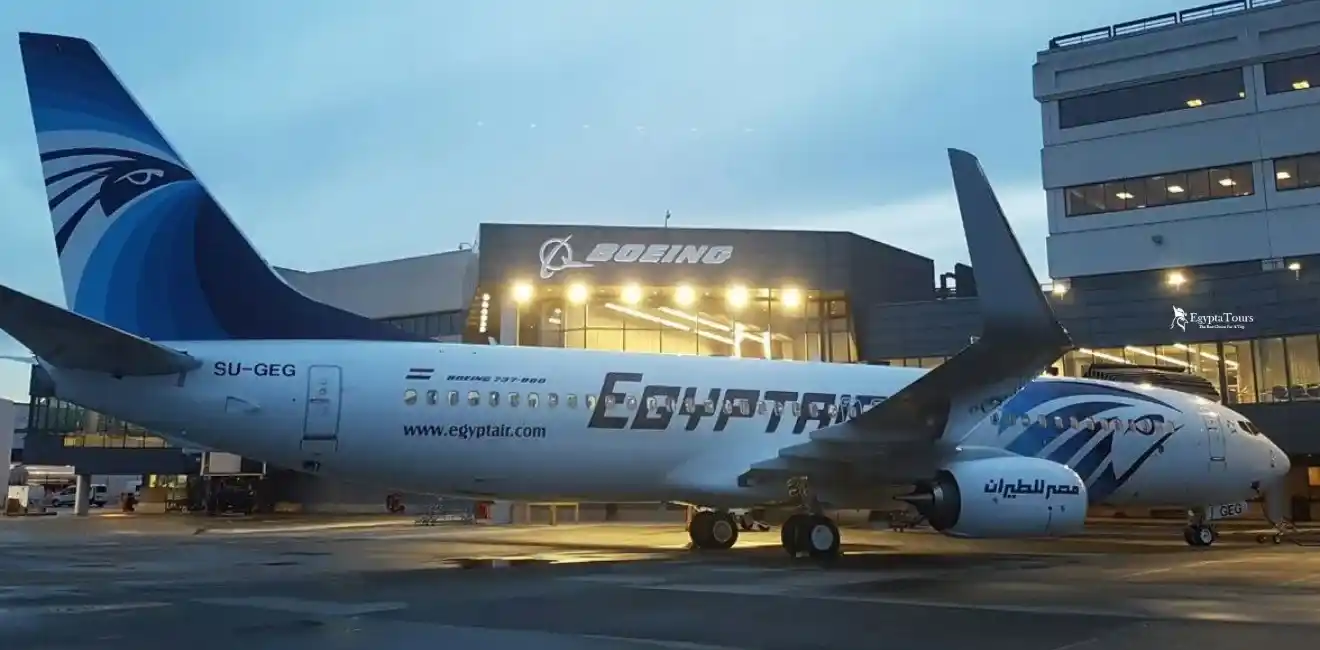
Flights are still running between the United Kingdom and Egypt. However, there may be cancellations, delays, or longer flight times because nearby countries have closed their airspace. These countries include Iran, Israel, Iraq and parts of Syria.
The matter is currently being looked into by Egypt’s Ministry of Civil Aviation. You should contact your airline and check their latest updates before going to the airport. If your airline has cancelled your flight, you have the right to receive a full refund.
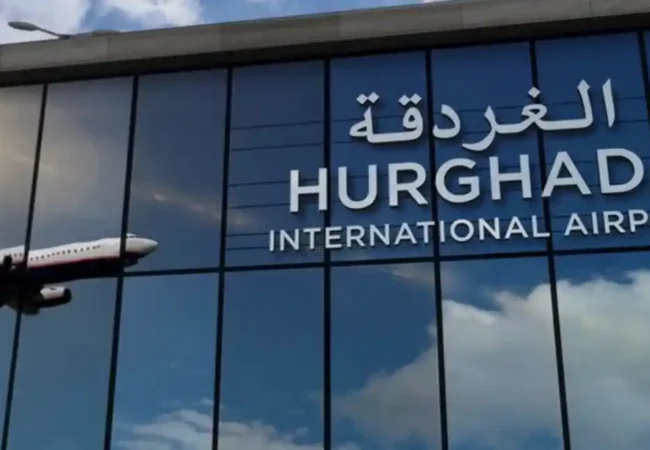
Flights from Egypt’s airports are still operating as of Monday morning, including Cairo International, Sharm el-Sheikh, Alexandria Borg El Arab, Hurghada, and Luxor International, according to Flight Radar.
However, many flights leaving the country are delayed or cancelled.
If your flight is cancelled, UK law protects you when arriving at a UK airport on a UK or EU airline.
Airlines must take care of you if your flight is cancelled. This includes providing food and drinks (often as vouchers), ways to communicate (like paying for calls), a place to stay if your new flight is the next day, and transport to and from your accommodation or home.
The airline must continue to provide these services until you can reach your destination, no matter how long the delay is or the reason for it, says the Civil Aviation Authority.
Is-it-safe-to-travel-to-Egypt-What -is- the -latest- Foreign- Office- advice- on- travel- to- Egypt
Some areas have long been unsafe for travel. These include the north and central parts of the Sinai Peninsula, near Gaza and Israel. The Gaza border crossing is closed and the Taba crossing between Egypt and Israel may close at any time, according to the UK Foreign Office. A large area in western Egypt near the Libya border is also not considered safe to visit.
However, popular tourist places like Hurghada, Marsa Alam, Sharm el-Sheikh and the cities of Cairo, Luxor and Alexandria are still seen as safe for visitors.
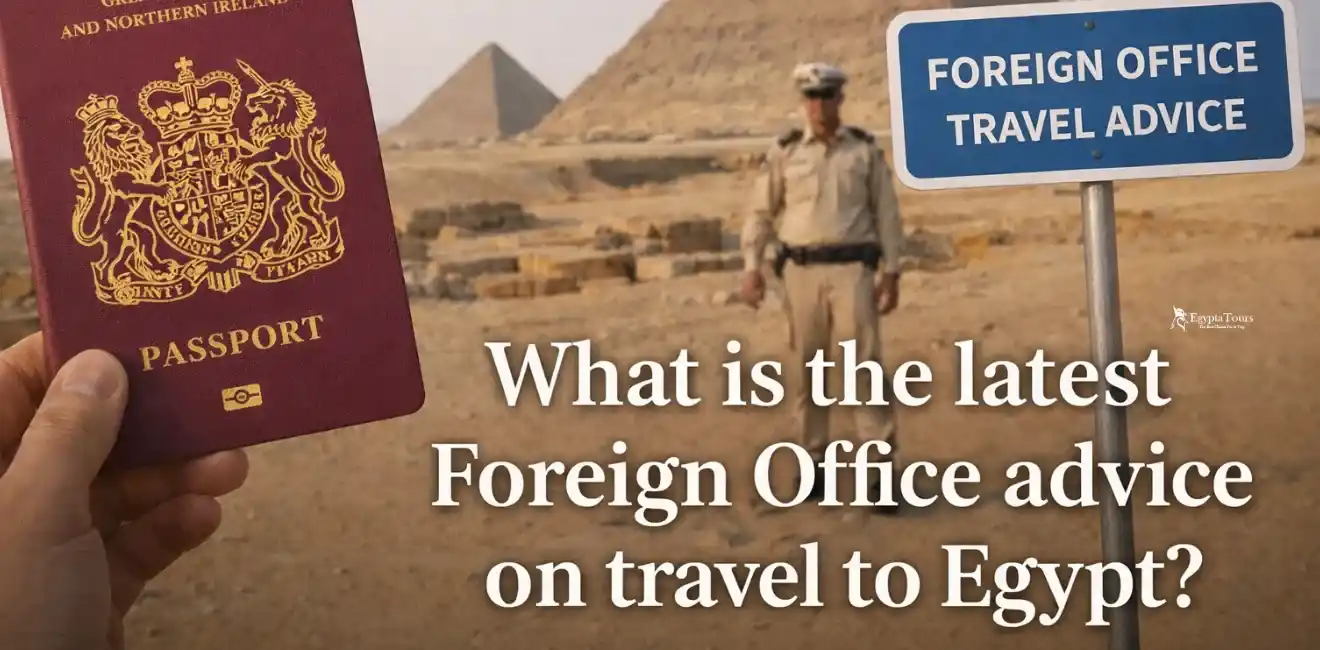
The UK Foreign Office has not changed its travel advice since the conflict began. It tells British citizens to be careful, take basic safety steps and follow local and international news for updates, as the situation can change quickly.
The Foreign Office does not currently warn people against travelling to most areas of Egypt. If you decide to cancel a trip to a place that is still considered safe, the usual booking rules will apply.
If you cancel because you no longer feel comfortable travelling, this is called “choosing not to travel,” and you should not expect a refund under the Package Travel Regulations.
However, it is a good idea to talk to your tour operator or travel agent about your concerns. They might not give you a refund, but they could allow you to change your travel dates, your destination, or both.
The FCDO has not advised against non-essential travel to the parts of Egypt that tourists usually visit. So in these areas, you cannot cancel your trip and get a full refund just because of special circumstances.
The rules for cancelling your trip depend on your holiday company, so it’s best to contact them if you want to change or delay your trip.
Companies do not have to give refunds if you decide to cancel, and you usually cannot claim on your travel insurance for safety reasons unless the government changes its advice.
If you have travel insurance, some plans cover events like natural disasters that stop you from getting to your holiday. Check your policy and talk to your insurance company to find out what you are covered for.
Is-it-safe-to-travel-to-Egypt-What -are- my- rights- if- my- holiday -is -cancelled
If you booked a package holiday which includes a flight and hotel together from a tour operator that has an ATOL licence and you cannot travel because Middle Eastern airspace is closed, you have the right to get a full refund. However, you will not receive extra compensation. This rule applies not only to Gulf countries like the UAE and Qatar, but also to places farther away such as India, the Far East and Australasia.
But if there is no travel warning from the Foreign Office for your destination, your tour operator can offer you a different flight instead. If the new flight is not very different from your original booking, then you will not be entitled to a refund.
Is -it -generally- safe- to -travel- to- Egypt
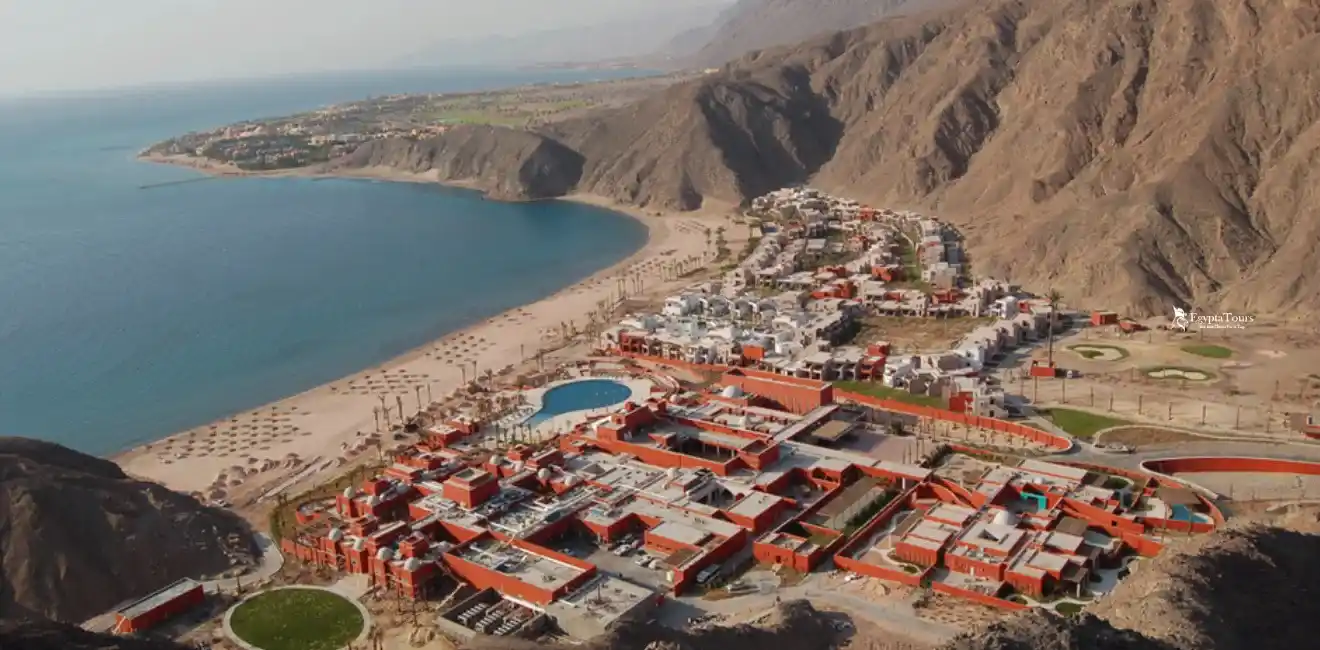
In general, yes. The main tourist resorts are far from the fighting in Israel and Gaza. Sharm el-Sheikh is more than 200 miles from the Gaza border, and Hurghada is even farther away. There is no travel warning for popular places in Egypt such as Cairo, Nile cities like Luxor and Aswan, or Red Sea resorts like Sharm el-Sheikh and Hurghada.
However, like other countries in the region, the Foreign Office warns that there is still fighting going on. It says the situation could get worse quickly and may create safety risks. Travel plans could be affected, and protests may happen. Visitors are advised to follow the news closely, stay alert and follow the instructions of local authorities if needed.
However, there are some places you should not travel to. The Foreign Office advises against all travel to North Sinai Governorate, including the Rafah border crossing. It also warns against travelling within 20km of the Libyan border. In El Salloum, it says you should travel only if it is absolutely necessary.
It also advises against all but essential travel to some other areas, such as the northern part of South Sinai.
Like in other countries, the Foreign Office warns that terrorist attacks could happen in Egypt. The risk is higher during public holidays and religious times like Christmas and Ramadan. There is also more risk near religious buildings, big crowds and places often visited by tourists. Visitors should stay alert and carry photo ID with them at all times.
When it comes to staying safe in Egypt, it’s important to be careful. Protests happen often, and foreigners who join political activities could be arrested or face other actions.
The Foreign Office advises: “Stay away from large crowds, demonstrations, and protests because things can change quickly and without warning. Police may use water cannons, tear gas, rubber bullets, or live ammunition to control crowds.”
At popular tourist areas, visitors may be pressured to give money or buy things. There is also a risk of theft or muggings, even in taxis. Joining an organized tour can help lower these risks. If you are a victim of crime, contact the local tourist police who can assist you in reporting it.
Yes, it is generally safe to travel to Egypt’s main tourist areas like Cairo, Luxor, Sharm el-Sheikh, Hurghada, and Marsa Alam. However, visitors should stay alert, follow local authorities’ instructions, and be aware that the situation in the region can change quickly.
Yes. Avoid North Sinai Governorate, areas within 20 km of the Libya border, and the Western Desert. Travel near the Gaza border and Taba crossing can be risky. Northern South Sinai should only be visited if absolutely necessary.
Airlines must provide food, drinks, communication options, accommodation if needed, and transport to and from your hotel. You also have the right to a full refund if your package holiday is affected by airspace closures.
If your ATOL-protected package holiday cannot go ahead because of airspace closures, you are entitled to a full refund. If there is no travel warning, the tour operator may offer a replacement flight instead, and a refund may not apply.
Yes, there is a small risk of terrorist attacks, especially near religious buildings, big crowds, and tourist areas. Petty crimes like theft or muggings can happen, even in taxis. Joining organized tours and staying alert helps reduce risk.

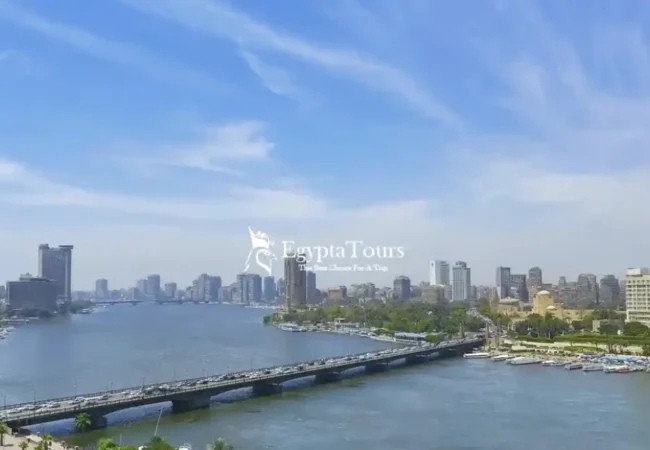
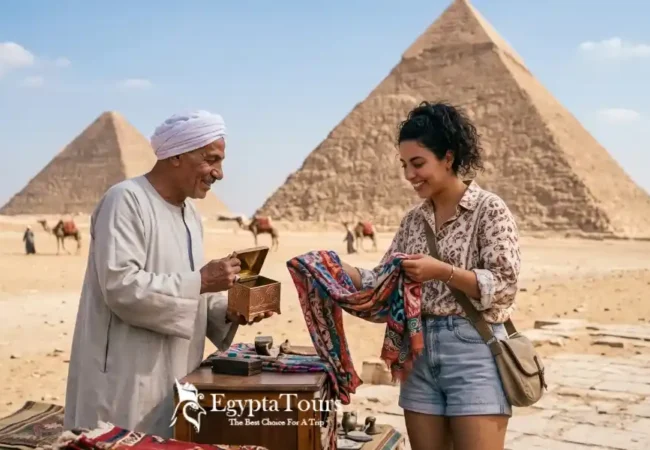

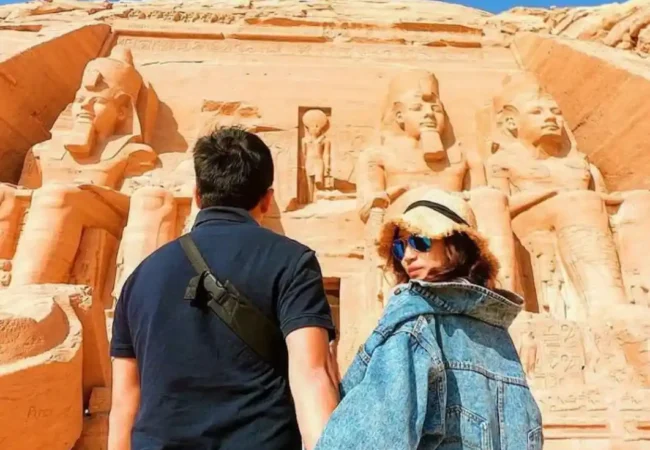
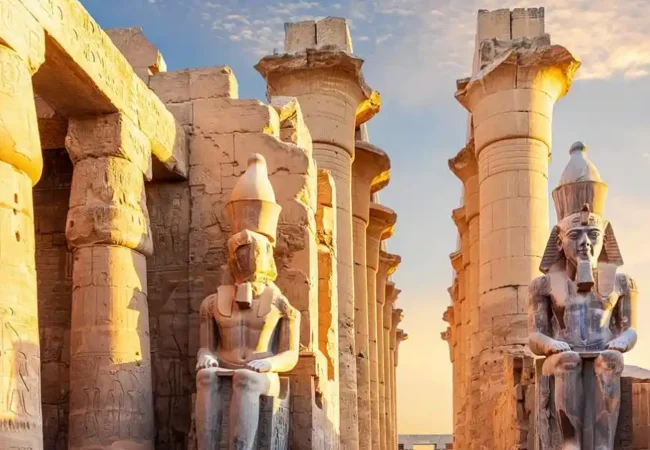
Explore our top-rated Egypt travel packages and embark on an unforgettable journey. From the Pyramids of Cairo to the magical temples of Luxor, Aswan, and Abu Simbel, discover expertly curated tours designed for your perfect Egyptian adventure