Article Summary
  • The Nile Valley in Egypt was the heart of ancient Egyptian civilization, providing water, fertile land, and transportation for thousands of years. The Nile helped Egyptians build cities, grow crops, and create one of the world’s greatest civilizations.
  • Agriculture flourished along the Nile because of the annual floods that left rich black soil behind. Ancient Egyptians grew wheat, barley, beans, and vegetables, while also building canals and irrigation systems to support farming and trade.
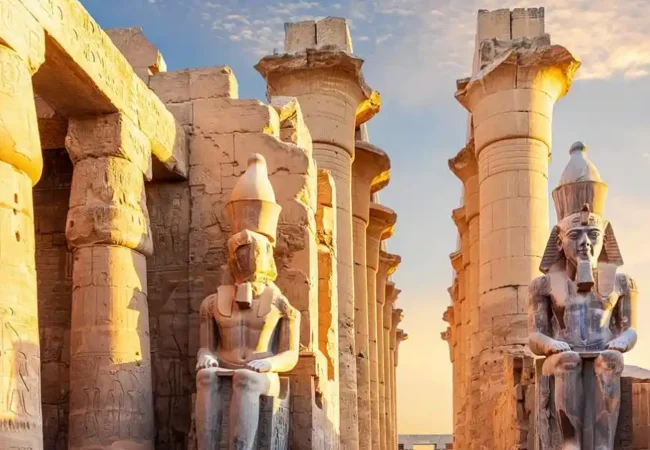
  • Many famous cities and monuments were built in the Nile Valley, including Memphis, Thebes, Luxor, Aswan, Karnak Temple, and the Pyramids of Giza. The Nile was also used to transport massive stones and materials for temples and pyramids.
  • The Nile held deep religious importance for ancient Egyptians, who believed it was sacred and connected to life, resurrection, and the gods. Animals, plants, boats, and fishing tools linked to the Nile became part of Egyptian daily life and spiritual beliefs.
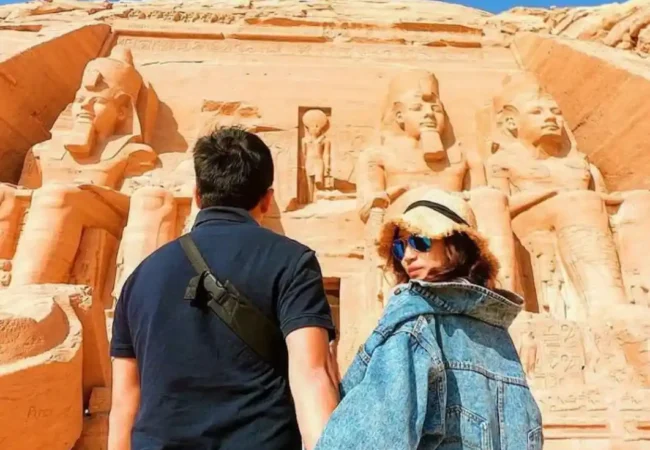
  • Today, the Nile Valley remains one of Egypt’s most important cultural and tourist destinations. Visitors enjoy Nile cruises, temples, tombs, traditional villages, and breathtaking landscapes stretching from Cairo to Aswan.

The Nile Valley in Egypt is one of the most important geographical locations in the world. It is the area adjacent to the Nile River, characterized by its population density and fertile soil for agriculture.

The Pharaonic civilization was established on the banks of the valley. The Greek historian Herodotus described Egypt by saying, “Egypt is the gift of the Nile,” due to its profound impact on the social and economic life of Egypt.

The Importance of the Nile Valley in the Emergence of Egyptian Civilization

The Nile Valley in Egypt was the basis of life for the ancient Egyptians through agriculture, trade, and transportation; it was their source of life. The Nile River was considered sacred to them, as they named its flood after the god Hapi in their beliefs. The ancient Egyptians also gave it many titles, including “Giver of Goodness” and “Bringer of Life.”

The Nile helped the ancient Egyptians organize their lives. Through it, they learned to calculate days, seasons, and years, which developed their way of thinking and taught them to adapt to changes in their environment, especially during the flood season. Thus, the Nile established the pillars of stability, paving the way for the emergence of ancient Egyptian civilization.

Agriculture on the Banks of the Nile and Its Role in the Economy

Agriculture-on-the-Banks-of-tThe-Nile-Valley-in-Egypt-and-Its-Role-in-the-Economy

Agriculture-on-the-Banks-of-tThe-Nile-Valley-in-Egypt-and-Its-Role-in-the-Economy

Agriculture originated on the banks of the Nile long ago, especially in the Valley and Delta region, which, after the deposition of Nile sediments, turned into soil rich in materials suitable for agriculture. The agricultural season began after the floodwaters, which inundated the fields with water and silt, receded.

The Egyptians built canals and channels to cultivate many crops such as wheat, barley, vegetables, and legumes, which were their main food source. This also helped the economy grow through internal and external trade with their surplus food, and this was a source for the rise of the Egyptian civilization.

Major Cities that Arose in the Nile Valley

Major-Cities-that-Arose-in-The-Nile-Valley-in-Egypt-EgyptaTours

Major-Cities-that-Arose-in-The-Nile-Valley-in-Egypt-EgyptaTours

Many cities were established on the banks of the valley, which were centers of ancient Egyptian civilization, including:

  • Memphis: Established around 3150 BC, located south of Cairo in an area called Mit Rahina, and was the ancient capital of Egypt.
  • Thebes: Established around 5000 years ago, now called Luxor, and was the capital of Egypt during the New Kingdom era.
  • Rakotis: Established around 331 BC, known today as Alexandria, and was an important cultural center, especially during the Ptolemaic era.
  • Swenett: Established around 3000 BC, now known as Aswan, and had an important strategic location for transport and trade.

The Role of the Nile in Trade and Transport Throughout History

Trade was one of the social and economic activities practiced by the ancient Egyptians. The credit for its prosperity goes to the Nile River, which was considered the main transportation route for importing and exporting goods with neighboring countries. The goal was to obtain raw materials such as wood and stones used in building historical sites.

The Annual Floods and Their Impact on Agriculture

The ancient Egyptians excelled in calculating days and years and knew the dates of the floods, so they prepared for them well. The floodwaters were the main source for agriculture. The flood began from the south heading north, carrying along the Nile Valley in Egypt water rich in silt that deposited on the banks, which helped in the growth of various agricultural crops.

According to the beliefs of the ancient Egyptians, the flood was not the result of rainfall on the plateaus but was a satisfaction from the god of the floods, named Hapi. The ancient Egyptians adapted to this natural phenomenon; when the floodwaters exceeded the limit, they built a series of dams to protect their crops and homes.

Religious Life Associated with the Nile River

The ancient Egyptians were connected to the Nile River since ancient times, and this is clearly evident in their folk heritage and beliefs. They gave it many titles such as “Great Lord of Sustenance” and “Creator of Beings,” due to its essential role in their economic and social lives, as they considered it a symbol of life and blessing.

According to their religious beliefs, there was a close connection between the Nile River and the idea of resurrection in the other world. They used to place fishing tools, boats, and nets in the tombs of the deceased for them to use on their journey after death.

Animals and Plants in the Nile Valley Environment

Animals-and-Plants-in-the-Nile-Valley-Environment-EgyptaTours

Animals-and-Plants-in-the-Nile-Valley-Environment-EgyptaTours

The living organisms in the Nile River are diverse, from plants and aquatic animals that were used for food, such as:

  • Tilapia fish.
  • Nile perch.
  • Catfish.
  • Papyrus plant.
  • Colocynth plant.
  • Lupin plant.
  • Garlic plant.
  • Ivy plant.
  • Wheat plant.
  • Barley plant.
  • Dye plants.
  • Ornamental plants.
  • Black cumin plant.
  • Celery herbs.
  • Doum palm tree.
  • Olive tree.
  • The sacred ibis bird.

The Role of the Nile Valley in Building Temples and Pyramids

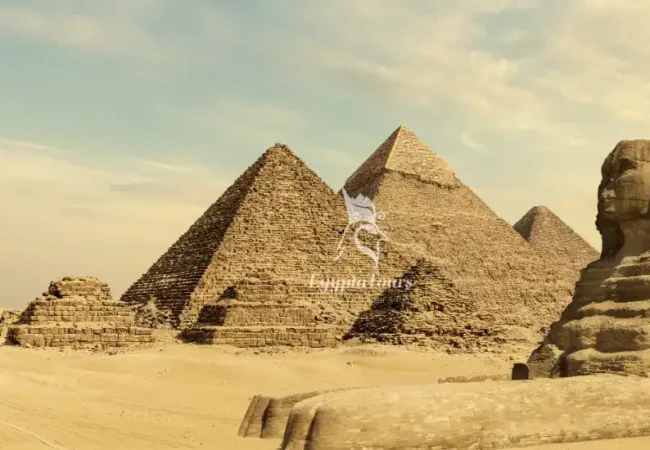
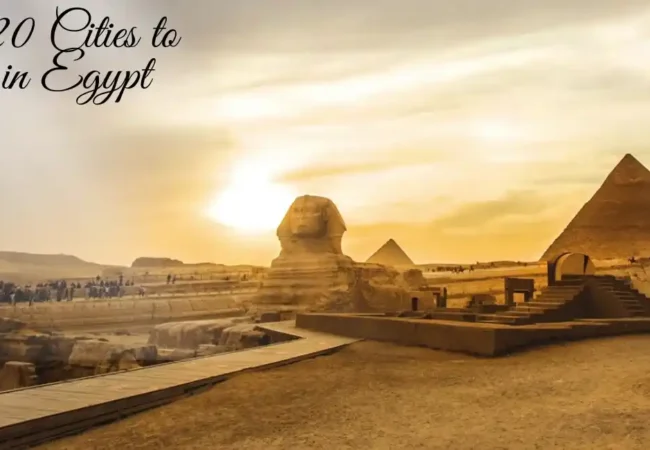
The Nile Valley in Egypt is the basis for building Egyptian temples and archaeological sites, most notably the pyramids. According to recent studies, a buried branch of the Nile River was discovered next to the pyramids. It was used as a waterway to transport building materials from the south to the north on boats via the river, such as huge stones and logs.

How did the Nile help the Ancient Egyptians to Settle?

The presence of the Nile Valley in Egypt helped the ancient Egyptians to settle on its banks, enabling them to:

  • Achieve social and economic development through agriculture and trade.
  • Practice river sports on the banks of the Nile Valley.
  • Perform religious rituals in the Nile River according to their religious beliefs.

Thus, the Nile River contributed to providing all the requirements of life for the ancient Egyptians, which helped in the emergence of the ancient Egyptian civilization.

The Nile Valley as a Contemporary Tourist and Cultural Destination

The-Nile-Valley-as-a-Contemporary-Tourist-and-Cultural-Destination-EgyptaTours

The-Nile-Valley-as-a-Contemporary-Tourist-and-Cultural-Destination-EgyptaTours

The banks of the Nile Valley are like an open-air museum as they include a number of tourist attractions such as:

Conclusion

The Nile Valley in Egypt is the country’s lifeline and one of the pillars that helped build the ancient Egyptian civilization. Its fertile soil contributed to the prosperity of agriculture, and it enabled the development of trade and transport. Thanks to it, the most important historical sites were built. In the present time, the Nile River has become a tourist and cultural destination that connects the past with the present.

FAQs

What is Nile Valley best known for?

It is the main source of agriculture and national income for Egypt, in addition to containing a number of archaeological sites of the ancient Egyptian civilization.

What are 5 facts about the Nile river?

The Nile is the longest river in the world, passes through 11 countries, has two main tributaries (the White Nile and the Blue Nile), is characterized by great biodiversity, and was the basis of ancient Egyptian civilization.

Why was the Nile Valley so important to Egypt?

The Nile Valley in Egypt was important for being the source of water and agriculture, in addition to being a main route for transport and trade.

What food did they grow in the Nile Valley?

The ancient Egyptians grew wheat, barley, garlic, onions, lentils, and beans.

Can you swim in the Nile river?

Swimming in the Nile River is not recommended due to some risks such as parasitic diseases and strong water currents.

Are there crocodiles in the Nile river?

Yes, there are crocodiles in the Nile River in Egypt, specifically in the southern regions such as Aswan and Lake Nasser.

Is the Nile freshwater or saltwater?

The Nile River is a freshwater river, as it originates from freshwater lakes in central Africa.

Picture of ET Team

ET Team

EgyptaTours is dedicated to transforming ordinary vacations into extraordinary, immersive journeys that unlock the rich history, vibrant culture, and timeless mysteries of ancient Egypt. Our premier team comprises certified private Egyptologists, seasoned local experts, and dedicated travel consultants who bring decades of combined on-the-ground expertise to every custom itinerary. Built on a foundation of trust, transparent pricing, and historical accuracy, we provide travelers with meticulously curated, up-to-date insights into Egypt’s most iconic monuments and hidden gems. Specializing in fully bespoke travel experiences—including luxury Egypt tours, customized Nile River cruises, private day excursions, and tailored multi-city adventures—EgyptaTours designs every detail entirely around your unique pacing and desires. Recognized for our handpicked heritage accommodations and unparalleled commitment to traveler satisfaction, we consistently deliver transformative, world-class experiences that set the gold standard for travel in Egypt.

Discover Egypt’s Hidden Elegance

Step beyond the crowds. Enjoy VIP access to the Pyramids at dawn and curated cultural encounters along the Nile, designed entirely around your personal travel style.

The Most Selected Egypt Tours

Confidently choose your perfect Egyptian adventure from our selection of trusted, expert-curated tours.

Egypt Travel Packages
Egypt Tours Including Abu Simbel
Egypt Tours include Red Sea
Egypt Travel Packages
WHY CHOOSE US

Why Travel With EgyptaTours

Unlock the true wonders of Egypt with confidence. We combine expert local knowledge, seamless logistics, and round-the-clock support to deliver flawless, responsible, and unforgettable travel experiences.

Safety & Security
Experience complete peace of mind on your travels with our rigorous safety standards, utilizing modern vehicles and constant support for a secure journey
Customizable Package
Craft your perfect holiday itinerary seamlessly with our dedicated travel experts, adapting every single detail and preference for a truly customized, flawless experience
24/7 Support
Travel with ultimate confidence alongside our round-the-clock support team, managing every detail and request instantly for a truly seamless and hassle-free vacation
Local Guided Tours
Uncover the authentic secrets of the pharaohs with our professional Egyptologists, providing profound insights and engaging narratives for a truly enriching journey
Premium Accommodations
Rest easy in carefully selected hotels and luxury Nile cruises that guarantee top-tier comfort and authentic hospitality.
Effortless Transfers
Travel seamlessly between Cairo, Luxor, Aswan, and the Red Sea in modern, air-conditioned vehicles with professional drivers.
Top Left Tour Image Bottom Right Tour Image
The EgyptaTours Promise.

Plan Your Egyptian Adventure with Total Confidence
We handle the complex logistics so you can focus on the experience. From the moment you book until the day you return, enjoy flexible payments, secure reservations, and unwavering support every step of the way

Read Our Payment Policy

Book Now, Pay Later

Secure your spot today and manage your budget effortlessly with our convenient payment plans.

Instant Confirmation

Lock in your ideal itinerary instantly through our highly protected and seamless checkout process.

Round-the-Clock Care

Whether it’s a late-night inquiry or on-trip assistance, our local experts are always on standby.

Trusted by Travelers

Rely on our proven track record of delivering flawless, award-winning adventures across Egypt.

Inside The Journey: Watch Real Traveler Stories Before You Go

Video Cover

American Couple Review

Avatar
EgyptaTours
Verified Review
Video Cover

A Great Review about EgyptaTours

Avatar
EgyptaTours
Verified Review
Video Cover

Greek Friends Review

Avatar
EgyptaTours
Verified Review
Video Cover

Turkish Group New Review !

Avatar
EgyptaTours
Verified Review
Video Cover

New EgyptaTours Review

Avatar
EgyptaTours
Verified Review
Video Cover

New Couple Reviews

Avatar
EgyptaTours
Verified Review
Video Cover

Family Review For EgyptaTours

Avatar
EgyptaTours
Verified Review
Reviews

Hear From Those Who Lived The Egyptian Dream With Us

Our Partners

Brands Aligned With Our Standard Of Excellence

Partner Logo
Partner Logo
Partner Logo
Partner Logo
Partner Logo
Partner Logo
Partner Logo
Partner Logo
Partner Logo