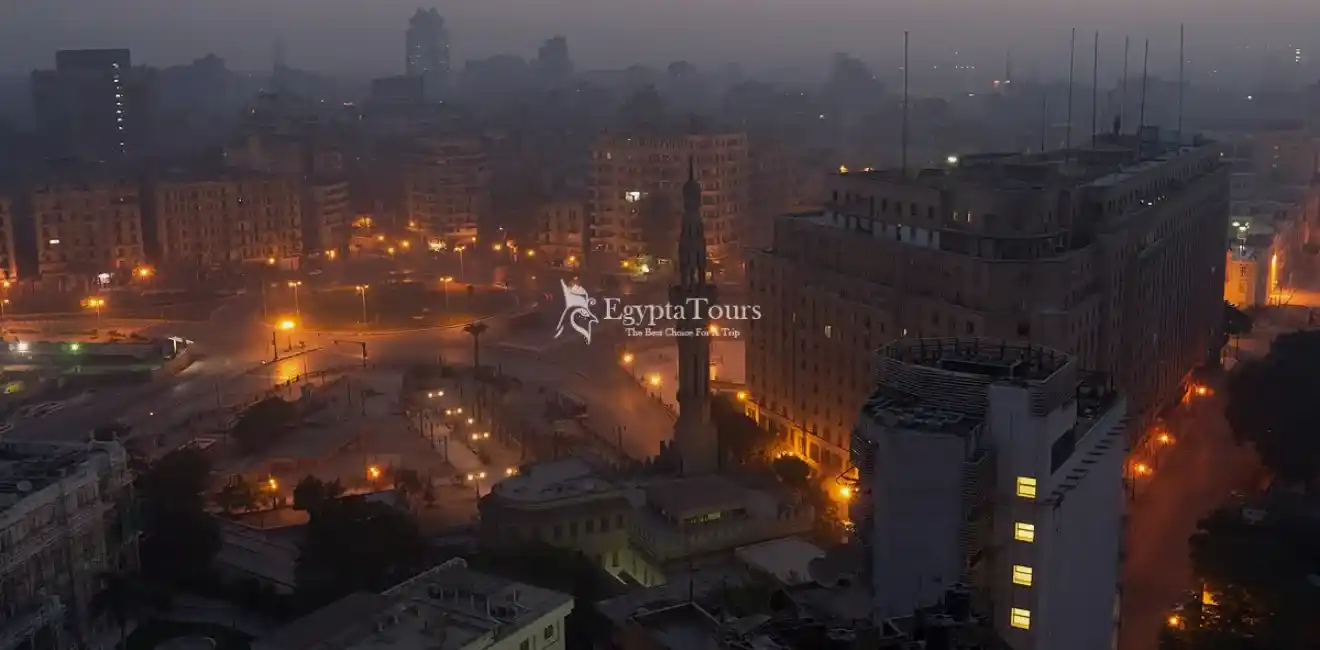
Tahrir Square, also known as Martyrs’ Square, is a public square located in the heart of Cairo, Egypt’s capital. It was first established in 1867 and has historically been a central place for political demonstrations. The Egyptian Revolution of 1919 and the 2011 Egyptian Revolution both partly took place in Tahrir Square.
Tahrir Square is the largest square in Cairo. When it was first created, it was called Ismailia Square, named after Khedive Ismail. Later, it was renamed Tahrir Square to commemorate Egypt’s liberation from colonial rule during the 1919 Revolution, and the name was officially confirmed after the July 23, 1952 Revolution.
The square was inspired by Paris’s Place Charles de Gaulle, which features the Arc de Triomphe.
Khedive Ismail had a strong admiration for Paris and wanted to redesign Cairo along similar lines, including a square modeled after the Champs-Élysées. As a result, Khedivial Cairo was built with streets converging at a large central square called Ismailia Square, which was later renamed Tahrir Square.
The History of Tahrir Square
The -History -of -Tahrir -Square
Tahrir Square was initially known as Ismailia Square, named after Khedive Ismail, the ruler of Egypt in the nineteenth century, who established a new district in central Cairo inspired by the French capital, Paris, and the project was at the time called “Paris on the Nile.” After the 1919 revolution, the square became popularly known as Tahrir Square, reflecting the idea of freedom and resistance among the Egyptian people.
In 1933, King Fuad I, the son of Khedive Ismail, officially renamed the square to Khedive Ismail Square. Before the end of his reign in 1936, a circular square with a central garden was created, making it a prominent center in the heart of Cairo. During the reign of his successor,
King Farouk, a base was erected in the center of the square where a statue of Khedive Ismail was planned, but the statue was never installed. In 1953, following the 1952 revolution that ended the constitutional monarchy and established the republic, the square was officially renamed Tahrir Square.
The design of the square is inspired by Paris’ Charles de Gaulle Square, which features the Arc de Triomphe, reflecting Khedive Ismail’s love for Paris and his desire to make Cairo similar, with wide streets and grand squares akin to the Champs-Élysées.
The square became a symbol of the Egyptian people’s freedom and resilience, witnessing numerous confrontations between protesters and security forces over the years. These include the events of the 1919 revolution, the 1935 demonstrations against the British occupation,
the Bread Uprising in January 1977, and the January 25 Revolution in 2011, which ended with the overthrow of President Hosni Mubarak’s regime. On January 28, 2011, millions of Egyptians gathered in the square demanding Mubarak’s resignation, using it as the headquarters for their protests until the Vice President officially announced on the evening of February 11, 2011,
that Mubarak had stepped down. The Supreme Council of the Armed Forces then temporarily took over the country’s affairs. After Mubarak’s resignation, protesters cleaned the square and continued to occupy it until the fall of Ahmed Shafik’s government in March 2011.
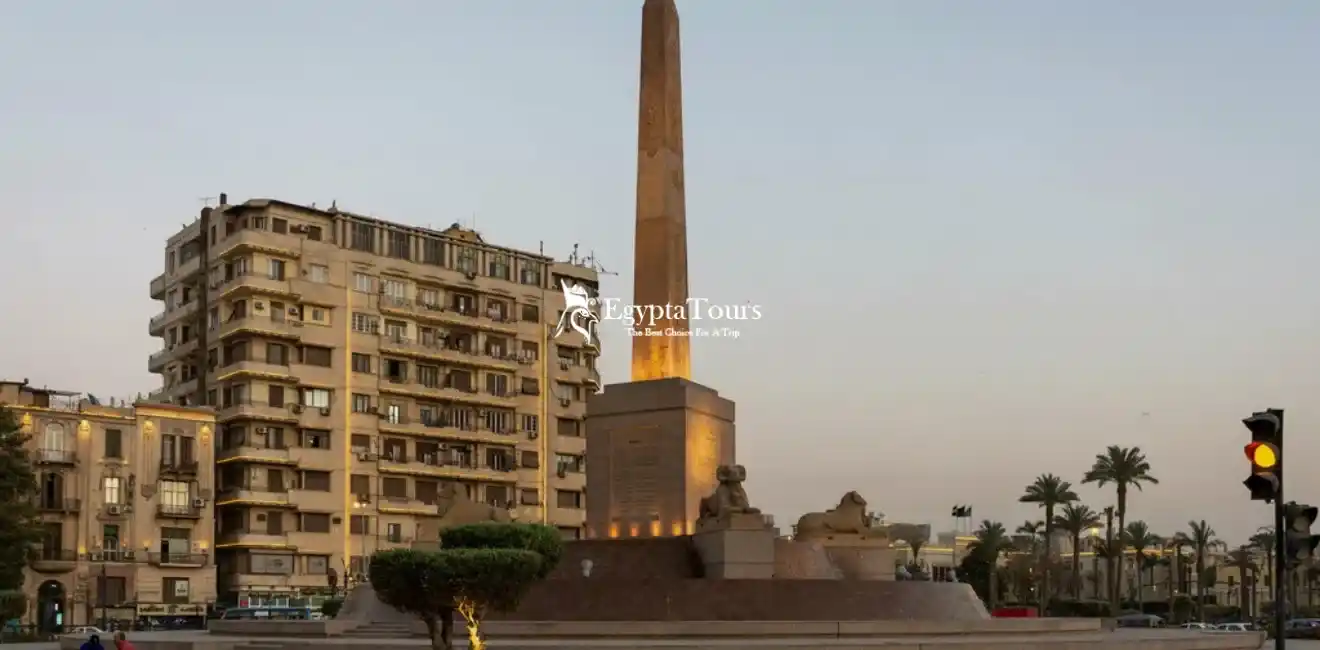
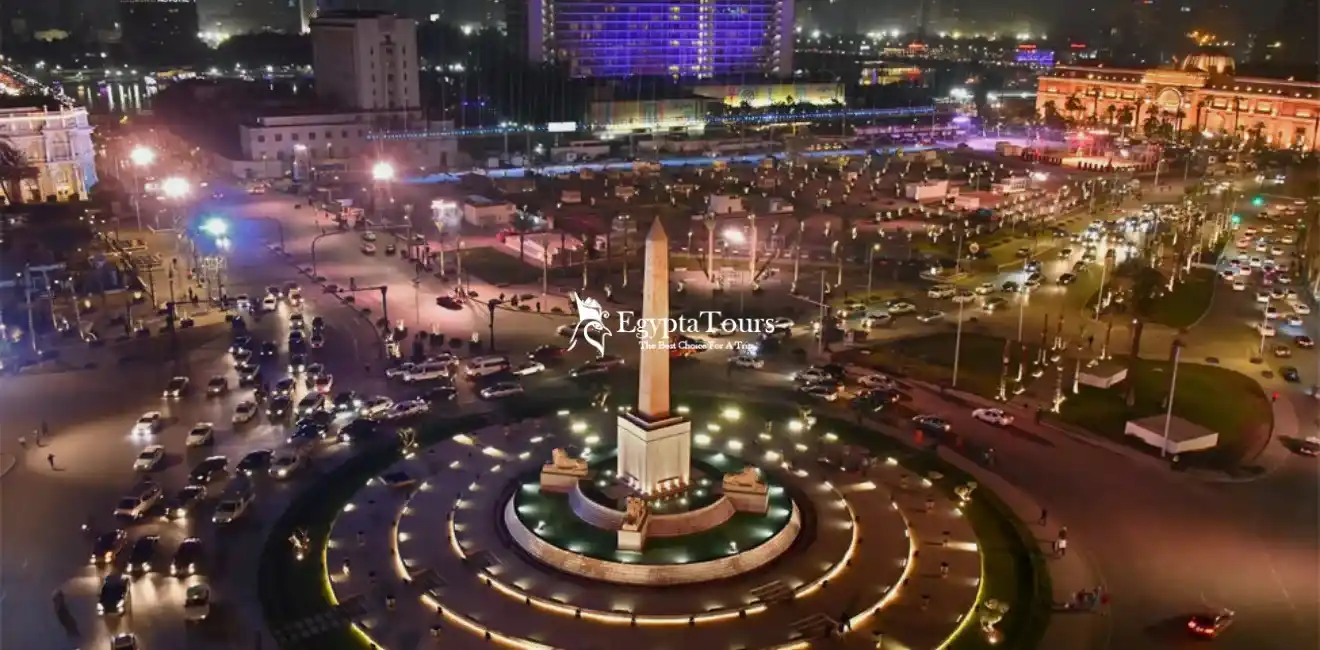
In recent years, the square underwent a complete renovation, with a Pharaonic obelisk transferred from Luxor to its center, in addition to four sphinx statues from the Avenue of Sphinxes connecting Luxor and Karnak Temples. The project was costly but completed in less than a year. In 1981, after the assassination of President Anwar Sadat,
the square was officially renamed Anwar Sadat Square, with plans to erect a statue of him; however, the name was never popularly used, and the base was eventually removed during the construction of the Sadat Metro Station in 1987.
Throughout history, the square has been a central point in all political events that modern Cairo witnessed—from colonialism to nationalism and independence. After the January 25 Revolution, it became a symbol of freedom and popular expression of rebellion,
but also a site capable of sparking conflicts and unrest. Surrounding the square are several historically important buildings, including the Cairo Tower from President Gamal Abdel Nasser’s era, the headquarters of the Arab League and the Egyptian Museum from Khedive Ismail’s era, as well as the National Democratic Party headquarters belonging to former President Mubarak, together forming a complete record of modern Egyptian history.
The reason that make tourists love Visiting Tahrir Square
The -reason- that- make -tourists -love -Visiting -Tahrir- Square
Tahrir Square is not just a historical site, it offers a lively experience full of energy and activities. Upon entering the square, you will feel the high energy surrounding you, the sound of horns, street vendors and continuous chatter among people creates a vibrant atmosphere.
One of the main tourist attractions in the square is the Egyptian Museum, which houses an impressive collection of ancient Egyptian artifacts including the treasures of Tutankhamun, intricate statues and beautifully adorned mummies. It is a paradise for history enthusiasts. Beyond history,
the square also offers a delightful experience for food lovers, with street foods like falafel and koshary, and the opportunity to enjoy traditional Egyptian tea or shisha at one of the cafes around the square.
Additionally, the square’s proximity to the Giza Pyramids makes visiting even more valuable, being in the heart of the capital while having quick access to one of the Seven Wonders of the World creates an unforgettable experience.
The Memories of Colonialism In Tahrir Square
During Khedive Ismail’s rule, European influences peaked in urban planning, as he sought to emulate Western cities after visiting Paris. His project to build a new district, later named Ismailia Square, was part of his plan to modernize Cairo and strengthen his political legitimacy.
Over time, the square became associated with colonialism, as Jehan Selim noted in her book Between Order and Modernity: Revival Planning in Revolutionary Egypt, due to the British forces’ seizure of Nile Palace barracks during their occupation of Egypt in 1882.
In the early twentieth century, the square began to take its current form after the creation of a circular plaza to facilitate traffic flow, followed by the construction of the Arab League headquarters during King Farouk’s reign.
The square remained associated with rebellion and resistance, as noted by Nizar El-Sayed in his book Cairo: Histories of a City, witnessing the first protest against British presence in Egypt and colonial architecture,
which resulted in the death of about twenty people by February 11, 1946. Other protests led to the Great Cairo Fire on January 26, 1952, which damaged several buildings, a scene that repeated itself in 2011 when Egyptians protested against Hosni Mubarak’s government. According to Mohamed El-Shahed in his book Cairo Since 1900, the fire marked the end of one phase and the beginning of a rebellion against colonial architecture with its commercial and entertainment style.
From Ismailia Square to Tahrir Square
After Gamal Abdel Nasser came to power, the new government decided to rename the square Tahrir Square, symbolizing the departure of the British from Egypt. According to Nasr Rabat, the square evolved to reflect the changing political ideology of the government after the revolution and became a symbol of Egypt’s liberation.
The Renovation of Tahrir Square
The renovation of the square was completed between 2019 and 2020, transforming the historic site into an open-air museum containing ancient Egyptian artifacts. A new monument was erected in the center, including a Pharaonic obelisk from the era of Ramses II, discovered in San El-Hagar in 2019, along with four sphinx statues with ram heads transferred from Karnak Temple.
The relocation drew criticism from some archaeologists, who warned of the impact of pollution and heat on the sandstone statues. Some critics also argued that the creation of the new monument reflects an attempt to tighten state control over the public space and erase the memory of the 2011 revolution.
The square was divided into six main areas, including the central circle, the Egyptian Museum, Omar Makram Mosque area, the Tahrir Government Complex, the old Ministry of Foreign Affairs building, and the underground Tahrir Garage.
All surrounding building facades were repainted in harmonious colors, and the shopfronts were redesigned to suit the historical character. A new lighting system with approximately 10,000 units was installed. Green spaces were added, including palm and olive trees, marble benches, and new pedestrian walkways. Installing the 100-ton obelisk required extensive excavation to secure it above the roof of Sadat Metro Station.
Royal Mummies Parade in tahrir square
On April 3, 2021, the square had a grand parade in which 22 royal mummies were transferred from the Egyptian Museum to the National Museum of Egyptian Civilization; that event drew attention from both Egyptians and tourists alike.
The suitable activities for kids at tahrir square
The -suitable -activities -for- kids -at -tahrir -square
Tahrir Square is a great chance for an amazing trip that the entire family can enjoy. Situated in the center of Cairo, Tahrir Square is not only famous for its history, but it is also full of lively attractions suitable for families. In this guide, we will introduce you to some of the best places and activities that you and your kids can enjoy around Tahrir Square.
The Egyptian Museum
At this amazing museum you will discover Egypt’s great civilization. The museum has thousands of artifacts making it a true treasure house of ancient history. Your children will be amazed by the mummies, statues and detailed jewelry as they learn about Egypt’s fascinating past in an enjoyable way.
Experience a Felucca Ride on the Nile
You can take a break from the busy city and board a traditional wooden sailboat called a felucca for a peaceful journey along the great Nile River. Enjoy the soft breeze as you sail beneath historic bridges and pass famous landmarks such as the Cairo Opera House and Cairo Tower. This relaxing trip offers a special view of the city while giving your kids time to rest and enjoy the calm surroundings.
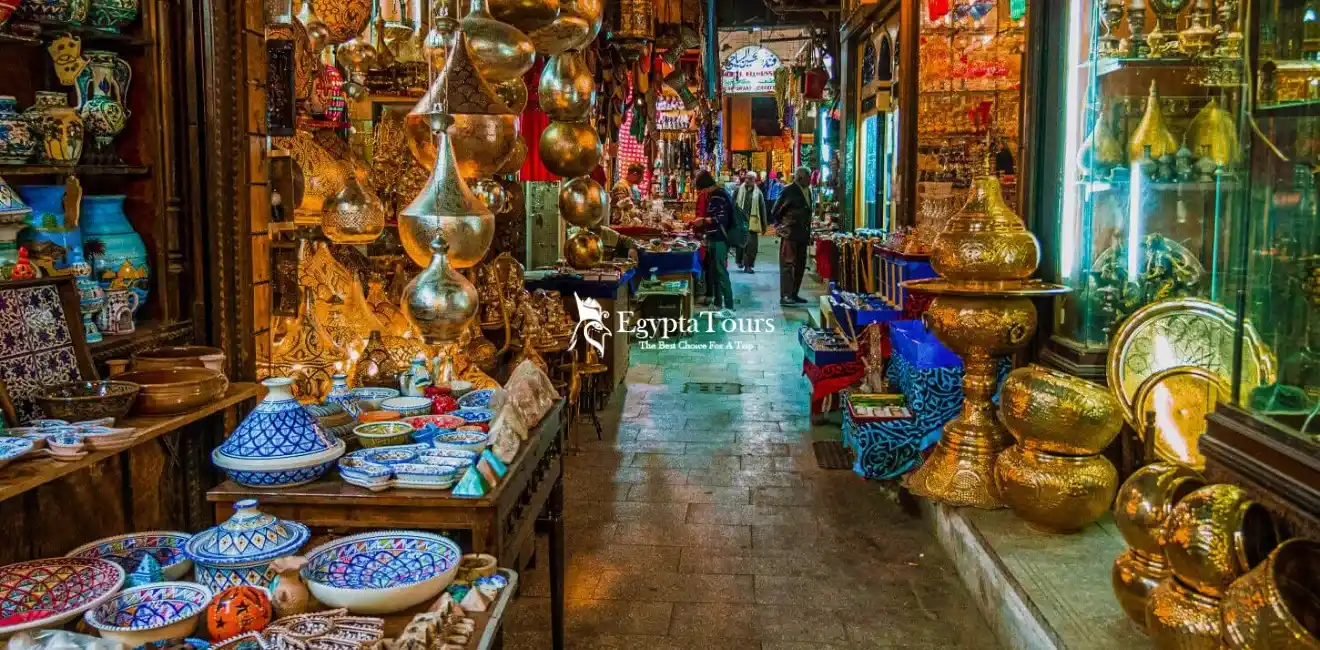
Khan El Khalili Bazaar
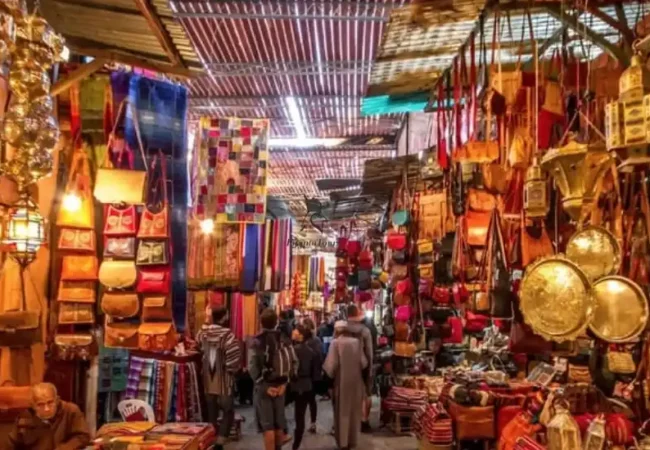
Enjoy a shopping experience at the lively Khan El Khalili Bazaar. This energetic market is a wonderful place to introduce your children to the art of haggling and bargaining. Let them admire the bright stalls filled with spices, ornaments, handicrafts, and souvenirs. Be sure to taste some local street food and enjoy the energetic atmosphere as you explore the narrow streets of this historic market.
Dinner cruise
Turn your family evening into a memorable event with a dinner cruise on the Nile River. Step onto a grand riverboat and enjoy a delicious buffet dinner while watching live traditional Egyptian music and folklore shows. Sail along the river and admire the sparkling lights of Cairo’s skyline and famous landmarks. This magical experience will leave unforgettable memories for you and your children.
Enjoy the Sound and Light Show at the Pyramids
A trip to Cairo would not be complete without attending the stunning Sound and Light Show at the Pyramids of Giza. Take your family on a journey through time as the pyramids are illuminated with impressive light displays and stories of ancient Egyptian history. This exciting show is both informative and fun, helping your children better understand Egypt’s great civilization.
Spend a nice time at the Creativity Center
Spend a full day exploring and learning at the Children’s Civilization and Creativity Center. This interactive museum provides many hands-on exhibits and activities created especially for children. From archaeological digs and art workshops to science experiments and puppet shows, your young explorers will stay engaged and entertained while learning at this special destination.
Tahrir Square Park
Pause your sightseeing and allow your children to release their energy at Tahrir Square Park. This wide green space offers a refreshing escape from the busy city life. Let them play freely, enjoy the playgrounds and have a picnic while you relax and take in the lively surroundings. It is an ideal place for meaningful family time in the heart of a historic area.
The Symbolism of tahrir square
Tahrir Square represents a strong symbol of the freedom of peoples and their ability to stand firm. Over many years, it has witnessed numerous confrontations between protesters and security forces. The events of the 1919 Revolution began there, and demonstrations against the British occupation took place in the square in 1935.
The square also witnessed the Bread Riots on January 18 and 19, 1977. In addition, it played a major role in the January 25 Revolution in 2011, which ended with the fall of the ruling system of President Mohamed Hosni Mubarak. Since then, Tahrir Square has become a symbol for protesters, reflecting their struggle, freedom, and determination.
The Importance of Tahrir Square
Tahrir Square continued to hold political importance in Egypt after the January 25 Revolution. It remained a place for gatherings and for expressing different causes, including hosting a tent that supported the Syrian revolution for a long period.
Although Tahrir Square is one of the largest and most famous squares in Cairo, it is not considered the most important in terms of services and transportation. Ramses Square is considered more important because it contains Ramses Railway Station, as well as the largest transportation hub in the capital,
with many transport routes branching from it. Al-Ataba Square also comes before Tahrir Square in importance, as it is considered the main commercial center in Cairo.
The Best Time to Visit Tahrir Square
Cairo is the official capital of the Arab Republic of Egypt. It is the largest city in Africa and the Middle East, and one of the most densely populated cities in the world, with a population of about 16 million people. The Nile River passes through the city,
giving it a special geographic location. Cairo includes many Islamic monuments dating back to the Middle Ages, as well as ancient Pharaonic monuments such as the pyramids and others. In the center of the city lies the wide Tahrir Square, where many tourist activities take place. Cairo also contains the Egyptian Museum, which houses a large collection of ancient artifacts, and it is the headquarters of the Arab League.
The Climate in Cairo
Cairo has a long, hot, and humid summer, while the winter is cold and dry. Temperatures throughout the year range between 10°C and 35.5°C. Below is an explanation of the weather in Cairo during the four seasons:
Winter:
Winter in Cairo starts in December and lasts until February. The weather is generally mild, with temperatures reaching around 20°C in higher areas. With cold air masses coming from Eastern Europe, temperatures may drop to 5°C. Rainfall during this season is rare.
Summer:
Summer begins in mid-May and continues until September. The weather is very hot and humid. Temperatures and humidity rise gradually and reach their highest levels in August, which is the hottest and most humid month of the year.
Autumn:
Autumn starts in mid-September and lasts until November. At the beginning of the season, the weather is hot, then temperatures gradually decrease, becoming warm and pleasant by November.
Spring:
Spring extends from March until mid-May. The weather is sunny and warm and temperatures may rise on some days to become relatively hot. In the evening, the weather becomes cool, especially during the first half of March.
Best Time to Visit
The best time to visit Cairo is from October to April when the weather is mild and warm, and temperatures are suitable for tourism, moving around the city and enjoying different activities as well as visiting the archaeological sites spread throughout the city and the surrounding desert areas.
You should take into consideration the celebrations and festivals that are held in Tahrir Square so you can choose the time that suits you best. There are festivals for theater and films, as well as concerts by singers that take place in the square. In addition, there are performances at the Opera House and open exhibitions. You should also keep in mind the level of crowding when planning your visit.
Things to see and do at Tahrir Square
Things- to- see -and- do- at -Tahrir -Square
Discover the Spirit of Liberation Square
Tahrir Square, which is also called Liberation Square, was a central location during Egypt’s 2011 revolution. Walk through history as you stand in the same place where millions of Egyptians gathered, symbolizing hope, strength and the desire for freedom. Take in the atmosphere of this historic square and reflect on the deep meaning it carries for the Egyptian people.
Go on a Shopping Adventure
After experiencing the historical atmosphere of Tahrir Square, explore the lively shopping areas around it. Wander through the busy streets and enjoy the energetic environment of nearby markets like Khan El Khalili Bazaar. Delight in discovering genuine Egyptian handicrafts, spices, jewelry and traditional clothing. Remember to bargain and try to get the best deal.
Taste Egyptian Food Specialties
A trip to Cairo is not complete without trying Egyptian food, and Tahrir Square is a great place to do so. Enjoy a wide variety of tasty street food options. From delicious koshary, a rich combination of rice, pasta, lentils and different sauces, to crispy falafel, fresh bread and fragrant teas. Follow the tempting smells and let them lead you to a wonderful food experience.
Take a Peaceful Walk in Qasr El-Nil Park
Step away from the noise and activity for a calm break inside Tahrir Square at Qasr El-Nil Park. This green space provides a relaxing escape within the city. Enjoy the peaceful setting, have a picnic on the fresh green grass, or simply sit and watch people pass by. Qasr El-Nil Park offers a refreshing contrast to the lively atmosphere of Tahrir Square.
Discover the Beauty of the Nile Corniche
The Nile Corniche, a grand walkway beside the magnificent River Nile, is located very close to Tahrir Square. Enjoy a slow walk along the river and take in the stunning wide views. Watch the busy river movement, the feluccas sailing smoothly across the water, and the beautiful sunset spreading golden light over the city. Let the gentle flow of the Nile bring you a sense of peace.
The top attractions near Tahrir Square
The -top- attractions- near -Tahrir -Square
the Egyptian Museum
One of the most famous places near Tahrir Square is the Egyptian Museum. Located only a short walk away, this internationally known museum contains an impressive collection of ancient Egyptian artifacts and treasures. From the famous golden mask of King Tutankhamun to mummies and hieroglyphics, the Egyptian Museum provides an exciting look into Egypt’s long history. Be sure to explore its winding halls and discover the wonders of this ancient civilization.
the Cairo Opera House
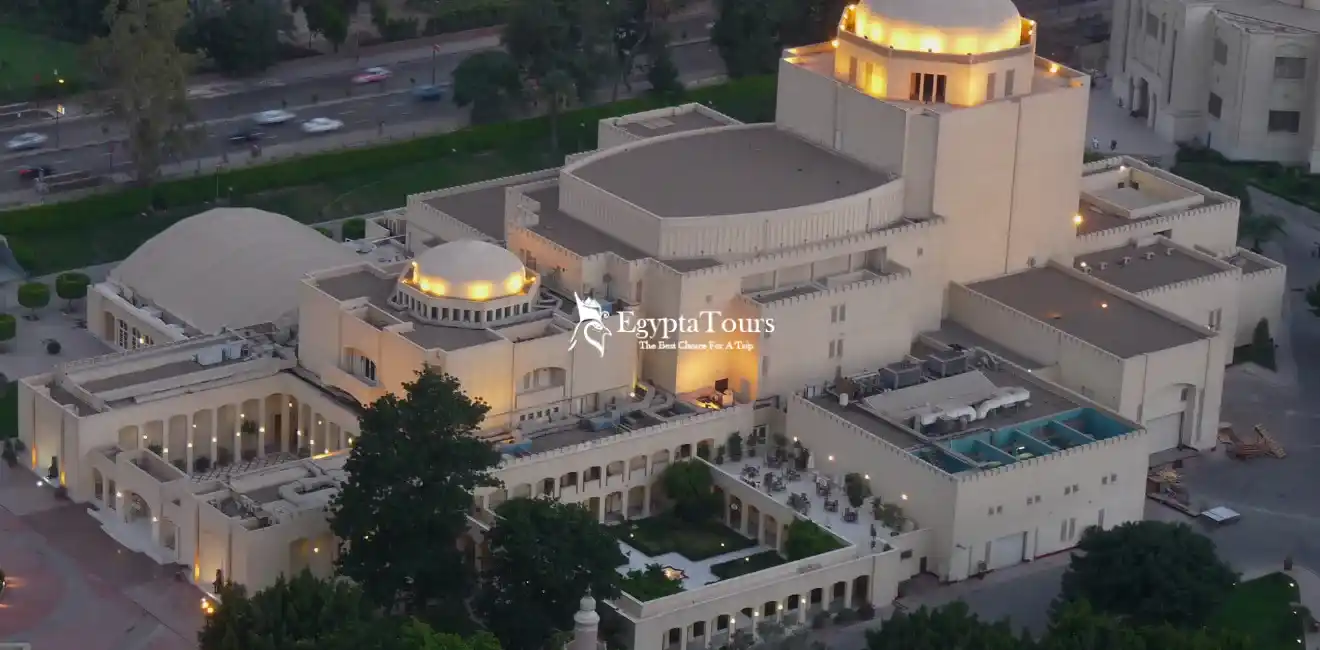
For visitors interested in modern culture, the Cairo Opera House is another important site close to Tahrir Square. This magnificent venue presents many types of performances, including opera, ballet, orchestral music and theater shows. Whether you love the arts or simply want to enjoy a performance, the Cairo Opera House always delivers an impressive experience. Take a seat and enjoy the skill and enthusiasm of the artists.
the Arab League Headquarters
If you are interested in architecture, the Arab League Headquarters is worth seeing. Created by Egyptian architect Sayed Karim, this remarkable building stands near Tahrir Square and serves as the main meeting place of the Arab League, an organization representing Arab countries. With its modern design and tall structure, the Arab League Headquarters reflects contemporary Egyptian architecture. Walk around the building and admire its clean lines and creative design.
Al-Azhar Park
For a slower and calmer experience, visit Al-Azhar Park, a peaceful green area within the busy city. Situated not far from Tahrir Square, this beautifully designed park offers a relaxing escape from Cairo’s fast pace. As you walk along its winding paths, you will enjoy beautiful views of historic Islamic Cairo and the tall minarets of Al-Azhar Mosque. Bring food for a picnic on the grass or simply enjoy the quiet atmosphere.
The Ramses II obelisk
The most noticeable landmark in Tahrir Square is the Ramses II obelisk. It was originally located at the ancient site of Tanis and was moved to the square in 2020. Today, it stands in the middle of the large roundabout that helps organize traffic in the area.
Statue of Umar Makram
To the north-east of the square, you can see a statue of Umar Makram, who was a leader of the Egyptian resistance against the French invasion led by Napoleon in 1798. Behind the statue is the mosque named after him. This mosque was designed by the well-known Italian architect Mario Rossi, who was one of the most important designers of Islamic-style buildings in the 20th century.
Food enthusiasts will also find plenty to enjoy as Tahrir Square and nearby areas are full of excellent dining options. From simple street food stands to elegant restaurants, there is something for every taste. Enjoy traditional Egyptian meals such as koshari, a tasty mix of pasta, rice, lentils and chickpeas or try flavorful kebabs and fragrant falafel. Complete your meal with a fresh fruit juice or a cup of classic Egyptian tea.
Where to Eat Near Tahrir Square

Where- to -Eat- Near -Tahrir- Square
Even though Egyptian food is not always considered the best in the Middle East, Cairo is a large international city with many dining choices. There are plenty of places offering different types of food near Tahrir Square. Here are some suggestions.
- Koshary Abou Tarek is a well-known family restaurant and an important place in central Cairo. It has three floors and bright neon lights covering the front of the building, making it very easy to notice. The restaurant serves only one dish, which is the traditional koshary, made from a mix of vegetables with rice or pasta.
- Fasahet Somaya offers homemade food and is located very close to Tahrir Square. The restaurant is named after its friendly owner. There is no fixed menu, as the dishes change every day depending on what fresh ingredients are available in the market.
- Birdcage is a restaurant that focuses on Thai food. Here, you can try popular Thai dishes made in a traditional way. However, the food can be quite spicy, as the restaurant aims to keep the flavors authentic.
- Zitouni is often considered one of the best restaurants in Cairo. Its menu includes a mix of Egyptian dishes as well as other Middle Eastern and Mediterranean foods.
The best places to Stay in Near Tahrir Square
The Barceló Cairo Pyramids hotel is located on Pyramids Avenue, also known as Sharia Al Haram. It is about 4 kilometers away from the Giza Plateau, where the famous Pyramids are located. This hotel is a good choice for visitors who want to explore both the ancient history of Egypt and the modern life of Cairo.
Since Tahrir Square is in the center of the city, the area around it offers accommodation for all preferences and budgets. You can find luxury hotels from well-known international chains as well as many hostels and guest houses for travelers looking for more affordable options.
The most important Safety Tips for Visiting Tahrir Square
Tahrir Square is a famous place that has played a major role in Egypt’s history and continues to attract visitors from all over the world. And like any busy city center, it is important to follow some safety tips to enjoy your visit comfortably.
Staying Aware of Your Surroundings
When visiting Tahrir Square, always stay alert. The area is usually crowded with many locals and tourists moving around. Pay attention to your surroundings, watch your belongings and avoid anything that seems suspicious. Being careful helps prevent problems.
It is more safety to Travel in Groups
Exploring Tahrir Square with others can improve safety. Being with friends or family makes it easier to move through crowds and reduces the chance of pickpocketing or scams. It also makes the experience more enjoyable.
Dressing modestly
Dressing modestly is important for both cultural respect and personal comfort. Clothes that cover the shoulders and knees help you blend in and avoid unwanted attention. Respecting local customs makes your visit smoother.
Prioritize Daytime Exploration
Although Tahrir Square is active at night, daytime visits are often safer, especially for first-time visitors. Daylight makes it easier to see your surroundings and most nearby attractions are open during the day.
Reliable Transportation
Use trusted transportation options when traveling to and from Tahrir Square. Licensed taxis, ride-hailing apps and public transportation are safer choices and help you avoid problems.
Keep Valuables Secure
Avoid showing expensive items or carrying large amounts of cash. Keep your valuables close to your body and consider using a money belt or secure pouch. It is also helpful to keep digital copies of important documents.
Stay Informed
Before visiting, check current news and travel advice. Staying updated helps you avoid unexpected situations and make better decisions during your trip.
Interact with Locals
While staying cautious, feel free to talk with friendly locals. Egyptians are often happy to help and share advice. Always trust your instincts when meeting new people.
Don’t Fall for Scams
Be aware of common tourist scams such as overpricing or fake guides. If something seems suspicious or too good to be true, it is best to avoid it.
Emergency Preparedness
Save local emergency numbers on your phone and carry basic medical supplies. Knowing where nearby hospitals are and keeping your travel insurance details available adds extra peace of mind.
FAQs
What is the other name of Tahrir Square?
The other name of Tahrir Square is Martyrs’ Square.
In which year was Tahrir Square first established?
Tahrir Square was first established in 1867.
What historical events took place in Tahrir Square?
Tahrir Square witnessed the Egyptian Revolution of 1919, the Egyptian Revolution of 2011, the 1935 demonstrations, and the Bread Uprising in 1977.
What was the original name of Tahrir Square when it was created?
The original name was Ismailia Square, named after Khedive Ismail.
Why was the square renamed Tahrir Square?
It was renamed to commemorate Egypt’s liberation from colonial rule during the 1919 Revolution, and the name was officially confirmed after the July 23, 1952 Revolution.
What inspired the design of Tahrir Square?
It was inspired by Paris’s Place Charles de Gaulle, which features the Arc de Triomphe.
What did Khedive Ismail do to make Cairo similar to Paris?
He wanted to create wide streets and a large central square, which became Ismailia Square, later renamed Tahrir Square.
What made Tahrir Square a symbol of freedom and resistance?
It witnessed many confrontations between protesters and security forces, including the 1919 Revolution, the 1935 demonstrations, the Bread Uprising of 1977, and the January 25 Revolution in 2011.
What are the most notable artifacts in the Egyptian Museum near the square?
The museum contains the treasures of Tutankhamun, intricate statues, and beautifully adorned mummies.
What activities are suitable for children at Tahrir Square?
Visiting the Egyptian Museum, riding a felucca on the Nile, shopping at Khan El Khalili Bazaar, enjoying a dinner cruise on the Nile, watching the Sound and Light Show at the Pyramids, visiting the Creativity Center for children, and spending time at Tahrir Square Park.
What recent renovations have taken place in the square?
A Pharaonic obelisk was moved from Luxor to the square, four sphinx statues were added, building facades were repainted, green spaces were created, and a modern lighting system was installed.
When did the Royal Mummies Parade take place in the square?
On April 3, 2021, 22 royal mummies were moved from the Egyptian Museum to the National Museum of Egyptian Civilization.
What is the importance of the square after the January 25 Revolution?
It became a symbol of freedom and popular expression, and a site for political gatherings, including support for the Syrian revolution.
What is the best time to visit Tahrir Square?
From October to April, when the weather is mild and warm, suitable for tourism and visiting archaeological sites.
What are the safety tips when visiting the square?
Stay aware of your surroundings, travel in groups, dress modestly, visit during the day, use reliable transportation, keep valuables secure, stay informed, interact carefully with locals and avoid scams.