


Blue Hole (Red Sea)
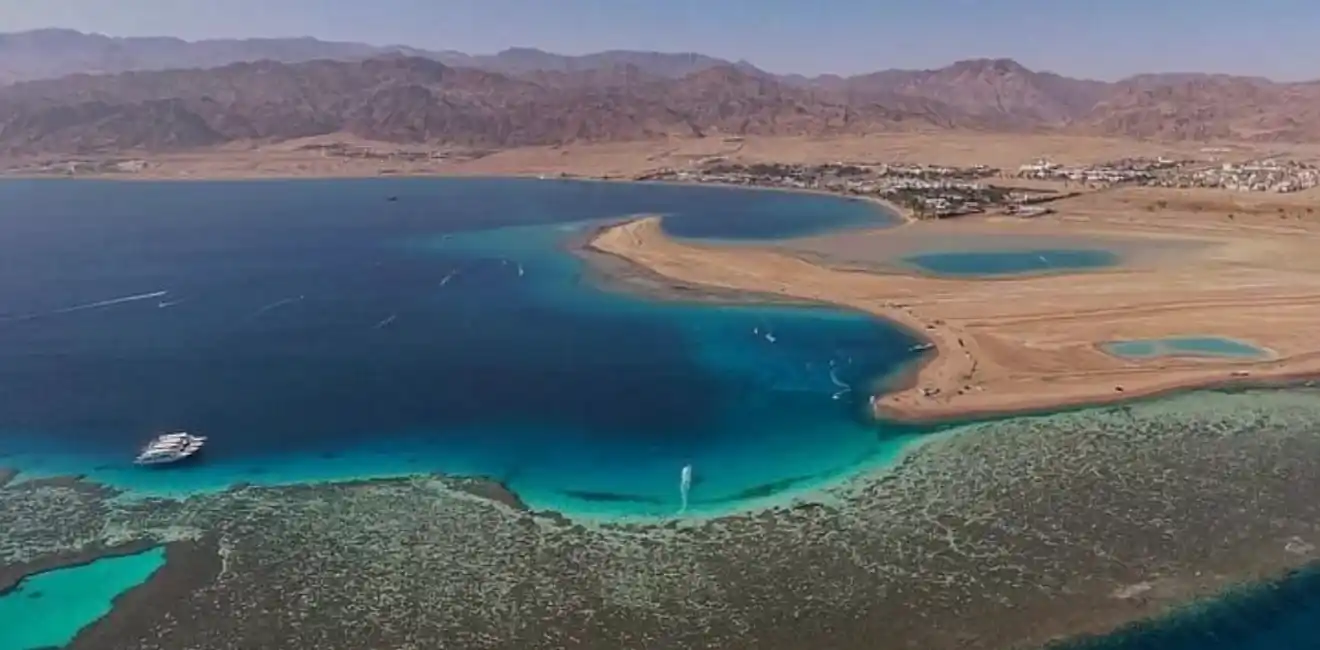
The Blue Hole (Red Sea), South Sinai, Egypt is one of the most famous diving spots in the Red Sea. It attracts many divers from all over the world who want to experience a special underwater adventure and see the amazing marine life. The Blue Hole is located a few kilometers north of Dahab and is known for its clear blue water and colorful coral reefs that are full of fish and other sea creatures.
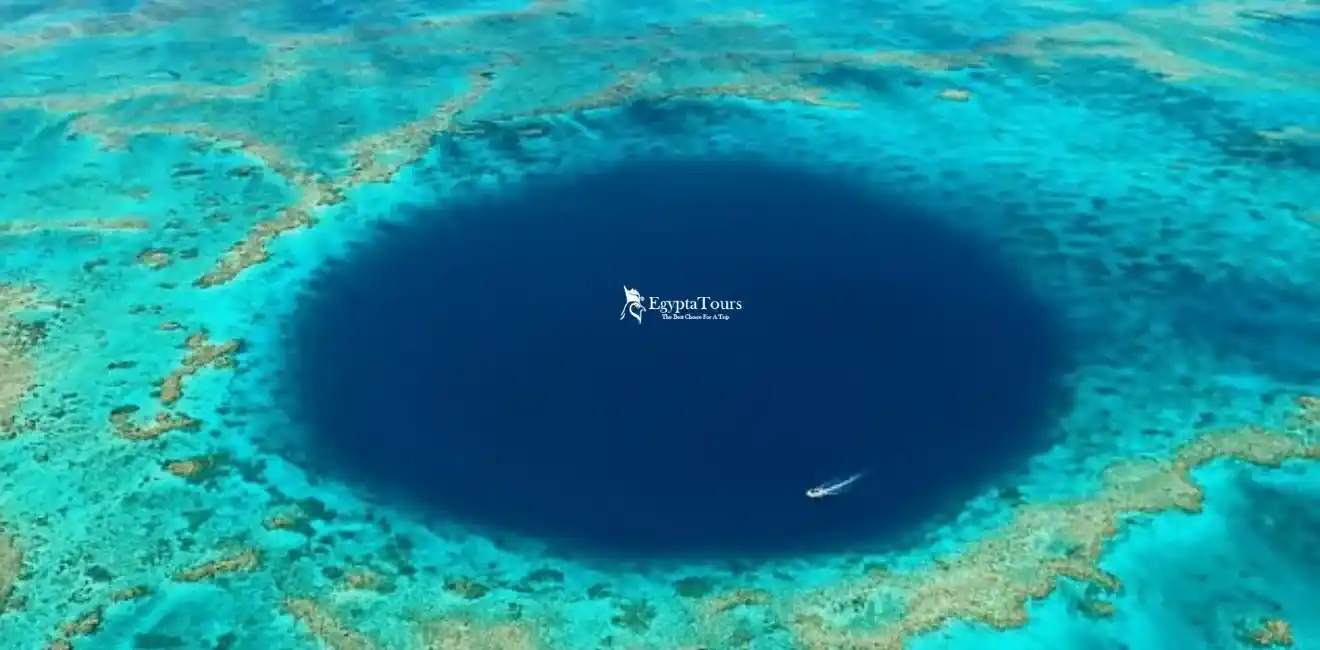
The Blue Hole is very unique because it is a deep underwater sinkhole. It goes down more than 100 meters below the sea surface. There is a shallow area called the “saddle” and a tunnel about 26 meters long called “the arch” that leads to the open sea. Many divers dream of exploring it because of its beauty and mystery.
Even though it is very beautiful, the Blue Hole is also one of the most dangerous diving places in the world. Many divers have lost their lives trying to pass through the arch or dive into the deep parts. This is why it is sometimes called the “Diver’s Cemetery.”
The -Blue- Hole -Red -Sea
The Blue Hole is a famous diving site in southeast Sinai, located a few kilometers north of Dahab on the Red Sea coast.
The Blue Hole is a deep blue underwater sinkhole. Its maximum depth is more than 100 meters. There is a shallow opening in the sea about 6 meters deep called the “saddle” and a 26-meter-long tunnel called the “arch”. The arch has a roof at a depth of 55 meters and the bottom slopes gradually to about 120 meters on the sea side. On the side facing the open sea, the bottom drops sharply to more than 1000 meters. The area around the Blue Hole is full of coral reefs and reef fish. It is very popular among freed divers because of the depth that can be reached directly from the shore and the lack of strong currents.
Despite its beauty, the Blue Hole is also known as one of the most dangerous diving sites in the world. Tarek Omar, a technical diver from Dahab who recovered bodies from the Blue Hole, estimated in 2012 that more than 130 divers had lost their lives there over the previous 15 years.
The Geography and Natural Features of the Blue Hole (Red Sea)

The- Geography -and -Natural -Features -of -the -Blue- Hole (Red- Sea)
The Blue Hole is located in a Bedouin village near Dahab. It was formed by the erosion of limestone rocks and reaches a depth of about 130 meters, connecting directly to the open sea. One of its main features is a shallow opening about six meters wide, forming a flat area called the saddle. The most famous part, however, is the arch, a tunnel about 30 meters long that connects to the open sea, with a drop reaching approximately 1200 meters.
The Blue Hole is home to a rich variety of marine life, including colorful tropical fish and stunning coral walls. Occasionally, sharks can be seen hiding in the caves formed in the rocks. Because of all these features, the Blue Hole is one of the most popular diving destinations in the world, but it is also the site with the highest number of diver fatalities due to strong currents and complex geological formations. Local legends say that the Bedouins never approached the Blue Hole because of the ghost of a young woman who drowned there while trying to escape a forced marriage.
The History and Geography of the Blue Hole (Red Sea)
The site gained international fame during the Israeli occupation of the Sinai Peninsula from the Six-Day War in 1967 until it was returned to Egypt under the Egypt-Israel Peace Treaty in 1979. In 1968, a group of Israeli divers led by Alex Shell were the first to explore the Blue Hole using modern diving equipment, and they discovered the underwater tunnel known as the arch.
Since 1982, the Blue Hole has become very busy, with most recreational divers visiting daily. Local diving centers take certified divers to depths of about 30 meters at sites like El Bells or from El Bells to the Blue Hole. The entry to El Bells is from the shore, a little away from the Blue Hole.
How to Reach the Blue Hole (Red Sea)
The Blue Hole is located about 20 minutes by car from Dahab. The roads are well marked because the area is one of the most popular diving destinations for tourists. Dahab itself is about 90 kilometers from Sharm El Sheikh, and several companies operate direct buses along this route, so it is easy to reach the Blue Hole from the main city on the Red Sea. Right next to the Blue Hole, there is a parking area that gives direct access to this underwater paradise.
The Diver Fatalities in the Blue Hole (Red Sea)

The- Diver- Fatalities -in- the- Blue- Hole- (Red- Sea)
The number of fatalities among divers in the Blue Hole is only an estimate, but anyone planning to dive there should remember that this site is not considered one of the most dangerous diving locations in the world without reason.
It is estimated that between 1997 and 2012, about 130 people lost their lives in the Blue Hole, averaging roughly eight deaths per year. Because diving here is highly risky, some fatalities also occurred among people who were snorkeling on the surface, which makes the exact cause of death unclear.
Most of the divers who died in the Blue Hole were highly trained technical divers, and many of them were diving instructors. To improve safety, the Egyptian Chamber for Diving and Water Sports has assigned a police officer at the Blue Hole to ensure that divers are accompanied by certified guides and follow safety procedures.
The Death of Yuri Lipski
One of the most famous fatalities in the Blue Hole was that of the Russian-Israeli diver Yuri Lipski, aged 22, who died on April 28, 2000. His death was recorded on the camera he carried during the dive, and the footage was recovered after his death, making it widely known among the global diving community.
The video shows Yuri making an uncontrolled descent to the bottom at a depth of 115 meters. It also shows him removing his breathing regulator while trying to adjust his buoyancy control device, but he failed to ascend. He was likely affected by nitrogen narcosis, which impaired his judgment and caused panic and confusion.
His body was recovered the next day by Tarek Omar, one of the world’s top deep divers, at the request of Yuri’s mother. Omar described his failed attempts to warn Yuri about the risks of this dive. The camera that Yuri used to record his dive was found on the seabed, and to Omar’s surprise, the footage showing his final moments was intact. This video became accessible to divers worldwide on YouTube, making it one of the most well-known diving fatalities.
The Blue Hole (Red Sea) Diver Cemetery
Families and friends of divers who died in the Blue Hole have placed memorial plaques on nearby rocks to honor their loved ones. Today, the area is considered a cemetery for divers, especially for those whose bodies were never recovered after their deaths.
Main Reasons for the High Number of Accidents in the Blue Hole
There are several main reasons why the Blue Hole has a high number of diving accidents.
- The popularity of the site attracts divers who sometimes lack the necessary skills and experience.
- Second, the easy access to the Blue Hole and the clear water make diving appear easier than it really is, which can give divers a false sense of security.
- Entering the arch is not easy because the path between the Blue Hole and the open sea is indirect. This can cause divers to go deeper than they intended.
- The arch tunnel looks shorter than it actually is because of the clear water, bright light, and few reference points. Its real length is 26 meters, but divers can easily misjudge it.
- Diving to such deep levels in the Blue Hole requires careful decompression stops to safely release pressure from the body. The deeper you go and the more effort you make, the faster you use your breathing gas.
- At these depths, there is also a risk of nitrogen narcosis which can affect a diver’s judgment and thinking.
- Some divers attempt to dive using only a single gas cylinder which can be very dangerous because the gas may run out before the dive is completed.
The Recommendations and Safety Tips for Diving in the Blue Hole (Red Sea)

The- Recommendations -and -Safety -Tips -for -Diving -in- the -Blue -Hole (Red -Sea)
– The first tip when diving in the Blue Hole is to be aware of your own abilities and limits. If you are not an experienced diver, it is better to hire a guide who can show you this amazing site safely. A guide can help you choose the right paths and times for your dive.
– Second, you need a valid open water diving certification to dive in the Blue Hole. Before diving, make sure you have all your equipment, including a good wetsuit, because the temperatures inside the Blue Hole can be very low, especially in winter.
– It is best not to dive alone, as currents can change the path. Having a dive buddy makes the experience safer and more enjoyable. Local guides usually organize dives for small groups, which is a great option if you want an amazing experience under the best conditions.
– Before you start, check the water and weather conditions and make sure all your equipment is ready and in good condition. Experts emphasize that while diving, you should respect the rich marine life in the Blue Hole and avoid taking anything from the bottom or touching the coral reefs, so that the site remains as magical as it is today.
The Area Surrounding the Blue Hole (Red Sea)

The -Area- Surrounding- the -Blue- Hole -(Red -Sea)
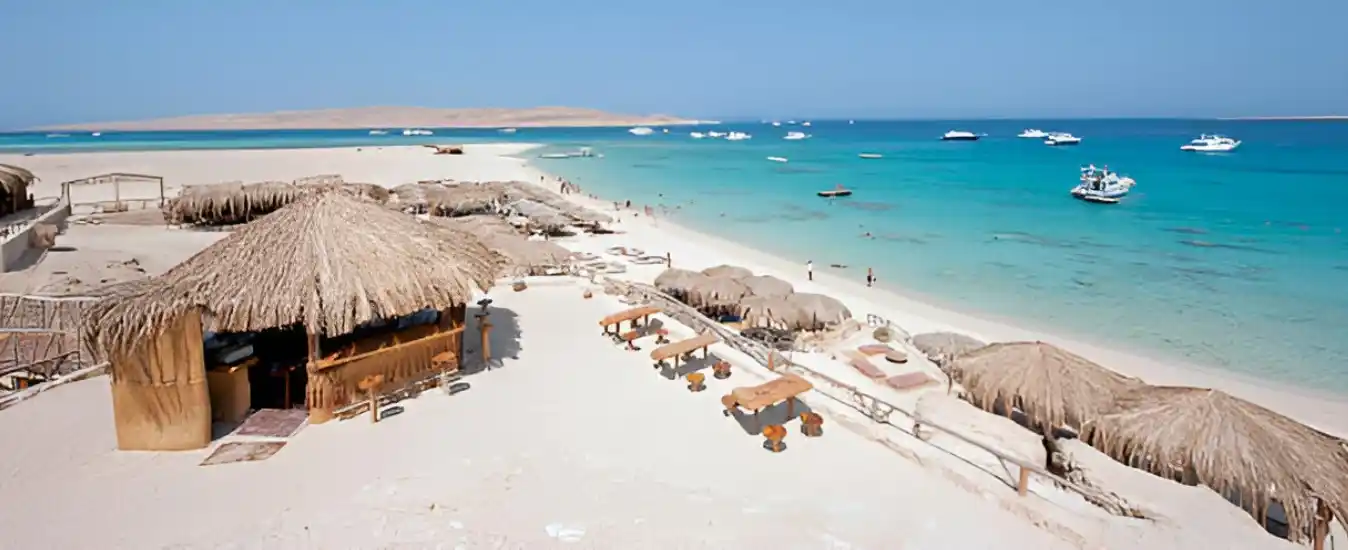
Around the Blue Hole in Dahab, you will find cafés, changing rooms, toilets, and small shops that rent diving equipment.
You can dive safely in the Blue Hole with an experienced guide, and even if you are a professional diver, you will find all the facilities you need to enjoy the dive safely and comfortably.
The Best Time to Visit the Blue Hole (Red Sea)

The -Best -Time- to -Visit- the- Blue- Hole- (Red -Sea)
The Blue Hole can be visited all year round, but the best time is during the transitional seasons, from March to May and from September to November. During these months, the air and water temperatures are moderate, making diving and exploring more comfortable.
Additionally, the number of visitors is usually lower during these periods so you can enjoy a quieter and more peaceful experience at this famous diving destination in Dahab on the Red Sea coast.
FAQs
What is the Blue Hole and why is it famous?
The Blue Hole (Red Sea), South Sinai, Egypt is one of the most famous diving spots in the Red Sea. It attracts many divers from all over the world who want to experience a special underwater adventure and see the amazing marine life.
Where is the Blue Hole located in relation to Dahab?
The Blue Hole is located a few kilometers north of Dahab and is known for its clear blue water and colorful coral reefs that are full of fish and other sea creatures.
How deep does the Blue Hole go?
It goes down more than 100 meters below the sea surface. On the side facing the open sea, the bottom drops sharply to more than 1000 meters.
What is the most famous part of the Blue Hole?
“There is a shallow area called the ‘saddle’ and a tunnel about 26 meters long called ‘the arch’ that leads to the open sea.”
Why is the Blue Hole sometimes called the ‘Diver’s Cemetery’?
Even though it is very beautiful, the Blue Hole is also one of the most dangerous diving places in the world. Many divers have lost their lives trying to pass through the arch or dive into the deep parts. This is why it is sometimes called the ‘Diver’s Cemetery.’
How many divers are estimated to have died in the Blue Hole between 1997 and 2012?
It is estimated that between 1997 and 2012, about 130 people lost their lives in the Blue Hole, averaging roughly eight deaths per year.
Who is the famous diver that died in the Blue Hole and had his death recorded?
One of the most famous fatalities in the Blue Hole was that of the Russian-Israeli diver Yuri Lipski, aged 22, who died on April 28, 2000. His death was recorded on the camera he carried during the dive, and the footage was recovered after his death, making it widely known among the global diving community.
What likely caused Yuri Lipski’s death?
He was likely affected by nitrogen narcosis, which impaired his judgment and caused panic and confusion.
What are the main reasons for the high number of accidents in the Blue Hole?
- There are several main reasons why the Blue Hole has a high number of diving accidents.
- The popularity of the site attracts divers who sometimes lack the necessary skills and experience.
- Second, the easy access to the Blue Hole and the clear water make diving appear easier than it really is, which can give divers a false sense of security.
- Entering the arch is not easy because the path between the Blue Hole and the open sea is indirect. This can cause divers to go deeper than they intended.
- The arch tunnel looks shorter than it actually is because of the clear water, bright light, and few reference points. Its real length is 26 meters, but divers can easily misjudge it.
- Diving to such deep levels in the Blue Hole requires careful decompression stops to safely release pressure from the body. The deeper you go and the more effort you make, the faster you use your breathing gas.
- At these depths, there is also a risk of nitrogen narcosis which can affect a diver’s judgment and thinking.
- Some divers attempt to dive using only a single gas cylinder which can be very dangerous because the gas may run out before the dive is completed.”
What safety tips are recommended for diving in the Blue Hole?
- The first tip when diving in the Blue Hole is to be aware of your own abilities and limits. If you are not an experienced diver, it is better to hire a guide who can show you this amazing site safely. A guide can help you choose the right paths and times for your dive
- Second, you need a valid open water diving certification to dive in the Blue Hole. Before diving, make sure you have all your equipment, including a good wetsuit, because the temperatures inside the Blue Hole can be very low, especially in winter
- It is best not to dive alone, as currents can change the path. Having a dive buddy makes the experience safer and more enjoyable. Local guides usually organize dives for small groups, which is a great option if you want an amazing experience under the best conditions
- Before you start, check the water and weather conditions and make sure all your equipment is ready and in good condition. Experts emphasize that while diving, you should respect the rich marine life in the Blue Hole and avoid taking anything from the bottom or touching the coral reefs, so that the site remains as magical as it is today.”
What facilities are available around the Blue Hole in Dahab?
Around the Blue Hole in Dahab, you will find hotels, cafés, changing rooms, toilets, and small shops that rent diving equipment.
When is the best time to visit the Blue Hole?
The Blue Hole can be visited all year round, but the best time is during the transitional seasons, from March to May and from September to November. During these months, the air and water temperatures are moderate, making diving and exploring more comfortable.
Additionally, the number of visitors is usually lower during these periods so you can enjoy a quieter and more peaceful experience at this famous diving destination in Dahab on the Red Sea coast.
About EgyptaTours

EgyptaTours is a name synonymous with trust, excellence, and unforgettable travel experiences, proudly standing as one of the leading travel agencies in Egypt. Renowned for its deep expertise, personalized service, and carefully crafted itineraries, EgyptaTours serves as the ultimate gateway to discovering Egypt in its most authentic and inspiring form.