






Egyptian God Hapi
If you’ve ever wondered about the gods of Ancient Egypt, one of the most fascinating is the Egyptian god Hapi, the god of the Nile and fertility. Hapi wasn’t just a god of water, he was the guardian of crops, life and prosperity for all of Egypt. Worshiped across Ancient Egypt, especially in Upper and Lower Egypt, Hapi played a key role in the Nile floods, which were vital for farming and survival. Known as Hap-Reset in Upper Egypt and Hap-Meht in Lower Egypt, he symbolized the unity of the land and the power of the Nile River.
With myths connecting him to the First Cataract, Elephantine and sacred sites along the Nile, Hapi remains one of the most powerful and popular deities in Egyptian mythology. His story isn’t just history, it’s about the life-giving force of water, the fertility of the land and the ancient Egyptian belief system that shaped one of the greatest civilizations in the world.
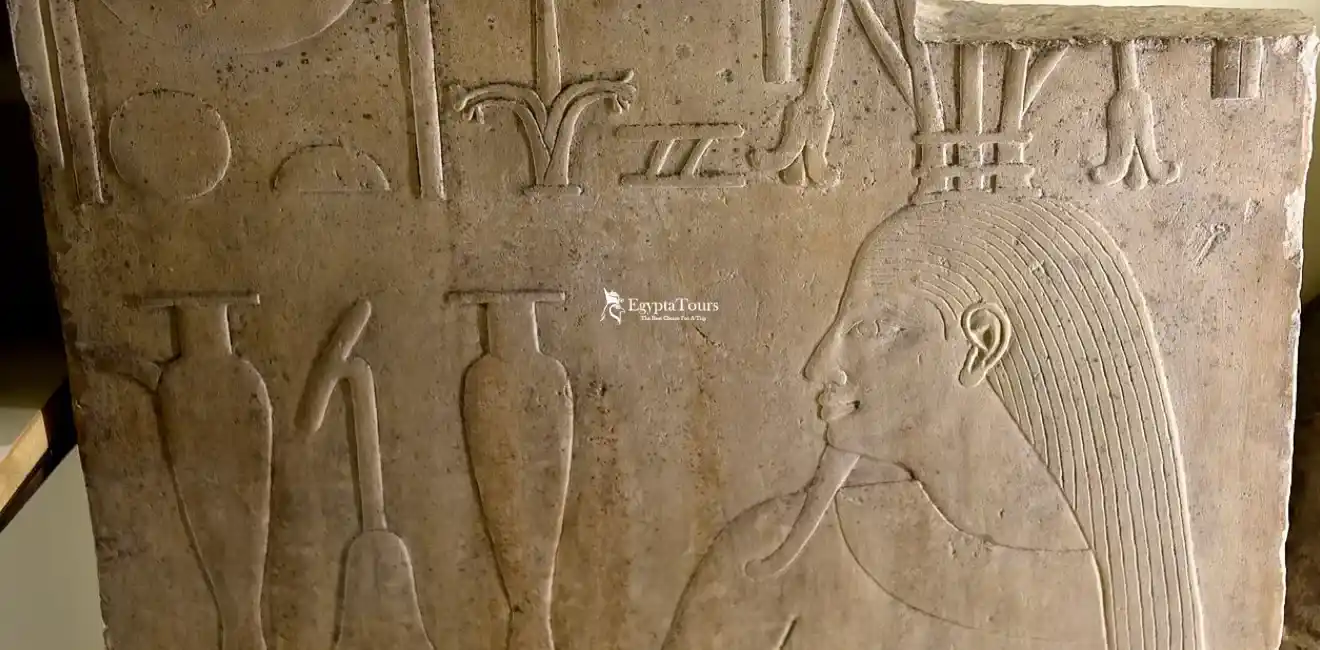
The -Egyptian- God- Hapi- The- God- of- the- Nile -and- Fertility
Hapi (Hep, Hap, Hapy) was the Ancient Egyptian god of water and fertility, widely worshiped throughout Ancient Egypt. His name is thought to have originally referred to the Nile River during the predynastic period but by the Dynastic period, the river was called “Iterw” (“the river”), and the name became associated with the god of the Nile. The word “Nile” comes from the Greek “Neilos” which is a corruption of the Egyptian word “nwy,” meaning “water.” Hapi was especially popular around Aswan, Gebel El-Silsila and other important Nile regions.
Hapi was the patron god of Upper and Lower Egypt. He was represented as twin deities: Hap-Reset (Upper Egypt) and Hap-Meht (Lower Egypt). These gods were often depicted pouring water from a jug, symbolizing the Nile inundation or tying together the symbolic plants of Upper and Lower Egypt (papyrus and lotus) in a knot resembling the hieroglyph “sema,” meaning “joined.” Because of his connection to the Nile floods, fertility and agricultural life, Hapi was one of the most important and powerful deities in Ancient Egyptian mythology, yet no temple was dedicated solely to him.
One of the oldest references to Hapi is in the Pyramid Texts of Unas. Hapi (called Hep) is linked to the Nome of Kenset including the First Cataract, the islands of Elephantine, Sahel and Philae and to Wepwawet, the opener of the ways. The texts ask Hapi and Wepwawet to bring a good flood of the Nile.
According to myth, the river flowed from Hapi’s home near the First Cataract, through the heavens and the land of the dead, before emerging from a cave in the mountains. The flood was called the “Arrival of Hapi” and during it, Egyptians placed statues of the god in towns to ask for his help and offered gifts in the river at sacred sites to ensure the flood was neither too low (hurting crops) nor too high (damaging mud-brick homes).
The Egyptian God Hapi’s Appearance and Symbols
Hapi was shown as a plump man with large breasts and blue or green skin, wearing the false beard of the pharaoh. His female-like breasts and colorful skin remind us that he is a fertility god while the false beard links him to the pharaoh. As the patron of Upper and Lower Egypt, Hapi was often depicted as twin deities: Hap-Reset, who wears the papyrus of Upper Egypt on his headdress and Hap-Meht who wears the lotus of Lower Egypt on his headdress. When shown as a single god, he usually carries both the papyrus and the lotus. These images highlight his role as a Nile god, a fertility deity and protector of Egypt.
The Depiction Of The Egyptian God Hapi As An Animal
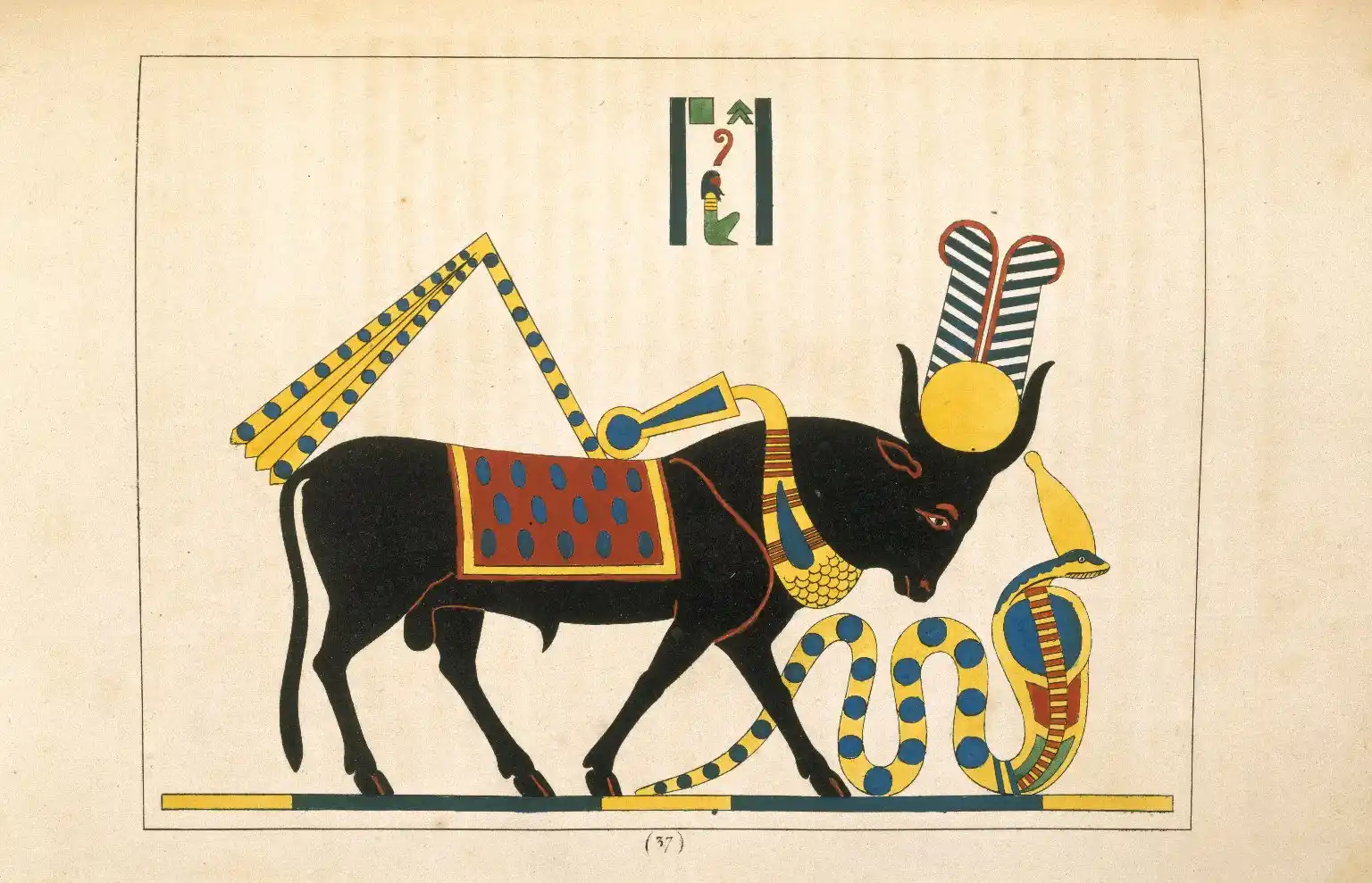
The- Depiction- Of- The- Egyptian- God- Hapi- As- An- Animal
The Egyptian god Hapi was a god of the underworld. He is depicted with the head of a Hamadryas baboon and is believed to protect the lungs of the deceased. In the Coffin Texts, Hapi is described as “the Primaeval One of Earth,” created by Ra immediately after he emerged from the dismal waters of Nun. In some myths, Hapi is also shown with certain features of Nun, connecting him to the primeval waters from which all life originated.
The Truth About the Egyptian God Hapi: Male or Female?
Hapi was a male god and wore the false beard of the pharaoh but he was often shown with large, pendulous breasts and a big stomach, symbolizing the fertility of the Nile. His skin was usually bl`ue or green to represent water. Other features depended on the region: in Lower Egypt, he was associated with papyrus plants and frogs, while in Upper Egypt, he was linked to the lotus and crocodiles, reflecting the local environment and symbols of the Nile.
Hapi is often depicted carrying food offerings or pouring water from a large jug (amphora) and only rarely as a hippopotamus. During the Nineteenth Dynasty, he was shown as twin figures, each holding and tying together the stems of plants representing Upper and Lower Egypt, symbolizing the union of the two lands. This symbolic scene was often carved at the base of seated pharaoh statues.
Some historical sources like the Egyptian historian Al Maqrizi claimed in his book El Khutat El Maqrizia that young virgin girls were annually sacrificed as “brides of the Nile” (Arous El Nil). While this was widely accepted historically, modern Egyptologists such as Bassam el-Shammaa question this account.
The Wife of the Egyptian God Hapi
The Hapi of Upper Egypt, known as Hap-Meht, was married to Uatchet, the cobra goddess. The Hapi of Lower Egypt, called Hap-Reset, was the husband of Nekhbet, the vulture goddess.
The Connection The Egyptian God Hapi with Other Gods
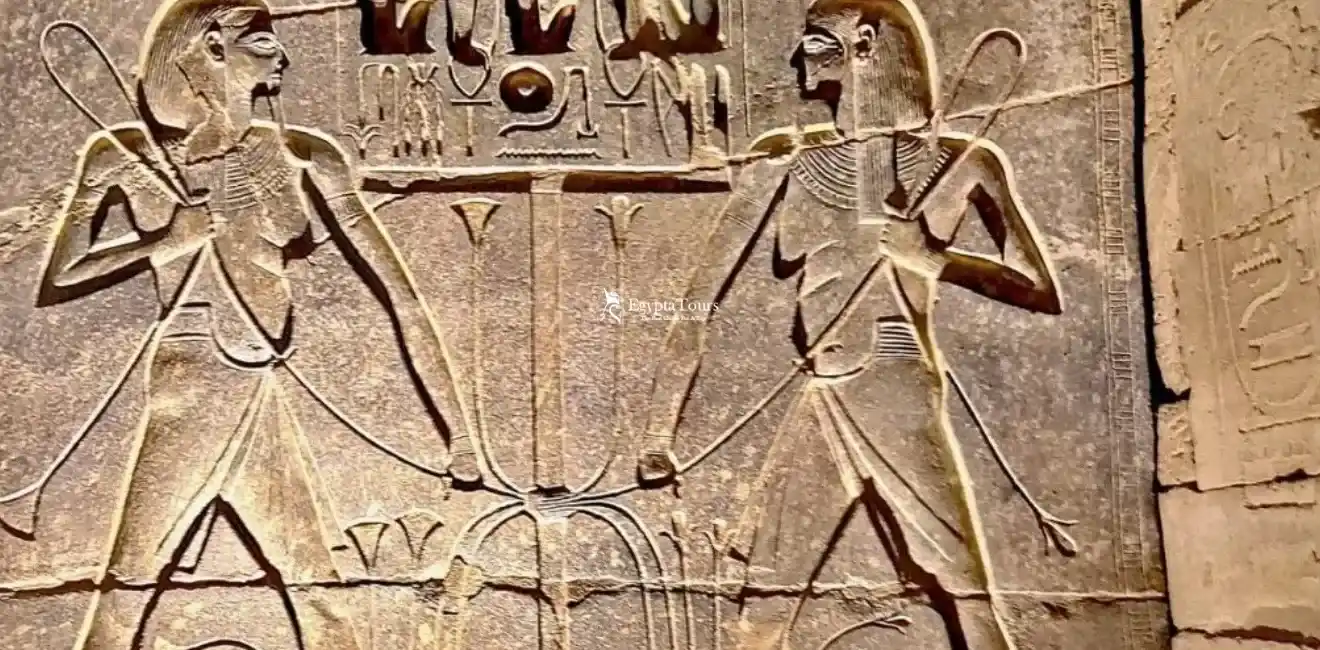
The -Connection -The -Egyptian -God- Hapi- with- Other -Gods
Hapi was closely linked to Osiris because of his connection to the Nile and fertility. Because of this, Isis was sometimes seen as his female counterpart or even his wife. The Pyramid Texts clarify that many ancient goddesses like Mut, were connected to Hapi as different aspects of Isis. He was also considered the husband of Nekhebet in Upper Egypt and Wadjet in Lower Egypt, both goddesses sometimes associated with Isis. This shows how important Hapi was in Ancient Egyptian mythology and how central he was to the ideas of fertility, the Nile and divine protection.
Conclusion
The Egyptian god Hapi was one of the most important gods in Ancient Egypt, representing the annual flooding of the Nile which was essential for the country’s survival and prosperity. He was honored for bringing fertility, abundance and rich harvests to the land. Hapi was shown with both male and female features including a rounded stomach and pendulous breasts, to symbolize nourishment, growth and agricultural wealth.
Although Hapi was not the god of the Nile itself, he stood for the life-giving inundation that made farming possible. He was deeply respected by the Egyptian people and his cult focused on observing and measuring the water levels of the Nile to predict floods and ensure successful harvests. Through this role, Hapi became a powerful symbol of life, fertility and prosperity in Ancient Egyptian belief.
FAQs
1. Who was the Egyptian God Hapi in Ancient Egyptian mythology?
The Egyptian god Hapi was the god of the Nile and fertility, he was worshiped across Ancient Egypt, especially in Upper and Lower Egypt. He controlled the Nile floods, ensured agricultural fertility and symbolized the unity of the land.
2. What were the Egyptian God Hapi’s roles?
Hapi was the guardian of crops, life and prosperity, connected to fertility, the Nile floods and agricultural abundance. He was central to religious life and Ancient Egyptian mythology.
3. What was the depiction of the Egyptian god Hapi in Ancient Egyptian art?
Hapi was shown as a plump man with large breasts and blue or green skin, wearing the false beard of the pharaoh. He carried food offerings, poured water from a jug or rarely appeared as a hippopotamus.
4. What animals are associated with Hapi?
Hapi is depicted with the head of a Hamadryas baboon as a god of the underworld, protecting the lungs of the deceased.
5. Was Hapi male or female?
Hapi was a male god but often shown with large, pendulous breasts and a big stomach, symbolizing the fertility of the Nile.
6. Who were Hapi’s wives or female counterparts?
Hapi of Upper Egypt (Hap-Meht) was married to Uatchet, the cobra goddess and Hapi of Lower Egypt (Hap-Reset) was married to Nekhbet, the vulture goddess. He was also linked to Isis and other goddesses like Mut, Wadjet and Nekhebet in myths.
About EgyptaTours

EgyptaTours is a name synonymous with trust, excellence, and unforgettable travel experiences, proudly standing as one of the leading travel agencies in Egypt. Renowned for its deep expertise, personalized service, and carefully crafted itineraries, EgyptaTours serves as the ultimate gateway to discovering Egypt in its most authentic and inspiring form.