




Howard Carter
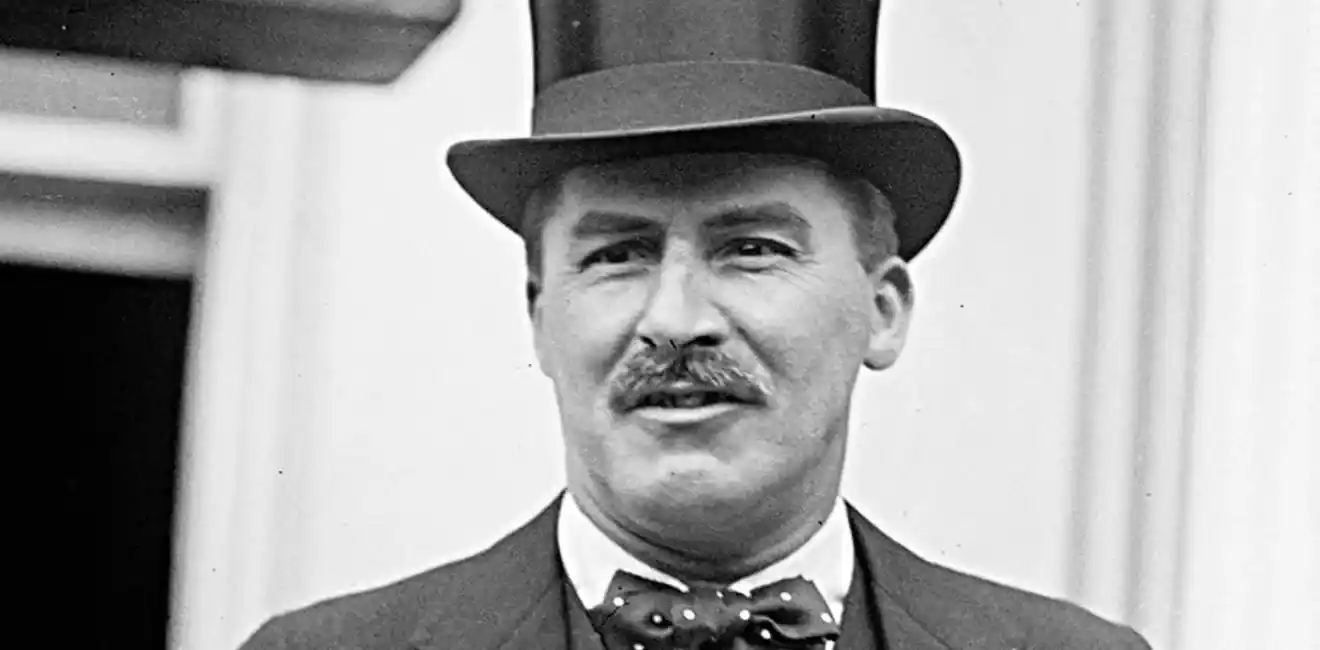
Howard Carter is one of the most famous English archaeologists. He was experienced in the field and was known for his determination, patience, and strong belief in the importance of archaeological discoveries. He was interested in the Pharaonic civilization, and his discoveries received global attention. He played a distinctive role in developing various methods of archaeological documentation and excavation. Throughout his life, he was a symbol of perseverance in archaeological research.
Howard-Carter
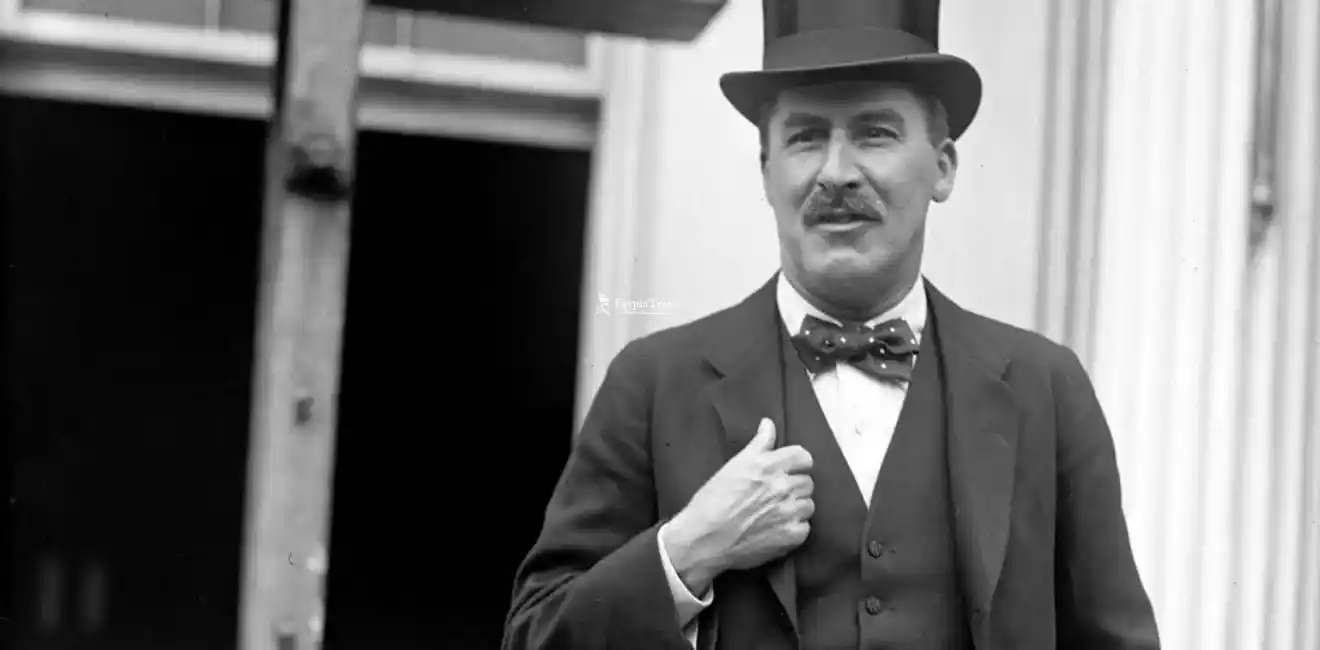
One of the most important historical figures in the discovery of Egyptian antiquities, he was born on May 9, 1874, and grew up in the town of Kensington in London. He is the discoverer of the most important discovery of the twentieth century, which is the tomb of King Tutankhamun in 1922.
He was part of the British expeditions for excavation in Egypt. He died on March 2, 1939, leaving behind amazing discoveries. During his career, his work witnessed remarkable developments to become the famous archaeologist, Carter.
Howard Carter’s beginnings in Egyptian archaeology

Howard-Carter-Beginnings-In-Egyptian-Archaeology
He began his career as a photographer and painter who loved antiquities from a young age. When he was 17 years old, he came to Egypt as part of the Egypt Exploration Fund team to work at various archaeological sites as a painter for tomb decorations.
Here, his talent and interests in ancient Egyptian civilization emerged. Over time, he participated in excavation work, which qualified him to become the Inspector General of Antiquities for Upper Egypt, which enabled him to supervise prominent Egyptian archaeological discoveries.
How did Carter lead the largest archaeological discovery of the twentieth century?
Carter led the largest archaeological discovery of the twentieth century, which is the tomb of King Tutankhamun, as follows:
- Carter’s research interest began when he noticed that the tombs of the young pharaohs had not yet been discovered, so he was fully convinced of the existence of hidden treasures under the sand.
- Carter made an agreement with the British nobleman Lord Carnarvon, as the Lord was impressed by Carter’s enthusiasm and decided to finance all the excavation work in the Valley of the Kings.
- The excavation continued for several years without results, which was one of the factors that almost caused the suspension of the excavation funding.
- Here, Carter requested one last season in 1922, and during November of the same year, the first steps of the entrance appeared.
- Carter confirmed the presence of Pharaonic seals on the entrance and opened it with great caution. Here, the discovery began to come to light, including statues, gold, funeral chariots, and many treasures.
The challenges Carter faced during the excavation in the Valley of the Kings
Many challenges appeared during the discovery of the most famous tomb of Tutankhamun in the Valley of the Kings, among which were:
- Difficulties in obtaining financial funding: Excavation work required significant funding due to the long duration and high costs.
- Great psychological pressure: This was due to the long periods of searching without any results and Lord Carnarvon’s decision to stop the funding until Carter requested one last season.
- Security and administrative challenges: This was due to the necessity of dealing with both the Egyptian and British authorities to preserve the archaeological mission and organize the work during it.
- Dealing in a changing and harsh environmental conditions: Various excavation works are carried out in harsh environments while exerting great effort and the need to deal with extreme precision to avoid damaging any archaeological discovery.
The Curse of the Pharaohs: Fact or Myth about the Death of Carter’s Team?
The curse of the pharaohs during Carter’s career until his discovery of King Tutankhamun’s tomb and his death seventeen years later clarifies that the curse of the pharaohs is one of the most controversial legends associated with the discovery of Tutankhamun’s tomb. Many linked the death of Lord Carnarvon in 1923 to his funding of the excavation work, which many considered to be the revenge of the spirits on those who disturb them in the tombs.
In addition to the existence of some deaths among those who participated in the excavation work, there is no scientific evidence to indicate the existence of a curse. Their death was the result of contracting some infections or diseases that were prevalent in that era. The biggest proof of the absence of a curse is that the majority of those who participated in opening the tomb lived for many years after the discovery, foremost among them Carter.
The most important artifacts discovered by Carter inside the tomb of Tutankhamun

The-Most-Important-Artifacts-Discovered-By-Carter-Inside-The-Tomb-Of-Tutankhamun
Carter discovered many artifacts and archaeological treasures inside the tomb of Tutankhamun, which showed the Pharaonic art and its advancement. Among the most important artifacts are:
- The Golden Mask: The best of the artifacts, it is designed from pure gold and contains many precious stones, and inside it are about 150 amulets and decorated necklaces.
- Jewelry and ornaments: Many necklaces, bracelets, and rings made of gold were found.
- Weapons and tools of war: The tomb contained many daggers and swords that were relied upon in battles and ceremonies, in addition to war chariots.
- Royal coffins: The tomb contained three royal coffins, including the coffin of Tutankhamun made of pure gold and two wooden coffins covered with gold.
- The royal throne: A seat decorated with many drawings and plated with gold was found.
- Statues and amulets: The statues and amulets varied, some were made of ivory and some of gold, and they were relied upon to protect the king in the other world.
Where are Howard Carter’s belongings today?
Carter’s belongings are in his house in the city of Luxor on the west bank, a short distance from the Valley of the Kings. Carter took it as a permanent headquarters for his excavation work. His house was later turned into a tourist attraction after his death, which is visited by many visitors, as it contains Carter’s letters, photos, diaries, and the documentary archive of the famous archaeologist Howard Carter.
How did Egypt and the world honor the name of Howard Carter?
Carter’s honor in Egypt is not limited to his life but extended to after his death. We clarify this as follows:
- Egypt gave Carter a distinguished position in the history of Egyptology and archaeological discoveries.
- Egypt turned Carter’s house into a tourist destination and a shrine that many flock to, which is a commemoration of Carter’s name.
- Egypt celebrates annually the anniversary of the discovery of King Tutankhamun’s tomb on various occasions, during which the essential role of the scholar Carter and the discovery are mentioned.
Conclusion
Howard Carter is a symbol in Egyptology and the discovery of antiquities. He was characterized by perseverance and constant learning, which enabled him to discover the tomb of the young pharaoh Tutankhamun. In honor of the prominent scholar Carter, his legacy has been preserved, and his house in Luxor has been made a tourist attraction. His achievements remain a historical reference across generations.
FAQs
What did Howard Carter say when he found King Tut’s tomb?
The famous archaeologist said that he saw amazing things, as he discovered that the tomb was present with all its contents and that no one had reached it before or been attacked by robbers.
Did Howard Carter speak Arabic?
Yes, of course, as he acquired the Arabic language and learned it through his excavation work and to enable him to continue his work as a supervisor of Egyptian antiquities.
What happened to Howard Carter?
During the excavation work, he faced many challenges, but he quickly overcame them. He lived for more than sixteen years after the discovery and passed away after suffering from cancer.
What did Howard Carter find inside the tomb?
He found many artifacts that highlighted the development and beauty of Pharaonic art, from a golden mask studded with precious stones and equipped with amulets and charms. He also found statues, the throne, and other artifacts.
Why did it take so long to find King Tut’s tomb?
It took so long to find King Tut’s tomb because it was covered by thick layers of sand and debris.
About EgyptaTours

EgyptaTours is a name synonymous with trust, excellence, and unforgettable travel experiences, proudly standing as one of the leading travel agencies in Egypt. Renowned for its deep expertise, personalized service, and carefully crafted itineraries, EgyptaTours serves as the ultimate gateway to discovering Egypt in its most authentic and inspiring form.