


The Timeless Legacy of the Pharaohs
The grandeur of Ancient Egyptian civilization continues to echo through the ages, captivating hearts and inspiring imaginations around the world. For more than 5,000 years, Egypt stood as the birthplace of knowledge pioneering advancements in art, architecture, science, and culture that shaped human history.
Along the life-giving Nile River, this civilization flourished, building unity, prosperity, and a legacy of brilliance that still shines today. From the creation of monumental temples to the establishment of order and governance, Egypt became a symbol of progress and ingenuity.
Since its founding, EgyptaTours has carried forward the mission of preserving and celebrating this extraordinary heritage. As a leading travel company in Egypt, it offers explorers from every corner of the globe the chance to experience the wonders of the ancient world from the Pyramids of Giza to the timeless treasures of Luxor and beyond. Recognized for excellence in service, safety, and authenticity, EgyptaTours continues to inspire travelers to walk in the footsteps of the pharaohs.
Browse our curated categories below and embark on a journey through Egypt’s enduring story where ancient splendor meets modern exploration.

Decades of Mastery
Guiding travelers through Egypt's rich history with unmatched expertise and passion.

Premier Luxury Journeys
Recognized globally for creating safe, luxurious, and perfectly orchestrated itineraries.

Flawless Guest Reviews
Creating lifelong memories and earning the absolute highest ratings from our global guests.
Ancient Egyptian Civilization Facts
Everything you need to know before you fly. Explore expert tips on weather, currency, and culture to ensure a seamless experience from the moment you arrive in Egypt.
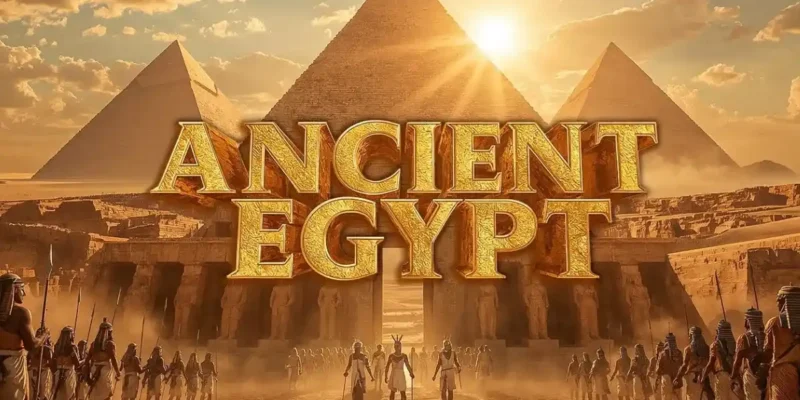
When Did Ancient Egypt Start and End? A Complete Timeline
Ancient Egypt is one of the world’s oldest and most fascinating civilizations, lasting for thousands of years along...
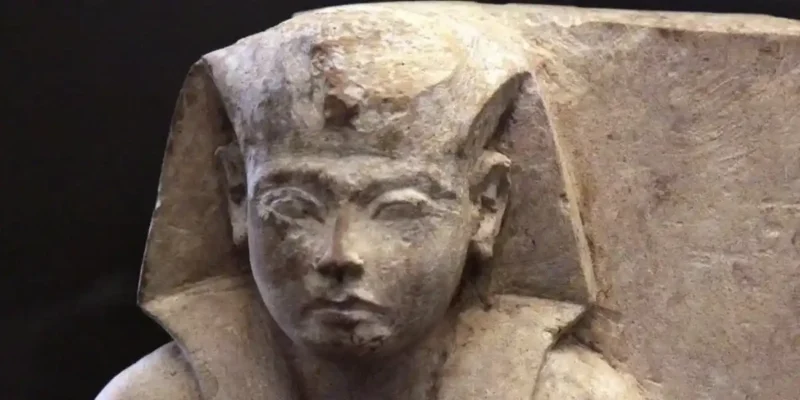
Pharaoh Ay: The Advisor Who Took Tutankhamun’s Throne
When the Boy King Tutankhamun died unexpectedly at 19, Egypt was left without an heir. The man who...
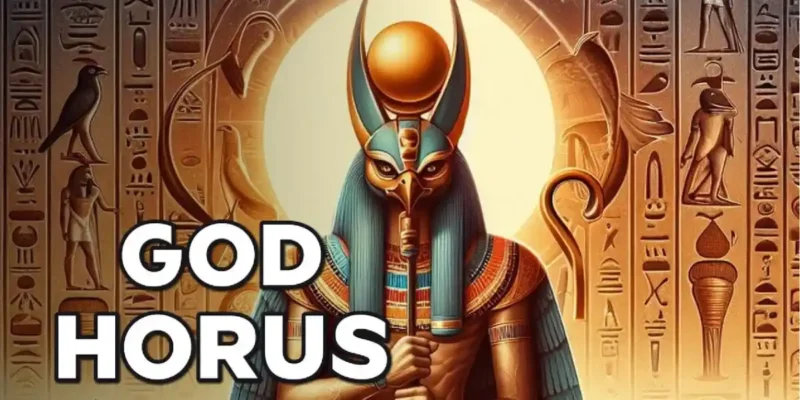
What Was Horus The God of? The Sky, Kingship, and Protection
Horus was one of the most important gods in ancient Egyptian religion. Known as the god of kingship,...
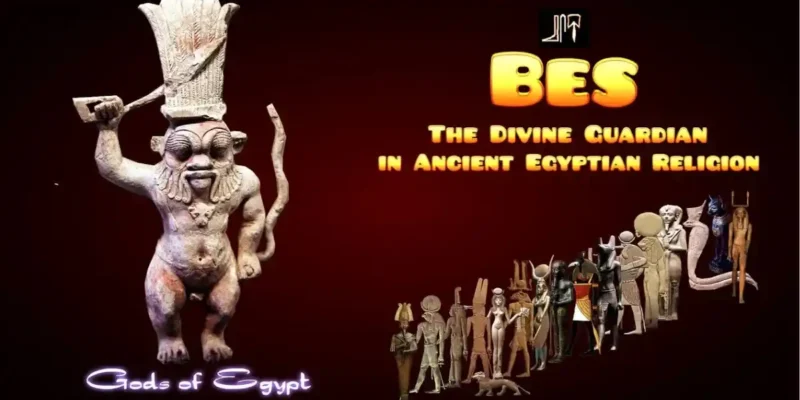
The God Bes: Ancient Egypt’s Fierce and Protector
God Bes was a lesser known god in ancient Egypt, usually shown as a dwarf with a large...
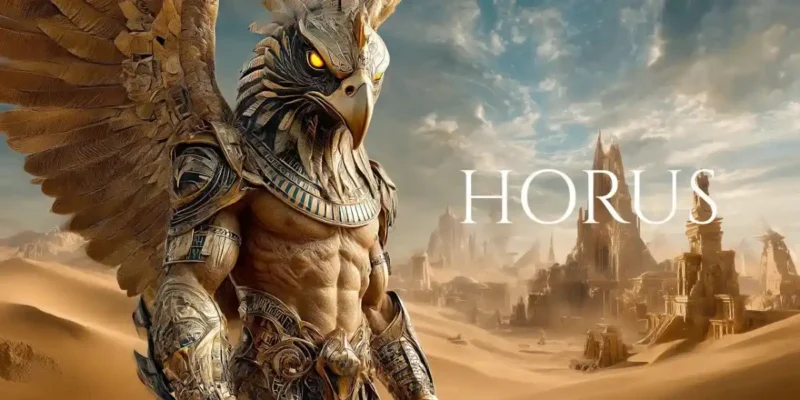
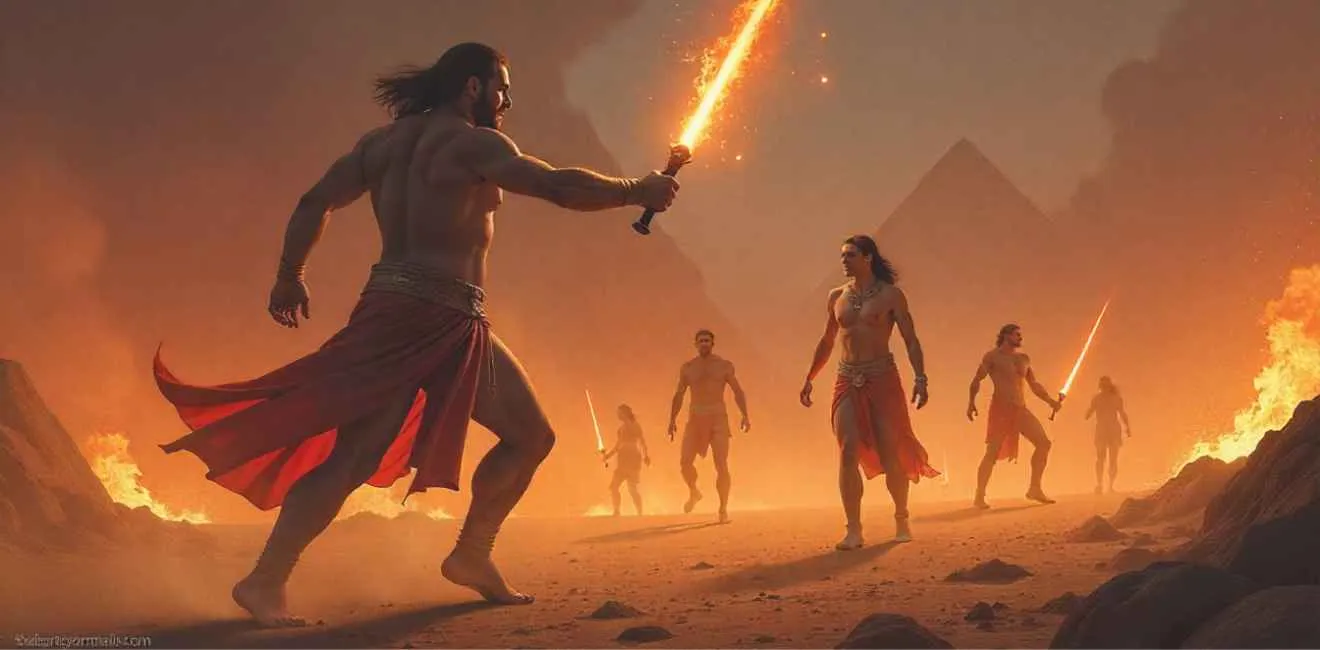
Horus Battle Mythology: Legends, Trials, and Divine Justice
Horus appears in many ancient Egyptian stories and is considered one of the most powerful gods. Priests of...
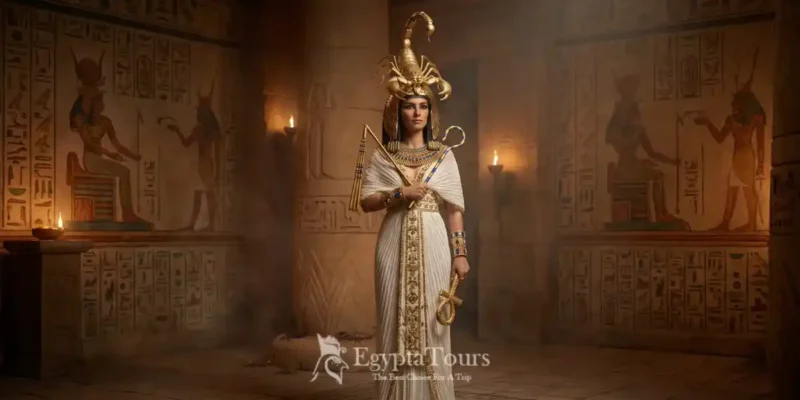
Goddess Serket: The Ancient Egyptian Scorpion Goddess of Protection
Serket is an ancient Egyptian goddess known for protecting people from scorpion stings and other venomous bites. She...

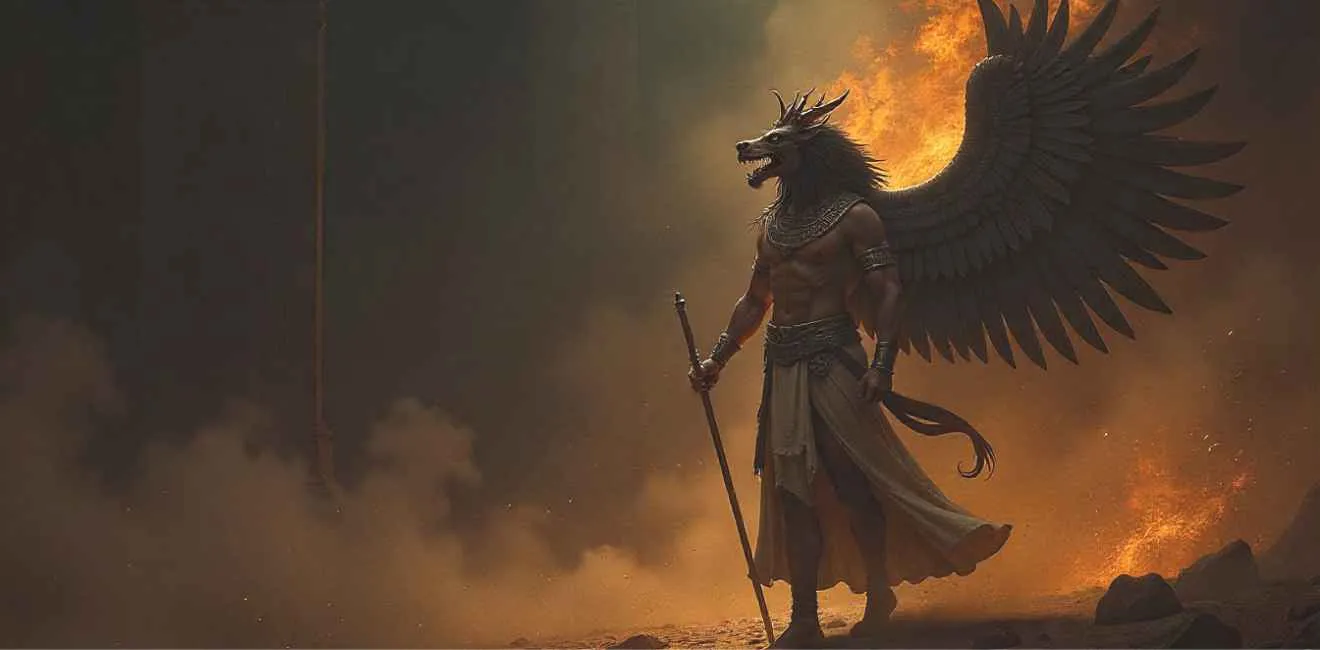
Ready to Experience Egypt? Discover Our Handcrafted Trips
Immerse yourself in ancient wonders and Nile cruises with our handcrafted luxury itineraries
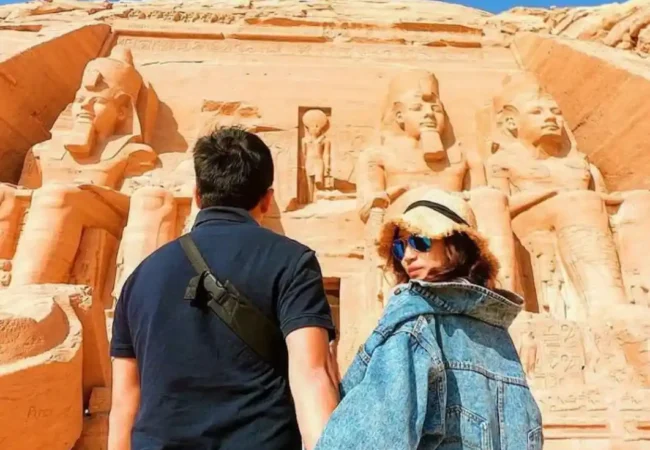
Unforgettable 5 Nights Tour to Cairo, Luxor, and Aswan
per person
$1,180.00
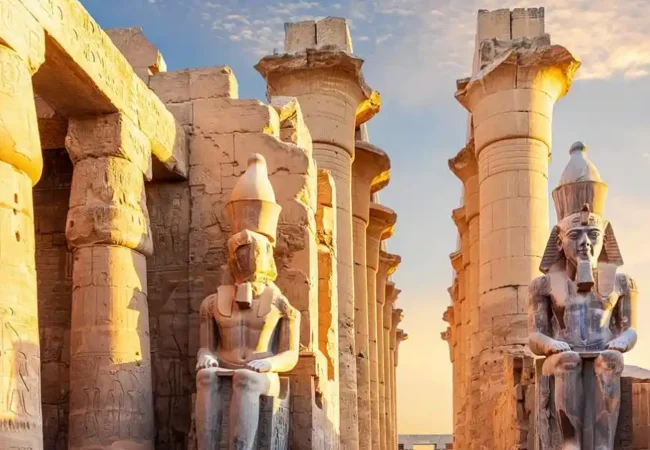
Magical Cairo Luxor and Abu Simbel 5 Days Tour Package
per person
$1,040.00
Magical 6 Days Cairo and Hurghada Tour Package
per person
$1,010.00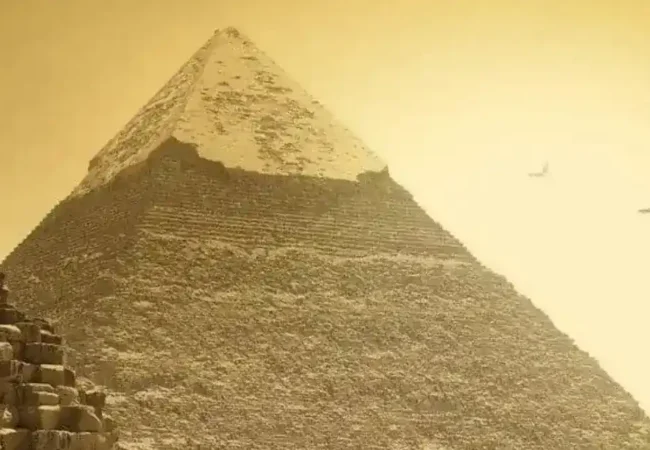
Magical 10 Days Archaeology Tour to Cairo and Upper Egypt
per person
$1,395.00
Inside The Journey: Watch Real Traveler Stories Before You Go
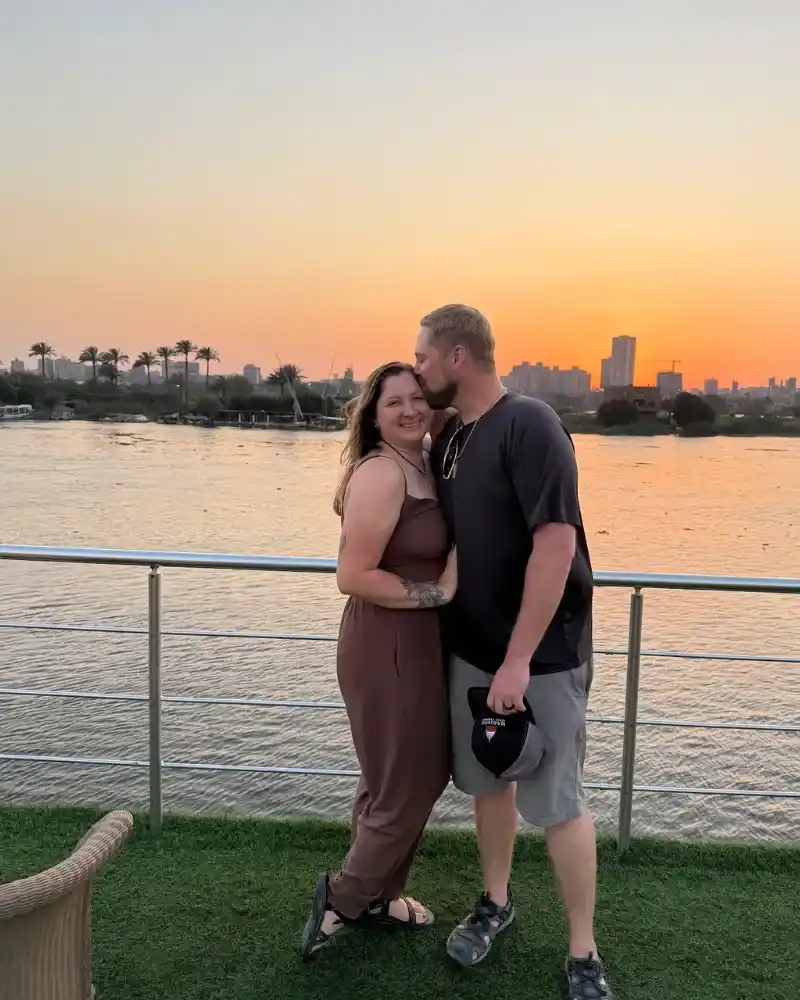
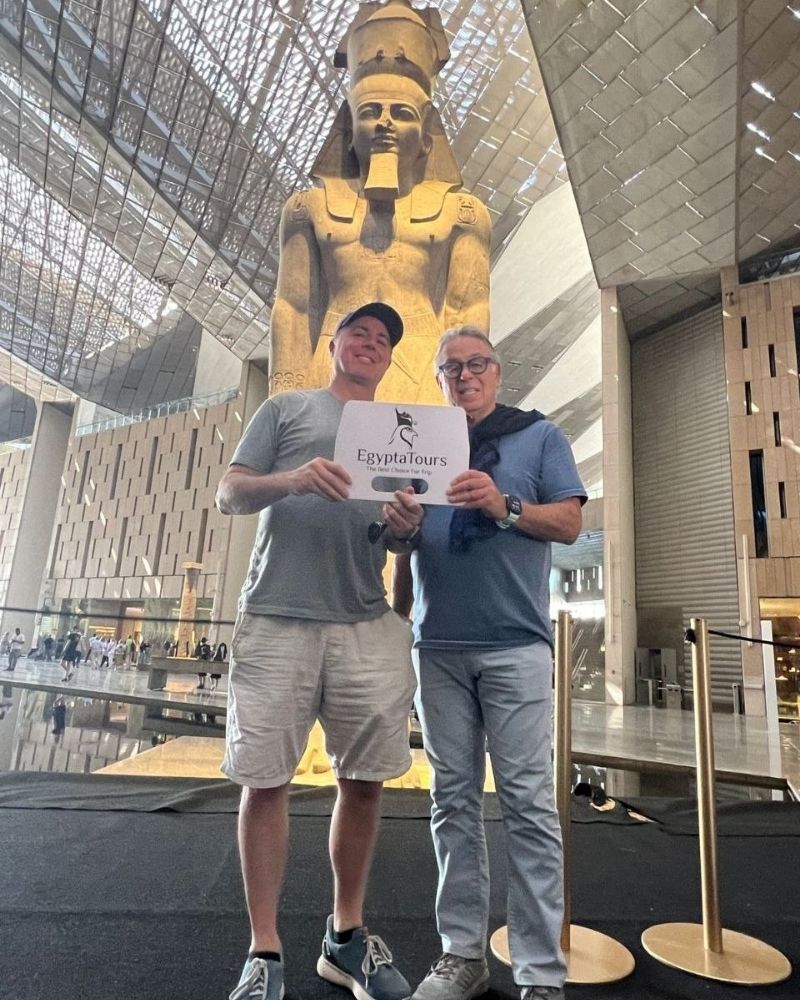
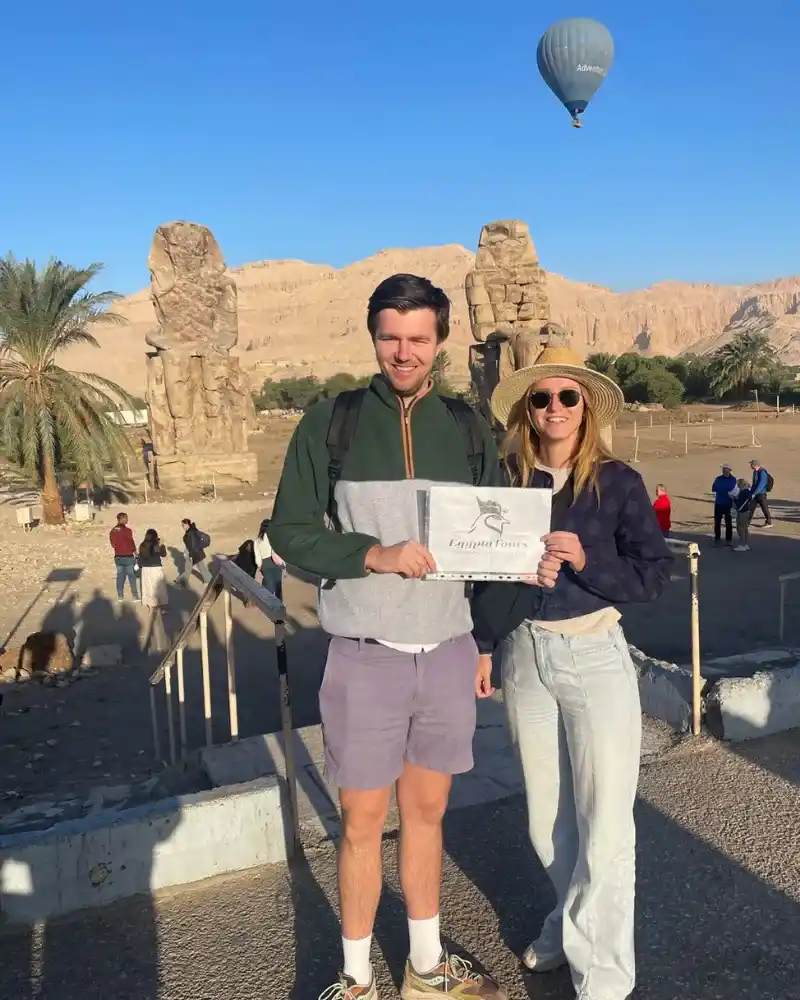
Hear From Those Who Lived The Egyptian Dream With Us



We couldn't have asked for more. The cruise was fantastic and allowed us to discover wonderful places along the Nile. Special thanks go to our guide Mona, who, with his impeccable Italian and in-depth knowledge of ancient Egyptian history, managed to convey all the magic and beauty of those places, bringing us back to bygone eras. Thank you so much to everyone for making this experience unforgettable!
Providing information about history and culture in an exclusive and easy way to understand! We were lucky to have people like Abdul and Mona and Ahmed (our driver in Cairo).. They did everything calmly and the agency is truly prepared to provide us with the best of Egypt! Highly recommend them. Very grateful.
My agent was super helpful in the planning process and the accommodations once we arrived to Egypt were OUTSTANDING. Our guides were fabulous, communicative, highly knowledgeable, and super friendly. They even allowed us to alter our itinerary in Egypt to allow us time to see some new things that we didn't know about while planning the trip! We had a wonderful experience and I recommend this company to anyone who wants to see Egypt and learn about the amazing history and culture.
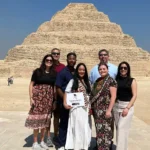
Our contact with the agency was Abdelrahman Tayea. At all times he was watching us and it was a real pleasure to work with him. I highly recommend you come to them to organize your trip!
Our contact at the agency was Mohamed alaa. He was always attentive to our needs, and it was a true pleasure working with him. I highly recommend contacting them to plan your trip!
Guides Mona and Ahmed were very knowledgeable and accommodating when we wanted to change the itinerary. Thank you so much for a wonderful trip. I can't recommend this company highly enough.
He also kept in touch with us once we arrived in Cairo. The guides have extensive knowledge of Egyptian civilizations and gave us very informative explanations at each of the sites we visited. It was an unforgettable experience!!!
He helped us with admirable patience and commitment during the difficulties we encountered at the airport, from arrival to departure, as Iberia lost our luggage and it was difficult to recover it. He spoke with everyone he could, accompanied us 100% of the time it was truly incredible! Extremely grateful!
The tour guide Ms Mona and driver Mr Eid/Mr Ahmed were very co operative and professional. Want to thank Mr Abdallah for making our vacation a memorable one. I would recommend Egypta tours for Egypt vacation.
From our first airport shuttle after arrival till our last day, everything went very well and services were reliable without surprises.. There was always a driver present and on time and the tour guides were true professionals. I can only recommend!
Their guides were incredibly knowledgeable, making history come alive at every site we visited. The team was always punctual, professional, and eager to ensure we had the best experience. A special thanks to their staff for their warm hospitality and attention to detail, which made our journey truly memorable. If you’re planning a trip to Egypt, we highly recommend EgyptaTour for a hassle-free and unforgettable experience!
Selim was a most gracious host, going above and beyond to make us feel at home. From the breathtaking White Desert safari to camping in the Black Desert, from an awe-inspiring hot air balloon ride in Luxor to perfectly arranged inter- and intra-city transfers, every detail was handled flawlessly. Selim also personally showed us around Cairo, making sure we experienced the best of the city. Everything was splendid, and the trip was not just memorable but also very affordable. If you’re planning a trip to Egypt, we highly recommend EgyptaTours for a smooth, well-organized, and
Learn More About Egypt Before You Go
Everything you need to know before you fly. Explore expert tips on weather, currency, and culture to ensure a seamless experience from the moment you arrive in Egypt.
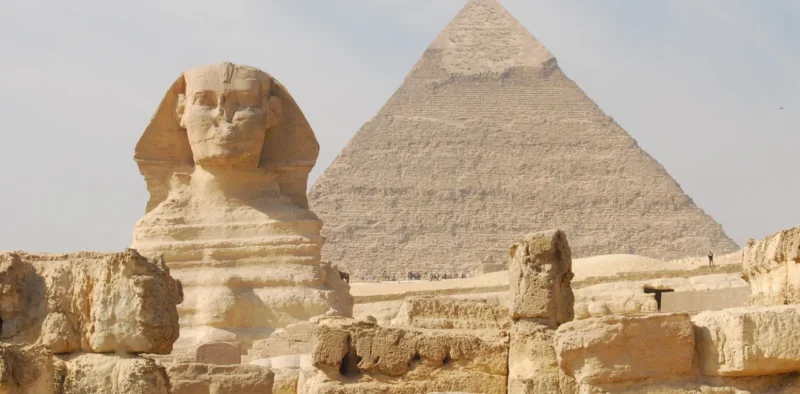
14 Top-Rated Places in Egypt That Definitely Worth the Visit
With a fascinating history that reaches back to the dawn of civilization, Egypt is considered the oldest travel...
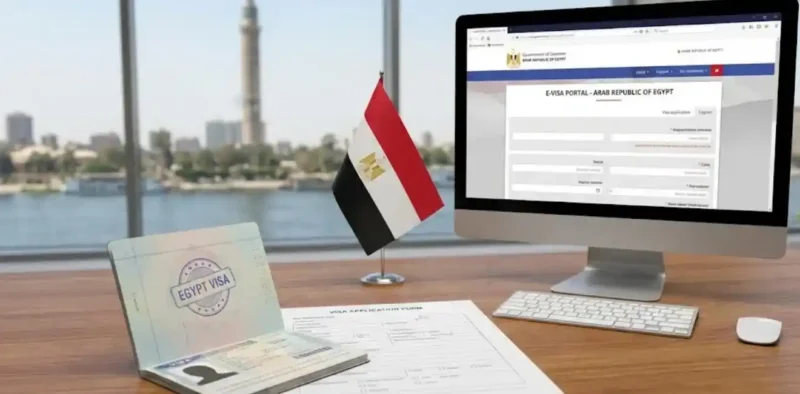
Egypt Travel Visa: Best Travel Guide
Egypt is a popular tourist destination for a variety of reasons. The country is rich in history and...
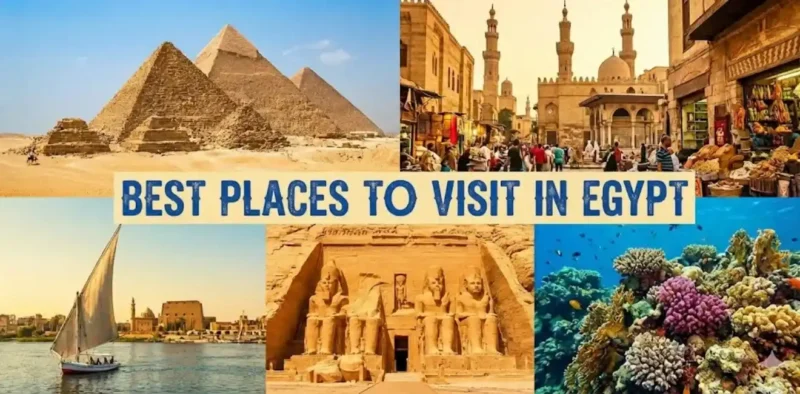
Best Places To Visit in Egypt
If your next holiday destination is Egypt you will need to know the best places to visit in...
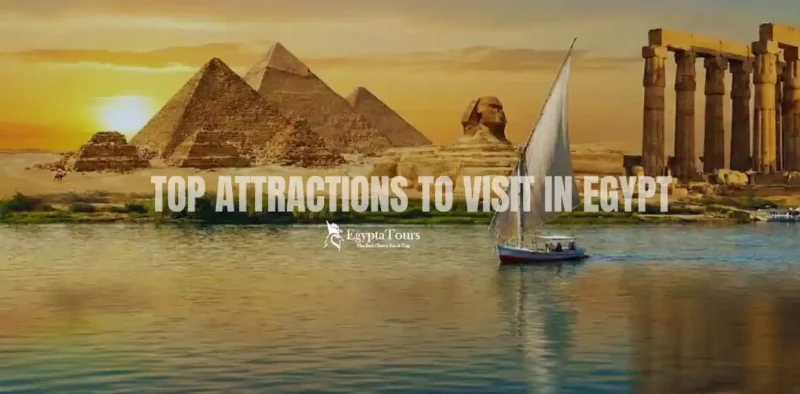
Top Attractions To Visit in Egypt
The Nile Cruise tours are the best way to visit Cairo, Luxor, Aswan, and other important destinations. Besides...
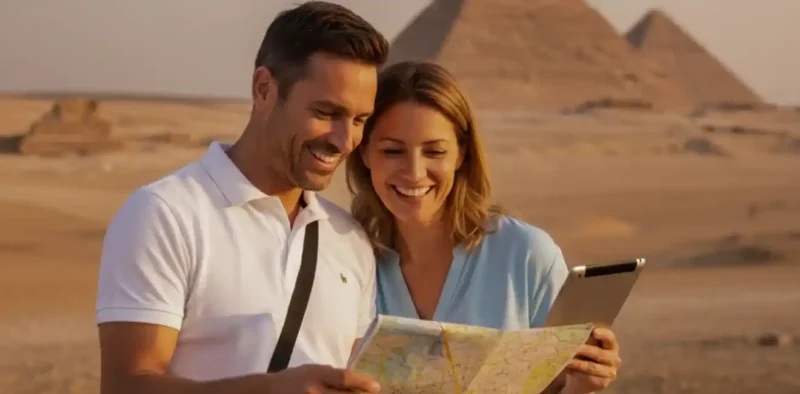
Essential Information About Your Trip To Egypt
Prior to planning a tour in Egypt, the Grand Land of the Pharaohs, you should be aware that...
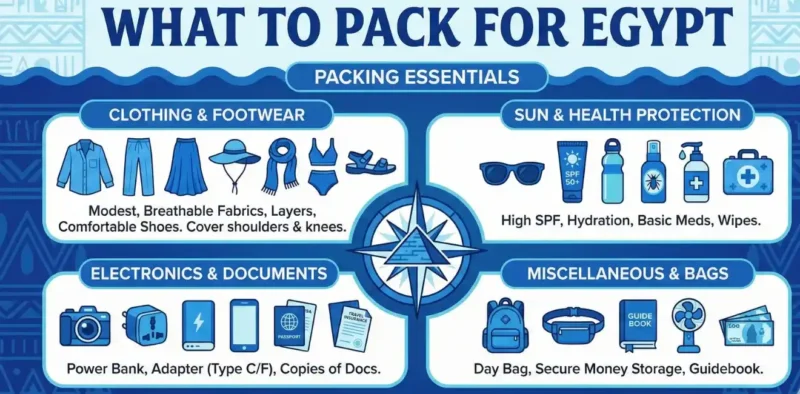
What To Pack For Egypt: Best List
You wonder What To Pack For Egypt, If it is your destination on the coming vacation. The country...

Brands Aligned With Our Standard Of Excellence