

$25/
Per Person
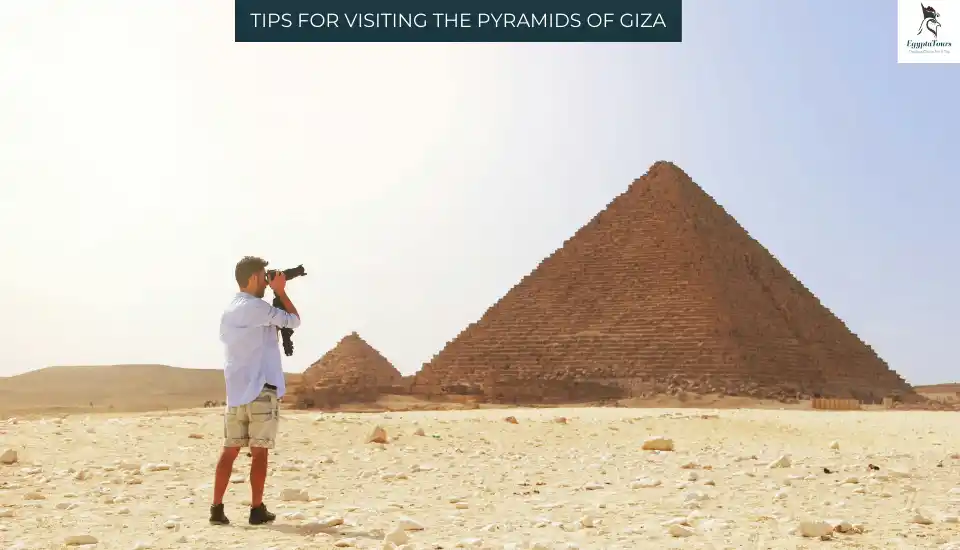
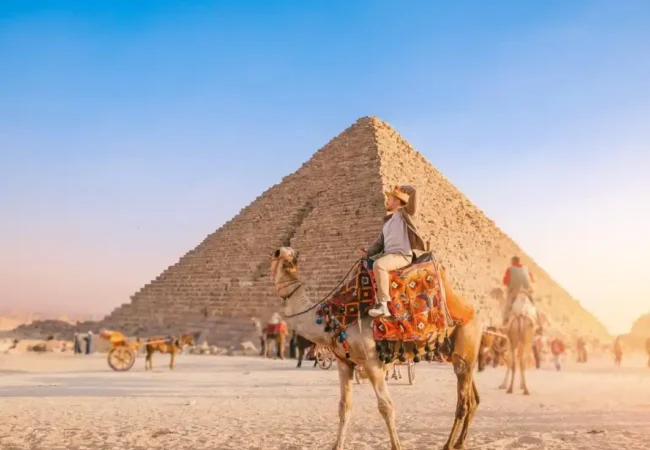
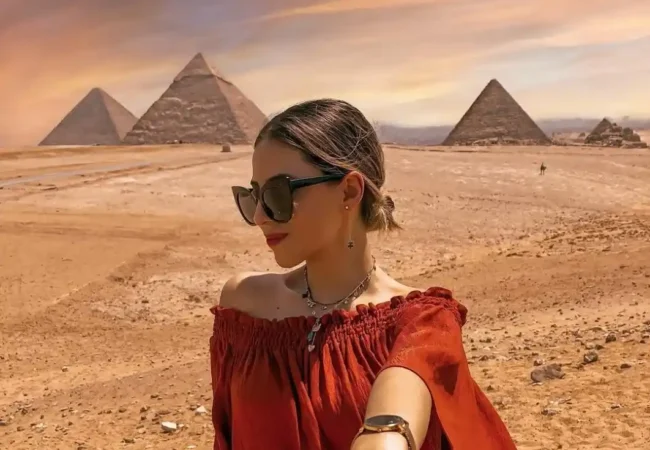
Camel ride in Giza Pyramids is one of the most popular tourist activities attracting visitors from all over the world. Adventure blends with the splendor of history in a captivating scene. The Giza Pyramids are located on a plateau west of the Nile River and are considered one of the Seven Wonders of the Ancient World.
The presence of camels in their paths transports visitors back to the Pharaonic era in all its detail. This trip provides a unique opportunity to explore the three pyramids of Khufu, Khafre, and Menkaure from a different perspective.
The Best Time to Ride a Camel in the Pyramids Area
Choosing the right time to comel ride in Giza Pyramids area plays a significant role in enhancing the experience and ensuring physical and psychological comfort during the tour. Winter, specifically from October to early April is one of the best times of the year for this adventure.
Temperatures drop and the weather becomes moderate allowing visitors to enjoy an extended tour without being exposed to the scorching sun or the stress of the high temperatures. The gentle breezes at this time add an aesthetic touch to the desert landscape surrounding the pyramids creating a memorable experience.
As for the best time of day for camel riding in the Giza Pyramids, the early morning hours are ideal. Temperatures are at their lowest and the area is less crowded with tourists providing visitors with a quieter and more private experience.
Sunset is also a favorite time of year for many as the sky takes on a magical golden hue creating a distinctive appearance. It is also recommended to avoid midday hours especially in the summer months due to the high temperatures and increased tourist crowding.
What to expect during a camel tour around the Pyramids?

When you experience a camel ride in Giza Pyramids, you’ll be treated to a journey filled with historical details breathtaking views, and emotions that evoke the essence of Pharaonic civilization. This experience is not limited to just riding on the back of a camel; it encompasses a range of sights information, and a unique sense of the site’s grandeur. These are the most important things to expect during the tour:
- A panoramic view of the three pyramids of Khufu, Khafre, and Menkaure from multiple angles.
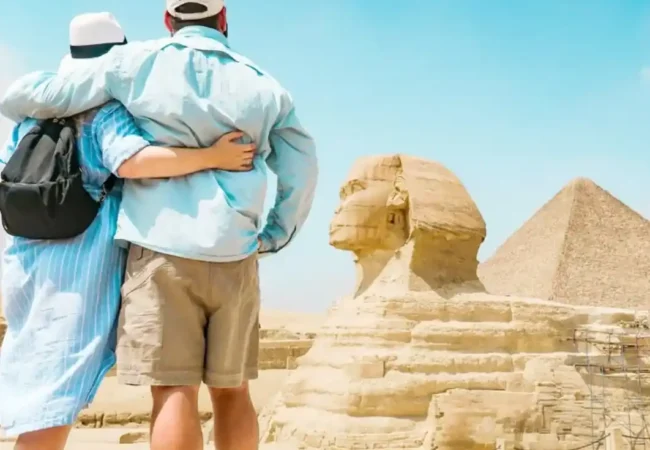
- Get up close to the Great Sphinx and take photos in front of this legendary symbol.
- Crossing the sand dunes surrounding the geological plateau on which the pyramids stand.
- Enjoying the camel’s swaying movements which add a touch of humor and harmony with nature.
- At the end of the tour you’ll have the opportunity to enjoy a cold drink or purchase a souvenir from the street vendors in the area.
- Observing the movement of the sun and its reflection on the limestone from which the pyramids were built especially at sunset.
- Passing by the tombs of nobles and funerary temples such as the Temple of Khafre Valley.
- Hear a historical explanation from local guides about the history of the pyramids’ construction and the details of the lives of the pharaohs.
- Breathe in the fresh desert air and feel the complete tranquility far from the hustle and bustle of the city.
- See the neglected ancient buildings that were part of the Pharaonic mortuary city.
- An opportunity to take professional photos against the backdrop of the pyramids and camels in a classic desert scene.
- Interact with trained camels often decorated with colorful Pharaonic ornaments to add a touch of heritage.
Important Tips Before Riding a Camel for the First Time
A camel ride in the Giza Pyramids for the first time is a unique experience that requires some preparation to ensure it is both enjoyable and safe, especially if you plan to do it in a historical area like the Giza Pyramids. Although camels are known as the “ship of the desert” due to their endurance, handling them requires an understanding of their nature and some guidelines to ensure a stress-free and risk-free experience. Here are the most important tips to keep in mind:
- Wear comfortable lightweight clothing that covers the body to protect you from direct sunlight and the heat of the sand.
- Use a wide-brimmed hat and sunglasses to protect your head and eyes from the sun’s strong glare.
- Be patient and gentle with the camel an intelligent and sensitive animal that prefers calm treatment.
- Ensure the camel is clean and well-groomed, and choose only licensed and trusted tour operators.
- Maintain your body balance while walking and sway naturally with the camel’s movement.
- Do not make loud noises or make sudden movements that might confuse or alarm the camel.
- Ask your guide to adjust the saddle or harness if you feel uncomfortable or slip during the tour.
- Avoid carrying heavy or loose objects while riding.
- Ask about the length of the tour before it begins to determine if it is appropriate for your physical abilities.
- Do not attempt to dismount the camel yourself; instead wait until the camel is completely seated and ensure that an assistant is by your side.
How much does it cost to ride a camel at the Pyramids?
The cost of a camel ride in Giza Pyramids varies depending on several factors most notably the duration of the tour, the distance covered, and how close the tour is to iconic landmarks such as the Sphinx or the Great Pyramid. For example, a short tour (15 to 30 minutes) may cost approximately 100 to 200 Egyptian pounds while longer tours lasting an hour or more may cost between 300 and 600 Egyptian pounds, and in some cases even more, especially if the tour includes a professional tour guide or a personalized photo opportunity.
It is worth noting that some visitors fall victim to unfair methods from some unlicensed service providers as they may be asked to pay additional amounts that were not agreed upon after the end of the tour. Therefore it is preferable to deal with authorized service providers within the archaeological area. The tourist can also negotiate gently about the price as there is often room for reduction within reasonable limits.
It is worth noting that the entrance fees to the archaeological area itself do not include camel riding as this is an additional activity with a separate fee. Despite the differences in prices the cost of a camel ride in Giza Pyramids is considered relatively reasonable compared to the experience of a unique and unforgettable experience.
What are the monuments surrounding the Giza Pyramids area?
The Giza Pyramids area extends over a unique archaeological plateau containing several of the world’s most important Pharaonic monuments. Its landmarks are not limited to the three famous pyramids alone, but are surrounded by a vast group of subsidiary monuments, tombs, and temples that together form an integrated funerary city demonstrating the grandeur and precision of ancient Egyptian architecture. The following are the most prominent monuments in the area:
- The Great Sphinx, located in front of the Pyramid of Khafre is the oldest colossal statue in the world. It features a human head and the body of a lion symbolizing royal protection.
- The Khufu Boat Museum (later moved to the Grand Egyptian Museum) displayed the original boat found next to the Great Pyramid.
- The Valley Temple of Khafre built from massive blocks of granite and limestone, was used for mummification rituals and the reception of royal bodies.
- The Funerary Temple of the Pyramid of Khafre, connected to the temple via an ascending passageway is located next to the base of the pyramid and contains unique halls and architectural elements.
- The Pyramid of Queen Henutsen is one of the smaller pyramids attached to the Pyramid of Khufu, dedicated to one of his wives. It is located to the east of the Great Pyramid.
- Mastabas and rock-cut tombs are scattered around the Giza Pyramids. They were intended for nobles, priests, and scribes, and contain inscriptions and decorations documenting daily life in ancient Egypt.
- The Solar Boats were dug next to the Great Pyramid, and include two pits containing huge wooden boats symbolically used during the pharaoh’s journey to the afterlife.
- The Three Queens’ Pyramids are located next to the Great Pyramid and are dedicated to the wives of King Khufu. They are part of the larger mortuary complex.
- The ascending passages connect the mortuary temples to the valley temples and were used to transport royal mummies.
- The Great Wall of the Giza Plateau separates the archaeological area from residential areas and is part of the urban planning of the site during the Pharaonic era.
Included and Excluded
- Private modern air-conditioned vehicle.
- Pick-up and drop-off service.
- Expert English-speaking Egyptologist guide.
- 30–60 minute camel ride.
- Entrance fees to the Giza Plateau.
- Bottled water during the tour.
- Tipping.
- Any optional tours not mentioned.
- Personal expenses.
Highlights of the Tour
- Explore the iconic Giza Pyramids Complex: Khufu, Khafre, and Menkaure.
- Enjoy a scenic camel ride across the Giza Plateau.
- Visit the legendary Great Sphinx and learn about its symbolism.
- Optional visit to the Valley Temple of King Khafre.
- Capture panoramic photos of the pyramids and desert landscape.
- Experience a private guided tour with an expert Egyptologist.
- Travel in comfort with private air-conditioned transportation.
- Optional stop at local bazaar or craft workshops.
Tour Itinerary
Hotel Pick-up
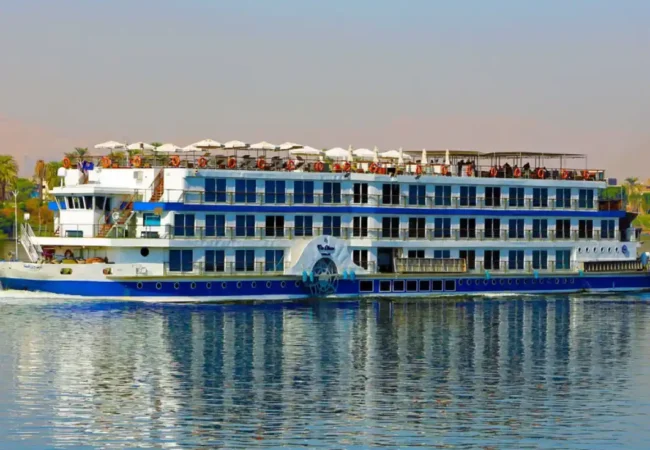
Your professional Egyptologist tour guide will pick you up from your hotel or Nile cruise in Cairo or Giza in a private air-conditioned vehicle.
Visit the Giza Pyramids Complex
Begin the tour by exploring the majestic Pyramids of Giza – Khufu (Cheops), Khafre, and Menkaure. Discover their ancient history and take panoramic photos of these timeless monuments.
Camel Ride Experience
Enjoy a 30–60-minute camel ride across the vast sands of the Giza Plateau. Ride through the desert and capture iconic views of the pyramids — a classic Egyptian experience.
Visit the Great Sphinx
Continue to the Great Sphinx, the ancient guardian of the pyramids, with your guide sharing insights into its history and mystery.
Optional: Valley Temple Visit
Depending on available time and your interests, visit the Valley Temple of King Khafre, believed to be part of the mummification process.
Optional Shopping Stop
Stop by a reputable local market, papyrus institute, or perfume shop for authentic handmade products if desired.
Return Transfer
After completing your desert adventure, you'll be comfortably transferred back to your hotel.
- Hotel Pick-up
- Visit the Giza Pyramids Complex
- Camel Ride Experience
- Visit the Great Sphinx
- Optional: Valley Temple Visit
- Optional Shopping Stop
- Return Transfer
Frequently Asked & Questions
Yes, a camel ride in Giza Pyramids is safe if you follow the instructions and ride under the supervision of a professional licensed guide. It is always best to ensure that the camel is well-cared for and operated by a reliable operator.
Camel rides in Giza Pyramids range from 15 minutes to an hour or more depending on the package you choose and the distance you wish to travel around the pyramids.
Yes, children can ride camels in Giza Pyramids, but it is best to be accompanied by an adult ride a calm, trained camel, and under the supervision of a guide.