




UNESCO World Heritage Sites in Egypt
Egypt includes a large number of archaeological and natural sites of exceptional value which fall within the internationally known UNESCO World Heritage list, and they are supervised by the World Heritage Committee at UNESCO.
The aim of this is to classify important archaeological sites and preserve them for future generations.
We will know in this article about the most important UNESCO World Heritage sites in Egypt, and what the importance is of preserving these World Heritage sites effectively and continuously.
Egypt includes many World Heritage sites approved by the UNESCO organization which clearly reflect the richness of its history and the diversity of its nature.
These officially listed sites so far are represented in the following:
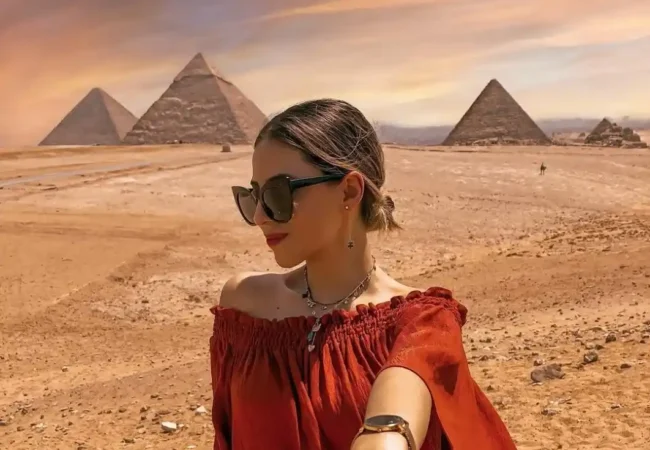
The Pyramids from Giza to Dahshur

The-Pyramids-from-Giza-to-Dahshur-UNESCO-World-Heritage-Sites-in-Egypt-EgyptaTours
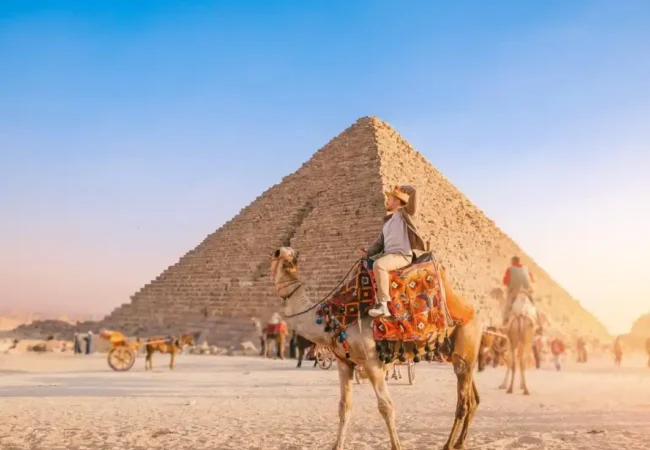
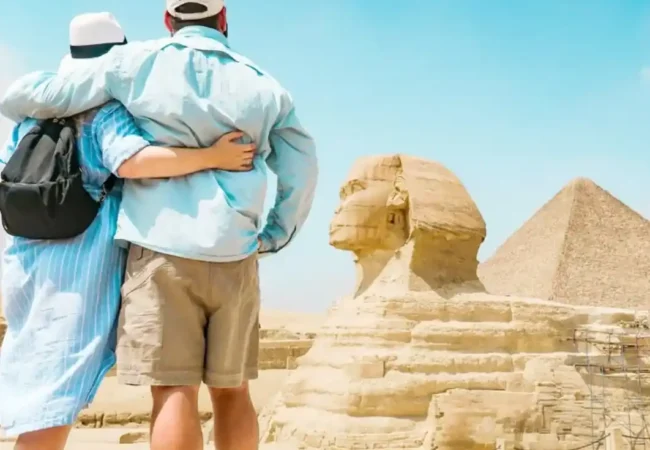
The pyramid area extending from Giza to Dahshur is considered one of the most important UNESCO World Heritage sites in Egypt, and one of its components, the Pyramid of Khufu, was classified as one of the Seven Wonders of the Ancient World.
It is considered part of the necropolis of the ancient Egyptian capital, Memphis, because it includes many rock tombs, archaeological buildings, temples, and integrated funerary complexes.
It also includes the pyramid of King Khufu.
Khufu Pyramid is the Great Pyramid and it is considered the only remaining monument from the wonders of the ancient world currently; its importance lies in its impressive engineering design and its enormity.
Ancient Thebes and its Necropolis

Ancient-Thebes-and-its-Necropolis-UNESCO-World-Heritage-Sites-in-Egypt-EgyptaTours
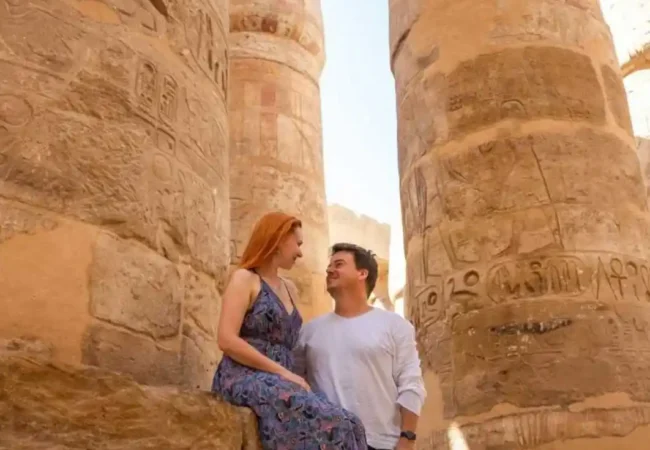
Thebes was primarily the capital of Egypt during the New Kingdom era, and it was the city of the god Amun-Ra at that time.
It is considered one of the most important historical witnesses to ancient Egyptian civilization and its artistic and religious prosperity.
Thebes includes many important archaeological monuments such as tombs, huge temples like Karnak and Luxor, palaces, the Valley of the Queens, the Valley of the Kings, and many other landmarks scattered on the west and east banks of the Nile River.
It is known that the east bank includes many religious temples and also includes what is known as the “city of the living”.
As for the west bank which was figuratively called the “city of the dead,” it included many ancient tombs and funerary temples.
Thebes and its necropolis were included among the UNESCO World Heritage sites in Egypt due to their unique value.
Nubian monuments from Abu Simbel to Philae
The Nubian monuments include many important archaeological buildings such as the Temple of Isis which is currently located on Philae Island after its relocation, and the temple of Ramses II and his wife Nefertari which is located in Abu Simbel.
These sites were rescued and moved as part of a major international campaign sponsored by UNESCO after the construction of the High Dam.
In 1979 AD, these Nubian monuments were included within the classification of UNESCO World Heritage sites in Egypt in recognition of their importance and the efforts to preserve them.
Islamic Cairo

Islamic-Cairo-UNESCO-World-Heritage-Sites-in-Egypt-EgyptaTours
The historic city of Cairo is considered one of the most prominent ancient Islamic cities in the world as it is distinguished by including many schools, mosques, markets, and historical buildings dating back to different eras.
The core of Cairo was founded long before the Mamluk era.
It includes among its landmarks Al-Azhar University which is considered one of the oldest operating universities in the world, the Mosque of Ibn Tulun and the Mosque of Al-Hakim.
There are many other Islamic landmarks expressive of the development of Islamic architecture and arts which joined under the classification of UNESCO World Heritage sites in Egypt.
Saint Catherine Monastery
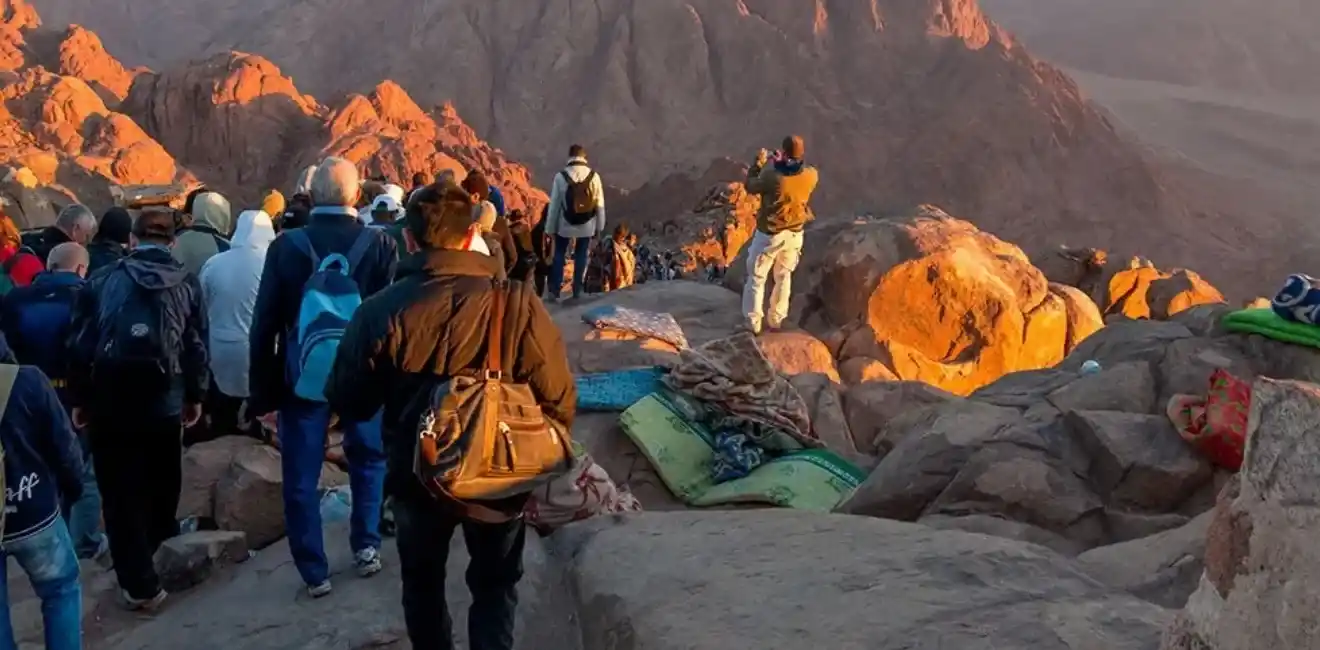
Saint Catherine Monastery is located in South Sinai, specifically at the foot of Mount Catherine near Mount Musa which holds religious significance.
The monastery includes many important religious and archaeological sites such as its main church.
This is in addition to the beauty of the surrounding mountainous nature.
The Saint Catherine Monastery area is considered one of the sites that has religious importance for followers of different religions.
In 2002 AD, it was included among the UNESCO World Heritage sites in Egypt for these multiple reasons.
Wadi Al-Hitan

Wadi-Al-Hitan-UNESCO-World-Heritage-Sites-in-Egypt-EgyptaTours
Wadi Al-Hitan is located in western Egypt, specifically in the Fayoum within the scope of Wadi El Rayan.
It includes some fossilized skeletal remains of the earliest ancestors of whales (Archaoceti).
These primitive whales lived in the place about 40 million years ago when it was a tropical sea.
There are also skeletons of other marine life, sharks, and other creatures.
Scientists have confirmed that the Wadi Al-Hitan site is an ideal location for studying the evolution of marine mammals.
In 2005 AD, the area was classified among the UNESCO World Heritage sites in Egypt.
Abu Mena Area

Abu-Mena-Area-UNESCO-World-Heritage-Sites-in-Egypt-EgyptaTours
The archaeological area of Abu Mena is located near Alexandria in the Western Desert, about 12 km from the new city of Borg El Arab.
It includes many remains of ancient archaeological buildings that formed a very important early Christian pilgrimage center.
In 1979 AD, it was included among the World Heritage sites, but unfortunately, it was later inscribed on the List of World Heritage in Danger due to the rise in the groundwater level.
Importance of preserving world heritage sites
The importance of preserving UNESCO World Heritage sites in Egypt is represented in the following:
- World Heritage sites in Egypt are the essential core of the country’s civilization and its tangible and intangible culture throughout the ages.
- They play an important role in promoting conscious cultural tourism and providing an opportunity to learn about the history and development of ancient Egyptian civilization and its successors.
- There are many challenges facing UNESCO World Heritage sites in Egypt such as climate change, urban development, and tourism pressure, so the Egyptian authorities exert their utmost effort to preserve them in cooperation with international organizations.
- The Egyptian government also emphasizes the importance of preserving Egyptian heritage which is considered an important part of the national identity and its long history.
- UNESCO World Heritage sites in Egypt are considered among the most important points of attraction for tourists who love discovering ancient Egyptian civilization in its various rich aspects.
- This significantly affects the support of social and economic development in Egypt, especially in the local communities surrounding the sites, and emphasizes the importance of preserving Egyptian heritage and presenting it to the entire world.
- World Heritage sites constitute an essential part of the country’s history, identity, and its continuous civilizational narrative across generations.
- These sites deserve continuous, systematic, and precise attention to ensure their sustainability and enhance their role in revitalizing tourism internationally and locally in a way that achieves the required balance.
UNESCO’s role in protecting Egyptian heritage
The UNESCO organization has a significant role in protecting both the cultural and natural Egyptian heritage over long decades of cooperation, and this is clearly evident through the following actions it has undertaken or supported:
- Signing a large number of international treaties and conventions binding on member states with the aim of protecting Egypt’s heritage and antiquities.
- Developing various sciences in Egypt to protect its heritage such as restoration, conservation, and archaeological site management sciences.
- Restoring antiquities and ancient buildings in partnership with Egyptian and international expertise, in order to protect them from collapse.
- Monitoring member states to ascertain the extent of their commitment to protecting the World Heritage sites located on their territories.
- Countering theft operations and illicit trafficking of archaeological monuments, and ensuring the return of stolen antiquities to their country of origin.
- Including many archaeological places on the list of World Heritage sites based on state nominations and expert evaluations.
- Increasing community and international awareness of the importance of archaeological sites present in each country and the necessity of preserving them.
- Protecting underwater cultural heritage, represented by contributing to identifying the location of the remains of the Lighthouse of Alexandria and others.
- Motivating researchers to discover the history of buried archaeological sites and conduct the necessary scientific studies to understand and protect them.
- Encouraging the international community to cooperate and preserve world heritage, through the use of many advanced scientific methods and the exchange of expertise and knowledge.
How to visit world heritage sites in Egypt
The Egyptian Ministry of Tourism and Antiquities has made it possible to visit World Heritage sites by purchasing tickets from official sales outlets at the sites.
It is also possible to book electronically for some major sites by accessing the platforms designated for that such as the Ministry’s website or accredited portals, choosing the site you want to visit, clicking on purchase ticket, and following the necessary instructions to complete the booking process successfully.
UNESCO World Heritage sites in Egypt include many important archaeological and natural landmarks that represent a common human heritage for everyone which has made them a focus of attraction for tourists from all over the world and contributed to revitalizing tourism in Egypt.
Preserving these sites in a sustainable and considered manner is important for protecting Egypt’s history and its rich and multi-layered cultural identity over a long time.9
FAQs
How many UNESCO World Heritage Sites are in Egypt?
The number of UNESCO World Heritage sites in Egypt officially listed so far is seven diverse cultural and natural sites.
They are the Pyramid area (Memphis), Islamic Cairo, Ancient Thebes and its Necropolis, Nubian Monuments, Saint Catherine Monastery, Wadi Al-Hitan, and the archaeological city of Abu Mena.
Are pyramids a world heritage site?
The entire Pyramid area extending from Giza to Dahshur, including Saqqara, is considered one of the most important and prominent World Heritage sites in Egypt, and the Great Pyramid of Khufu has been classified as one of the Seven Wonders of the Ancient World.
Which country has the most UNESCO World Heritage Site?
The country that possesses the largest number of UNESCO World Heritage sites is Italy according to the latest internationally available statistics, because it includes about 60 sites listed so far in the UNESCO list, and this number may change.
Is Alexandria a world heritage site?
Alexandria itself is not listed as a World Heritage site, but the nearby archaeological area of Abu Mena was added to the World Heritage sites. It is one of the most famous early Christian areas in the vicinity of Alexandria.
This area gained its fame from the monastery and tomb of Saint Menas, and it is one of the seven Egyptian sites currently included in the UNESCO list.