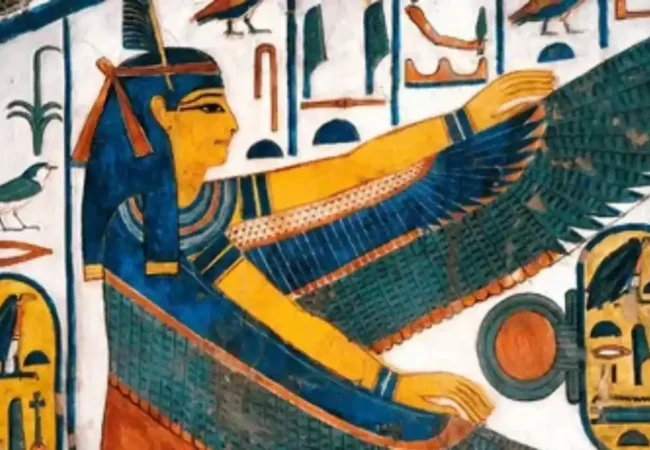
Ancient Egyptian Goddess of Fertility
The ancient Egyptian goddess of fertility is one of the most important...



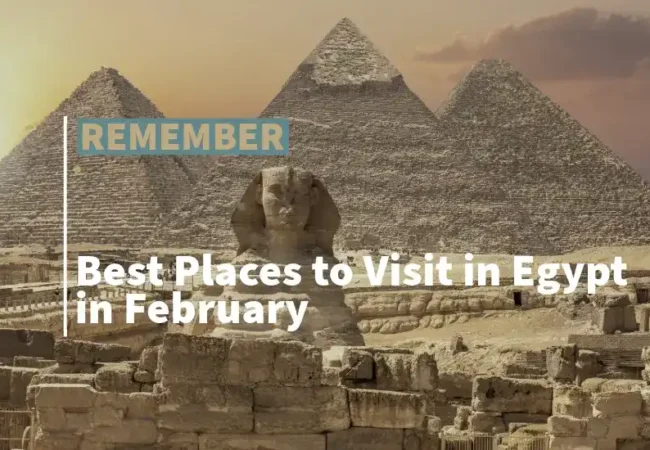
There is no doubt that Ancient Egypt was one of the most well-known civilizations in history. Also, this great civilization is known for its amazing buildings, important battles, powerful kings, and long-lasting structures, like the Pyramids.
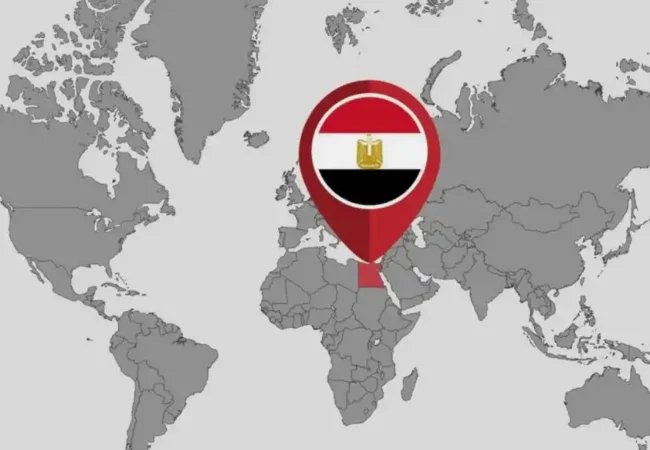
The Ancient Egyptian civilization was in the northeast part of Africa. It grew along the Nile River, from the Mediterranean Sea down to what is now southern Egypt. This area was called the Nile Valley and the Nile Delta.
Ancient Egyptian civilization was in the northeast part of Africa. It grew along the Nile River, from the Mediterranean Sea down to what is now southern Egypt. This area was called the Nile Valley and the Nile Delta. The land near the river was very good for farming, so people could grow food and build strong cities. Because of its location, Egypt became a powerful and rich civilization. Today, most of the land of ancient Egypt is in the modern country of Egypt, where many of its monuments and temples can still be seen.
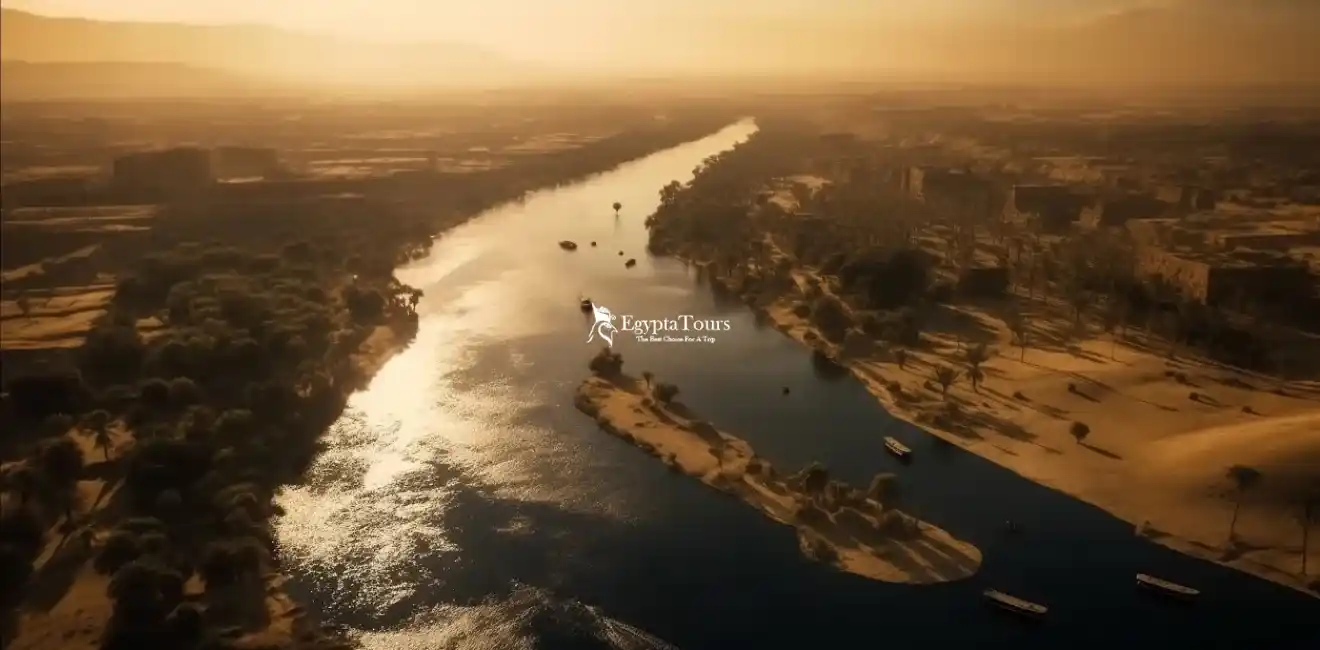
Where- Was -Ancient -Egypt -Located-The -Importance- of -the -Nile -River
Egypt is located in the Nile Valley in the northeast of Africa. In the beginning, Egypt started as small kingdoms in Upper Egypt, especially in places like Abydos and Hierakonpolis. These kingdoms slowly spread north toward Memphis and the Mediterranean Sea. By around 3000 BCE, Egypt became one united kingdom that controlled the Nile Valley up to the First Cataract which is a group of rapids in the Nile River. Other cataracts continued south along the Nile into what is now Sudan. At its largest size, around 1250 BCE, Ancient Egypt controlled lands from the Syrian coast in the north to the Red Sea in the east, south along the Nile Valley to Nubia, and west into the Libyan Desert.
Life in Ancient Egypt depended on the Nile River and the fertile land near it. Farmers in the long and narrow Nile Valley created irrigation systems to control the water, so crops could grow during both wet and dry seasons. The valley was very fertile and produced a lot of extra crops. This extra food helped Egypt build great projects like the Pyramids and the temples of Luxor. It also supported a comfortable life for the rich people, helped Egypt trade with other countries, build relationships with them, and pay for wars to expand their land.
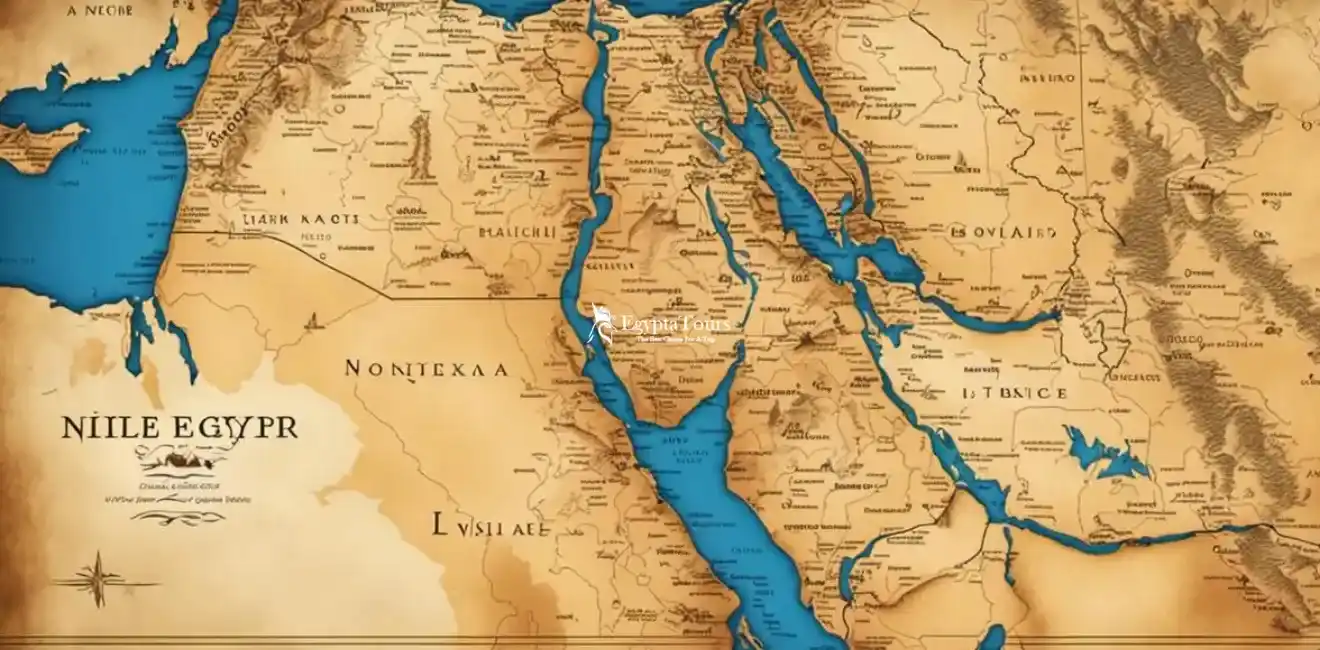
Where- Was -Ancient -Egypt -Located-Natural- Borders -of -Ancient- Egypt
Ancient Egypt was protected by natural barriers like deserts, seas, and mountains. To the west was the Sahara Desert, which was extremely hot and dry, so enemies did not want to cross it. To the east were the Red Sea and deserts, which also made travel hard. In the north was the Mediterranean Sea. In the south, there were large rocks in the Nile River called cataracts that made it difficult for invaders to move through. These natural borders helped keep Egypt safe for many years. Because of this, Egypt did not face many invasions and could grow peacefully. These borders also helped Egypt keep its own culture and traditions.
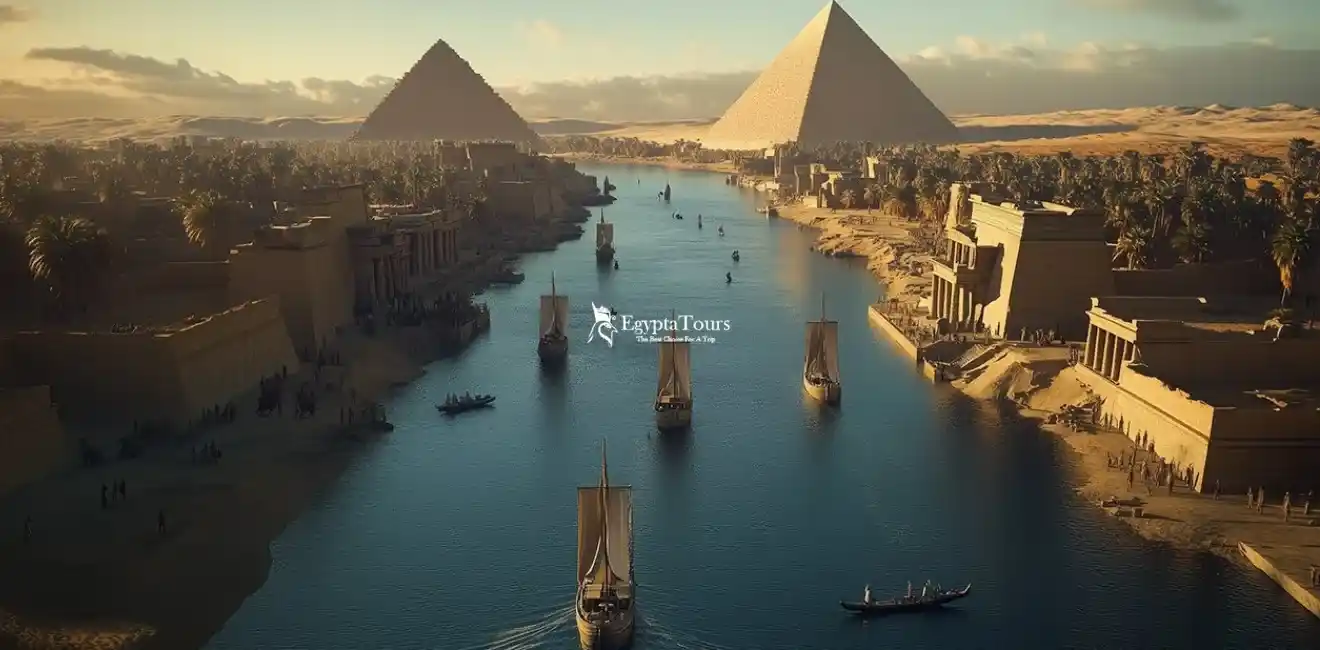
Where- Was -Ancient -Egypt -Located-Modern -Countries -That -Include -Ancient- Egypt’s -Land
Long ago, most of ancient Egypt was in the area that is now the Republic of Egypt. But Egypt also ruled part of what is now northern Sudan. The Nile River was the center of life, and many cities were built along its banks. Today, people can still see the ruins of ancient cities such as Cairo and Luxor. Even though Egypt’s borders changed sometimes, the main part of ancient Egypt was always near the Nile River. People still study the history of this land today, and many visitors travel to modern Egypt to see the amazing remains of the ancient civilization.
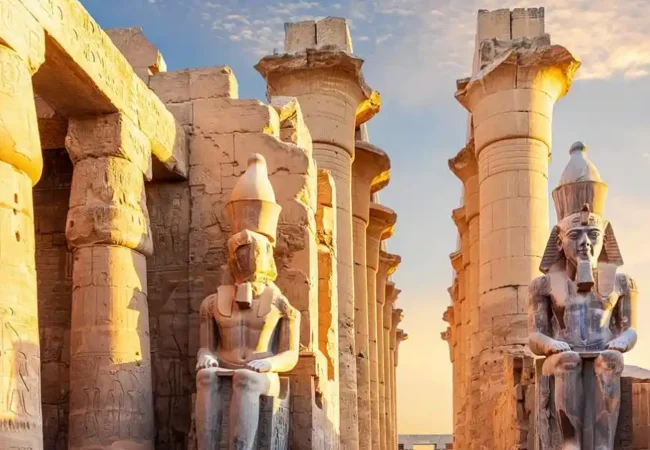
Ancient Egypt had many important cities. Memphis was one of the first capitals and was a very active center for trade. Thebes, in the south, was known for its large temples like Karnak Temple and Luxor Temple, and it was also an important religious city. Later, Alexandria became famous for the Library of Alexandria and for learning and education. Other cities like Abydos and Aswan also had important temples and were known for religion and travel routes. Most of these cities were built near the Nile River, so people and goods could move easily by boats. Today, Egypt still has many ruins from these ancient cities.
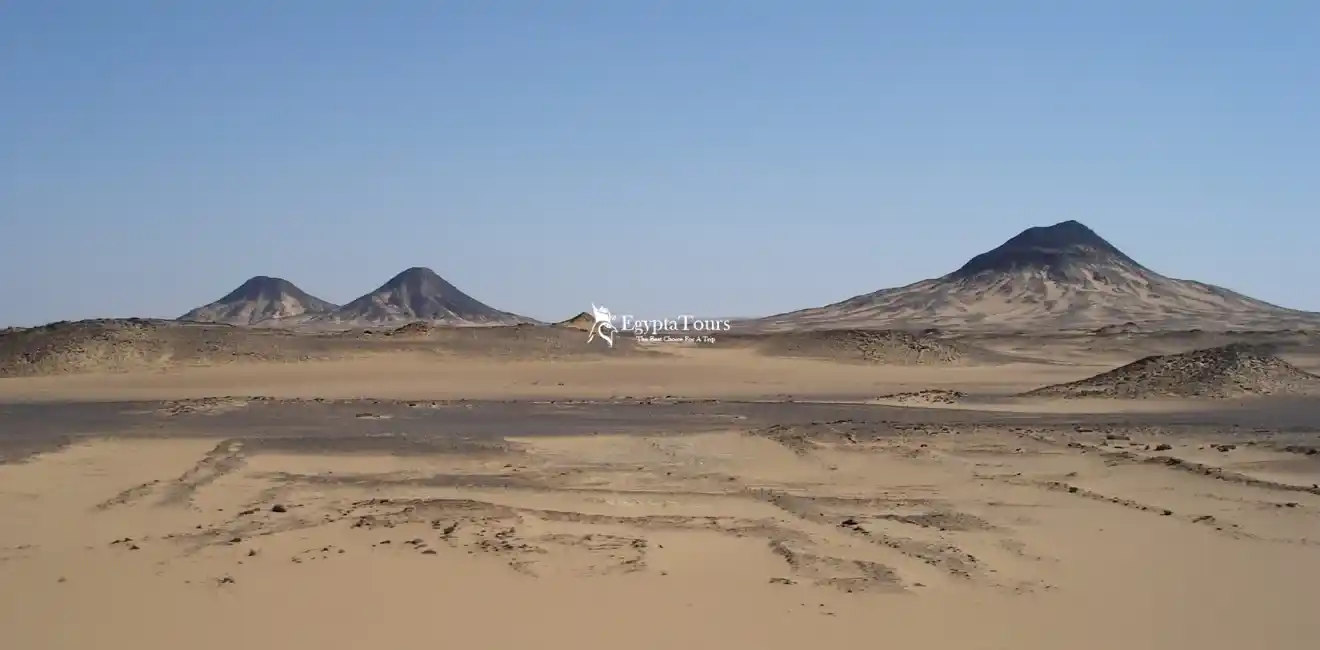
Where- Was -Ancient -Egypt -Located-The -Deserts -of -Ancient- Egypt
The deserts of Ancient Egypt were called the Red Lands and they were on both sides of the Nile River.
The Western Desert was part of the Libyan Desert and covered about 262,000 square miles. It had valleys, sand dunes and some mountains. This desert also had oases, and five of them are still known today.
The Eastern Desert stretched to the Red Sea. Today it is part of the Arabian Desert. This desert was very dry and empty, but the ancient Egyptians used it to mine different kinds of stones. Its land had more mountains and rocky areas than sand dunes.
Many ancient remains in Egypt are made of different kinds of stone. These stones help us learn about the geology of Ancient Egypt. The Egyptians used many sedimentary stones such as limestone, gypsum, sandstone, chert and travertine.
Most limestone quarries were in the hills near the Nile River valley. Travertine and chert were also found in these areas. More limestone quarries were located near Alexandria and where the Nile River flows into the Mediterranean Sea. Gypsum was found near the Red Sea and also in the Western Desert.
Igneous rocks like granite, quartz diorite and andesite mostly came from the deserts. One famous granite quarry was in Aswan near the Nile River. The ancient Egyptians also used many gemstones to make jewelry. Some of these stones were emerald, beryl, garnet, peridot, turquoise and different kinds of quartz such as agate and amethyst. These valuable stones were found in Sinai, the deserts and on an island in the Red Sea.
Ancient Egypt was located in the northeast part of Africa, along the Nile River, from the Mediterranean Sea to southern Egypt, in the Nile Valley and Nile Delta.
The Nile River provided fertile land for farming, allowed irrigation for crops, supported trade, helped build monuments like the Pyramids, and made life in Egypt comfortable and prosperous.
Ancient Egypt was protected by the Sahara Desert in the west, the Eastern Desert and the Red Sea in the east, the Mediterranean Sea in the north, and the cataracts (large rocks) in the Nile River to the south.
They used sedimentary stones like limestone, gypsum, sandstone, chert, and travertine, igneous rocks like granite, quartz diorite, and andesite, and gemstones like emerald, beryl, garnet, peridot, turquoise, agate, and amethyst.
The Nile River was the main route for traveling and transporting goods. People used boats to move crops, trade items, and materials for building temples and pyramids. It connected cities and made communication and trade much easier across Egypt.
The regular flooding provided fertile soil for farming, which helped Egypt grow crops, stay strong, and remain prosperous for about 3,000 years.



Explore our top-rated Egypt travel packages and embark on an unforgettable journey. From the Pyramids of Cairo to the magical temples of Luxor, Aswan, and Abu Simbel, discover expertly curated tours designed for your perfect Egyptian adventure