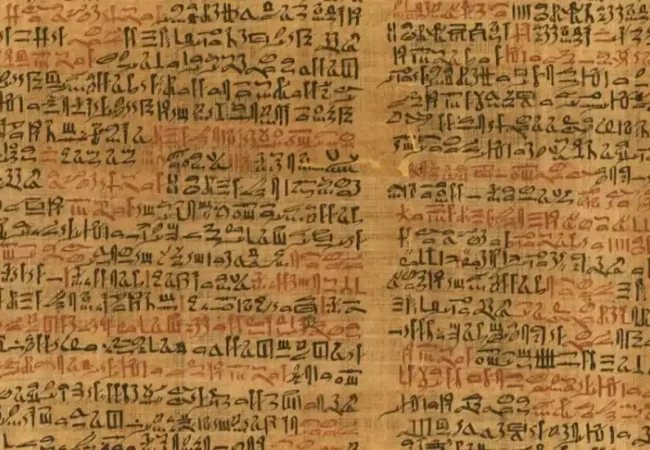
Ebers Medical Papyrus
The Ebers Medical Papyrus is a treasure trove of ancient Egyptian medical...



In ancient Egypt, many symbols and objects were used to preserve the king’s name and glorify him as Cartouche Hieroglyphics.
Their main concern was not only building temples and statues, but also engraving on them and leaving their mark in their ancient Pharaonic language, which was the dominant written language of those times. They left us many artifacts with the names of kings, their lives, wars, and numerous victories inscribed on them. From here, we learned many terms that later changed to common colloquial terms we use in our daily conversations without realizing they are Pharaonic.

Cartouche- Hieroglyphics
In ancient Egyptian language, the cartouche meant “sheni” which means “to surround” because the initial cartouche was a circle surrounding the king’s name. This circle represents the solar “shenett”, everything surrounding the sun or the world dominated by the ruling pharaoh. From this title, the Egyptian phrase “shena w rana” was taken, meaning a person with the majesty of kings, to magnify the person. Over time and with the passage of ages, the circle expanded to accommodate the entire name, so the number of circular cartouches is small.

Description -Of -Cartouche -Hieroglyphics.
The cartouche was a vertical oval shape with a vertical line drawn on its lower edge, representing a base that supports the pharaoh’s name and confirms that the accompanying text is indeed a pharaonic name.
The cartouche appeared as a double rope with tied ends, as in the inscriptions of King Sahu Ra, or circular in shape, as King Djoser requested.
Some cartouches bear no writing or inscriptions, only being raw and empty. The oldest and most authentic cartouche is the one that appeared in the era of Pharaoh Sneferu, in which the royal name is surrounded by a circle.
In the fifth dynasty, the pharaoh’s personal name was added and merged into the frame, followed by the addition of the fourth and fifth names of the pharaoh, merging them within the pharaoh’s scope. This proves that the use of the royal name within a frame of any shape was from the times of the pharaohs and was not something new.
The name of King “Horus” was recorded inside the serekh, a decorated facade of the palace or tomb, with the falcon Horus above it, and the name of Narmer, which was also recorded above his famous palette.
During the French occupation, they found that the cartouches resembled the powder cartridges in their guns, which were also oval in shape, and thus became symbols of culture.
The ancient Egyptians believed that writing the king’s name inside a cartouche would provide him with protection from any harm in this life and the afterlife. Inscribing the king’s name within a cartouche also greatly magnified his status, preserved his name, and immortalized him, so that future generations would know that this monument, temple, or statue belonged to the king whose name is written.
This prevented others from claiming the work as their own, which is why we can now identify the most important figures of ancient Egyptian history, simply from a cartouche in the shape of a circle or an elongated circle containing the king’s full details, surrounded by inscriptions of his life and victories, making it a timeless treasure.
The cartouches had religious connotations and were similar to the solar crowns worn by some Egyptian gods, which is why they were symbols of protection from evil in both this life and the afterlife, according to the ancient Egyptian belief.

Examples- Of -Ancient -Cartouche- -Hieroglyphics.
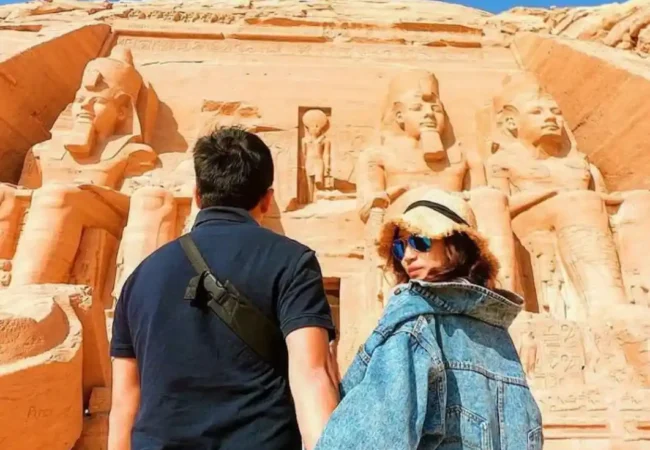
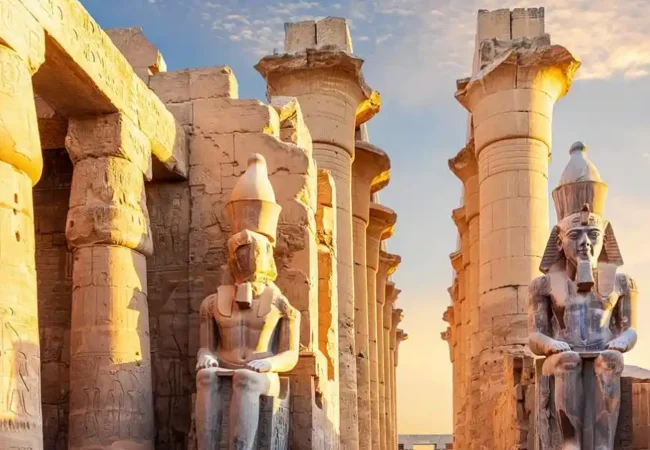
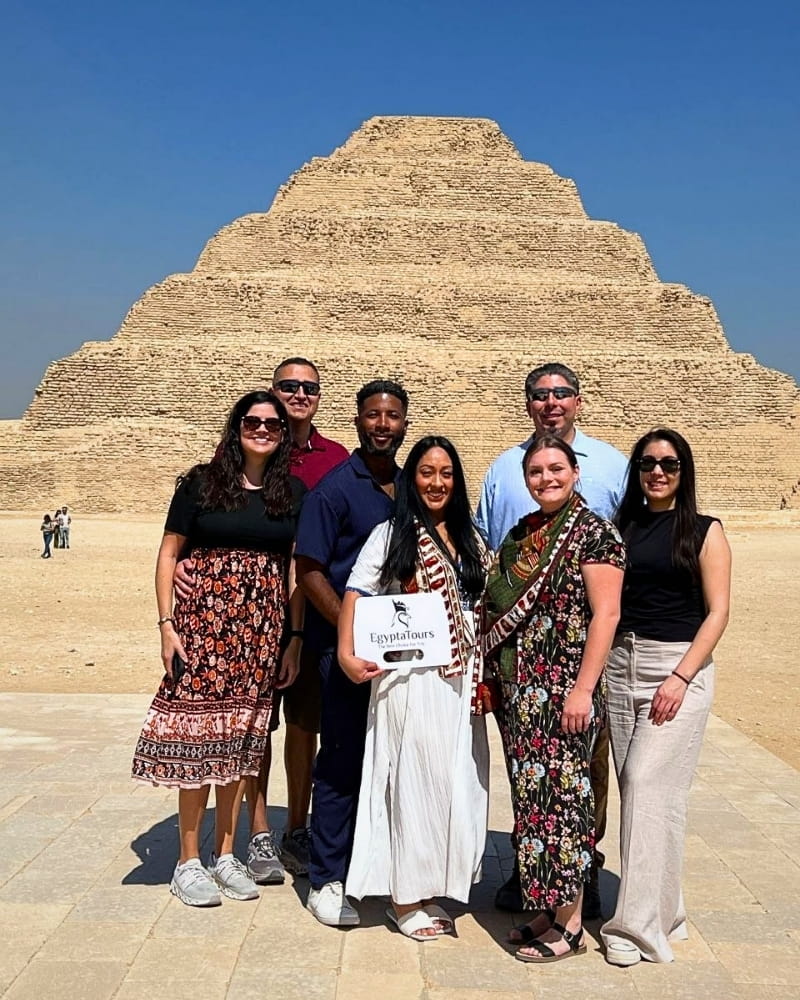
include those found in the Pyramid of Djoser, the first pyramid in history, as well as in the Giza Pyramids, Valley of the Kings, Abu Simbel Temple, and several temples in Luxor. A notable example is the cartouche of Nefertari, wife of King Ramses II, which indicates that not only kings had the right to immortalize their names.
The method of writing inside the cartouche evolved over time. Initially, the cartouche surrounded the royal name, then in the fifth dynasty, the pharaoh’s personal name was added. Later, the fourth and fifth names of the pharaoh were added and merged, including his divine name. The penultimate name was the honorary title, King of Upper and Lower Egypt, and the title began with the honorary epithet, such as Son of Ra.
The cartouche meant “sheni” which means “to surround” because the initial cartouche was a circle surrounding the king’s name. This circle represents the solar “shenett”, everything surrounding the sun or the world dominated by the ruling pharaoh. From this title, the Egyptian phrase “shena w rana” was taken, meaning a person with the majesty of kings, to magnify the person. Over time and with the passage of ages, the circle expanded to accommodate the entire name, so the number of circular cartouches is small.
The cartouche was a vertical oval shape with a vertical line drawn on its lower edge, representing a base that supports the pharaoh’s name and confirms that the accompanying text is indeed a pharaonic name.
The cartouche appeared as a double rope with tied ends, as in the inscriptions of King Sahu Ra, or circular in shape, as King Djoser requested.
Some cartouches bear no writing or inscriptions, only being raw and empty. The oldest and most authentic cartouche is the one that appeared in the era of Pharaoh Sneferu, in which the royal name is surrounded by a circle.
The ancient Egyptians believed that writing the king’s name inside a cartouche would provide him with protection from any harm in this life and the afterlife. Inscribing the king’s name within a cartouche also greatly magnified his status, preserved his name, and immortalized him, so that future generations would know that this monument, temple, or statue belonged to the king whose name is written.
This prevented others from claiming the work as their own, which is why we can now identify the most important figures of ancient Egyptian history, simply from a cartouche in the shape of a circle or an elongated circle containing the king’s full details, surrounded by inscriptions of his life and victories, making it a timeless treasure.
The method of writing inside the cartouche evolved over time. Initially, the cartouche surrounded the royal name, then in the fifth dynasty, the pharaoh’s personal name was added. Later, the fourth and fifth names of the pharaoh were added and merged, including his divine name. The penultimate name was the honorary title, King of Upper and Lower Egypt, and the title began with the honorary epithet, such as Son of Ra.
The cartouches had religious connotations and were similar to the solar crowns worn by some Egyptian gods, which is why they were symbols of protection from evil in both this life and the afterlife, according to the ancient Egyptian belief.


Explore our top-rated Egypt travel packages and embark on an unforgettable journey. From the Pyramids of Cairo to the magical temples of Luxor, Aswan, and Abu Simbel, discover expertly curated tours designed for your perfect Egyptian adventure