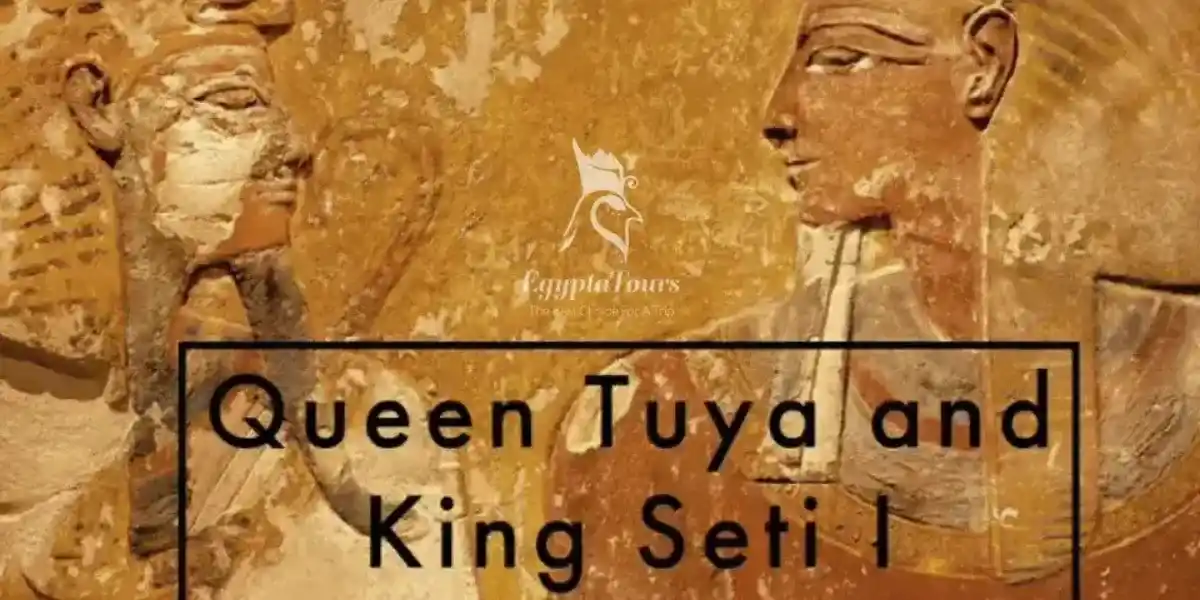
Seti I Family Tree Exploring Best Ancient Egyptian Pharaohs
📋 Summary & Quick Facts
| Relationship | Historical Figure | Key Legacy & Detail |
| Father | Ramesses I | Military commander who founded the 19th Dynasty |
| Mother | Queen Sitre | The first official royal wife of the new dynasty |
| Great Royal Wife | Queen Tuya | Seti I’s primary consort; daughter of a military charioteer |
| Famous Son | Ramesses II | “Ramesses the Great,” who led Egypt at the Battle of Kadesh |
| Eldest Son | Prince Nebchasetnebet | The crown prince who died tragically at a young age |
| Dynasty | 19th Dynasty | Part of the powerful New Kingdom era |
Seti I Family Tree The ancient History of Egypt is Really mysterious and captivating, but the secrets of the history still largely Undiscovered. One topic that has been fascinating and Mysterious for many researchers and archeologists in recent years is the family tree of Ancient Egyptian Pharaohs, Especially King Seti I Family Tree.
This Blog Post from EgyptaTours offers a comprehensive look at the fascinating history of Pharaoh Seti I and his years of reign. Join us as we explore this incredible Era and uncover the mysteries behind this Unique ruler’s Seti 1 family tree!
The Parents of Seti I: Founding a New Dynasty
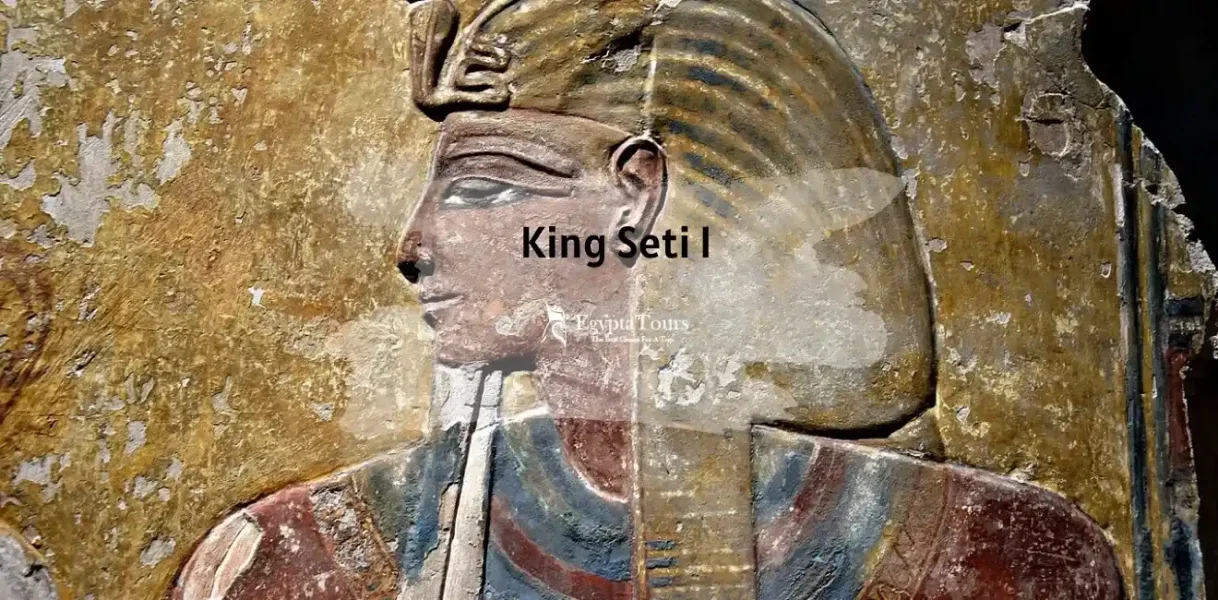
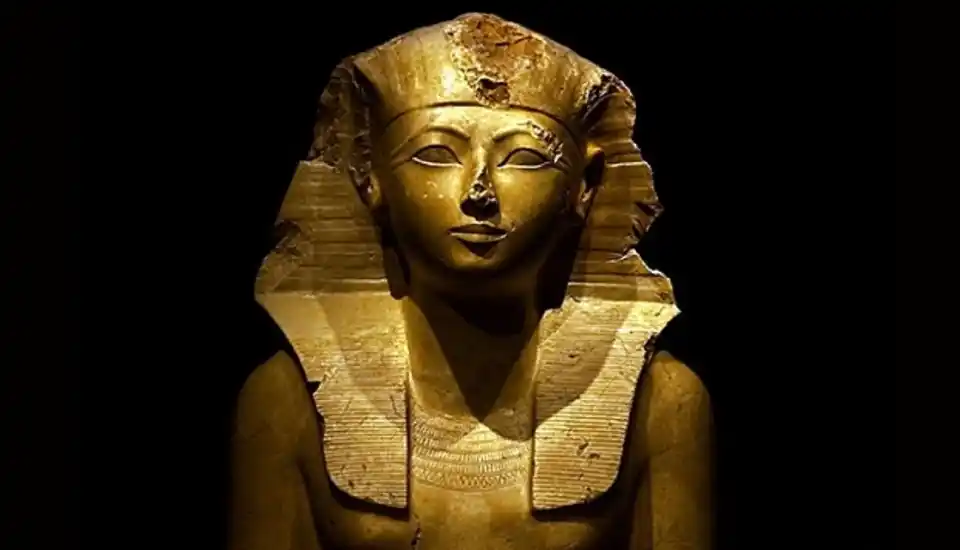
King-Seti-I
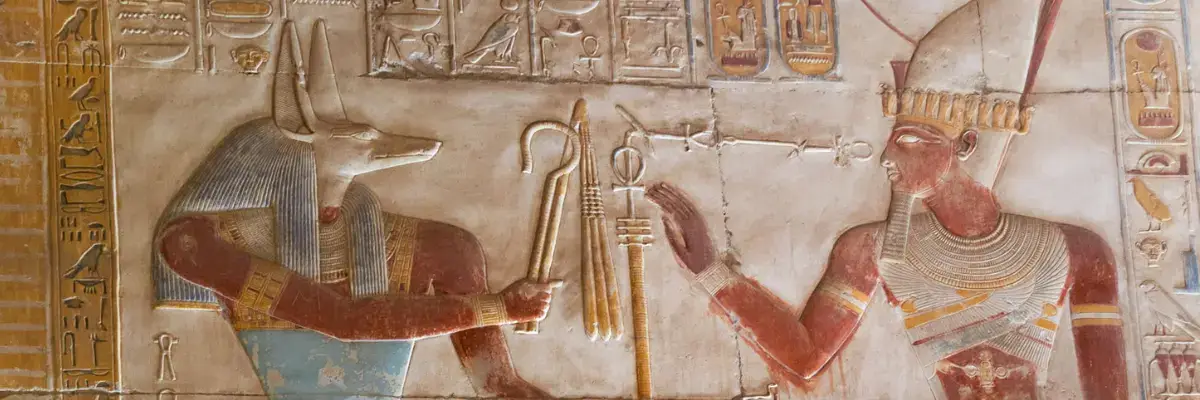
King Seti I, one of Egypt’s prominent pharaohs from the 19th Dynasty, came from a powerful lineage that maintained Egypt’s stability and expansion. Seti I, the son of Pharaoh Ramses I, ruled from 1290 to 1279 BCE, during a time of military campaigns and restoration of Egypt’s former glory.
His family is deeply connected to the legacy of the New Kingdom. Seti I’s son, Ramses II, would go on to become one of the greatest pharaohs in Egypt’s history. Seti I’s reign is well-remembered not only for his military successes, including campaigns against the Hittite Empire, but also for his architectural contributions.
One of the most significant is the Temple of Seti at Abydos, a masterpiece of ancient Egyptian architecture, dedicated to Osiris and the pharaoh’s divine lineage. This temple was later admired by notable individuals, including Sir John Soane, the famous British architect, whose work was influenced by classical antiquities, including Egyptian monuments.
The King Seti I was the second ruler of 19th dynasty of the Egyptian Kingdom. He Was the Ruler and The King for about 13 years, from 1290 to 1279 BCE. Seti I was born in Menes city, in the Nile Delta. His father was the Pharaoh Ramses I, who was the Founder of the 19th dynasty, and his mother was Queen Sitre (“Daughter of Re”).
Seti I Was Very Tall Man, over six feet tall. He had a long nose and high cheekbones. He wore a beard and was balding by the time he became king.
Seti I married From Queen Tuya, and they had two sons: Pharaoh Ramses II (who succeeded him as king) and Amun-her-khepeshef. He also had a daughter, Tiaa.
Seti I expanded the empire of Egypt into Syria, and he had many battles against against the Hittites in Anatolia. He also initiated extensive building projects in Egypt, including temples at Karnak and Luxor and statue of Seti. The most famous is probably the Temple of Abydos, dedicated to Osiris, which contains reliefs with texts that provide us Many More information about Egyptian history and religion.
Father: Pharaoh Ramesses I
The story of Seti I’s ancestry begins with his father, Ramesses I, originally known as Paramessu. Before ascending the throne, Paramessu was a highly distinguished military commander, vizier, and high priest under the final pharaoh of the 18th Dynasty, Horemheb. Because Horemheb left no direct heirs, he chose his trusted military counterpart to succeed him. Ramesses I ruled for a brief period of less than two years, but his ascent effectively established the 19th Dynasty, positioning his son Seti I as the legitimate crown prince to continue the newly minted royal line.
Mother: Queen Sitre
Queen Sitre was the matriarch of the 19th Dynasty and the mother of Seti I. Historical evidence suggests that she, too, came from a non-royal background, likely marrying Ramesses I long before he had any prospects of becoming pharaoh. Upon her husband’s sudden rise to power, she was elevated to the status of Great Royal Wife. She is famously recognized as one of the first queens to be buried in the prestigious Valley of the Queens, securing her place in royal Egyptian genealogy.
The Royal Consort: Queen Tuya
To solidify his own reign and secure a powerful succession, Seti I married Queen Tuya, who would become his Great Royal Wife. Tuya was the daughter of a high-ranking military officer named Raia, further cementing the family’s deep ties to the Egyptian army. Queen Tuya played an incredibly prominent role during her husband’s reign and lived long enough to see her son achieve legendary status.
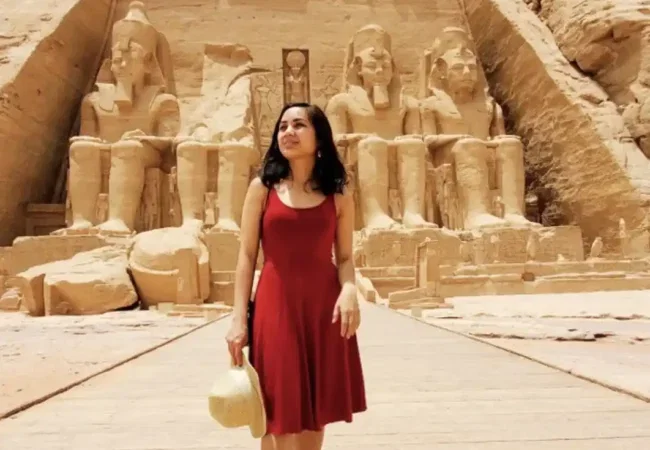
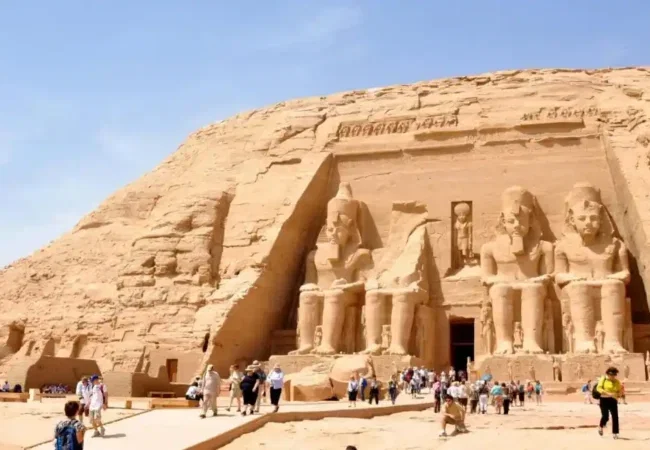
Her striking presence was so significant that she was later depicted alongside her son on monumental statues at the Ramesseum and Abu Simbel.
The Children of Seti I: Securing the Legacy
While Seti I is celebrated for his incredible temple constructions and successful military campaigns, his family planning shaped the next two centuries of Egyptian history. He and Queen Tuya had several children, though historical records highlight a mixture of tragic losses and unparalleled triumphs within their household.
Pharaoh Ramesses II (The Great)
The most illustrious branch of the Seti I family tree belongs to his son, Ramesses II, who would eventually be known to the world as Ramesses the Great. Seti I took immense care in grooming his son for leadership from an early age, involving him in administrative duties and dangerous military campaigns. However, Ramesses II was not originally the sole heir.
Seti I had an older son, Prince Nebchasetnebet, who was initially designated as the crown prince but died prematurely during his youth. This tragic loss cleared the path for Ramesses II to ascend the throne, leading to a legendary 66-year reign that defined the peak of the New Kingdom’s power.
Facts About Seti I Family Tree and His Dynasty
Facts-About-Seti-I-Family-Tree-and-His-Dynasty-EgyptaTours
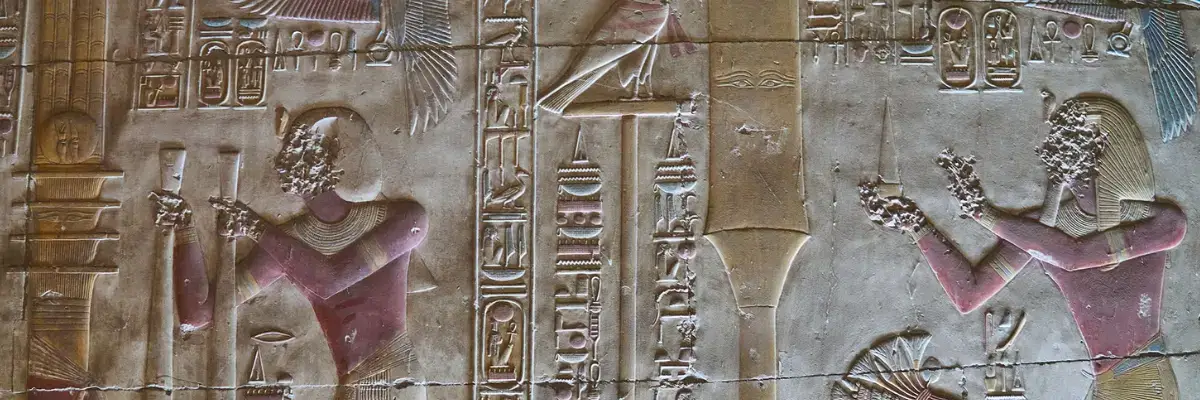
- Seti was the second Pharaoh of the 19th dynasty Egyptian Old Kingdom.
- Seti I Ruled for about 12 years.
- He was the son of Ramesses I and Queen Tuya, and the father of Ramesses II.
- Seti I was focused on increasing the power of Egypt domestically and abroad.
- He Understrength a major building program, including the construction of a new capital at Avaris.
- Seti also sent military Campaigns to Canaan and Nubia, and he Broadcasted Egyptian trade with Syria and Libya.
- In terms of domestic policy, Seti I Reformed the system of Regulations and increased royal control over the administration of justice.
- He also centralized power by appointing his sons to key positions in the government.
- Seti died in 1279 BC, and was succeeded by his son Ramesses II.
Other Pharaohs in Seti I’s Lineage
Khaemwaset
Ramesses II, also known as Ramesses the Great, was the third King of the Nineteenth Dynasty of Egypt. He is often Known as the greatest, most Famous, and most powerful pharaoh of the Egyptian Empire. His successors and later Egyptians called him the “Great Ancestor”.
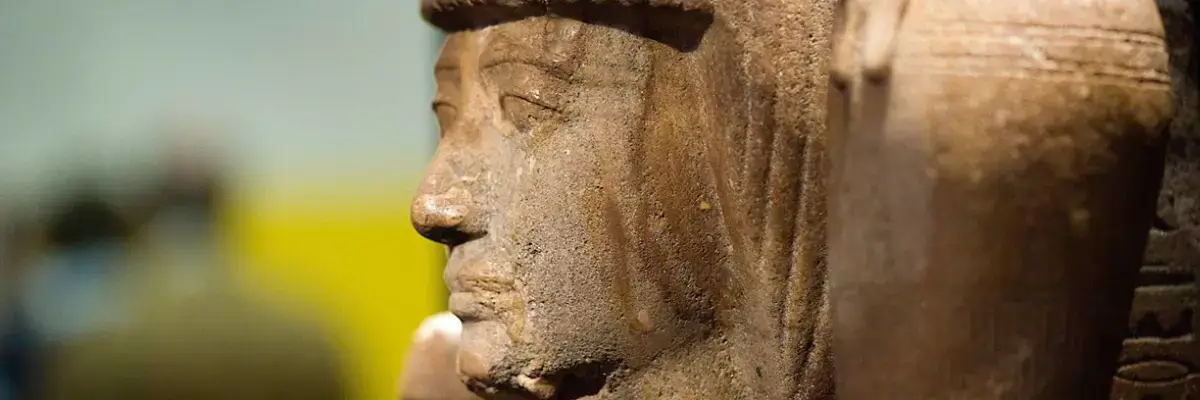
Seti I Family Tree. Father of seti was Ramesses I, who became king in 1279 BC. Mother of Seti I was Queen Sitre (“Daughter of Re”), who was likely a royal consort from another dynasty. Seti had at least two brothers: Amun-her-khepeshef and Khaemwaset. As for his sisters, we know very little information about them other than their names: Merneptah, Henuttawy, and Isis-Meritaten. Merneptah later succeeded Seti I as pharaoh.
Seti fathered at least twelve sons and twelve daughters only four of his sons and one daughter’s reached adulthood: Amenhotep III, Ramesses II, Merneptah, Isetnofret II and Bintanath. All of Seti’s other children died young or were outlived by their parents.
Seti I Family Tree
The Seti I family Tree was an important dynasty of pharaohs that ruled ancient Egypt during the New Kingdom period, from approximately 1294 BCE to 1279 BCE.
Seti I was the second pharaoh of this dynasty and is known for his military campaigns in Libya and Syria, as well as his impressive architectural achievements, including the construction of the Great Hypostyle Hall at the Karnak Temple complex in Luxor.
Seti I was succeeded by his son Ramesses II, who is arguably the best-known pharaoh of the New Kingdom period. The Seti I family played an important role in shaping the history and culture of ancient Egypt, leaving behind a legacy that continues to fascinate and inspire people today.
Seti I grandchildren
Seti I grandchildren, also known as Sety I, was a pharaoh of ancient Egypt who ruled from around 1290 BC to 1279 BC. He was a prominent ruler of the New Kingdom’s 19th Dynasty. Seti I Family Tree had several children, and among his descendants were some notable figures, including his grandson Ramesses II, also known as Ramesses the Great.
Ramesses II is one of the most famous pharaohs in Egyptian history and is often regarded as one of the greatest. He ruled for an extended period, from around 1279 BC to 1213 BC, and is known for his military campaigns, monumental building projects, and the Battle of Kadesh against the Hittites.
While specific information about all of Seti I’s grandchildren may not be readily available, Ramesses II stands out as the most renowned among them. If you have more specific questions or if you’re looking for information on other descendants of Seti I Family Tree, please let me know.
The Legacy of Seti I’s Son, Ramesses II
Seti I’s most famous descendant was his son, Ramesses II, one of Egypt’s greatest and longest-reigning pharaohs. After Seti’s death, Ramesses II not only inherited his father’s throne but also continued his work, completing many of Seti’s unfinished projects.
This includes the Tomb of Seti in the Valley of the Kings, which is considered one of the most elaborate and beautifully decorated tombs in Egypt. Though Seti I’s death occurred before its completion, his son ensured that the tomb was finished in all its splendor. The intricate reliefs and texts in the tomb illustrate Seti’s journey through the afterlife, his devotion to the gods, and the grandeur of his reign.
Tomb Robbers and Seti I’s Mummy
Despite the magnificence of the Tomb of Seti, it was not immune to the plundering of tomb robbers that plagued many of the royal burials in the Valley of the Kings. Seti’s mummy was eventually removed from its original resting place to protect it from theft and desecration.
Rediscovered in the Deir el-Bahri cache in 1881, the Mummy of Seti I was found remarkably well-preserved, showcasing the embalming techniques that the ancient Egyptians had perfected.
The Religious Devotion of Seti I
Seti I’s reign was not just marked by military and political feats but also by his devotion to the gods, particularly Amun, one of the most powerful deities in Egyptian religion. His dedication is immortalized in the Temple of Amun at Karnak, where Seti commissioned grand halls and carved walls to honor the god.
The temple remains one of the most significant religious structures from ancient Egypt.
Exploring the Seti I Family Tree: FAQs
Who was Seti I Egypt?
Seti I was a Pharaoh of Ancient Egypt’s 19th Dynasty, known for his military campaigns and construction projects. Seti I ruled from around 1294 to 1279 BC.
Who were Seti I Family Tree?
Seti I was the son of Pharaoh Ramesses I and Queen Sitre. His father founded the 19th Dynasty, setting the stage for Seti’s reign.
Did Seti I have siblings?
Historical records suggest Seti I had a brother named Nebchasetnebet, though information about him is limited.
Who was Seti I’s wife?
His wife was Queen Tuya. She was an important figure in the royal court and mother of his children.
How many children did Seti I have?
Seti I had at least three known children: Ramesses II, Tia, and Henutmire. Ramesses II became one of Egypt’s most famous pharaohs.
What is Ramesses II’s significance in Seti I’s family tree?
Ramesses II, Seti I’s son, is one of the most celebrated Pharaohs of Egypt. His long reign marked a period of prosperity, massive building projects, and military expansion.
Were there significant achievements during Seti I’s reign?
Yes, Seti I is credited with restoring order after the chaotic reign of Akhenaten and increasing Egypt’s power through successful campaigns in the Levant, Libya, and Nubia.
Are there any famous monuments associated with Seti I Family Tree?
Seti I commissioned several projects, including an elaborate tomb in the Valley of the Kings and the impressive temple at Abydos.
How is Seti I regarded in Egyptian history?
Seti I is seen as a key ruler who revitalized Egypt after the turmoil of the 18th Dynasty’s end, setting a strong foundation for future pharaohs.
Similar Posts
About EgyptaTours

EgyptaTours is a name synonymous with trust, excellence, and unforgettable travel experiences, proudly standing as one of the leading travel agencies in Egypt. Renowned for its deep expertise, personalized service, and carefully crafted itineraries, EgyptaTours serves as the ultimate gateway to discovering Egypt in its most authentic and inspiring form.