
Explore Babylon Fortress: History, Architecture, and Travel Guide
📋 Summary & Quick Facts
If you want to uncover the true roots of Cairo, you have to look past the modern skyline and step into the historic bounds of the Babylon Fortress.
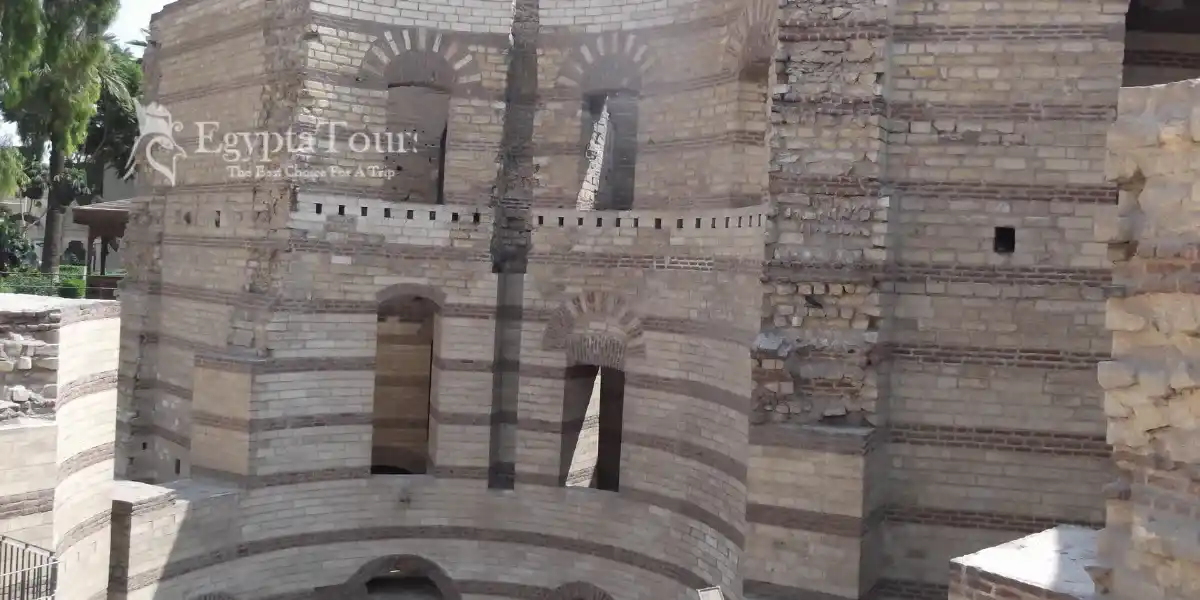
Long before the bustling Islamic city took shape, this massive Roman stronghold stood guard over the Nile. Built around 300 AD by Emperor Diocletian, it wasn’t just a military base; it was the ultimate strategic gateway, controlling a vital canal that linked the Nile all the way to the Red Sea.
Today, this ancient citadel is the beating heart of Old Cairo. Instead of Roman legionaries, its towering limestone and red-brick walls now cradle some of Egypt’s most profound cultural treasures.
The fortress literally serves as the foundation for Coptic Cairo, seamlessly blending ancient military engineering with stunning religious architecture. When you walk through its gates today, you are stepping onto the exact footprint where the modern Egyptian capital was born.
Key Takeaways
-
Strategic Origins: Built primarily by the Romans to act as a military stronghold, toll station, and protective barrier for the Nile-Red Sea canal trade route.
-
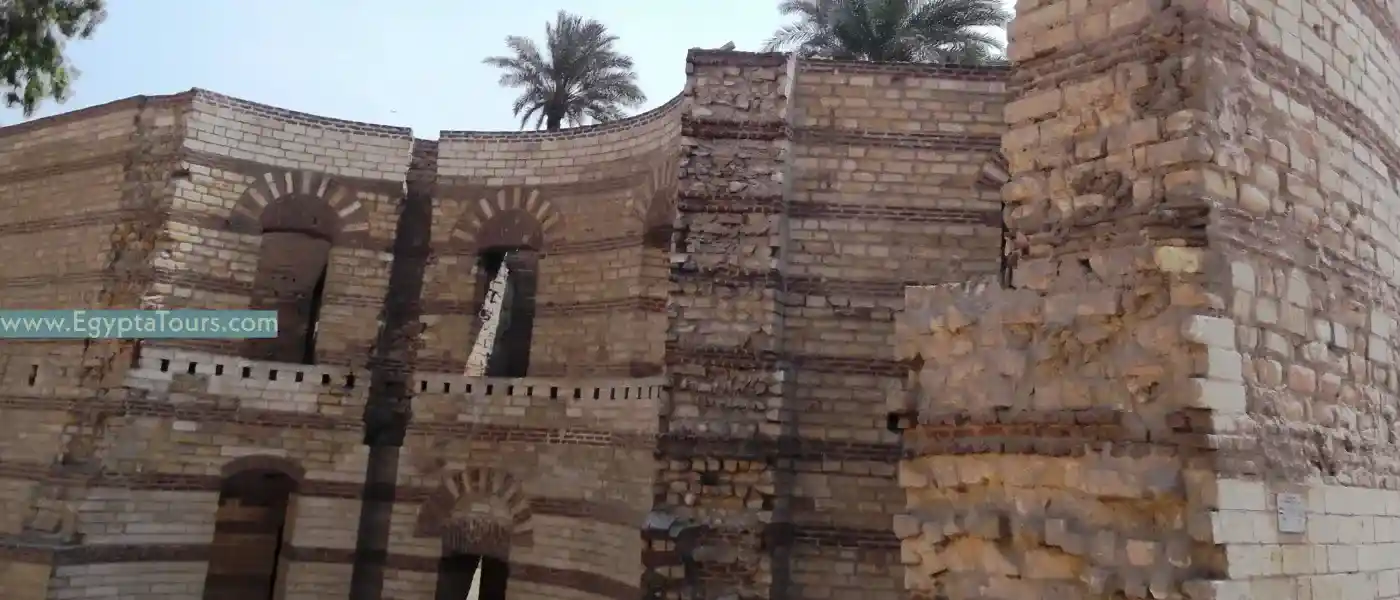
Distinct Architecture: The fortress features classic Roman military construction, characterized by massive 10-meter-high towers and walls made of alternating limestone and red bricks.
-
The Birthplace of Cairo: Because of its prime central location connecting Lower and Middle Egypt, the area around the fortress eventually grew into the city of Cairo following the Arab conquest in 641 AD.
-
A Hub for Coptic History: The fortress is deeply intertwined with Egypt’s Christian history; several prominent structures, including the famous Hanging Church, are built directly into or on top of its ancient Roman walls.
-
Layered Mythology and History: While heavily Roman in its current architectural footprint, historical accounts suggest the site may have been used as far back as the 19th century B.C. by Pharaonic kings or Babylonian prisoners.
Babylon Fortress is an Ancient Roman fortress on the eastern bank of the Nile Delta, located in the area which today known as Old Cairo or Coptic Cairo. The fortress was built almost 300 AD by Emperor Diocletian in order to protect the entrance to an ancient canal, previously rebuilt by Trajan, which attached the Nile with the Red Sea. It was at the boundary between Lower and Middle Egypt, where the river craft paid tolls when ascending or descending the Nile.
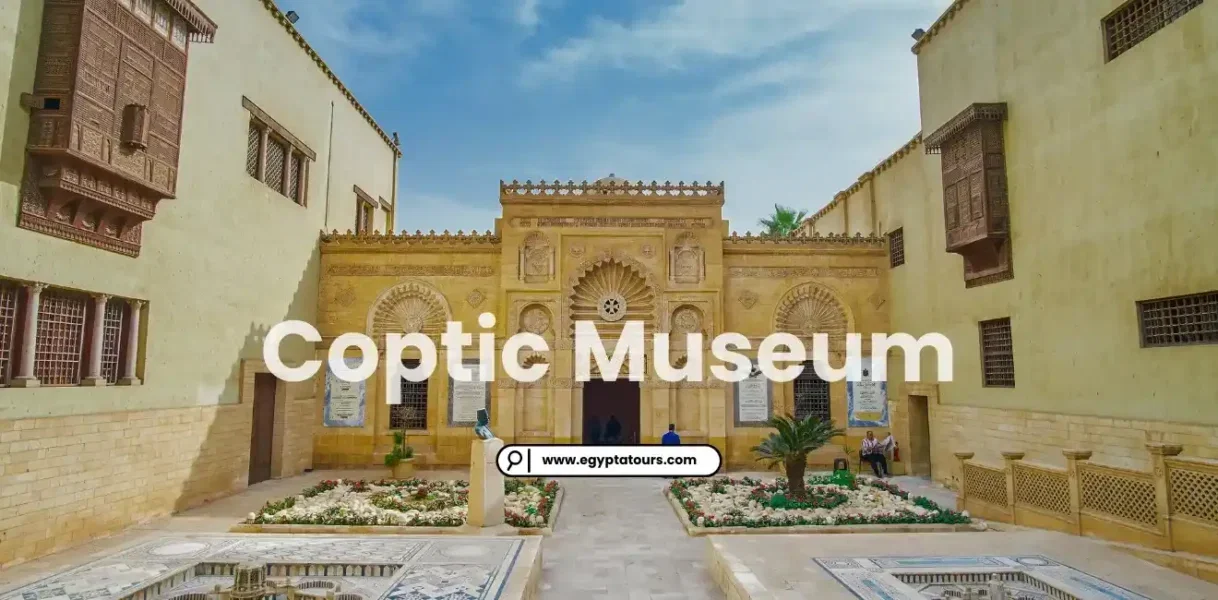
Within the fortress’s former enclosure are the present-day Coptic Museum, a convent, and several churches, including the Church of St. George and the Hanging Church. it is called the birthplace of Cairo. It’s the oldest part of the city and it’s dates back to the Bronze Ages.
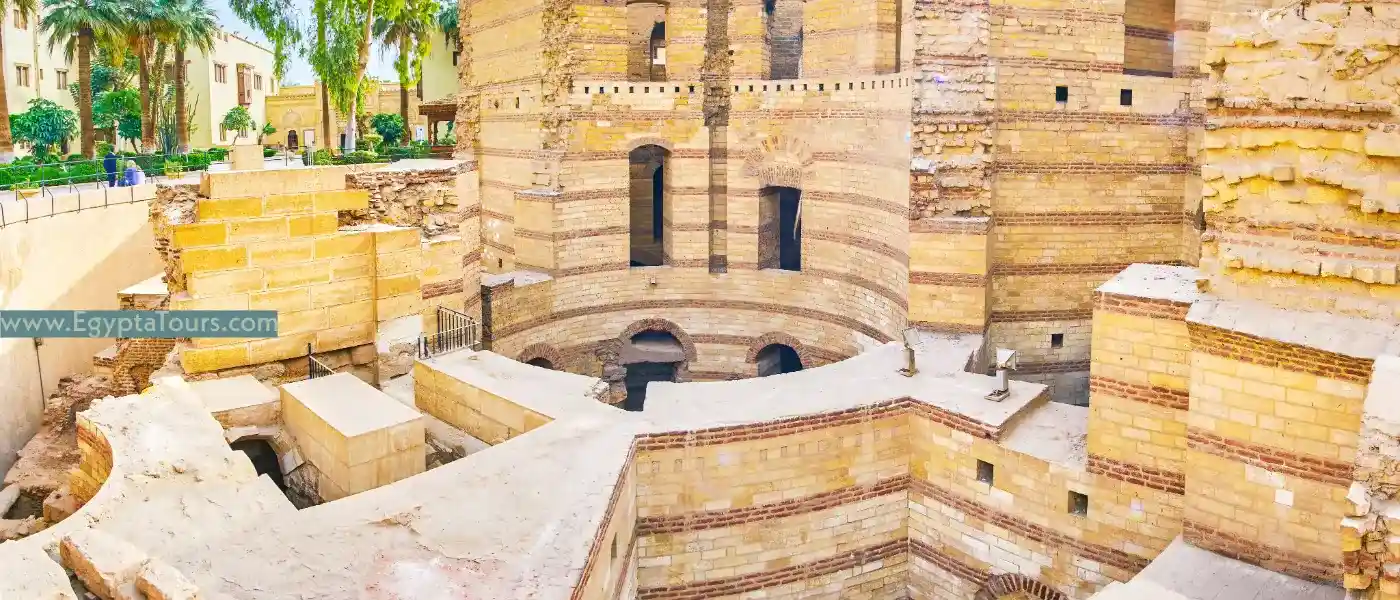
Babylon Fortress today has many Coptic structures built into its walls. The towers are 10 m high and have a diameter of 31 m. it has a shape typical of Roman fortresses with five blocks of limestone and three blocks of brick. There are another 6 Coptic churches, a convent and the Coptic Museum within the walls. It is also called the Qasr El Shame or the Palace of Candles because candles illuminated the towers at the beginning of every month.
Babylon-Fortress-History-EgyptaTours
“A Guide to the Ancient Coptic Churches of Cairo”, O.H.E. KHS-Burmester records significant historical information about the fortress area. According to Burnmester, Ptolemy (121-151 A.D.), in his book “Geography”, mentions a town named Babylon which existed from Pharaonic times on part of a place of what is now included in Cairo. A canal path through this town to connect the Nile with the Red Sea.
Roman Emperor Trajan (98-117 A.D.) reopened this canal and also expanded and prepare a Fortress which was located at the southern end of the town.
Babylon fortress, known as the “Castle of Babylon”, or “Castle of Egypt” (Khemi), was further reopen by Emperor Arcadius (395-408 A.D.). There was a fluvial port at this location where ships could berth. In 335 A.D., the Roman Emperor change shipping roades from Alexandria to the Babylon fortress.
The area of Old Cairo was the first step of present-day Cairo. At the time of the Arab conquest of Egypt, Babylon imitate to have been a huge city expanded northwards as far as Ten Dounias, the present district of al-Azbakiah, where there was a fortified outpost. The Arab general ‛Amr Ibn al-As captured this outpost and busy the city as far as the Castle of Egypt, to which he laid siege. On April 9th, 641 A.D.
this castle, which the Arabs named “Qasr ash-Sham’a” give up. After the Arab conquest of Egypt, the name Babylon was more usually used to denote the district immediately around the Castle of Egypt or Qasr ash-Sham’a.
Later this became a quarter inhabited mainly by Christians.
Babylon fortress’ towers are about 10 meters high and about 31 meters in diameter. The walls are about 3 meters thick. The floor of the fortress is below the level of Street. George Street by about 6 m because of city construction over time.
If you go back with the history to twenty centuries ago, specifically in the middle of the second century AD, Babylon Fortress had been illuminated by candles, to reverberate a magical light that takes the eye of everyone passing the Nile, so it called “the palace of candles.” While the walls of this fortress wrapped around the governor’s palace and the houses of the Roman soldiers in elegant view. That was to show you how the Babylon Fortress in that time.
The Roman Emperor Trajan ordered to build a Fortress to obtain the Roman military, and it constituted the first line of defense from the side of the eastern gate of Egypt, and he had chosen this point especially to sit his Fortress in the middle cite of Egypt. It is connecting the tribal side with its seaside, which would spread the Romans’ control of
putting down any upheavel against them from the south or the north, as it formed an invincible fortress against the enemies, and a tower to balance any attack.
Babylon Fortress Construction
Babylon-Fortress-Construction-EgyptaTours
Some historians think that the construction of the Babylon Fortress dates back to a historical time more than 19th centuries earlier than that of the Roman Emperor Trajan, and that it dates back to the hold of King Senusret III, one of the kings of the 12
the Dynasty, who ruled during the period from 1878 to 1839 BC.
| Feature | Dimension / Detail |
| Tower Height | 10 meters |
| Tower Diameter | 31 meters |
| Wall Thickness | Approximately 3 meters |
| Building Materials | 5 blocks of limestone, 3 blocks of red bricks |
| Current Elevation | 6 meters below modern St. George Street level |
The Architecture of the Citadel
When exploring Old Cairo today, one of the most striking features you will encounter are the massive ancient fortress walls. Originally engineered by the Romans to secure a vital trading canal and house their military garrison, these formidable barriers boast a thickness of nearly three meters.
Over the centuries, the city literally built itself on top of this Roman foundation, and today, you can see how these same fortress walls seamlessly support historic structures like the Hanging Church and the Coptic Museum.
Hanging Church
The Hanging Church came from its location above the gatehouse of Babylon Fortress. Its name taken from the fact that it built on the wall of 4th century BC. Roman fortress of Babylon the remains which are visible to Coptic Cairo. It’s date from 19th century , but the site is thought to have first been occupied by the church as early as the 3th century which make it one of the oldest Christian religious site in Egypt .
The entrance to the Hanging Church from a beautifully decorated gate on Mari Girgis St, which leads you to an open courtyard , flanked by mosaics , from which there are twenty nine steps to the Church .At the top of the stairs there are three wooden doors which decorated with geometric patterns , formed with decorative carvings in the stone wall.
Why Babylon Fortress Was Built?
Babylon-Fortress-Building-EgyptaTours
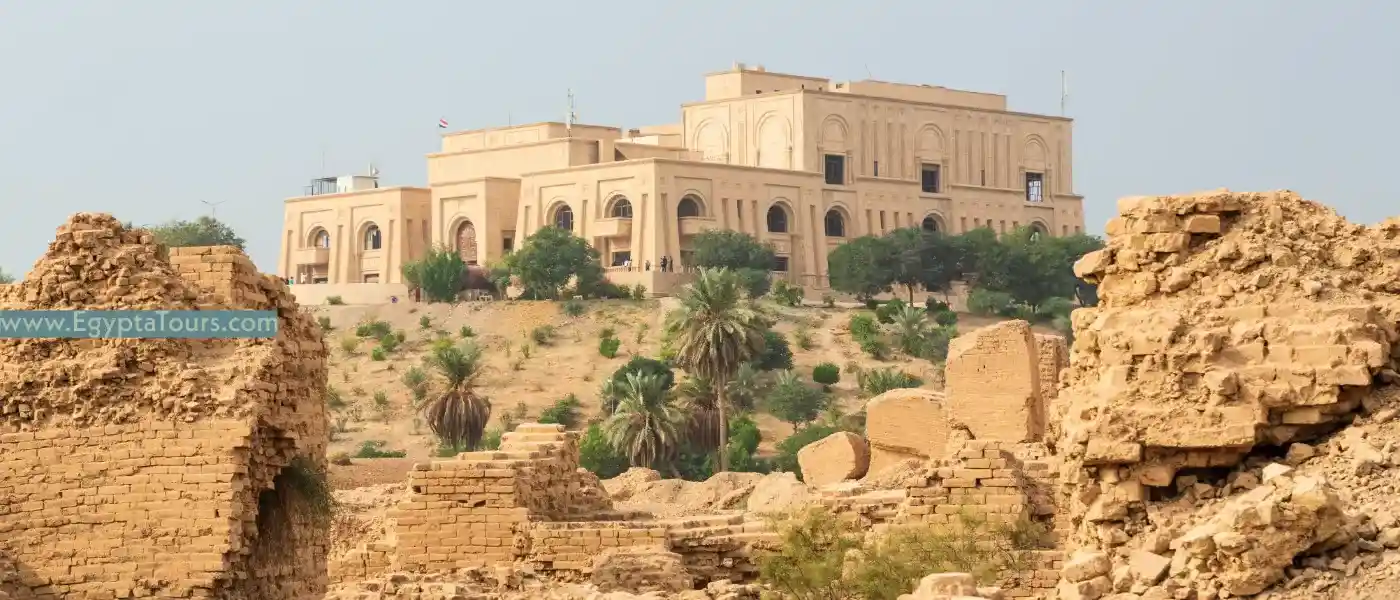
According to the historian Diodorus Siculus, Babylon fortress goes back to the 19th century B.C, when the pharaoh of the 12th dynasty, Sesostris, after defeating the Babylonians at the close of an especially harsh war, took the prisoners to Egypt to make them as gladiators. But the prisoners rebelled and built immunization to defend the area where they reside, which from then on was named Babylon.
According to the Coptic historian John, bishop of Nikiou in the 27th century, mentioned that this fortress was built by Nebuchadrezzar, king of Babylon, when he occupied Egypt in the second half of the 6th century B.C.
Tips for Your Visit
-
It’s a package deal: You don’t need to carve out a separate day just to see the fortress. The ruins literally wrap around the Hanging Church and the Coptic Museum, making it a seamless part of exploring the wider neighborhood.
-
Look down at the masonry: As you walk, you can easily spot the classic Roman construction technique, look for the distinct pattern of five rows of pale limestone sandwiched between three rows of solid red bricks.
-
The ground is uneven: The original fortress floor sits roughly 6 meters below modern street level. You will be navigating sunken courtyards and ancient, worn-down stone stairs, so solid walking shoes are a must.
-
Beat the midday rush: The narrow alleys of the historic quarter fill up fast with large groups. Arriving around 8:30 AM or 9:00 AM gives you the quiet space to actually take in the atmosphere and grab clear photos without people bumping your elbows.
Read More about Roman Archaeological Sites in Egypt
-
The Roman Amphitheatre (Kom El Dikka, Alexandria)
-
The Catacombs of Kom El Shoqafa (Alexandria)
-
Pompey’s Pillar and the Serapeum (Alexandria)
-
Trajan’s Kiosk at Philae Temple (Aswan)
-
Mons Claudianus (Eastern Desert)
Frequently Asked Questions
What is this landmark?
It is a significant archaeological site in Cairo dating back to the Roman period, anchoring a historic district that includes the Hanging Church and the Coptic Museum.
Why was it built?
The Romans constructed the main citadel to protect the region, heavily control the Nile’s entrance, and ensure the stability of vital trade routes.
Can visitors access the ruins?
Yes, it is a highly popular tourist attraction offering unique insights into ancient Roman engineering and Egyptian history.
What are the nearby attractions?
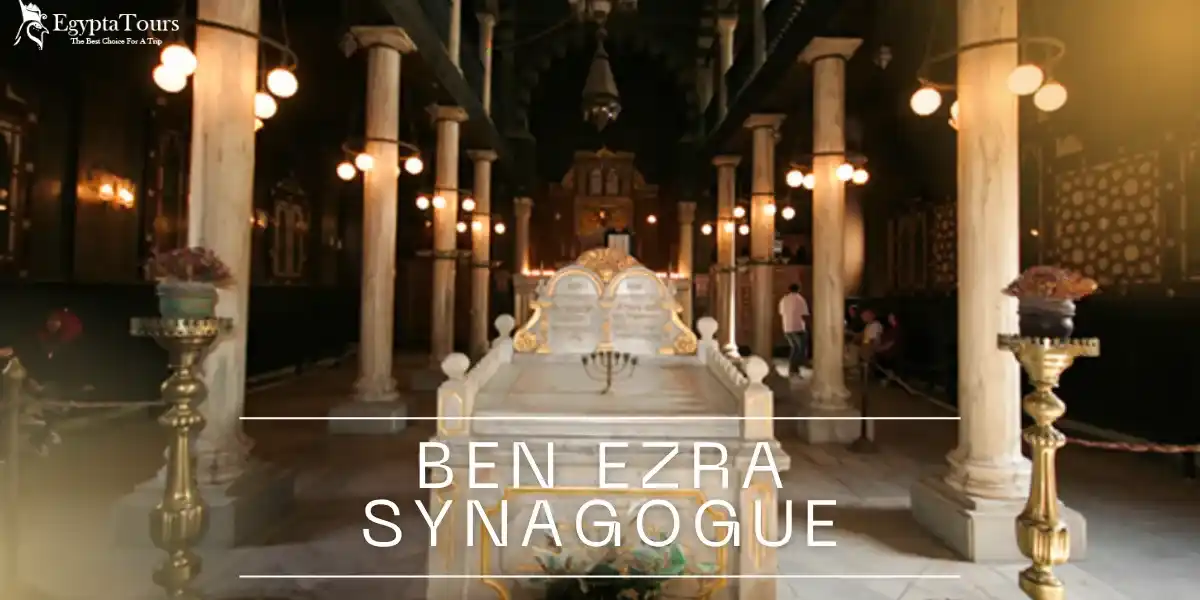
Located in Old Cairo, near several landmarks like the Coptic Museum, the orthodox church, and the Ben Ezra Synagogue, all rich in history and culture.
How old is the Babylon Fortress?
The fortress dates back to the 1st century (around 30 BC) when it was established by the Romans during the reign of Emperor Augustus.
What remains today?
Parts of the massive towers and walls still stand, seamlessly integrated into the architecture of modern nearby buildings.
Is there an entrance fee?
Admission is typically required for the adjacent Coptic Museum, but exploring the immediate Old Cairo exterior and many of its churches is free.
What makes the fortress historically significant?
It is a testament to Roman military architecture in Egypt and played a role in the region’s defense and administrative control during ancient times.
How do I get to there?
It is easily accessible via public transportation, located right next to the Mar Girgis metro station.
Are there guided tours available?
Yes, guided tours are available and recommended for those who want a deeper understanding of the site’s history and significance. They can offer additional context and information.
Can I visit Babylon Fortress anytime?
The site generally adheres to regular opening hours for tourists, typically from morning until late afternoon. It’s best to check current schedules before visiting.
Are there any dining options nearby?
Yes, there are several local restaurants and cafes in the Old Cairo area that offer a variety of Egyptian and international cuisine for visitors to enjoy.
Similar Posts


About EgyptaTours

EgyptaTours is a name synonymous with trust, excellence, and unforgettable travel experiences, proudly standing as one of the leading travel agencies in Egypt. Renowned for its deep expertise, personalized service, and carefully crafted itineraries, EgyptaTours serves as the ultimate gateway to discovering Egypt in its most authentic and inspiring form.














Leave a comment: