Egyptian Goddess Nekhbet
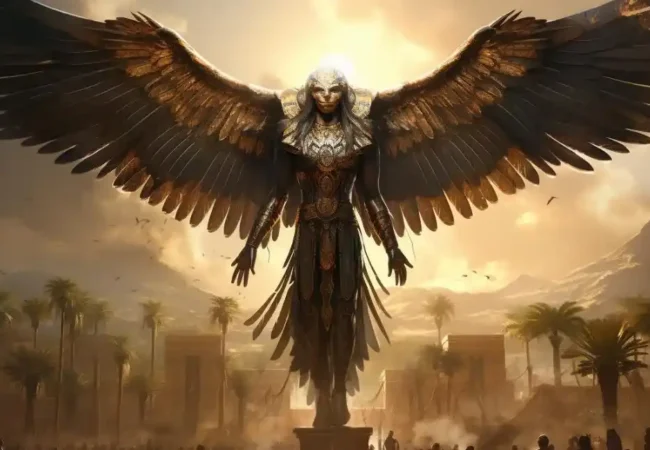
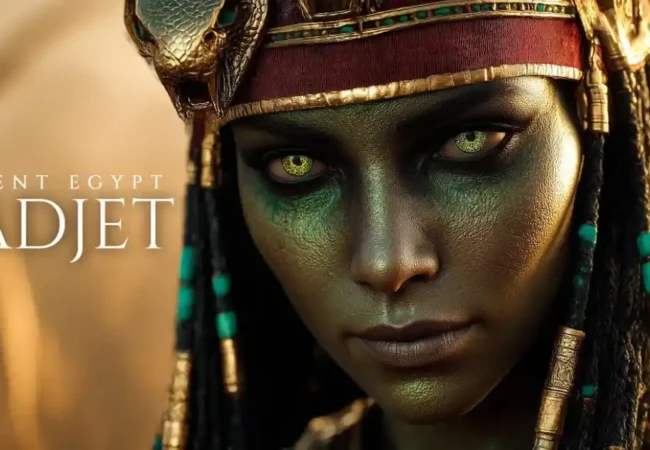
Egyptian Goddess Nekhbet was considered one of the most important, famous and...



Myths were essential parts of the lives of ancient Egyptians, and these myths reflect their vision and worship. One of the most widespread myths among the ancient Egyptians is the legend of the destruction of mankind, in which the ancient Egyptians excelled at personifying the conflict between good and evil.
In this article, we will learn about one of the most important of these legends, the legend of the destruction of mankind, its source, and some of the key symbols in this legend.
The legend of the destruction of mankind is one of the ancient Egyptian myths that has no basis in reality. It expresses the beliefs and worship of the ancient Egyptians.
The ancient Egyptian believed that the god Ra was the god of the sky for a long time.
He was depicted in human form, which made some humans feel that he might be afflicted with some of the weaknesses that affect humans, and they tried to depose him more than once so that a human ruler could take over the rule of the sky.
The god Ra knew what some of these people intended, which angered him greatly. He gathered with some of the gods, as the ancient Egyptians believed at that time, and told them of the betrayal of some humans towards him and consulted them on the punishment that should be applied to these rebels.
One of the gods suggested that he send them the terrifying holy spirit to frighten them.
Indeed, the god Ra agreed to this proposal and sent them some evil spirits, which frightened them greatly, so they began to hide in the deserts and houses to avoid the wrath of the god Ra.
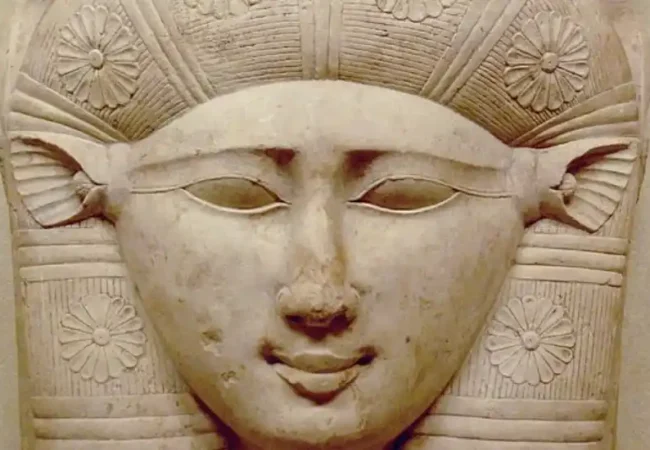
Here, Hathor, the daughter of the god Ra, appeared and turned into a savage, killing many humans, including men, women, and children. Then, the god Ra calmed down and thought that killing all humans was a crime and that it was enough to just punish the rebels. He thought that if all humans died, no one would worship him. Therefore, he appeased Hathor, who loved human blood and refused to stop.
Therefore, the god Ra played a trick on her. He gathered some red dye from Aswan and mixed it with some wine to make it taste like human blood, and Hathor then stopped killing humans.
Most of the legends of the ancient Egyptians are untrue legends from their imagination according to their worship at that time. Most of them are from the imaginations and perceptions of the priests. Most of these legends revolve around the conflict between good and evil, how to confront corruption, and some religious lessons and moral values of the ancient Egyptians.

What -is- the- legend- of- the -destruction -of- mankind?
The legend of the destruction of mankind spread during the Middle Kingdom era. This legend was written on five royal tombs dating between the eighteenth and twentieth dynasties, including the tomb of King Tutankhamun, King Seti, and other tombs of the great.
This legend was written in full in the tomb of King Seti I, Ramesses I, and Ramesses II as parts of the royal funerary compositions.
After the god Ra forgave the humans and was satisfied with the punishment that had befallen them at the hands of Hathor, he ordered Hathor not to attack the humans again. However, Hathor at that time could not be controlled as she loved human blood and was constantly thirsty for it. Therefore, she refused to stop killing humans.
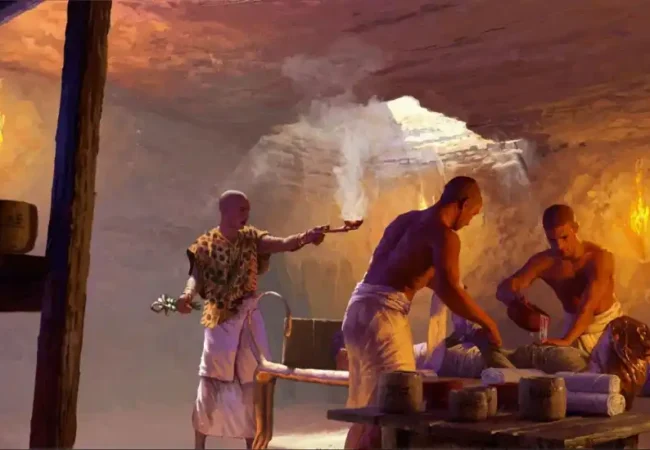
The god Ra was forced to play a trick to prevent the killing of humans. He summoned some priests and sent them to the Aswan region to bring some very red soil. From this, these priests made a red dye, tons of which were placed in containers with some wine to make its taste similar to human blood. A huge pool was made around Hathor’s sleeping place. When she woke up, she found this amount of blood and began to drink it.
She then became drunk from the effect of the wine after drinking a large amount of it and forgot about the destruction of mankind. During this period, she was called the “Lady of Drunkenness.”
The main symbols in the legend are:
This legend played a major role in the development of arts and architecture in that era of time, as many of the tombs of the kings and some ancient Egyptian temples were adorned with it.
The Egyptians were also influenced by a large number of myths in their daily lives that expressed their beliefs at that time, and they considered art as a means of conveying their concepts and beliefs to people.
This legend reflected some of the values of the ancient Egyptians at that time, as it raised the fears of people greatly at that time. But at the end of the story, the tolerance of the god Ra with his creation appeared, and this legend confirmed that the rulers were not just controllers of their people, but they tried to rule with justice.
This legend of the destruction of mankind was first discovered on one of the four shrines directed to the tomb of King Tutankhamun.
Then, the rest of the legend was found in the tomb of King Seti I. Therefore, these places were greatly associated with the legend of the destruction of mankind. Some have pointed out that some of the ideas contained in the legend date back to some texts on the pyramids in the Old Kingdom era.
The legend of the destruction of mankind greatly influenced ancient Egyptian literature. It was written in some ancient Greek texts and referred to evoking fear and awe and how punishment was at that time. It combined horror, justice, and the inability of the god Ra to destroy all humans, then he forgave them and pardoned them.
As for modern literature, it was used as one of the stories of historical fiction, and in it, Hathor was considered a symbol of femininity, strength, and anger.
The goddess Sekhmet was a lady represented on many of the walls of ancient Egyptian temples in the form of a lady with the head of a lioness, holding the key of life in her hand. She was the one who killed humans and enjoyed it very much and wanted to eliminate all humans.
It is an ancient text in which some of the evils in the world are represented and how some humans rebelled against the rule of the god Ra.
The story reflects the rebellion of some humans and how the ancient Egyptian gods played a major role in the lives of humans, getting rid of criminals, and provoking war, but justice prevails in the end.
The Valley of the Kings and Queens is one of the most important archaeological sites associated with the legend, as it was recorded on more than one tomb in these tombs.
The legend of the destruction of mankind is one of the most important ancient Egyptian legends that were recorded on the walls of some of the virtuous Egyptian tombs, but it is one of the historical legends that the ancient Egyptians believed in and it has no basis in reality.


Explore our top-rated Egypt travel packages and embark on an unforgettable journey. From the Pyramids of Cairo to the magical temples of Luxor, Aswan, and Abu Simbel, discover expertly curated tours designed for your perfect Egyptian adventure