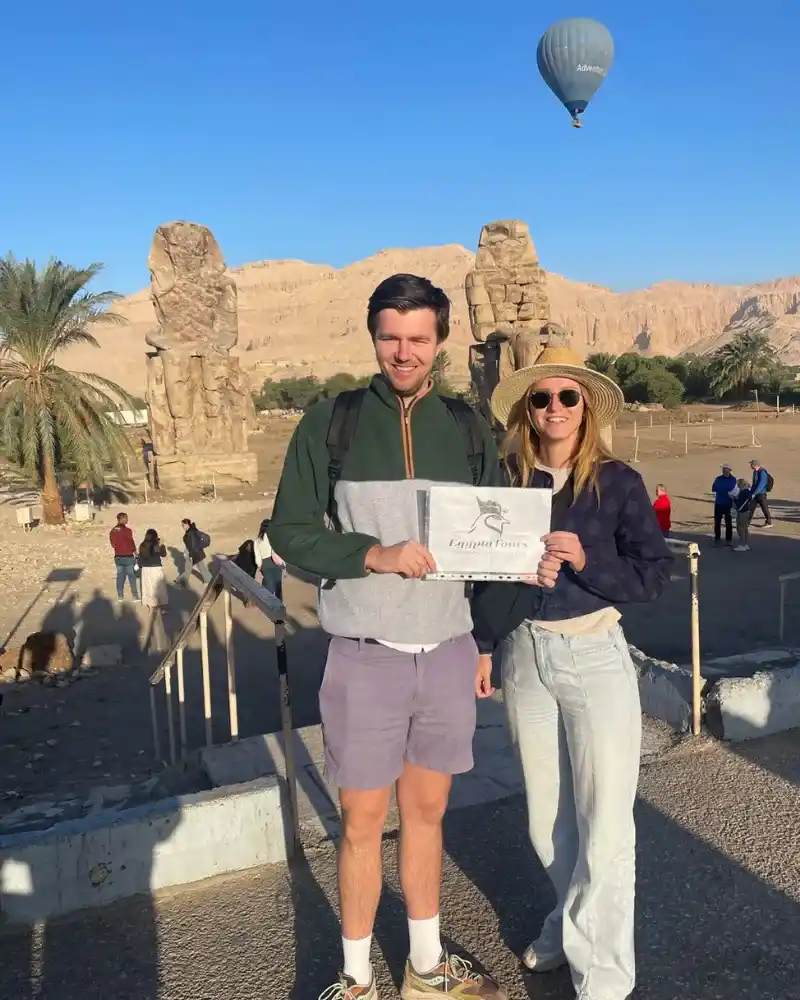
14 Top-Rated Places in Egypt That Definitely Worth the Visit
Article SummaryEgypt stands as the world’s oldest travel destination, seamlessly blending a 5,000-year history with vibrant modern landscapes,...



Luxor is considered one of the most prominent tourist cities in the world as it contains a unique and amazing collection of historical archaeological sites that represent a large part of the world’s known antiquities.
Its monuments are divided between the West Bank and the East Bank of the Nile river and among the most important archaeological landmarks that we will take you on a distinct and very attractive cultural Luxor Museum and Mummification Museum Tour.
This Luxor Museum and Mummification Museum Tour is planned so that you can discover a rich and ancient history of the old Egyptian civilization and enjoy a truly deep and unique cultural experience.
Now, we will shed light on all the complete information and details about the Luxor Museum and Mummification Museum tour.

At the end of your second daily tour filled with knowledge and exploration, you can spend the last moments of your trip enjoying the most wonderful views of the magical and picturesque sunset over the surface of the Nile.
This experience will leave a beautiful impression added to the memories of your special tour in the historic city of Luxor.
After the end of your pre-planned tourist tour to the Luxor Museum and the Mummification Museum, it is necessary to prepare and pack all your personal belongings and gifts.
You should organize and prepare your luggage well and systematically, not forgetting to include the souvenirs you bought from the shops, retrieve all your personal items and confirm your flight ticket reservations for returning to your country from Cairo or continuing to another destination.
You will be escorted by the tour guide or company representative to instruct you on the procedures to follow for traveling back to your country or directly to the airport.
Do not miss the opportunity to book with us and get a tour to the Luxor Museum and the Mummification Museum for two days or as part of a longer program that includes other landmarks.
This adds an exceptional cultural experience unmatched anywhere in the world and reveals to you a rich history and amazing secrets of the great ancient Egyptian civilization

 Upon your arrival in the city of Luxor, you will be welcomed in a beautiful and fitting manner that reflects the authentic and renowned local hospitality.
You can then go to one of the high-quality and comfortable tourist hotels in order to take a period of rest before starting your tour to the famous museums such as the Luxor Museum which houses over three hundred and eighty important and indeed rare artifacts belonging to pharaohs like Akhenaten, Amenhotep and Thutmose among others, displayed in an attractive and carefully considered manner.
You will also visit the Mummification Museum which enjoys a direct view of the Nile and is located north of Luxor Temple.
it was named this because it contains a diverse collection accurately illustrating the mummification process and showing types of mummified remains, whether they are human or animal mummies.
Upon your arrival in the city of Luxor, you will be welcomed in a beautiful and fitting manner that reflects the authentic and renowned local hospitality.
You can then go to one of the high-quality and comfortable tourist hotels in order to take a period of rest before starting your tour to the famous museums such as the Luxor Museum which houses over three hundred and eighty important and indeed rare artifacts belonging to pharaohs like Akhenaten, Amenhotep and Thutmose among others, displayed in an attractive and carefully considered manner.
You will also visit the Mummification Museum which enjoys a direct view of the Nile and is located north of Luxor Temple.
it was named this because it contains a diverse collection accurately illustrating the mummification process and showing types of mummified remains, whether they are human or animal mummies.
 The day ends with an additional wonderful and very special evening
tour to learn about the funerary treasures and royal mummies in the museum, especially within the Hall of Military Glory designated for this purpose.
This hall houses some important mummies, most notably those of King Ramesses I and Ahmose I, with currently only two displayed to the public, preserved with extreme care.
Both are displayed with their heads and bodies partially uncovered, to maintain them in a suitable and controlled display environment and one of them, the famous mummy of Ahmose, dates back to the Eighteenth Dynasty.
As for the mummy of Ramesses I, it was previously abroad, located in the Niagara Falls Museum, then purchased by the Michael C. Carlos Museum in America which subsequently returned it to Luxor Museum to rest near his heroic grandson.
Luxor Museum also contains important recently discovered treasures belonging to a high-ranking official named Amenhotep Huy; his non-royal tomb includes a funerary collection, some amulets, golden coffins and a stela shaped like a fish.
There are also funerary stelae from the Coptic era and various interesting Pharaonic funerary furniture appealing to researchers and visitors alike.
The day ends with an additional wonderful and very special evening
tour to learn about the funerary treasures and royal mummies in the museum, especially within the Hall of Military Glory designated for this purpose.
This hall houses some important mummies, most notably those of King Ramesses I and Ahmose I, with currently only two displayed to the public, preserved with extreme care.
Both are displayed with their heads and bodies partially uncovered, to maintain them in a suitable and controlled display environment and one of them, the famous mummy of Ahmose, dates back to the Eighteenth Dynasty.
As for the mummy of Ramesses I, it was previously abroad, located in the Niagara Falls Museum, then purchased by the Michael C. Carlos Museum in America which subsequently returned it to Luxor Museum to rest near his heroic grandson.
Luxor Museum also contains important recently discovered treasures belonging to a high-ranking official named Amenhotep Huy; his non-royal tomb includes a funerary collection, some amulets, golden coffins and a stela shaped like a fish.
There are also funerary stelae from the Coptic era and various interesting Pharaonic funerary furniture appealing to researchers and visitors alike.


A curated list of the most popular travel packages based on different destinations.




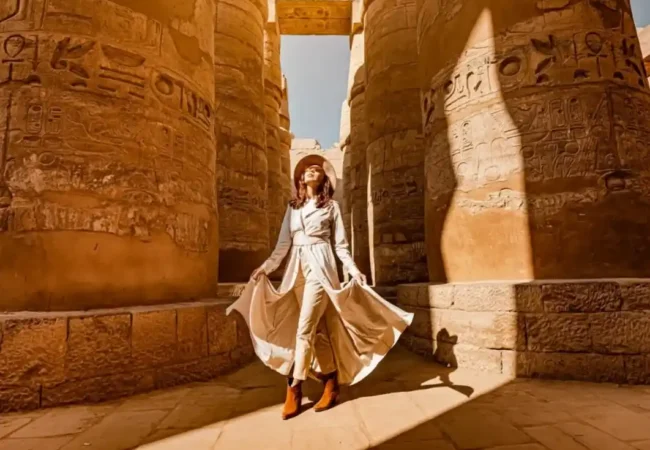
Everything you need to know before you fly. Explore expert tips on weather, currency, and culture to ensure a seamless experience from the moment you arrive in Egypt.
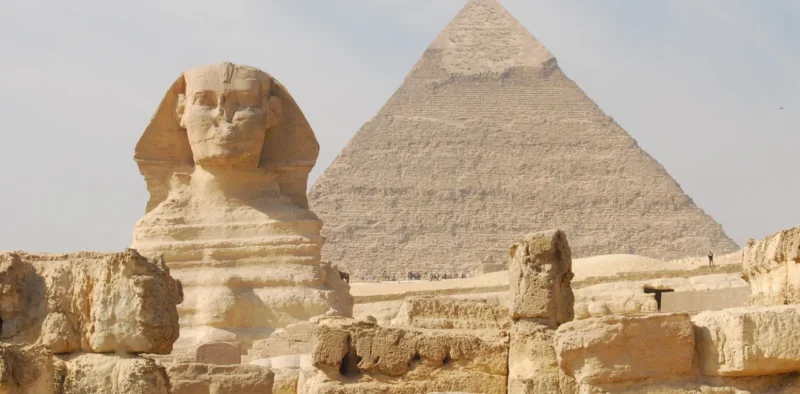
Article SummaryEgypt stands as the world’s oldest travel destination, seamlessly blending a 5,000-year history with vibrant modern landscapes,...
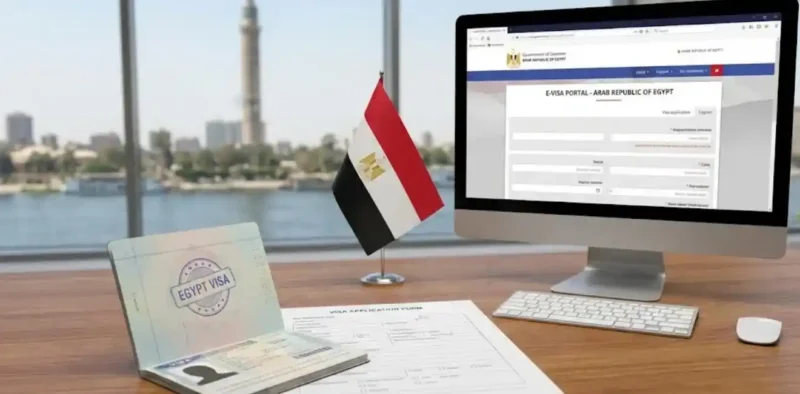
Article SummaryNavigating the requirements for an Egypt travel visa is a straightforward process when travelers understand their entry...

Article SummaryEgypt remains one of the world’s premier travel destinations, seamlessly blending millennia-old ancient monuments with diverse landscapes...
Article SummaryThe Nile River and its legendary valley form the backbone of Egyptian tourism, offering a seamless journey...

Article SummaryPreparing for a journey to Egypt requires careful planning regarding entry visas, seasonal timing, cultural etiquette, and...

Article SummaryPacking for Egypt requires a strategic balance between respecting local conservative cultural norms, preparing for extreme desert...