The Apis Bull: Exploring Ancient Egypt’s Sacred Symbol of Power
📋 Summary & Quick Facts
The Apis bull was a paramount religious, political, and economic symbol in ancient Egypt, revered as the earthly embodiment of strength, fertility, and the creator god Ptah. Originating in the ancient capital of Memphis, this sacred animal was viewed as a vital link between the gods and humanity, symbolizing the continuous renewal of life.
A bull was meticulously chosen by priests based on highly specific physical markings and lived a life of luxury and worship. Upon its death, the entire kingdom mourned, and the bull was mummified and entombed with grand ceremonies in the Serapeum at Saqqara. Its legacy deeply influenced ancient Egyptian arts, cultural heritage, and the royal displays of pharaonic power.
Key Takeaways
-
-
Divine Representation: The Apis bull served as the living manifestation of Ptah, the god of craftsmen, and was later associated with Osiris, representing the complete cycle of life, death, and resurrection.
-
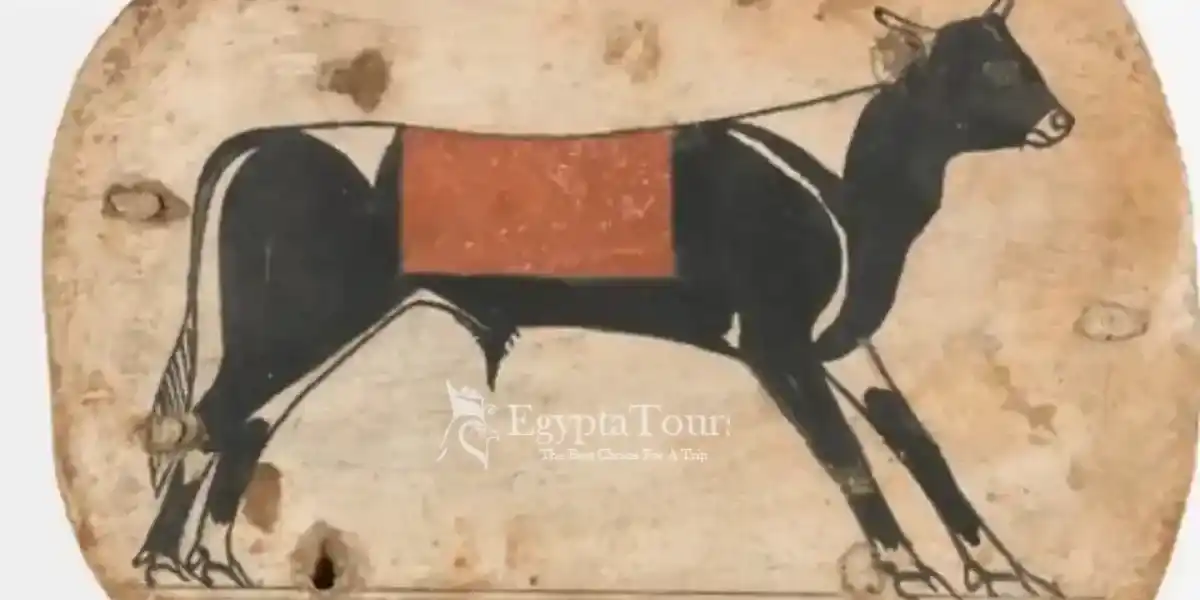
Strict Selection Criteria: Priests scoured Egypt to find a calf with exact physical traits, including a black coat, a white spot on the forehead, white eagle-like markings on the back, two tufts of tail hair, and a scarab mark on the tongue.
-
Center of Worship: Primarily venerated in Memphis, the bull was celebrated with lavish daily sacrifices, grand festive processions, and elaborate weddings.
-
Royal and Political Power: Pharaohs highly valued the Apis bull, utilizing its presence at official events to demonstrate their own strength, authenticity, and divine right to rule.
-
Grand Funerary Rites: When the sacred bull died, it was mummified and buried in the monumental Serapeum tombs in Saqqara, impacting the spiritual and political life of the entire country.
-
Enduring Artistic Influence: The image of the Apis bull was widely depicted across ancient Egyptian temple walls, statues, and papyri, heavily inspiring the civilization’s art and carrying profound spiritual energy that outlasted the peak of the empire.
-
The Apis bull is considered one of the most important symbols in ancient Egyptian civilization, as it is a symbol of strength and fertility, and it is considered a renewal of vital energy that helps in creating and renewing life.
It was also used as a religious symbol and over time became a sign of political and economic powers, It was associated with many ancient Pharaonic rituals, and the presence of the Apis bull was associated with the god Ptah, the god of craftsmen among the ancient Egyptians, Therefore, many Egyptians today wonder what Apis Bull is.
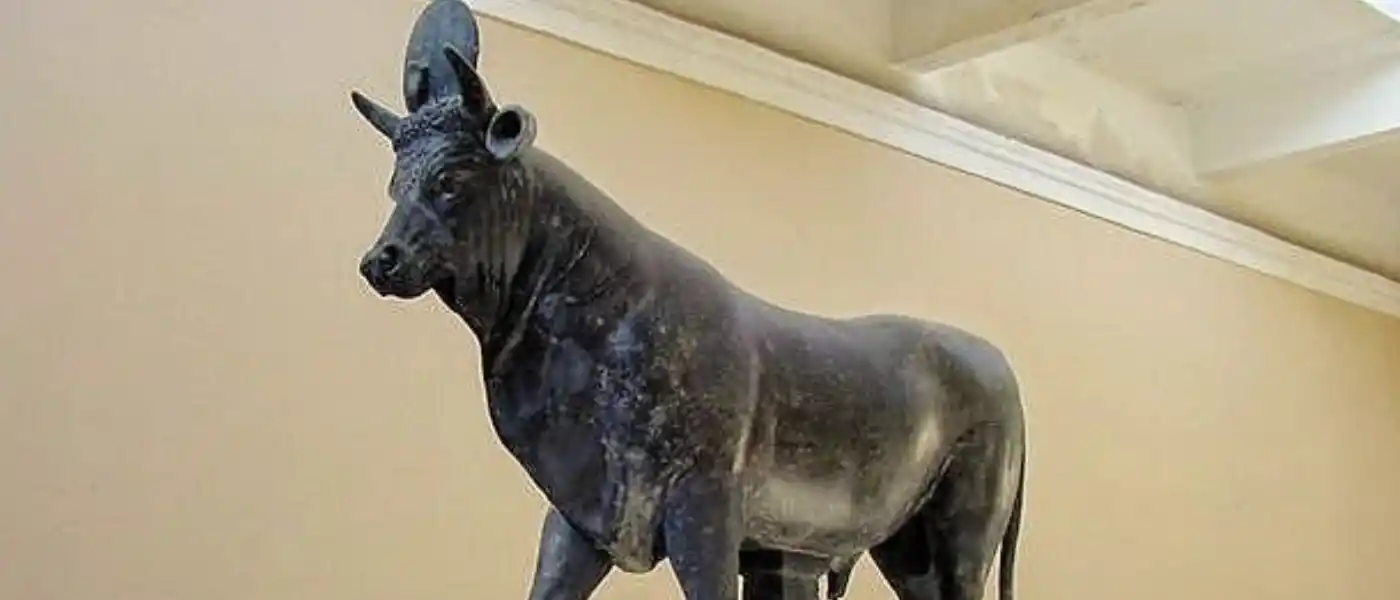
Discovery-of-the-Apis-Bull-EgyptaTours
To fully understand this deity, we must know how it was discovered, This bull was discovered in 1895 by an archaeologist, the scientist Putin, and this scientist is considered the founder of the Greco-Roman Museum, Therefore, a statue was placed, which is a stone statue of a god resembling a bull, and the sun disk is placed between its horns.
The sacred snake was also placed between its horns, which is the title of the calves that are buried in the Serapeum tombs in Saqqara, When this calf dies, the ancient Egyptians mummify it, celebrate it, and bury it in a special tomb.
Origins in Memphis
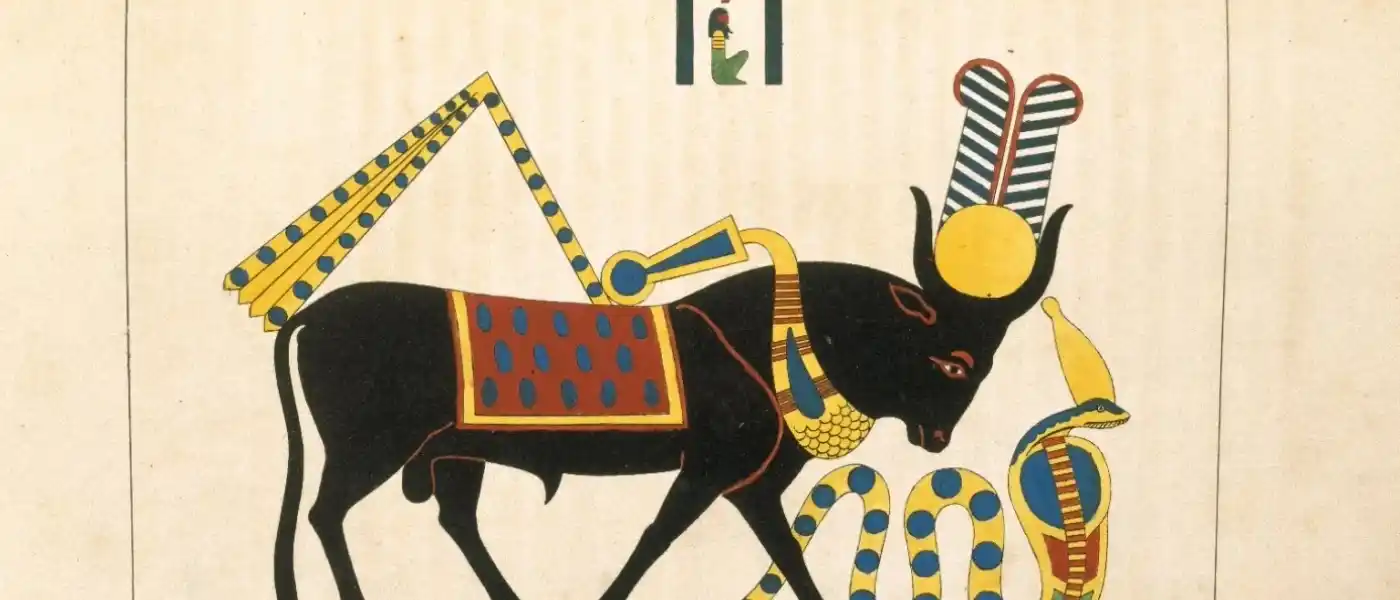
Origins-of-the-Apis-Bull-EgyptaTours
Despite the dark ages that most countries of the world were experiencing during ancient history, Egypt was living in a period of prosperity, progress and power at all religious, social and cultural levels.
The Egyptians’ reverence for the gods was one of the most important things that distinguished them at this time, They used to place a symbol for each god and glorify and sanctify him, One of these gods was the Apis bull.
The origins of this specific worship trace go back to ancient times in Egypt, This bull was worshiped in one of the ancient Egyptian cities, Memphis, which was the capital of ancient Egypt at that time.
There are some legends that say that the Apis bull was born from a sacred cow, This bull was viewed at that time as a symbol of strength, energy, vitality and the embodiment of fertility, Many celebrations and rituals were held for it in ancient Egypt, It was considered a sacred being.
The ancient Egyptians considered it a means of communication between gods and humans and believed that it carried the spirit of the god, It was a symbol of eternal life because it is associated with the idea of death and resurrection.
Appearance of the Apis bull
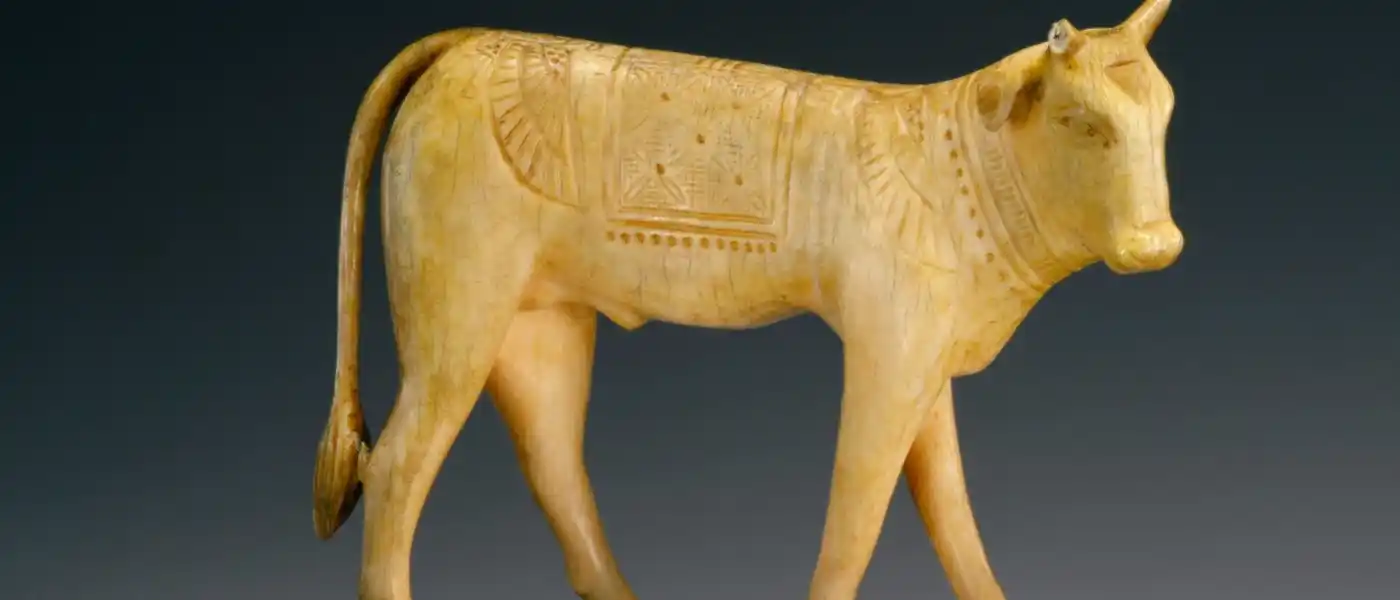
Appearance-of-the-Apis-bull-EgyptaTours
Not just any animal could be chosen; priests searched the entire kingdom for a calf meeting highly specific physical criteria. When an exact match was found, it was escorted to the temple amidst grand celebrations and weddings.
Required Sacred Characteristics:
| Feature | Specific Requirement |
| Coat | A strong, robust body with completely black coloring. |
| Forehead | A distinct white mark or spot in the center. |
| Back | White markings resembling a large eagle with spread wings. |
| Tail | Exactly two distinct tufts of hair. |
| Tongue | A mark shaped like a scarab beetle. |
Importance in Worship and Royal Court
There were many manifestations expressing worship in ancient Egyptian civilization, including the Apis bull, which was considered a symbol of worship in many temples in ancient Egypt, especially the city of Memphis.
The priests worshiped it and offered it many sacrifices, and it became a symbol of prosperity and fertility, It also appeared on many walls that it was taken in many festive processions surrounded by many religious symbols and decorations.
These processions were a great opportunity for the ancient Egyptians to express their respect and love for the sacred bull, The Apis bull had a great temple in the ancient city of Memphis, where gods and sacrifices were offered to it.
The Pharaohs’ Appreciation of the Apis Bull
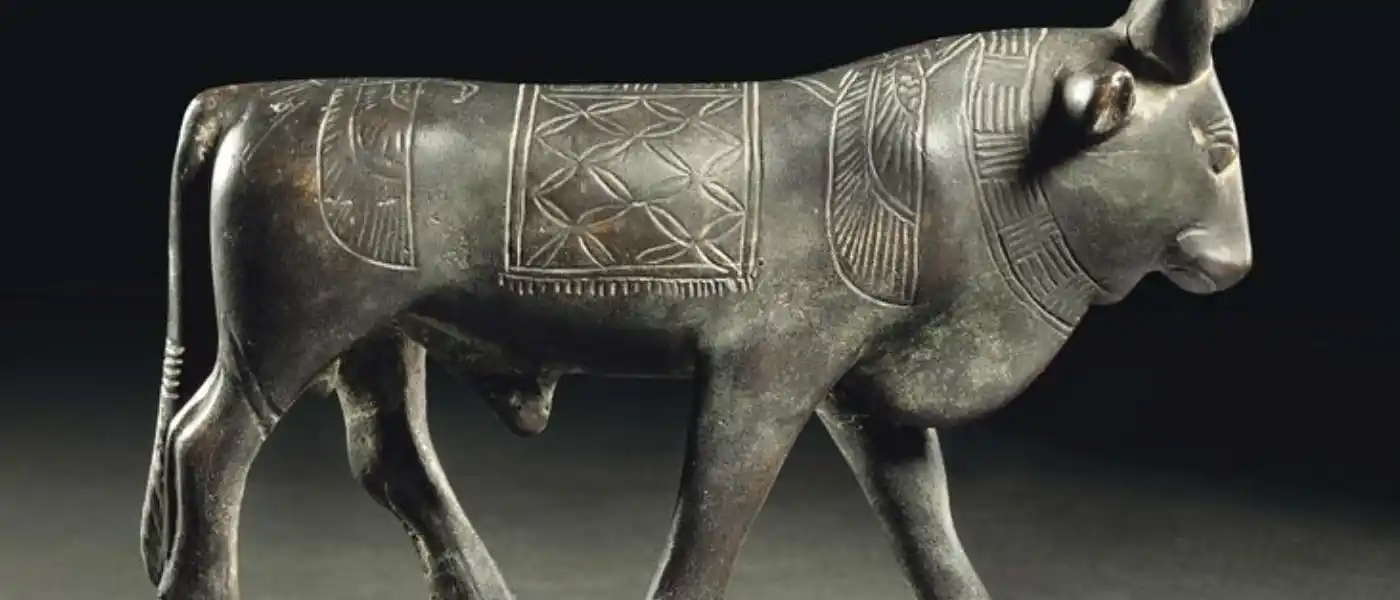
The-Pharaohs’-Appreciation-of-the-Apis-Bull
The Egyptian Pharaohs valued the Apis Bull and considered it a symbol of power and rule, They were keen to have it appear on many official occasions to show their loyalty to it through many celebrations.
It was carefully chosen, and upon its death, this death was announced in an official manner, Specific religious ceremonies were held to express the death of the Apis Bull, It was considered a symbol of power and authenticity, Its death affected the spiritual and political life of the country.
Influence on Ancient Arts
The-Influence-of-Ancient-Egyptian-Art-on-the-Apis-Bull
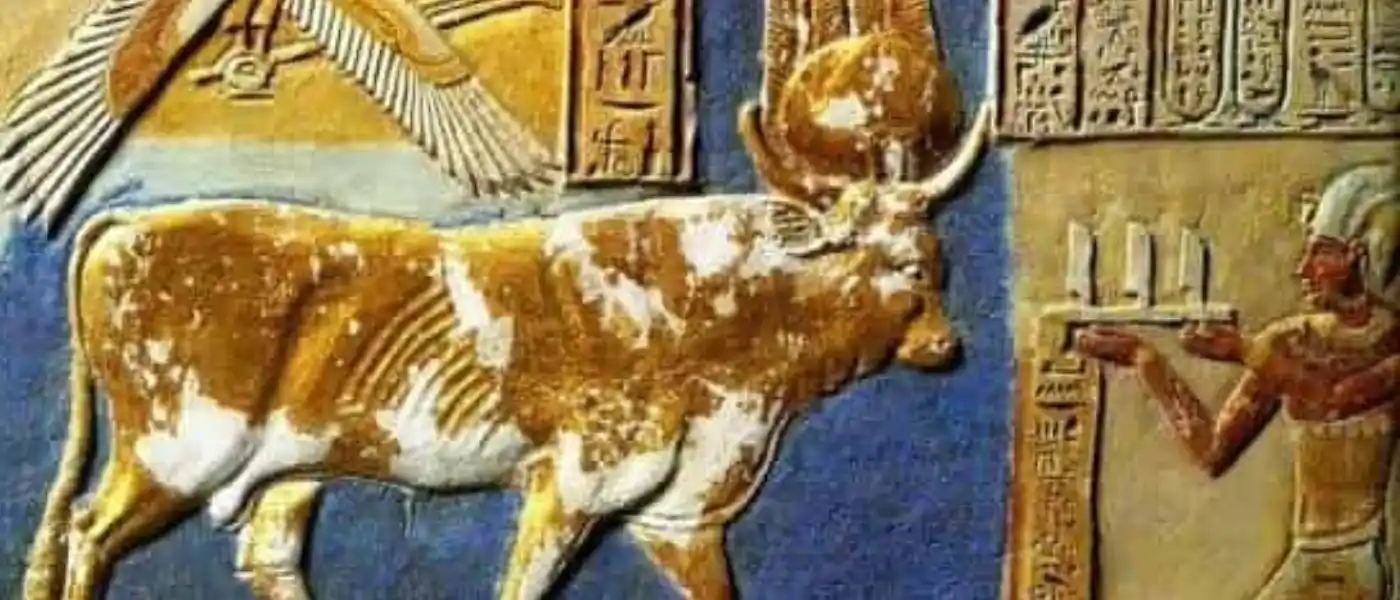
Many ancient Egyptian arts were influenced by the presence of the Apis Bull, and many engravings and statues were made of it on many ancient Egyptian walls and papyri showing it in many positions, All of these statues were used as a manifestation of worship and appreciation for the Apis Bull, which is one of the most prominent landmarks in ancient Egypt.
The precision of the details and creativity of the ancient Egyptians appeared in all the engravings of the Apis Bull. The ancient Egyptians believed that these engravings carried spiritual energy.
The influence of the bull continued until some of the collapse of the ancient Egyptian civilization and became a symbol of power and was used in many cultural and literary arts until it became over time part of the ancient Egyptian cultural heritage and appears in many occasions and events.
It was used as a symbol of goodness and inspiration and reflects the profound influence of the ancient Egyptian civilization on all cultures of the world.
Thus, we have learned together about what the Apis bull is and how the ancient Egyptians glorified it, and we hope that you like this article.
Frequently Asked Questions
What was this deity in Ancient Egypt?
It was a sacred animal revered as a symbol of fertility, strength, and the divine power of the pharaoh. Associated initially with Ptah and later with Osiris, it represented the complete cycle of life, death, and rebirth.
Why was it considered sacred?
The creature was believed to be an earthly manifestation of the creator god of Memphis. Its selection and worship signified divine favor, acting as a direct link between the heavens and humanity.
How was the animal chosen and worshipped?
Priests scoured the land for a calf with distinct markings (like a triangle on its forehead). Once found, it lived in luxury within a temple, honored with rituals and offerings. Upon its death, it was mummified and given a grand, royal burial.
What role did it play in religion?
It was a central figure in ceremonies related to agricultural abundance and royal authority. The animal reflected the pharaoh’s strength, while its mummification reinforced the religious focus on the afterlife.
How did the worship evolve over time?
While initially linked exclusively to Ptah, its significance expanded in later periods to include associations with Osiris, god of the underworld. This cemented its place in both daily religious practice and complex funerary customs.
Similar Posts

About EgyptaTours

EgyptaTours is a name synonymous with trust, excellence, and unforgettable travel experiences, proudly standing as one of the leading travel agencies in Egypt. Renowned for its deep expertise, personalized service, and carefully crafted itineraries, EgyptaTours serves as the ultimate gateway to discovering Egypt in its most authentic and inspiring form.