


Best 20 Cities to Visit in Egypt
Egypt is one of the world’s oldest countries. It is a land that weaves together the grandeur of history, the beauty of nature and the diversity of its cities.
In each city there are many tourist attractions that distinguish Egypt. Here you are the best 20 cities to visit in Egypt:
The- Best -20 -Cities -To- Visit -In -Egypt
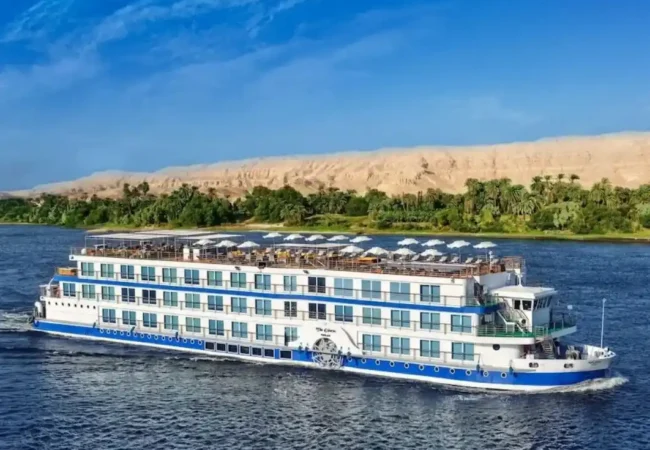
Start with the heart of Cairo, pulsating with life where Pharaonic, Islamic and modern civilizations blend, to Alexandria with its Mediterranean allure and serene beaches. Egypt offers a unique experience to every visitor. Along the Nile’s banks lie Upper Egypt’s cities like Luxor and Aswan, home to majestic temples and royal tombs that narrate millennia of human splendor. Red Sea cities like Sharm El-Sheikh and Hurghada are renowned for their breathtaking beaches, coral reefs and amazing marine adventures.
In the Delta and Canal cities, another facet of Egypt emerges, reflecting everyday life and authentic folk heritage. This diversity renders Egypt a land rich in culture and experiences, where each city boasts its own character and a story worth uncovering.
List of the best 20 Cities to Visit in Egypt
The best 20 cities to visit in Egypt are: Cairo, Giza, Alexandria, Aswan, Luxor, Hurghada, El- Gouna, Marsa Alam, Safaga, Sharm El Sheikh, The red, sea, Ain sokhna, Nuweiba, St Catherine, Minya, El- Fayoum, Sinai, Dendera, Apydos and Siwa.
About The Best 20 Cities to Visit in Egypt includes:
1-Cairo
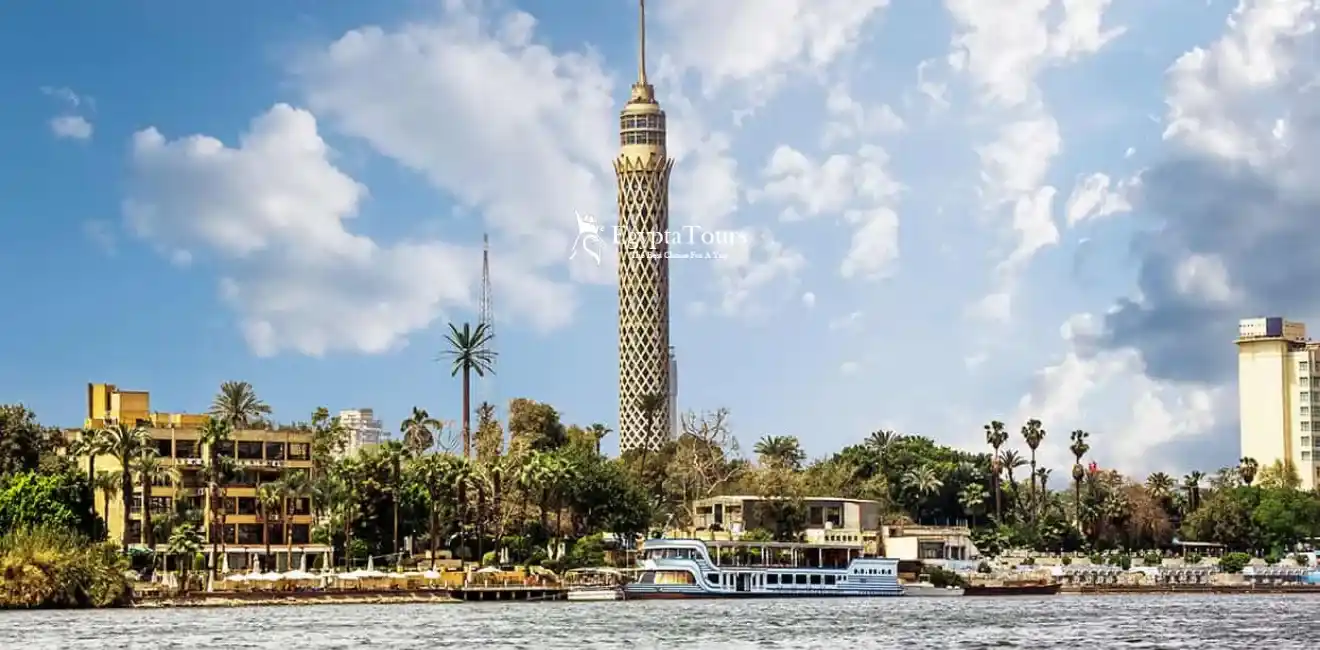
Cairo-City-Nile-River-View-Best-20-Cities-To-Visit-In-Egypt
Cairo is the largest city in Egypt and the current capital of Egypt. With its massive population and sprawling area, it’s the biggest city in the Arab world and ranks second in Africa and 17th globally in terms of population.
It’s a blend of cultures and civilizations, it also has witnessed numerous historical eras and epochs throughout the ages. The city boasts a rich blend of ancient and modern landmarks, showcasing its diverse heritage.
Cairo is considered both a city and a governorate, which means that it’s a single city that occupies an entire governorate, and at the same time, a large city that forms a governorate in itself. The city’s divided into 37 districts, each with its unique character.
Cairo hosts plenty of regional and international organizations, solidifying its position as a major player on the global stage. The city’s importance extends beyond Egypt’s borders, making it a key hub in the Arab world and beyond.
The location:
Cairo is located on the banks of the Nile, specifically on the eastern bank on the sides of the Nile River islands in northern Egypt, immediately southeast of the point where the Nile River leaves its valley confined in the desert.
The History Of Cairo:
Cairo has always held significance and influence over various civilizations, distinguishing itself from other capitals by continuing to be Egypt’s capital to this day. Its civilization began in the pre-dynastic era and was considered Egypt’s religious capital after the unification of the country by King Mena and the start of the dynastic era. Memphis was the first administrative and political capital, known in Greek as Heliopolis. Following the Islamic conquest, Amr ibn Al Aas built the mosque named after him and founded the city of Fustat.
In the Abbasid era, the city of Al Askar was built, including the Emir’s palace and military barracks. Al Qata’i was then built and a hundred years later, the Fatimids laid the foundation of Cairo, the great Fatimid palace and Al Azhar Mosque. Cairo has evolved from the Pharaonic era to the present, containing numerous archaeological sites whether Pharaonic, Coptic or Islamic.
The Most Famous Tourist Attraction In Cairo:
The Step Pyramid of Doser
The Step Pyramid of Doser or the Pyramid of Saqqara is the first Egyptian pyramid which was built during the reign of Pharaoh Doser. It consists of six mastabas built on top of each other so it is called the Step Pyramid. It showcases the tremendous development in tomb design as previous tombs were a single mastaba. This pyramid is the first stone structure built in that time.
The Egyptian Museum:
The Egyptian Museum is considered one of the most important and largest museums in the world. It is located north of Tahrir Square. It has a vast number of significant Egyptian artifacts and is one of the earliest museums worldwide. It was built to be a public museum, it contains over 180,000 artifacts, including collections found in royal tombs.
The National Museum of Egyptian Civilization
The National Museum of Egyptian Civilization is one of the most important museums in Egypt, containing around 50,000 artifacts showcasing the development of ancient Egyptian civilization. It displays the ancient achievements of the Egyptian people in various fields of life. The museum includes models, photographs, plans, oil paintings and many artifacts and relics from the Stone Age, Pharaonic, Greek and modern eras. The museum overlooks Ain al Sira Lake.
The Hanging Church
The Hanging Church is one of the most important and famous churches in Egypt as it attracts many tourists. It’s considered one of the oldest churches still standing today. It was built on two towers of the old Roman fortress known as Babylon Fortress. The church is located near Amr ibn al Aas Mosque and Ben Ezra Synagogue. It was renovated several times during the Islamic era, during the caliphate of Harun Al Rashid and afterwards.
Muhammad Ali Mosque:
The Mosque of Muhammad Ali, the Alabaster Mosque or the Marble Mosque stands as one of Cairo’s most famous and historically significant mosques. It was designed in the Ottoman architectural style. The mosque is distinguished by its grand domes, towering minarets and extensive use of alabaster in its interior.
Over the years, it has undergone several restoration and conservation projects to preserve its architectural beauty and historical value. Today, the mosque remains a major cultural and religious symbol and is regarded as one of Egypt’s most important and famous tourist attractions, offering visitors panoramic views of Cairo from the Citadel.
Al-Mu’izz Street:
Al-Mu’izz Street is considered the main street of Historic Cairo and was designed to function as an open air museum showcasing the richness of Islamic architecture and heritage. During the Mamluk era, the street flourished as a vibrant center for economic, social and cultural life featuring a remarkable concentration of religious institutions, schools, hospitals, markets and residential buildings.
In the present day: Al-Mu’izz Street continues to reflect the historical depth of Cairo, housing a large collection of some of the most significant and well preserved Islamic monuments in Egypt.
Khan El-Khalili:
Khan El-Khalili is one of Egypt’s most renowned and lively tourist districts, celebrated for its winding alleyways, traditional bazaars, handicraft shops and authentic local cafés and restaurants. The area has long served as a gathering place for merchants, artists and visitors, creating a unique atmosphere that blends history with everyday life. Khan El Khalili has also inspired many prominent Egyptian writers, most notably Naguib Mahfouz, who immortalized the area in his novel “Khan El Khalili.” Today, it remains a vibrant cultural landmark that offers visitors a glimpse into Cairo’s rich heritage and traditional way of life.
Sultan Hassan mosque:
The Mosque of Sultan Hassan and its school is one of the most important and famous mosques in Cairo. The site was formerly known as the Horse Market and Sultan Hassan demolished the palace that was there and ordered the construction of the school.
Ahmed Ibn Tulun mosque:
The Mosque of Ahmed Ibn Tulun is one of the most famous mosques in Cairo and it’s considered one of the suspended mosques as it was built on a rocky hill.
It’s the third congregational mosque built in Islamic Egypt, after the Mosque of Amr Ibn Al Aas and it’s located in the Al Sayyida Zaynab neighborhood.
The Al-Rafai Mosque:
The Al-Rafai Mosque is one of the most important and famous historical mosques in Cairo, it is located in Salahuddin Square and it is surrounded by several other mosques.
Ben Ezra Synagogue:
Ben Ezra Synagogue is a rare construction found in the heart of Cairo and established in 882 AD, it is famous for shedding some light on the Jewish heritage in Egypt. It holds the most magical creations of art and architecture from the Jewish culture.
2- Giza
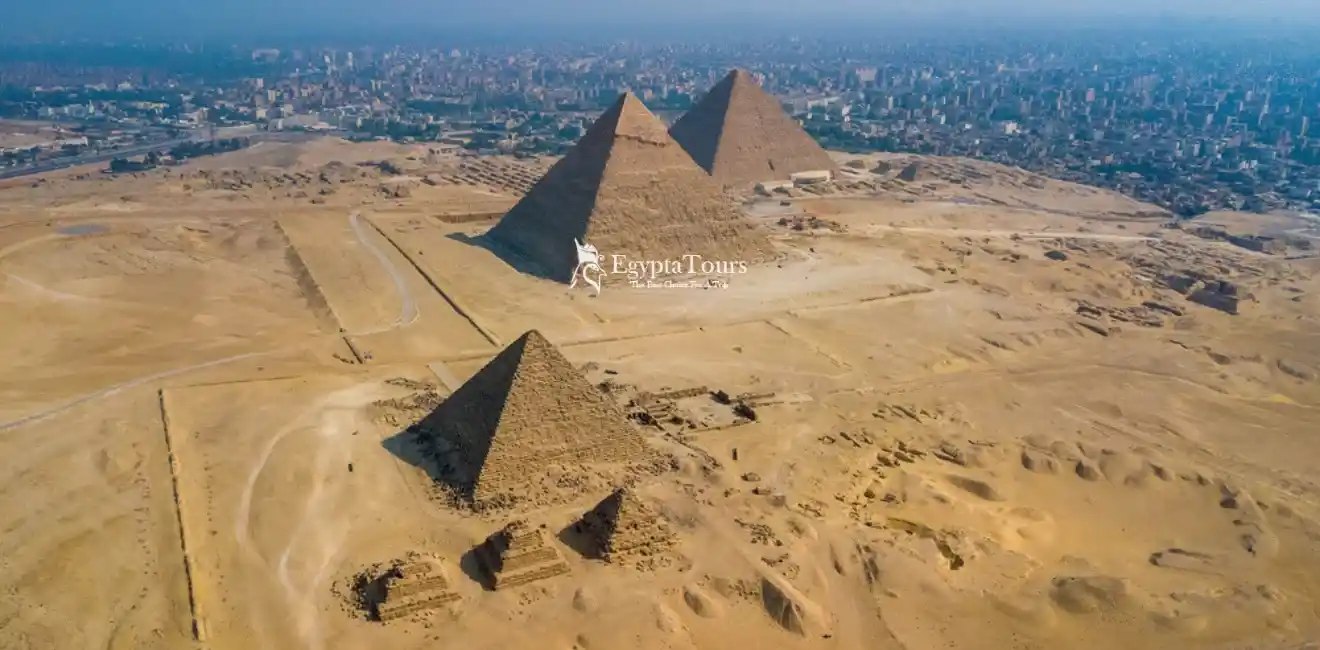
Giza-Pyramids-And-Great-Sphinx-Best-20-Cities-To-Visit-In-Egypt
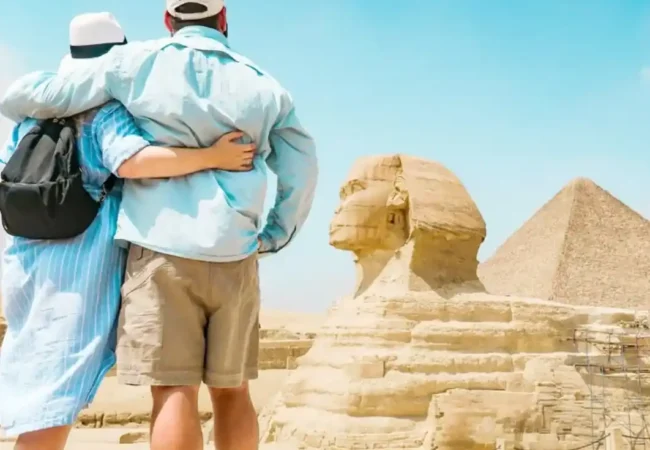
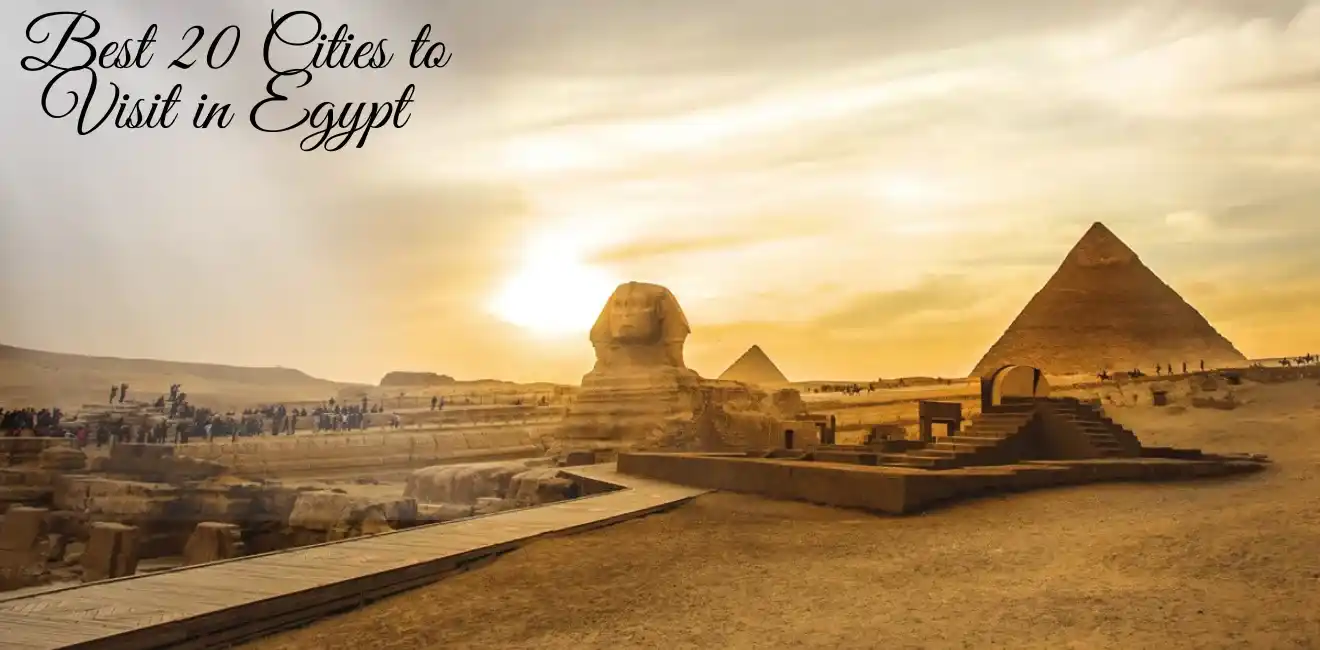
Giza is one of Egypt’s largest governorates and it’s considered one of the oldest cities established during the Islamic conquest. It has important archaeological sites from the Pharaonic era like the Pyramids complex and the Sphinx. “Giza” means “valley” in Arabic.
History:
Giza Governorate was a place for pharaonic tombs in ancient Egypt BC. The most famous tombs here are the three Pyramids. Ancient Egyptians called the area “Tibrsis”.
The weather of Giza
Giza’s climate is dry desert, like Cairo’s. Sandstorms hit in spring. Summer’s hot and winter’s mild. Rain’s rare and snow doesn’t happen.
The Most Famous Tourist Attraction At Giza:
The Pyramids:
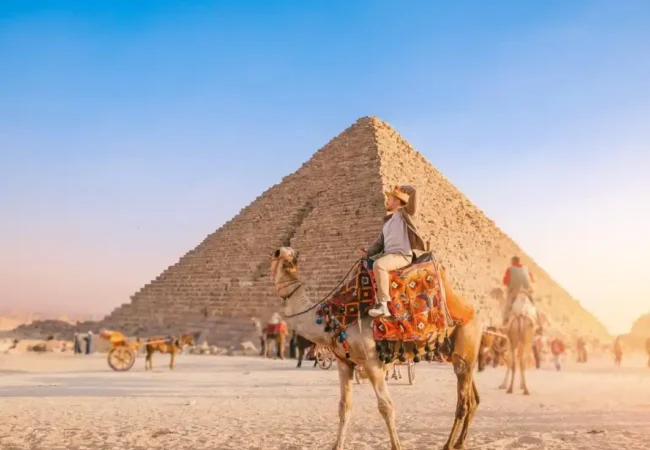
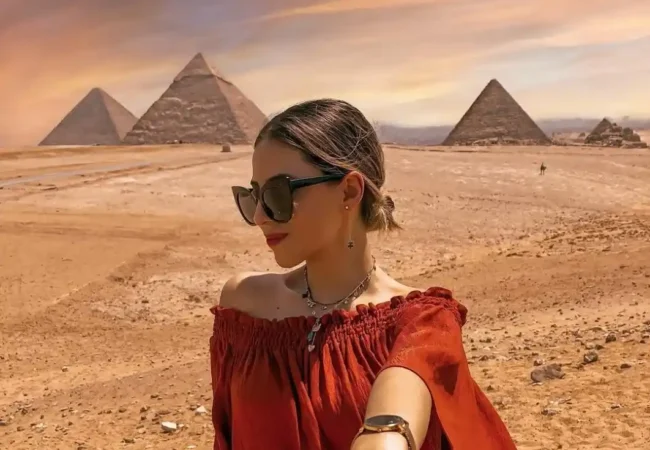
They are pharaonic tombs for kings and one of the Seven Wonders of the ancient and modern world and are considered one of the most important and famous archaeological landmarks in Egypt.
The Sphinx:
The Great Sphinx is considered a large limestone statue of a mythical creature with a human head and a lion’s body.
It is believed to have been carved during the reign of King Khafre. The original name of the Sphinx is unknown and it was named after the Greek mythical creature in classical antiquity.
The Grand Egyptian Museum:
It is the world’s largest museum as it contains a single civilization. It showcases the rich heritage of ancient Egyptian civilization. This architectural marvel boasts expansive open spaces, stunning lighting and glass walls that offer breathtaking views of the pyramids.
The Valley Temple
The Valley Temple is a Funerary temple and it is considered the home of the Mummification process since ancient Egypt. It is One of the most intact structures of the ancient Egyptian civilization, made entirely from limestone and granite and holds amazing diorite statues of Chephren.
3- Alexandria, The Mermaid Of The Mediterrane

Alexandria-Mediterranean-Coastline-Best-20-Cities-To-Visit-In-Egypt
Alexandria is considered the second capital of Egypt after Cairo and in the past was once the country’s capital. Located on the Mediterranean coast, it’s home to Egypt’s largest naval ports and boasts numerous historical landmarks. The city was founded by “Alexander the Great” who connected the island of Pharos to the village of Rhakotis, making it Egypt’s capital. The city has a unique charm, reflecting its Greek and Roman heritage.
Alexandria is famous for the Lighthouse of Alexandria, one of the Seven Wonders of the Ancient World, known for its incredible height.
The culture of Alexandria
Alexandria is a hub for cultural, tourist and political activities, having been named the World Book Capital in 2002 and the Islamic Culture Capital in 2008. The city hosts various festivals including the Alexandria Mediterranean Film Festival, Alexandria Short Film Festival, Alexandria Arabic Music Festival and the Alexandria International Theater Festival.
The Bibliotheca Alexandrina also organizes conferences, events and festivals such as: The annual Manuscript Conference, Summer International Festival and the Alexandria International Book Fair.
The Most Attractive Tourist Places in Alexandria
The Catacombs of Kom El Shoqafa
The Catacombs of Kom El Shoqafa which are located in Alexandria are a remarkable archaeological site dating back to the Roman era, specifically between the 1st and 2nd centuries AD. This ancient burial complex is a unique blend of Egyptian, Greek and Roman architectural styles showcasing the cultural diversity of Alexandria during that period.
The Library of Alexandria
The Library of Alexandria, also called the Royal Library or the Great Library, was a major hub of knowledge in the ancient world. Built during the Ptolemaic era, its origins are debated, some say Ptolemy I founded it, others think Alexander the Great had the idea or it was Ptolemy II who set it up between 285-247 BCE.
Pompey’s Pillar:
This massive column is the largest monolith outside of Rome, standing at an impressive 28 meters tall and 2.7 meters wide, carved from pure red granite. The pillar features a Greek inscription on its western side, dedicated to Emperor Diocletian. Interestingly, it was named Pompey’s Pillar due to a medieval misconception that the remains of the Roman general Pompey were placed at the top of the pillar.
Qaitbay Citadel:
This historic citadel was built on the site of the ancient Lighthouse of Alexandria, it is considered one of the Seven Wonders of the Ancient World. The citadel boasts a statue of Poseidon, the Greek god of the sea at its highest point adding to its architectural and historical significance. The fort has undergone various transformations over the centuries, reflecting the city’s rich cultural heritage. It’s a popular tourist destination which offers insights into Alexandria’s history and the legacy of the lighthouse that once stood there.
The Roman Theatre
It is an ancient theatre in Alexandria. It was built in the 4th century AD. Discovered in 1960 during excavations searching for Alexander the Great’s tomb, its original function was debated. It’s now believed to be a large lecture hall or event theatre, showcasing Alexandria’s rich Roman heritage.
4-Aswan, The Land Of Gold
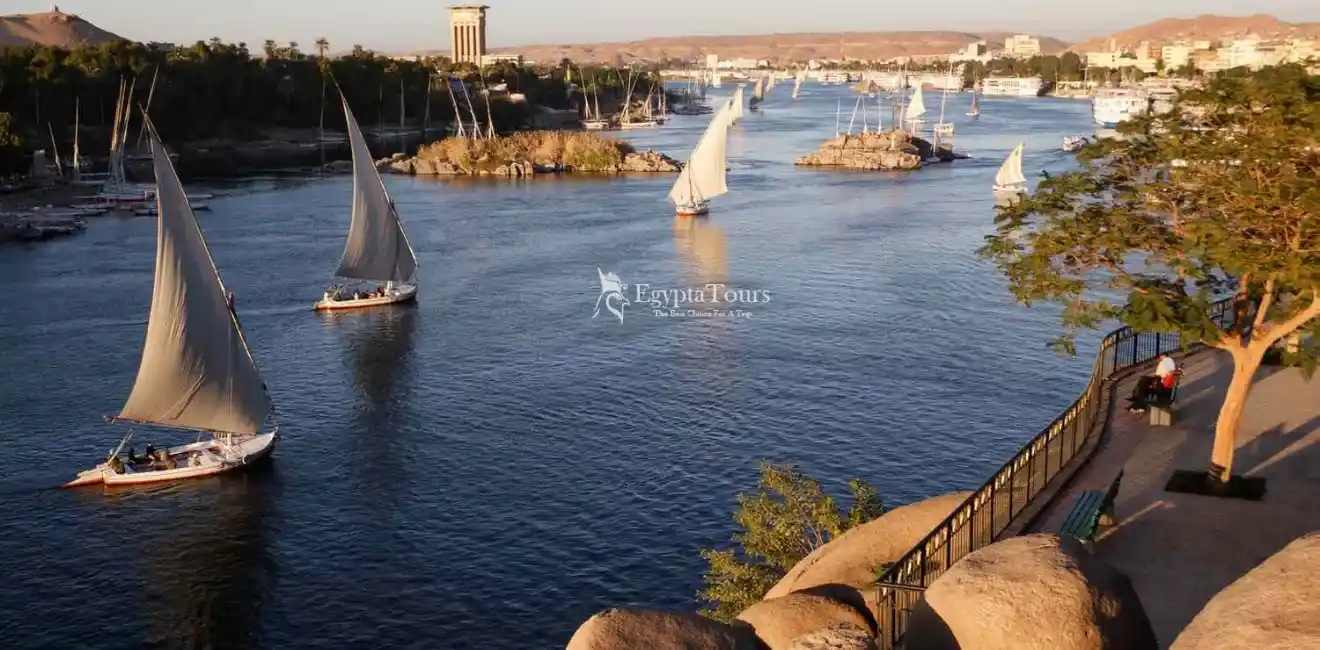
Aswan-City-Temple-Nile-View-Best-20-Cities-To-Visit-In-Egypt
Aswan is the capital of Aswan Governorate, serving as the country’s southern gateway. Located on the Nile’s east bank, it has a hot desert climate.
Etymology:
“Aswan” comes from “Swn” in hieroglyphics, meaning market. It is also called “Land of Gold” due to its wealth.
History:
Aswan was Egypt’s southern boundary in ancient times, it was a hub for armies and trade
Climate:
- Summers: Scorching hot (>40°C).
- Winters: Mild.
- Rare rainfall.
The Most Important Landmarks In Aswan:
The high dam:
The Aswan High Dam is a massive dam in Aswan on the Nile River. It was built with Soviet help during Nasser’s era and completed in 1968. Crucial for managing Nile waters, generating power and supplying water for agriculture and drinking. 3600m long and 111m high.
The Unfinished Obelisk:
The Unfinished Obelisk is a massive granite obelisk in Aswan. Located in a quarry on the east bank of the Nile, about 1 km from the river. It was meant to be 41.7m tall and weighing 1168 tons. It started in Queen Hatshepsut’s reign for Karnak Temple, Luxor.
Philae temple:
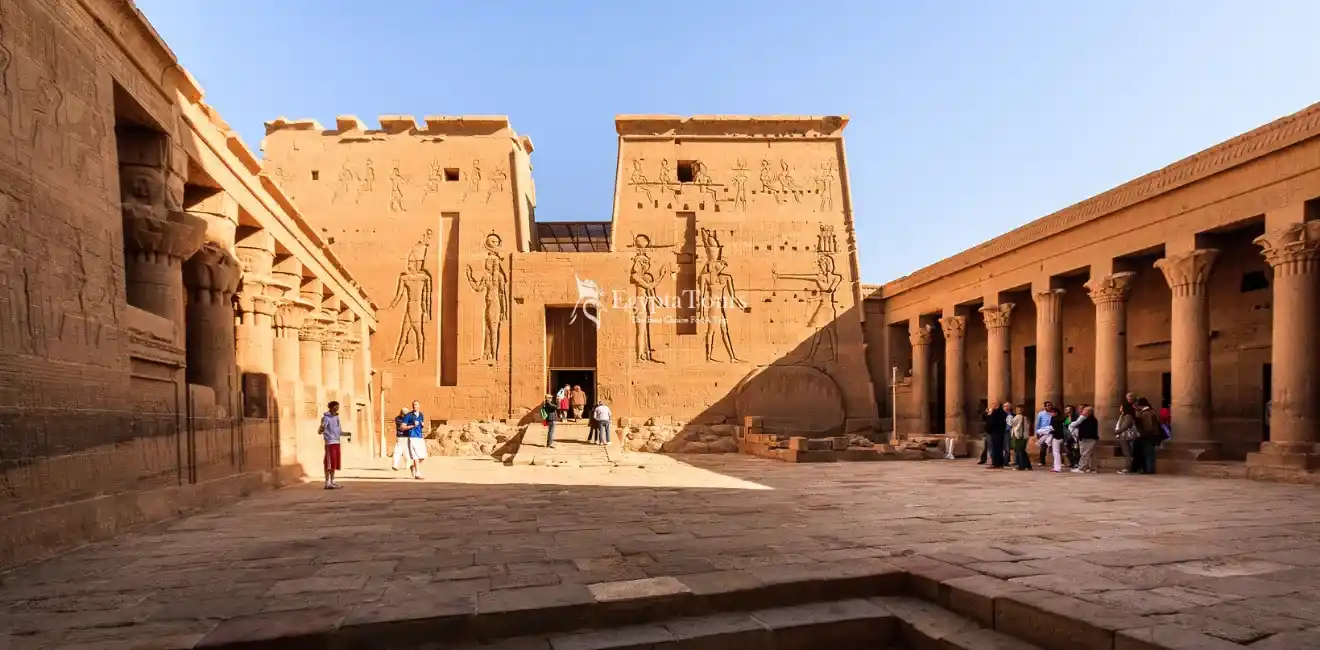
This temple was built specially for the goddess Isis. Originally located on Philae Island, it was submerged by the Nile’s waters. Archaeologists dismantled and relocated it to Agilkia Island, about 500m from its original site. The complex includes a Hathor temple. Visitors can enjoy a sound and light show in multiple languages at night.
5-Luxor: The City of a Thousand Paths and Antiquities
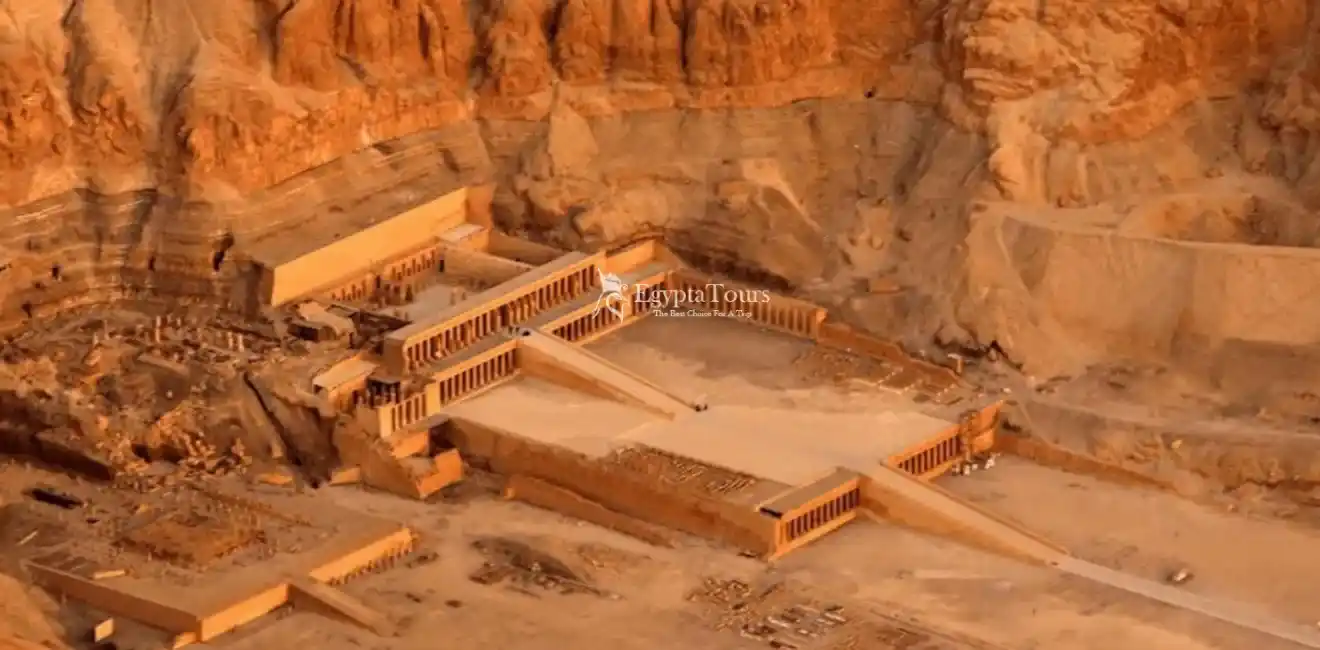
Luxor-City-Best-20-Cities-To-Visit-In-Egypt
Luxor is one of the best 20 cities in Egypt, in the pharaonic era, it was once a pharaonic capital “Thebes”. Packed with east and west bank landmarks like Luxor Temple, Karnak and Valley of Kings. Attracts tourists worldwide with its rich history and unique heritage. Also has the Luxor Museum and sound and light show narrating its story.
Etymology
Arabs called it “Luxor” post conquest, referring to its many pharaonic palaces. Reflects its rich history as a cultural hub in ancient Egypt, considered one of the world’s key historical cities.
History
It was founded in the 4th dynasty and was Egypt’s capital. Home to Karnak, Valley of Kings, Hatshepsut Temple. Saw many civilizations, evolved over time, center of worship, power and culture. Luxor was a focal point for rulers throughout history.
Climate
Dry desert climate, very rare rain, sunny year round. Hot summers, mild winters. The wide diurnal temperature range attracts tourists that love enjoying clear skies and natural views.
The Most Famous Highlights in Luxor
East Luxor:
East Luxor boasts some of Egypt’s most iconic temples, reflecting the splendor of the pharaonic era.
-
Luxor Temple:
It was Built by Ramses II and dedicated to Amun, this temple is a masterpiece of ancient architecture. Its grand columns and intricate carvings depict Ramses II’s military victories and divine connections. The temple’s avenue of sphinxes once led to Karnak, symbolizing the link between gods and rulers.
-
Karnak Temple Complex:
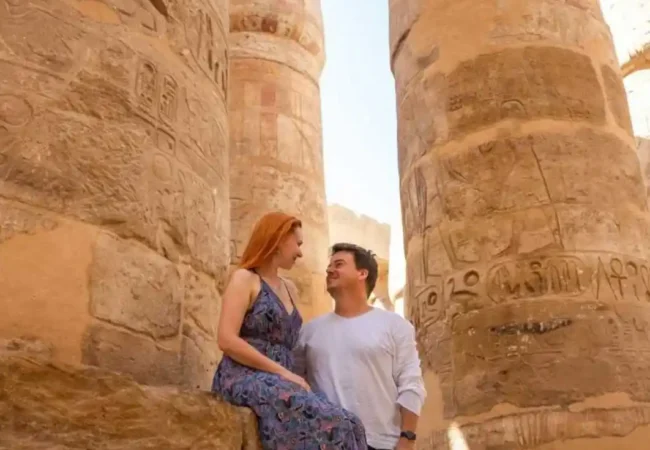
The world’s largest religious site, Karnak is a testament to Egypt’s architectural prowess. Its massive hypostyle hall, with 134 towering columns, narrates pharaonic history through hieroglyphics and reliefs. The complex includes temples, chapels and the sacred lake that embody the cosmic order.
Luxor West bank:
West Luxor is the necropolis of Thebes, the home of royal tombs and funerary temples.
-
Valley of the Kings:
This “City of the Dead” houses over 60 pharaonic tombs, including Tutankhamun’s. Vibrant wall paintings and treasures reveal the pharaohs’ journey to eternity.
-
Valley of the Queens:
A serene valley with tombs of royal women, adorned with colorful carvings of gods and rituals.
-
Medinet Habu Temple:
Ramses III’s memorial, famous for detailed battle scenes and the “Sea Peoples” invasion narrative.
-
Ramesseum Temple:
Ramses II’s funerary temple once housed a colossal statue of the king, now in ruins.
-
Deir El Medina:
The workers’ village built the royal tombs. Explore its narrow streets, tombs and artifacts like the “Turin Papyrus Map.”
-
Hatshepsut Temple:
An architectural gem, this terraced temple honors Egypt’s female pharaoh. Its reliefs depict her trade expedition to Punt.
-
Memnon Statues:
They are two 18-meter statues of Amenhotep III, symbols of pharaonic power, they once guarded at his mortuary temple.
6-The Red Sea
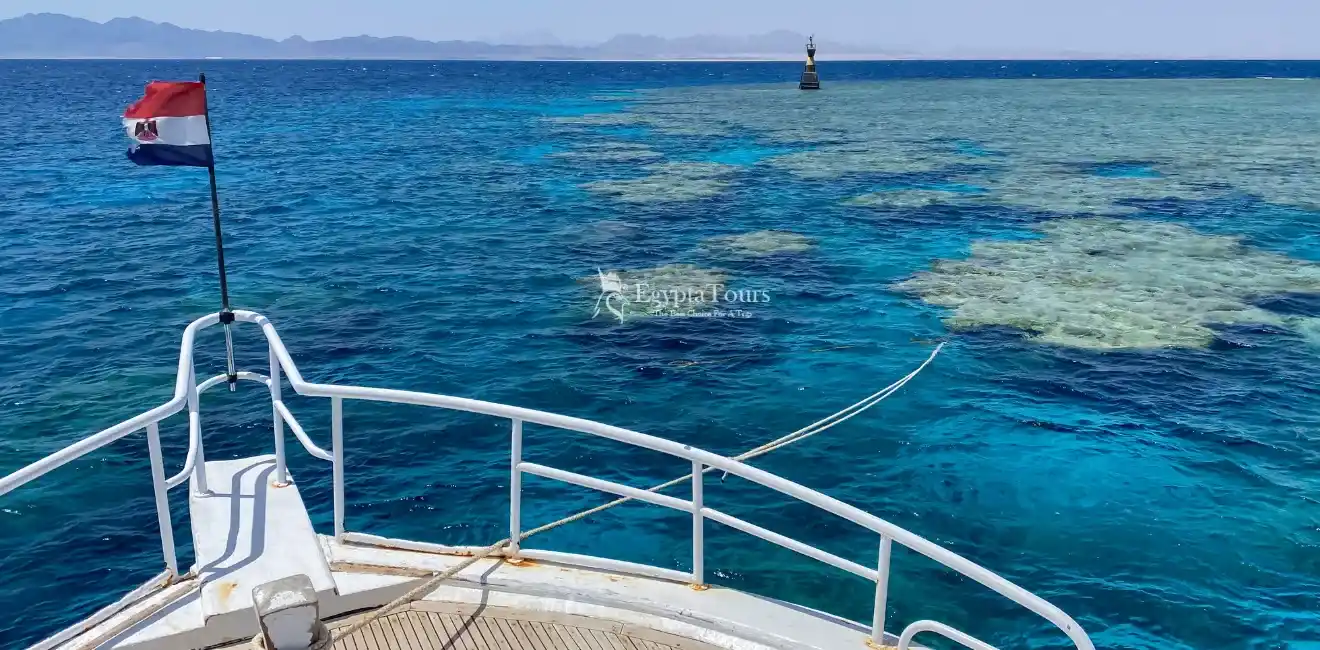
Red-Sea-Beaches-Best-20-Cities-To-Visit-In-Egypt
The red sea is one of the world’s most important seas, located between Africa and Asia, connecting to the Indian Ocean. It covers about 438.000 km², stretching 1.900 km and is famous for its stunning coral reefs and colorful fish that attract divers globally.
History:
Historically, the Red Sea played a crucial role in East and West trade. Ancient Egyptians explored it for trade with Punt, Darius I improved navigation, Alexander the Great sent Greek expeditions and it was a key spice trade route in medieval times.
The importance of the red sea:
Its importance isn’t just historical, the Red Sea hosts the Suez Canal that links the Mediterranean to the Red Sea, one of the world’s most vital canals. It’s also home to incredible coral reefs, colorful fish, over 1,000 invertebrate species and 200 coral types.
7-Hurghada
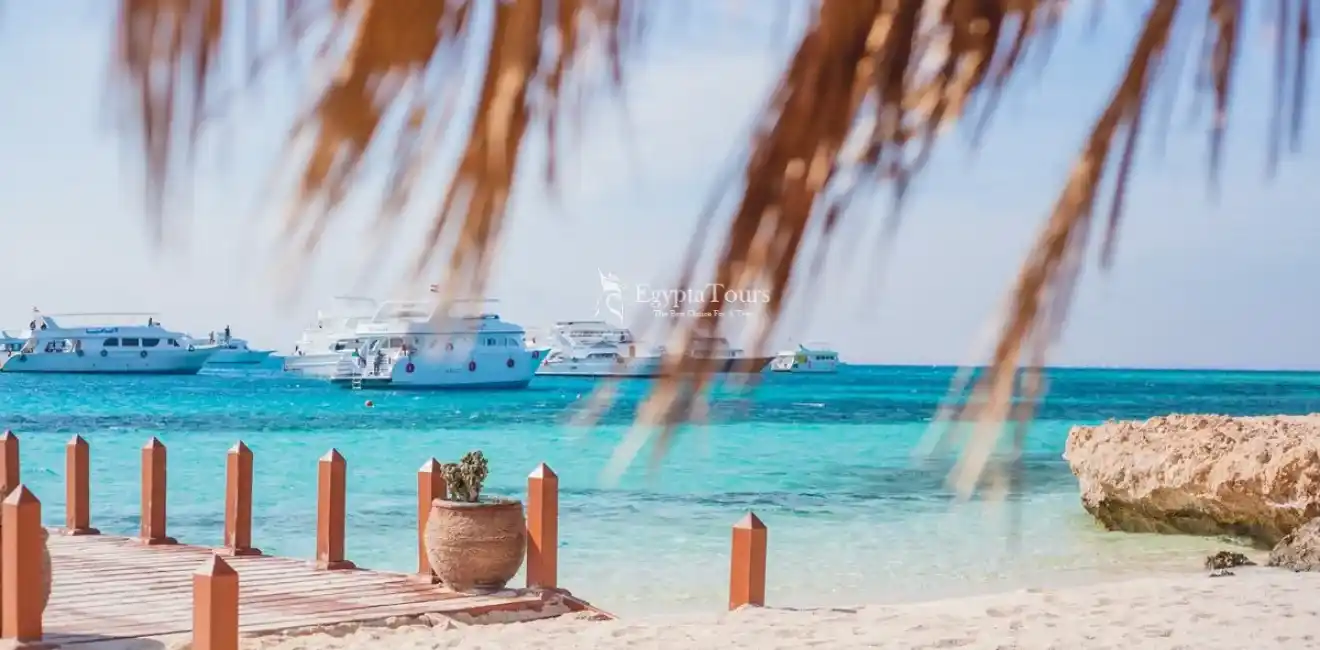
Hurghada-Red-Sea-Beaches-Best-20-Cities-To-Visit-In-Egypt
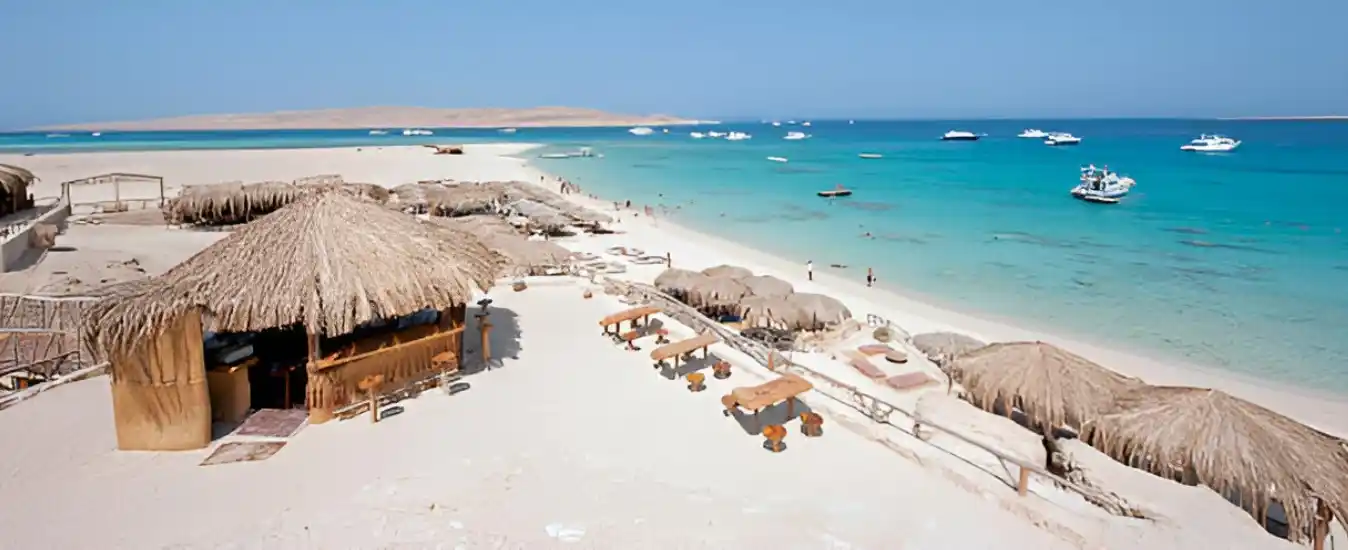
Hurghada’s an Egyptian city, Red Sea Governorate’s capital. On the Red Sea coast, with 40km of shoreline. It has stunning beaches and islands like Giftun. Attracts tourists worldwide.
History
Founded in 1905, grew due to tourism and oil. Has old history, Israeli raid on Shadwan Island in 1970. Mixes Bedouin and tourist vibes.
Geography
It is located on the Red Sea and has neighborhoods like El Dahar.
Tourist Spots
Sahl Hasheesh:
Sahl Hasheesh is a luxury and amazing resort south of Hurghada, Red Sea. Offers premium resorts and upscale accommodations, golf courses and an underwater pharaonic city for diving. Welcomes elite tourists from across the globe. It has a 250m sea bridge. A major tourism investment hub in Egypt.
8-El Gouna: Red Sea Gem
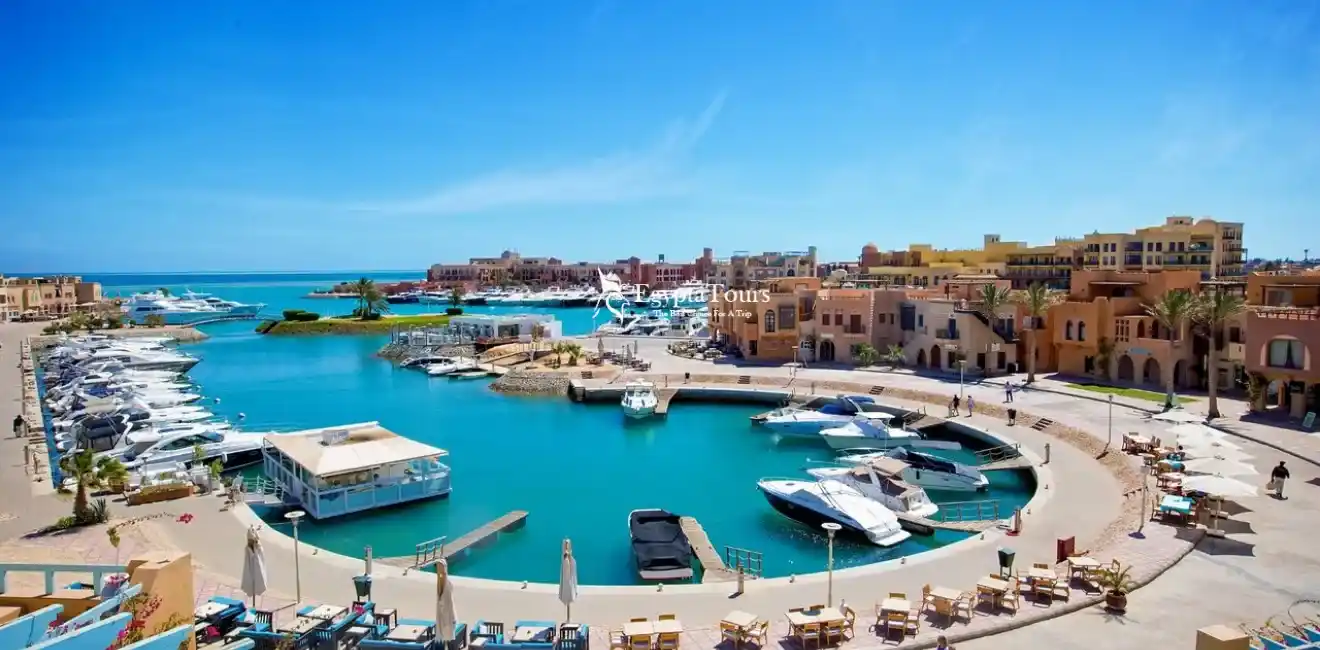
El-Gouna-Luxury-Resort-Red-Sea-Best-20-Cities-To-Visit-In-Egypt
El Gouna’s a luxury resort in Hurghada, developed in 1990. On the Red Sea coast, it is known for beaches and water sports.
Etymology
“El Gouna” means a leather pouch for scents in Arabic. Mentioned in Prophet Muhammad’s hadiths.
Best Activities in El Gouna:
It is a perfect place for diving and water activities. It has Zaitona Beach and Mangrovi Beach. Full of water canals, each house has a private beach. Areas like Marina Town and Mediterranean Quarter.
It also has shopping, restaurants, bars, and a marina. Hosted international golf tournaments. It has a hospital, small museum and digital library.
9-Marsa Alam: Red Sea Gem

Marsa-Alam-Coral-Reefs-Best-20-Cities-To-Visit-In-Egypt
Marsa Alam’s a luxury tourist city in Red Sea Governorate, developed in 1995 by Kuwait’s Al Kharafi Group. Attracts tourists with white sandy beaches and water sports like diving and scuba. The city boasts breathtaking natural and tourist attractions.
History
It was named after “Marsa Alam” (Anchor of the Flag). Was a gold mining hub in pharaonic times. Features ancient carvings and pharaonic ruins. Developed in modern times, it’s now a top tourism destination in Egypt.
Tourist Spots
A hotspot for diving and safari. It has islands like Zabraq, Khwar and Shahab Al Fustan. Features an international airport, luxury marina, hospital and global conference center. It also has Sheikh Abu Hassan Shazly shrine and unique valleys and mountains.
Top Tourist Activities
Diving at Elphinstone Reef
This place is one of the world’s best diving spots! You can see corals, sharks and giant turtles.
Dolphin House Swim
You can enjoy an amazing experience with wild dolphins, fun for all ages.
Wadi El Gemal National Park
Nature reserve with rare wildlife, Roman ruins and ancient paths.
Desert Camping
You can also enjoy a magic night under the stars, Bedouin party and tea.
Snorkeling at Daedalus Reef
Top snorkeling spot in the Red Sea, with corals and colorful fish.
Berenice Ancient Ruins
Old Roman trading port with ruins and artifacts.
Abu Dabbab Beach
Calm beach with clear waters, it is perfect for swimming and snorkeling.
Bedouin Dinner Under Stars
Authentic dinner under the stars with Bedouin tea.
10-Safaga: Red Sea Gem
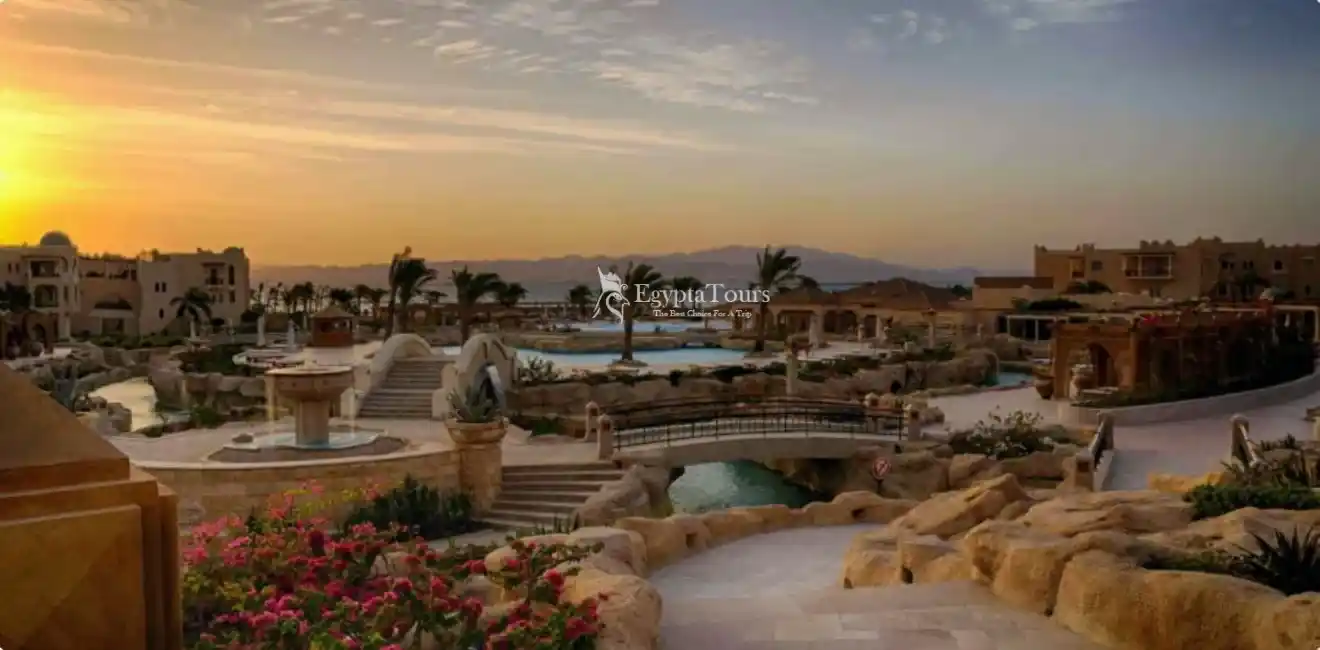
Safaga-Red-Sea-Diving-Spots-Best-20-Cities-To-Visit-In-Egypt
Safaga’s a tourist city in Red Sea Egypt, known for diving and water sports. Has resorts, hotels and top seafood restaurants. Black sands treat skin and joint diseases like psoriasis.
Safaga’s a key port for imports, exports and hajj pilgrims to Saudi Arabia.
Climate:
It has nice weather year round, calm beaches and clear waters. It has world-class diving centers with Sharm Naga a top spot.
History
It has pharaonic ruins over 4,000 years old. It was a launch point for trips to Punt.
Geography & People
Safaga’s south of Hurghada with 60km of coast. Founded in 1911 for phosphate mining. Locals work in industry, mining and tourism.
Top Tourist Spots
1. Sharm Naga
It is a Tourist area with clear waters and colorful corals. Diving, swimming and glass boat trips to see marine life.
2. Utopia Island
Awesome island north of Safaga, soft sand and clear waters. No rocks and it is safe for swimming.
3. Mons Claudianus
Old Roman site south of Safaga with marble quarries and huge columns. A unique historical spot.
4. Menaville (Black Sands)
Safaga’s black sands treat rheumatism and psoriasis. Doctor guided sessions available.
Activities
- Surfing and water skiing.
- Boat trips to islands and reefs.
- Diving to explore wrecks and corals.
11-Sharm El Sheikh

Sharm-El-Sheikh-Naama-Bay-Best-20-Cities-To-Visit-In-Egypt
Sharm El Sheikh’s a luxury tourist city in South Sinai, it is about 480km area and ~35k population. This city attracts global visitors with resorts and water sports like diving.
History
Founded in 1968, it is known as the Peace City. Developed rapidly to become one of the world’s top tourist cities.
Tourist Spots
It has an international airport, Tiran and Sanafir islands, areas like Ras Nasrani, Ras Mohammed and Naama Bay. Over 200 hotels, resorts, restaurants, cafes and entertainment cities.
Naama Bay:
It is considered the Heart of Sharm El Sheikh, it is located at the heart of Sharm El Sheikh where Asia and Africa meet. A top tourist spot with the Red Sea’s coral reefs, soft sands and warm weather year-round.
Tourist Activities
The bay’s famous for swimming with colorful fish, viewing corals via glass boats, diving, sailing and water skiing.
Highlights
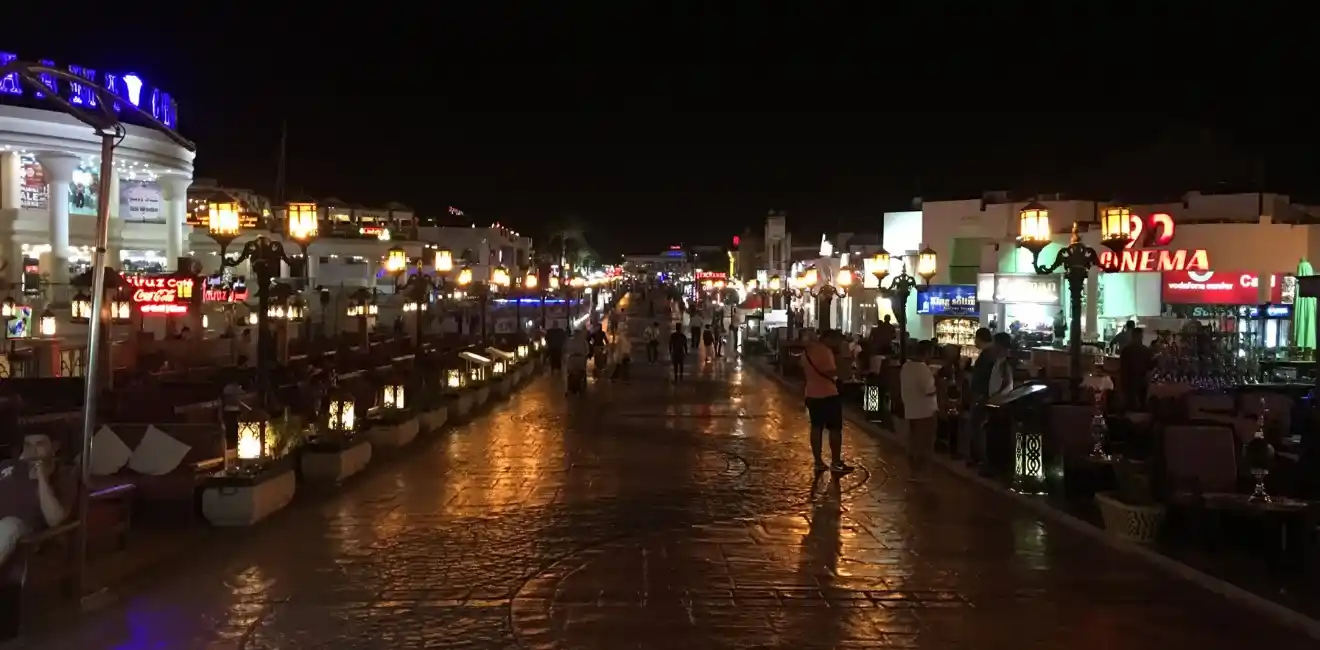
The bay’s streets are named after Arab leaders and kings. It’s full of restaurants, cafes, shops and global hotel chains.
Shark Bay:
Shark Bay’s a tourist area with stunning natural views in Sharm El Sheikh. Named either because sharks used to live there or due to confusion between sharks and manta rays or because fishermen used to dump caught sharks there.
12-Ain Sokhna
Ain-Sokhna-Red-Sea-Resort-Best-20-Cities-To-Visit-In-Egypt
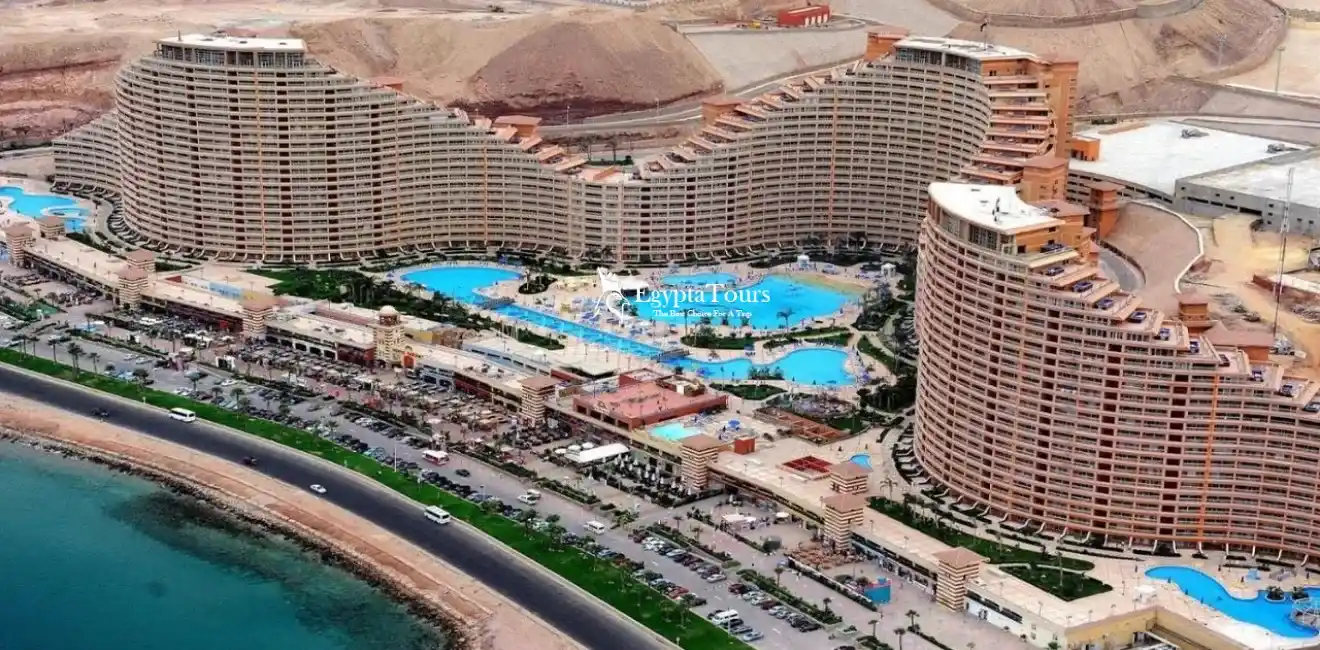
Ain Sokhna is a major tourist, investment and industrial hub on the Gulf of Suez, Red Sea coast in Egypt. It’s about 55km from Suez city and 88km from Cairo, making it one of the closest Red Sea resorts to the capital.
Tourism in Ain Sokhna
Ain Sokhna is known for its white sandy beaches and blue waters that attract visitors from everywhere. It’s named after the hot sulphur springs used for healing. The area has tourist villages with hotels and chalets like the Ain Sokhna Hotel, one of the oldest there. Due to its proximity to Cairo, Ain Sokhna’s a favorite summer center for Egyptians, especially for day tours.
Galala Mountain
Galala Mountain’s an extension of Ain Sokhna with: a city on top, universities, hospitals and hotels. There is a winding road connecting it to Ain Sokhna and a fast cable car reaches the shore.
13-Nuweiba: Sinai’s Tranquil Gem
Nuweiba-Sinai-Beaches-Best-20-Cities-To-Visit-In-Egypt
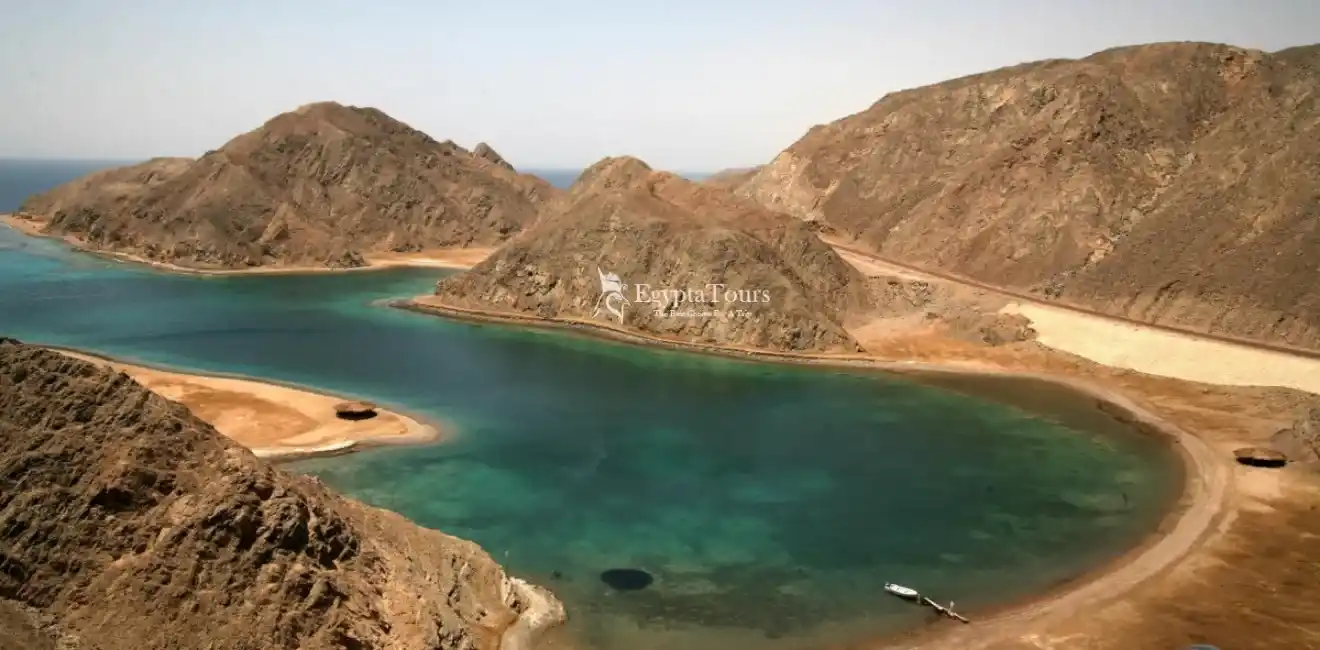
Nuweiba’s one of the best 20 cities in Egypt, which is located in South Sinai and overlooks the Gulf of Aqaba. It covers 5097 km² and 85km north of Dahab and 465km from Suez Canal. Inhabited by Mazine, Tarabin and Juhaina tribes of Sinai Bedouins.
History
– Known as Nuweiba Fort or Tabia Nuweiba.
– Targeted by terrorist bombings in 2004 at Hilton Taba and Ras Shitan camps.
Geography and Climate
– Located in Wadi Watir delta, occasionally flooded.
– Mild weather, sunny and low humidity.
– Average temp: 20°C winter and 33°C summer.
Tourist Spots
it is famous for its stunning sandy beaches and unique Bedouin tents, Important sea port and activities such as: Tourism, shipping and transport
14-Sinai Peninsula: The Holy Land
Sinai- Peninsula-Best-20-Cities-to-visit-in-Egypt
The Sinai Peninsula is a triangular region in northeast Egypt, connecting Asia and Africa. It covers about 61,000 km², featuring sacred sites, tourist spots and farmland.
It borders the Mediterranean Sea to the north and the Red Sea to the south. To the west lie the Suez Gulf and Canal, while to the east are the Negev Desert (Palestine), Aqaba Gulf and Gaza. The peninsula is roughly 385 km long and 210 km wide, it is divided administratively into South and North Sinai governorates, and is geographically part of Asia.
History
In the past, Israel occupied Sinai twice: once in 1956 (withdrawing after UN intervention) and in 1967.
Following Egypt’s 2011 revolution, armed groups emerged in Sinai, attacking Arish, Sheikh Zuweid and Israeli buses in Eilat (2011). Israel claimed attackers were from Gaza, entering Eilat via Sinai, suggesting Egypt lost control of the area.
15-St. Catherine’s City: Sinai’s Holy Gem
St-Catherine-Monastery-Sinai-Best-20-Cities-To-Visit-In-Egypt
The Location and Nature
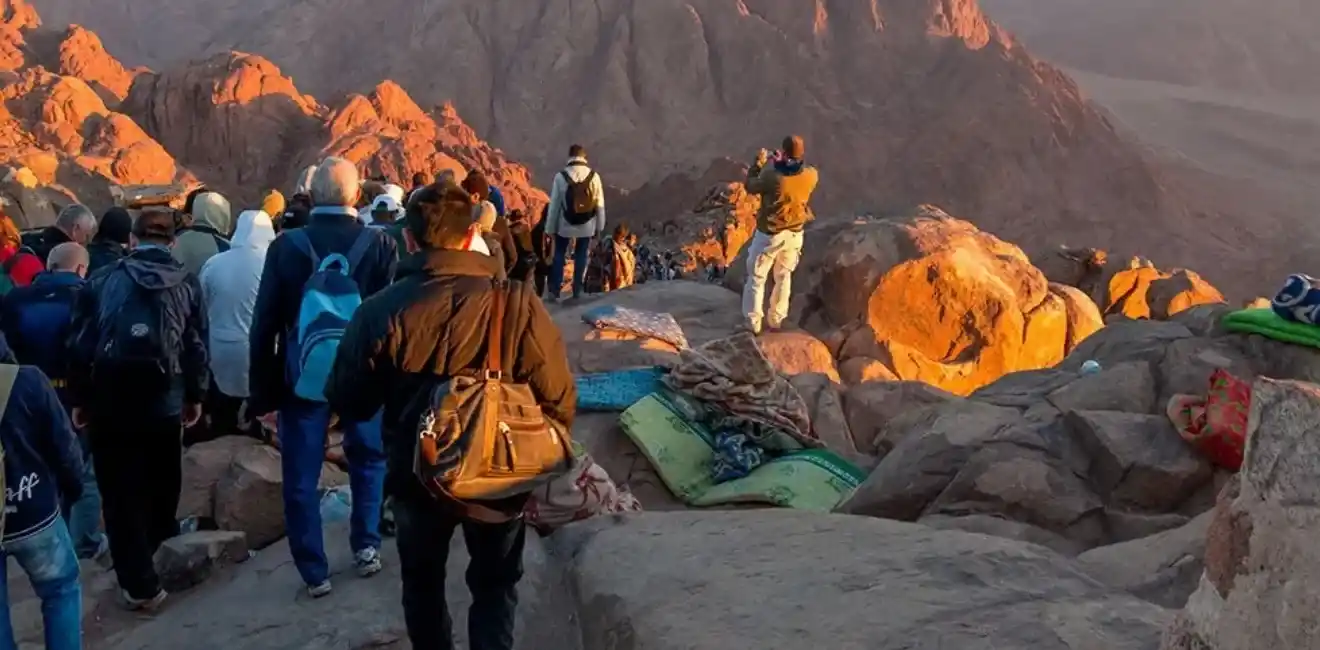
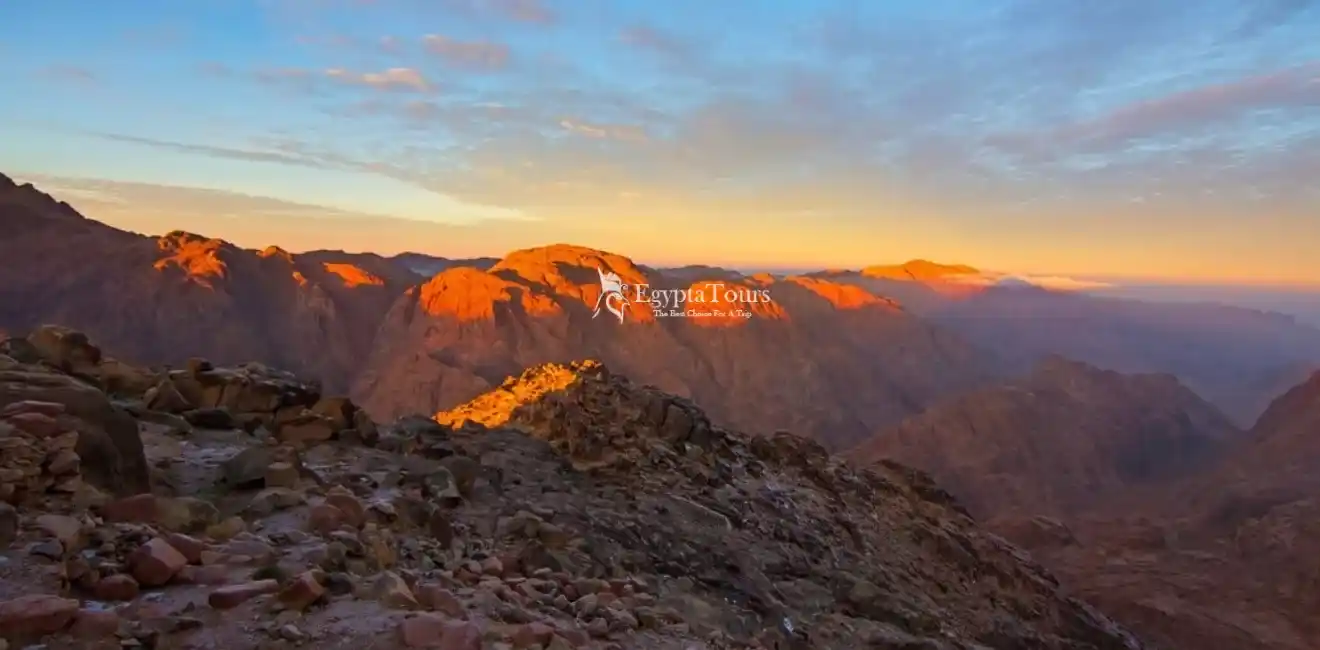
St. Catherine’s is one of Sinai’s most unique cities, located on a 1600m high plateau in South Sinai. It covers 5130 km² and is surrounded by Egypt’s highest mountains like Mt. Catherine and Mt. Moses. The climate’s mild summers and cold winters with snow in winter.
Naming and History
This place is named after St. Catherine who was born in Alexandria in the 3rd century AD. She was martyred in 307AD and her remains were found on a Sinai mountain peak five centuries later. The 6th century monastery which was built by Emperor Justinian was named after her.
Religious Sites
St. Catherine’s Monastery:
It is an Orthodox monastery at Mt. Moses’ foot, sacred to Muslims, Christians and Jews.
The Importance of The Monastery
The monastery is surrounded by a massive wall, housing a big church, small church and a library with rare manuscripts. The area was listed as a UNESCO World Heritage Site in 2002.
16-Minya City: The Bride of Upper Egypt

Minya-Beni-Hassan-Tombs-Best-20-Cities-To-Visit-In-Egypt
Location and History
Minya is a city in Upper Egypt, it is nicknamed “Bride of Upper Egypt”. It’s on the Nile’s west bank, capital of Minya Governorate. It has about 301,804 population and it is located 241km south of Cairo.
Administrative Divisions
The city has three districts, including Abu Filiu and other villages.
Antiquities in Minya Governorate: A Journey Through Time
Minya’s rich in Pharaonic, Roman, Greek and Christian antiquities. Here are key sites in each district:
Tuna El-Gebel:
Tuna El-Gebel is a city that combines the grandeur of history with the beauty of antiquities. It is Located 67km southwest of Minya, and 10km west of Ashmunein, it’s one of Egypt’s most important archaeological sites. Here, you’ll find the tomb of Petosiris, high priest of the Greco Roman era, the mummy of Isadora, the martyr of pure love and the catacombs dedicated to the god Thoth, symbol of wisdom and knowledge. Tuna El Gebel tells us the story of an ancient civilization and immerses you in a world of secrets and historical tales.
Amarna:
It is the Capital of Aten, Amarna is the city built by Akhnaten to worship the god Aten. It is located 15km northeast of Dirmuas, it was Egypt’s capital during Akhnaten’s reign. Here, you’ll find the first school of realistic art in history which is known as Amarna art. The city tells us about Akhnaten’s religious revolution and life in the era of one of Egypt’s most important kings.
Ashmunein:
Ashmunein is the city that was the capital of Nome 11 in the Pharaonic era. It is located 8km west of Mallawi, 45km south of Minya. Here, you’ll find statues of the god Thoth, remains of the Greek market and a basilica church. Ashmunein played a significant role in the liberation war against the Hyksos and is a witness to Egypt’s ancient history.
Beni Hassan:
A Record of Daily LifeBeni Hassan, the city with 39 Pharaonic tombs from the Middle Kingdom. It is located in Abu Qirqas, 22km southeast of Minya. Here, you’ll find the tombs of Amenemhat and Khnumhotep and paintings that tell us about daily life in ancient Egypt. Beni Hassan is truly an archaeological treasure, and immerses you in a world of myths and stories.
17-Fayoum

El-Fayoum-Best-20-Cities-To-Visit-In-Egypt-EgyptaTours
Fayoum is one of Egypt’s governorates, with its capital being Fayoum city, the largest natural oasis in Egypt. Located in the North Upper Egypt region, it’s surrounded by desert except for a southeastern connection to Beni Suef. Fayoum’s part of the central Egyptian governorates, it is lying 92km southwest of Cairo. The governorate covers 6068.70 km², blending lakes, springs, greenery and desert with a mild climate year round.
Historical Highlights
– Pharaonic Era: It was Part of the 20th nome of Upper Egypt, focused on Lake Moeris for fishing.
– Ptolemaic Era: Kranis city was founded for Greek settlers, thriving agriculturally.
– Islamic Conquest: Amr ibn al Aas sent a campaign in 640 AD.
– Modern Era: Faiyum participated in the 1919 revolution and March 15 is its national day.
Natural and Cultural Attractions
– Lake Qarun Reserve: it is a scenic lake with wildlife.
– Wadi Rayan Reserve: it is famous for waterfalls and wildlife.
– Wadi Hitan: A UNESCO World Heritage site.
Fayoum is rich in Pharaonic, Roman, Coptic and Islamic heritage, making Faiyum a key tourist hub.
18-Abydos: Egypt’s First Capital and Osiris’s Cult Center
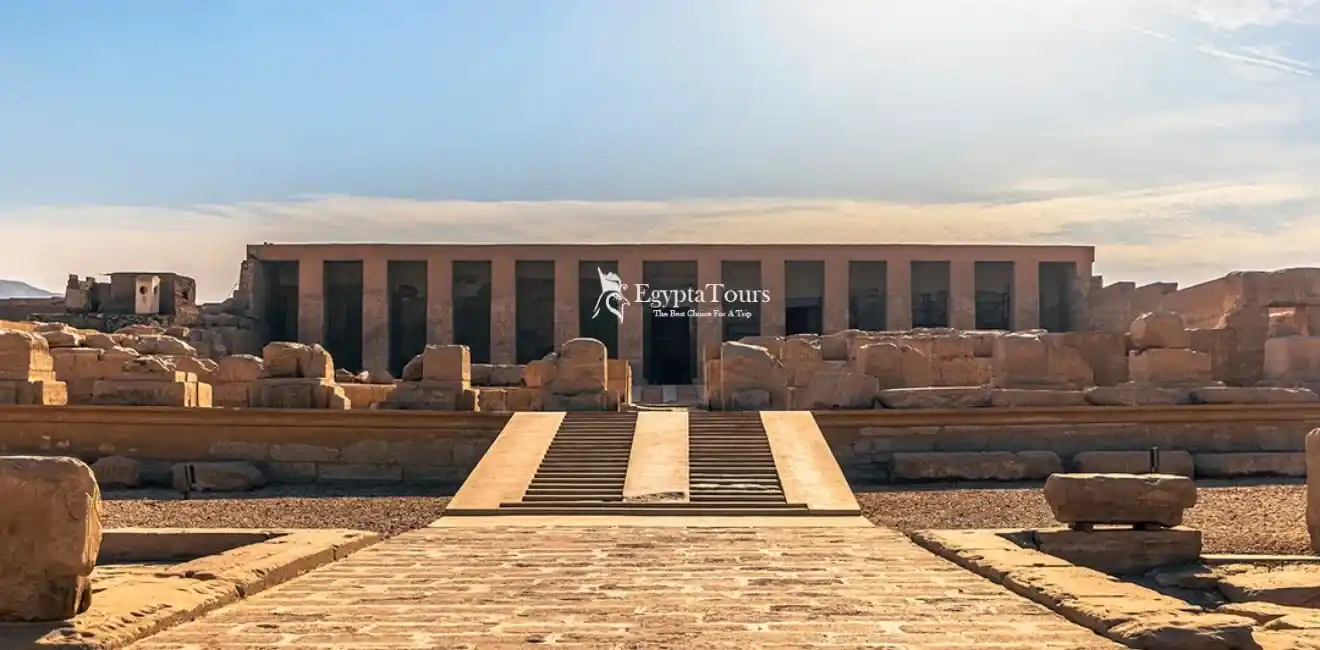
Abydos-Temple-Of-Seti-I-Best-20-Cities-To-Visit-In-Egypt
Abydos is a city blending ancient history with stunning antiquities, it lies west of El-Baliana in Sohag Governorate. It was Egypt’s first capital at the end of the Predynastic Period and the first four dynasties, around 5.000 years ago. This city was the main center for worshipping Osiris, guardian of eternal life and god of the west and attracting ancient Egyptians for pilgrimage.
Archaeological Highlights
– Seti I Temple: An important landmark with prominent ancient Egyptian reliefs.
– Ramses II Temple: it is famous for its Egyptian style carvings.
– Oldest Boats: They were discovered in ancient tombs west of Seti I Temple.
The significance of Abydos
Abydos was sacred for ancient Egyptians, who visited to mourn Osiris. The city shows the ancestors’ grandeur and ancient life and takes you on a journey through time to uncover Egyptian civilization’s secrets.
19-Dendara: City of Gods and Ancient Temples
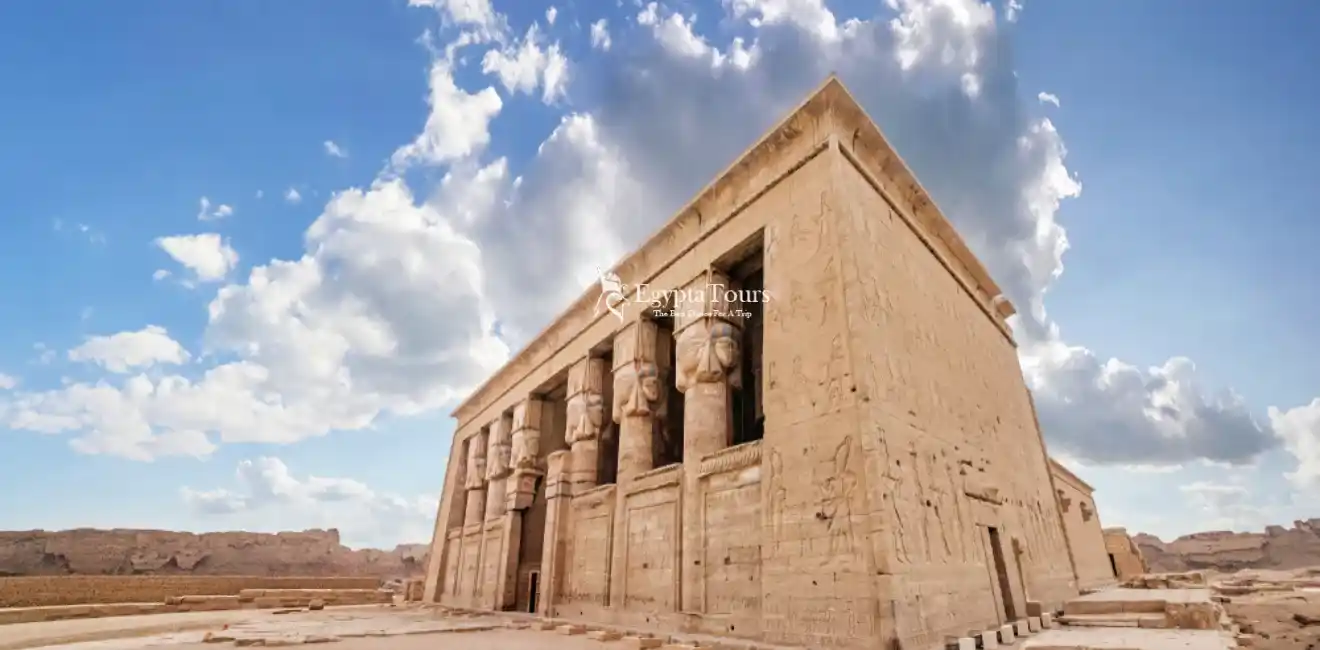
Dendera-Hathor-Temple-Best-20-Cities-To-Visit-In-Egypt
Dendara is a small village in Qena Governorate, lies on the eastern Nile bank in the opposite of Qena city. It was the capital of Upper Egypt’s sixth nome and it was a major center for worshipping Hathor “the goddess of love and music”. The site dates back to the Predynastic era as evidenced by ancient tombs near Hathor Temple’s wall.
The Importance of dendera:
Dendara embodies ancient Egyptian grandeur, blending architectural art with spirituality. Visiting takes you to gods’ and pharaohs’ world, uncovering secrets of ancient life.
The Most Important Temple in dendera:
Hathor Temple:
Hathor Temple is an Iconic creation of architecture, begun by the Ptolemies and completed by Romans. It faces north and south, boasting stunning hieroglyphics and artistic reliefs. The grand hall has 24 massive columns in four rows, showcasing Egypt’s ancient art. Three other halls and 11 side chambers contain Roman emperors’ depictions offering to gods.
Other highlights include the small Isis Temple built by Nero, the Mammisi in the north of Hathor Temple and the sacred lake with a Nilometer to the west.
20-Siwa Oasis: A Jewel of the Western Desert
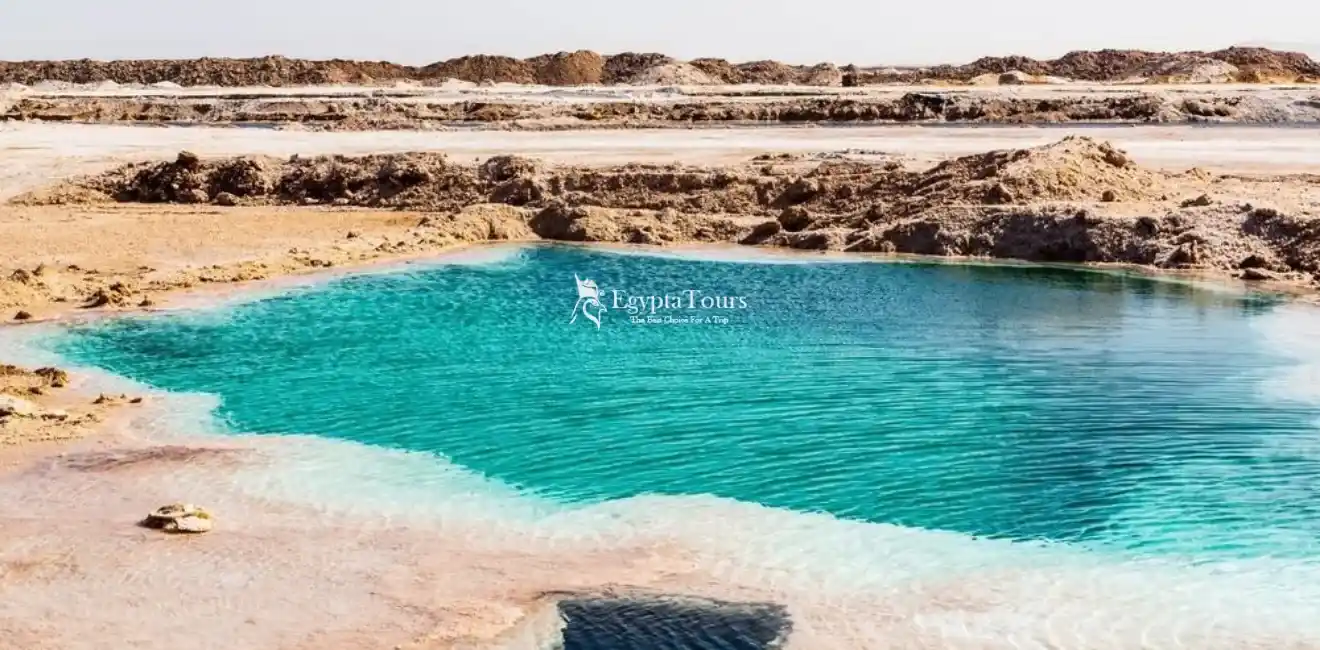
Siwa-Oasis-Salt-Lakes-Best-20-Cities-To-Visit-In-Egypt
Location and history::
It is located in the heart of Egypt’s Western Desert, Siwa Oasis is a renowned tourist and archaeological destination. Its strategic position made it a crossroads for trade routes between north, south, east and west, spreading the cult of Amun in the Pharaonic era.
Siwa is a city and oasis in Matruh Governorate, famed for its stunning landscapes and historical sites. The oasis dates back to Pharaonic times, serving as a center for Amun worship. In 331 BC, Alexander the Great visited Amun Temple, boosting its global fame.
Natural Attractions
– Springs: Over 200 water sources for irrigation, drinking and therapy.
– Salt Lakes: Four main lakes offering scenic views and eco-tourism opportunities.
– Siwa Reserve: It is home to white gazelles, migratory birds and unique flora.
Archaeological Sites
– Amun Temple: Witnesses spring equinox alignment twice a year, known as the Oracle Temple.
– Jebel El Mawta: Greco Roman tombs with Book of the Dead scenes.
– Si Amun Tomb: Blends Egyptian and Greek art, featuring Nut and Osiris depictions.
Tourism and Therapy
Siwa’s hot sands at Jebel Dakrour treat rheumatism and joint issues. The oasis also offers thrilling desert safaris.
Culture and Local Life
Siwa’s Amazigh heritage shines through traditional crafts like embroidery and pottery. The annual Harvest Festival in October is a highlight.
FAQs
What are the best 20 Cities to Visit in Egypt?
The best 20 cities to visit in Egypt are: Cairo, Giza, Alexandria, Aswan, Luxor, Hurghada, El- Gouna, Marsa Alam, Safaga, Sharm El Sheikh, The red, sea, Ain sokhna, Nuweiba, St Catherine, Minya, El- Fayoum, Sinai, Dendera, Apydos and Siwa.
What are the historical highlights at el fayoum?
– Pharaonic Era: It was Part of the 20th nome of Upper Egypt, focused on Lake Moeris for fishing.
– Ptolemaic Era: Kranis city was founded for Greek settlers, thriving agriculturally.
– Islamic Conquest: Amr ibn al-As sent a campaign in 640 AD.
– Modern Era: Faiyum participated in the 1919 revolution and March 15 is its national day.
What is The Importance of St. Catherine Monastery?
The monastery is surrounded by a massive wall, housing a big church, small church and a library with rare manuscripts. The area was listed as a UNESCO World Heritage Site in 2002.
Where is Siwa?
It is located in the heart of Egypt’s Western Desert.
What was the capital of Nome 11 in the pharaonic era?
Ashmunein is the city that was the capital of Nome 11 in the Pharaonic era.
What are the Best Activities to do in El Gouna?
It is a perfect place for diving and water activities. It has Zaitona Beach and Mangrovi Beach. Full of water canals, each house has a private beach. Areas like Marina Town and Mediterranean Quarter.
It also has shopping, restaurants, bars, and a marina. Hosted international golf tournaments. It has a hospital, small museum and digital library.