







Imhotep
Imhotep is considered one of the historical figures who was able to influence the history of ancient Egypt. He was called the true genius of the world, as he was appointed as a vizier to King Djoser. He also worked in many jobs that were recorded on the base of Djoser’s statue, which was not done with other kings. In this article, we will learn more about the details of his life.
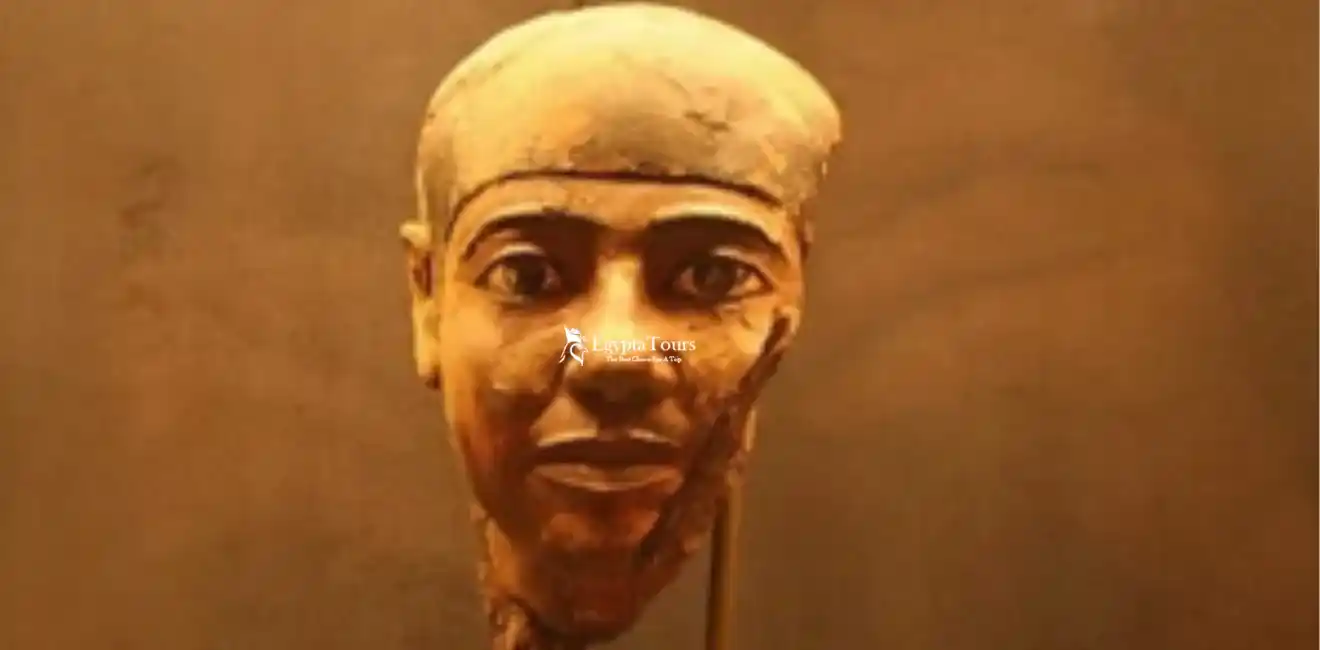
Who-Is-Imhotep-EgyptaTours
He is a historical figure who worked in many fields, including medicine, engineering, and others. He is also credited with the achievement of building the first pyramid in Egypt. His first scientific contribution is considered to be the use of stones, which he described as the basis of building materials after construction relied only on mud bricks. We can clarify that he enriched the ancient Egyptian civilization and was a role model for many writers and scribes.
Imhotep the genius who was ahead of his time
This king presented many achievements that have impressed scientists to this day in the art of architecture and engineering. He also laid the foundations for medicine because he worked as a physician. In addition, he was ahead of his time, as he was able to understand the diagnosis of diseases and discovered ways to treat them, which made the Greeks consider him the god of medicine. And because he was able to combine philosophical and scientific thought, he became one of the geniuses because, through his mind, he was able to change the course of history.
Imhotep the innovator of stone architecture in ancient Egypt
This king’s work was not only in the field of medicine, but he was also a skilled engineer. He worked in this field during the reign of King Djoser and designed the pyramid of Saqqara. Thus, he became the first to revolutionize the art of architecture because he laid the foundations that were a reference for building the Giza pyramids later. He also worked in the field of art, as he was an artist and a thinker because he combined engineering precision and beauty.
The relationship between Imhotep and King Djoser
Imhotep was appointed as an advisor to King Djoser, and thus he helped to organize the state’s affairs and implement the king’s projects, who relied heavily on Imhotep. Among the works he was assigned by Djoser was the design of his royal tomb. Therefore, he executed the Step Pyramid of Saqqara, and thus he was able to transform tombs into a huge structure of stone and a symbol of immortality. King Djoser appreciated him greatly, as he inscribed his name on temples and walls.
The secret of the design of the Step Pyramid of Djoser
Imhotep designed the pyramid of Djoser in an unprecedented way in Egyptian history. He built it with the aim of being a tomb for King Djoser, but the pyramid came to symbolize ascent and immortality, as they believed. The secret of the design goes back to the king’s decision, who built it from 6 mastabas, each one on top of the other, using stones for that.
Thus, the design was stronger and more durable, and it also became more beautiful with the architectural complex that contains statues, temples, and courtyards surrounding the pyramid.
Imhotep the first physician in history
Imhotep was able to research a lot to find out the causes that lead to diseases and how to treat them, and he recorded these observations on papyrus. Thus, he is considered the first to lay the foundations of medicine, as he relied on herbs to prescribe treatment methods. He was ahead of his time because he was concerned with the process of sterilization and cleaning.
His burial place and attempts to find his tomb
Despite the great fame that Imhotep gained, the place where he was buried is not known to this day. Many rumors have spread, including that he was buried next to King Djoser, but this is not confirmed, as some excavations were carried out to find him, but they failed. Others believe that he was buried under one of the old buildings, but erosion factors erased its traces and made it disappear.
What makes Imhotep an immortal symbol in Egyptian history?
Imhotep is considered a rare personality, as he possessed knowledge, creativity, and intellect, and worked in many fields, so his name has remained immortal until now. He added a lot, as he laid the foundations of scientific medicine, innovated stone architecture, and relied on natural treatment for various diseases, away from magic and sorcery.
He was interested in diagnosis and then trying to find a cure through natural herbs, and for this, he had many contributions to the world of medicine. The Egyptians said of him that he was the god of medicine and wisdom and a symbol of the creative mind, so his name was mentioned on many temples and statues to immortalize him.
Conclusion
Imhotep is a historical figure who was able to excel in many fields, including medicine, architecture, arts, and other fields that made him ahead of his time. He was able to change the building materials from mud bricks to stones that were more durable and strong and used them in building the pyramid of Djoser. This is in addition to his ability to treat many diseases through herbs, and therefore he was nicknamed the genius.
FAQs
What is Imhotep known for?
He is known as a physician, engineer, and historical figure who was able to influence ancient Egyptian history. He was also able to be ahead of his time, in his method of treating various diseases and others.
Who is Imhotep in the Bible?
He was not mentioned in the Bible to have a definition there.
Is Imhotep based on a real person?
Some believe that he is a fictional character, but he is a real person who was in the era of King Djoser.
How many diseases did Imhotep cure?
He was able to treat many diseases through herbs and correct diagnosis, and all of this he recorded on papyri.
Did Imhotep become a god?
Yes, but many years after he died, as the Egyptians and Greeks considered him the god of medicine because he was able to treat many diseases with natural materials.