




Seti I Grandchildren and Royal Family Lineage
Menmaatre Seti I (or Sethos I in Greek) was the second pharaoh of the Nineteenth Dynasty of Egypt during the New Kingdom era, judge c. 1294 nor 1290 BCE to 1279 BCE. Seti I was the grandchildren of Ramesses I and Sitre, and the dad of Ramesses II.
The name ‘Seti’ means” of Set”, which mention that he was dedicated to the god Set (also named “Sutekh” or “Seth”).
As with most pharaohs, Seti had many terms. Upon his rise, he took the prenomen “mn-m3’t-r’ “, generally pronounced in Egyptian as Menmaatre (decided is the Justice of Re).
His better famous nomen, or birth name, is transliterated as “sty mry-n-ptḥ” or Sety Merenptah, concept “Man of Set, lover of Ptah”. Manetho incorrectly counted him to be the founder of the 19th ”ynasty, and gave him a rule length of 55 years, though no proof has ever been found for so long a rule.
Seti I (flourished 13th century BCE) was an old Egyptian king of the 19th dynasty (c. 1292–c. 1191 BCE) who ruled from c. 1290 to c. 1279 BCE. Seti I grandchildren Ramses I, ruled only two years, and it was Seti who was the real founder of the majesty of the Ramessides.
In the early years of his rule, Seti led his army northward to get back Egyptian honor, which had been partly lost during the confused years of the late 18th dynasty.
He battled in northern Palestine and Syria and fought at least one battle with the Hittite king Muwatallis; he posteriorly conclusive a peace treaty that may have decided the border at Kadesh on the Orontes River among the Lebanon and Anti-Lebanon mountains.
Seti I grandchildren did much to enhance the growth of Egypt.
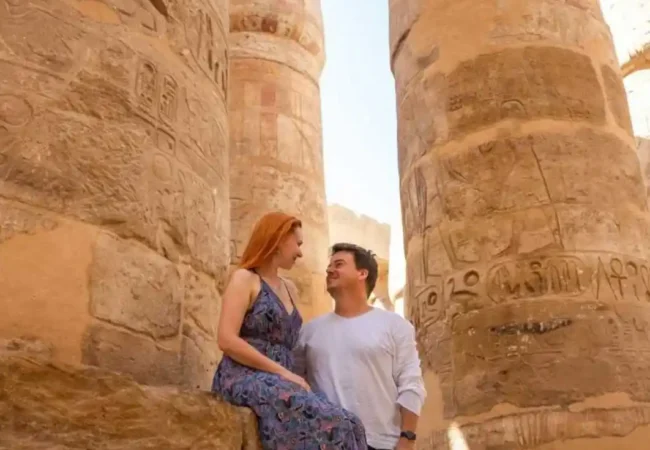
He reinforce the frontier, opened mines and quarries, dug wells, and regenerated temples and shrines that had chapfallen into impairment or had been destroyed, and he continuous the work start by his father on the building of the huge hypostyle hall at Karnak, which is one of the most impressive monuments of Egyptian architecture.
Another serious work is his memorial temple at Abydos, which he hallow to Osiris and six other idol and ornamented with comfort of huge delicacy on which much of the premier color remnant. Behind this temple is a officious building hallow to Osiris. Seti’s tomb is the elegant in the Valley of the Kings in western Thebes.
Although his son Ramses II is more popular, Seti I grandchildren is thought by many scholars to have been the greatest king of the 19th dynasty.
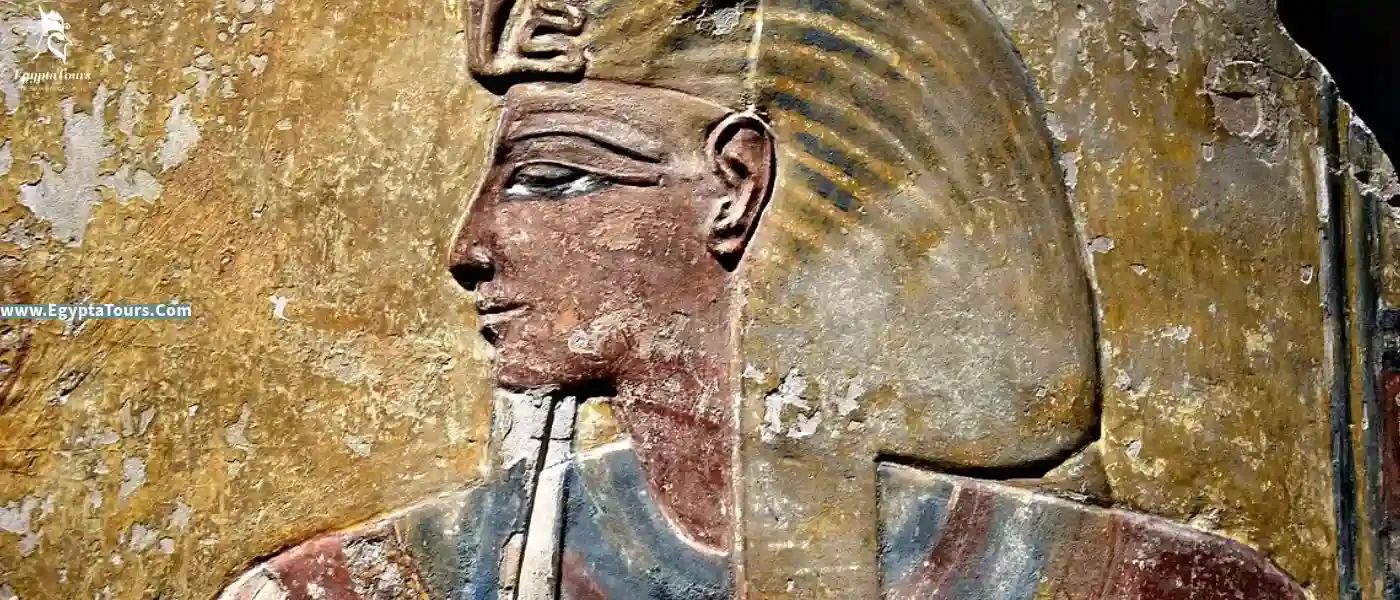
The-Reign-of-Seti-I-and-His-Last-Impact
Ancient Egypt was a civilization of old Northeast Africa.
It was centered along the lower reaches of the Nile River, located in the place that is now the country Egypt.
Old Egyptian civilization pursued prehistoric Egypt and coalesced about 3100 BC (according to integration emotional Egyptian chronology) with the political of Upper and Lower Egypt under Menes (often specified with Narmer).
The history of old Egypt discovers as a series of stable kingdoms interspersed by Eras of genealogical instability popular as “Intermediate Eras.” The different kingdoms fall into one of three division: the Old Kingdom of the Early Bronze Period, the Middle Kingdom of the Middle Bronze Period, or the Modern Kingdom of the Late Bronze Period.
Ancient Egypt arrived the top of its power during the New Kingdom, verdic much of Nubia and a sizable fraction of the Levant.
After this era, it entered an period of slow decline.
During the course of its history, old Egypt was overrun or conquered by a figure of outlandish powers, containing the, the Nubians Hyksos, the Assyrians, the Achaemenes Persians, and the Macedonians beneath Alexander the Great.
The Greek Ptolemaic Kingdom, created in the aftermath of Alexander’s death, judge until 30 BC, when, beneath Cleopatra, it fell to the Roman Empire and became a Roman province.
Egypt stayed under Roman control to the 640s AD, when it was defeated by the Rashidun Caliphate.
The prosperity of old Egyptian civilization came side from its ability to adjust to the terms of the Nile River valley for agriculture.
The expectable flooding and controlled irrigation of the fertile valley create surplus crops, which confirming a more intensive population, and public development and culture.
With purse to more, the administration sponsored metal exploitation of the valley and surrounding desert areas, the early development of an independent writing system, the organization of mass building and agricultural projects, commerce with surrounding periods, and a military prepared to assess Egyptian overriding.
Interesting and organizing this action was a bureaucracy of quarum scribes, religious leaders, and administrators under the dominance of a pharaoh, who secured the cooperation and identity of the Egyptian people in the context of an elaborate order of religious faiths.
The many accomplishments of Seti I grandchildren ensure the quarrying, surveying, and building techniques that confirming the building of monumental pyramids, temples, and obelisks; a order of mathematics, a practical and efficient order of medicine, irrigation orders, and agricultural production mechanics, the first famous planked boats, Egyptian faience and glass technology, modern forms of literature, and the earliest familiar peace convention, made with the Hittites.
Old Egypt has left a lasting heritage. Its technique and architecture were widely reduplicate, and its antiquities were carried off to far oratory of the world. Its monumental debris have inspired the imaginations of travelers and writers for millennia.
A newfound honor for antiquities and fossils in the early modern era by Europeans and Egyptians has dirve to the scientific realizing of Egyptian civilization and a major appreciation of its cultural heritage.
Seti I GrandChildren: Containing the Royal Bloodline
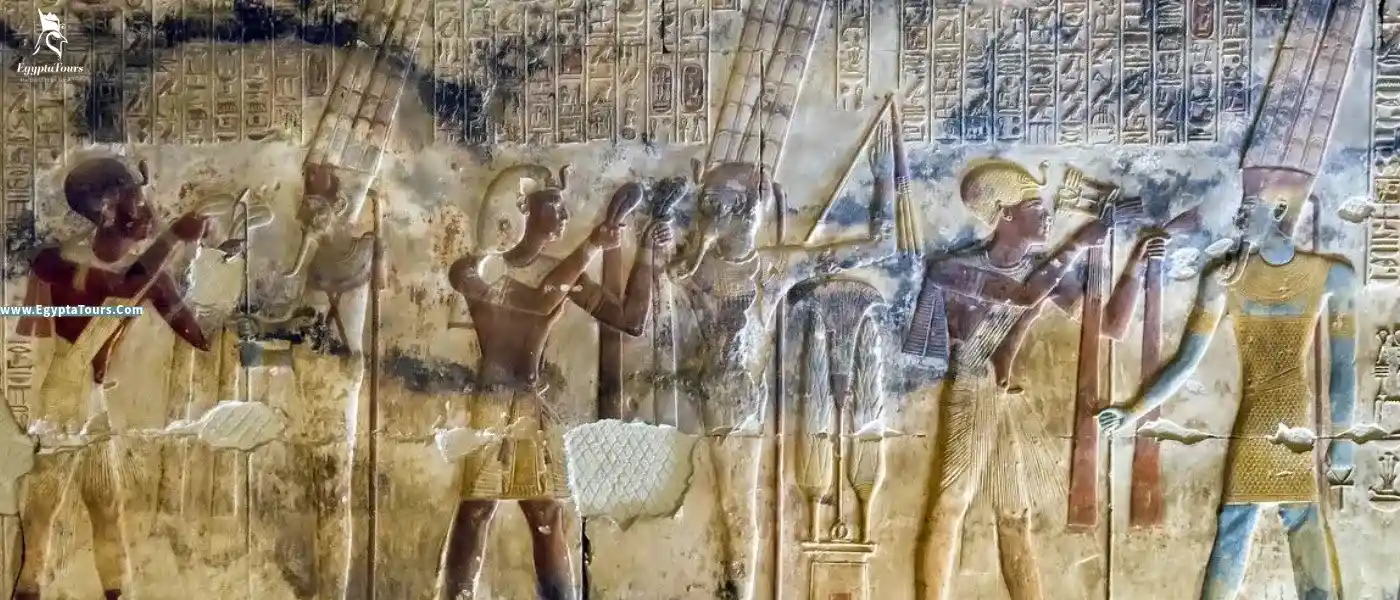
Seti-I-GrandChildren-Containing-the-Royal-Bloodline
| Grandchild | Relation | Notable Details |
|---|
| Ramses III | Seti I GrandChildren | Pharaoh of the Twentieth Dynasty; known for his military campaigns and monumental building projects. |
| Ramses IV | Seti I GrandChildren | Pharaoh of the Twentieth Dynasty; known for his efforts to secure Egypt’s borders and manage internal affairs. |
| Ramses VI | Seti I GrandChildren | Pharaoh of the Twentieth Dynasty; known for his elaborate tomb and continued the work of his predecessors in securing the kingdom. |
| Ramses VII | Seti I GrandChildren | Pharaoh of the Twentieth Dynasty; less well-known, but continued the tradition of his predecessors. |
Seti I GrandChildren of the Pharaoh Ramses I and his Great Regal Wife, Queen Sitre, the first regal couple of the 19th Dynasty who had worked with the preceding Pharaoh, Horemheb, to reunify Egypt after the politically and economically disastrous rule of Akhenaten and the tragically short dominate of Tutankhamun and Ay.
Crown Prince Seti was wedded to Tuya who was not from Royal Blood. She was the girl of Raia and Ruyya. Raia was a extremely assort Military Leader within Egypt, holding the title Lieutenant of the Chariotry.
So, both their dads were from Military surroundings and it could be imaginary that Seti and Tuya may well have famed each other when they were little through their families.
The Queen outlived her husband and was a strong force for her son when he took on the Throne. She lived until she was about 60 years old.
Seti I GrandChildren:
Tia
Nebchasetnebet
Henutmire
Ramses, the future Pharaoh Ramses II,
Ramses II
Pharaoh during Egypt’s golden Period, King Ramses II construct more monuments and sired more children than any other Egyptian king.
Ramses II one of Seti I grandchildren and was known that diplomacy and an exhaustive general relations campaign could relieve any military fault. His celebrated construct accomplishments, inclusive the miracle at Karnak and Abu Simbel, reflected his vision of a big nation and of himself as the “ruler of rulers.” He standing more monuments and effigy—and beget more children—than any other pharaoh. As a result, he has long been considered by Egyptians as Ramses the Great and his 66-year dominate is considered to be the height of Egypt’s power and celebrity.
It was Ramses II’s grandpa Ramses I—who had towered their layman family to the ranks of prosperity through his military bravery. Ramses II’s father, Seti I, secured the nation’s wealth by inauguration mines and quarries. He also reinforced the northern border contra the Hittites, a tribe out of new-day Turkey. When 14-year-old Ramses II rise the throne, the Hittites saw an chance to test the young king and his empire’s northern boundary. They infest and took over the important commerce town of Kadesh in modern-day Syria.
Ramses II led his forcible to recapture Kadesh, but he was tricked by intelligencer into thinking the Hittites were far from the Egyptian enchantment. Instead, they were untruth in wait nearby and aggression. The Egyptians were on the edge of beating when reinforcements reached just in the nick of time. Ramses II won that fighting but he did not win the war.
His battered troops pull from Kadesh, but Ramses wasn’t about to let a little reality tarnish his perceived conquering. On temple walls across Egypt, he command the creation of murals pictorial him single-handedly defeating the raider.
In truth, after years of negotiation, Ramses II eventually signed a salaam convention with the Hittites. It was the earliest peace treaty whose text has outrun. Between its essays, both hands agreed to extradite runaway and not perfect retribution after their returning.
Seti I GrandChildren Achievements

Seti-I-GrandChildren-Achievements-EgyptaTours
Firstly, one of Seti I grandchildren “Ramses II” focused on various building projects.
The first years of his judge marked by the construct of cities, monuments, and temples.
He also decided the modern capital in the Nile Delta, that was situated in the northeast area of the country a few thousand years ago.
The site of this modern capital was not coincidental, as the new capital had become the best strategic point for the championship of neighbor countries (Brand, 2016).
Despite Ramesses II’ traveling toward the country, all administrative decree came from Memphis or Pi-Ramesses. The city was severed into four parts; each was devoted to a separate idol. In Egypt, Asian idol became more and more famous, while Ramesses II also had a sentiment for them.
Following the young pharaoh seek to secure Egypt’s borders and conquer modern country.
The rule of the pharaoh was salient by the battles with Libyans and Nubians.
The revolution in Nubia became particularly significant, so the pharaoh had to put it down.
Here his conquering contra the Hittites in the Battle of Kadesh was one of the best familiar. This battle broke out among the Hittite and Egyptian Empires.
It was termed after the city Kadesh, where the proceedings took place.
This story begins when Ramesses II infest the Hittites and launch the Hittite chariotry, arriving to Kadesh from the South (“Ramesses II. Biography”).
The Hittites won, as the Egyptians were incapable to occupy Kadesh and beating the Hittite army, which head to the failure of the infestation. As a outcome, both sides attributed the success to themselves.
New historians have finished that there were no winners in this conflict, with the ethical victory of the Egyptians, who progressing modern technologies, merged their army and turned the tide of war, fleeing the death and servitude.
Marino pointed to the various sources, writing that Ramesses II killed two thousand enemies alone.
The author disputes the truth of this story; however, he noted, that pharaoh likely offer superb leadership skills.
Everyone anticipate Pharaoh gave up when their factual lives were in danger. When historians order to explain the true incident of that day, they rank out, why Ramesses II finished a peace treaty among the Egyptians and the Hittites.
The pharaoh knew that the Hittites posed a threat, as they had a strong line of defense.
The peace treaty was the only way to ensure public security, and Ramesses II was the first king, who managed to negotiate with his enemies. Both sides stablished diplomatic relations, and pharaoh married the early daughter of the Hittite king.
Historians also assumed that later he took another Hittite princess like a queen (“Ramesses II. Biography”).
Seti I, who ruled Egypt from around 1290 BC to 1279 BC, was a powerful pharaoh known for his military campaigns and grand construction projects. The Seti I wars included battles against the Hittite Empire, especially in the Syrian town of Kadesh, a strategic location frequently contested.
One major achievement of Seti was his contribution to the monumental Temple of Seti at Abydos and the construction of the Great Hypostyle Hall at Karnak, a marvel of ancient architecture.
His military victories were proudly recorded on a victory stela, showcasing his strength and legacy in Egyptian history.
Pharaoh Seti I, Life, Achievements and Legacy
Pharaoh Seti I, also known as Menmaatre Seti I, was the second Pharaoh of the 19th Dynasty of the New Kingdom. His reign lasted between 1294 BC and 1279 BC (15 years) or according to some sources from 1290 BC to 1279 BC (11 years). He is recognized as the true primal founder of the Ramesside dynasty, establishing the foundation for the legendary rule of Ramesses II, his son.
Seti I was born in the city of Avaris to Pharaoh Ramesses I and Queen Sitre and his principal queen was Tuya. He also had children including Tia and Henutmire.
Seti I commissioned some of ancient Egypt’s most remarkable monuments, including the Mortuary Temple of Seti I, the mythical Temple at Abydos and the Great Hypostyle Hall. He also led successful military campaigns in Libya and the Levant, establishing his authority and securing victories for Egypt. His capital was founded in Memphis and while his achievements were monumental, they were later overshadowed by the reign of his son, Ramesses the Great.
The Family Tree of King Seti I
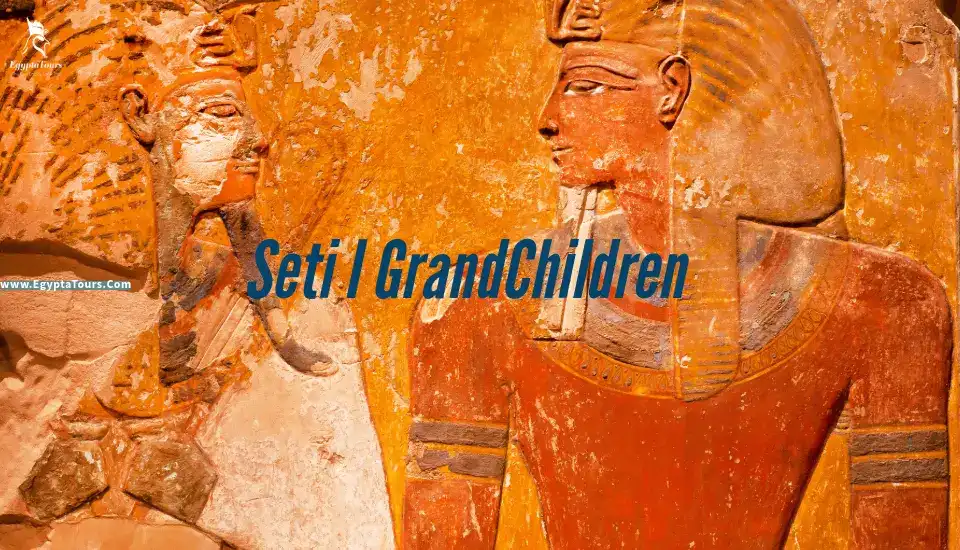
Seti-I-GrandChildren-EgyptaTours
Seti I, known as Menmaatre or Sethos I, ruled Egypt during the New Kingdom period, from approximately 1294 or 1290 BCE until 1279 BCE. He was the second pharaoh of the Nineteenth Dynasty. Seti I was the son of Ramesses I and Sitre and he came to the throne after the death of his father.
Seti I’s main consort was Tuya, the daughter of Raia, a charioteer and military officer in Seti’s own army. Together, they had three children: a son and two daughters. Their son, Ramesses II, succeeded Seti I as pharaoh. Their daughters were Tia and Henutmire. Princess Tia married a high-ranking civil servant who also bore the name Tia. Ramesses II later married his younger sister Henutmire. It is possible that Ramesses II served as co-regent with his father, although evidence for this remains debated.
Much of the detailed history of Seti I’s family and reign is difficult to reconstruct because the pharaoh frequently altered the chronological records of previous reigns, often removing unpopular rulers from history.
The Titles of Seti I
The name Seti I reflects his devotion to the god Set, who was also known as Sutekh or Seth. This practice was common among Egyptian pharaohs, who often linked themselves to important deities and adopted multiple royal names during their reign in order to express religious, political and symbolic connections.
Seti I bore many royal titles that were customary for Egyptian kings. One of these was his Nebty name, Wehemmesut-Sekhemkhepesh Derpedjut, which conveys the meaning “He who renews birth, the mighty-armed ruler who has driven back the Nine Bows.” His Horus name, Kanakhte-Khaemwaset Seankhtawy, can be rendered as “The Powerful Bull who rises in Thebes and upholds the Two Lands.” Alongside these titles, Seti I also possessed a Golden Horus name, called Wehemkhau-Userpedjutem-Tawnebu, a designation understood to mean “Effective in power, the one who has brought his enemies into submission.”
Despite Manetho’s incorrect claim that Seti I founded the 19th Dynasty and ruled for 55 years, there is no evidence to support such an extended reign. His rule, while significant, lasted for a shorter period and is better understood through the surviving monuments, inscriptions, and his well-documented lineage.
Constructions of King Seti I
The Temple of Seti I
Seti I’s Mortuary Temple, situated in Upper Egypt within the Theban Necropolis opposite modern Luxor and near the town of Qurna, was built as a memorial dedicated to the pharaoh of the New Kingdom. It appears that construction began toward the end of Seti’s reign and may have been completed by his son, Ramesses II, after Seti’s death.
One chamber within the temple contains a shrine honoring Seti I’s father, Ramesses I, who reigned briefly and never established a temple of his own. Today, much of the temple lies in ruins; the main court and associated pylons are heavily deteriorated and a large portion of the eastern section is buried beneath modern Qurna.
The temple features the Osireion and bears notable graffiti in ancient Phoenician and Aramaic. Among its most important elements is the Abydos King List, a long roster of pharaohs recognized by Seti I. Another intriguing feature is the so-called “Helicopter Hieroglyphs,” where eroded hieroglyphs appear to resemble modern vehicles such as helicopters, submarines and airplanes.
This effect results from the re-use of stone over time: the original inscription from Seti I’s reign read, “He Who Repulses the Nine Enemies of Egypt.” During Ramesses II’s reign, the inscription was plastered over and re-carved to read, “He Who Protects Egypt and Overthrows the Foreign Countries.” Erosion of the plaster has since revealed both inscriptions, creating a fascinating overlapping effect.
Chapel of Osiris at Abydos and Tomb of Seti I
The tomb of Seti I in the Valley of the Kings has been known by several names over the years, such as “The Tomb of Apis,” “The Tomb of Psammis, son of Nechois,” and “Belzoni’s Tomb.” It was discovered in 1817 by Giovanni Battista Belzoni. The tomb extends for 136 meters (446 feet) and begins with a descending flight of steps that leads to the entrance.
This is followed by a corridor that reaches a second stairway, behind which there is a rectangular shaft opening into a room measuring about 8 meters wide. This room contains four large pillars and connects to a second hall. After that, the tomb opens into a more complex hall with six pillars and two chapels.
The burial chamber is especially striking. Its ceilings are decorated with constellations, while the walls are carved with scenes and texts from the Book of the Gates and the Amduat. At the center of the chamber stands an alabaster sarcophagus that once contained the mummy of Seti I. Throughout the tomb, the level of artistry is powerful and engaging, with finely executed reliefs and paintings that reflect important aspects of Seti I’s life and reign.
Seti I Cartouche
The cartouche of Seti I is an oval-shaped emblem enclosing his name in hieroglyphs, a symbol emphasizing his royal authority. Cartouches often included depictions of gods and goddesses such as Osiris, Hathor and Ptah as well as mummies, underscoring the pharaoh’s power and divine status. Archaeological findings and historical records continue to provide valuable insights into Seti I’s reign, though some connections such as those linking Seti I with Moses, remain uncertain and open to interpretation.
The Military Campaigns of Seti I
Seti I conducted a series of military campaigns in western Asia, Libya, and Nubia during the first decade of his reign. The primary sources for Seti’s military activities are the battle scenes carved on the north exterior wall of the Karnak Hypostyle Hall, as well as several royal stelas that mention battles in Canaan and Nubia.
A notable depiction shows Wepwawet, the wolf-god of war and death, presenting scepters to Seti I, a bas-relief from the Temple of Seti I. In his first regnal year, Seti I led his armies along the “Horus Military Road,” a coastal route that ran from the Egyptian city of Tjaru (Zarw/Sile) in the northeast corner of the Nile Delta, along the northern coast of the Sinai Peninsula and ending in the town of “Canaan” in what is today the Gaza Strip.
The Ways of Horus included a series of military forts, each equipped with a well, which are detailed in the king’s war scenes on the north wall of the Karnak Hypostyle Hall.
While crossing the Sinai, Seti’s forces fought against local Bedouin tribes known as the Shasu. In Canaan, some city-states willingly paid tribute, while others, including Beth-Shan and Yenoam, had to be conquered, though they were quickly defeated.
A stele in Beth-Shan documents this reconquest. According to Gresseloff, Rowe, Albrecht and Albright, Seti defeated Asian nomads in a campaign against the Apiru (Hebrews). Dussaud commented on Albright’s study: “The interest of Professor Albright’s note is mainly due to the fact that he no longer objects to identifying ‘Apiru’ with ‘Ibri’ (i.e., the Hebrews), provided we accept that the vocal change was influenced by popular etymology, turning ‘eber’ (formerly ‘ibr’), meaning ‘man from beyond the river.’ This indicates that Egypt extended beyond the river.
The attack on Yenoam is shown in Seti’s war scenes, while other battles, such as Beth-Shan, were not depicted because the king himself did not take part, sending a division of his army instead. The first-year campaign continued into Lebanon, where local chiefs submitted to Seti and were compelled to cut down valuable cedar wood as tribute.
At some point during his reign, the exact date of which is unknown, Seti I succeeded in repelling Libyan groups that had crossed into Egypt’s western frontier. Even after their defeat, these Libyan tribes continued to pose an increasing danger to Egypt in the later reigns of Merenptah and Ramesses III. In addition to this, a small uprising in Nubia was put down by the Egyptian army in Seti I’s eighth regnal year. Seti himself did not take part in this campaign, although his crown prince, the future Ramesses II, may have played a role in the operation.
The Capture of Kadesh
The most significant success of Seti I’s foreign policy was the conquest of the Syrian city of Kadesh and the surrounding region of Amurru, which were taken from the Hittite Empire. Egypt had been unable to hold Kadesh since the reign of Akhenaten, making this victory a major achievement for Seti I.
Seti successfully defeated a Hittite army defending the city, entered Kadesh in triumph alongside his son Ramesses II and erected a victory stela at the site, which archaeologists have discovered. However, Kadesh soon returned to Hittite control because Egypt could not maintain a permanent military presence so close to the Hittite heartland.
It seems improbable that Seti I concluded an official peace agreement with the Hittites or that he willingly gave back Kadesh and Amurru, though he may have reached an informal understanding with the Hittite king Muwatalli regarding the precise boundaries of their empires. Five years after Seti’s death, his son Ramesses II attempted to recapture Kadesh but failed. From that point onward, Kadesh remained effectively under Hittite control, although Ramesses temporarily occupied the city in his eighth regnal year.
Traditionally, Seti I’s wars were viewed as a restoration of the Egyptian empire which had supposedly been lost during Akhenaten’s time. This interpretation was based on the chaotic state of Egyptian-controlled Syria and Canaan seen in the Amarna letters, a collection of diplomatic correspondence from Akhenaten’s reign discovered at el-Amarna.
Recent scholarship, however, suggests that the empire was largely intact, except for the northern provinces of Kadesh and Amurru in Syria and Lebanon. While evidence of military campaigns under Akhenaten, Tutankhamun and Horemheb is fragmentary or unclear, Seti I left extensive war monuments and texts that glorify his achievements, all emphasizing his exceptional skill on the battlefield.
Alleged Co-Regency with Ramesses II
Around the ninth year of his reign, Seti I appointed his son Ramesses II as crown prince and named him as his chosen successor. Despite this, the idea that the two kings ruled together in a formal co-regency is not supported by solid evidence. Peter J. Brand explains in his research that the relief scenes found at several temple sites, such as Karnak, Qurna and Abydos, which show Ramesses II alongside Seti I, were actually carved after Seti’s death and commissioned by Ramesses II himself. For this reason, these reliefs cannot be considered reliable proof of a co-regency between father and son.
The late William Murnane, who had earlier supported the theory of a co-regency, later reconsidered his position. He later dismissed the view that Ramesses II started to reckon his regnal years during the lifetime of Seti I. In the same way, Kenneth Kitchen also dismisses the use of the term “co-regency” to describe their relationship.
Instead, Kitchen describes the early stage of Ramesses II’s career as a “prince regency.” During this period, the young prince enjoyed many royal privileges, including the use of royal titulary and access to the royal harem but he did not begin to count his regnal years until after the death of Seti I.
This careful interpretation is necessary because the evidence usually cited for a co-regency is unclear and highly ambiguous. Two important inscriptions dating to the beginning of Ramesses II’s reign, namely the Abydos Dedicatory Inscription and the Kuban Stela of Ramesses II, consistently refer to him only with titles connected to his role as crown prince.
These titles include “king’s eldest son and hereditary prince” and “child-heir” to the throne, along with a number of military titles.
As a result, there is no clear proof that Ramesses II acted as a co-regent during the lifetime of Seti I. Brand points out that Ramesses’ statement claiming he was crowned king by his father while still a child in his arms, as recorded in the Dedicatory Inscription, appears to be highly self-serving and open to doubt.
By contrast, the description of his position as crown prince seems more reliable. The most solid and well-supported part of this record is the listing of Ramesses II’s titles as eldest son of the king and heir apparent, which is clearly confirmed by sources dating to Seti I’s reign.
The story of Seti I and Moses
The story of Seti I and Moses is often explored through historical and religious interpretations, particularly in relation to the biblical story of the Exodus. Some historical theories propose that Seti I or his son Ramesses II (also known as Ramesses the Great), could be the Pharaoh mentioned in the biblical account who confronted Moses. Despite these theories, there is no direct or conclusive evidence linking Seti I specifically to Moses or to the events described in the Exodus narrative.
The identification of the Pharaoh of the Exodus remains a topic of debate among historians, archaeologists and scholars. The biblical story provides a narrative that allows for multiple interpretations and the absence of concrete archaeological or historical proof makes it difficult to assign specific historical figures to the events with certainty. While Seti I’s reign coincides with the time period suggested by some researchers, any connection between him and Moses remains speculative and interpretive rather than confirmed by definitive evidence.
The Burial of Seti I
The Mummy of Seti I
The head of Seti I’s mummy provides important clues about his death. Examination of his extremely well-preserved body suggests that Seti I died unexpectedly before reaching the age of forty. This contrasts sharply with other pharaohs like Horemheb, Ramesses I and Ramesses II, all of whom lived to an advanced age.
The exact cause of Seti’s relatively early death remains uncertain and there is no evidence of violence on his mummy. Although his body was found decapitated, this was most likely the work of tomb robbers after his death. The priests of Amun carefully reattached his head to the body using linen cloth.
Some scholars suggest that Seti may have died from a long-standing disease, possibly related to his heart. Interestingly, his heart was placed on the right side of his body, whereas the typical practice during mummification was to place it on the left. Opinions differ on whether this was an accidental placement or a deliberate attempt to improve Seti’s heart function in the afterlife. Seti I’s mummy measures approximately 1.7 meters (5 feet 7 inches) in height.
In April 2021, Seti I’s mummy, along with those of 17 other kings and 4 queens, was moved from the Museum of Egyptian Antiquities to the National Museum of Egyptian Civilization in a celebrated event called the Pharaohs’ Golden Parade.
The Tomb of Seti I
Seti I’s tomb, KV17, located in the Valley of the Kings, was discovered in 1817 by Giovanni Belzoni. It is the longest tomb of the New Kingdom, stretching 446 feet (136 meters) and also the deepest.
The tomb was the first to feature elaborate decorations, including the Book of the Heavenly Cow, covering every passageway and chamber with highly detailed bas-reliefs and colorful paintings. Fragments of these decorations, such as a large column showing Seti I with the goddess Hathor, are now displayed at the National Archaeological Museum in Florence. This tomb set a new standard for decorative style, influencing later New Kingdom royal tombs.
Seti’s mummy was discovered by Émile Brugsch on June 6, 1881, in the Royal Cache (DB320) at Deir el-Bahari and has since been preserved at the Egyptian Museum in Cairo.
Seti I’s massive sarcophagus, carved from a single piece of alabaster and decorated on every surface, including the goddess Nut on the interior base, is currently housed in Sir John Soane’s Museum. Soane purchased it in 1824 after the British Museum declined to pay the £2,000 demanded. When the sarcophagus first arrived in London, the alabaster was pure white, inlaid with blue copper sulphate.
Over time, the effects of the climate and pollution darkened the alabaster to a buff color and the hygroscopic inlay material completely disappeared. A small watercolor from that period records its original appearance.
Belzoni’s excavation also revealed an entrance to a secret tunnel hidden behind the sarcophagus, which his team estimated to be around 100 meters (330 feet) long. However, the tunnel was not fully explored until 1961, when Sheikh Ali Abdel-Rasoul’s team began digging in hopes of uncovering a hidden burial chamber filled with treasures.
The excavation faced many challenges: the original passage was not followed precisely, tunnel instability forced them to stop and financial and permit issues eventually ended their efforts. Nonetheless, they determined that the tunnel was at least 30 meters (98 feet) longer than initially estimated.
In June 2010, a team from Egypt’s Ministry of Antiquities, led by Dr. Zahi Hawass, completed the tunnel excavation. Work had resumed after the 2007 discovery of a downward-sloping passage about 136 meters (446 feet) into the previously excavated tunnel. They uncovered two separate staircases, revealing a total tunnel length of 174 meters (571 feet). Unfortunately, the final steps appear to have been abandoned before completion and no secret burial chamber was found.
Interesting Facts about Pharaoh Seti I
King Menmaatre Seti I was the second pharaoh of the 19th Dynasty of the New Kingdom. His reign is recorded as lasting either fifteen years, from 1294 BC to 1279 BC, or eleven years, from 1290 BC to 1279 BC. He is widely regarded as the true founding figure of the magnificent and glorious Ramesside dynasty.
Seti I was born in the city of Avaris, the son of Pharaoh Ramesses I and Queen Sitre. He is most famously known as the father of Ramesses II, one of the greatest pharaohs of ancient Egypt. His primary consort and queen was Tuya, and he also had other children, including his daughters Tia and Henutmire.
Seti I is celebrated for creating some of the most remarkable archaeological monuments of the New Kingdom. Among his most notable constructions are the Mortuary Temple of Seti I, the mythical Temple at Abydos, and the Great Hypostyle Hall, each showcasing extraordinary artistry and architectural skill.
In addition to his monumental constructions, Seti I launched a number of successful military campaigns across Libya and the Levant, achieving important victories that strengthened Egypt’s influence in the region. He established his capital in the epic city of Memphis, a center of political and religious power during his reign.
Despite his significant accomplishments and lasting contributions to Egypt’s architecture, military strength and political stability, Seti I’s achievements were later overshadowed by the extraordinary fame of his son, Ramesses II, who surpassed him in historical renown.
FAQs
How did king Seti I die?
From examination of Seti’s well-preserved mummy, it appears that Seti I was less than forty years old when he died unexpectedly. This is in stark inequality to the situation with Horemheb, Ramesses I, and Ramesses II who all lived to an advanced period.
The causes of his relatively early death are uncertain, but there is no evidence of violence on his mummy.
His mummy was found decapitated, but this was likely caused by tomb robbers after his death.
Who Were Seti I grandchildren?
Seti I was the son of Pharaoh Ramesses I and Queen Stire, and is widely known to be the father of Ozymandias Ramesses II (1279-1213 BC). His consort and wife was +who was the daughter of a chariot-driving military officer known as Raya. Seti I has three children with his wife.
He has two other daughters, Tia and Henotmir. His beautiful daughter Tia married a high-ranking government employee also named Tia. His son, Ramesses II, succeeded his father and married his younger sister, Henutmir. Many believe that his son Ramesses II served as co-regent.
Seti I and Moses
The relationship between Seti I grandchildren and Moses is often linked through historical and religious interpretations, especially in the context of the biblical story of the Exodus. According to some historical theories, Seti I or his son Ramesses II (also popular as Ramesses the Great) have been suggested as possible candidates for the pharaoh mentioned in the biblical story of the Exodus, who clashed with Moses.
However, there is no direct and conclusive evidence linking Seti I specifically to Moses or the events described in the biblical narrative. The identity of the Exodus Pharaoh remains a topic of debate among historians, archaeologists, and scholars.
The biblical narrative provides a narrative that is open to various interpretations, and the lack of concrete evidence makes it difficult to identify specific historical figures with certainty.
What was Seti I Famous for?
Seti I was one of the most influential ancient Egyptian rulers of the Nineteenth Dynasty, given the powerful mission of restoring Egypt’s greatness after the turmoil of Akhenaten. He led a new wave of dominance and creativity across the country, which can be seen through his great monuments, which include the ethereal Temple of Abydos
The reign of Seti I was a magical time period of absolute prosperity and stability for ancient Egypt. His military accomplishments and dedication to building temples left a lasting legacy that was truly blessed by the ancient Egyptian gods, demonstrating the power and greatness of the Egyptian Empire during the New Kingdom period of ancient Egypt.
Who were the notable grandchildren of Seti I?
One of the most significant grandchildren of Seti I was Merenptah. He was the thirteenth son of Seti’s son, Ramses II, and later became a pharaoh himself.
How many grandchildren did Seti I have?
The specifics can be murky, given the large family structures typical of Egyptian nobility. Seti I grandchildren, Ramses II, had many children, and thus Seti likely had quite a few grandchildren.
What was the role of Seti I grandchildren in Egypt’s history?
Seti I grandchildren played roles mostly within the royal family’s sphere of influence, maintaining the dynasty’s legacy. Merenptah, for instance, continued the line of pharaohs.
Did any of Seti I grandchildren become Pharaohs?
Yes, Merenptah, a grandson of Seti I through Ramses II, became one of the later pharaohs of the 19th Dynasty.
Are there any famous monuments related to Seti I grandchildren?
The monuments directly attributed to Seti I grandchildren are less renowned than those of Ramses II or Seti himself. However, Merenptah left inscriptions and monuments that continue to be significant.
Where can I find records or artifacts related to Seti I grandchildren?
Museums like the Egyptian Museum in Cairo, as well as various archaeological sites throughout Egypt, house records and artifacts related to the lineage of Seti I.
How is Merenptah related to Seti I grandchildren?
Merenptah was Seti I grandson, being the son of Ramses II, who was Seti I grandchildren.
What was the legacy left by Seti I grandchildren?
The legacy of Seti I grandchildren lies mainly in their contributions to the continuity and prosperity of the 19th Dynasty, most notably through Merenptah’s reign.
How is Seti I remembered through his grandchildren?
Seti I grandchildren legacy is reflected through the achievements and historical impacts of his descendants, particularly those who carried on the pharaonic traditions and leadership in ancient Egypt.
About EgyptaTours

EgyptaTours is a name synonymous with trust, excellence, and unforgettable travel experiences, proudly standing as one of the leading travel agencies in Egypt. Renowned for its deep expertise, personalized service, and carefully crafted itineraries, EgyptaTours serves as the ultimate gateway to discovering Egypt in its most authentic and inspiring form.