



Where Start Nile River
The history of the Nile River goes back thousands of years. The Nile River has played a major role in human history for ages. Long before there were any cities or civilizations, people lived along the banks of the river.
They used it for transportation, irrigation, and water resources. Today, the Nile is one of the world’s longest and most important rivers. It travels through 10 countries, providing water and power to millions of people.
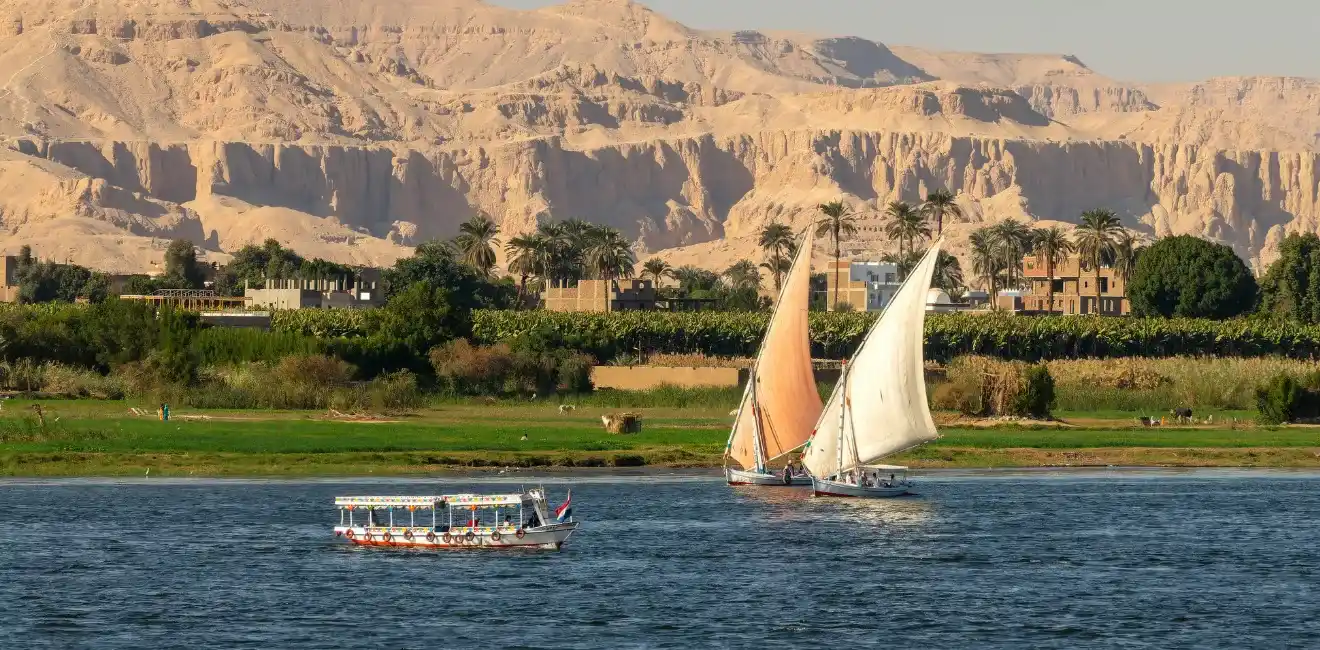
Nowadays, the Nile River is a popular tourist destination in Egypt for a variety of reasons.
The country is rich in ancient history and culture, and many of Egypt’s most iconic landmarks are located in The Nile Delta.
The country is also a major player in the global economy, and its people’s entrepreneurial spirit has led to an enormous variety of consumer goods being produced in Egypt.
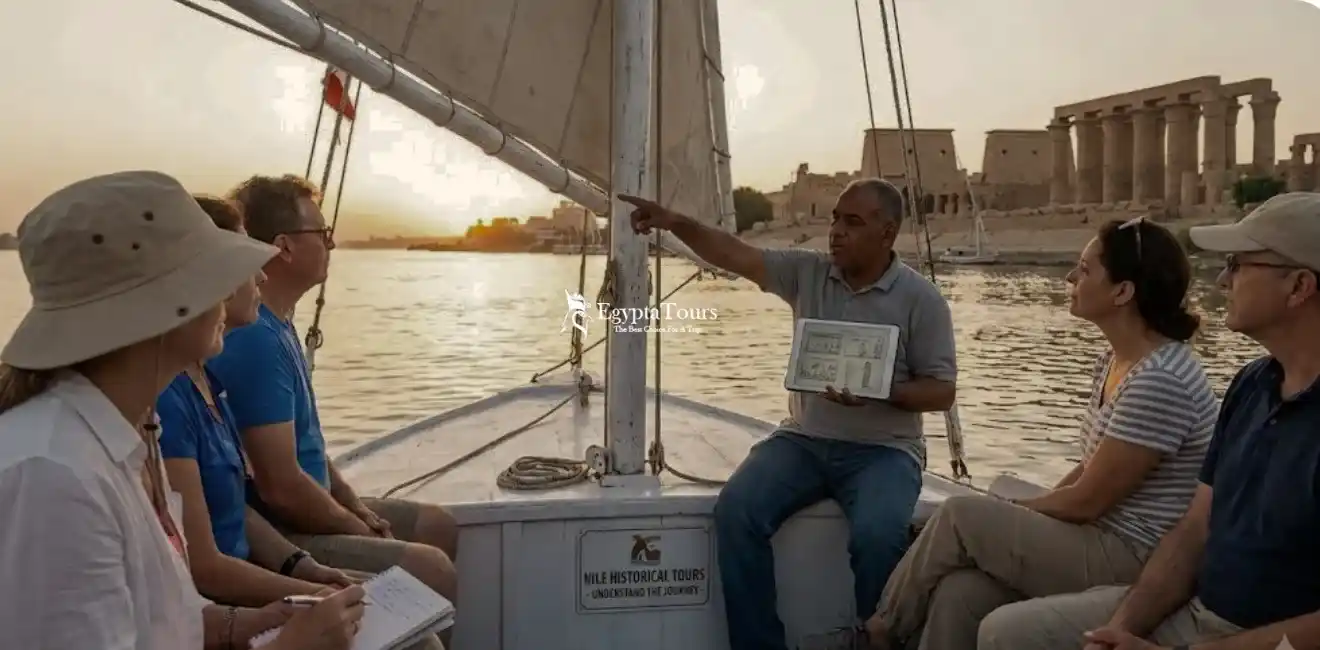
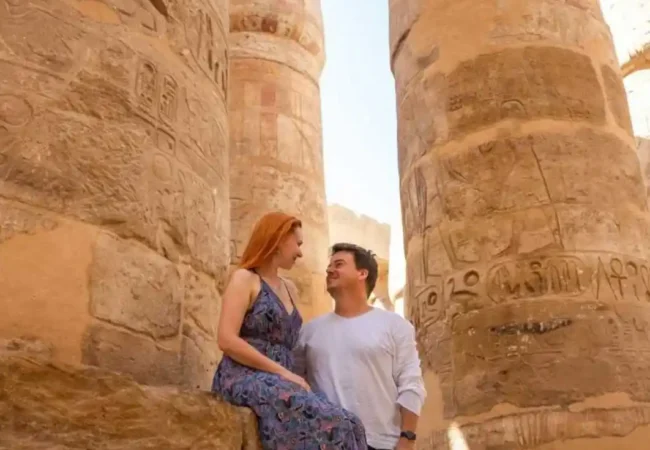
Why-Tourists-Should-Learn-The-History-Of-The-Nile-River-Cultural-And-Historical-Importance-EgyptaTours
Tourists who visit Egypt often flock to see the ancient pyramids and marvel at the stories of pharaohs and queens. While these are undoubtedly impressive, it is also important for tourists to learn about the Nile River and its history.
The Nile has been a vital part of Egyptian life for centuries, and its story is intertwined with that of the country itself.
By understanding the river’s importance, tourists can gain a deeper appreciation for Egypt and its culture. The Nile River has a long and complex history.
The river begins in the highlands of Ethiopia and Kenya, where it is fed by many snow-fed rivers.
It flows through Sudan, Egypt, and Libya before joining the Mediterranean Sea at Alexandria.
Along its course, the Nile cuts through some of the most fertile lands on Earth and forms major fertile areas such as the delta region in Egypt and Nubia. The river has been crucial for human civilizations for thousands of years, providing water for irrigation, transportation, and power generation.
Where Did the River Nile start

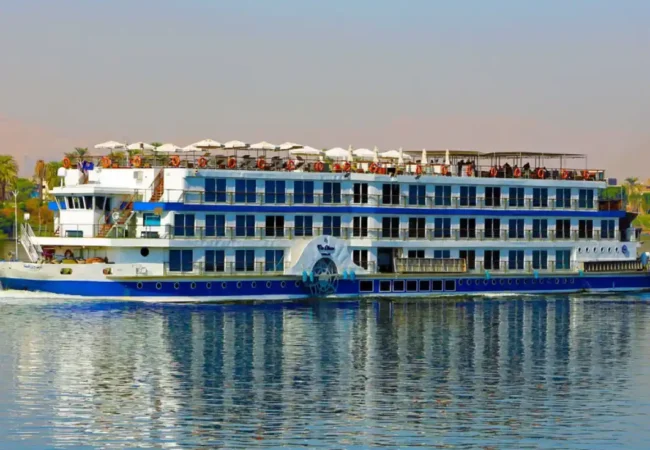
Where-Did-The-River-Nile-Start-Map-Showing-The-Source-Of-The-Nile-River-EgyptaTours
The Nile River is a popular tourist destination for those who want to see Africa’s natural beauty. The river flows north through Sudan and Egypt before emptying into the Mediterranean Sea.
It is the longest river in the world, and its banks are home to a variety of animals and plants.
Several tour companies offer trips down the Nile, and visitors can choose from a variety of itineraries.
The river starts in Africa and winds its way through several countries before emptying into the Mediterranean Sea.
The Nile River is one of the largest and most important rivers in Africa. It is also known as the Blue Nile because of its blue color, which changes to black as it runs through deserts. The ancient Egyptians called it the “Eye of Ra” because of its length and importance.
The Ancient Greek historian Herodotus called it “the River of the Boatmen.” The origins of the Nile River are still somewhat of a mystery. Scientists believe that it may have begun as a series of underground channels.
The Sources of the Nile River
The Nile River is sustained by two major tributaries, the White Nile and the Blue Nile. each contributing unique waters from different regions of Africa. The White Nile which is the longer of the two, starts in the fertile area around Lake Victoria in East Africa. It flows through Uganda, South Sudan and Sudan providing a steady supply of water that supports the river’s northward journey.
The Blue Nile on the other hand originates in the Ethiopian Highlands at Lake Tana where heavy seasonal rains deliver nutrient rich waters. These seasonal floods are crucial for agriculture making the Blue Nile a key factor in the river’s fertility.
The two tributaries converge at Khartoum Sudan where they join to form a single river that flows northward through Egypt eventually emptying into the Mediterranean Sea. The merging of waters from the highlands and equatorial rainforests creates a river of tremendous natural strength and agricultural abundance.
In ancient Egyptian beliefs, the Nile’s origins were regarded as sacred with its journey representing life and prosperity. Numerous myths and legends surrounding the river spoke of divine forces involved in its creation crediting the gods with providing its life-giving waters. The river’s sources and flow were so venerated that they became closely intertwined with Egyptian identity and spirituality with the Nile often viewed as a link between the mortal and divine worlds delivering life directly from the gods to the people of Egypt.
The Role of the Nile in Ancient Egypt
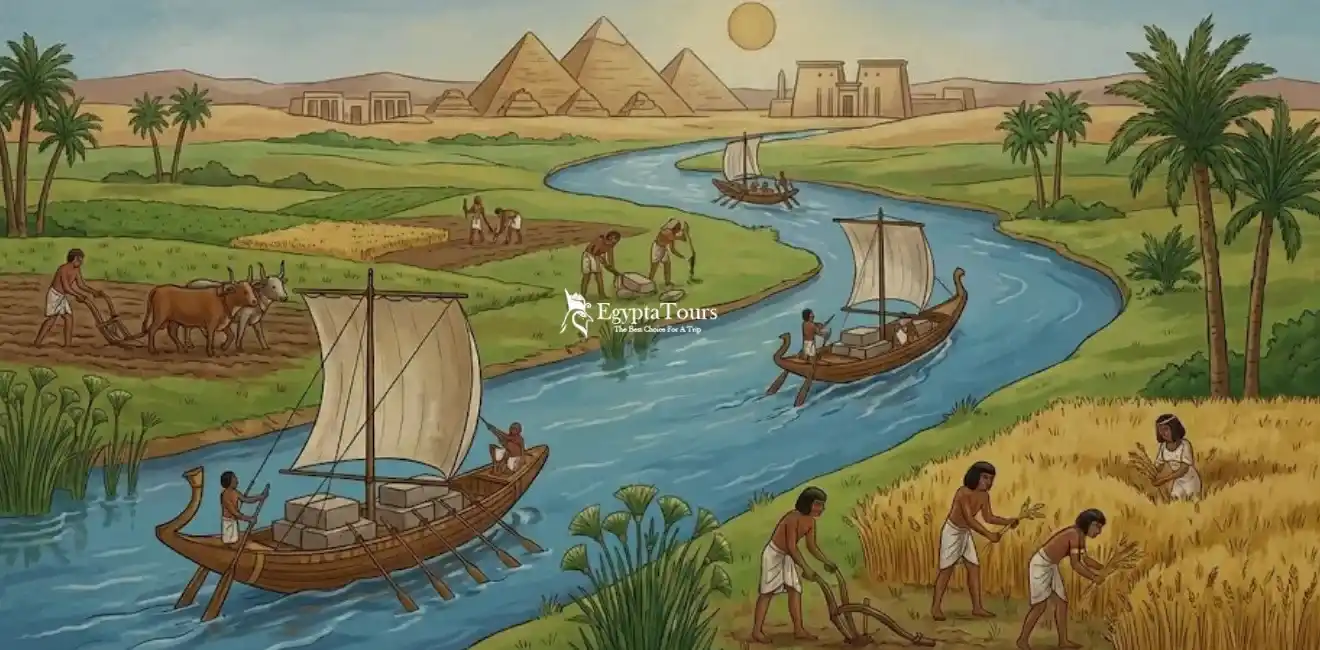
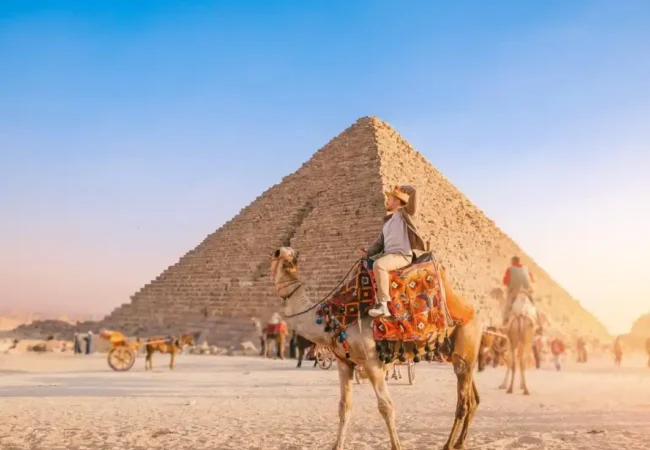
The-Role-Of-The-Nile-In-Ancient-Egypt-Agriculture-Religion-And-Daily-Life-EgyptaTours
The Nile was essential to the development of ancient Egyptian society. It provided a means of transportation, irrigation, and trade.
The river also formed a natural boundary, making the area upstream of the Nile a buffer zone between civilization and the untamed wilderness beyond. The Nile has a long and fascinating history, but the first important record comes from Apepi’s son, Unas. In his first year as king of Egypt, Unas defeated the Libyans in battle and seized their capital city, Tanis. Unfortunately, the Nile began to decline in importance during the New Kingdom period.
This was likely due to increased reliance on other forms of transportation and trade.
This was also a time when Egypt was going through an economic downturn as a result of drought and famine. The Nile also became a target for invaders during this period.
During the New Kingdom, Egypt’s economy was based on agriculture, especially that of the Nile River.
The river has also played a role in the lives of the people who live near it, with many cultures and religions developing along its banks.
The Religious Facts of the Nile River
As part of the ancient pharaohs’ deep connection to religious life and their belief in numerous gods and goddesses representing natural elements, they honored the Nile River by worshipping Sobek, the God of the Nile, also known as the Crocodile God. Sobek, depicted as a man with a crocodile head, was associated with fertility, wetlands, medicine and sudden death and the Nile was believed to be the sweat of Sobek.
Another god linked to the Nile in ancient Egypt was Hapy which was known as the Lord of the River Bringing Vegetation or the Lord of the Fish and Birds of the Marshes. Hapy personified the annual flooding of the Nile which played an essential role in controlling water levels and symbolized fertility. These floods brought rich silt to the Nile Valley lands enabling the cultivation of crops.
Additionally the Nile had a key role in the ancient Egyptian calendar which was divided into three seasons each lasting four months. Akhet, the flood season when the Nile overflowed, Peret, the growing season when the soil became fertile due to Nile silt and Shemu, the harvest season during times of drought.
The Future of Tourism in The Nile River
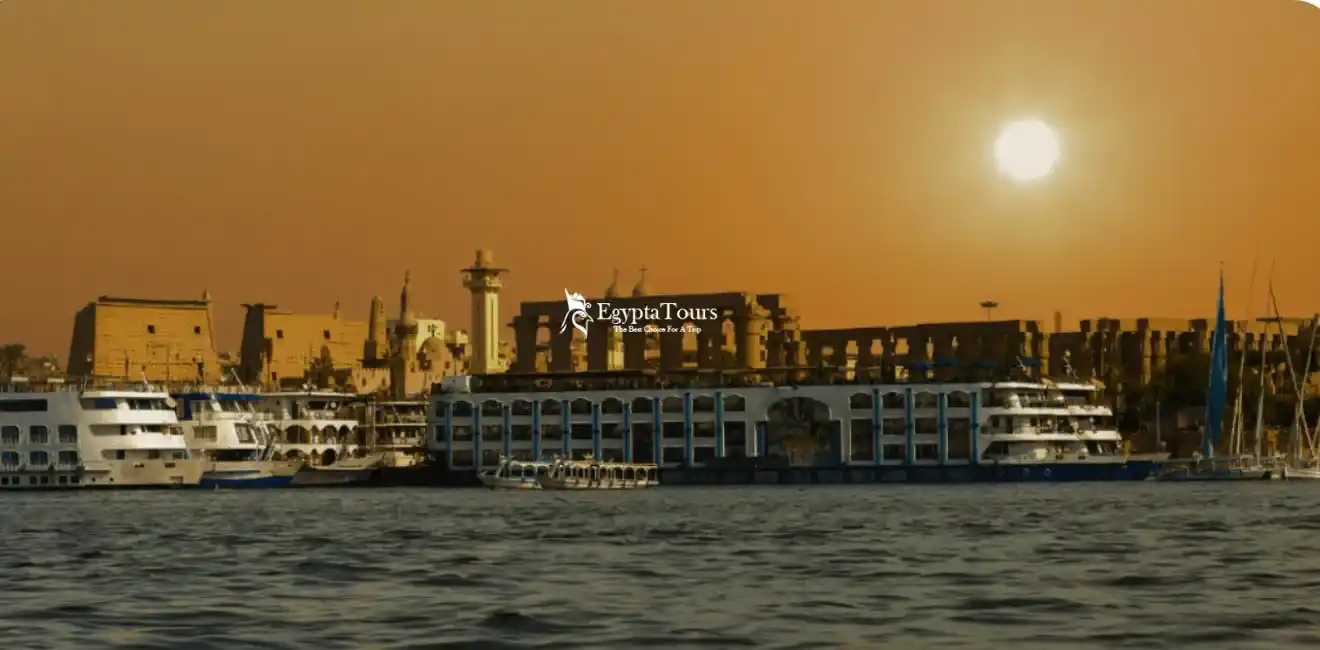
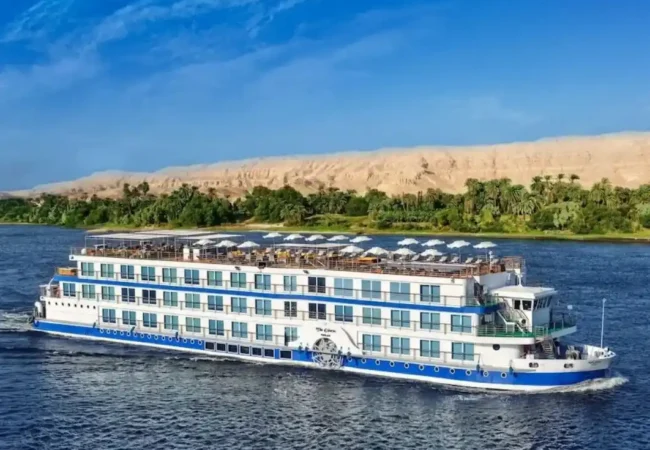
The-Future-Of-Tourism-In-The-Nile-River-Sustainable-Cruises-And-Travel-Experience-EgyptaTours
Tourism on the Nile River has been increasing in popularity in recent years. With its long history and stunning landscapes, the Nile River is a popular destination for tourists from all over the world. However, there are some concerns that tourism may hurt the river and its communities.
There are also questions about how tourism will be affected by the construction of the Grand Ethiopian Renaissance Dam. To ensure that tourism benefits both the river and local communities, it is important to develop a clear plan for the future of tourism on the Nile River.
The Nile River flows through eleven different countries and provides water for over half a billion people. But the future of the Nile is uncertain.
Climate change, population growth, and competing interests among countries that share the river are just some of the challenges that could impact the future of this vital resource.
The Nile Basin Initiative is a research project designed to help the countries of the Nile basin understand the issues facing their river and take concrete steps to improve their health.
The Nile Basin Initiative will examine the impact of climate change on the river and its tributaries, track changes in water availability, and conduct integrated risk assessments for key sectors such as agriculture, transportation, drinking water supply, and energy production.
The history of the Nile River is a long and complicated one. It has been a vital part of life for people in the region for centuries.
The Nile River is one of the longest rivers in the world and it flows through six countries. It was once a much larger river, but over time it has been reduced to its current size.
The Nile is important to the people of those countries because it provides them with water and irrigation for their crops.
The Mighty and Transformative Floods of the Nile
The yearly flooding of the Nile referred to as the Inundation was eagerly awaited by the ancient Egyptians as it provided essential water and rich silt to the valley. Every year the people relied on this predictable cycle of flooding to fertilize the farmlands along the Nile’s banks making the river a crucial force for agriculture. The importance of the Nile floods was so great because the ancient Egyptian calendar was organized around them, dividing the year into three primary agricultural seasons.
Akhet was the season of inundation occurred roughly from June to September when the Nile flooded its banks leaving behind nutrient rich silt on the surrounding fields. After Akhet came Peret which was the season of emergence and planting which lasted from October to February. During this time the water receded and farmers began sowing crops in the fertile damp soil. The final season of Shemu was the season of harvest and drought lasting from March to May. This was when crops were gathered before the arrival of the next flood.
Egypt’s dependence on the seasonal flooding of the Nile has evolved with the progress in water management and technology. In 1970 the completion of the Aswan High Dam significantly changed Egypt’s approach to flood control. By regulating the flow of the Nile the dam provided more stable irrigation minimizing the unpredictability of traditional flooding and increasing agricultural output and also the dam produced hydroelectric power adding to Egypt’s energy resources.
While the dam has provided stability and enabled year round agriculture, it has also interrupted the natural deposition of silt leading to a need for more intensive fertilization of the land. Despite these changes, the legacy of the Nile’s flooding continues to be a strong symbol of life and prosperity in Egyptian culture reflecting the ancient belief that the river is the source of all life.
The Sacred Bond Between Egypt and the Nile River
For more than five millennia, the Nile River has been the lifeblood of Egypt, shaping its civilization, economy and culture. Stretching over 6,800 kilometers northward the Nile provided the fertile soil essential for agriculture allowing one of the world’s greatest civilizations to thrive in the midst of an otherwise dry desert. The ancient Egyptians called their land Kemet or the black land a reference to the nutrient rich silt left behind by the river’s yearly flooding.
This natural phenomenon not only supported agriculture but also influenced the Egyptian calendar which was divided into three primary seasons, Akhet, Peret and Shemu. In addition to its agricultural importance, the Nile served as Egypt’s main transportation route enabling trade mining expeditions and the transport of massive stone blocks for monumental construction projects including the Great Pyramids of Giza.
The Nile also shaped Egypt’s geography, with Upper Egypt located in the south and Lower Egypt in the north, a reflection of the river’s flow rather than conventional directional orientation. Additionally the Nile was deeply intertwined with Egyptian religion and mythology with gods like Hapi representing its life giving waters and Osiris symbolizing fertility and renewal. The river’s influence even extended into political symbolism with the unification of Upper and Lower Egypt often portrayed through the Sema Tawy motif which showed the Nile gods uniting the two lands.
Conclusion
The River Nile, recognized as the longest river in the world by sources like Encyclopedia Britannica, has its origins in several tributaries, with the White Nile being the primary source.
This great river begins in Lake Victoria, which touches the borders of Uganda, Burundi, Rwanda, and Tanzania, with the Kagera River as the farthest headstream. Another important source is the Blue Nile, which originates from Lake Tana in Ethiopia.
As the Nile flows northward, it passes through the Democratic Republic of the Congo, South Sudan, Sudan, and finally Egypt, where it has nurtured civilizations since the early centuries BCE.
Together, these tributaries form the Nile, a life-giving artery that has shaped the history and geography of Africa for millennia.
The Nile River, the longest river in the world, begins its journey in northeastern Africa from several tributaries that converge to form its main flow.
The primary source of the Nile is traced to the highlands of Burundi and Rwanda, with major tributaries coming from Ethiopia and Eritrea.
As the Nile River flows northward, it passes through countries such as South Sudan, Sudan, and Egypt, bringing life to the regions along its banks.
The White Nile and the Blue Nile, its two main tributaries, meet in Sudan, combining their waters to form the mighty Nile that eventually reaches the Mediterranean Sea.
Beyond its agricultural and religious importance, the Nile also created a sharp contrast between the fertile floodplain and the surrounding harsh deserts reinforcing the Egyptians’ sense of order versus chaos. Without the Nile Egypt’s civilization would not have thrived as the river turned an otherwise inhospitable land into a flourishing cultural and economic center truly making it as Herodotus famously called it the gift of the river.
If You Would Like To Enjoy The Beauty And The Magic of Theses Cities In Egypt , You Can Choose One Of Our Egypt Classic Tours Packages, Nile Cruises, Day Tours Or At Least You Can Customize Your Own Tour.
Frequently Asked Questions About The Nile River’s History in Egypt
What significance did the Nile have in ancient Egypt?
The Nile was the lifeblood of ancient Egypt, providing water, food, and transportation. Its annual floods deposited fertile silt along its banks, making agriculture possible in the otherwise arid region.
How did the annual flooding of the Nile benefit ancient Egyptians?
The flooding, known as inundation, enriched the soil with nutrients, allowing Egyptians to grow crops like wheat and barley. This predictable cycle ensured food sustainability and was central to Egyptian agriculture.
Did the Nile influence the religious beliefs of ancient Egyptians?
Yes, the Nile played a crucial role in Egyptian mythology and religion. It was personified as the god Hapi, and its cycles were associated with various deities. The river was seen as a divine gift that required respect and reverence.
How did the Nile affect the development of Egyptian civilization?
The Nile united Upper and Lower Egypt, facilitating trade and communication. Settlement along its banks led to the growth of cities and the formation of a centralized state under powerful pharaohs.
What role did the Nile play in Egyptian transportation?
The Nile was a natural highway. Boats traveled its length, moving goods and people efficiently. It was crucial for trade, connecting Egypt with Africa and the Mediterranean.
How did the geography of the Nile shape ancient Egyptian culture?
The river’s predictable flooding and rich soil allowed a stable agricultural society to develop. This stability fostered advancements in architecture, writing, and governance, forming a distinct and enduring culture.
Why was the Nile crucial for Egyptian agriculture?
Its fertile banks made it the agricultural backbone of ancient Egypt. Without the Nile’s predictable flood patterns, farming would have been impossible in this desert region.
Has the Nile’s role in Egypt changed over time?
While still vital, the construction of the Aswan High Dam in the 20th century altered the Nile’s flooding patterns. This transformed agriculture and hydroelectric power but also reduced silt deposition.
Did the Nile River serve as a boundary?
Yes, it often acted as a natural border, dividing regions and marking political boundaries within ancient Egypt. It also provided a barrier against invaders from the east and west.
About EgyptaTours

EgyptaTours is a name synonymous with trust, excellence, and unforgettable travel experiences, proudly standing as one of the leading travel agencies in Egypt. Renowned for its deep expertise, personalized service, and carefully crafted itineraries, EgyptaTours serves as the ultimate gateway to discovering Egypt in its most authentic and inspiring form.