




Valley of The Kings: Best Guide Ever
Imagine waking up in a quiet oasis, surrounded by the ancient tombs and pyramids of Luxor, Egypt. You’re about to embark on an unforgettable tour of the Valley of the Kings, one of the most popular tourist destinations on earth.
The Valley of the Kings is a royal necropolis located on the west bank of the Nile River in Luxor, Egypt.
It was used for the burial of Pharaohs and their consorts during the New Kingdom period from ca. 1539 BC to 1075 BC. The tombs are decorated with scenes from Egyptian mythology and give clues as to how they lived.
Most of the tombs were discovered by Victor Loret in 1898 and include KV62, the tomb of Tutankhamun.
The most famous tomb, however, is that of King Ramses II, who was buried there over 3,000 years ago.
Make sure to visit this remarkable archeological site on your next trip to Egypt—you won’t regret it!
An Overview of the Valley of the Kings
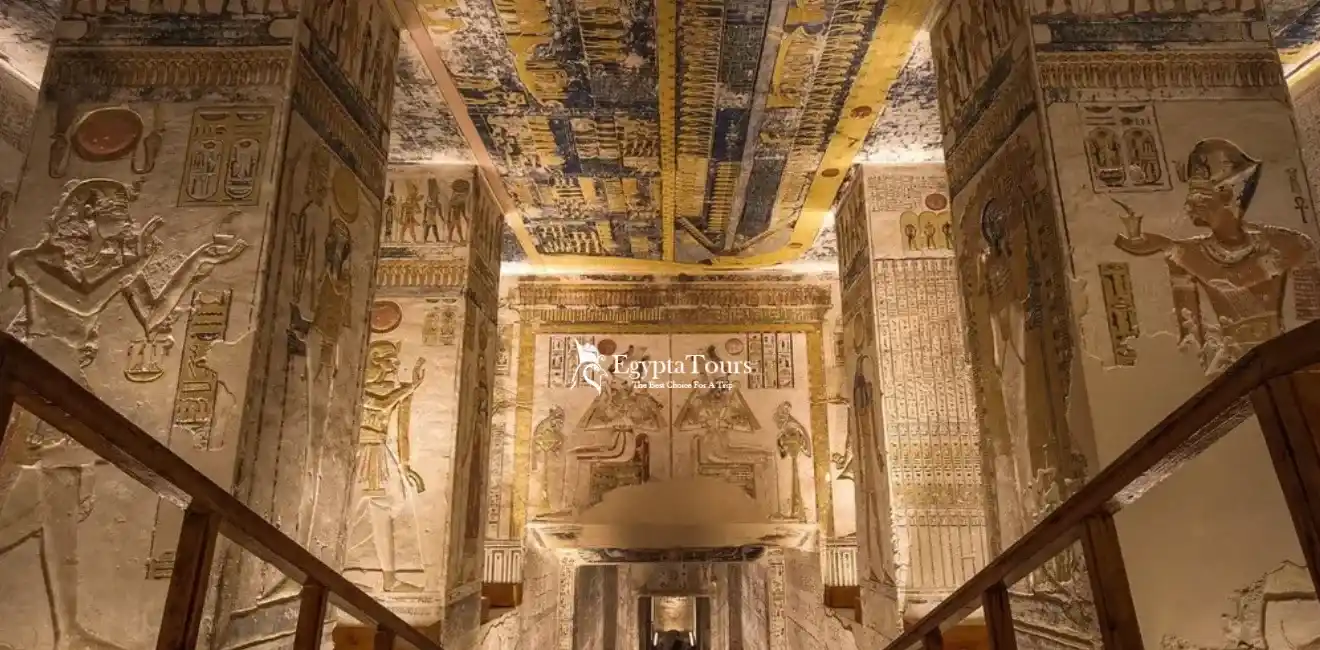
An-Overview-of-the-Valley-of-the-Kings-Tours-EgyptaTours
The Valley of the Kings is a valley in Luxor, Egypt, that is home to the tombs of some of the country’s most famous pharaohs.
These include Tutankhamun and Ramses II, to name just a few.
The valley was discovered in 1822 and has been open to tourists since 1922. It’s one of the most popular tourist destinations in all of Egypt, and for good reason: it’s full of history and amazing architecture.
f you’re planning a trip to Egypt, be sure to add the Valley of the Kings to your itinerary—you won’t regret it!
A setting shaped by belief: cliffs, the desert, and the afterlife
In ancient Egyptian thinking, the west was linked with death because the sun “died” each day as it set. That’s why so many cemeteries and mortuary temples sit on the west bank. The Valley of the Kings fits that pattern, with harsh desert ground that feels separate from daily life.
Inside, tomb design supported belief. Corridors lead inward like a journey. Chambers open like checkpoints. Walls carry texts and scenes meant to guide and protect the king through dangers, tests, and change.
You don’t need to know every name of every book or spell to feel the purpose. The themes repeat: the sun god’s nightly travel, the hope of rebirth, and the king joining the gods. The art wasn’t made to “look nice.” It was made to work, like a map mixed with a shield.
History of the Ancient Tombs

History-of-the-Ancient-Tombs-EgyptaTours
The Valley of the Kings is one of the most popular tourist destinations in all of Egypt for a very good reason: its tombs are an unparalleled windows into the ancient world.
The first tomb in the valley was discovered by accident in 1819 by Giovanni Battista Belzoni, and since then, it’s been an unbroken chain of discoveries as archeologists and explorers uncover more and more of these ancient tombs.
Each tomb is a veritable time capsule, containing murals, hieroglyphs and artifacts that offer a unique glimpse into the lives and deaths of the pharaohs who built them.
Many of these tombs were looted in antiquity, but that hasn’t stopped archeologists from making amazing discoveries inside them, including the tomb of Tutankhamun in 1922.
No visit to Luxor is complete without a tour of the Valley of the Kings- make sure to book ahead to avoid disappointment!
Inside the tombs: what visitors notice first, and what it means
Step into a tomb, and the first thing you notice is the air. It’s cooler, still, and often close. Then your eyes adjust and the walls start to glow with color. You’ll see painted figures, rows of symbols, and scenes that run along corridors like panels in a comic strip.
Most tombs follow a basic idea: a descending passage, side rooms in places, then a larger burial chamber deeper inside. The exact layout changes from tomb to tomb. Rock quality, time, and the ruler’s plans all mattered.
The artwork is more than decoration. It’s instruction and protection, aimed at keeping the king safe and whole in the afterlife. That’s why many figures face the same direction, why words repeat, and why the same gods appear again and again. Also, not every tomb is open all the time. Openings can change due to conservation work, crowd control, or damage.
Tutankhamun’s tomb: famous for treasure, but also for what it teaches us
Tutankhamun’s tomb (KV62) is famous because it was found with many items still inside. Compared with other royal tombs, it’s small, and that’s part of the lesson. A short reign and quick burial plans can shape what gets built.
KV62 matters for a few clear reasons:
- “Almost intact” finds are rare in the Valley of the Kings, where many tombs were emptied long ago by robbers.
- It showed how burial goods supported beliefs, with objects for daily needs, ritual needs, and royal status, all meant to continue beyond death.
- It helped spark long-term global interest in ancient Egypt, which brought funding, research, and also heavy tourism pressure that the site still feels today.
It’s easy to get distracted by gold. The bigger story is what survived: a snapshot of royal burial practice that’s usually missing.
Popular Touring Sites in the Valley Kings
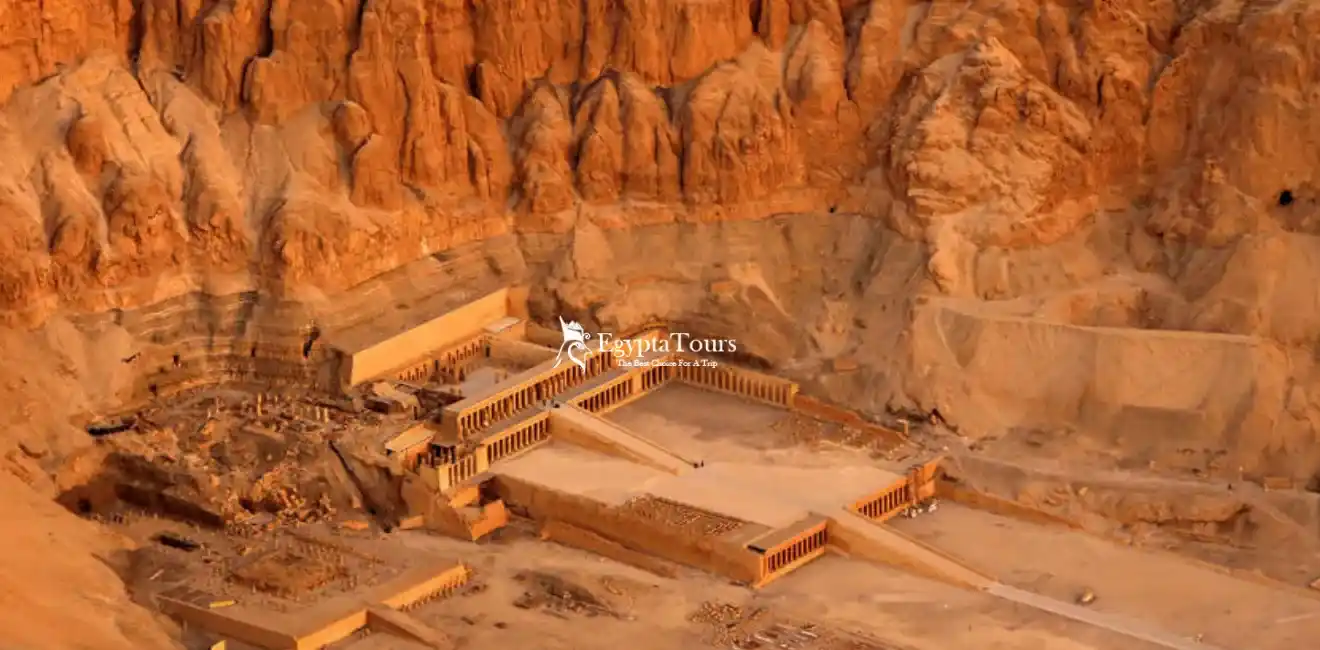
Popular-Touring-Sites-in-the-Valley-Kings-EgyptaTours
When you visit the Valley of the Kings, you’ll have plenty of tourist hotspots to choose from.
The most popular ones are Hatshepsut’s Temple, the Colossi of Memnon, and of course, the Valley of the Kings itself.
Each of these locations offer a different glimpse into ancient Egyptian history and culture.
Hatshepsut’s Temple is an interesting mix of both Egyptian and Greek styles, and the Colossi of Memnon are two massive statues that are still remarkably intact.
But the Valley of the Kings is by far the most popular destination in the area.
It’s where you’ll find King Tutankhamun’s tomb, as well as dozens of other tombs that have been discovered over the years. If you’re a history buff, there’s no better place to be.
Important Guidelines for Touring the Valley
When you visit the Valley of the Kings, keep in mind that there are some important guidelines to follow.
As you wander through the ancient tombs, be sure to stay on marked pathways and don’t touch or lean against any of the walls-these could be fragile and could collapse if disturbed. Make sure to also wear appropriate clothing and leave any large bags back at your hotel; you won’t need them.
It’s also important to remember that photography is strictly prohibited inside tombs, so you won’t be able to capture your journey on film.
Don’t worry though; the memories are sure to last a lifetime with or without pictures.
Finally, make sure to check with your guide regarding permitted items before entering so that you don’t break any rules during your tour of this magical area of Egypt.
Accommodation and Restaurants Nearby

Accommodatio-and-Restaurants-Near-by-the-Valley-of-the-Kings-EgyptaTours
If you’re ready to plan your trip to the Valley of the Kings, you’ll want to know that there are plenty of places to stay and eat in Luxor.
Many people opt for a hotel in the city, as most of the valley is only about 15-20 minutes by car away.
There are many options available depending on your budget, whether you’re looking for a 5-star luxury resort or just a basic place to rest your head.
Once you’ve sorted out your accommodation, don’t forget to explore the nearby restaurants.
Luxor has an array of different culinary experiences available – from traditional Egyptian cuisine to international dishes like Italian and Japanese.
If you’re looking for something more unique, try out Arabian Nights Café, near Karnak Temple.
This café serves up traditional Egyptian fare cooked with local spices and souvenirs from around Egypt’s historical sites.
Planning a smart visit to the Valley of the Kings

Plan-Your-Trip-to-Visit-the-Valley-of-the-Kings-EgyptaTours
A good Valley of the Kings visit is part timing, part patience. The setting is beautiful, but the heat can hit hard, and tomb interiors can feel tight. Plan for comfort so you can focus on what you came to see.
Start by checking current ticket rules when you arrive in Luxor, since openings and photo policies change. Some tombs require special tickets, and some close for rest or repair. If you’re traveling with kids or anyone who tires easily, build in breaks. The walkways are manageable, but the sun is relentless, and tomb stairs can be steep.
If you want fewer crowds, prioritize an early arrival. You’ll get better views, cooler air, and more space to look closely without being rushed.
When to go, what to bring, and how to handle the heat
Morning is your friend. The desert warms fast, and the valley has little shade. Bring more water than you think you’ll need, plus a hat, sunscreen, and breathable clothes that still cover shoulders and legs.
Shoes matter. You’ll be on dusty paths, stone floors, and steps. A stable, closed-toe shoe helps more than sandals.
Photography rules vary, and some tombs restrict photos to protect the art. If photos are allowed, skip flash. Bright light can harm pigments over time, and flash also pulls everyone into “photo mode” instead of looking.
The Valley of the Kings is one of the most spectacular and mysterious places in Luxor, and should be part of any trip to Egypt.
Planning for your visit is key – you want to make sure you have enough time to explore everything that this site has to offer.
First, decide whether you’re going to visit the Valley solo or with a tour group.
Going it alone can be a bit daunting if you don’t know where you’re going, but with a group tour, you get knowledgeable guides who will provide information on sites and artifacts as well as provide valuable insights into the history of Luxor and its culture.
Second, plan your route of exploration. Some areas are closed due to excavation or restoration work so make sure to check out their website prior to your trip.
It’s also important that you select the right day or time since it can get quite crowded inside the valley during peak season.
Finally, make sure that you wear appropriate clothing and comfortable shoes so that you can explore without feeling uncomfortable. And most importantly – don’t forget your camera!
Best 10 Tours to Explore (Valley of the Kings)
| Tour Name | View Tour |
|---|---|
| 1. Luxor Day Tour – Valley of the Kings | View Tour |
| 2. Luxor Private Tour – Valley of the Kings | View Tour |
| 3. 4 Days Luxor Tour – Valley of the Kings + Hatshepsut Temple | View Tour |
| 4. Luxor Tour – Valley of the Kings + Karnak Temple | View Tour |
| 5. Luxor Tour – Valley of the Kings + Luxor Temple | View Tour |
| 6. Luxor Tour – Valley of the Kings + Luxor Temple | View Tour |
| 7. Luxor Tour – Valley of the Kings + Colossi of Memnon | View Tour |
| 8. Luxor Tour – Valley of the Kings + Valley of the Queens | View Tour |
| 9. Luxor Tour – Valley of the Kings + Temple of Seti I | View Tour |
| 10. Luxor Tour – Valley of the Kings + Hot Air Balloon | View Tour |
Conclusion
The Valley of the Kings is a royal burial ground in Luxor, Egypt, where the pharaohs of the 18th, 19th, and 20th dynasties were laid to rest.
This sacred site contains over 60 royal tombs, each with elaborately decorated burial chambers designed to guide the kings into the afterlife.
Among the most famous royal burials is that of King Tutankhamun, whose tomb was discovered nearly intact by Howard Carter in 1922.
Today, the Valley of the Kings is a UNESCO World Heritage Site, attracting visitors from around the world to explore its ancient wonders.
If you want to visit the Valley of the Kings, we suggest Luxor – it’s the perfect starting point for your Egyptian adventure. And, of course, we’re here to help make sure your tour is unforgettable.
Call us today to book your trip!
Discover the Secrets of the Valley of the Kings
What is the Valley of the Kings?
The Valley of the Kings is a burial ground in Egypt’s Theban Necropolis near Luxor. It houses the tombs of pharaohs and nobles from the 18th to the 20th dynasties.
How many tombs are in the Valley of the Kings?
There are 63 known tombs, though not all are open to the public. Each tomb varies in size and complexity, with some containing intricate decorations.
Which tombs should I visit?
KV62, the tomb of Tutankhamun, is the most famous. Others like KV17, the tomb of Seti I, and KV34, belonging to Thutmose III, also attract many visitors due to their elaborate designs.
Are all tombs open year-round?
Not all tombs are open year-round. Some are closed for preservation or restoration. It’s best to check ahead for current accessibility.
What’s the best time to visit?
Visiting between October and April offers cooler weather. Early mornings or late afternoons are ideal times to avoid crowds and heat.
Do I need a guide?
Guides aren’t mandatory, but they can enhance your visit. Many are knowledgeable and can provide deeper insight into the history and significance of each tomb.
How long does a visit take?
Plan for at least 2-3 hours to explore the key sites comfortably. If you’re deeply interested, you might spend more time.
Is photography allowed?
Photography rules vary. Some tombs permit photos without flash, while others prohibit it entirely. Always check the rules posted at each site.
Are there facilities nearby?
Facilities like restrooms and small shops are near the entrance. It’s a remote area, so plan accordingly.
What should I wear?
Comfortable, breathable clothing is recommended. Wear sturdy shoes for uneven terrain, and don’t forget sun protection like hats and sunscreen.
How can I get there?
The Valley is accessible by taxi or organized tour from Luxor. It’s about a 30-40 minute drive from the city center.
Is there an admission fee?
Yes, there is an admission fee, and separate tickets for certain tombs. Prices can change, so it’s wise to confirm details in advance.
About EgyptaTours

EgyptaTours is a name synonymous with trust, excellence, and unforgettable travel experiences, proudly standing as one of the leading travel agencies in Egypt. Renowned for its deep expertise, personalized service, and carefully crafted itineraries, EgyptaTours serves as the ultimate gateway to discovering Egypt in its most authentic and inspiring form.