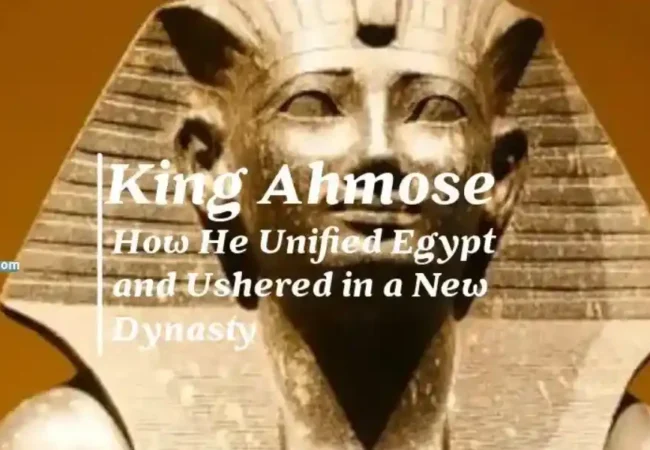
The Victorious Rise of King Ahmose: How He Unified Egypt and Ushered in a New Dynasty
Ahmose was a pharaoh and the founder of Egypt’s Eighteenth Dynasty during...



The pharaohs of ancient Egypt were distinguished by their power in ruling and their construction of the ancient Egyptian civilization, which is considered one of the most beautiful human civilizations and contains a number of secrets that are still being discovered today. This has led many people to wonder about the top 10 facts about Pharaohs.
“Pharaoh” is a title given to the kings of ancient Egypt starting from the New Kingdom era. The pharaoh was considered the religious and political ruler of the country. The pharaohs contributed to the construction of many building projects such as pyramids, temples, statues, and more.
The origin of the word “pharaoh” comes from the word “Per-aa,” meaning “Great House” or “Palace.” It then transformed in Hebrew to “Phar’o,” and the “n” was later added in Arabic to become “Fira’un.” It was used administratively for the rulers of ancient Egypt, but it was used as a specific title for the king of Egypt from the New Kingdom era onward.
Here are the top 10 facts about Pharaohs:
During the Eighteenth Dynasty, the title “Pharaoh” was used to address the kings, such as in a letter to King Akhenaten (Amenhotep IV). However, the term “Pharaoh” was not used as a direct title for the ruler until around 1200 BC during the reign of Merneptah, which indicates the connection of royal authority with the state.
Heirs to the throne of Egypt underwent arduous training in preparation for rule, such as running long distances, practicing hunting, archery, and equestrian skills, and studying military tactics, to develop their mental and physical abilities.
One of the top 10 facts about Pharaohs is that the pharaohs of ancient Egypt believed they were living gods. They were intermediaries between the priests and the people. Only the pharaohs were allowed to enter the innermost part of the temple to make offerings to obtain life, blessings, and divine protection.
Pharaohs used a false beard in official ceremonies to enhance their connection with the gods of ancient Egypt, to emphasize their status as divine rulers, and thus as intermediaries between earthly life and the afterlife.
The pharaoh played a major role as a political and divine ruler. He was also responsible for the political stability of the country, constructing building projects, and for official religious ceremonies, to enhance his legitimacy to rule.
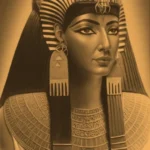
The Nemes headdress was a symbol of protection and royalty. It was a striped cloth that wrapped around the pharaoh’s head. The pharaoh was also depicted with the crook and flail. The crook was a symbol of the benevolent leader, and the flail indicated the responsibility to protect the people.
Pharaohs were always depicted as young to embody their eternal nature and to enhance the people’s confidence in them to continue leading the nation permanently, in addition to reinforcing their legitimacy as gods.
The god Horus was a symbol of kingship and protection. The pharaohs depicted themselves as the god Horus to enhance their authority and their protection of the country, while they believed themselves to be the god Osiris as rulers of the other life.
Pharaohs used black kohl around their eyes to reduce the sun’s glare and because they believed it mimicked the divine protection of Horus. They believed it helped them ward off evil spirits and prevent eye infections.
Pharaohs believed in the doctrine of resurrection and immortality after death, which is one of the top 10 facts about Pharaohs. They believed they would continue as divine rulers. Therefore, they prepared their tombs with food, furniture, and jewelry, in addition to the presence of religious texts to guide them in the other life.
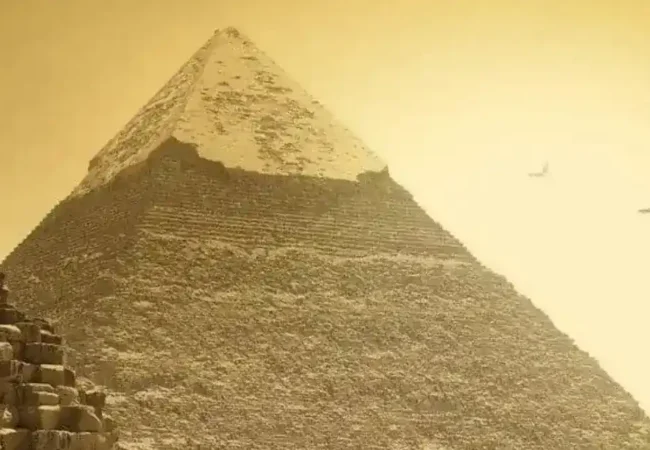
The pyramids today still bear witness to the genius of the ancient Egyptians in architecture and art. The pyramids were used as royal tombs for the life of resurrection after immortality, according to Egyptian beliefs, as part of a large pyramid complex for the kings. They were built from huge stones such as granite, limestone, diorite, and basalt. Internal ramps helped in raising them.
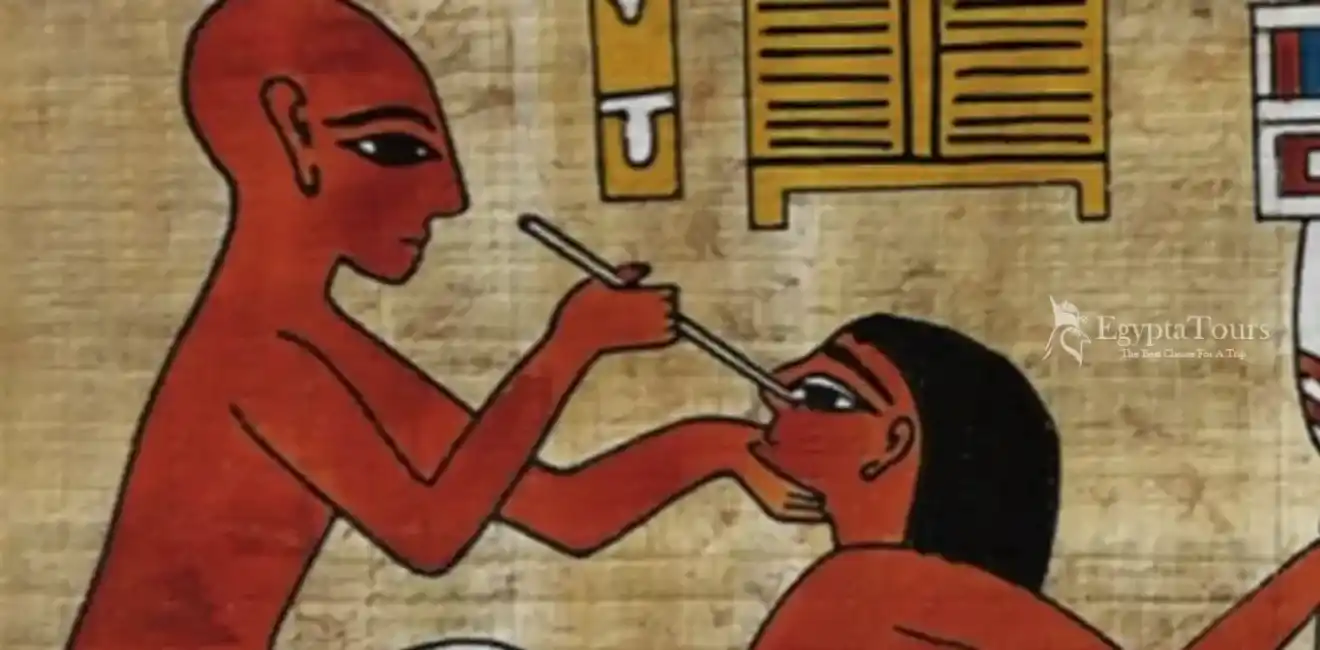
Pharaohs-and-Medicine-in-Egyptian-Civilization-EgyptaTours
One of the top 10 facts about Pharaohs is also the skill of the ancient Egyptians in medicine. Medicine in ancient Egypt was founded by Imhotep, one of the high priests of ancient Egypt. He is credited with authoring a text that described numerous medical treatments.
They also treated wounds and broken bones effectively and had prior knowledge of the human body, which helped in the mummification process. Medicine developed greatly during the Ptolemaic era, and Alexandria was the center of science and culture for the Western world at that time.
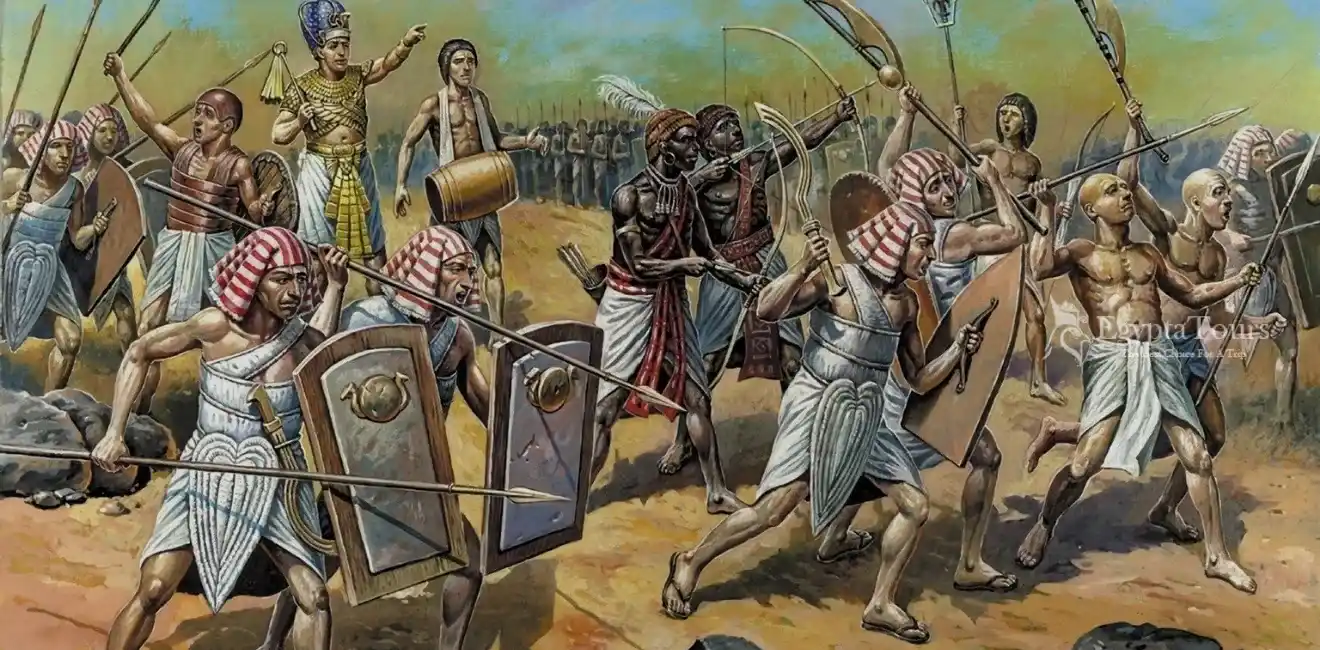
The-Army-and-Wars-in-the-Pharaonic-Era-EgyptaTours
The pharaohs of Egypt organized the first standing army in the country, known for its strength over many eras. The unification of the army began around 3100 BC. The army evolved over time; army fighters used weapons such as spears, daggers, and arrows for archers, and later swords, which is considered among the top 10 facts about Pharaohs.
The army fought several wars during different eras, demonstrating its strength and defending its land. Among the most famous wars was the one fought by Ahmose against the Hyksos to expel them from Egypt. The army’s role was not limited to fighting; it was also tasked with sending reconnaissance missions to distant areas to extract rare minerals and supervising construction projects.
Ancient Egypt was divided into 31 dynasties according to archaeological discoveries.
Among the most important of these dynasties are:
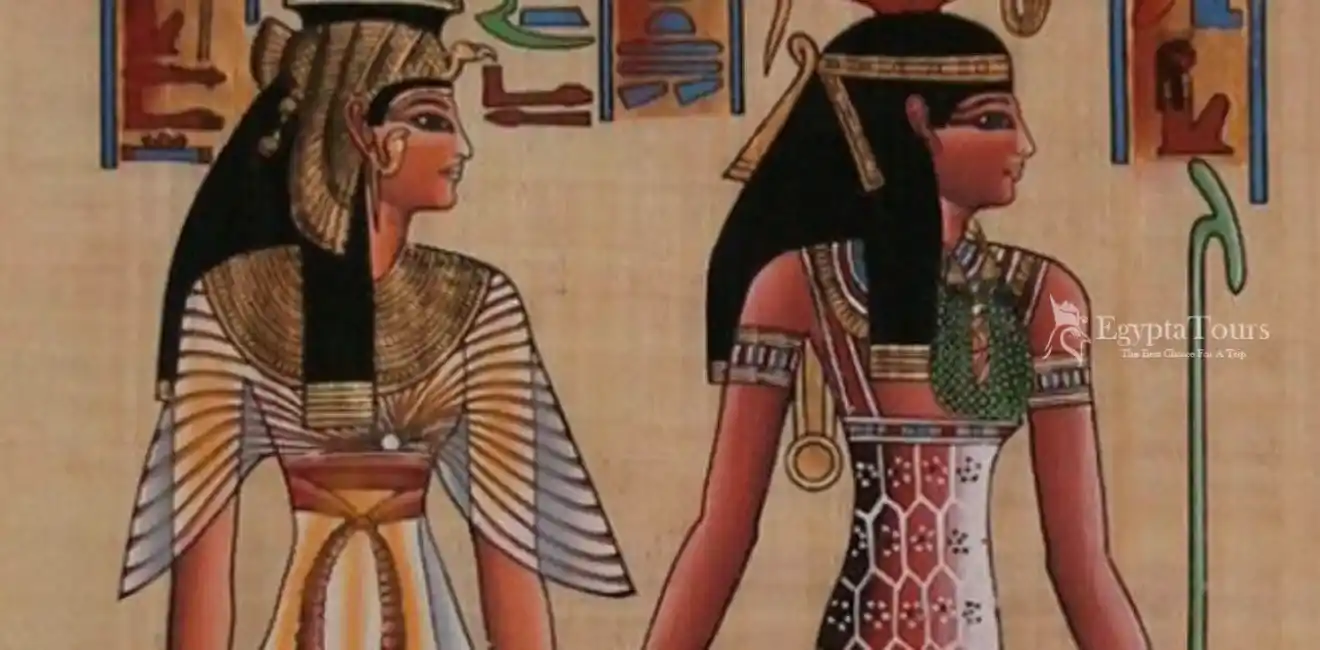
The-Status-of-Women-in-the-Pharaonic-Era-Facts about-Pharaohs-EgyptaTours
Many artifacts and papyrus writings have confirmed that women had a major role in the Pharaonic era. They were able to obtain their rights, enjoyed equality with men, and participated in some work such as trading in markets, fishing, and weaving. They also had the legal right to own independent land. Some had a role in ruling, such as Queen Hatshepsut.
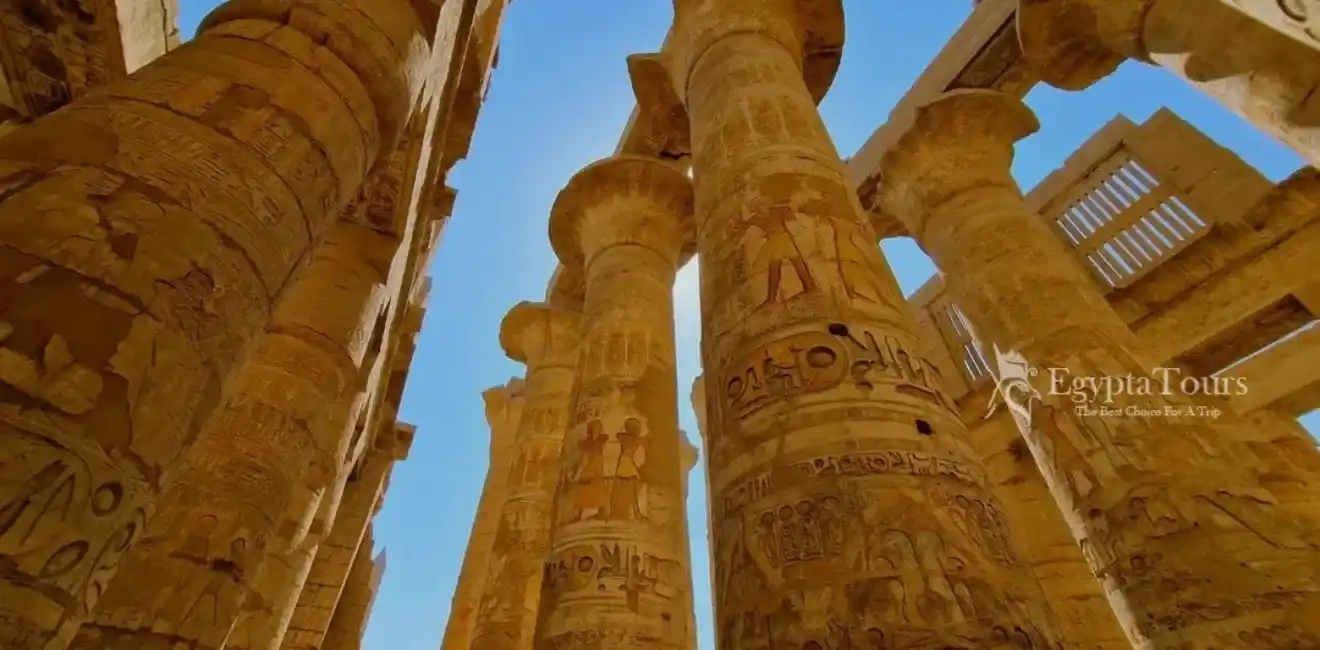
Pharaohs-Art-and-Architecture-Facts about-Pharaohs-EgyptaTours
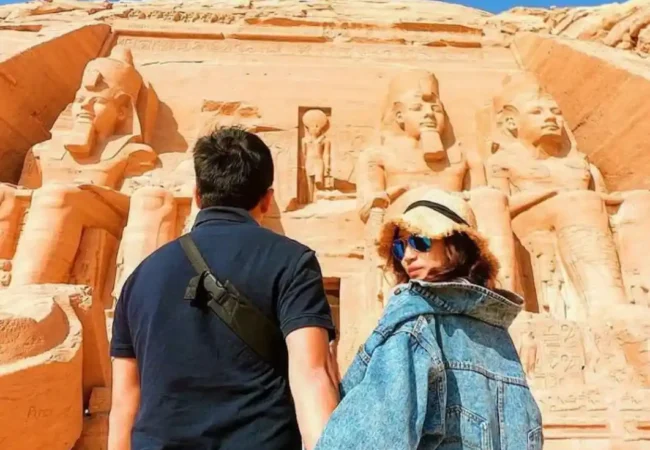
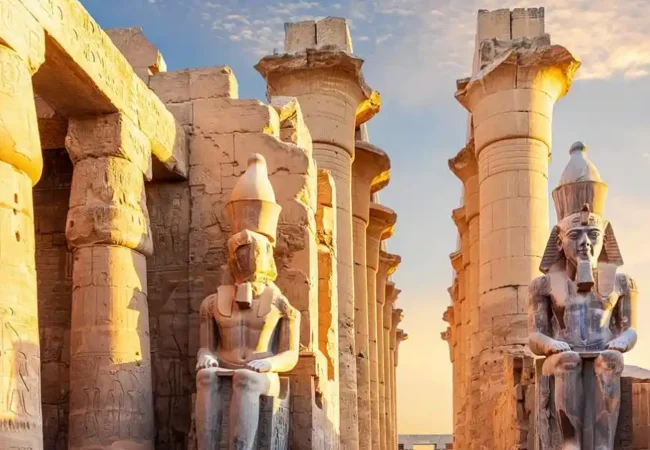
The ancient Egyptians were able to create many architectural and artistic achievements that still amaze the world today, embodying the intelligence and art of Egyptian engineers and architects. Among the most important pharaonic monuments that embody the magnificence of construction are the Giza pyramids, Karnak Temple, Hatshepsut Temple, Luxor Temple, obelisks, and pharaonic statues.
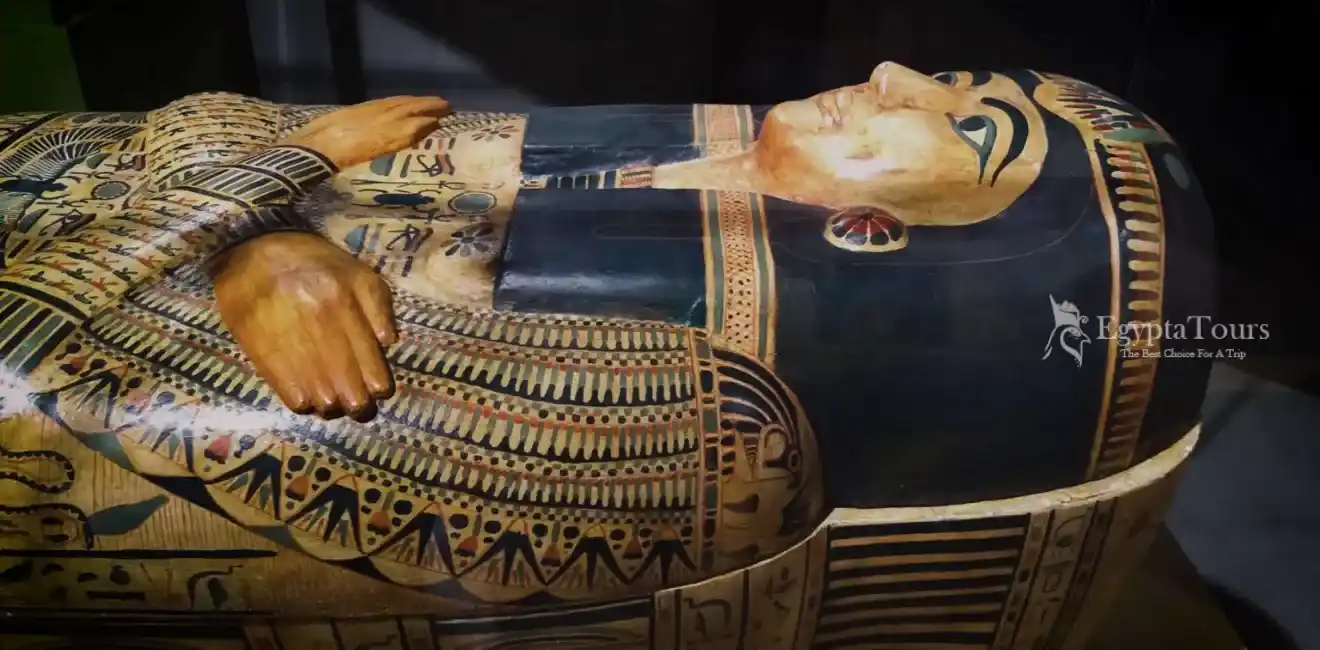
Secrets-of-Mummies-and-Mummification-Facts about-Pharaohs-EgyptaTours
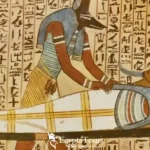
The Egyptians considered mummification important to preserve their bodies for the life of resurrection.
Mummification has important steps:
Hieroglyphic writing began 5,200 years ago, inscribed on tombs, monuments, and papyrus. It was invented by the ancient Egyptians to record information and dates related to the sale and purchase of goods, in addition to documenting regulations and laws for each province. Some say it was invented mainly for writing religious texts.
Egypt enjoys a distinctive strategic location; it was a meeting point for many countries such as Mesopotamia, Greece, Persia, and Yemen, due to its possession of a number of ports for sending and receiving goods, and an abundance of resources. Egypt exploited this and established a number of trade relations with countries, which was a reason for economic recovery and civilizational progress.
The pharaohs in ancient times were a symbol of tyranny and injustice, but this view has changed over the years. Egyptian civilization has become an important model for Western culture, from which classical architecture is learned. It is also considered a storehouse of many civilizational and human sciences that many are still trying to explore to benefit from.
The top 10 facts about Pharaohs included many secrets that showed the skill of the ancient Egyptians, from mummification processes and wearing makeup to building pyramids and temples, in addition to their religious beliefs that formed the basis of ancient Egyptian civilization.
What distinguishes the pharaohs is their skill in a number of fields such as construction and architecture, their knowledge of astronomy, medicine, and dentistry, and the practice of mummification, which was linked to religious beliefs.
Ramesses II was the most powerful pharaoh in Egypt and ruled it during the period 1279 to 1213 BC. His reign was known for strength and prosperity. He was able to build many temples and pyramids and strengthen Egypt’s military power.
Mummies included all members of Egyptian society, kings and common people. Organs were mummified separately. The bandages of a mummy could cover a basketball court. King Tutankhamun’s mummy was covered in jewels. Mummies could also be animals.
The pharaohs were famous for building temples and pyramids, their mastery of astronomy and engineering sciences, their knowledge of medicine, and mummification processes, which are among the top 10 facts about Pharaohs.
According to religious texts, the pharaoh during the time of the prophet Moses and his soldiers drowned in the Red Sea while pursuing the Prophet Moses.
The pharaohs wore clothes made of linen, which were multi-layered in winter. In addition, they adorned themselves with jewelry and ornaments.


Explore our top-rated Egypt travel packages and embark on an unforgettable journey. From the Pyramids of Cairo to the magical temples of Luxor, Aswan, and Abu Simbel, discover expertly curated tours designed for your perfect Egyptian adventure