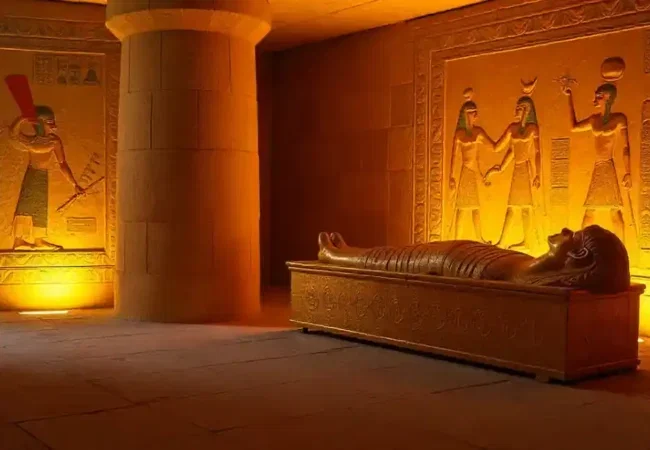
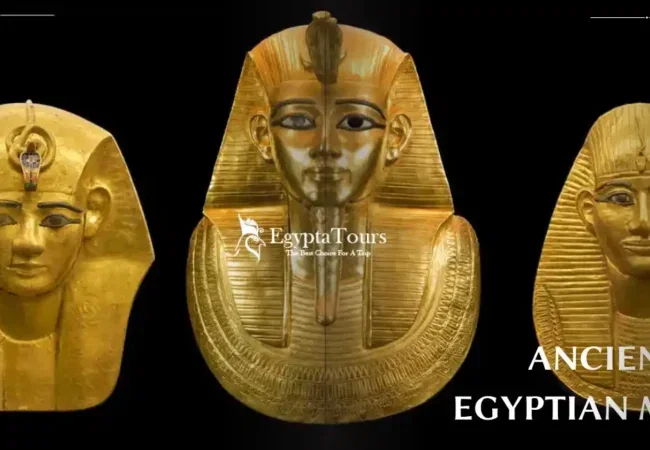
In the belief of the ancient Egyptians, death was not the end of the world but a natural part of their journey to another world. They treated it seriously and performed many rituals related to death, which proves the extent of the ancient Egyptians’ concern with death.
These rituals reflected their perception of the afterlife. In this article, we will talk about the concept of Death in Ancient Egypt and the difference between the burial of kings and the burial of common people.
The Concept of Eternity for the Ancient Egyptians
Death in ancient Egypt was not the end of the world; rather, they believed it was the beginning of a journey to another world. The idea of eternity for them was linked to the belief that the soul would remain even after the body’s death and that a person could live forever. Therefore, proper rituals were performed for them after death.
The ancient Egyptians were concerned with mummifying and preserving the body, and preparing tombs with inscriptions, food, and tools.
The tomb was their second home, and the idea of eternity after death was for them a hope that life would continue after death, but in another form.
Religious Beliefs about Life After Death
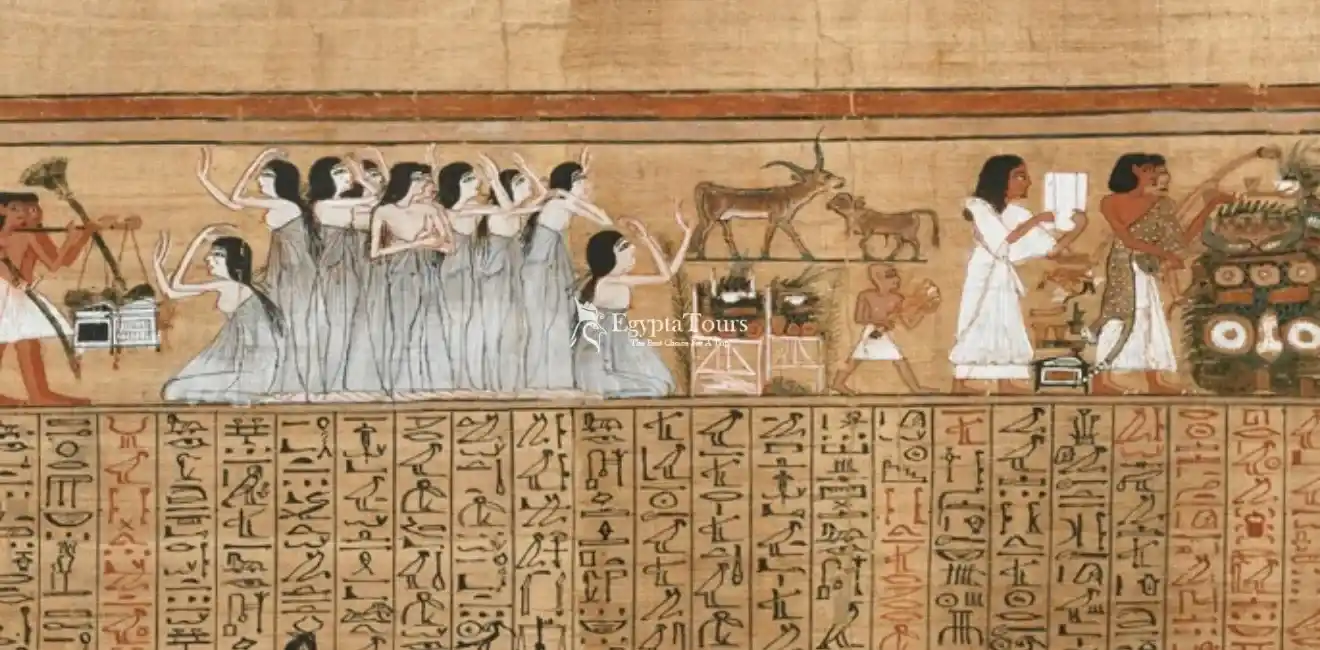
Funerary-ceremonies-and-Death-in-Ancient-Egypt-traditions-EgyptaTours
The ancient Egyptians believed they had another life after death, in which a person continues their journey but in another world. They thought the soul would remain, which led them to believe in performing many funeral rituals, mummifying the deceased, and preparing tombs with food, inscriptions, and decorations, which they believed would help the deceased reach their other life.
They also placed some personal belongings and goods in the tombs and provided everything the deceased would need on their journey.
This belief made the tombs of the ancient Egyptians not just a place to bury the dead but a manifestation of another life that the dead would live after their death.
The Process of Mummification and Its Secrets
Mummification-rituals-in-Death-in-Ancient-Egypt-EgyptaTours
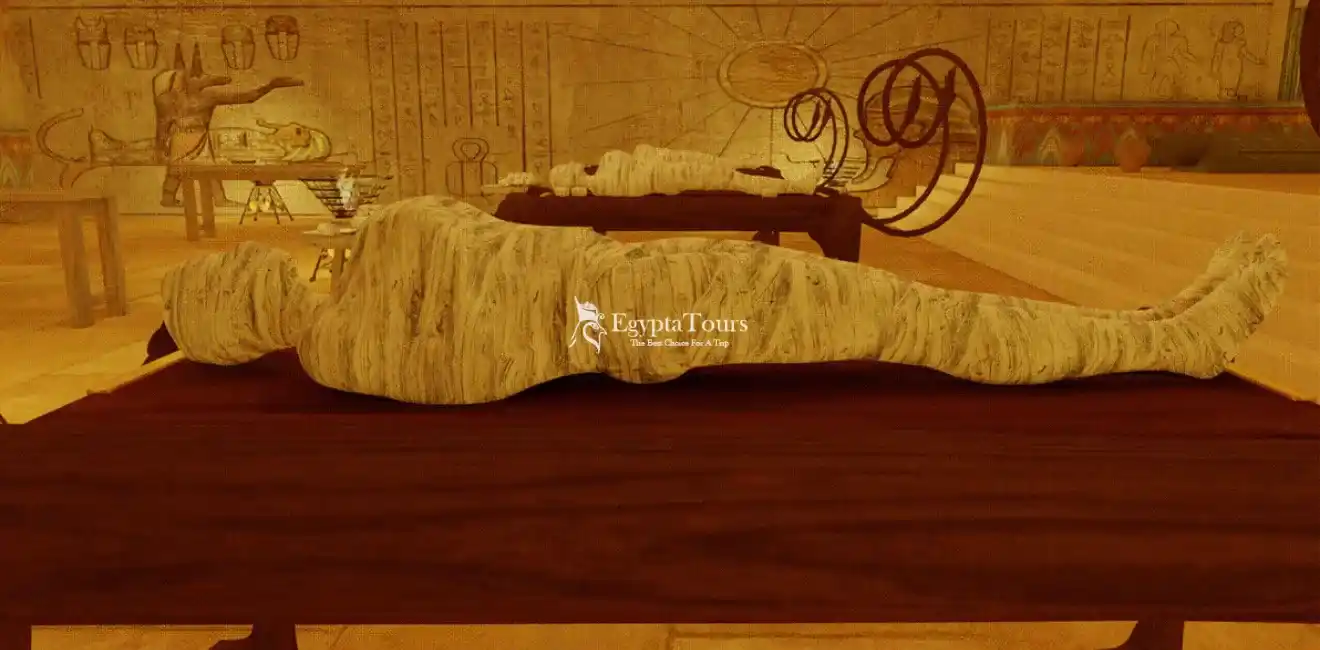
Mummification by the ancient Egyptians was done in precise steps as follows:
- Mummification began with washing the deceased, placing them in a washing basin, and cleaning them of any dirt using water and natron salt.
- The process of emptying the deceased’s body of its internal organs began, then the body was cleaned and dried using natron salt to absorb moisture.
- The body was washed with perfumes and oils to prevent decay and to give the deceased a fragrant smell.
- After that, the body was wrapped in linen, and some amulets and spells were placed with it, believing that the body would remain as it is for the longest time.
- The body was placed in a sarcophagus with some tools and food to help it in the other life.
Pyramid Texts and Funerary Books
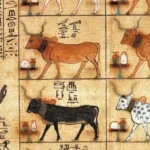
Book-of-the-Dead-scenes-about-Death-in-Ancient-Egypt-EgyptaTours
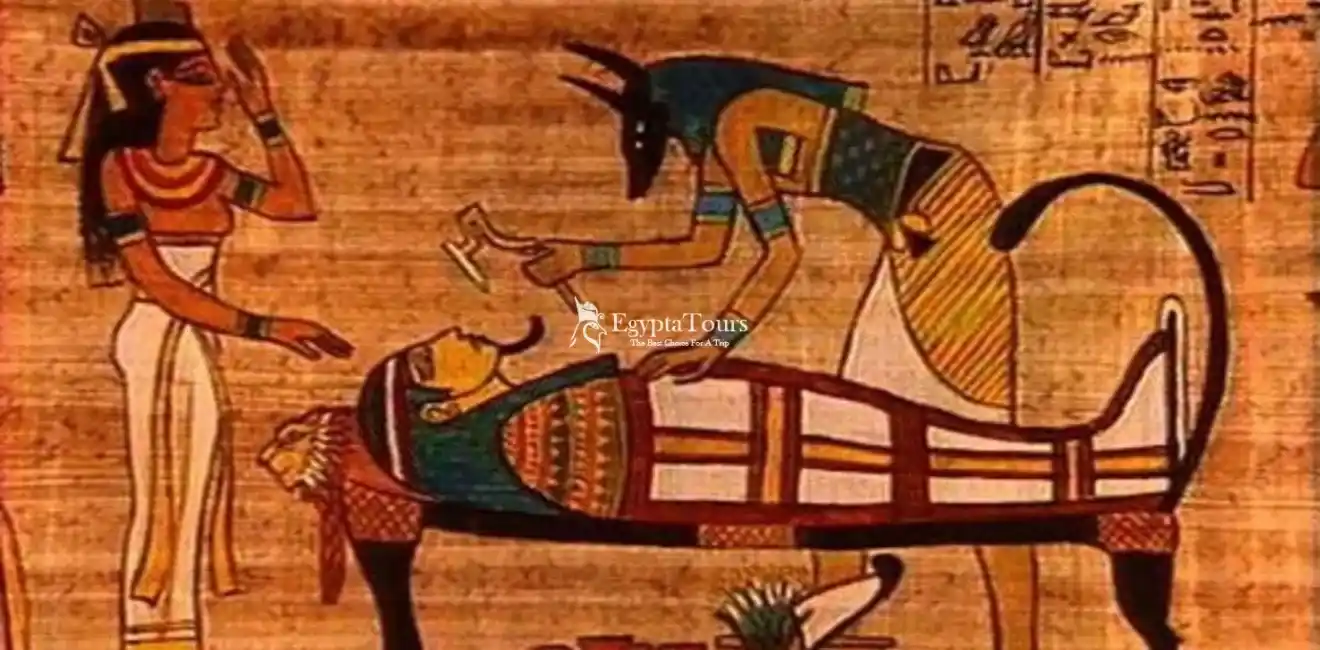
Among the most prominent beliefs about death in ancient Egypt are the Pyramid Texts and funerary books. They date back to the Old Kingdom and consist of many inscriptions on the walls, especially of the kings’ pyramids, as they were exclusive to them.
They contained many hymns and spells, believing they would protect the deceased and help them in their life in the world of the dead.
These texts evolved over time and were called Coffin Texts, which appeared in the Middle Kingdom and were written on the walls of wooden coffins. They were no longer limited to kings but became available to the common people.
In the New Kingdom, a book called the Book of the Dead appeared, which included many texts explaining the deceased’s journey in the other world, and this book became a guide explaining the deceased’s journey after death.
Rituals Associated with Royal Funerals
Royal funerals were precise systems related to death rituals in ancient Egypt. Their goal was to prepare the king for his other life. The body was mummified, and many funeral processions were held, in which the family and priests participated. Then the sarcophagus was carried with some items the king would need after his death, such as statues and food.
They believed these rituals were an attempt to ensure the king completed his journey safely.
The Difference Between the Burial of Kings and Common People
Among the death rituals in ancient Egypt, the burial of kings was different from the burial of common people. The burial of kings was subject to many complex and lengthy rituals, such as preparing large tombs decorated with many funerary texts and inscriptions. Some statues, treasures, and tools were buried with them, believing they would need them in the other world.
The funeral was like a grand celebration in which many priests participated. The burial of common people, on the other hand, consisted of wrapping the deceased in linen, placing them in a simple wooden coffin, and then placing them in the tomb. Their death rituals were very simple, brief, and less prepared than the burial of kings.
The Role of Osiris in the Soul’s Journey
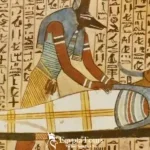
Anubis-and-Osiris-in-Death-in-Ancient-Egypt-mythology-EgyptaTours
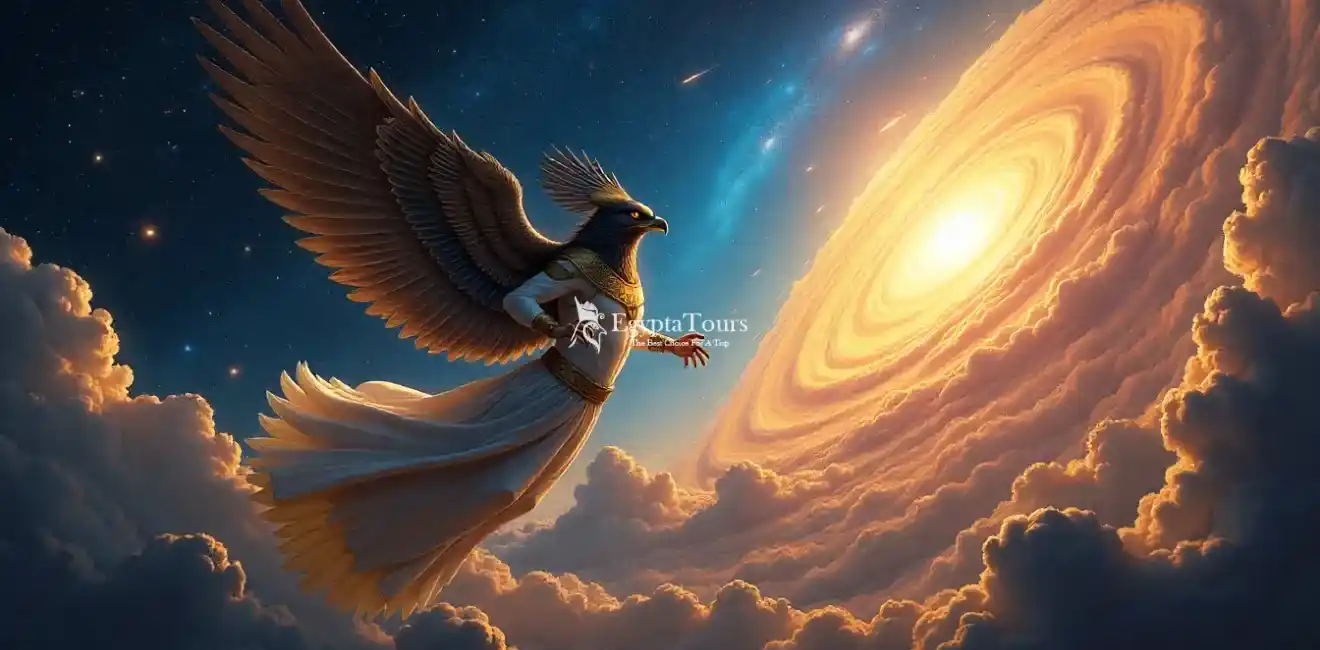
Osiris plays an important role in the journey of death in ancient Egypt. The ancient Egyptians believed that when the soul leaves the body, it would undergo a trial in the Hall of Justice, and Osiris was the primary judge who determined the fate of the soul, along with many other judges. Therefore, Osiris was called the god of resurrection and judgment.
The trial was conducted by weighing the heart of the deceased against the feather of Ma’at.
This feather is a symbol of justice and truth. If the heart was balanced with the feather, Osiris would allow it to enter eternal life. But if the heart was not balanced with the feather, it meant the heart was heavy with sins, and it would not pass the trial of the other world and would be devoured by a beast called Ammit.
Tools and Amulets Buried with the Deceased
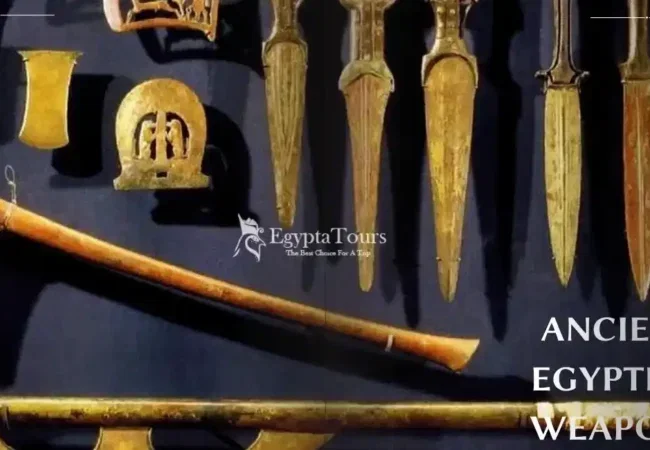
Sarcophagus-art-representing-Death-in-Ancient-Egypt-EgyptaTours
The tools and amulets buried with the deceased include the following:
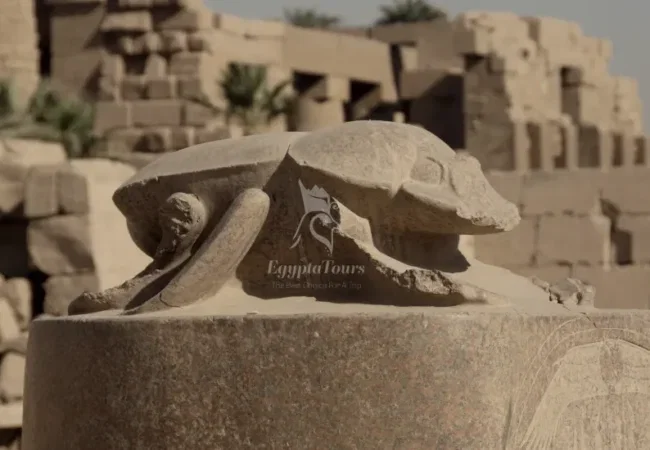
- Amulets: such as the heart scarab, which was placed on the chest to protect the heart during the judgment.
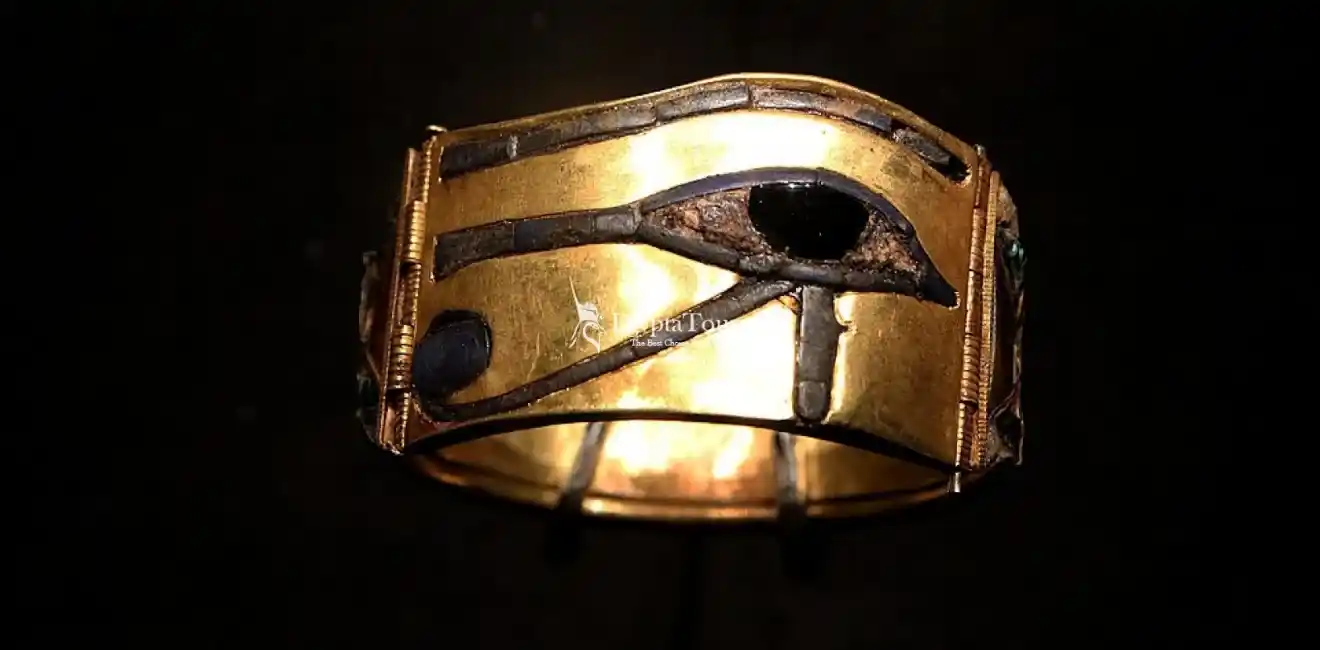
- The Eye of Horus amulet: for protection from evil, with some inscriptions that grant strength and peace to the soul.
- Personal items: such as pottery, weapons, and cosmetic tools.
- Small statues (ushabti): to serve the deceased in the other world after their death.
- Papyri and texts: such as chapters of the Book of the Dead, to be a guide for the deceased on their journey.
Conclusion
Death in ancient Egypt was the beginning of a new stage for the deceased, as was their belief. Therefore, they were concerned with mummification rituals and funeral preparations. This reflects the ancient Egyptians’ belief that life does not end at death but will continue in another world, for which one must be prepared.
FAQs
What was death like in ancient Egypt?
Death in ancient Egypt was not the end of life but the beginning of a new journey that the deceased lives in another world. Therefore, the ancient Egyptians were concerned with preparing tombs and performing many funeral rituals, believing they would help the deceased on their journey.
How did the ancient Egyptians celebrate death?
The ancient Egyptians treated death as a journey of transition to another life. Therefore, funerals were like religious celebrations and included many rituals and offerings, believing they were preparing the deceased for their other life.
What was death called in ancient Egypt?
The ancient Egyptians called death in ancient Egypt “transformation” or “entry into the hereafter,” because they believed in eternal life and the transition from this worldly life to the afterlife.
What were the main causes of death in ancient Egypt?
Most causes of death in ancient Egypt were infectious diseases such as schistosomiasis, tuberculosis, and plague, or due to malnutrition, childbirth complications, or wars.
Why were the Egyptians obsessed with death?
The ancient Egyptians were obsessed with death because of their belief in the continuation of life after death and that the soul needed proper rituals to complete its journey in the hereafter.
What happens when someone dies in ancient Egypt?
When someone died in ancient Egypt, their body was mummified to preserve it. Some tools and amulets were placed with it, a funeral procession was held for them, and then they were buried in their tomb to complete their journey in the other world.