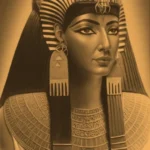
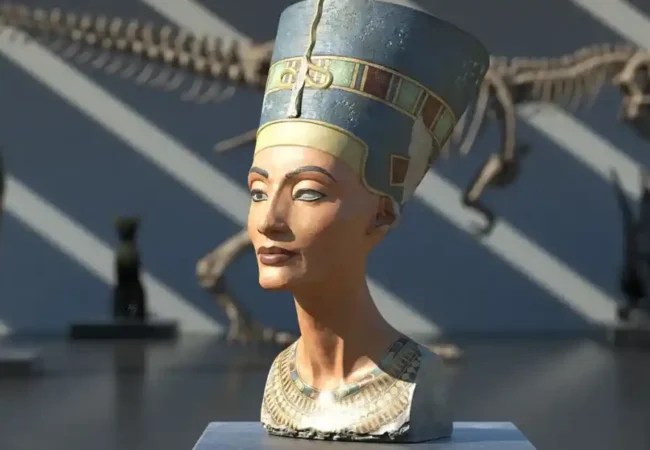
The Nefertiti Bust
The treasures of ancient Egypt show a civilization that lasted for thousands...



Ancient Egyptian amulets are a necklace that the ancient Egyptians used to protect against the evil eye and magic, as they believed at that time, There are also magical amulets that they used in the past to summon gods or make spells to create supernatural power, as they were used in rituals for the dead, We will learn with you through our articles about some other details about amulets, so follow us.
| Amulet Name | Material Used | Symbolism Meaning | Worn By |
| Ankh | Symbol of life, immortality, and eternal existence | Gold, faience, stone | Common people, royalty |
| Scarab Beetle | Symbol of rebirth, transformation, and protection | Stone, gold, faience | Pharaohs, nobles |
| Djed Pillar | Symbol of stability and endurance, associated with Osiris | Gold, stone, faience | Royalty, priests |
| Eye of Horus (Wedjat) | Protection, healing, and warding off evil spirits | Gold, faience, lapis lazuli | Common people, royalty |
| Shen Ring | Symbol of eternity and protection in the afterlife | Gold, stone, faience | Pharaohs, priests |
| Tjet (Knot of Isis) | Symbol of protection and fertility, associated with goddess Isis | Gold, faience, red stone | Common people, royalty |
| Heart Amulet | Ensures the heart speaks truth in the afterlife judgment | Stone, faience, carnelian | Pharaohs, elite |
| Uraeus (Cobra) | Protection, power, and divine authority of the pharaoh | Gold, stone, faience | Pharaohs, royalty |
| Frog Amulet | Symbol of fertility and regeneration | Faience, stone | Common people, priests |
| Papyrus Scepter |
Symbol of youth, regeneration, and vitality | Faience, stone, gold | Common people, priests |
The type of material from which ancient Egyptian amulets were made was considered an essential part of their power. The ancient Egyptians did not choose the material randomly rather they believed that certain materials possessed hidden powers. Therefore there was a direct relationship between the shape of the amulet and its composition. To enhance its effect, a magical spell was added and written on it. Magic was present in every aspect of Egyptian life.
The Pyramid Texts are a prime example filled with spells for protection or to attract a specific object.
In the later periods of Egyptian history people relied more heavily on magic. This was because society at the time was suffering from instability which prompted them to seek greater protection even from unseen forces. Even the gods themselves were sometimes depicted carrying amulets indicating a request for safety and strength. Amulets were also used to ward off disease or harm.
That’s why the Egyptians extensively used amulets in various forms and materials all derived from their religious beliefs that dominated their lives. Surprisingly this custom persists to this day. We see people attaching the “blue eye” to children, women, and men believing it wards off evil and protects them from harm.
Egyptian society, and indeed Arab society in general still holds this belief despite the passage of thousands of years since the first use of amulets in ancient Egyptian civilization. However it has become part of an inherited heritage that continues to this day.
The ancient Egyptians believed that magic could give life to inanimate objects simply because they resembled a human being. Therefore they used small statues in the form of a real person to ensure their continued life even after death.
These statues or ancient Egyptian amulets were placed around the mummified body either as necklaces or wrapped in linen. The materials they were made from were very important such as gold, glass, or faience, a type of ceramic covered with a glass layer.
In daily life people wore various amulets arranged in necklaces or placed on their bodies. Each one served a specific purpose: protection from the evil eye preventing bad luck, promoting success in love, or warding off illness.
They believed that these illnesses were not natural but rather caused by evil spirits entering the body.
The ancient Egyptians believed that amulets protected their wearer from these spirits, and therefore they were widely used. They were not merely decorative; they symbolized the victory of light over darkness and the security associated with the full moon.
Their function was to prevent wounds and bites and reduce the risk of illness. They were also a symbol of comfort and a good life. For this reason people relied on them for daily details believing they connected them to direct divine protection.
The strongest belief was that ancient Egyptian amulets brought people closer to higher powers, and that sacred animals and deities watched over and protected them. The markings and engravings on the stones carried profound religious meaning, and they were believed to transmit special energy to the body, strengthening movement, stimulating the mind, and providing balance.
The amulet is something made of metal that some ancient Egyptians believed had positive properties in life, They believed that it protected the person from harm and brought him good luck, It is carried with the person to protect him or put it in the place he wants to influence.
Some people at this time may believe that it is actually related to magic, as some mothers hang amulets around the necks of their children to protect them from the eyes, There is another belief that it has a magical power that protects its owner from evil spirits.
In ancient Egyptian life ancient Egyptian amulets were not merely adornments worn on the body, they were protective tools that played a direct role in warding off harm and unforeseeable dangers. It was widely believed that amulets nullified the effects of magic, granted their wearer strength and blessings, and brought them good luck.
For this reason their shapes were associated with deities and sacred symbols that expressed power protection, and spiritual energy.
They also had other meanings including the following:
One of the most important religious manifestations known to the ancient Egyptians was their keen interest in representing their beliefs in tangible forms whether large statues of gods or small amulets that could be carried and hung.
Amulets were not merely symbolic, but were considered a means of drawing closer to the deities bringing good fortune and blessings protecting against evil, and facilitating passage to the afterlife.
Among these ancient Egyptian amulets were symbols of the god Osiris who remained one of the gods most closely associated with death and the afterlife in ancient Egyptian belief.
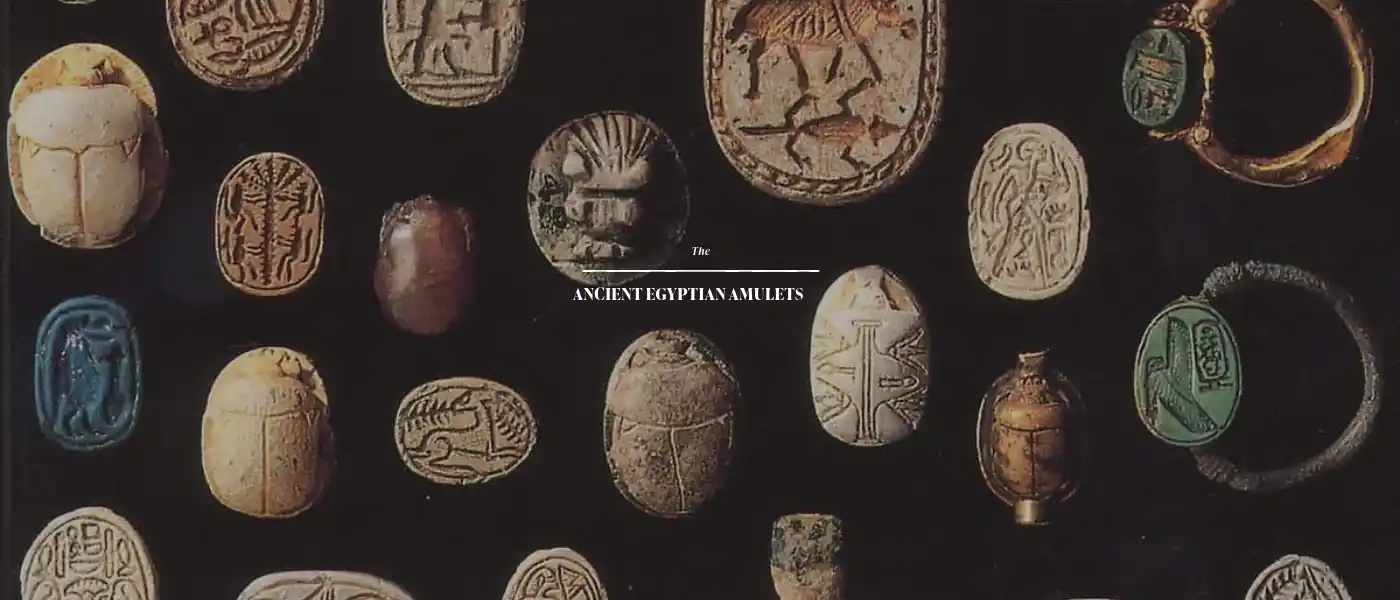
Ancient-Egyptian-Amulets-EgyptaTours-Pharaohs’-Amulets
The ancient Egyptian civilization contains many amulets that are distinguished by their color, shape, and the material from which they were made, as they were filled with precious stones and metal elements, so the Pharaohs became experts in combining these components to make alloys that they believed had supernatural magical powers.
The ancient Egyptians used magical amulets to summon gods or spells with supernatural powers, especially during the burial rituals of the dead, and over the years some have come to believe that amulets have a great relationship with the dead, as during the mummification process some priests would summon the gods through these spells to provide assistance to the deceased in the afterlife, and the most prominent of these gods are the god of the underworld, Osiris, his wife Isis, and their son Horus.
The ancient Egyptians considered the heart amulet a symbol of strength and life, and they believed that whoever had control of the heart would be stronger in the underworld, so it was mummified and the heart organ was transformed into a magical amulet, and the associated symbol was a jar, and the jar was made of lapis lazuli, which is a dark blue stone preferred by the pharaohs to gain supernatural powers.
Lapis lazuli came to Egypt through ancient trade through Mesopotamia, and was distinguished by its great value and uses in protecting organs in life and the underworld, and the ancients believed that after death the heart amulet would go to the courtroom of Osiris and would be weighed against a feather, and if the scales were equal, Osiris would grant the deceased eternal life, and if not, the treacherous monster would eat the heart and his connection with the gods would be cut off forever.

Scarab-Amulet-Ancient-Egyptian-Amulets
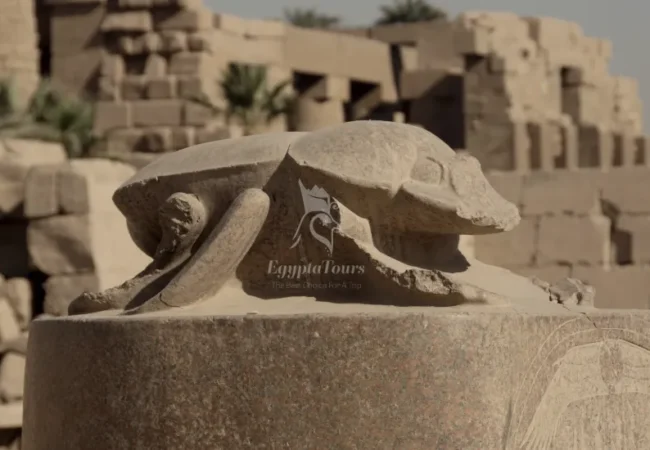
The scarab was one of the most sacred ancient Egyptian amulets, as it came to represent eternal life and creation or resurrection after death, as the scarab lives in Egypt and flies during the hottest periods of the day, and it also became associated with the solar cycle, as it is the source of life and light on the planet.
Scarab amulets were made of limestone or green basalt, which was widespread and popular during this period, and after the heart was removed during the mummification stage, the scarab was placed in its cavity, and words of power taken from the Book of the Dead were written, and then the scarab was transformed into a magical amulet that the ancient Egyptians believed protected the physical heart and was a source of new life for the deceased.
The belt of Isis was made of red agate by a buckle, and these semi-precious stones were orange and blood red in color, and they represent the wrath and power of the goddess, and they believed that the buckle gave the deceased the ability to access all parts of the underworld through the intercession of Isis, and it was mentioned in the Book of the Dead that the buckle is an Egyptian mummy that was immersed in the water of the Ankh flower, and this was the basic step that revealed the magical properties of this amulet.
The symbol of life is still seen attached to the hieroglyphic writing in all existing temples, and it is clear that it was controlled by one of the gods, unlike other amulets, and there was no single material from which the symbol of life was made, and it was worn by the ancient Egyptians, both living and dead, as a necklace.
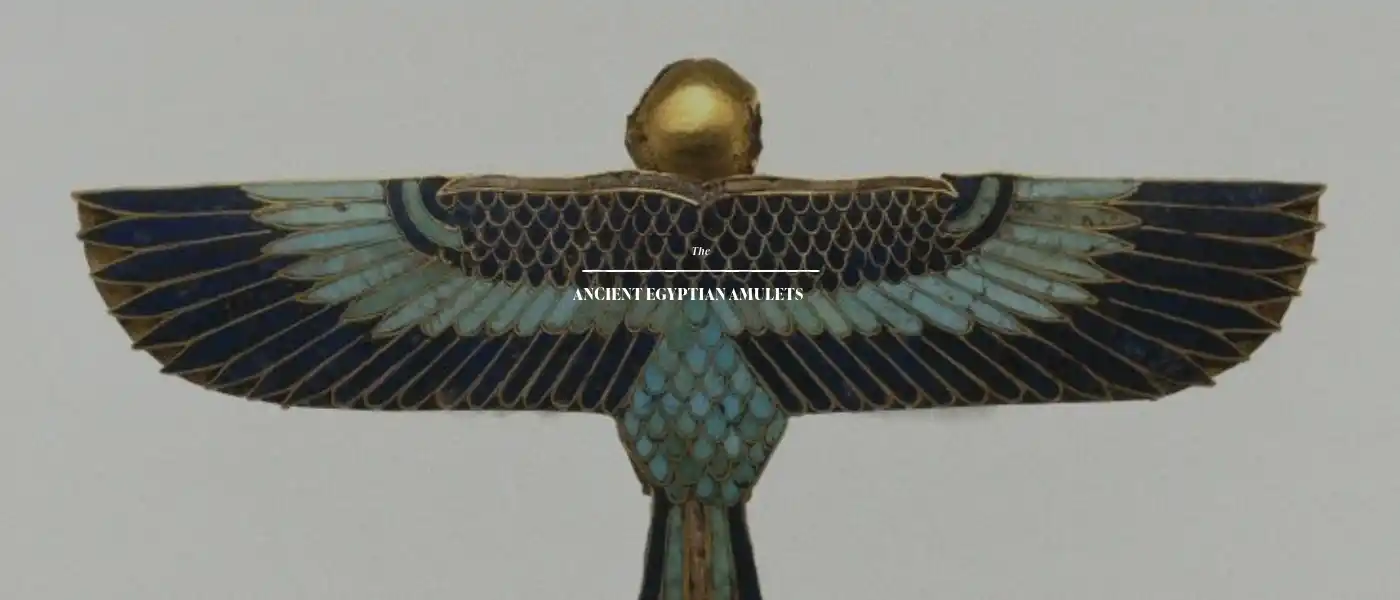
Ancient-Egyptian-Amulets-Eagle-Amulet
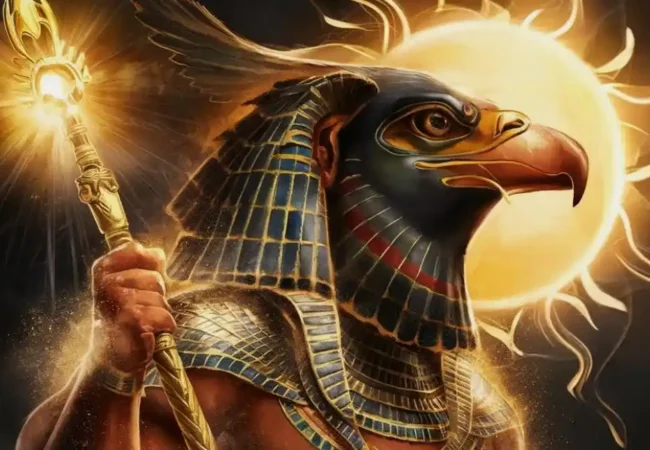
The ancient Egyptians considered the eagle amulet to be a protective one that brought out the power of Isis to protect the deceased in the afterlife, This amulet was made of gold extracted from the Eastern Desert, which was full of resources.
The Book of the Dead mentions that there were two cases in which Horus’s life was saved: the first was during his birth in a swamp rich in deadly poisonous snakes, and the second was during his epic historical battle with Seth, the god of chaos and violence, The pharaohs believed that whoever wears the magical eagle amulet will ensure his safety in the afterlife.
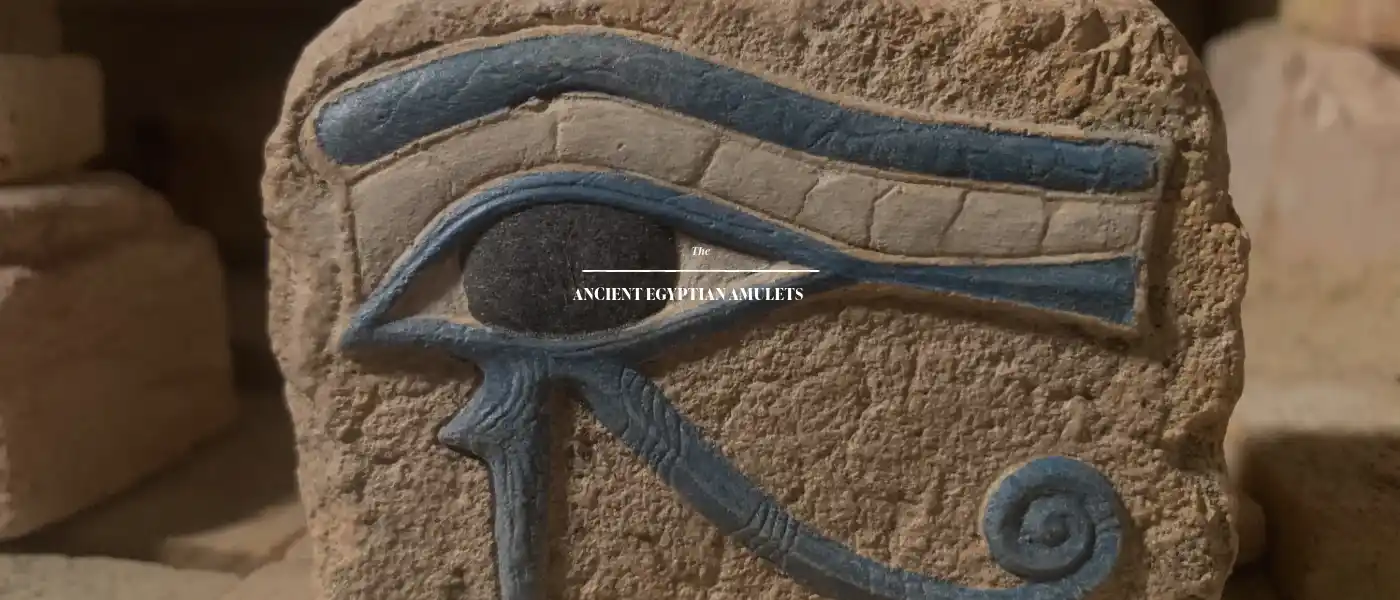
Eye-of-Horus-Amulet-Ancient-Egyptian-Amulets
During the epic historical confrontation between Horus and Seth, Seth shattered the eye of Horus into 6 pieces, as stated in the stories of the pharaohs, which is why the amulet was named after this name.
This amulet was made of several materials, including lapis lazuli, agate, porcelain, and wood. Finally, it was made of lapis lazuli plated with gold, Some spells were read on it to transform the pharaoh into a god, as they believed in the past.
In conclusion, we have learned about ancient Egyptian amulets, and we have learned about some types of amulets that were known in the past, and we hope that you like the article.
They had many religions and beliefs about gods.
Because they were believed to have great power to protect humans.
They were symbols believed to have special powers.


Explore our top-rated Egypt travel packages and embark on an unforgettable journey. From the Pyramids of Cairo to the magical temples of Luxor, Aswan, and Abu Simbel, discover expertly curated tours designed for your perfect Egyptian adventure