





Uncovering the Sacred Mysteries of Akhenaten
Akhenaten was a Pharaoh of the 18th century. He was the son of Amenhotep IV and the female Pharaoh Hatshepsut. He was called Amenhotep IV before calling himself and this considered one of Akhenaten Facts. His period was called the Golden age.
Akhenaten history :
One of Amenhotep IV Facts was that he attacked the Myth of multiple Egyptian gods. He also changed the artistic style of that age and this considered another thing about his facts.
He also changed the capital city into another new one.
A big thing about Akhenaten was that he introduced a new religion. It wasn’t unclear whether His body had ever been discovered or not and this was considered a big secret about Amenhotep IV Facts.
Akhenaten reign :
Akhenaten ruled Egypt from 1353 to 1336 BC However this date wasn’t uncertain.
There was also an inquiry about whether he ruled beside his father for a while. He continued the projects that his father didn’t complete.
The ruins of Amarna had been discovered in the 19th and 20th centuries.
Amenhotep IV, also known as Akhenaten, was born in the late fourteenth century BC. He was the son of King Amenhotep III. Akhenaten grew up in the royal palace located in the city of Thebes, and his family took care of his education as a royal prince.
He studied arts, religion, and administration, and he had many distinctive intellectual inclinations, which made him different from the other kings of his era.
His mother had a great role in directing his thought towards the worship of the god Aten, who represented the focus of his religious call. There are many indications that he was not the first heir to the throne, but when his brother died at a young age, Akhenaten became the sole heir to the throne of Egypt.
His accession to the throne came at a sensitive time when Egypt was at the height of its economic and political power.
Akhenaten assumed power at a young age, and his mother had an important role in guiding him religiously and politically at the beginning of his reign. His accession to the throne was a decisive turning point in his life, as he used his authority to shape Egyptian belief to suit his own vision of the god and the world.
The Rise of Akhenaten to Power and the Changing Features of the Royal Court
Akhenaten assumed power after the death of his father, King Amenhotep III, during a period when Egypt was experiencing economic and political stability. However, it was also exposed to hidden conflicts between the priests of Amun and the royal authority, whose influence had increased in the city of Thebes.
When Akhenaten assumed power, he began to follow many religious and royal traditions, and he replaced the religious symbols with new symbols that glorified the god Aten.
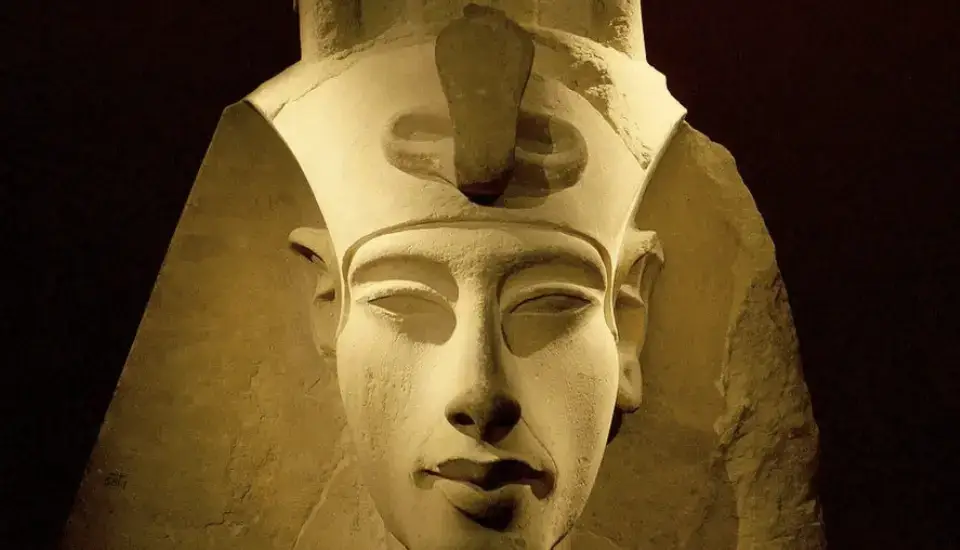
The language of religious discourse also changed and began to focus on the concepts of light and creation through the sun. The royal arts were also affected, and artistic styles appeared in painting and sculpture. They highlighted the human side of the pharaoh and moved away from the rigidity that was prevalent.
The royal court witnessed a shift in the presentation of the king’s personality; he was no longer depicted as a god but as a human being living among his family and having emotions.
These changes were not superficial changes but reflected a major shift in the philosophy of governance, because Akhenaten reshaped the Egyptian identity, changed the balance of religious authority, and replaced the centrality of the god who had enjoyed loyalty for many years.
The Role of the Priests in Akhenaten’s Religious Conflict
The priests had a pivotal role in Akhenaten’s religious conflict during his reign, as the priests enjoyed great influence and enormous wealth that surpassed the authority of the pharaoh. They managed huge temples and vast lands, and considered themselves the intermediaries between the gods and the people.
Akhenaten announced his call to worship the god Aten and took many practical steps such as closing the temples and limiting the influence of the priests. He clashed directly with the old religious establishment, especially the priests of Amun, who saw in Akhenaten’s call a direct threat to their status. The conflict was over influence and power because Akhenaten removed the priests’ monopoly on religious discourse and moved the center of worship to the new city, which is Tell el-Amarna, which was established to be a stronghold for the worship of Aten.
Although the priests did not begin to resist at first, there were many indicators of the existence of a hidden opposition. This opposition continued throughout Akhenaten’s reign, and after his death, they restored the old religious system and erased the traces of the religious revolution led by Akhenaten, which shows the extent of their great influence on the religious and political life of ancient Egypt.
The City of Akhetaten: The Lost Mysterious Capital
Akhenaten founded his new capital, which he named Akhetaten, to be a center for the worship of the god Aten and a home for his religious thought, away from the influence of the priests in Thebes. He chose the location of his capital in an isolated place called Tell el-Amarna.
His capital was distinguished by its unique architectural design, which reflects Akhenaten’s philosophy. The city was full of temples that were characterized by the entry of sunlight, unlike the old temples.
It also contained many houses, royal palaces, and workshops, and was a center for the new art that showed the king and his family in a human and realistic way, away from rigidity. However, Akhenaten’s capital did not last long.
Upon his death, the city was gradually abandoned, and there was a return to the capital Thebes and a return to the worship of traditional gods. Akhenaten’s name was erased from the records, and the city was forgotten for a long time until it was discovered by archaeologists in the nineteenth century. This city is known today as the mysterious capital that holds many controversial secrets in the historical imagination and ancient Egypt.
The Impact of Amarna Art on Egyptian Civilization
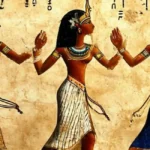
Amarna art represented a major transformation in Egyptian civilization because it is characterized by realism, moving away from the strictness that was prevalent in previous eras. This art showed the king and his family in a human and emotional way, as they depicted the royal family playing with their children, which was unusual in Pharaonic art.
The drawings and statues also appeared with physical features that had flaws and differences. Although this style did not last long, it left a clear mark on Egyptian history.
The scholar James Henry Breasted is one of the most prominent scholars who contributed to the study of the Amarna period and provided many analyses about Akhenaten’s religious revolution and its impact on ancient Egypt.
New Religious Rituals Under Akhenaten’s Rule
During the reign of Akhenaten, Egypt witnessed an unprecedented religious scene, as Akhenaten abolished the worship of the traditional god, which is represented in the worship of the god Amun, and he imposed the worship of the god Aten as the creator god of everything. This resulted in a major change in religious rituals, as they became simpler and focused on life and light.
The old temples were also closed and the priests were marginalized. Many temples dedicated to the god Aten were established, which were distinguished by their unique design that allowed sunlight to enter as an important part of the religious rituals.
The royal family became the intermediaries between Aten and the people, which strengthened their position in religious life.
Although these rituals did not continue after Akhenaten’s death, they represented a major shift in the religious concept of the Egyptians and formed the idea of monotheism for the first time in ancient Egyptian history.
Akhenaten as a Father: His Family and His Children from Nefertiti
Akhenaten married Queen Nefertiti, who was his partner in religion and rule. She appeared alongside him in the practice of religious and political rituals and bore him six daughters. They were called the daughters of Aten, and they were Neferneferuaten, Neferneferure, Setepenre, Meritaten, Meketaten, and Ankhesenpaaten.
Ancient Egyptian art depicted images of Akhenaten with his wife and children in moments of play and affection, which reflected a rare family side among the pharaohs, forming a shift in the concept of the royal family among the pharaohs.
The Fate of the City of Akhetaten After the Pharaoh’s Death
After Akhenaten’s death, the city of Akhetaten witnessed great neglect and the city was gradually abandoned, and there was a return to the worship of the old gods, namely Amun. The capital returned to the city of Thebes, and the priests regained their power and influence.
The names of Akhenaten and his god Aten were also erased from all records to erase the impact of the religious revolution. The city was discovered again in modern times to be a testament to this exceptional period in the history of Egypt.
Modern Theories About the Lost Mummy of Akhenaten
The mummy of Akhenaten is still missing to this day. Some researchers believe that it was hidden or moved during attempts to erase history after Akhenaten’s death. In another theory, it is said that the mummy of Akhenaten was buried in unknown tombs.
Other studies have indicated that the mummy of Akhenaten may have been mixed with some mummies in a tomb in the Valley of the Kings, and it may be present but has not yet been identified. The secret of Akhenaten’s mummy will remain an open mystery in Egyptology.
How Do Contemporary Egyptologists View the Personality of Akhenaten?
Contemporary Egyptologists see the personality of Akhenaten as a bold personality, because he led to a major transformation in politics and religion, and he was the innovator of the idea of religious monotheism.
Some scholars see his personality as isolated, and others see him as an intellectual reformer trying to reform Egypt according to his vision for it. To this day, the personality of Akhenaten is considered a complex personality; it is a mixture of boldness and genius, and it is a point of disagreement in ancient Egyptian history.
Unveiling the Truth: Fascinating Facts about the Enigmatic Pharaoh Akhenaten

Unveiling-the-Truth-Fascinating-Facts-about-the-Enigmatic-Pharaoh-Akhenaten
Akhenaten religion :
One of Amenhotep IV Facts was that he introduced a new religion.
He gathered all the gods into one God and called it Aton when he was 17 years old. To be loyal to Aton he changed his name from Amenhotep and Amenhotep IV.
Akhenaten sun god :
Amenhotep IV, Queen Nefertiti and their daughters was under the control and the rays of the sun god Aton. In the first years of his period he made some changes in the spheres of religion, art, and architecture.
Akhenaten’s Unconventional Appearance and Artistic Depictions
Amenhotep IV family:
Amenhotep IV was the son of the great Amenhotep III and the female pharaoh Hatshepsut. He had an older brother. He married Queen Nefertiti and he had six daughters. He also married Kiya and had three sons from her.
Akhenaten Art:
Akhenaten deleted the myth of old gods and this made the Egyptians in a connection with the spiritual world. The art in his period focuses on the Pharaoh, the royal family and the solar disk.
This art was completely different from anything that came before his age.
The Mysterious Circumstances Surrounding Akhenaten’s Death and Disappearance
Akhenaten tomb:
King royal tomb was located in the Royal tomb at Amarna. This tomb was the formal burial of the 18th century. The tomb consisted of three chambers. One of the chambers was for Amenhotep IV second daughter called Meketaten.
After the court returned to Thebes the body of Amenhotep IV could probably be removed and reburied anywhere in the valley of the kings.
Amarna period end:
The Amarna period of ancient Egypt started in the period of the king and lasted with him but when he died it finished. Amenhotep IV was known as the Heretic king. So according to researchers this period was limited to him only.
Akhenaten’s Lasting Legacy and Impact on Ancient Egyptian History
Akhenaten-Lasting-Legacy-and-Impact-on-Ancient-Egyptian-History
Amenhotep IV legacy :
There was four Ancient legacies. the pharaoh Amenhotep IV was known as Amenhotep IV, he prevented the traditional Egyptian pantheon of gods and introduced a different kind of faith.
Researchers still discuss and usually in a debate about the definition of what one should call it. If we follow this ancient legacy we can choose two gods from the ones we have.
Amenhotep IV influence :
Amenhotep IV had an effective influence on all the branches of life during his age as he introduced a new religion and attacked the myth of multiple gods.
He also changed the artistic style and finally he helped to spread the ancient Egyptian language.
Amenhotep IV and Nefertiti:
There was a thought that the tomb of queen Nefertiti was located behind the tomb of King Tutankhamun but a long while after that it was discovered that the famous Egyptian Queen Nefertiti wasn’t buried there.
Some researchers believed that the great ancient Queen was buried in a secret room inside the king Tutankhamun’s tomb.
She separated from her husband Amenhotep IV at the end of his life because of her struggle and conflict with Smenkhkare over power and also the weakness character of Tutankhamun.
Unraveling the Enigma: Why Akhenaten Remains One of History’s Most Intriguing Figures
One of Amenhotep IV Facts was that he had a great impact on Ancient Egyptian language and also helped to spread the spoken late Egyptian languages in all fields of life and also in the official places.
Akhenaten’s Revolutionary Religious Reforms
Akhenaten’s new religion:
Amenhotep IV attacked the existence of multiple Egyptian gods. He gathered the gods into one God and called it Aton. He introduced a new religion and this religion called to worship one God.
Akhenaten’s Relationship with His Wife Nefertiti
It was known that Amenhotep IV had married Queen Nefertiti after he came to the throne.
Queen Nefertiti was his favorite great royal wife. Queen Nefertiti changed her name to Neferneferuaten, but this name is very difficult so we use Nefertiti instead.
It was said that Queen Nefertiti died but there wasn’t any evidence after one of the princesses died and three others disappeared.
Amenhotep IV, the son of Amenhotep III, is best known for his dramatic religious reforms early in his reign.
In his fifth regnal year, he abandoned the traditional religion centered around Amun and introduced the worship of Aten, the sun disk, marking the rise of a new artistic and religious expression known as the Amarna style.
He changed his name to Akhenaten and established a new capital at Akhetaten (modern-day Amarna).
The Great Hymn to the Aten, attributed to him, reflects his devotion to this singular deity.
His eldest daughter, Meritaten, often appeared alongside him in official reliefs, highlighting her prominent role during his transformative reign.
Akhenaten’s Mysterious and Untimely Death
Akhenaten’s cause of death:
- Firstly cause of death wasn’t known because it isn’t clear that his royal tomb at Amarna didn’t contain a body for a royal King. So we hadn’t any proof about his death. After the death of Amenhotep IV his son Tutankhaten took the throne and also Tutankhaten changed his name to Tutankhamun regarding the Egyptian god Amun. finally the cause of Amenhotep IV death is still unknown until nowadays.
Conclusion: Unlocking the Secrets of Akhenaten’s Transformative Reign
We can sum up from this that Amenhotep IV made a great transfer into religion, language and also the artistic style of the art in his period and all of these fields were successful and had an important influence on Egypt.
FAQ
Why did Egyptians not like Akhenaten?
The Egyptians did not like Akhenaten because he imposed on them the worship of another god, and this angered the people and the priests, in addition to changing the capital, which led to a loss of stability in Egypt and caused some economic and social losses. These factors made the people view him as an unpopular and divisive ruler.
What are 5 facts about Akhenaten?
Among the most prominent known facts about Akhenaten are: his real name was Amenhotep IV, he founded the city of Akhetaten in Tell el-Amarna for the worship of the god Aten, he married Queen Nefertiti and had six daughters with her, and his religious revolution was the cause of conflicts within Egypt.
What disease did pharaoh Akhenaten have?
Pharaoh Akhenaten suffered from Marfan syndrome, which is a genetic disease that causes deformities in the bones and tall stature. There are other theories that suggest he suffered from deformities in the spine.
How tall was Akhenaten when he died?
Akhenaten was about 1.70 meters tall when he died, which is estimated to be about five feet.
Who was Amenhotep IV?
Amenhotep IV was an Egyptian pharaoh of the 18th Dynasty, ruling around 1353–1336 BC. He later changed his name to Akhenaten.
Why did Amenhotep IV change his name to Akhenaten?
He changed his name to honor the sun god Aten, signaling his shift toward worshipping Aten as the central deity.
What was Akhenaten’s religious reform?
Akhenaten introduced monotheism by promoting Aten and discouraging the worship of other gods, especially Amun.
How did Amenhotep IV’s rule affect Egyptian religion?
His reign challenged traditional polytheistic beliefs and temples, leading to a temporary decline in the power of the priesthood.
What is the significance of Akhetaten?
Akhetaten, now known as Amarna, was the new capital city Akhenaten built to honor Aten and distance himself from the old religious centers.
Did Amenhotep IV have any famous family members?
Yes, his wife was Nefertiti, a well-known queen, and their children included Tutankhamun, who later restored traditional worship.
How is Akhenaten portrayed in art?
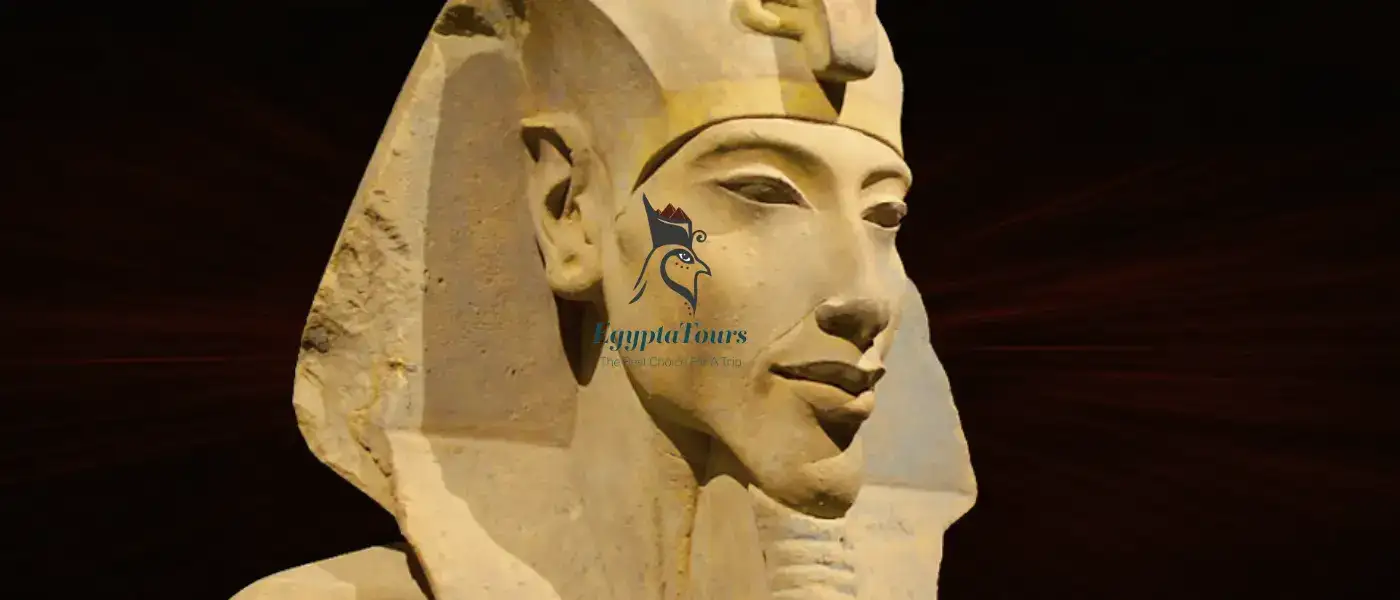
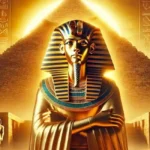
His depictions are unique—showing elongated features and a more naturalistic style than typical Egyptian art.
What happened after Akhenaten’s death?
The traditional gods and priests regained power, and the capital moved back to Thebes. His religious reforms were mostly undone.
Why is Amenhotep IV considered controversial?
Because his religious changes disrupted Egyptian society and his reign was seen as a break from tradition.
Where can you see artifacts related to Akhenaten today?
Many artifacts are in museums like the Egyptian Museum in Cairo and the Metropolitan Museum of Art in New York.
What is the lasting impact of Akhenaten’s reign?
He remains a unique figure for promoting one of the earliest forms of monotheism, affecting how historians view Egyptian religion and history.
How sure are historians about Akhenaten’s motives?
We don’t know his exact reasons, but his actions suggest both religious conviction and attempts to weaken powerful priesthoods.
About EgyptaTours

EgyptaTours is a name synonymous with trust, excellence, and unforgettable travel experiences, proudly standing as one of the leading travel agencies in Egypt. Renowned for its deep expertise, personalized service, and carefully crafted itineraries, EgyptaTours serves as the ultimate gateway to discovering Egypt in its most authentic and inspiring form.