Tipping in Egypt 2026 All inclusive: Perfect Advices
Tipping is an integral part of daily life and commerce across Egypt....



Egypt is a country rich in civilization, culture, and history. Sharing the celebrations in Egypt, where the gates of heaven are open, the atmosphere is different from any other country. The first celebration of Easter came in the fourth century to preserve the memory of Jesus Christ. Easter is celebrated in Egypt with wonderful celebrations full of diverse festivities.
Some of the unique activities that are observed during the Easter celebration that we will learn about in our article. Celebrating Easter in Egypt is not only an occasion to commemorate Jesus C+hrist, but also an opportunity to participate in cultural celebrations.
At the same time, Easter traditions in Egypt are also seen as a time of renewal and hope, as Egyptians take a break from their daily lives and a day off from their work to spend quality time with family, loved ones and friends. By the end of the day, people feel refreshed and ready to return to their normal lives because they consider these festivals as a rebirth.
Our article will help you learn more about one of Egypt’s traditions as we will provide you with enough information to learn more about Easter Traditions in Egypt, celebrations, weather, and how to enjoy an Easter tour in Egypt.

The-Easter-Traditions-in-Egypt-EgyptaTours
Easter is a major holiday in Egypt celebrated by the Coptic Christian community. The celebration of Easter Traditions in Egypt, or “Pascha” as it is known in the Coptic language, is followed by prayers and a celebration marked by traditional foods, music and decorations.
On the eve of Easter, Coptic Christians attend the night vigil in their churches, and break their fast with a special meal. On Easter morning, Coptic Christians exchange gifts and greetings with each other, and also celebrate with traditional Egyptian foods such as Easter eggs and kahk, a type of biscuit decorated with frosting and nuts.
The day after Easter is Sham El-Nissim, which is Monday. The ancient Egyptians celebrated it for the first time in 2700 BC, because of its connection to Egyptian agriculture. On this historic day, modern Egyptians believed that lettuce symbolized hope at the beginning of the season, colored eggs symbolized the rebirth of life in the spring, and fesikh or salted fish symbolized well-being.

“Egyptian-Foods-and-Drinks-on-the-Easter-Day (Easter-Traditions-in-Egypt)
Easter in Egypt is associated with traditional foods. Families enjoy springtime treats such as chocolate and jelly baskets, cupcakes, cookies, muffins and marshmallows, as well as traditional desserts such as kunafa, basbousa and cassata. Easter is a time to celebrate, sing, dance and have fun, and there are many delicious foods and drinks that you can enjoy during the celebration, so we will explain the most famous and favorite foods in this special festival…
There are traditional Easter foods that any table should include, such as colored boiled eggs, green onions, lettuce, and salted fish, in addition to other foods. It is a popular tradition in Sham El-Nessim to write your wishes on eggs and hang them on trees in the hope that God will fulfill these wishes.
Easter is a great celebration in Egypt, enjoyed by people of all ages and religions and Muslims also participate in these celebrations. The celebration is filled with various foods, music, and drinks, making it a must-have holiday for all Egyptians and travelers from all over the world.
Music is also a big part of the celebrations in Easter Traditions in Egypt, with traditional Coptic Easter music being sung in churches and homes across the country. Other traditional activities contain decorating homes with crosses and candles. On the next day, which is Monday, Egyptians celebrate Easter traditions in Egypt, which means “breathing the breeze,” and celebrate it outdoors in green parks, public areas, the seas, and the zoo. You can hear the sound of the song of the famous Egyptian artist “Soad Hosni” in the streets as she sings the song “Spring”. Enjoy reading the wonderful words and try to listen to them…
“The world is spring
Stop talking about all serious topics
Stop, stop, stop
The bare trees are in their bud
The birds are indocile and carefree
And see when we will have fun?
Now or in September?
Just imagine how Egyptian feelings are on Easter!!
“Spending it in such a country full of history, culture and great religious monuments, in addition, Easter decorations fill the streets and the country as a whole, making Easter in Egypt an unforgettable experience to explore such a festival at all. By following its traditions and beliefs, you will be able to immerse yourself in the Easter spirit and create a lasting memory that you will cherish for many years to come.”

“Where-to-Spend-Easter-Trips-in-Egypt-Egypta-Tours
Easter is almost here, so it’s time to start thinking about your vacation and get ready to have fun in the sun on the Red Sea or the Nile, in Cairo or Aswan, alone, or with a big group of friends!
There is still plenty of time to look around and decide where you want to go. If you want to enjoy warm and sunny weather, spring is the best time to visit Egypt because it is neither cold nor hot.
This ancient land contains many essential churches, mosques and synagogues, as well as famous synagogues, mosques and chapels. Egypt is home to deserts, green oasis cities, beautiful white beaches on the Red Sea coast, and romantic Nile cruises. There are many various ways to spend an unforgettable Easter holiday in Egypt.
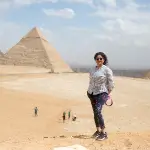
The major goal is to see the Pyramids of Giza, the only remaining Seven Wonders of the Ancient World. Walking around the Great Pyramid and feeling its amazing energy is the best feeling in the world. A two-hour tour of the Egyptian Museum will help you know more about this wonderful country, which was once home to one of the world’s greatest civilizations. The Coptic and Islamic areas of Cairo are also worth seeing.
Alexandria is the second largest city in Egypt and is known as the “pride of the Mediterranean”. It preserved many monuments of the Roman era, such as the amphitheater, the Pompey’s Pillar, the catacombs of Kom El-Shoqafa, and the Greco-Roman Museum, which includes many artifacts from the third century BC. The city also has a unique, warm and exciting atmosphere.
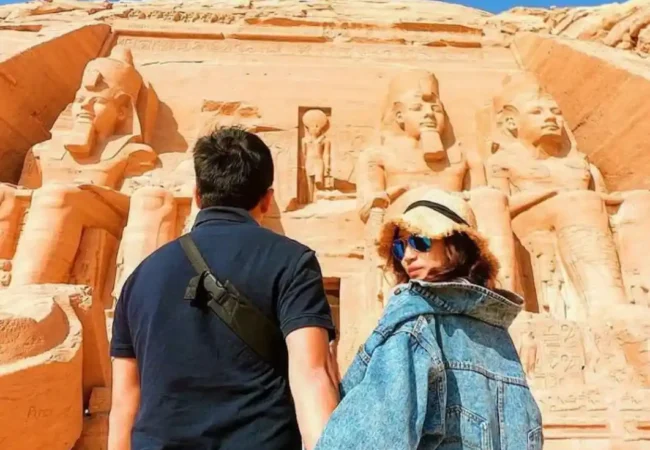
Luxor and Aswan are two other cities you should not miss. The most famous landmark in Upper Egypt is the 42-metre-tall unfinished obelisk, commissioned by Hatshepsut and carved into the rock; The Philae Temple dedicated to the worship of the goddess Isis; The magnificent world-famous Valley of the Kings, temples of Abu Simbel, and the mortuary temple of Queen Hatshepsut. People who want to learn about the past should put these places on their lists.
Sharm El Sheikh or Hurghada will be the best choice if you love beaches and water. You can easily find any water activity here, from diving and snorkeling to surfing. After all, this is an excellent place for buggy, camel, quad bike or 4*4 desert safari. The beach holiday is made even better by the enchanting “Arabian Nights” show with belly dances, Tannura and daring Bedouin equestrians performing amazing tricks.

Nile-Cruise-In-Easter-Traditions-in-Egypt-Egypta-Tours
A Nile cruise during Easter in Egypt looks like an enchanting experience! Easter usually falls in the spring, and it is a beautiful time to visit Egypt due to the nice weather.
During your Nile Cruise, you’ll journey along the world’s longest river, passing ancient temples, bustling cities and serene landscapes. Imagine waking up to the sunrise over the Nile River, enjoying traditional Egyptian cuisine on board, and exploring famous landmarks like Luxor, Aswan and the Valley of the Kings.
Easter adds another layer of importance to the trip, as Egypt has a rich history intertwined with different religious traditions. You may encounter Easter celebrations in local communities or witness how Egyptians celebrate the holiday.
Overall, a Nile cruise during Easter offers a unique blend of cultural immersion, historical exploration and natural beauty – an unforgettable experience for sure!
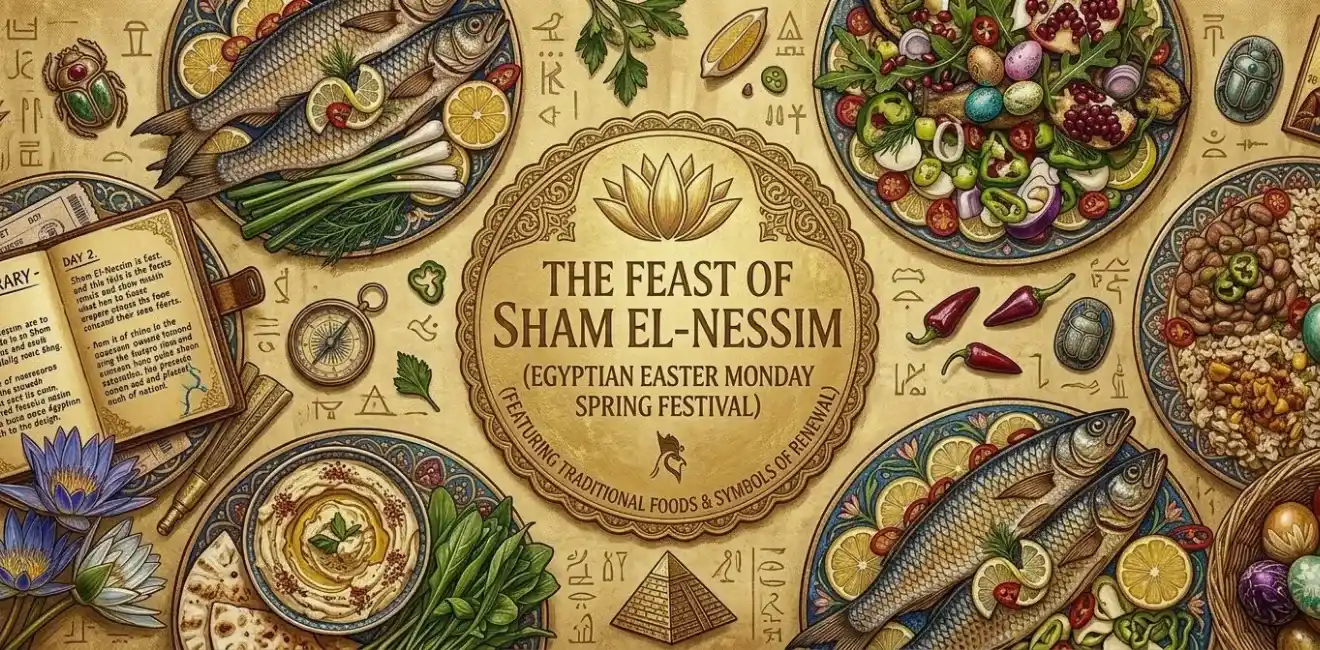
The-Feast-of-Sham-El-Nessim-Part- of-Easter-Traditions-in-Egypt-EgyptaTours
Sham El-Nessim is celebrated on the Monday following Orthodox Easter. It is observed by both Christians and Muslims as a secular national holiday rather than a strictly religious event.
Traditional foods play a big role in Easter traditions in Egypt, including Fesikh (fermented mullet), boiled eggs, lettuce and Malana, a green leafy vegetable. Fesikh is a salty, dried and fermented gray mullet preserved in a special way, considered auspicious and symbolic of fertility. In ancient times, offering this fish to the deities was believed to ensure a good harvest.
The preparation of Fesikh is a detailed process passed down through generations. In some families, it has become a specialized craft known as “Fasakhani.” The fish rests for several months before being consumed. Though this tradition is slowly fading, some families now use white fish meat instead. Hard-boiled eggs are painted with tempera colors and dried under the sun with some becoming real works of art. Coloring eggs remains one of the most popular Easter traditions in Egypt, just like in many parts of the world.

The-Weather-in-Egypt-During-Easter-EgyptaTours
Egypt has pleasant weather for most of the year, and during Easter, it becomes especially warm, sunny and perfect for outdoor activities. Daytime temperatures can reach around 30°C, while nights are cooler at about 12°C. Rainfall is rare during spring, giving clear skies ideal for sightseeing.
Long daylight hours allow travelers to explore Egypt fully, whether visiting the Pyramids, ancient temples or taking a Nile cruise. Easter is also a great time to enjoy coastal resorts like Hurghada and Sharm El-Sheikh. Planning your activities around these Easter traditions in Egypt ensures a memorable holiday experience.
In Egypt, the day after Easter is called Sham El Nessim, a national festival marking the beginning of spring with roots dating back to ancient Egyptian civilization. On this day, Coptic Easter Monday is celebrated on the same date as Orthodox Easter Monday. The day is part of a wider spring celebration known as Sham El Nessim and is also recognized as a national holiday throughout the country.
The date of Easter in Egypt differs from Western Easter because other Christian churches calculate the holiday based on the Gregorian calendar. Meanwhile, the Eastern Orthodox Church still relies on the older Julian calendar to determine the dates of religious feasts, including Easter.
The celebration follows the Julian calendar, similar to certain Western countries. During this period, Christians take part in egg hunts, the legendary Easter Bunny tradition, as well as Eastern parades, all accompanied by a variety of traditional and delicious Easter foods.
Easter is one of Egypt’s peak travel seasons, attracting visitors from all over the world. Many European travelers, in particular, use the holiday break to explore Egypt, meaning sites like the Pyramids of Giza, Nile cruises and temples in Luxor and Abu Simbel can get crowded. Naturally, accommodation prices increase during this time.
For a smoother, stress-free experience, booking a private tour with Odynovo is ideal. From itinerary planning to land tours, everything is arranged for you. With a private guide and vehicle, you can skip long lines, enjoy exclusive experiences and explore Egypt comfortably. Experiencing these activities with knowledge of Easter traditions in Egypt ensures a more meaningful and memorable holiday.

How-to-Plan-Your-Easter-Trip-to-Egypt-EgyptaTours
Easter is one of the busiest travel periods in Egypt so it’s important to book flights, accommodations and guided tours well ahead of time. This way, you secure the best options and avoid last-minute price spikes, especially if planning a Nile cruise or a stay at a Red Sea resort.
Egypt is welcoming to visitors but it’s important to be mindful of local customs, particularly in churches during Coptic Easter. Dressing modestly shows respect and being quiet during Holy Week services is appreciated.
Women can wear maxi dresses with sleeves or a shawl, while men should wear long trousers and shirts with sleeves. Avoid tight, sheer or overly revealing clothing.
Popular spots like the Pyramids of Giza, the Egyptian Museum and Luxor’s temples can get very busy. Start your day early or visit lesser-known attractions such as Dahshur’s pyramids or Abydos temples, for a more relaxed experience.
While days are warm and sunny, evenings can be cooler, particularly in desert regions and along the Nile. Pack light, breathable clothing for daytime activities and a light jacket or shawl for the cooler nights.
A private guide can enrich your experience by offering insider tips on the best places to visit, eat and shop. Guides also help you navigate busy areas during Easter, making your holiday smoother, safer and more enjoyable.
The history of Easter in Egypt is deeply rooted in long-standing customs and beliefs. Easter traditions in Egypt reflect a unique blend of Coptic Christian practices and ancient Egyptian seasonal celebrations. Early Christian communities in Egypt began observing Easter centuries ago, establishing traditions that are still followed today.
These celebrations are closely tied to key historical and religious events, most importantly the death and resurrection of Jesus Christ, which form the foundation of the Christian faith. This spiritual meaning remains at the heart of Easter traditions in Egypt, giving the celebration a strong religious and cultural identity.
In A.D. 325, the Council of Nicaea officially determined the date of Easter. It was set as the first Sunday following the first full moon after the spring equinox. This decision highlights how ancient astronomical traditions blended with Christian rituals, shaping the historical and cultural framework of Easter celebrations in Egypt.
Coptic Easter ceremonies play a major role in Easter traditions in Egypt. These ceremonies include special church services, prayers and sacred rituals that reflect the depth of religious devotion and the diversity of worship practices across the country.
Easter is also a time of joy, shared meals, and family gatherings. Communities come together to celebrate, emphasizing unity, togetherness and social bonds. These moments offer insight into traditions that have been passed down for centuries.
Sham El Nessim, the traditional spring festival, takes place on Easter Monday. With origins in ancient Egypt, it symbolizes rebirth and renewal. Families gather in parks and open spaces, enjoying traditional foods such as fesikh, lettuce and colored eggs, all of which are essential elements of Easter traditions in Egypt.
The combination of Easter customs and Sham El Nessim reflects Egypt’s national spirit. These celebrations go beyond religious boundaries and highlight the country’s rich cultural diversity. Through this blend of traditions, Easter traditions in Egypt represent a shared heritage embraced by different communities.
By exploring these customs, visitors gain a deeper understanding of Egypt’s long and layered history. The fusion of Coptic Christian traditions with ancient Egyptian rituals makes Easter in Egypt a truly distinctive experience, adding cultural depth and meaning to any holiday spent during this special time of year.
Enjoying Easter traditions in Egypt can be a culturally rich and spiritually fulfilling experience. Here are some ways to make the most of your vacation in Egypt:
Easter is an important religious holiday for Coptic Christians in Egypt. Consider attending Easter Mass at one of the historic Coptic Orthodox churches, such as St. Mark’s Coptic Orthodox Cathedral in Alexandria or the Hanging Church in Cairo . Services are usually held during the Holy Week preceding Easter.
Explore the unique traditions and customs connected with Coptic Easter Easter traditions in Egypt. This may include participation in special processions, liturgical celebrations and symbolic rituals.
Easter traditions in Egypt often feature special delicacies. Indulge in traditional Coptic dishes such as fatteh (a dish made of rice, bread, and meat in a garlic tomato sauce), kahk (sweet biscuits), and traditional Easter bread.
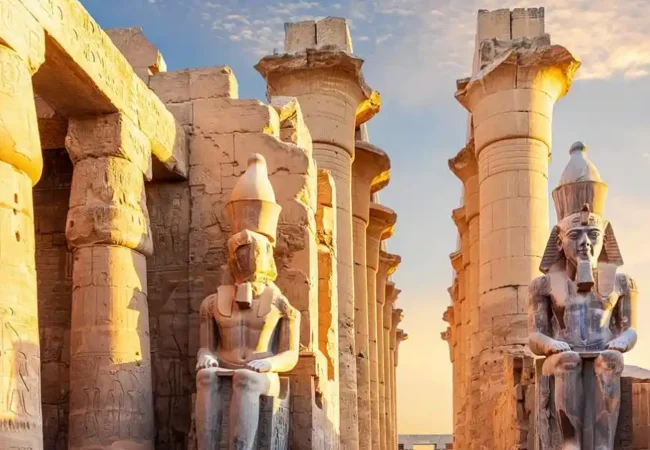
Take advantage of the holiday to explore Egypt’s cultural heritage, and rich history . Visit famous landmarks such as the Giza Pyramids, the Sphinx, Luxor Temple and Karnak Temple. Many attractions may have special events or extended hours during the holiday.
Get into the festive atmosphere by joining Easter celebrations in local communities. You may come across street performances, concerts and other cultural events taking place during the holiday.
Wander the bustling bazaars and souks to enjoy the vibrant sights, sounds and flavors of Egypt. Purchase handicrafts, souvenirs, and local delicacies to commemorate your Easter holiday experience.
Depending on the weather and your location in Egypt, consider spending some time outdoors. Whether it’s a fun felucca ride along the Nile River, a desert safari in the desert, or snorkeling in the Red Sea, there are plenty of outdoor activities you can enjoy during Easter.
Easter can also be a time for relaxation and reflection. Take some time to relax at a luxurious spa, lounge by the pool, or simply enjoy the serene beauty of Egypt’s landscape.
8 Days Egypt Easter Holiday package
7 Days Easter Holiday in Egypt
Easter in Egypt is celebrated by Coptic Christians on the date set for Easter in the Coptic calendar, which usually falls on a different date than Western Easter. It can be in March or April.
The majority celebrating Easter in Egypt are Coptic Orthodox Christians, with smaller Coptic Catholic and Orthodox communities also observing it.
Holy Week features daily church services, special hymns, and readings. The most attended service is the Holy Saturday night vigil leading into Easter Sunday.
Major churches in Egypt include St. Mark’s Cathedral in Cairo and other large Coptic churches across Alexandria, Cairo, and Minya. People also attend local parish services.
Many families share a festive meal after the Easter liturgy. Traditions vary by family and region, but gathering with relatives is common.
Yes, some coastal families eat feseekh (fermented fish) around Sham el-Nasīm, a spring holiday often linked to the Easter period. It’s traditional in parts of the country but not universal.
Yes. Red-dyed eggs are a common symbol of Easter in many Coptic communities, used for decoration and gifts.
Families might prepare simple, celebratory dishes such as fresh bread, dips, salads, and locally preferred dishes. The exact menu varies by family and region.
Churches and homes may be decorated with flowers, icons, and candles. Processions or vigil prayers sometimes accompany the celebrations.
Children often participate in church services, receive sweets, and may help decorate eggs or attend family gatherings.
Easter itself is not a nationwide public holiday, but many Coptic Christian communities close for the Holy Week and Easter services; schools and some businesses may adjust schedules in affected areas.
Holy Saturday is a day of reflection and preparation, leading to the Easter vigil with prayers, readings, and communion in many churches.
Yes. Coastal areas have traditions around feseekh and seafood, while inland communities may emphasize different foods and local customs. Church practices also vary by parish.
Visitors and friends are typically welcome to participate respectfully in services and family meals, but many solemn rites are held within church settings.
Visit a local Coptic church during Holy Week for a respectful observance, or check with local Coptic organizations or parish websites for event schedules and

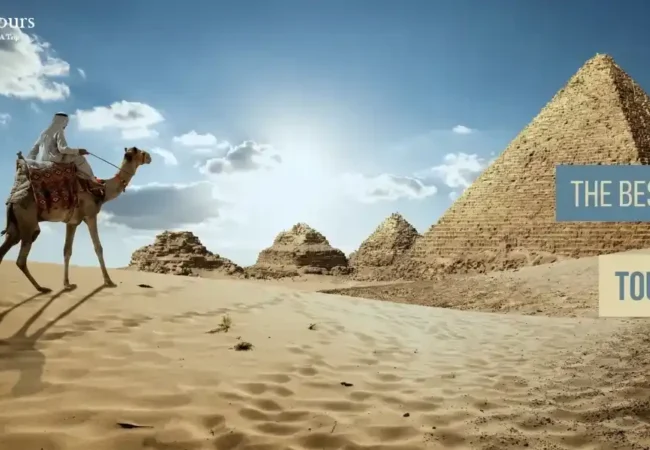
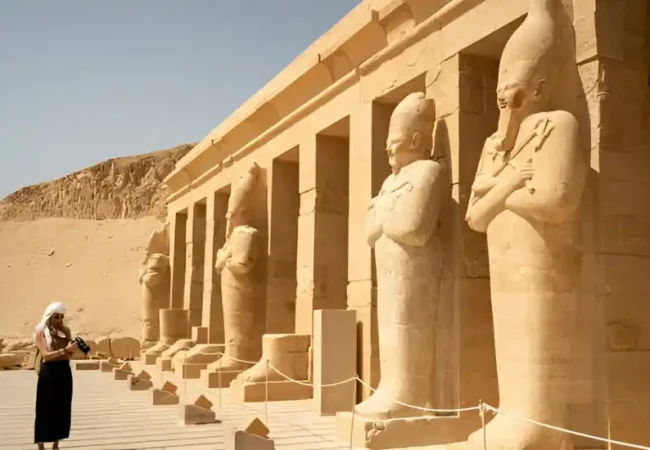

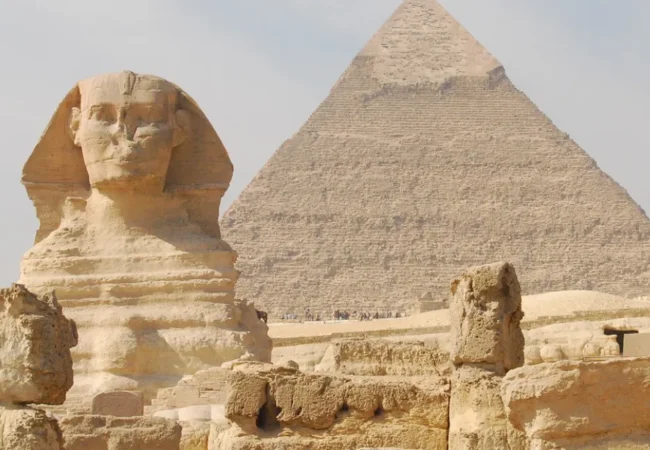


Explore our top-rated Egypt travel packages and embark on an unforgettable journey. From the Pyramids of Cairo to the magical temples of Luxor, Aswan, and Abu Simbel, discover expertly curated tours designed for your perfect Egyptian adventure