New Kingdom Egypt: The Golden Age of the Pharaohs
The history of ancient Egypt is divided into three major periods: the...



Ancient Egypt and ancient Greece are among the most famous civilizations that shaped human civilization. Egypt emerged in the third millennium BC on the banks of the Nile and established the foundations of advanced science, art, religion, and culture. Meanwhile, Greece emerged in the late second millennium BC on the shores of the Aegean Sea as a cradle of philosophy, democracy, and logical thought.
Although direct contact between the two civilizations was not always intense Egypt had a tangible influence on shaping Greek thought. Conversely the Hellenistic era established a period of cultural fusion that extended throughout Alexandria and all the cities of the Mediterranean.
This cultural cross-pollination left profound marks in various fields from mythology to architecture from logic to art.
The ancient Egyptian and ancient Greek civilizations held a significant place in human history as each represented a unique model of thought, culture, and political and religious organization.
Ancient Egypt with its civilization spanning thousands of years laid the foundations of a centralized state based on absolute pharaonic authority supported by religious and spiritual foundations rooted in the concepts of immortality and the sanctification of kings.
Ancient Greece, on the other hand, witnessed a broad political diversity represented by independent city-states (polises) which adopted various forms of government the most important of which was democracy in Athens which constituted one of the first building blocks of Western political thought.
In terms of cognitive structure ancient Egypt excelled in the development of astronomy engineering, and medicine using a unique writing system the hieroglyphs. Meanwhile Greece contributed to formulating the first principles of philosophy, logic, and the experimental sciences, and produced great thinkers such as Plato, Aristotle, and Socrates.
Although interaction between the two civilizations was limited in the early stages when Alexander the Great conquered Egypt in the fourth century BC he brought about a major cultural convergence between the two worlds manifested in the founding of the city of Alexandria which became a global cultural and scientific center where the spirit of the East blended with the spirit of the West.
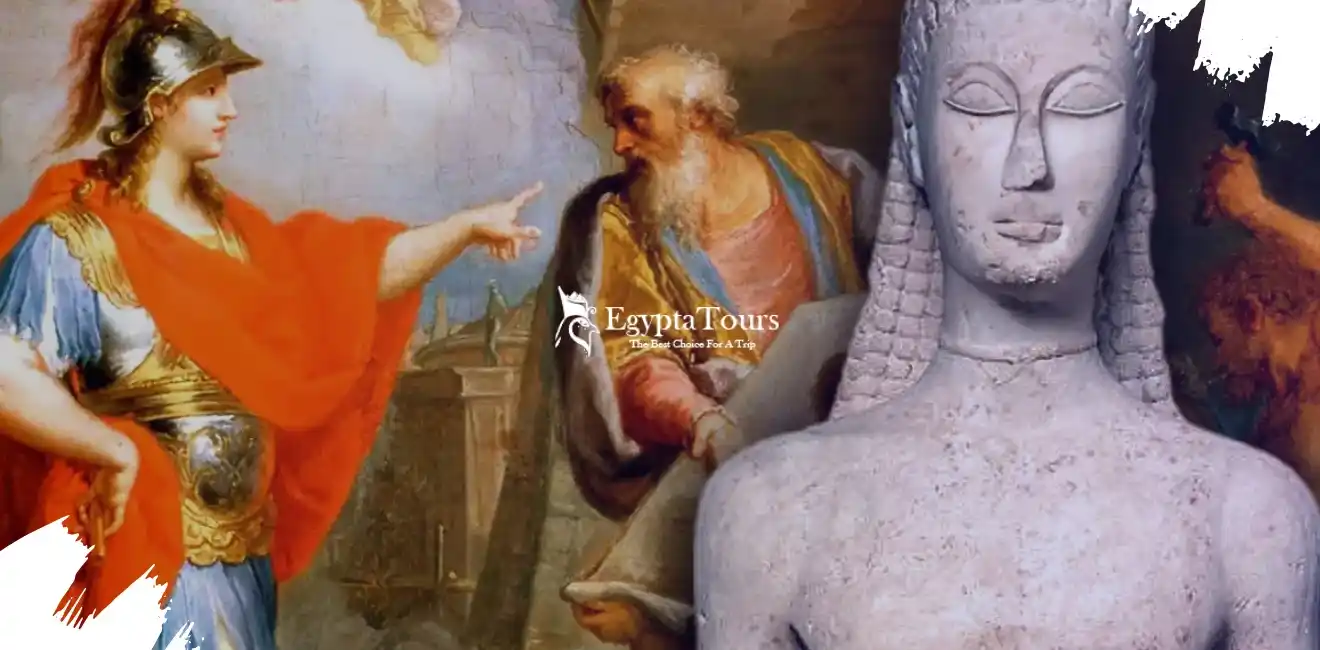
How-did-Egypt-influence-ancient-Greek-culture-EgyptaTours
The question “How did Egypt influence ancient Greek culture?” is an essential entry point for understanding the cultural overlap between ancient Egypt and ancient Greece, two of the greatest civilizations of the ancient world.
Despite the geographical distance between Egypt and Greece the intellectual, cultural, and religious ties between them were deep and complex continuing for centuries.
This relationship was not merely a commercial or military relationship; it was an intellectual and cognitive exchange that left a clear imprint on various aspects of Greek life from philosophy to architecture, from science to mythology.
Egypt with its established civilization spanning thousands of years contributed to shaping the cultural consciousness of the Greeks. This was evident in myths, arts, philosophies, sciences, and even in the political and economic structures adopted by the Greeks during certain periods of their history.
Myths in both ancient Egyptian and ancient Greek civilizations contributed to shaping the popular understanding of the universe and its origins. Researchers have found striking similarities between Egyptian and Greek cosmological myths:
The Egyptian goddess Isis and the Greek goddess Demeter are important examples of the similar religious and social roles of deities in ancient Egypt and ancient Greece.
Isis was the goddess of motherhood, life, and rebirth, and is best known for her myth with Osiris where she revives her husband and nurtures his son Horus.
She was later worshipped throughout the Hellenistic world.
Demeter is the patroness of agriculture and fertility in Greek mythology, and her myth appears in the story of the abduction of Persephone reflecting the cycle of life and death.
The Egyptian influence on Greek art was evident particularly in ancient statues in ancient Egypt and ancient Greece. Ancient Greek kouros statues followed the same strict Egyptian pose with the statue standing upright with the left foot forward. However the Greeks gradually developed this style toward realism adding precise anatomical details.
Some Egyptian symbols such as the lotus flower and the sacred eye were also incorporated into Greek architectural and pottery motifs.
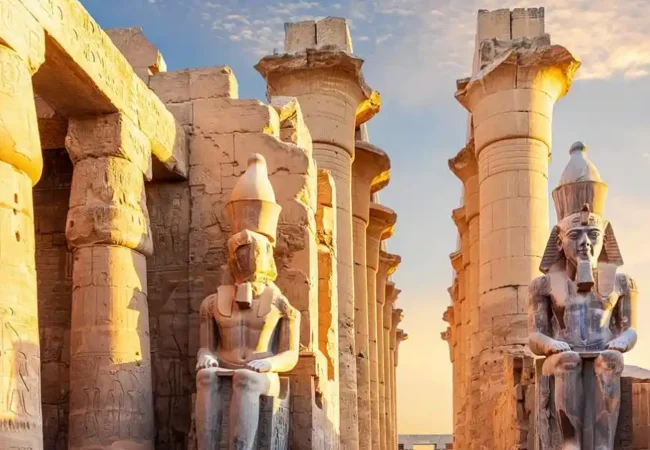
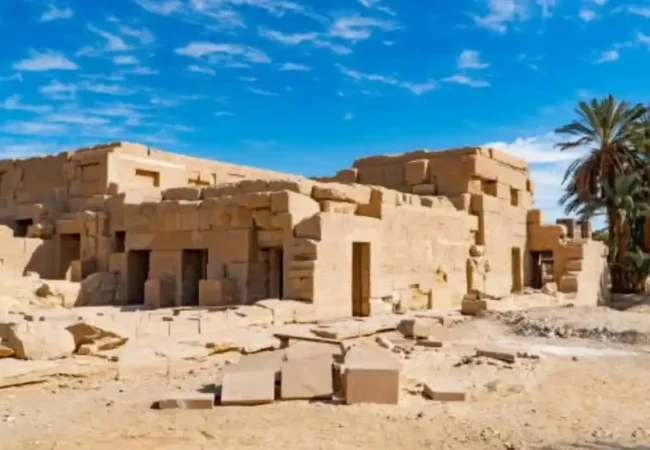
Greece drew inspiration for the design of its columns from Egyptian columns which ended in plant capitals such as papyrus and lotus. The astronomical alignment of temples, an original architectural feature, appeared in the temples of Karnak and Luxor, and in some Greek temples such as Delphi.
During the Ptolemaic period architectural styles merged in Alexandria where temples combining the two designs were built.
These sciences were prominent in both ancient Egypt and ancient Greece:
The Egyptians used practical medicine and accurate diagnosis and recorded therapeutic prescriptions in their papyri. Greek physicians such as Hippocrates and Herophilus visited Egypt to study medicine particularly at temples such as Edfu and Dendera, and this influenced technology.
Mummification techniques in Egypt were based on Greek anatomy, paving the way for the practice of surgery and scientific dissection.
Alexander the Great founded the city of Alexandria as a bridge between ancient Egypt and ancient Greece. It became a capital of science and culture with the Library of Alexandria housing millions of manuscripts including ancient Egyptian texts that were re-read and analyzed by Greek thought.
The Ptolemies established a system of government that blended the Greek state with Egyptian beliefs and established the cult of Serapis which united Osiris and Hades.
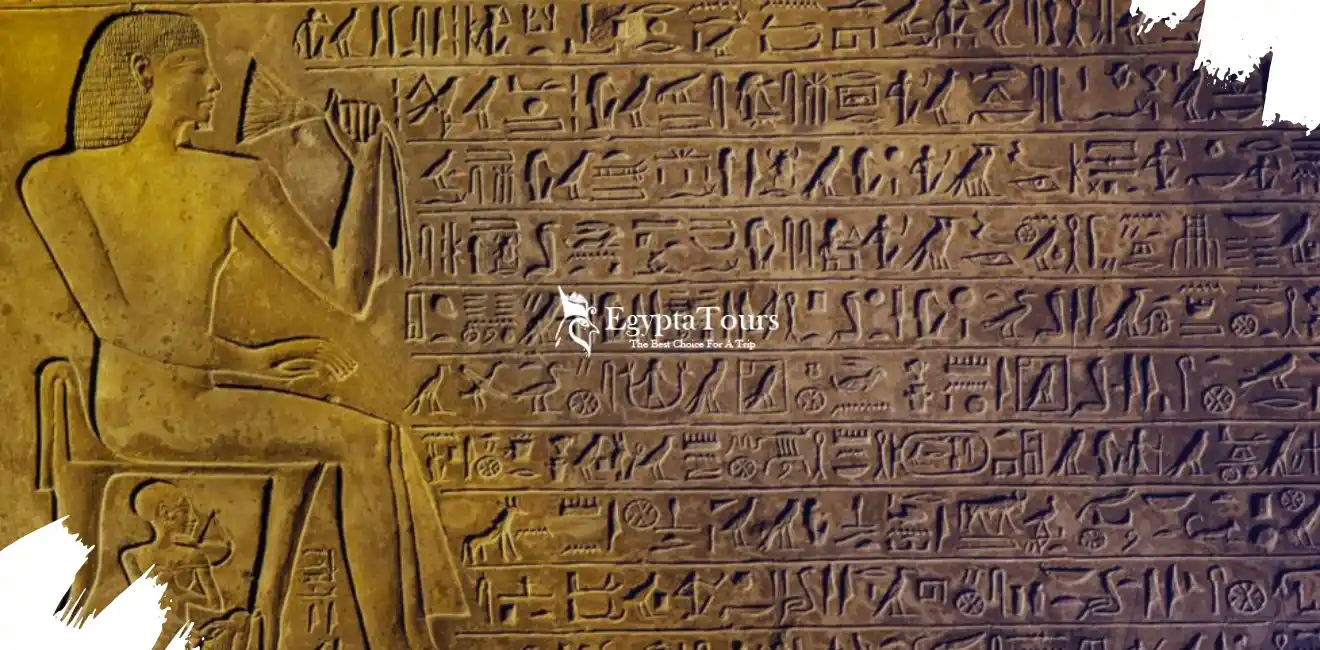
Egypt-in-the-Writings-of-Herodotus-and-Plato-EgyptaTours
Herodotus spoke with admiration of Egypt considering it the cradle of wisdom and documenting its religious and medical practices. Plato on the other hand referred to Egypt in his dialogues believing that true knowledge began in the Nile Valley.
Plutarch also delved deeply into Egyptian mythology and wrote about it in his philosophical works highlighting its relationship to Greek thought.
Egypt was a major source of wheat, gold, and papyrus making it the cornerstone of the Greek economy. The Ptolemies used money as a political and cultural tool combining symbols of Egyptian gods with Greek inscriptions on their coins.
This combination helped impose political legitimacy and foster harmony between the two peoples.
Ancient Egypt, one of the oldest civilizations in the world, emerged around 3100 BCE when Upper and Lower Egypt were unified under the first pharaoh. Its history spans more than 3,000 years, reaching its peak during the New Kingdom (c. 1550–1070 BCE). Egypt was known for its stable society, monumental architecture, and profound religious beliefs.
On the other hand, Ancient Greece’s rise began around 800 BCE and flourished until the conquests of Alexander the Great in the 4th century BCE. Unlike Egypt, Greece was never a unified nation but instead was divided into city-states, each with its own government, culture, and identity.
The most prominent city-states were Athens, Sparta, and Corinth, which contributed significantly to the political and intellectual developments of Western civilization.
Ancient Egypt was ruled by pharaohs who were considered divine monarchs. The pharaoh’s word was law, and their role was not just political but also religious. The pharaoh was seen as a living god, a representative of the gods on Earth, and the center of political and religious power.
In contrast, Ancient Greece operated under a system of independent city-states or poleis, each with its own form of government. Athens, for example, is credited with developing the concept of democracy, where citizens had the power to vote on laws and decisions. Sparta, in contrast, was a militaristic society ruled by a dual monarchy, and other city-states like Corinth had oligarchies or tyrannies.
While pharaohs were considered gods, Greek kings were political leaders and military commanders rather than divine figures. This distinction highlights the religious and political role the pharaohs played, which was not mirrored in Greek governance. The Greek king’s power was often subject to the influence of the aristocracy or the people, especially in democratically governed states like Athens.
In Ancient Greece, especially Athens, democracy allowed free men to participate in political life. Citizens were expected to vote on laws, elect leaders, and engage in public debates. In contrast, Egypt operated under a theocratic monarchy where the pharaoh had absolute power, ruling with the belief that their reign was ordained by the gods.
Religion played a central role in both societies, but Egypt’s pantheon was vast, and their gods were often tied to specific aspects of life and nature. Ra, the sun god, was one of the most revered, and Osiris, the god of the afterlife, was central to Egyptian beliefs about life after death.
Greek mythology is equally rich but differs in its portrayal of gods as anthropomorphic beings with human traits. Zeus, the king of the gods, Hera, Poseidon, and other Olympian gods were seen as ruling forces of nature and society, influencing everything from war to love.
The Greek gods were seen less as providers of direct protection and more as powerful figures whose stories explained natural events and human emotions.
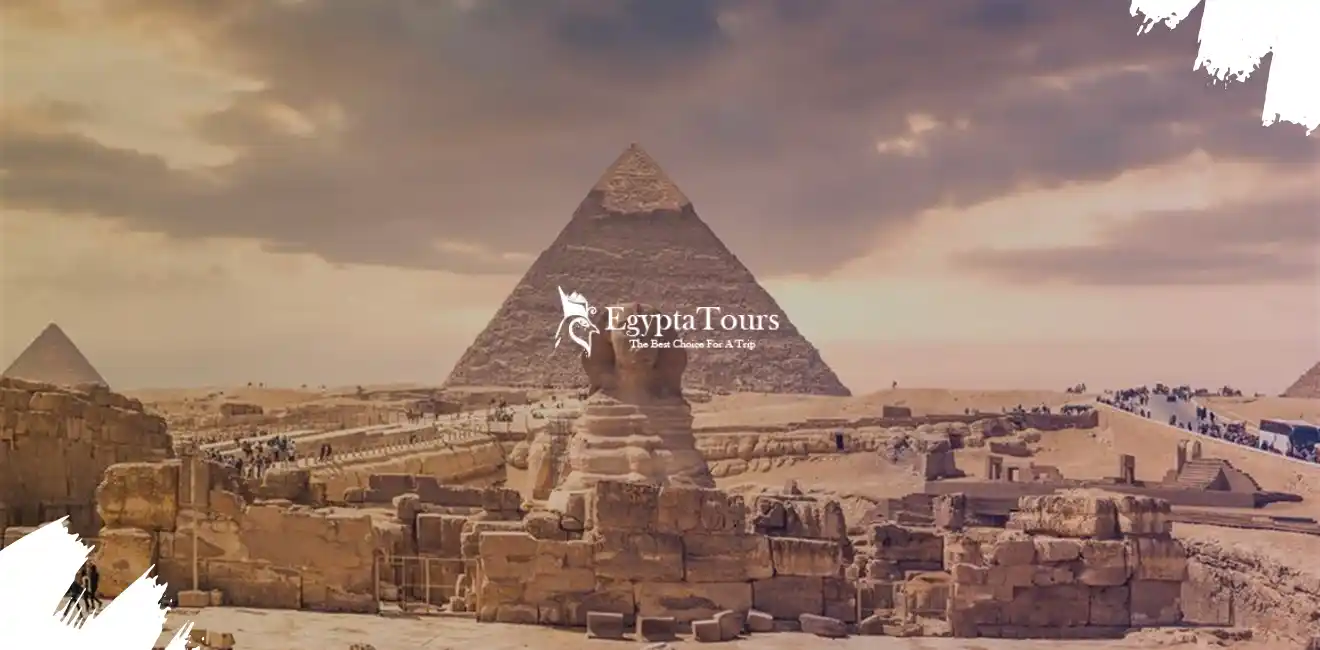
Ancient-Egypt-and-Ancient-Greece-Art-and-Architecture-EgyptaTours
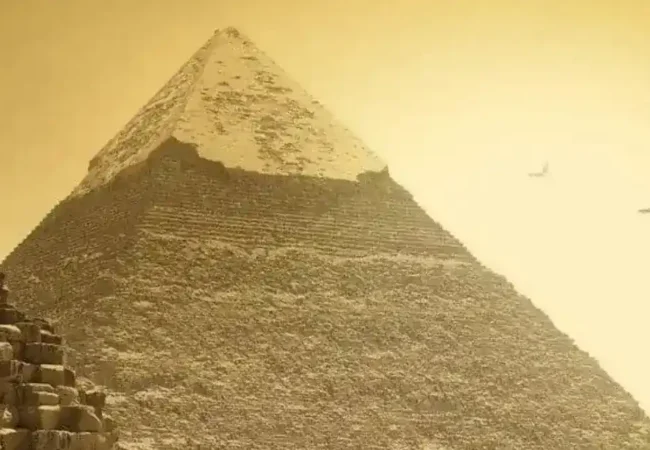
The most iconic structures of Ancient Egypt are the pyramids, especially the Great Pyramid of Giza, which has stood the test of time for over 4,500 years. These monumental tombs were built to honor pharaohs and to ensure their safe journey to the afterlife.
Egypt is also famous for its grand temples, including the Temple of Karnak, which reflected the belief that the pharaohs were gods on Earth.
Ancient Greece also contributed iconic architectural achievements, particularly the development of the classical orders—Doric, Ionic, and Corinthian. The Parthenon in Athens, dedicated to the goddess Athena, is perhaps the best-known example of Greek architecture. These structures focused on symmetry, harmony, and proportion, elements that continue to influence modern architecture.
Ancient Egypt made significant contributions to medicine, with records of surgical procedures, treatments for wounds, and remedies for ailments. The Egyptians were also advanced in the fields of astronomy and mathematics, with their knowledge of geometry helping them build the pyramids and other monumental structures.
In contrast, Ancient Greece is credited with being the birthplace of Western philosophy. Thinkers like Socrates, Plato, and Aristotle laid the foundations for logic, ethics, and metaphysics. Greek contributions to mathematics, astronomy, and physics were also groundbreaking, with figures like Euclid, Archimedes, and Pythagoras shaping these fields.
In Ancient Egypt, women had a relatively high status compared to other ancient civilizations. They could own property, initiate divorce, and even rule as pharaohs, as seen in the case of Cleopatra. Egyptian society was less patriarchal than other ancient societies.
Greek society, especially in Athens, had a more rigid social hierarchy. While citizens were free, women and slaves were excluded from political participation. The roles of women were largely confined to the household, and slavery was an essential part of Greek life, especially in Sparta and Athens.

Ancient-Greece-Legacy-and-Influence-EgyptaTours
The contributions of Ancient Egypt have left an indelible mark on art, architecture, and religion. The pyramids and temples still awe modern visitors, and Egyptian mythology continues to influence literature and culture worldwide.
The legacy of Ancient Greece is perhaps even more profound in shaping Western thought, particularly in philosophy, politics, and science. The Greek emphasis on reason, democracy, and intellectual inquiry paved the way for the Renaissance and the modern age.
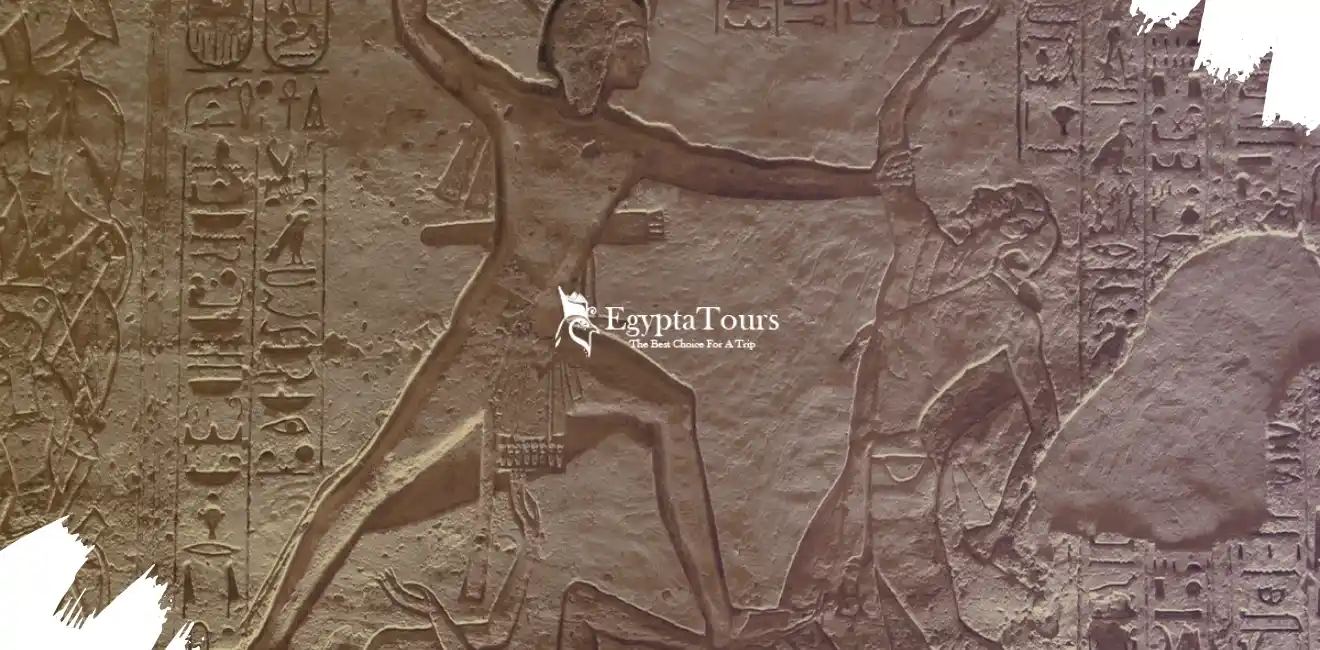
Key-Differences-Between-Ancient-Egypt-and-Ancient-Greece-EgyptaTours
While the Egyptians were obsessed with the afterlife, building elaborate tombs and practicing elaborate burial rituals, the Greeks had a more varied perspective. While many Greeks believed in an afterlife, it was often seen as a shadowy existence rather than a glorious one.
Slavery was a widespread practice in both civilizations, but the nature of slavery differed. In Egypt, slaves were often prisoners of war or people born into servitude, while in Greece, slaves were primarily used for domestic labor, mining, and agriculture.
The relationship between ancient Egypt and ancient Greece was not just a passing page in history, but rather a cultural experience that left a profound impact on human thought.
The Greeks passed on the keys to knowledge from the Egyptians and were influenced by them in every area of life. Alexandria was a symbol of this cultural cross-pollination as Egyptian wisdom merged with Greek rationalism to create a global civilization whose influence extended into the Middle Ages and the Renaissance.
For Greece Egypt was an endless source of inspiration, a fundamental cultural platform that helped foster the renaissance of Greek thought making this interaction one of the most important aspects of cultural communication in human history.
Yes, Greece adopted religious and mythological concepts partially derived from Egypt. The historian Herodotus explained that Egyptian origins contributed to the formation of Greek beliefs, and that some Greek deities shared aspects or functions with Egyptian temples and rituals.
The spread of the cult of Isis in the Hellenistic period led to the emergence of rituals similar to the Eleusinian mysteries in Greece demonstrating this profound spiritual intermingling.
The Greeks learned many principles from the Egyptians in the fields of mathematics astronomy, and medicine. Sources indicate that pioneers such as Pythagoras asked Egyptian priests to study space and symmetry, and some geometric surveying techniques were adopted from Egypt.
Philosophers such as Thales and Plato traveled in search of wisdom and formulated the concept of cosmic order and mathematical relationships from Egyptian geometry.
Founded in the Delta around 630 BC the city of Naucratis was a commercial and cultural center through which knowledge flowed between Egypt and Greece. It opened Egypt’s doors to Greek merchants, artists, and scholars with whom they exchanged pottery architecture, and ideas. This city became an important source for redefining Egyptian art in Greek workshops on the Ionian coast and later on the Greek mainland.
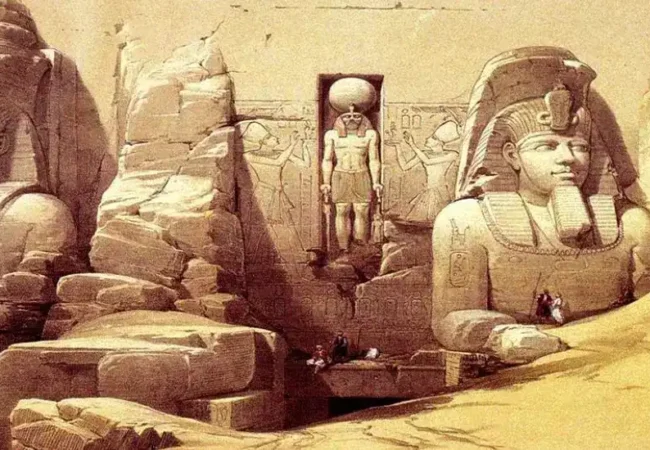

Explore our top-rated Egypt travel packages and embark on an unforgettable journey. From the Pyramids of Cairo to the magical temples of Luxor, Aswan, and Abu Simbel, discover expertly curated tours designed for your perfect Egyptian adventure