Discover the Captivating Ancient Egyptian Creation Myth & Story
The ancient Egyptian creation story is complex, and there are different ways...



🔑 Key Takeaways
🌾 The Economy
📜 Status & Society
🩺 Skill & Specialization
⚒️ Everyday Life
Work in ancient Egypt looked nothing like a single job description. People farmed, built, healed, traded, wrote, and prayed for a living, and what you did said a lot about your place in society. This article walks through what people actually did to earn a living in ancient Egypt, and what a normal working day looked like depending on where you sat in that social order.
The most common job in ancient Egypt was farming. The Nile flooded every year and left behind rich, fertile soil along its banks, so most people ended up working the land, growing wheat, barley, and vegetables. That farming surplus is really what paid for everything else. The taxes and food it produced funded the temples, the monuments, even the pyramids.
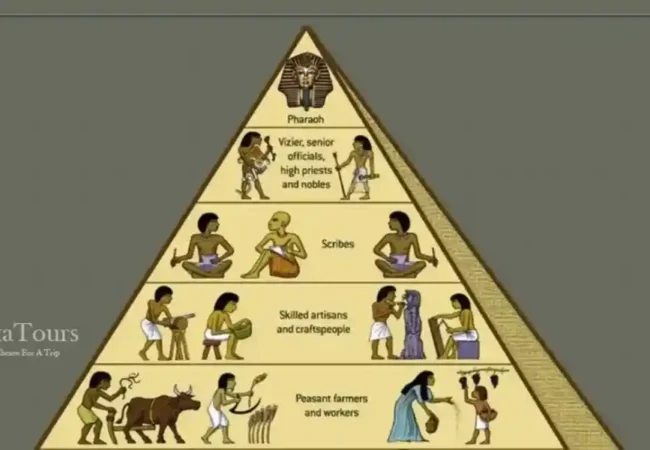
Every occupation had its place in keeping Egyptian society running. Jobs connected to religion or government tended to carry more weight and status, which makes sense given how central those institutions were to everyday life. Here’s a closer look at the roles that shaped life in ancient Egypt.
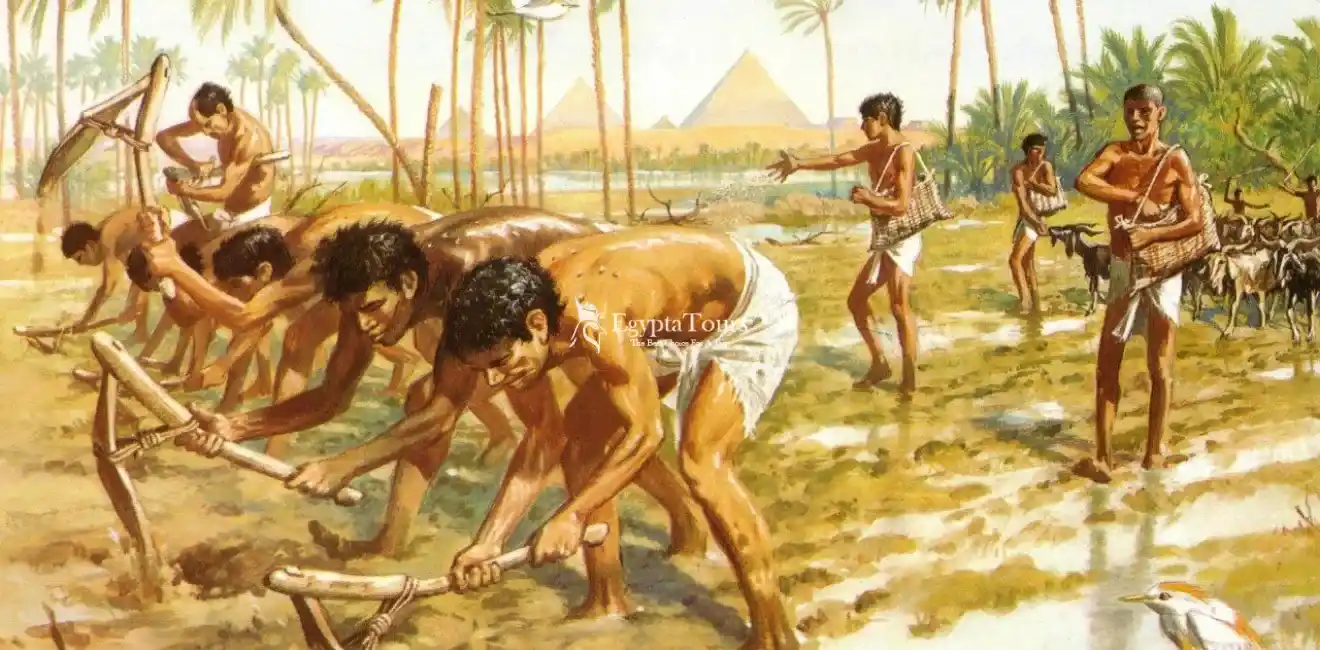
Ancient Egyptian farmers working fertile fields along the Nile River
Agriculture was the backbone of the Egyptian economy. It provided both income and food, and it all depended on the Nile. When the river flooded each year, it left the soil fertile enough to grow staples like barley, wheat, and vegetables.
Still, despite how much the economy relied on them, farmers didn’t hold much social status.
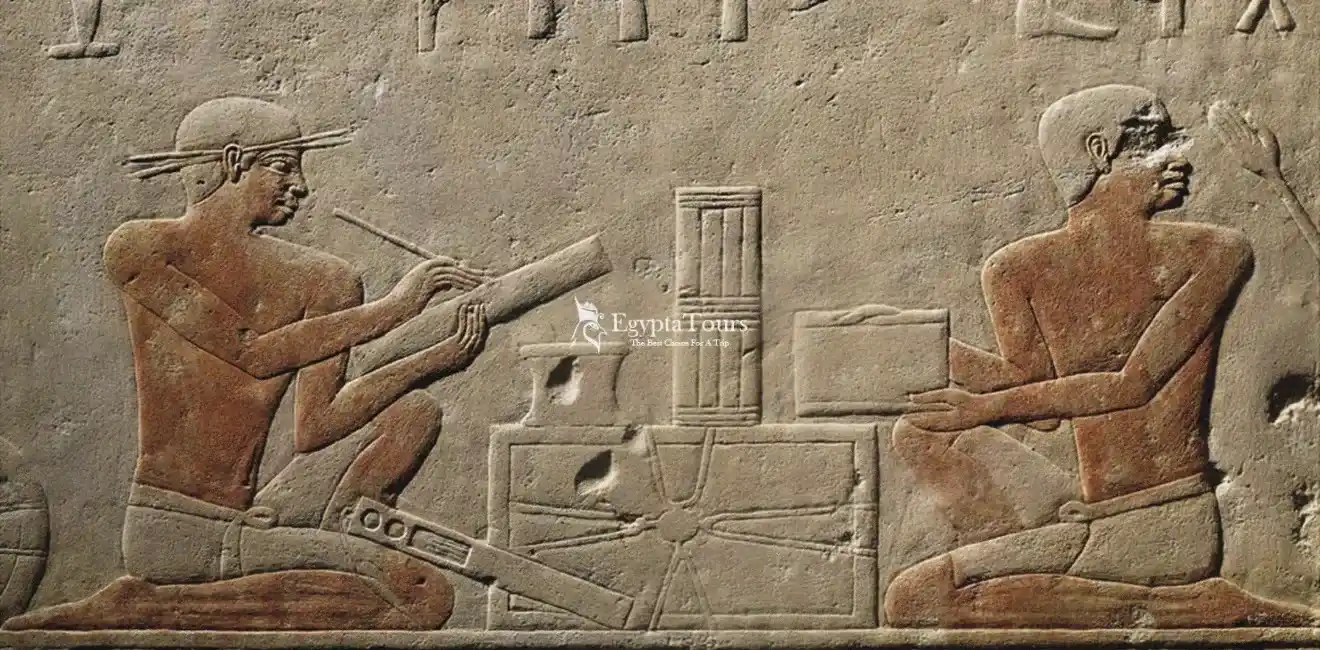
Ancient Egyptian scribe writing hieroglyphic records on papyrus
Scribing was one of the more respected jobs you could have in ancient Egypt. Most people couldn’t read or write, so anyone who could was automatically part of a small, educated group with real influence.
Scribes did a bit of everything: managing state records, tracking crops and taxes, drafting official documents, and working closely with officials and rulers. That range of responsibility is a big part of why they were so well regarded.
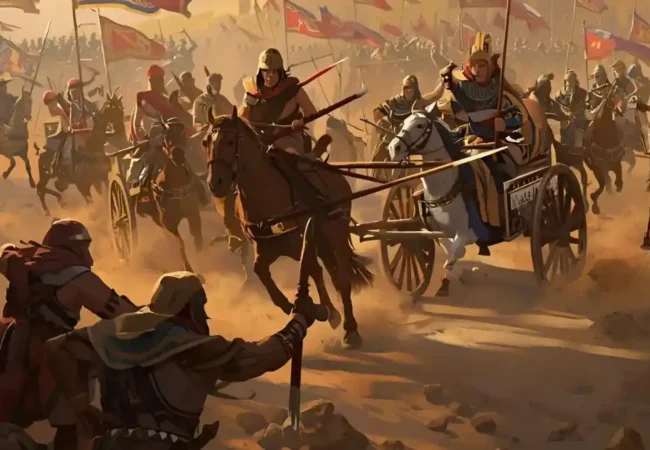
Soldiers were able to achieve security and stability for the country, as they were responsible for defending against any invasions or external threats. Besides that, they participated in military campaigns to expand Egypt’s influence and accompanied the pharaohs in battles and conquests, in addition to contributing to many civil works.
Joining them was a great opportunity, as those who joined received promotions and rewards that helped enhance their status in society.
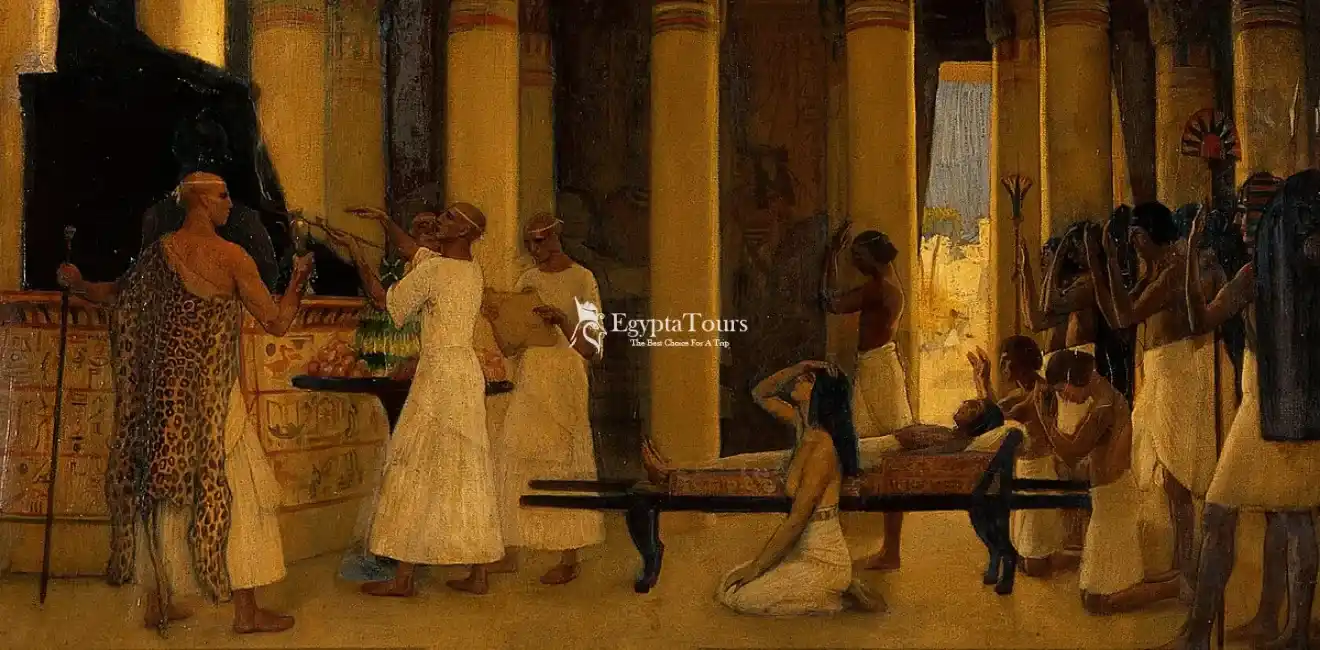
Ancient Egyptian priest performing temple rituals for the gods
The profession of priests was linked to caring for temples and serving the gods, so they enjoyed a high status in society. The ancient Egyptians mistakenly believed that priests were intermediaries between the gods and them.
Their tasks were varied, from reciting prayers, cleaning statues, to presenting offerings. Some of them participated in religious festivals, interpreting dreams, and other tasks, in addition to special rituals followed in cleanliness and food, so their lives were highly organized.
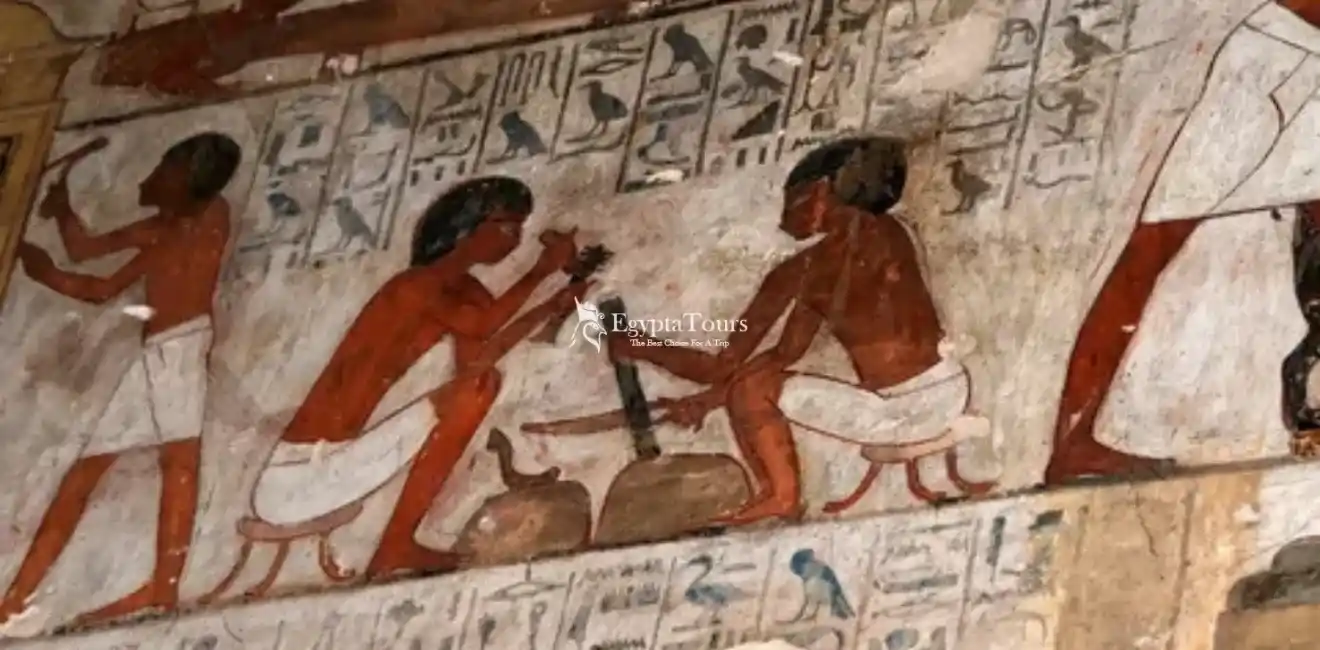
Ancient Egyptian builders and artisans constructing the pyramids
Artisans were one of the Ancient Egypt Jobs who contributed to the making of civilization, including builders, sculptors, and painters. Their roles were as follows:
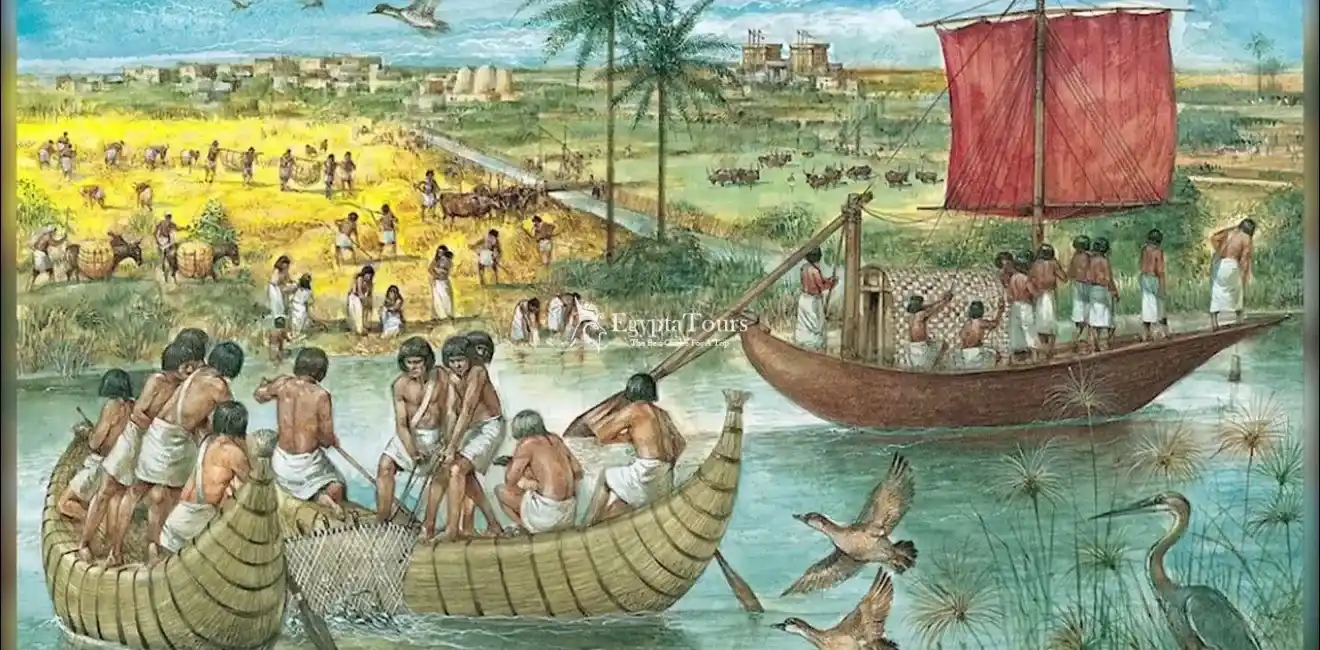
Ancient Egyptian fishermen casting nets from a boat on the Nile
The fishing profession was an important one, where the fisherman would cast his handmade nets from a small boat and catch many different types of fish with his expertise.
Fishermen were fully aware of the secrets of the waves, currents, and suitable fishing times. Some of them preferred hunting, tracking animal trails in the jungles, and then skillfully hunting the animals. Thus, they had a vital role in the economic growth of ancient Egypt.
Egypt became self-sufficient thanks to trade and was able to become an economic and cultural center between Asia and Africa.
They exchanged goods and imported what they did not have, such as perfumes or cedar wood. All this was due to the merchants who transported goods either in the desert by carrying goods on the backs of camels, or on the Nile by carrying goods in boats and sailing them.
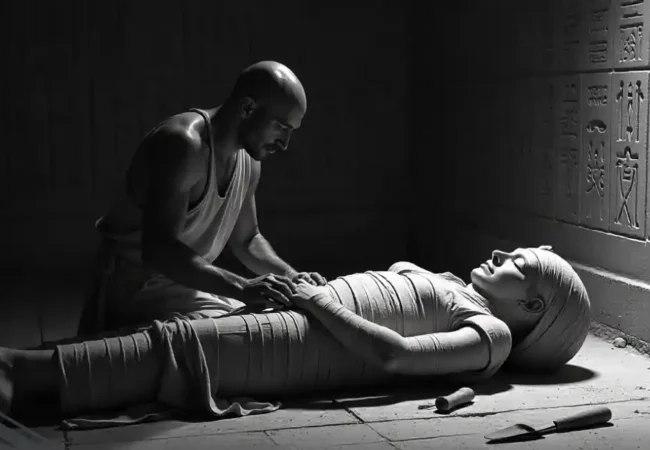
Medicine in ancient Egypt was more advanced than people often assume, and it mixed practical treatment with religious belief. Physicians worked with remedies made from plants and minerals, and some focused on specific areas like surgery, eye care, or internal medicine. A lot of what we know about this comes from surviving texts, like the Edwin Smith Papyrus, which covers surgical injuries, and the Ebers Papyrus, which lists remedies and prescriptions.
Because of that expertise, doctors were trusted enough to treat priests and kings directly, and their role went well beyond just treating the sick.
Workers of Deir El-Medina and Building Royal Tombs
Deir el-Medina is also where one of the earliest known labor strikes in recorded history took place. Around 1170 BCE, under Ramesses III, the tomb workers stopped working after their wages, paid in grain, were late. We know this from ostraca, broken pieces of pottery the workers used to jot things down, which recorded the dispute.
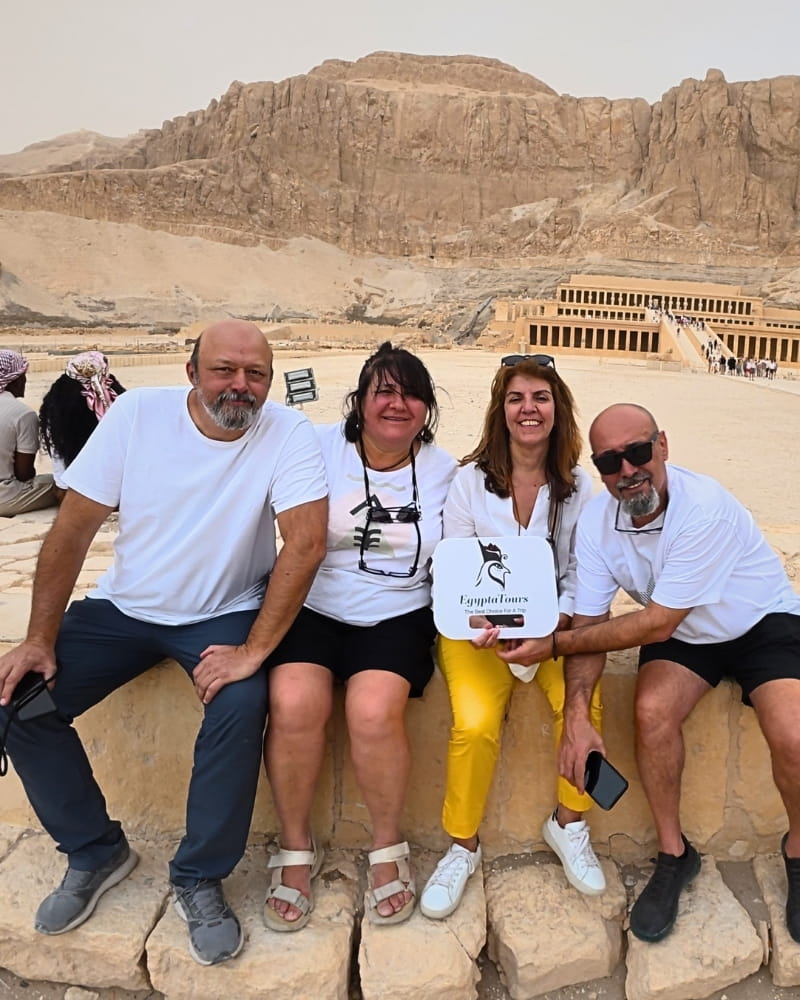
Temple-building projects like Hatshepsut’s mortuary temple at Deir el-Bahri would have employed many of these same skilled builders, sculptors, and painters.
A few things stand out once you look closer at how these jobs actually worked day to day:
Work in ancient Egypt was far more varied than people usually picture, and it was closely tied to where you stood in society. Farming kept the population fed and the state funded, while roles like scribing and priesthood carried more social weight than their numbers would suggest. Put together, these jobs kept one of the ancient world’s longest-lasting civilizations running.
Farming, by a wide margin. The Nile flooded every year and left the land around it fertile, so most Egyptians, no matter where they lived, worked the land in some form.
They worked in agriculture due to the availability of fertile land. They also worked in crafts that met the needs of the Egyptian people, such as pottery, carpentry, and others.
There were many roles in ancient Egypt, including priests responsible for religious rituals, soldiers to protect the country’s security, and officials to manage administrative affairs.
The main profession was agriculture, which the Egyptians relied on to provide food and grow the economy. Farmers worked diligently, relying on the annual Nile flood.
The jobs of the lower class were varied. They worked as domestic servants, in agriculture, construction, and crafts. These jobs were very important for the continuity of life.
They had multiple roles, working in various professions such as trade, agriculture, government jobs, and in the army and police, all of which helped society prosper.
Many worked in ancient Egypt, including priests, workers, farmers, officials, soldiers, artisans, doctors, fishermen, sculptors, and painters.


Explore our top-rated Egypt travel packages and embark on an unforgettable journey. From the Pyramids of Cairo to the magical temples of Luxor, Aswan, and Abu Simbel, discover expertly curated tours designed for your perfect Egyptian adventure