





God Ptah in Ancient Egyptian Mythology
Egyptian mythology is the origin of the universe, so the world interpreted it as the mother or womb from which all existing things emerged, definition in a simpler way, as they are those sacred stories that the ancient Egyptians believed in, and they were distinguished by their philosophical We can simplify the sterility.
God-Ptah-ancient-Egyptians-EgyptaTours
The most important king and ruler of the ancient Egyptians the god Ptah who was an Egyptian deity among the pantheon of Egyptian gods and goddesses.
The creator of everything, The Creator of Bliss and the Earth, the Lord of all that exists and does not exist, the father of the sun god, the Lord of truth, and the father of the fathers of gods.
These are some of the names of Ptah The Egyptian God, the creator deity of the ancient Egyptians who lived before all things.
learn about who the god Ptah is?
He is one of the greatest gods of the ancient Egyptians. He was imagined to be the Lord of the universe and the creator of everything.
He was unlike most of the ancient Egyptian gods.
The inhabitants of Egypt did not consider Ptah to be uncreated. Therefore, he existed before anyone and anything.
He created the world and all living things, including God. his words, and as the legend said, Ptah created the The other gods through the world by thinking about it and imagining it, and then he began to translate his thoughts into magical words.
When Ptah spoke these words, the material world began to appear.
Ptah was responsible for his creations and protecting them.
He was the holder of the royal family and he was the protector of craftsmen, metalworkers, and shipbuilders, so he was a lover. And every work that is created is destined.
Ptah had several titles that indicate his role in the ancient Egyptian religion, including Ptah the Beautiful Face, the Master of Truth, the Hearer of Supplications, the Master of Ceremonies, the Master of Eternity, the God Who Made Himself into a body.
Let us learn from the derivative of the name Ptah and what is its origin.
Egyptian God Ptah Meaning
The name of the Egyptian god Ptah, written in Egyptian as Ptḥ, is usually interpreted to mean “the Opener,” “the one who strikes” or “he who fashioned.” Scholars have debated the exact meaning of his name but most agree that it is connected to craftsmanship and the act of creation. Ptah was the main god of Memphis (ancient Men-nefer) which was itself a major political and religious center. His worship began in Memphis but over time, Ptah’s influence spread throughout Egypt.
Egyptian God Ptah Family
The Egyptian god Ptah is part of a divine family in the Memphite tradition and has connections with other deities through different associations.
He is also the husband of Sekhmet, the goddess of war, healing and protection who appears in the form of a lioness. They have a son named Nefertem, who is connected with the lotus, beauty, incense and renewal. This Memphite Triad (Ptah-Sekhmet-Nefertem) forms the central core of the theology of Memphis.
Egyptian God Ptah Representations
Like many deities of ancient Egypt, Ptah takes on many forms, either through one of his specific aspects or through the combination of ancient deities from the Memphis region. Sometimes he was shown as a dwarf, naked and deformed but his popularity continued to grow during the Late Period. He was often associated with the god Bes and his worship spread beyond Egypt to the Eastern Mediterranean. Through the Phoenicians, figures of Ptah can even be found in Carthage.
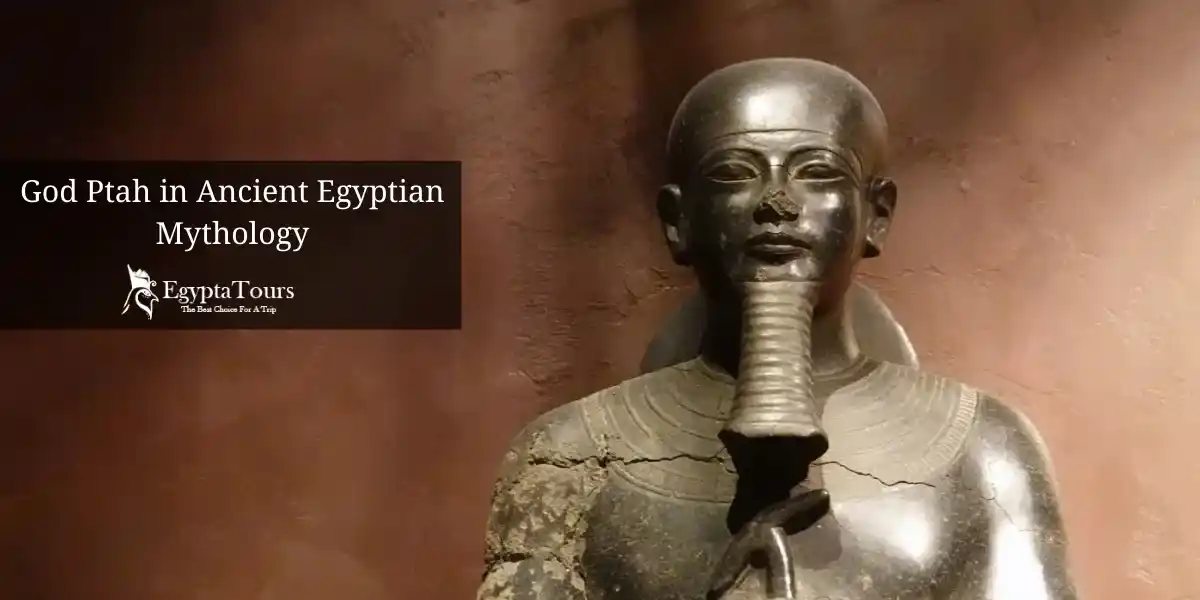
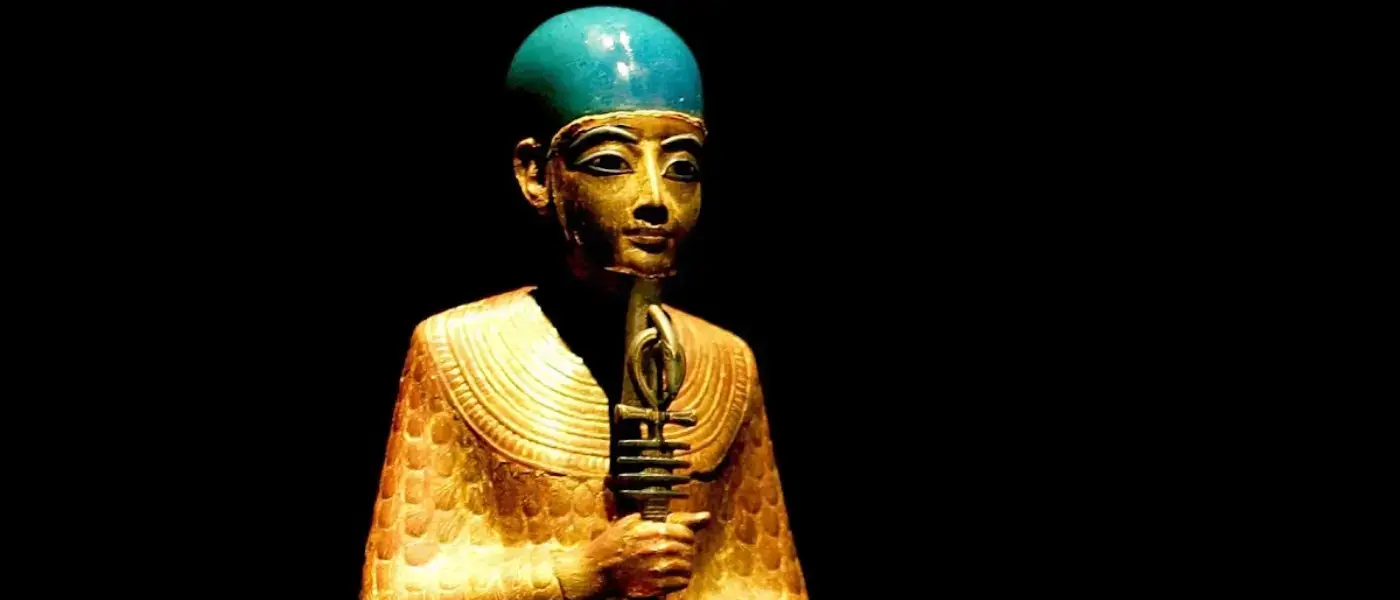
Ptah is usually represented as a man with green skin, wrapped in a shroud that clings to his body, wearing the divine beard and holding a scepter that combines three important symbols of ancient Egyptian religion:
- The Was scepter
- The sign of life, Ankh
- The Djed pillar
These three symbols together represent the god’s three creative powers: power (Was), life (Ankh) and stability (Djed).
From the Old Kingdom, Ptah took on the appearance of Sokar and Tatenen, ancient deities from the Memphis region. In his Sokar form, he is shown wrapped in a white shroud and wearing the Atef crown, a symbol of Osiris. In this role, Ptah serves as the patron deity of the necropolis of Saqqara and other important sites where the royal pyramids were constructed.
Over time, he merged with Osiris to create a combined deity known as Ptah-Sokar-Osiris. Small statues representing this deity in human form, in a half-human half-hawk form or in a pure falcon form were placed in tombs to accompany and protect the deceased on their journey to the West.
In his Tatenen form, Ptah is depicted as a young and strong man wearing a crown with two tall plumes that surround the solar disk. In this form, he embodies the underground fire that rumbles beneath and raises the earth.
He was especially revered by metalworkers and blacksmiths but he was also feared because he was believed to cause earthquakes and tremors. Additionally, in this form, Ptah acted as the master of ceremonies for the Heb Sed festival, a ritual celebrating the first thirty years of a pharaoh’s reign.
During the Amarna period, Ptah could be associated with the sun gods Re or Aten. In this context, he represented the divine essence that nourished the sun god and brought him into existence, according to the mythological and theological texts of Memphis. In the most sacred part of his temple in Memphis, known as the holy of holies, as well as on his large sacred boat, Ptah participated in processions to visit the region during major festivals and important holidays.
Ptah was also represented by two birds with human heads, each adorned with a solar disk. These birds symbolized the souls of the sun god Re, which were called the Ba. These two Ba were identified as the twin gods Shu and Tefnut and were linked with the Djed pillar of Memphis.
Finally, Ptah was embodied in the sacred bull, Apis. Often described as a herald of Re, this sacred animal acted as a connection to the god Re during the New Kingdom. Apis received worship in Memphis, probably at the center of Ptah’s great temple and when the bull died, it was buried with full honors as if it were a living deity, in the Serapeum of Saqqara.
The roles and symbolism of the God path in ancient Egyptian beliefs
God-Ptah-Oscar-Osiris-EgyptaTours
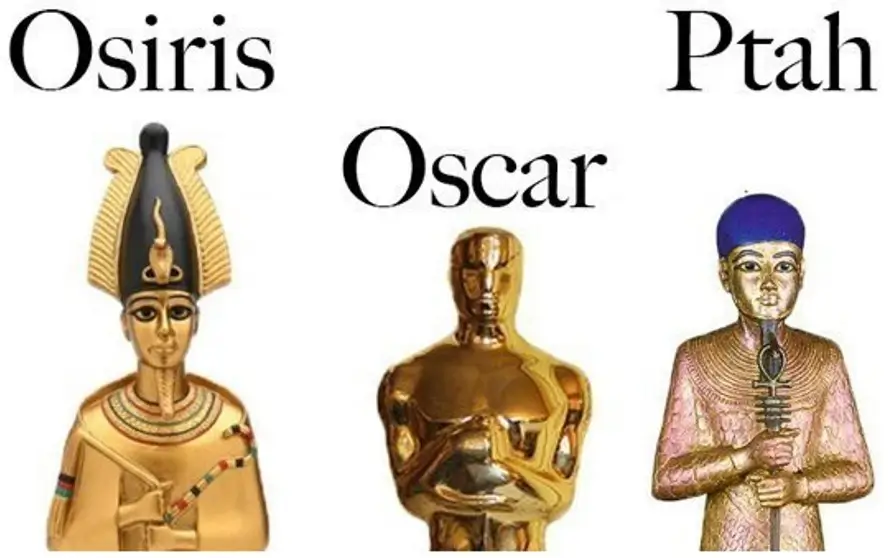
God Ptah appears as a shrouded, bearded man, often wearing a yarmulke, and his hands are holding the Ankh, As, and Djad, symbols of life, strength, and balance, respectively.
It is also believed that Ptah embodied himself in the Apis calf.
In Memphis, God Ptah was worshipped and seen as the father of Atum, or more precisely as the father of Nefertum, the younger hypostasis of Atum.
When the Aeneid and Ogdoad beliefs later merged, Atum became Ra (Atum-Ra), who was seen as Horus (Ra-Herakhti), leading to the saying that Ptah married Sekhmet, who at that time was considered a hypostasis of Hathor, the mother of Horus. , and hence the mother of Atom.
Since Ptah was the sacred hill, and his word initiated existence, he was considered the god of craftsmen, especially stone crafts.
As a result of the association of stone crafts with tombs and the association of the royal tombs with Thebes, the craftsmen considered it to rule their destinies.
Thus, as the pioneers of (the first) craftsmen, who were the first of creation, Ptah became the god of resurrection.
Since Sokar was also the god of craftsmen and resurrection, Sokar later merged with Ptah to become PtahSekar Ptah-seker gradually became a personification of the sun during the night, as the sun seemed to be resurrected every night, and Ptah-seker was the sacred hill, located underground.
Therefore, Ptah-Sokar became a god of the underworld, and thus, in the time of the Middle Kingdom, he merged with Osiris, the god of the underworld, to be known as Ptah-Sokar-Osiris.
The worship and cult of Ptah Egyptian God in ancient Egyptian
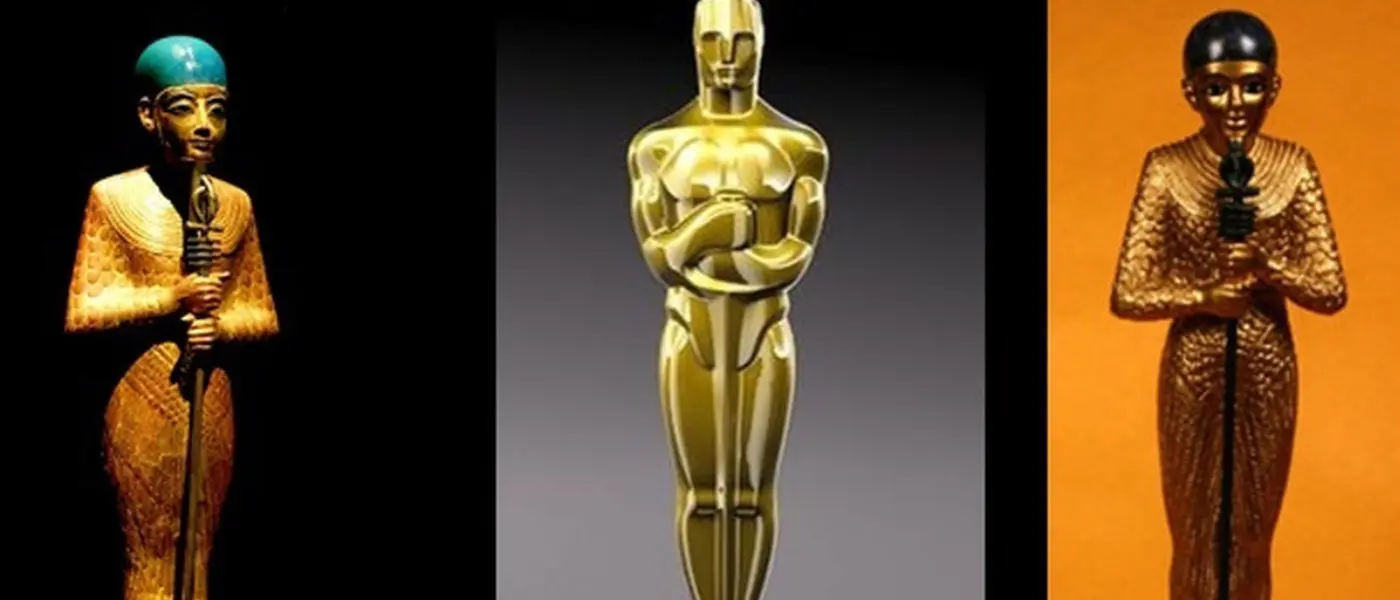
God-Ptah-ancient-Egypt-EgyptaTours
the worship and cult of god Ptah or Ka Ptah in ancient Egyptian Unlike most ancient Egyptian gods, the ancient Egyptians considered Ptah to be infinite, existing before anyone and anything, creating the world with his will, and using his word to give life to his creatures.
The association of the Ptah Cult with the role of the creator is also very well-established, to the point that a Qosic column in the Renaissance city of Memphis describes Ptah as “the only unborn father in heaven and earth, the god who worships himself as a god, the existence and self-existent, the creator of existence, the beginning, and the first.”
In the city of Memphis, the role of creator was associated with other gods, however, in Heliopolis, Ptah was seen as the original source of the world, and of the gods.
I also learned from large parts of the Egyptian Delta that the Ptah Egyptian God is the great origin of all things Thanks to his creative powers, the god Ptah was seen as the patron saint of all forms of craftsmen, including carpenters, shipbuilders, potters, blacksmiths, and master Egyptian sculptors.
Although the ancient Egyptians possessed wonderful skills in arts and architecture and mastered stonework, they believed that these works were subject to the supervision of the great god Ptah
The legacy of god Ptah influence on art architecture and society
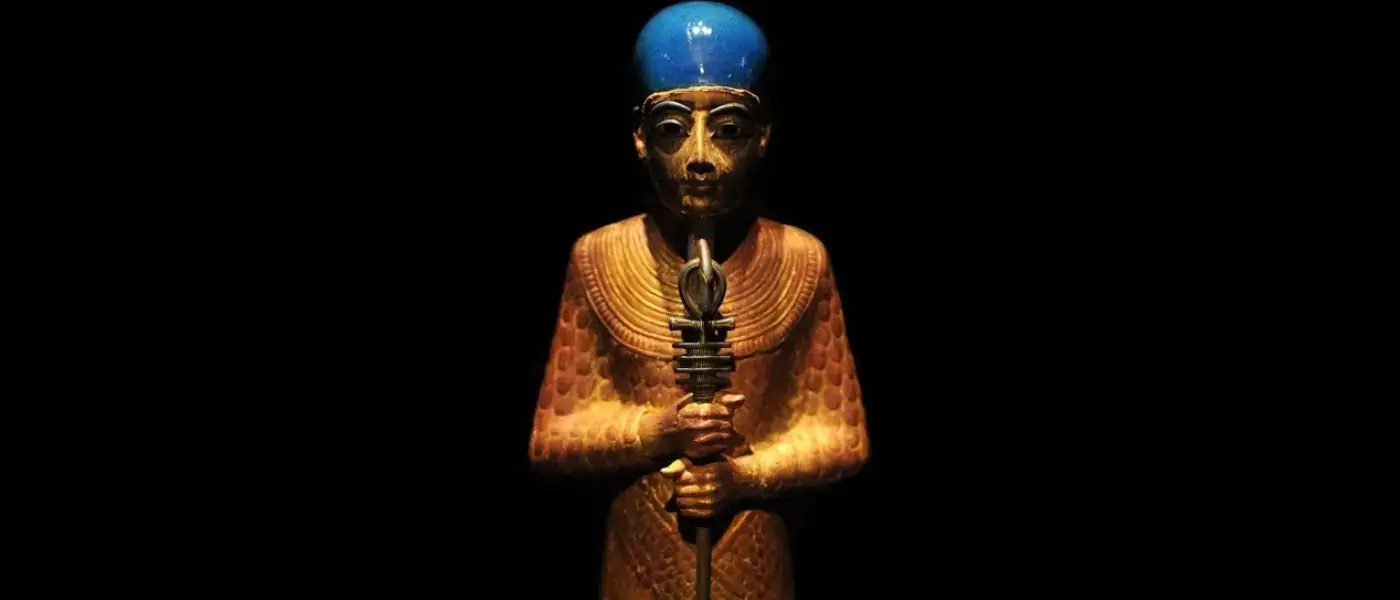
God-Ptah
The Memphite Theology is an ancient Egyptian religious text that highlights the role of Ptah as the supreme creator. In this belief system, all things came into existence through the thoughts and words of Ptah, whose name is linked to the city of Memphis, known as “Ka Ptah,” meaning the “House of the Soul of Ptah.” This theology emphasized creation through divine speech and the central role of Memphis in Egyptian spirituality
The legacy of god Ptah influence on art architecture and society Blessed with his creative powers, the god Ptah was seen as the patron of all craftsmen, including carpenters, shipbuilders, the potters Thamad, and master Egyptian sculptors.
Although Egyptian footballers possessed remarkable skills in arts, architecture, and isolation techniques, they believed that these human beings were under the supervision of the great goddess Ptah.
The pyramids of the Giza Plateau, located just outside the ancient city limits of Memphis, are a prime example of the influence of the god Ptah on architectural splendor.
He also did so by building the Pyramid of Djoser in Mett, the oldest of the pyramids of Giza. He died from the architect Imhotep, who was famous as the son of the ancient Egyptian god
The worship of the Egyptian Ptah The Egyptian God was fastened in the ancient Capital city of Memphis, which served as the capital of Egypt for a lot of its history.
Ptah was confined as the patron deity of craftsmen and architects, and his worship was closely attached to the sacred apis sacred bull.
The temple of Ptah in Capital City Memphis was one of the most remarkable religious places in the ancient world. Here, the high priest of Ptah would perform rituals and supervise the veneration of the apis bull, which was though to be the earthly embodiment of the god.
The iconic djed pillar, a symbol of endurance and stability, was also closely connected with the cult of Ptah.
Ptah’s influence extensive far beyond the confines of his temple, as he was seen as creator god who brought the world into presence through the power of his ideas and words.
This made him a central figure in the cultural life and religious of ancient Egypt, and his cult continued for thousands of years until the rise of Christianity.
God Ptah Temples
Since Ptah is the patron of builders and craftsmen, his temples and shrines are very important.
The main temple of Ptah in Memphis was one of the major religious sites. It was richly endowed and included workshops, housing for priests and large surrounding lands.
Objects dedicated to Ptah such as statues, votive offerings and amulets, are commonly found in archaeological sites. These often carry the symbols (Ankh, Was, Djed) and inscriptions, sometimes listing his titles or asking for his favor.
God Ptah’s Timeline
Egyptian history spans about three millennia, from the Early Dynastic Period to the Late Period which ended around 30 BCE. During this long history, gods and religious beliefs evolved. Gods took on new roles, merged with similar deities from other regions and adapted to societal changes caused by cultural shifts and immigration.
Ptah, as one of Egypt’s oldest gods, was no exception. Through the Old, Middle and New Kingdoms, he was depicted in different ways and seen in different aspects, becoming one of the most important gods in Egyptian mythology.
A Local God
Ptah’s story is closely linked with Memphis. He was the main local god of the city, similar to how Greek cities had patron gods like Ares for Sparta, Poseidon for Corinth and Athena for Athens.
Memphis was officially founded at the start of the First Dynasty by King Menes after he united Upper and Lower Egypt. However, Ptah’s influence predates this founding. Evidence shows that Ptah worship in some form existed as far back as 6000 BCE in the area that later became Memphis.
Over time, Ptah’s worship spread far beyond Memphis. As Egypt developed through its dynasties, Ptah’s role and position in religion expanded, turning him from a local god into a national figure.
Spreading to a Nation
As the political center of unified Egypt, Memphis held great cultural influence. The city’s local god, Ptah, naturally became more prominent across the country, especially from the beginning of the Old Kingdom.
Memphis was a key destination for merchants and government officials, which allowed cultural exchange between different regions of the kingdom and helped spread Ptah’s cult.
Ptah’s influence also grew because of his importance to Egypt’s rulers. His high priests worked closely with the pharaoh’s viziers, serving as chief architects and master craftsmen. This close connection helped Ptah’s worship reach throughout Egypt.
Ptah’s Rise
During the 4th Dynasty, the Old Kingdom entered a golden age. Pharaohs oversaw large construction projects, including the Great Pyramids, the Sphinx and the royal tombs at Saqqara. In this period of construction, Ptah and his priests became very important.
Ptah’s cult also reached a golden age at this time. Memphis built his great temple, the Hout-ka-Ptah or House of the Soul of Ptah. This temple was one of the largest and most important buildings in the city, occupying its own district near the center. Unfortunately, it did not survive into modern times and archaeology has only begun to reveal what must have been an impressive religious complex.
In addition to being a craftsman, Ptah was seen as a wise and fair judge. His titles included Master of Justice and Lord of Truth. He also had a central role in public life, overseeing festivals such as the Heb-Sed, which celebrated the 30th year of a king’s reign (and every three years afterward) and was one of Egypt’s oldest festivals.
God Ptah Through the Ages
Early Changes
During the Old Kingdom, Ptah was already changing and evolving. He became closely connected with Sokar, the Memphis funerary god who ruled the entrance to the underworld. Together, they formed the combined god Ptah-Sokar. This connection made sense because Sokar, usually shown as a falcon-headed man, started as an agricultural god but, like Ptah, was also considered a god of craftsmen.
Ptah also had funerary links of his own. According to myth, he invented the ancient Opening of the Mouth ritual, in which a special tool was used to prepare a body to eat and drink in the afterlife by opening its jaws. This connection is confirmed in the Egyptian Book of the Dead, where Chapter 23 includes a version of the ritual that says, “My mouth is released by Ptah.”
Ptah was also linked to an older Memphis earth god, Ta Tenen, during the Old Kingdom. As another ancient god of creation from Memphis, Ta Tenen was naturally connected to Ptah, and he was later absorbed into Ptah-Ta Tenen.
The Transition to the Middle Kingdom
By the end of the 6th Dynasty, power was becoming decentralized and struggles over succession after the long reign of Pepi II weakened the Old Kingdom. A severe drought around 2200 BCE worsened the situation, leading the Old Kingdom to collapse into decades of disorder during the First Intermediate Period.
For about 150 years, Egypt experienced a dark age. Memphis still had a line of weak rulers from the 7th to the 10th Dynasties, but their influence, as well as the city’s art and culture, was limited beyond the city itself.
The country split again into Upper and Lower Egypt, with new kings in Thebes and Heracleopolis. The Thebans eventually reunified the country, establishing the Middle Kingdom, which changed the character of both the nation and its gods.
The Rise of Amun
While Memphis had Ptah, Thebes had Amun. He was their main god, a creator god associated with life, similar to Ptah. Like Ptah, Amun was uncreated, a primordial being who existed before everything else.
Amun also benefited from being the god of a nation’s capital. His worship spread across Egypt, taking a role similar to Ptah’s during the Old Kingdom. Between his rise and the New Kingdom, Amun merged with the sun god Ra, creating the supreme deity Amun-Ra.
Further Changes to Ptah
Ptah did not disappear during this time. He continued to be worshipped in the Middle Kingdom as a creator god, and artifacts and inscriptions from this period show that he remained highly respected. His importance to craftsmen and artisans was also unchanged.
During this period, Ptah continued to develop new forms. His earlier connection with Sokar led to him being linked with Osiris, another funerary god. In the Middle Kingdom, Ptah, Sokar and Osiris were combined into Ptah-Sokar-Osiris, a form that became common in funerary inscriptions.
The Transition to the New Kingdom
The Middle Kingdom lasted less than 300 years. At its end, the country expanded under Amenemhat III, who invited foreign settlers to help with Egypt’s growth.
However, the kingdom eventually struggled under its own size and faced another drought, which led to chaos and allowed the Hyksos, foreign settlers, to take control. They ruled Egypt from Avaris in the Nile Delta during the 14th Dynasty. Eventually, the Egyptians, led from Thebes, expelled the Hyksos, ending the Second Intermediate Period and beginning the New Kingdom with the 18th Dynasty.
Ptah in the New Kingdom
In the New Kingdom, the so-called Memphis Theology rose, restoring Ptah’s role as the creator. He became associated with Nun, the primordial chaos from which Amun-Ra emerged.
According to the Shabaka Stone from the 25th Dynasty, Ptah created Ra (Atum) through his speech. He was thus seen as creating the supreme deity Amun-Ra by divine command, reclaiming his role as the primordial god.
Ptah became increasingly merged with Amun-Ra during this time Poems composed during the reign of Ramses II in the 19th Dynasty, known as the Leiden Hymns, present Ra, Amun and Ptah as essentially a single entity: Amun representing the name, Ra representing the face and Ptah representing the body.
In this way, Ptah regained the prominence he had in the Old Kingdom, now on an even larger scale. As the New Kingdom progressed, Amun in his three aspects (Ra, Amun, Ptah) was seen as the god of Egypt and the high priests gained power rivaling that of the pharaohs.
In Egypt’s Twilight
When the New Kingdom ended and the Third Intermediate Period began, Thebes became the dominant power. The pharaoh continued to rule from Tanis in the Nile Delta, while the priesthood of Amun held control over more land and greater resources.
Interestingly, this political division did not create a religious one. Even though Amun (still vaguely connected with Ptah) strengthened Thebes, the pharaoh was still crowned in Ptah’s temple. Even as Egypt entered the Ptolemaic era, Ptah continued to be worshipped with his high priests maintaining close ties to the royal court.
The roles of the God path in ancient Egyptian beliefs
Ptah the Builder
As a god of creation, Ptah was also the patron of craftsmen and builders. His high priests, known as the Greatest Directors of Craftsmanship, played an important role both politically and practically in society and religion. Craftsmen in Egypt invoked Ptah for thousands of years and representations of him have been found in many ancient workshops.
This role as builder, craftsman and architect gave Ptah a key position in a society famous for its engineering and construction. Perhaps more than his role as creator of the world, this aspect made him highly respected and gave him lasting appeal in ancient Egypt.
The Power of Three
In ancient Egyptian religion, it was common to organize gods into triads or groups of three. The most well-known example is the triad of Osiris, Isis and Horus. Other examples include the Elephantine triad, which consisted of Khenmu, the ram-headed god of potters; Anuket, the goddess of the Nile and Satit, the goddess of Egypt’s southern border who was connected with the flooding of the Nile.
Ptah was also part of a triad. In the Memphis triad, he was joined by his wife Sekhmet, a lion-headed goddess of both destruction and healing and their son Nefertem, the god of perfumes, also called He Who is Beautiful.
Frequently Asked Questions About God Ptah: The Creative Force of Ancient Egypt
Who is God Ptah in Ancient Egyptian mythology?
Ptah is a creator god and one of the most important deities in Ancient Egypt. He is associated with craftsmen and architects and is believed to have spoken the world into existence.
What is God Ptah’s role in creation myths?
Ptah is said to have created the world through his thoughts and words. Unlike other creation myths involving physical acts, Ptah’s creation process emphasizes the power of speech and intellect.
How is god Ptah typically depicted in art?
Ptah is often shown as a mummified man, holding a scepter that combines symbols of power, life, and stability. He typically wears a skullcap and is sometimes accompanied by a bull, representing strength.
What symbols are associated with Ptah?
Key symbols include the djed pillar, which represents stability, and the ankh, symbolizing life. His scepter combines these elements with the was symbol, denoting power.
Where was Ptah primarily worshiped?
Ptah was chiefly worshiped in Memphis, the capital of ancient Egypt during much of its history. The city was a major center of culture and religion dedicated to him.
How does Ptah relate to other Egyptian deities?
Ptah was part of the Memphite Triad, which includes his wife, Sekhmet, and their son, Nefertem. He’s also linked to creation mythologies alongside gods like Atum and Amun.
What influence did Ptah have on ancient Egyptian culture?
Ptah was revered as a patron of artisans, craftsmen, and architects. His influence extended to all areas of work requiring skill and creativity, reflecting his intellectual and creative powers.
Are there any notable temples dedicated to Ptah?
The temple of Ptah at Memphis is the most famous, though few remains exist today. It was a significant site of worship and pilgrimage in its time.
How did Ptah’s worship evolve over time?
While Ptah remained central to Memphis, his worship expanded with the spread of Egyptian influence. Over time, he was sometimes merged with other gods, reflecting his enduring importance.
About EgyptaTours

EgyptaTours is a name synonymous with trust, excellence, and unforgettable travel experiences, proudly standing as one of the leading travel agencies in Egypt. Renowned for its deep expertise, personalized service, and carefully crafted itineraries, EgyptaTours serves as the ultimate gateway to discovering Egypt in its most authentic and inspiring form.