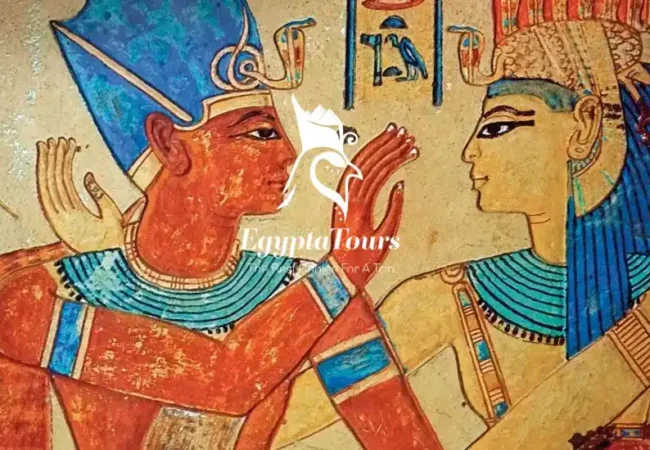
The ancient Egyptians believed that Ra was the creator of all things. He was known as the Sun God and was one of the most important gods in their religion.
People in ancient Egypt worshipped Ra more than many other gods and he held a central place in their beliefs. Pharaohs often linked themselves to Ra, presenting themselves as his representatives on Earth and a living form of the sun god.
Who is Ra?
Ra (pronounced Ray) was linked with sunlight, warmth and the growth of life. Because of this, the ancient Egyptians believed he was the creator of the world.
They also saw him as part of every other god. Many of their gods were thought to represent different sides of Ra while Ra himself was believed to contain the power of all gods.
Ra God Symbol
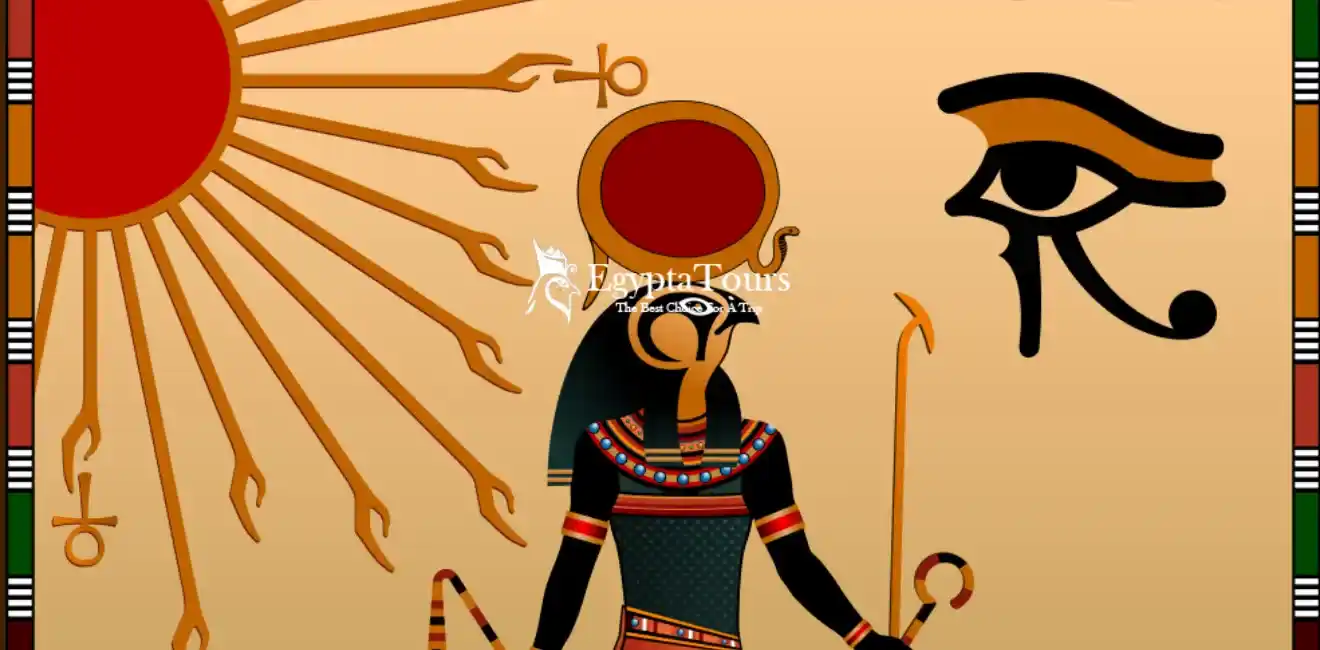
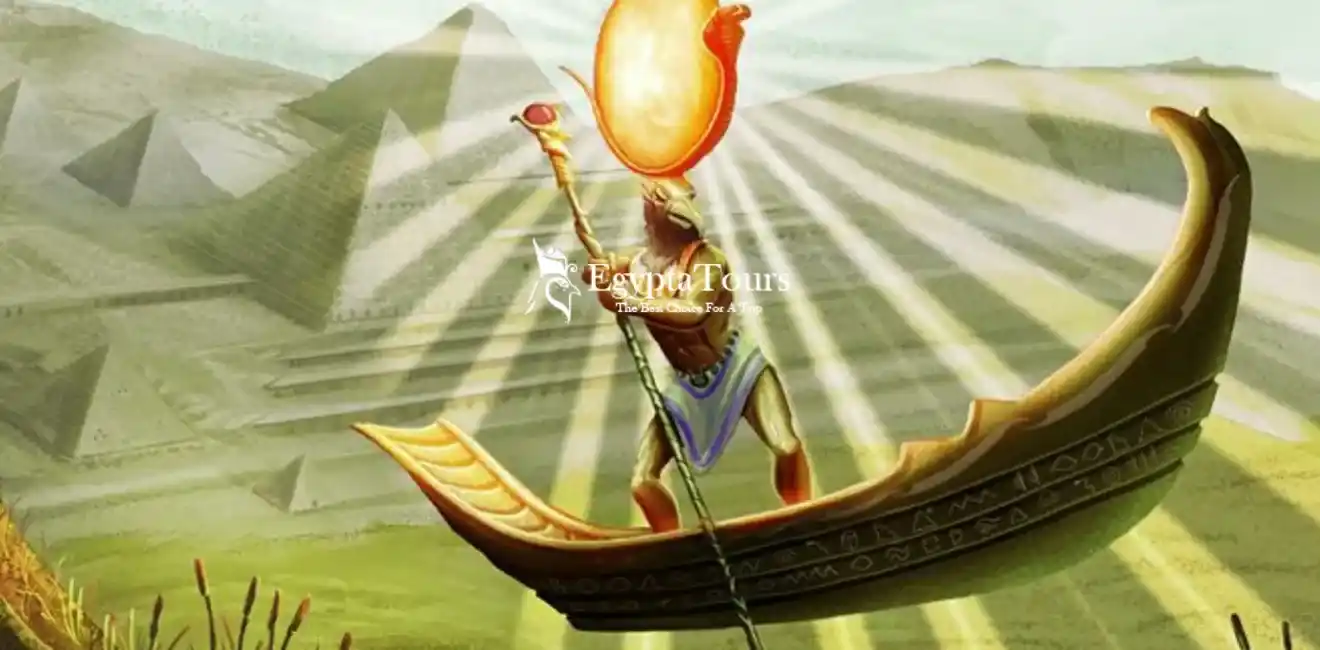
The most recognizable symbol of the god Ra is the sun disk. This disk is often shown with a cobra called the uraeus wrapped around it which represents protection and royal power. The sun disk sits above his falcon head and stands for the life giving energy of the sun and his eternal strength.
Ra is also shown with other important symbols, such as the ankh which means life and the Was scepter, which represents authority and control. Together, these symbols show his role as a powerful divine ruler.
Many ancient temples and tombs were built to align with the sun’s direction so they would honor Ra’s light. The rising sun each day was seen as a sign of his presence in Egypt. His symbols were believed to protect both pharaohs and ordinary people acting as a spiritual shield for everyone who worshipped him.
Ra God of the sun
Facts-about-Ra-God-Symbol-EgyptaTours
Ra was an ancient Egyptian sun god who was believed to give life to the world and support nature. People in ancient Egypt believed that every sunrise was Ra being reborn and every sunset was his journey down into the underworld.
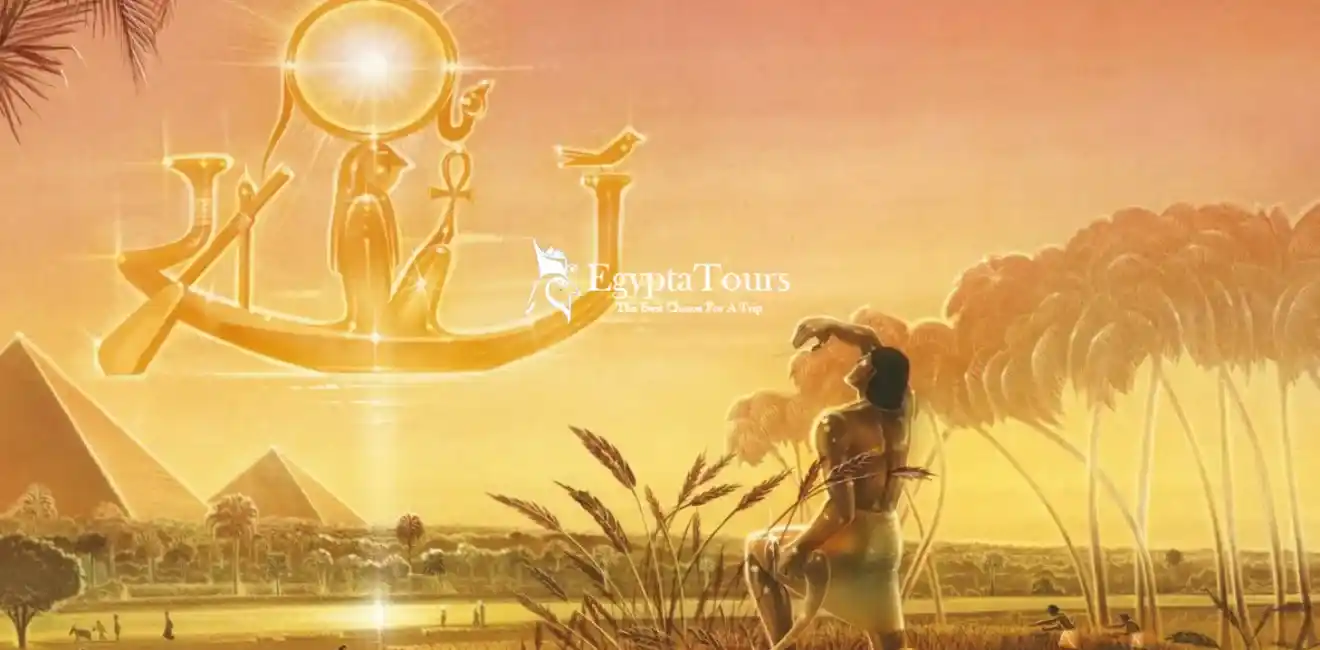
His daily travel across the sky in a sacred boat symbolized the cycle of life, birth, living, death and renewal.
As the god of the sun, Ra represented light, order and strength, standing against darkness and chaos. His light was thought to help crops grow, guide travelers and give hope to people who watched the horizon each day, trusting that the sun and Ra would rise again.
Worship and Temples of Ra
Worship-and-Temples-of-Ra-EgyptaTours-Featured-Image
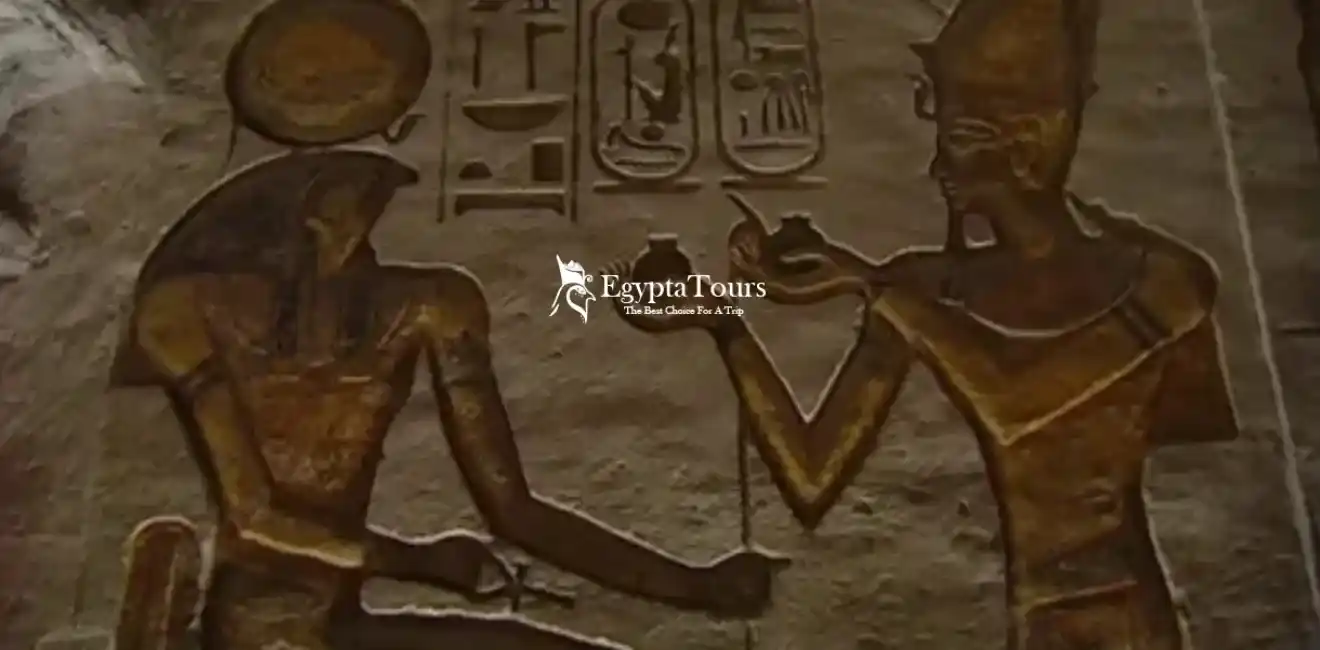
The worship of Ra was centered in Heliopolis which was known as the City of the Sun. Priests in the temples followed the movement of the sun so that the inner shrines would receive light at sunrise.
During the Old Kingdom, pharaohs often called themselves the Sons of Ra, linking their rule directly to the sun god. Instead of only building pyramids, many rulers also built sun temples in his honor. The remains of these structures at places like Abu Ghurab and Abusir still show signs of early solar worship.
Every day, rituals were performed to celebrate the rising sun as a symbol of renewal. Statues of Ra were treated as if the god was truly present; they were cleaned, dressed and offered food.
The worship of Ra was not limited to temples. It became part of everyday life. Farmers depended on the sun for their work, sailors prayed for his guidance and kings built monuments that reflected his power and light.
The Merging of Ra with other deities
The-Merging-of-Ra-with-other-deities-EgyptaTours
As Egyptian culture developed, the gods also changed over time. Instead of replacing Ra the Egyptians often combined him with other important gods.
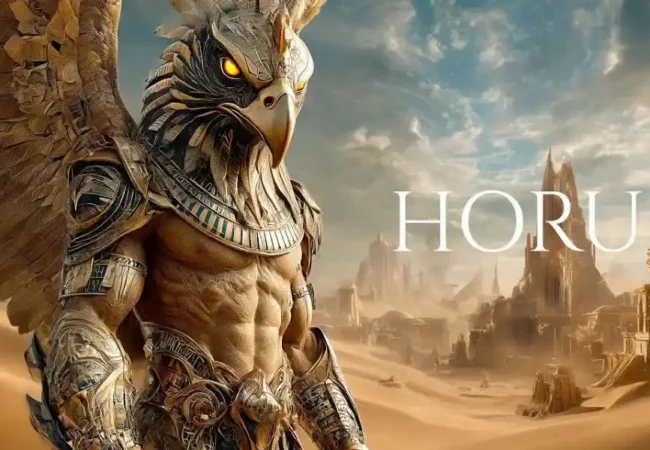
One example is Ra-Horakhty which joined Ra with Horus creating a god linked to both the sun and the sky. Another important form was Amun-Ra, a combination of Amun, the local god of Thebes and Ra. During the New Kingdom, Amun-Ra became one of the most powerful gods in Egypt.
These combined forms were understood in different ways. Amun represented the hidden, unseen side of the divine, while Ra represented the visible sun and light. Together they showed both the invisible and visible nature of godhood.
These combinations also show how flexible ancient Egyptian religion was. Gods were not seen as competing with each other, but as connecting in different forms. Over time, these unions made Ra feel even more universal linking the sky, the earth and the idea of divine order.
Ra was linked to the falcon and the sun disk
Ra was usually shown with a sun disk above his head which made him easy to recognize. This disk clearly represented the power of the sun acting as a simple symbol for everything he stood for.
He was also connected with the falcon, a bird known for its speed, sharp eyesight and ability to fly high in the sky. This link gave Ra a strong image as a watchful sky god. When you imagine a falcon with the sun above it, you can see two of his main symbols together.
These images helped people easily understand who Ra was. In temples, carvings and paintings, his symbols often told the story even before any words were written or read.
He traveled across the sky every day
The ancient Egyptians believed that Ra traveled across the sky every day, carrying the sun from morning until evening. Because of this, sunrise was seen as a new beginning, while sunset was thought of as the end of his long journey.
They imagined the sun following a fixed path across the sky, guided by Ra himself. It wasn’t seen as something random, it was part of an ordered journey. This belief helped them understand why day and night happened so regularly.
Ra’s journey also made the sun feel like a living force. Each morning, his return brought light, warmth and the hope of a new day starting again.
Ra was believed to travel through the underworld
When the sun set the ancient Egyptians believed Ra didn’t disappear. Instead he entered the underworld where he had to face dangers before rising again at dawn. This night journey made the cycle of day and night feel like a meaningful story.
This belief helped people understand the idea of renewal. If Ra could move through darkness and return each morning, then life, order and light were also expected to continue coming back.
His journey through the night gave darkness a purpose. It turned the end of one day into the beginning of the next.
It also showed why Ra was so important. He was seen not just as the sun in the sky but as the power that made its return certain every day.
Forms of Ra in Egyptian Mythology
Forms-of-Ra-in-Egyptian-Mythology-EgyptaTours
|
Form
|
Meaning
|
Time of Day
|
Symbolism
|
|
Khepri
|
Rising sun
|
Morning
|
Creation, rebirth
|
|
Ra
|
Midday sun |
Noon
|
Power, strength, life
|
|
Atum
|
Setting sun
|
Evening
|
Completion, endings
|
Ra God bird
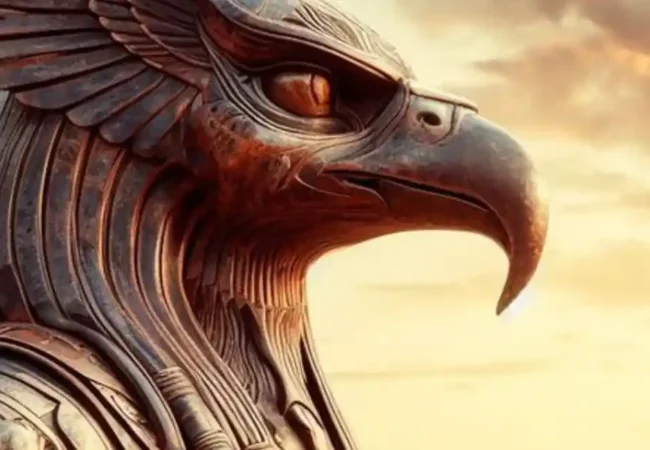
The bird linked to Ra was the falcon, known for flying high above the earth and watching everything below. In many depictions, Ra is shown either as a man with a falcon head or with a sun disk above him, both symbols of divine power and clear vision.
The falcon’s sharp eyesight represented Ra’s idea of being all seeing. Its flight across the sky was also compared to the sun’s movement from sunrise to sunset.
In tomb art the falcon was used as a protective symbol for the dead, helping guide them safely in the afterlife and keeping Ra’s light strong on its journey. For the ancient Egyptians seeing a falcon in the desert sky was often taken as a sign that Ra was near watching over and protecting them.
Facts About Ra
- Did you know Ra was believed by the ancient Egyptians to be the creator of everything including the earth, sky and other gods?
- Did you know they thought Ra traveled across the sky every day in a solar boat, bringing light, warmth and life to the world?
- Did you know that every night Ra was believed to go through the underworld where he fought the chaotic serpent Apophis so the sun could rise again?
- Did you know Ra was often shown with a falcon head and a shining sun disk on top, showing his link to the sun and his great power?
- Did you know the rising sun form of Ra was called Khepri, the midday sun showed his full strength and the setting sun represented the end of the day?
- Did you know pharaohs in ancient Egypt were called the Sons of Ra showing their connection to the sun god’s authority?
- Did you know Ra was later combined with the god Amun to form Amun-Ra, one of the most powerful gods during the New Kingdom?
- Did you know the Eye of Ra was seen as a powerful force that could protect gods and punish enemies of order?
- Did you know Ra was believed to grow old at sunset showing the natural cycle of life, aging and rebirth?
- Did you know the city of Heliopolis was one of the most important centers of Ra worship in ancient Egypt?
- Did you know some myths say Ra created humans from his tears after feeling alone in the universe?
- Did you know Ra’s daily journey across the sky was used by the ancient Egyptians to explain time, seasons and the cycle of life?
FAQs
Who was Ra in ancient Egyptian mythology?
Ra was one of the most important gods in ancient Egypt. He was known as the god of the sun, creation and life, and many Egyptians believed he created the world and all living things.
What did Ra symbolize?
Ra symbolized sunlight, life, power, order and renewal. The ancient Egyptians believed his daily journey across the sky represented the cycle of birth, life, death and rebirth.
Why was Ra important to the ancient Egyptians?
Ra was important because people believed the sun gave warmth, light and life to the world. Farmers depended on sunlight for crops, and kings connected their authority to Ra’s divine power.
Why did pharaohs connect themselves to Ra?
Many pharaohs called themselves the “Sons of Ra” to show that their authority came directly from the gods and to strengthen their right to rule Egypt.
What does Ra’s solar boat represent?
Ra’s solar boat represented his movement through the sky and the underworld. It symbolized the endless cycle of time, renewal and cosmic order.