To More Inquiry
Egypt is a gateway to countless wonders, and this ancient capital on the west bank of the Nile River is a prime example. With a magical history, the area is a must-see destination for any traveler. Here are 10 incredible attractions you shouldn’t miss!
In this blog post, we will be focusing on 10 unmissable attractions and landmarks in Giza City, Egypt that you shouldn’t miss!
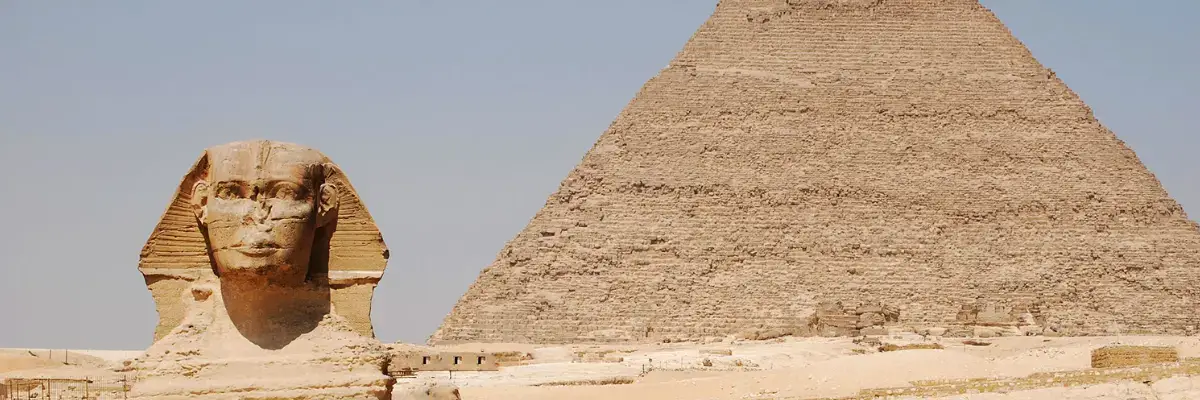
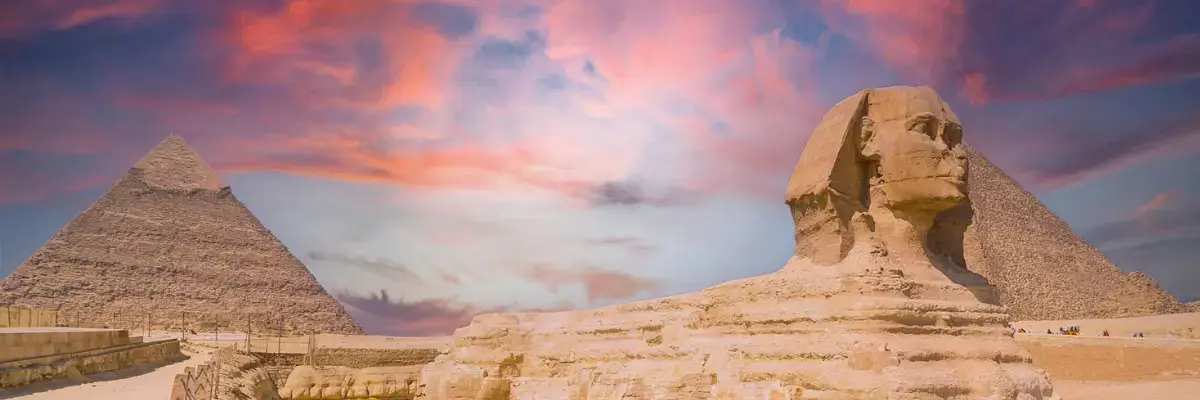
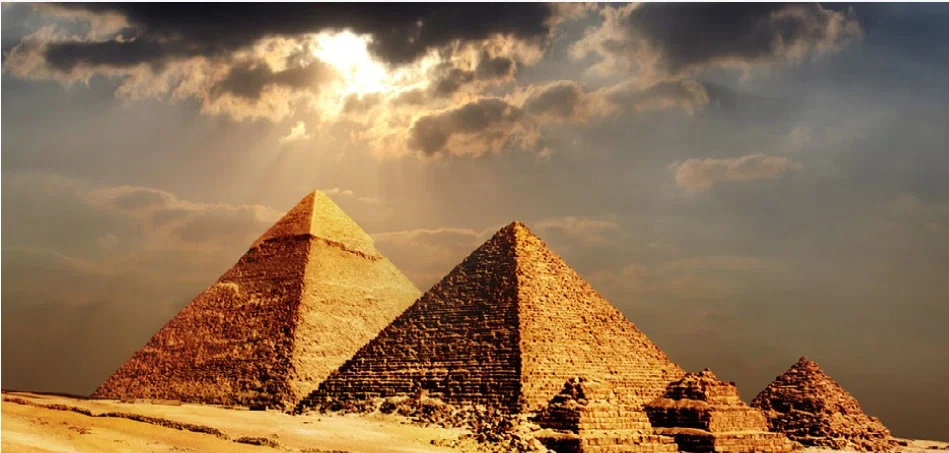
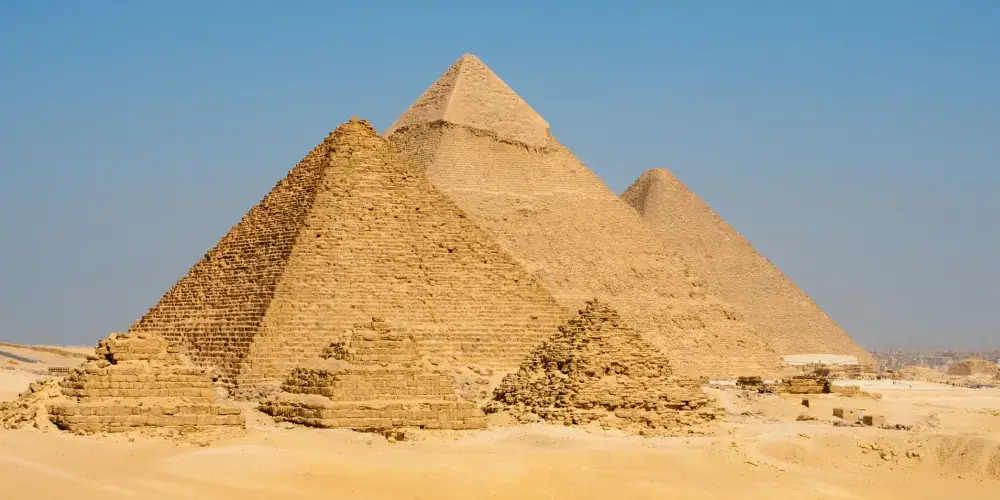
Overlooking the ancient capital, these two majestic structures feature unique designs.
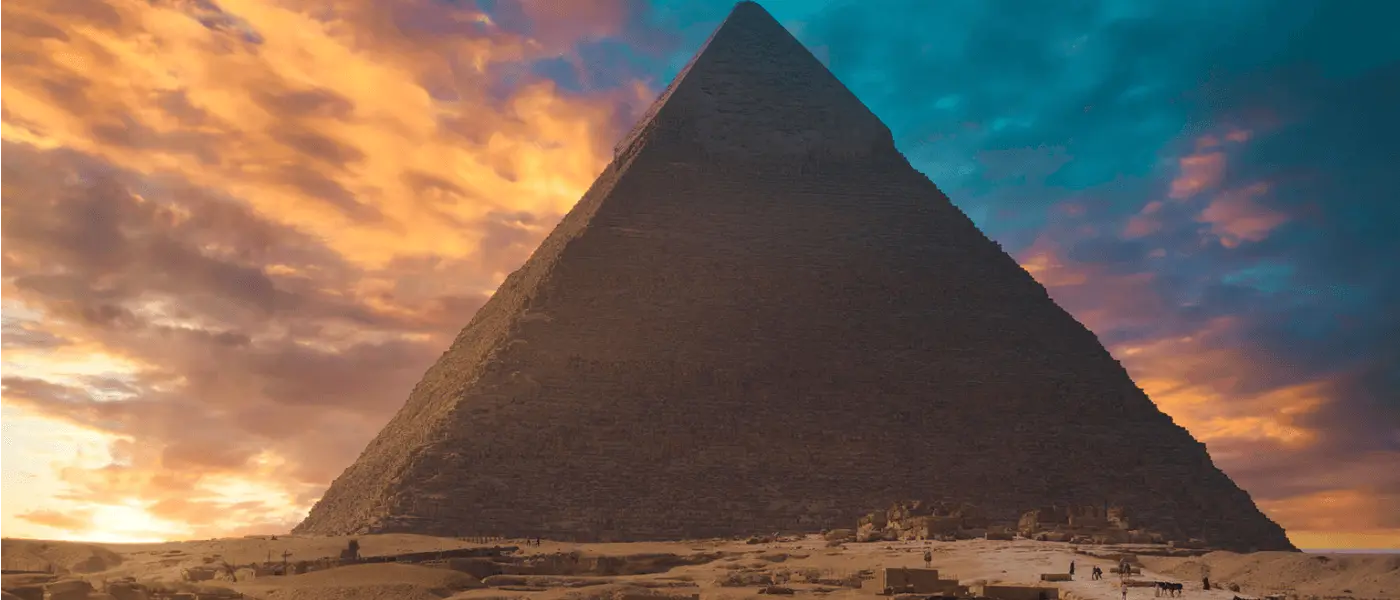
Khafre: Standing 447 feet tall, this monument was built during the fourth dynasty for Khufu’s son.
Menkaure: Measuring just 203 feet tall, this smaller pyramid was built for King Khufu’s grandson.
Interior Structure: Both monuments are remarkably well-preserved and feature three chambers.
Historical Value: The inclusion of a burial chamber and two antechambers offers profound insights into ancient Egypt.
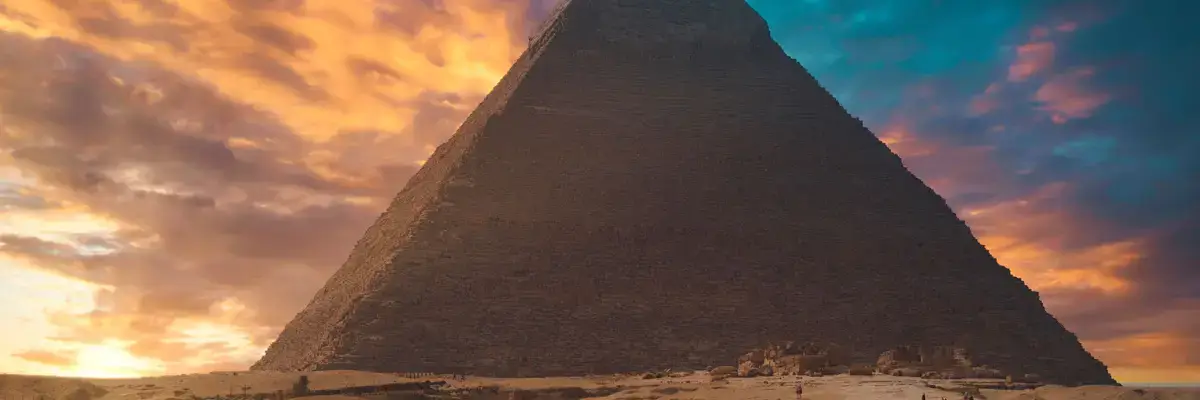
Great-Pyramid-of-Giza
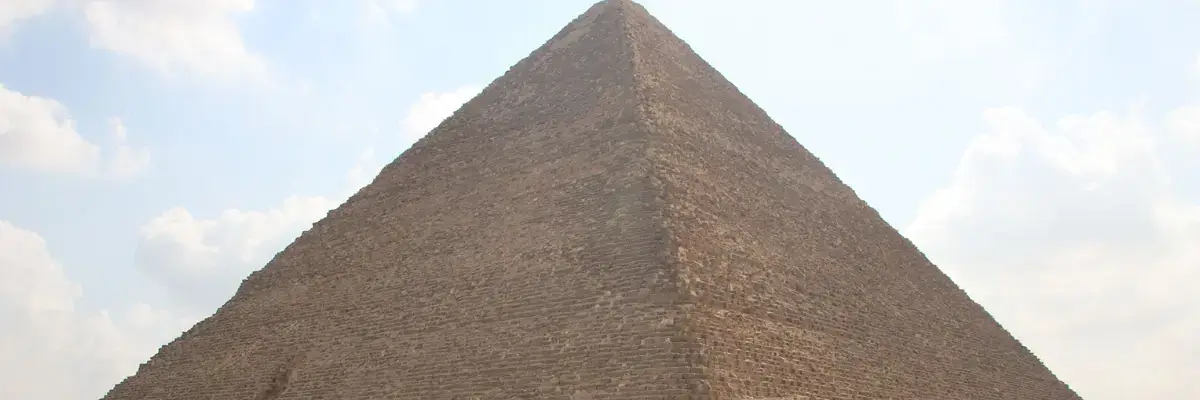
As the oldest of the Seven Wonders of the Ancient World—and the only one still standing—this monument is a true architectural marvel. Built by Pharaoh Khufu around 2560 BC as his tomb, it consists of over 2 million limestone blocks weighing up to 2.5 tons each. Its perfect alignment with the four main compass directions continues to amaze millions of visitors annually.
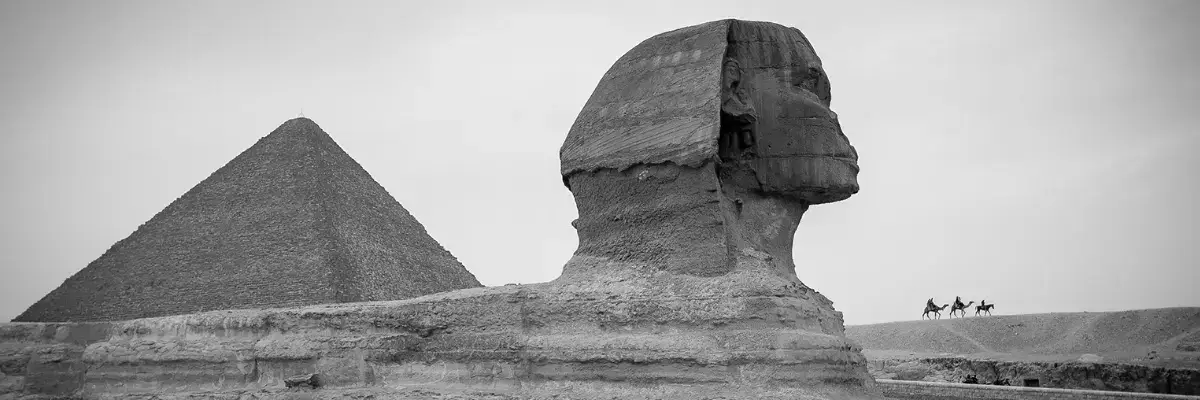
Great-Sphinx of-Giza-Egypt
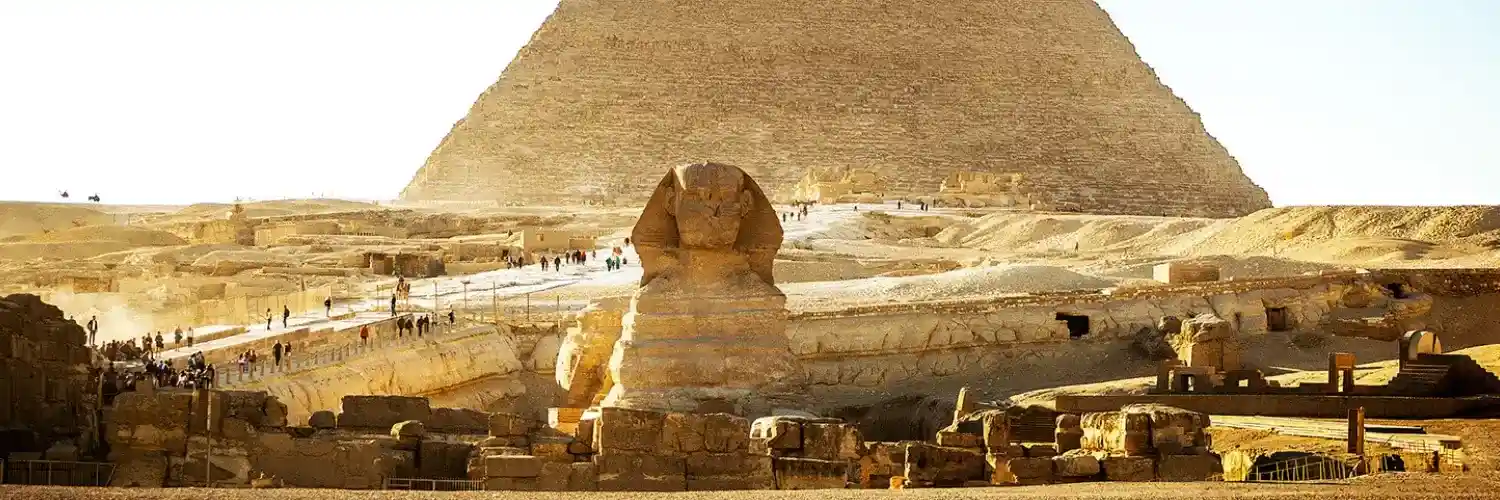
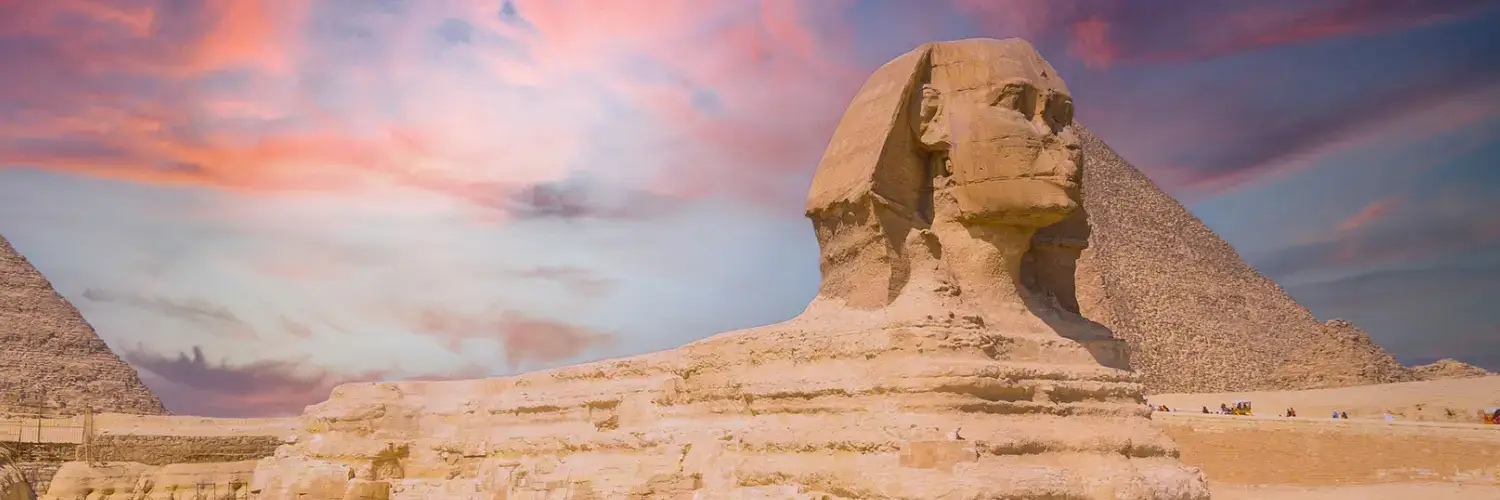
Carved from a single piece of limestone, this enormous statue is synonymous with Egyptian civilization. Serving as the guardian of the necropolis complex, it was likely built by King Khafre between 2520 and 2494 BC. The impressive statue measures 73 meters long, 19 meters high, and 6 meters wide.
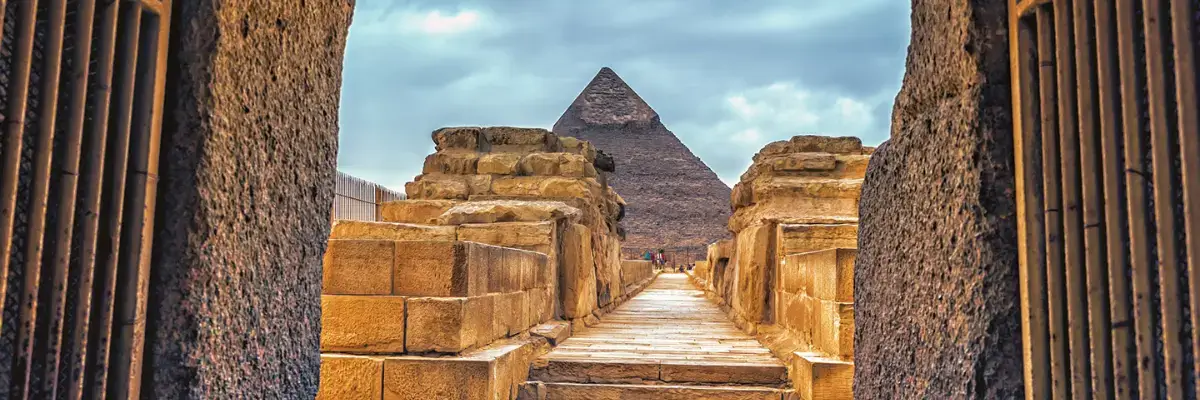
Valley-Temple-of-Khafre
This incredible ancient structure was originally part of Khafre’s funerary complex. Located just beyond the Sphinx, experts believe it was once connected to his main monument via an underground tunnel. The courtyard houses several statues of pharaohs, including Khafre himself.
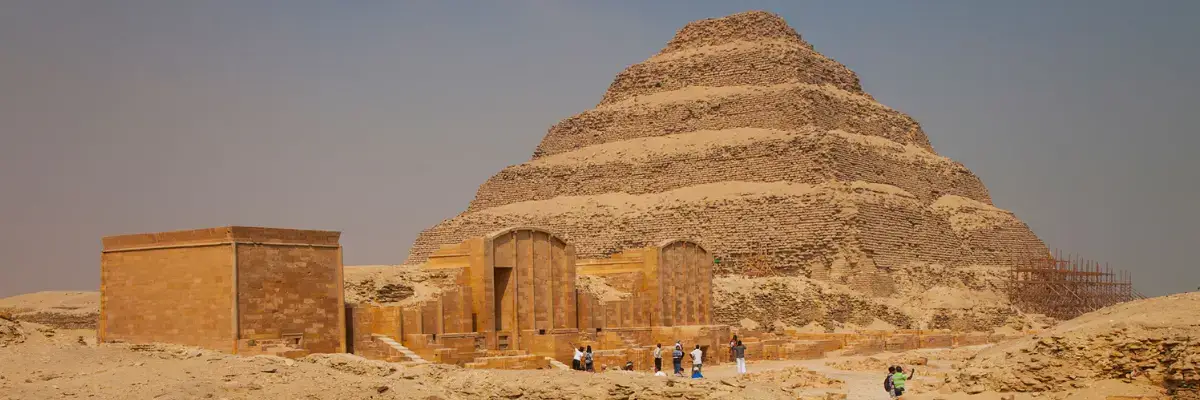
Saqqara-Pyramid-Giza-Cty
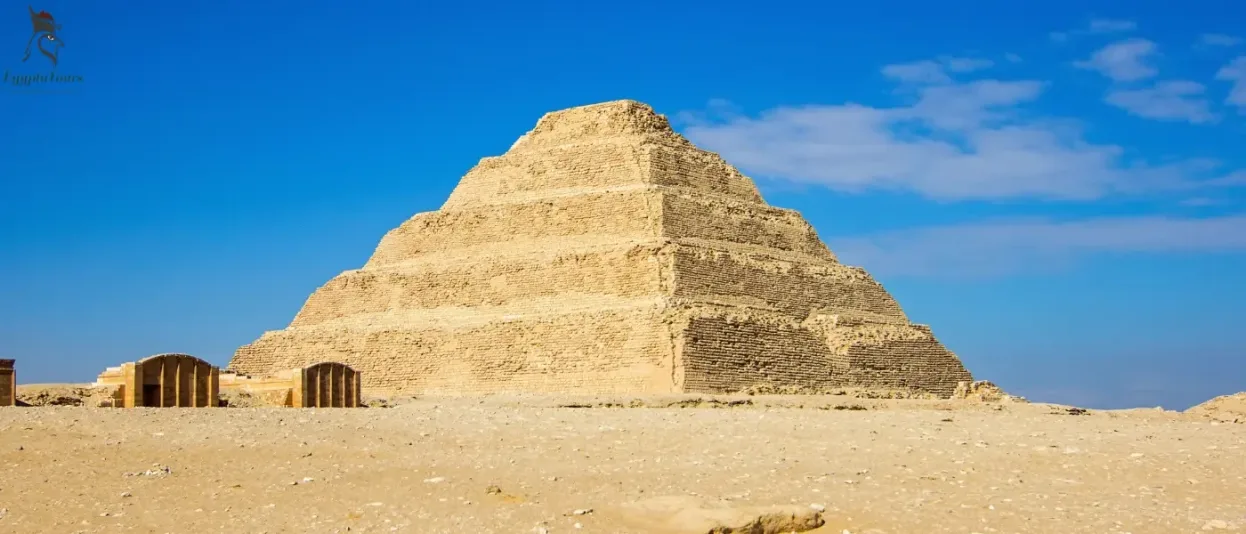
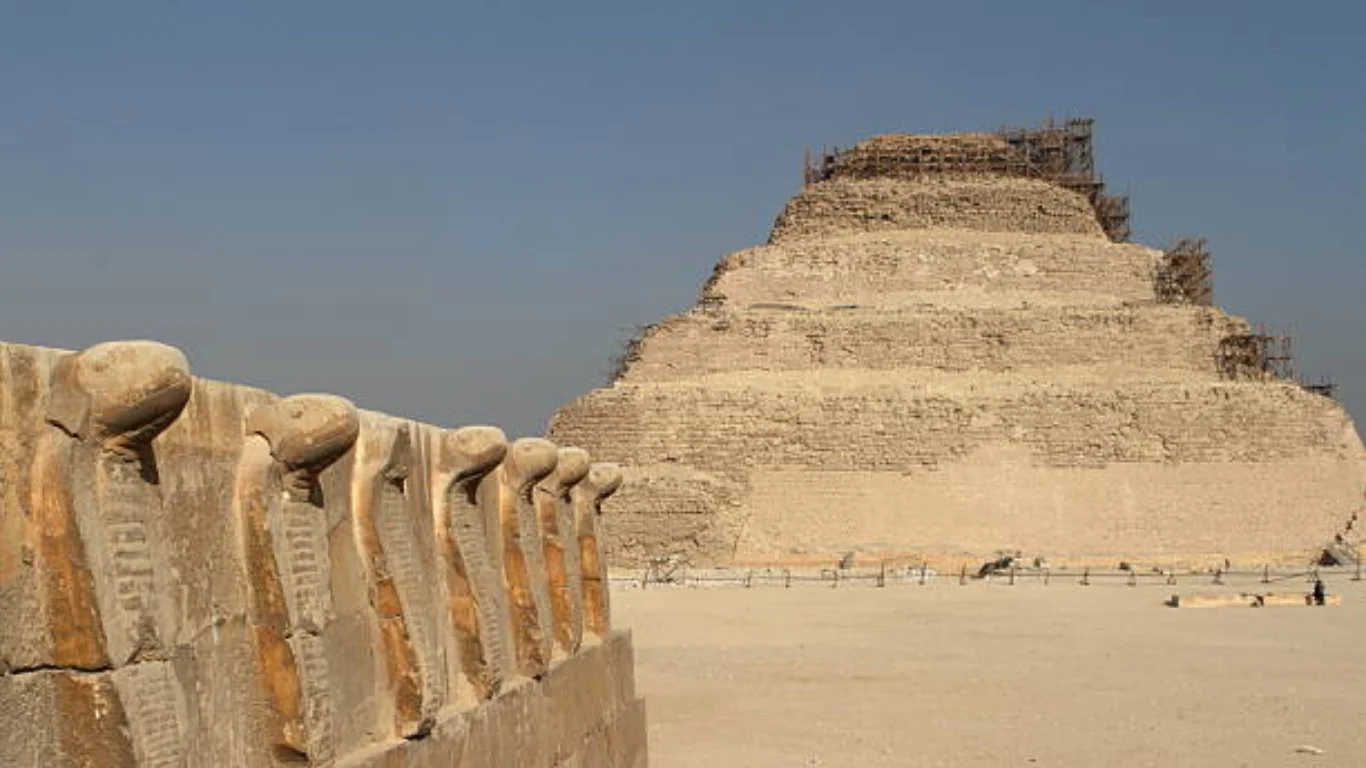
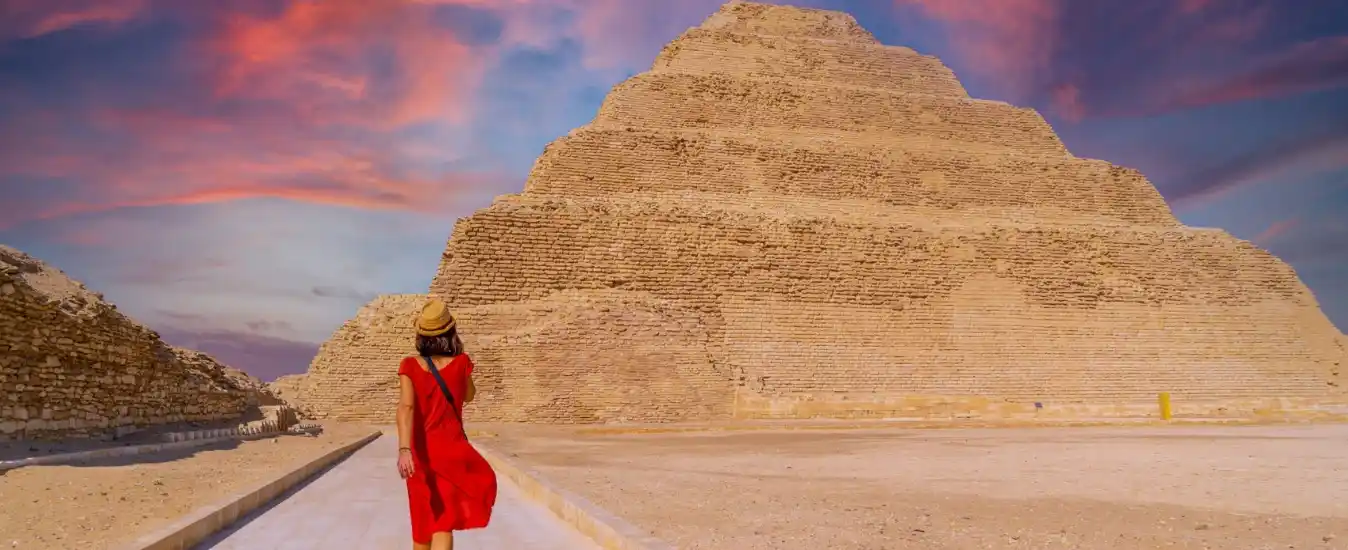
Located south of Cairo on the west bank of the Nile, Saqqara is home to numerous monuments. The most famous is Djoser’s Step Pyramid, constructed approximately 4,500 years ago during the 27th century BC. Built as a royal tomb, it remains a heavily visited historic site today.
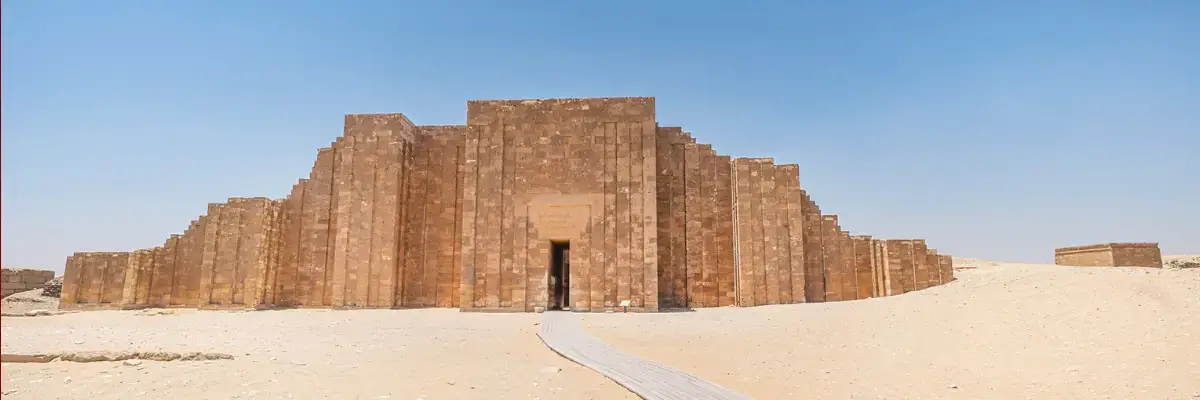
Memphis-City-EgyptaTours
For centuries, Memphis was the center of Egyptian culture, art, and design. It served as the capital for powerful pharaohs and the primary city of religious worship. The surrounding area is filled with archaeological sites and temples dating back over 4,500 years.
Archaeological discoveries here challenged the long-held belief that slaves built these iconic structures. The builders were actually respected workers who received medical care and daily food rations. The lower cemetery contains over 600 mud-brick tombs where workers were buried in a fetal position, alongside larger tombs for their supervisors. Today, extensive digital documentation of these surrounding cemeteries and artifacts is managed by Harvard University through their Giza Project initiative. Texts warning of curses from the goddess Hathor were also found inside these tombs.
Carved into rock hills northwest of Aswan, these tombs belong to high-ranking officials from the Old and Middle Kingdoms. The tomb of Harkhuf is especially significant. Its walls feature detailed texts outlining his commercial and exploratory journeys to the land of Punt.
Located on the eastern side of Khufu’s monument, these smaller structures were dedicated to his wives and children. Despite their size, they contain numerous mastabas, chambers, and funerary inscriptions, including the famous tomb of Hetepheres.
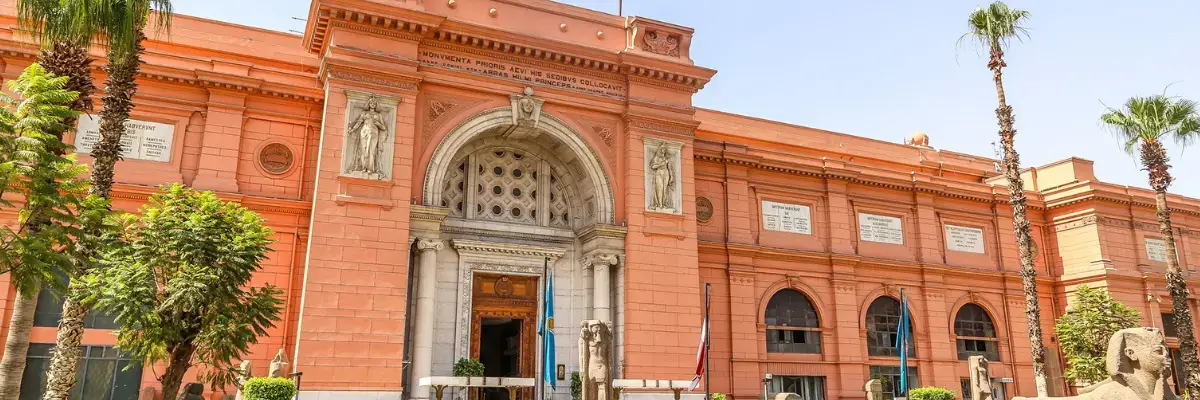
The Museum: This modern facility displays artifacts like the statue of King Ramesses II. It utilizes advanced methods to secure, study, and maintain historical collections.
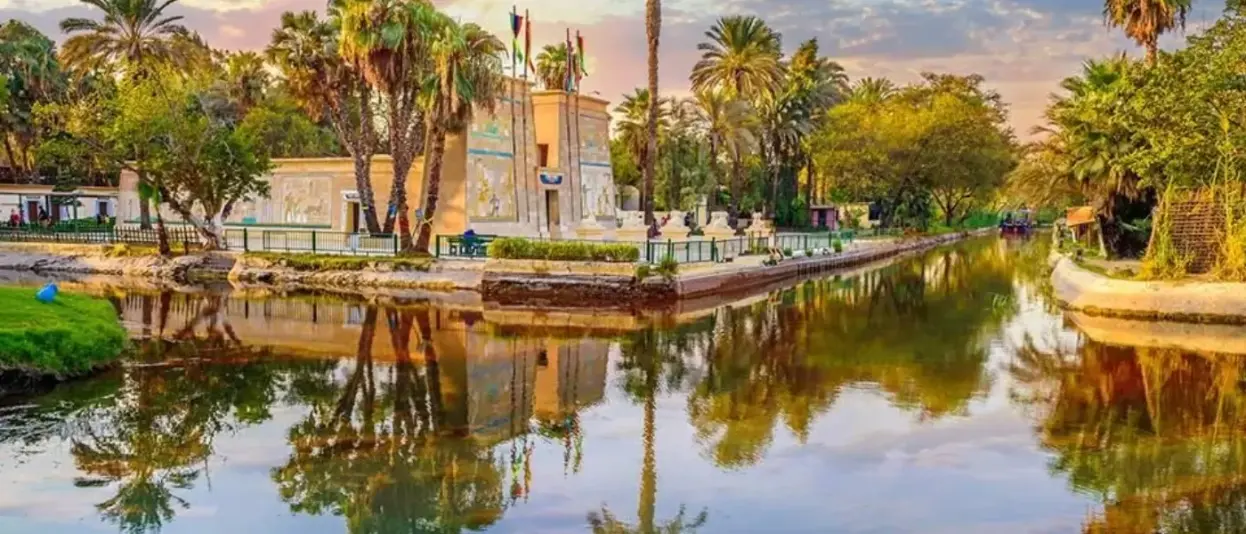
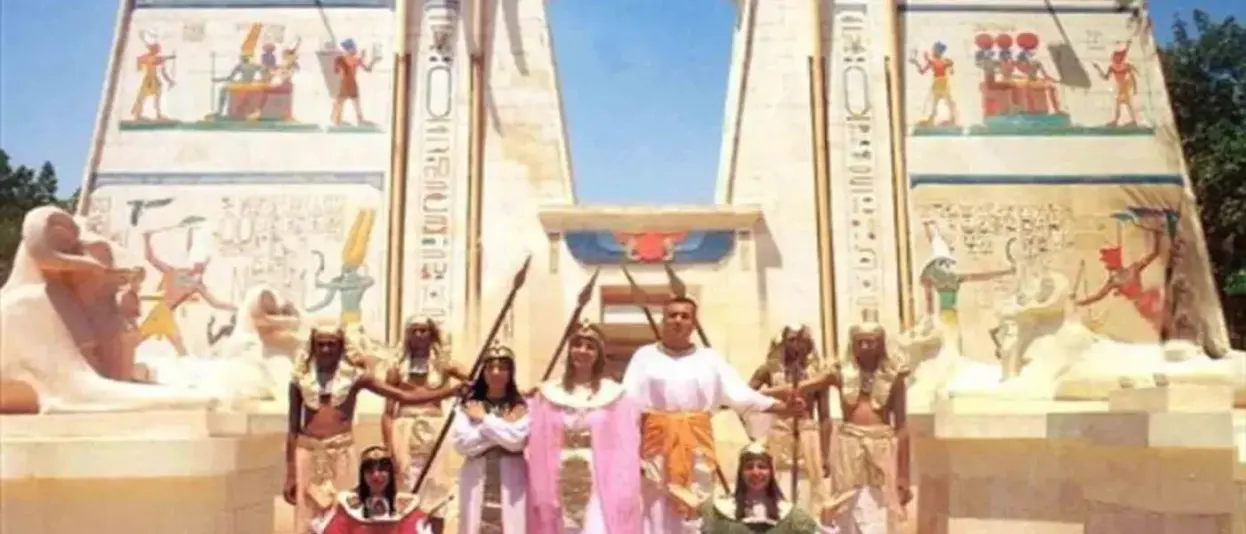
The Village: This interactive attraction simulates ancient life with live displays of mummification, agriculture, and industry. It also includes museums dedicated to former presidents and a replica of Tutankhamun’s tomb.
The three pyramids are located in Giza and have multiple entrances, of which the following can be mentioned:
You can get to the pyramids in Giza by public transport by taking the subway to the Giza station and then taking one of the vehicles heading to Nazlet El-Semman or the pyramids.
You can also reach them by the Public Transport Authority bus, which starts from the Tahrir area and heads to the pyramids. These buses are very comfortable and air-conditioned. You can also get there by taking a taxi or using Uber or Careem.
When visiting the pyramids in Giza, some things must be taken into account:
There are many restaurants in Giza that overlook the pyramids, including:
There are many hotels near the pyramids area in Giza, including:
You can visit the pyramids and enjoy one of the important historical archaeological sites. Visiting hours start from 7:00 AM to 5:00 PM. As for the Ticket Cost, for foreigners, it reaches 700 EGP, while for a foreign student, it reaches 350 EGP.
Giza City in Egypt is renowned for its impressive ancient monuments, most notably the large pyramids and temples that draw millions of visitors each year.
The area is home to a number of other large mortuary and sacred structures, including the famous Great Pyramid, the largest of the three pyramids at Giza.
This royal mortuary complex, which was built for the pharaohs of Ancient Egypt, also includes the iconic Sphinx and various temples dedicated to the afterlife.
These structures stand as lasting symbols of the ancient Egyptian royal mortuary and sacred traditions, showcasing the architectural brilliance of one of the world’s greatest civilizations.
Giza, a city within the Greater Cairo Metropolis, is a vital part of Egypt’s history and modern life, situated in what is now the largest city in Africa
This ancient burial ground is where the monumental pyramids of the 4th Dynasty were constructed, including the Great Pyramid of Khufu, the Pyramid of Khafre, and the Pyramid of Menkaure. Alongside these towering structures, smaller Queen Pyramids were built for the pharaohs’ wives and consorts.
Giza’s legacy as the final resting place for Egypt’s most powerful rulers has made it a symbol of the grandeur and ambition of the Old Kingdom’s ancient civilization.
Giza is famous for being home to the ancient Pyramids of Giza, including the Great Pyramid of Khufu, the Sphinx, and the tombs of various pharaohs. It is one of the most iconic archaeological sites in the world.
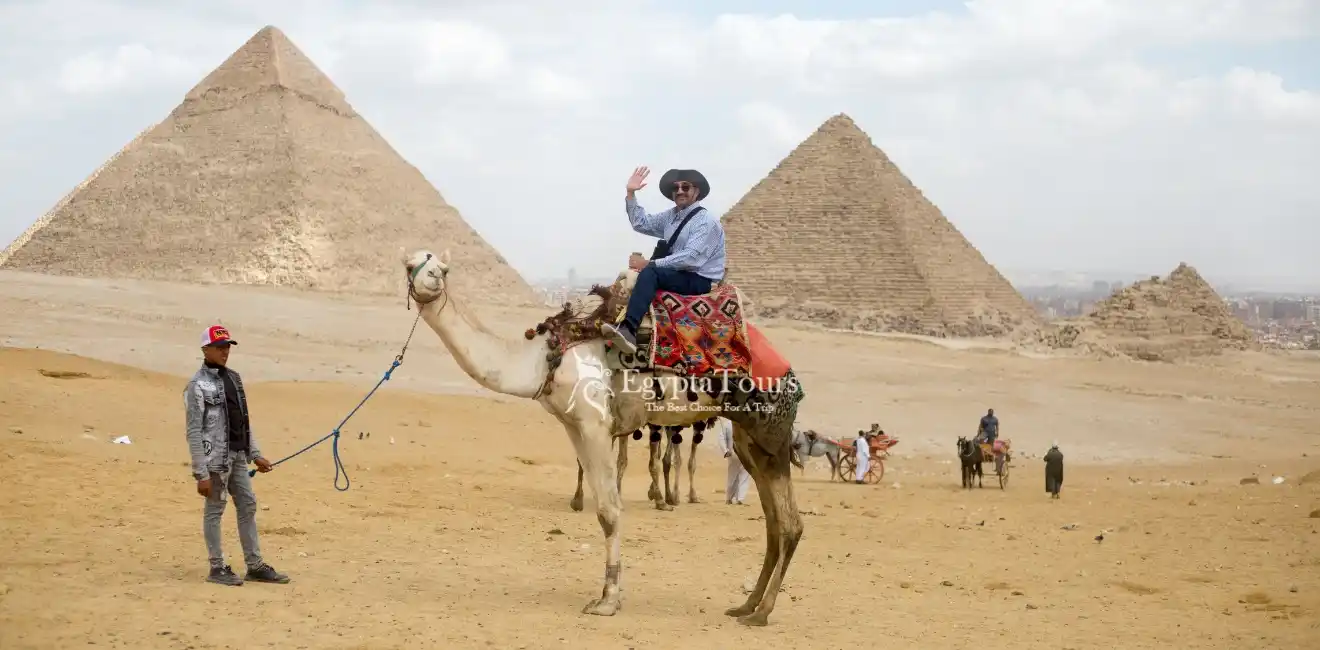
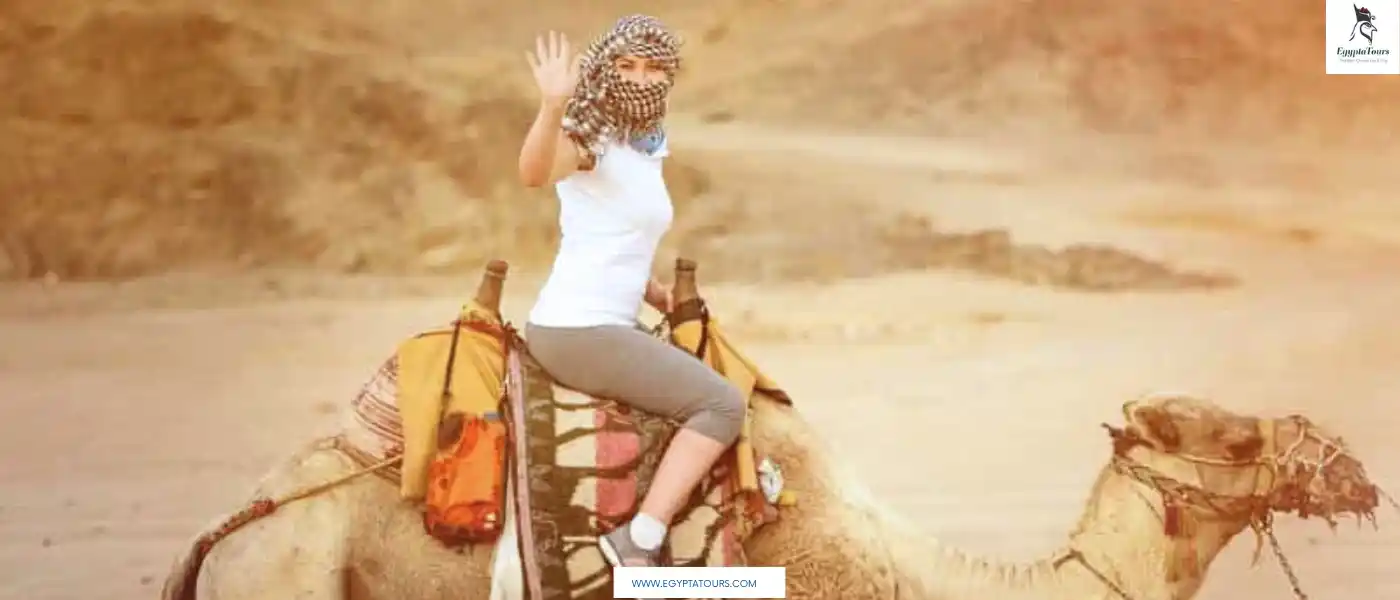
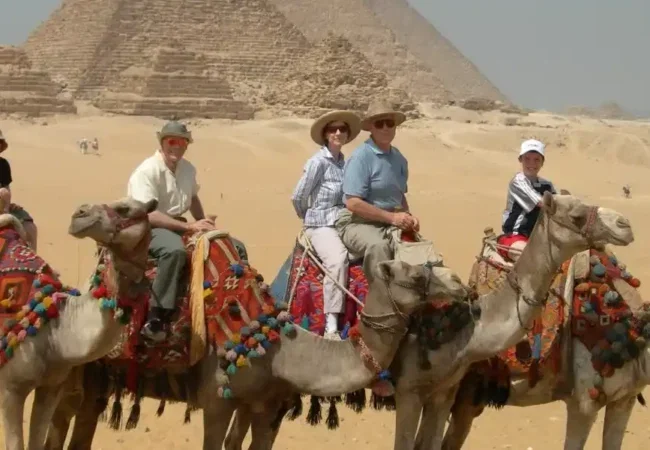
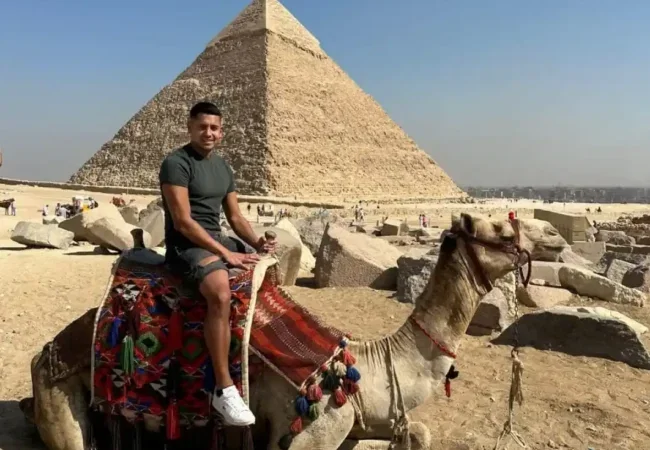
The top attractions in Giza include the Great Pyramid of Khufu, the Pyramid of Khafre, the Pyramid of Menkaure, the Sphinx, the Solar Boat Museum, and the Giza Necropolis. Visitors can also enjoy camel rides around the pyramids and visit the nearby Giza Plateau.
Giza is located just 15-20 kilometers (9-12 miles) southwest of Cairo, making it a short drive or taxi ride from the capital city. It typically takes 30 to 45 minutes to get from central Cairo to the pyramids.
Yes, visitors can enter the Great Pyramid of Khufu and the smaller pyramids of Khafre and Menkaure for a fee. Inside, visitors can explore the burial chambers, though the interior is quite narrow and can be challenging for those with claustrophobia.
The best time to visit Giza is during the cooler months, from October to April, when the weather is more comfortable for exploring outdoor sites. Summers can be extremely hot, so it’s advisable to visit early in the morning or late in the afternoon during those months.
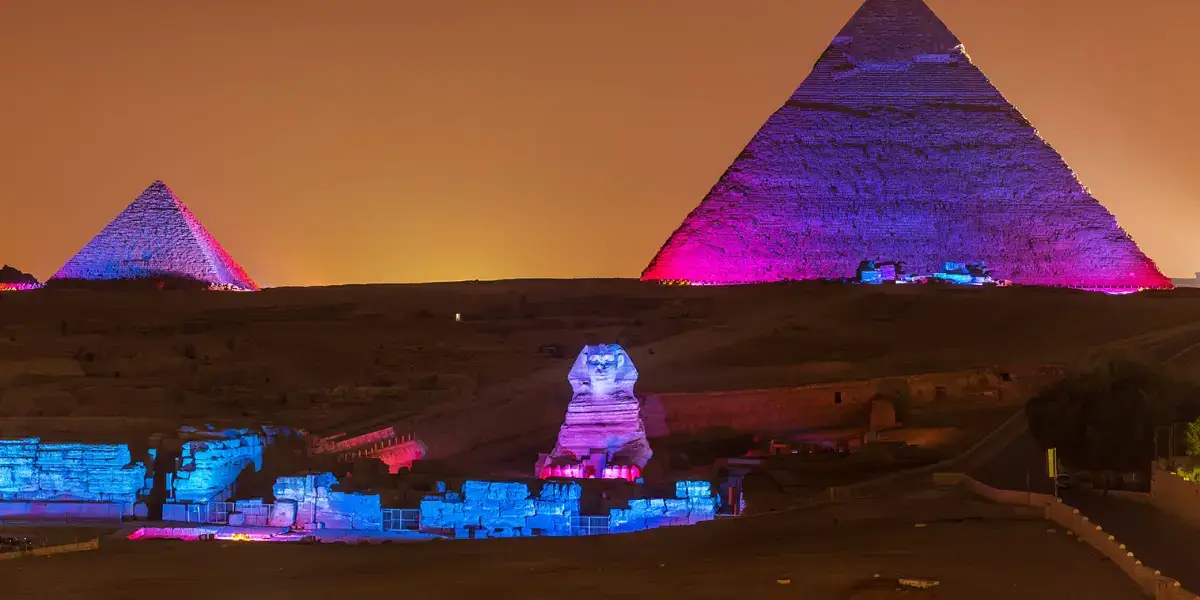
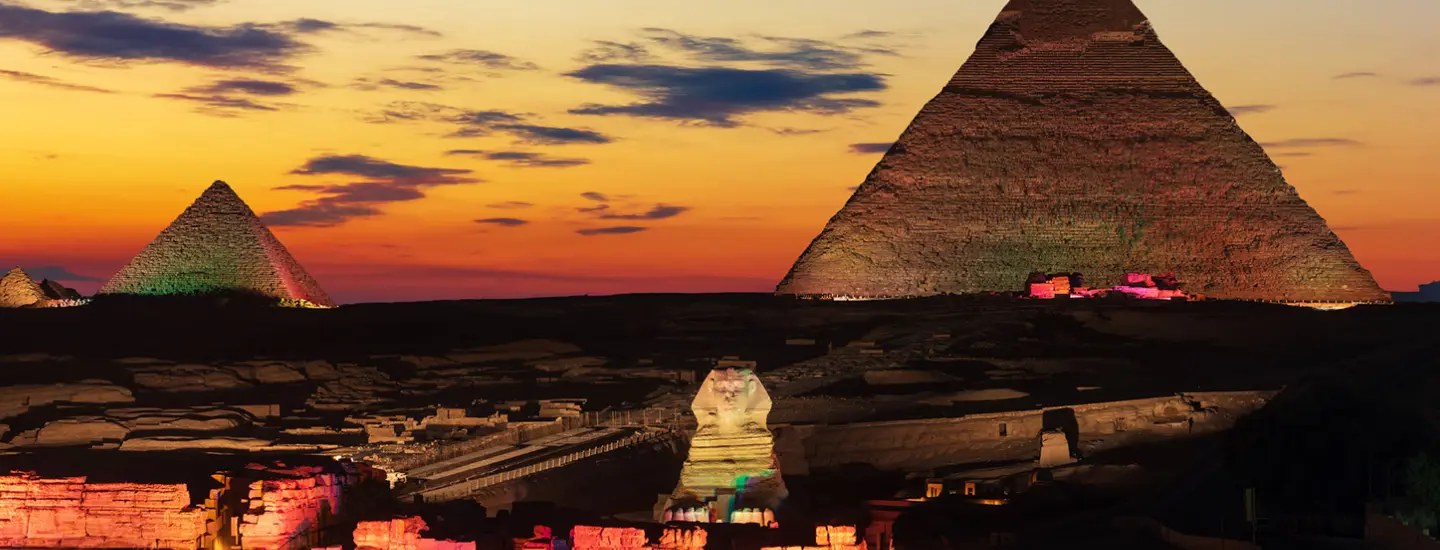
The Sphinx is a massive limestone statue with the body of a lion and the head of a pharaoh, believed to represent the Pharaoh Khafre. It stands near the Great Pyramid and is one of Egypt’s most recognizable landmarks.
You can get to Giza from Cairo by taxi, private car, or public transport. The most convenient way is by taxi or ride-sharing services like Uber, as it offers a direct route to the pyramids.
Giza is generally safe for tourists, especially in popular tourist areas like the pyramids and surrounding attractions. However, it’s always advisable to follow standard safety practices, such as avoiding isolated areas and being cautious of aggressive street vendors.
Yes, there are many guided tours available in Giza, ranging from private tours to group tours. Guides typically provide in-depth historical information about the pyramids, the Sphinx, and other nearby archaeological sites. Many tours also include transportation and visits to other Cairo landmarks.
Arabic is the primary language spoken in Giza, but English is widely understood in tourist areas, particularly around the pyramids. Some locals also speak other languages such as French, German, and Italian due to the international nature of the tourism industry.
TAXES INCL/PERS
TAXES INCL/PERS
TAXES INCL/PERS

TAXES INCL/PERS
TAXES INCL/PERS
TAXES INCL/PERS
TAXES INCL/PERS
TAXES INCL/PERS
TAXES INCL/PERS