Egypt Sports
Egypt Sports have been an influential factor in the life of the...



Xois, historically known as Chus by the Greeks, is located on a marshy island in the heart of the Nile Delta, within Egypt’s Kafr El Sheikh Governorate. The city was founded between 3414 and 3100 BCE and was continuously inhabited until the advent of Christianity around 390 CE. By the Fifth Dynasty (2498–2345 BCE), Sakha had already become an ancient and prominent city.
It played a central role during the Hyksos rule and was also the site of the decisive battle between Ramses III (1186–1155 BCE) and the Sea Peoples along with their Libyan allies in 1178 BCE. Its ancient Egyptian name was Ḫꜣsww(t), pronounced Khasut or Khast, while the Greeks called it Ξόις and in Coptic it was ⲥϦⲱⲟⲩ.
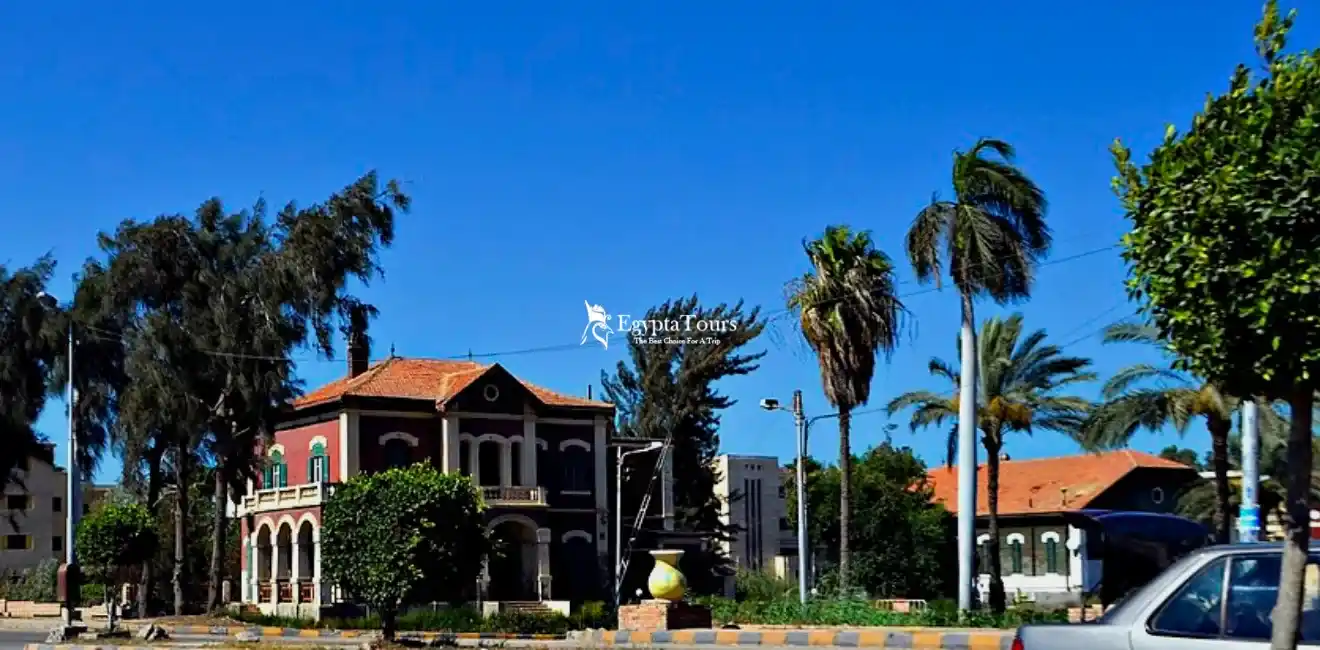
The -Origin- Of -The- Name -Xois
Known as “Khast” in Pharaonic times and “Xois” in the Greco-Roman era, Sokha gained special importance after Christianity reached Egypt. Tradition holds that the Holy Family stayed here during their flight into Egypt. The town was called “Beikha Iesous,” meaning “the Foot of Jesus,” referring to a stone that bore the imprint of Jesus’ foot when he was two years old as recorded in the Coptic Synaxarium on 24 Bashans.
The History Of Xois
Xois, known to the Greeks as Xois, was located on an island formed by the branches of the Nile called the Spinetic and Fatnitek. At first, the city belonged to a region called Spinetic and later it became independent with its own name, known as Khousi.
According to the historian Manetho, the Fourteenth Dynasty of Egypt was made up of 76 Khousi kings, and this dynasty came before the rule of the Hyksos during the Second Intermediate Period. Due to Xois’s strong position among the Nile Delta marshes and its network of river branches, some researchers believe the city may have survived the Hyksos occupation or at least reached an agreement with them by paying tribute. However, most Egyptologists today think that the Fourteenth Dynasty was based in Avaris in the eastern Delta.
Some geographers believe that Xois is what Herodotus called Papremis. Jean-François Champollion identified the remains of Xois in the modern city of Sakha which is the Arabic version of the Coptic Sḫeow and the ancient Egyptian sḫw. The road from Tamiathis to Memphis passed through Xois.
During the Roman and Byzantine periods, Xois was the center of a Christian diocese and it is still considered a vacant honorary episcopal see. The diocese was active at least until 700 CE. In the 10th century, Ibn Hawqal described Sakha as a large city and by the 13th century,
during the time of Yaqut al-Hamawi, it was the capital of the Gharbia province. By the time of Ibn Daqmaq, Sakha was no longer an administrative capital but it remained a large city and gave its name to an important sub-region in the province.
The 1885 census of Egypt recorded Sakha as a district under the Kafr El Sheikh center in Gharbia Governorate with a population of 950 people (480 men and 470 women). Christian traditions hold that Sakha was one of the places visited by the family of Jesus during their flight to Egypt. In 1984,
a stone was discovered that was said to bear the footprint of Jesus, buried during the medieval period. Pope Shenouda III authorized the use of the stone and several miracles were attributed to it.
Xois was a center for the worship of the god Amun-Ra and was famous for producing fine wine and luxury goods. The Egyptians called Xois, Khasut or Khast and sometimes linked it to “No-Amun” traditionally associated with Thebes and it is mentioned in the Bible in the Book of Nahum where the prophet warns Nineveh of its pride and coming destruction:
“Are you better than No, the settled place that lies among the rivers with water around her and the sea as her wall?” (Nahum 3:8).
Comparing a well-known city like Nineveh to Xois shows the importance and reputation of the Egyptian city, even though some interpretations suggest the text might refer to Thebes.
Amun was a god that was closely associated with Thebes and his importance increased when the Theban prince Mentuhotep II defeated his rivals and made Thebes the capital of Egypt. However, Amun existed before this and Xois was one of the sacred sites dedicated to his worship.
In the Delta of Xois, Amun was worshiped as a fertility god while Ptah was worshiped as a creator god. This changed when Thebes became the capital and Amun was then seen as the supreme creator and giver of life, represented by the sun. His wife, Mut symbolized the sun’s rays and their son Khons was the god of healing. Although these three gods are known as the Theban Triad directly associated with Thebes, their worship spread through trade from Upper Egypt cities like Thebes to Lower Egypt cities like Xois.
The church was built on the site where the Holy Family stayed, alongside a baptismal site modeled on the Roman system. Later, the Monastery of Al-Magtas was established and remained active until the late 12th century.
According to 15th-century historian Al-Maqrizi, the monastery drew pilgrims every 24 Bashans, similar to the way Christians pilgrimage to the Church of the Holy Sepulchre in Jerusalem. The Virgin Mary was said to appear on this day giving rise to the Feast of the Appearance of the Virgin Mary.
Saint Anba Zacharias, Bishop of Sokha in the 8th century, recorded that the Holy Family reached Sokha after being turned away from other villages. Thirsty, young Jesus placed his foot on a stone leaving an imprint and causing fresh water to spring forth. For centuries, the faithful applied oil to the stone and received blessings until it was hidden underground for protection.
In the 13th century, the stone was concealed within the monastery grounds and was rediscovered in modern times during excavation near the outer gate, alongside a stone column crown. It was placed in a protective box inside the church. Today, the church draws visitors and pilgrims with annual commemorations on 24 Bashans and spiritual gatherings during the Virgin Mary’s fast from August 7 to 22.
The relics of Saint Anba Zacharias were found during church renovations in 1968. The Synaxarium recounts that during his ordination, a radiant light filled the church illuminating his face like a star. Known for his scholarship, writings and spiritual gifts, his relics were placed in a vial alongside a large cross with witnesses reporting miraculous phenomena.
Saint Anba Sawirus, Patriarch of Antioch, stayed in Xois during his flight to Egypt at the house of Dorotheus. After his passing in 538 CE, his body was moved to Deir Al-Zogag and later returned to Sokha following the monastery’s destruction. His relics may still rest in Sokha among other sacred relics.
Saint Agatho the Stylite, a disciple of Saints Anba Abram and Anba George, lived near Sokha atop a pillar. Believers built him a dwelling on the pillar and his relics may also be among the five recently discovered relics in Sokha.
The church today preserves ancient manuscripts, icons, vessels, and stones from different eras, making it a significant center of spiritual, historical and cultural heritage.
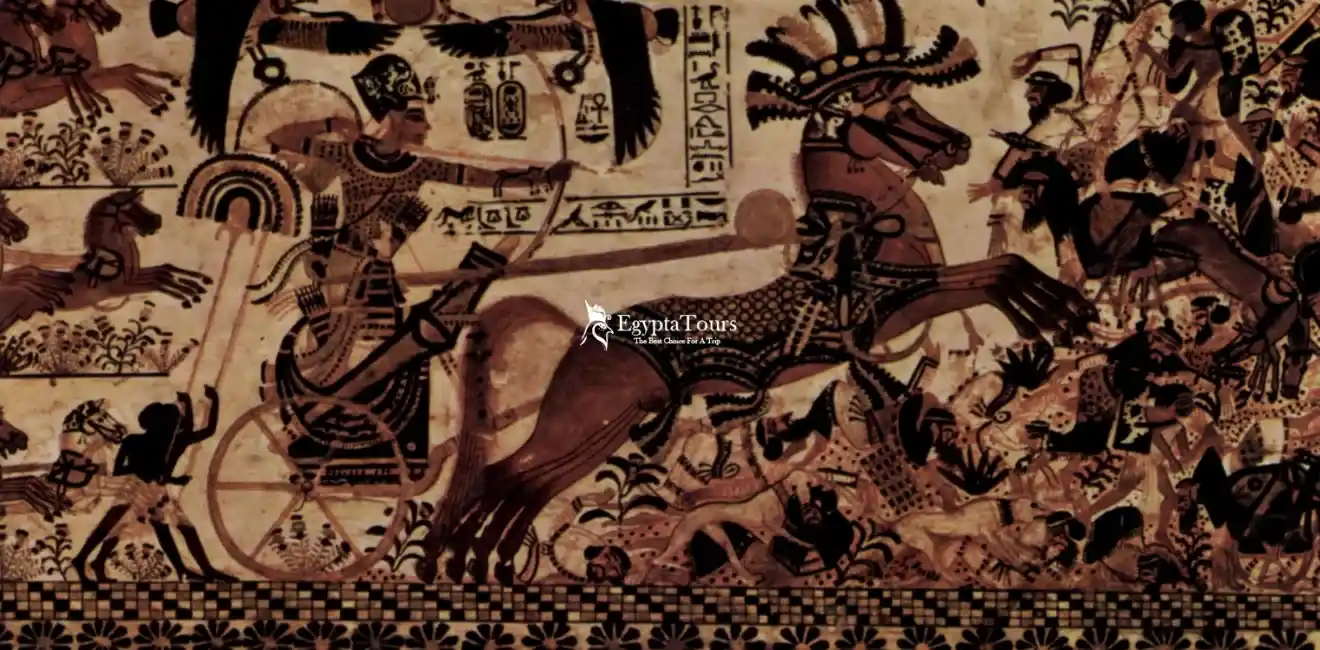
Hyksos -Rule -And -Xois -As- A -Capital
When the Hyksos invaded Egypt around 1800 BCE, they took control of the country and by 1720 BCE, they had made the Egyptian dynasty in Thebes a vassal state. Xois then became a rival center of power in the country. Researcher John A. Wilson wrote:
“A form of governance continued in Thebes throughout this period, even though it was under Hyksos control for a time. Moreover, the early part of the period may have seen a local Egyptian dynasty in Xois competing with Thebes. Thus, it is possible that Theban dynasties ruled most of the time, perhaps with a Khousi dynasty at first and Hyksos dynasties for the final three-quarters of the period.”
Wilson points out that understanding the importance of Xois at this time is difficult due to the lack of contemporary records. This absence also makes it complicated to know who the Hyksos were and where they came from. The city recovered after the defeat and expulsion of the Hyksos around 1555–1550 BCE, but it lost its former glory. The nobles of Xois established the Fourteenth Dynasty of Egypt in the city around 1650 BCE but with the rise of Thebes after the defeat of the Hyksos by Amenhotep I,
the dynasty collapsed and Xois declined in importance. The Egyptian historian Manetho (3rd century BCE) mentioned 76 Khousi kings and 72 names were confirmed through the Turin King List papyrus, thought to have been created during the reign of Ramses II (1279–1213 BCE). Although Xois was no longer a capital, it continued to be a prosperous trade center and a place of pilgrimage and it became famous in Egyptian history as the site of the battle that stopped the final invasion of the Sea Peoples.
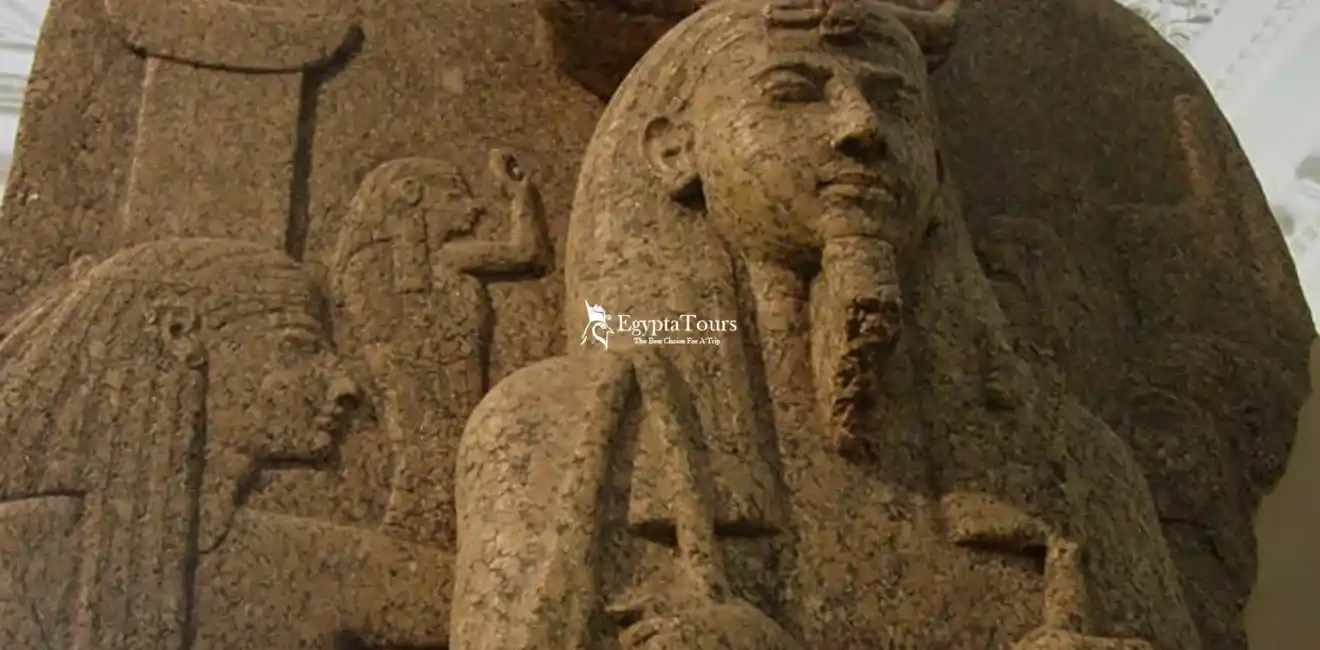
Ramses- III- And -The -Battle -Of -Xois
Xois was one of the main defense locations for Egypt under Pharaoh Ramses III (1186–1155 BCE) in the eighth year of his reign against the Sea Peoples and their Libyan allies. The Sea Peoples had tried to invade during the reigns of Ramses II and his successor Merneptah (1213–1203 BCE) but were defeated. Ramses III understood the danger of the threat so he relied on guerrilla tactics instead of open battle, setting ambushes around the Nile Delta near Xois. Archers were positioned on the shores and fired at ships attempting to land soldiers and flaming arrows were used to burn ships and destroy the invading forces.
Although Ramses III was victorious in 1178 BCE, the war was very costly and drained the royal treasury. This, combined with a mysterious drought, led to the first known labor strike in history in the 29th year of his reign, when supplies for the elite tomb workers in the village of Set-Mata (modern Deir el-Medina) were not delivered, causing them to stop working. This event is important because it involved the artisans who carved the famous tombs in the Valley of the Kings.
Xois continued to thrive as a center of worship and trade for centuries after Ramses III’s victory. It was considered a city of high culture for over two thousand years and maintained its reputation even after Egypt became a Roman province under Augustus in 30 BCE. Its long-standing fame for producing the finest wine in Egypt helped preserve its wealth through wine trade and kept the city alive. The Romans valued Xois wine and the city remained a prosperous trade center under Roman rule.
This prosperity continued until the arrival of Christianity, which gradually led to the city’s decline. Christian teachings strongly rejected the ancient Egyptian religious practices, including the worship of multiple gods and sacred animals,
and forbade drinking alcohol. This reduced the demand for Xois wine and the city lost its wealth and status around 390 CE. The orders of the Christian Roman Emperor Theodosius I (379–395 CE), which closed pagan temples and schools, also had a damaging effect on cities like Xois. By the time of the Islamic conquests in the 7th century CE, Xois was mostly ruins, sparsely inhabited by nomadic shepherds.
Xois was a major defense location for Egypt in the eighth year of Ramses III’s reign against the Sea Peoples and their Libyan allies. Ramses used guerrilla tactics, positioning archers on the shores to fire at incoming ships and using flaming arrows to burn the ships and stop the invaders. The battle ended with Ramses III’s victory in 1178 BCE, but it was very costly and led to the first known labor strike in history in the 29th year of his reign due to a lack of supplies for tomb workers in Set-Mata (Deir el-Medina).
It was called “Beikha Iesous” meaning “the Foot of Jesus,” referring to a stone that bore the imprint of Jesus’ foot when he was two years old, as recorded in the Coptic Synaxarium on 24 Bashans.
The church was built on the site where the Holy Family stayed, with a baptismal site modeled on the Roman system. Later, the Al-Magtas Monastery was established and remained active until the late 12th century. According to 15th-century historian Al-Maqrizi, the monastery attracted pilgrims every 24 Bashans, similar to the Christian pilgrimage to the Church of the Holy Sepulchre in Jerusalem, and the Virgin Mary was said to appear on this day, giving rise to the Feast of the Appearance of the Virgin Mary.
With the arrival of Christianity, the new religious teachings rejected the worship of multiple gods and sacred animals and forbade drinking alcohol, reducing the demand for Xois wine and causing the city to lose its wealth and status around 390 CE. Additionally, the orders of the Christian Roman Emperor Theodosius I to close pagan temples and schools negatively affected cities like Xois. By the 7th century Islamic conquests, the city was mostly in ruins, sparsely inhabited.
The city was a center for the worship of Amun-Ra, who was worshiped as a fertility god. Ptah was worshiped as a creator god. With Thebes becoming the capital, Amun was then seen as the supreme creator and giver of life, his wife Mut symbolized the sun’s rays, and their son Khons was the god of healing. This formed the Theban Triad, and their worship spread from Thebes in Upper Egypt to Delta cities like Xois.
It was founded between 3414 and 3100 BCE and was continuously inhabited until the advent of Christianity around 390 CE.
Xois is located on a marshy island in the heart of the Nile Delta, within Egypt’s Kafr El Sheikh Governorate.
By the Fifth Dynasty (2498–2345 BCE), Sakha had already become an ancient and prominent city. It played a central role during the Hyksos rule and was also the site of the decisive battle between Ramses III (1186–1155 BCE) and the Sea Peoples along with their Libyan allies in 1178 BCE.

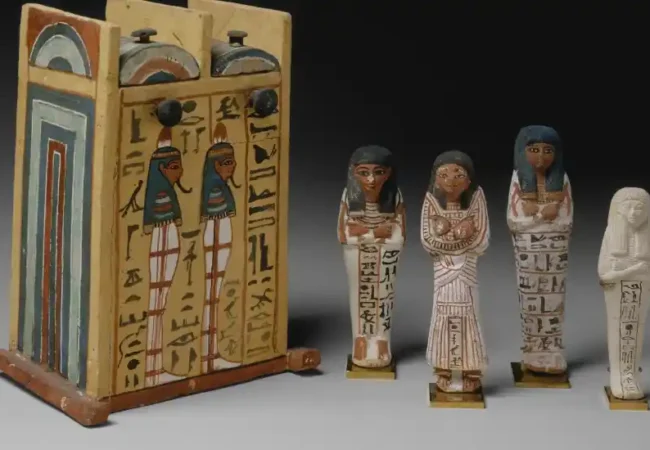


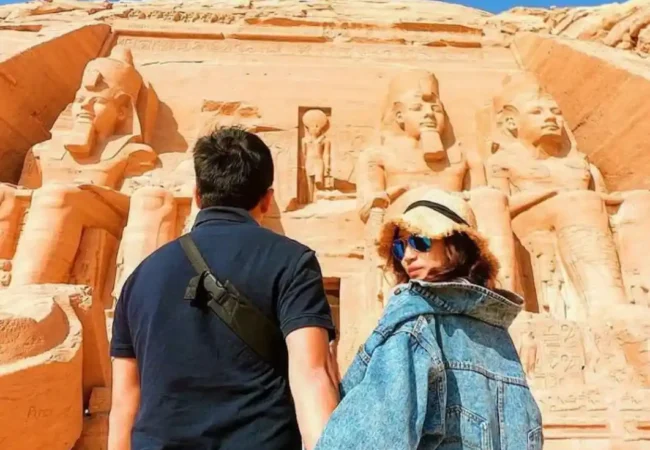
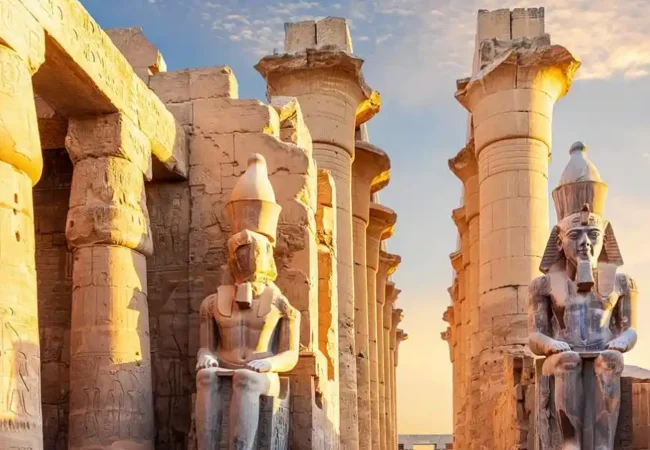
Explore our top-rated Egypt travel packages and embark on an unforgettable journey. From the Pyramids of Cairo to the magical temples of Luxor, Aswan, and Abu Simbel, discover expertly curated tours designed for your perfect Egyptian adventure