Best Egypt Tours in November 2026: Weather, Prices & Top Itineraries
Egypt is characterized by its stunning natural beauty throughout the year, and...



Egypt tour packages tailored for Indian travelers offer a comprehensive and culturally resonant way to explore the ancient world’s most iconic monuments, from the Giza Plateau to the temples of Upper Egypt. With competitive pricing and customizable itineraries ranging from 7 to 10 days, these packages typically combine Cairo’s rich pharaonic and Islamic heritage with classic Nile River cruises connecting Luxor and Aswan. By carefully verifying package inclusions—such as specific hotel ratings, domestic transit methods, dietary accommodations, and guided excursions—travelers can ensure a seamless, cost-effective journey that balances historical exploration with modern comfort.
Key Takeaways
Optimal Duration and Routing: A 7- to 10-day itinerary is the ideal timeframe for first-time visitors, allowing enough time to comfortably cover Cairo, Luxor, and Aswan, typically anchored by a multi-day Nile cruise.
Core Package Inclusions: Standard packages generally bundle international flights, accommodations, intercity transfers, and guided sightseeing, while personal expenses, tips, and specific entrance fees are often excluded and must be budgeted for separately.
Cairo and Giza Landmarks: Itineraries in the capital focus on the Giza Pyramids, the Sphinx, the Grand Egyptian Museum, and historic Islamic and Coptic sites like Khan El Khalili, the Hanging Church, and the Muhammad Ali Mosque.
Upper Egypt Explorations: Luxor and Aswan highlight the peak of ancient architecture, featuring the Valley of the Kings, Karnak Temple, Abu Simbel, Philae Temple, and iconic experiences like hot air balloon rides over the Nile.
Visa and Logistics: Indian citizens require a visa (obtainable via the official e-Visa portal or embassy) and should carry USD for easy local exchange, alongside securing comprehensive travel insurance.
Strategic Add-Ons: Travelers with extra time can enhance their trips with coastal excursions to Alexandria’s Roman ruins or relaxing Red Sea beach breaks in Hurghada or Sharm El Sheikh.
Booking Due Diligence: To prevent hidden costs, travelers must request day-by-day itineraries in writing, explicitly confirming hotel names, dietary options (like vegetarian or Jain meals), internal flight baggage limits, and whether entry tickets to major sites are covered.
India and Egypt share one of the world’s oldest civilizational connections — ancient trade routes across the Indian Ocean linked these two great empires for thousands of years. Today, Indian travelers are among the fastest-growing visitors to Egypt, drawn by the affordable luxury, incredible history, and a warmth that reminds many of home. EgyptaTours designs Egypt tour packages from India with Indian travelers’ needs in mind: vegetarian dining options, group-friendly arrangements, family-sized private tours, and competitive INR pricing.
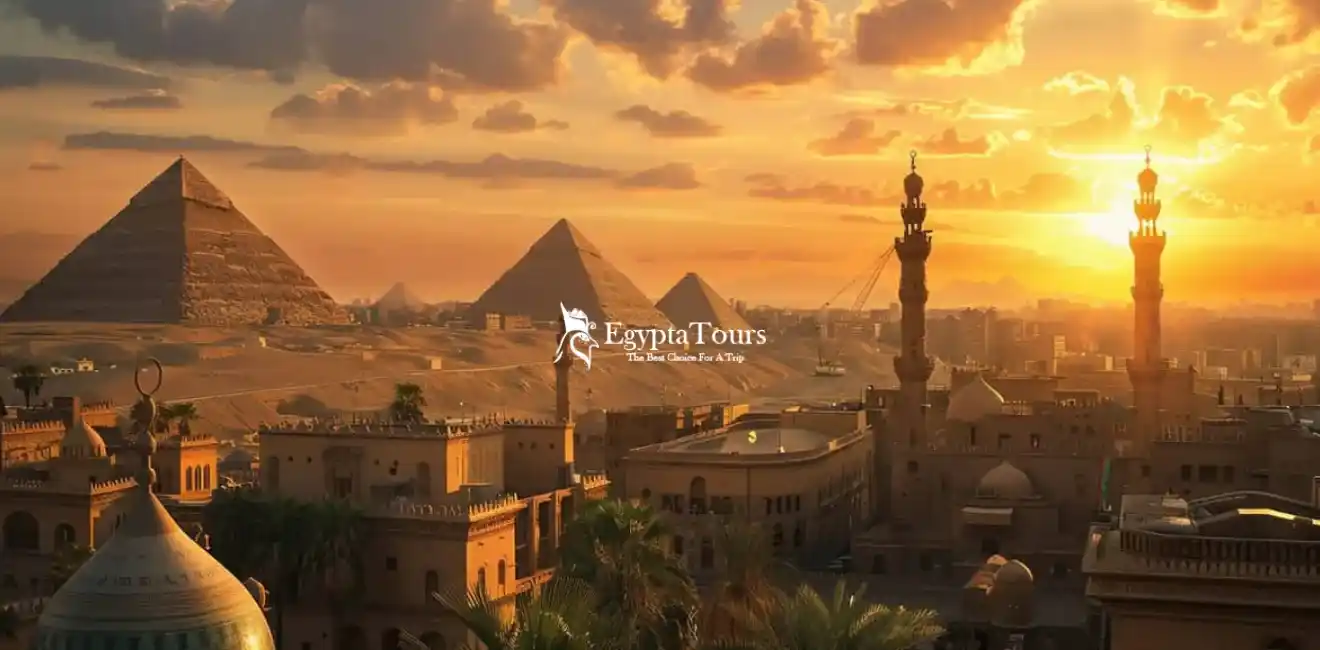
Ultimate- Egypt -travel -packages -From -India-three-pyramids
The ancient Egyptians knew the soul and had faith in its purity and eternity. The respected the sacredness of the body and tried to preserve it. When it’s time for the soul to return back to its creator. All the construction, building and architecture, astronomy and arts, the mummification mystery, all had one main incentive: The faith in verity, justice, resurrection, accountability and mortality. Hoping for an afterlife. An ideal life void of conflicts and evil.
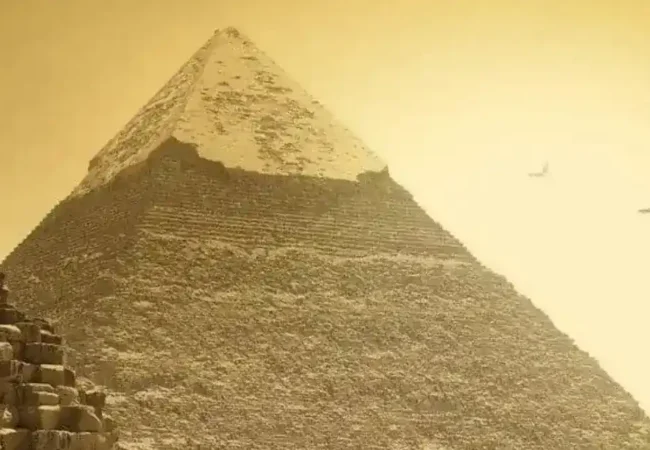
An eternal heaven accommodating those who have done well in the life. So, they built the pyramids with this very ingenious design. The Three pyramids are one of the secrets of the pharaohs, in which we still discover new secrets that indicate the ingenuity of the pharaohs and their progress in constructive thought and civilization.
The Great Sphinx is one of the most famous statues in the whole world. His body in the form of a lion is a sign of strength. His head in the form of a human head is a sign of wisdom. It is about 20 meters high. As for its length, it is 73 meters.
It was built by King Khafre, who built The Middle Pyramid, on the grounds that the Sphinx is an image of the gods of the ancients.
The Valley Temple is a temple that the ancient Egyptians built on the shore of the Nile near the pyramids and connected to it by a road called the “Procession Road”. After the death of Pharaoh, his body was mummified and his mummy was prepared in the Valley Temple, then they transported it in a large procession to a temple directly next to the pyramid, called the Funerary Temple. After conducting religious rituals on the deceased, he was entered into the coffin room and placed in the coffin.
It was built by King Khafre, and it was named Valley Temple of King Khafre, after him. This temple was built next to the Sphinx and connected to a paved road for processions with its pyramid located on the Giza plateau.
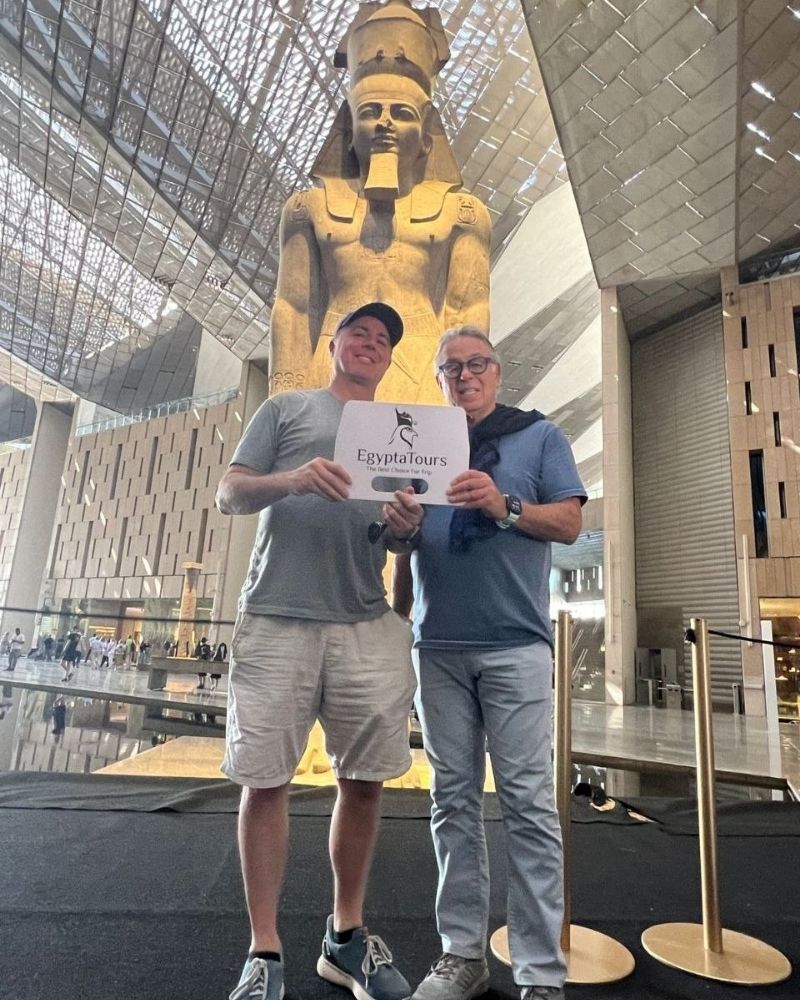
The Grand Egyptian Museum is located on the Giza Plateau in Egypt and is considered a massive cultural landmark as well as one of the largest museums anywhere in the world. It is expected to attract more than 10 million visitors every year. The construction of the museum officially began on October 6, 2014, following a formal ceremony attended by Prime Minister Ibrahim Mahlab.
Despite this promising start, construction work was halted due to legal disputes related to the museum’s funding and objectives. These issues caused a delay that lasted until 2017, when President Abdel Fattah el Sisi approved the resumption of the project. Once completed, the museum will display around 100,000 artifacts representing all eras of ancient Egyptian history, from prehistoric times through the Roman period. As visitors move through the galleries, they will feel as if they are journeying through time, discovering remarkable artifacts and gaining a deeper understanding of Egypt’s rich and ancient cultural heritage.
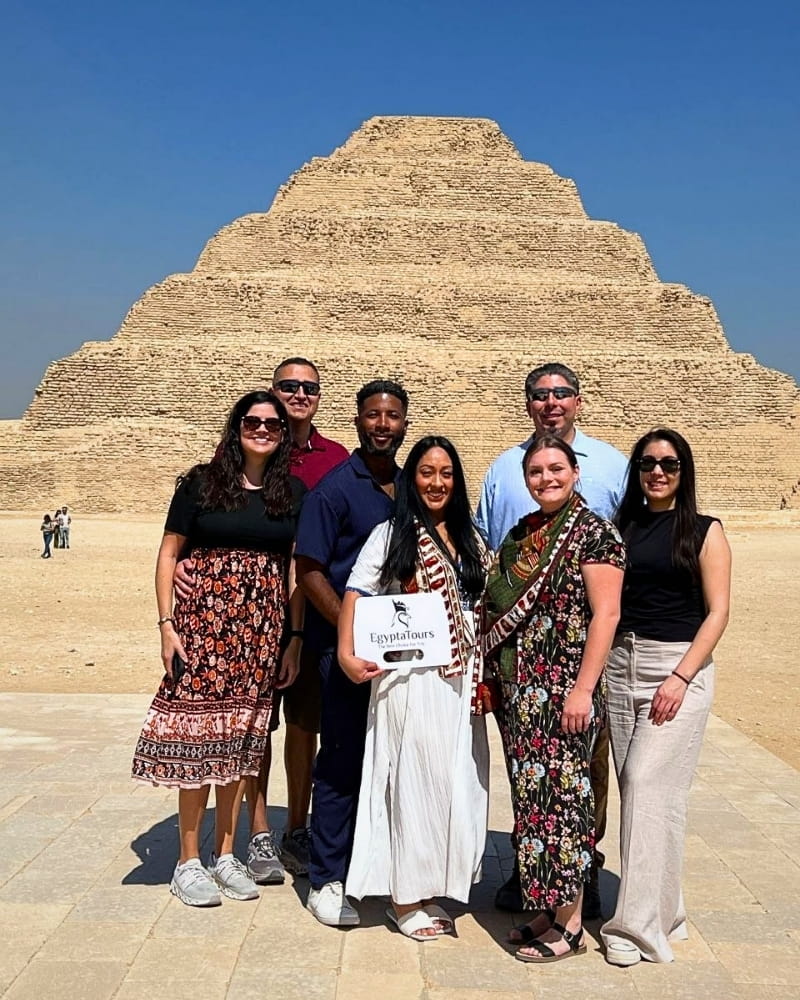
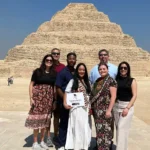
If you travel about 12 miles (20 kilometers) south of the Giza Plateau along the western bank of the Nile River, you will reach the Step Pyramid of Djoser. This pyramid stands as a remarkable example of ancient Egyptian architectural achievement and is among the oldest pyramids in Egypt. It was constructed during the reign of King Djoser, the second ruler of the Third Dynasty, within the Saqqara burial ground located south of Cairo.
The pyramid is especially well known for its distinctive structure, consisting of six stepped levels that rise to a height of 62 meters (203 feet). Surrounding it is a large architectural complex that includes courtyards, temples and chapels, all enclosed by a massive wall. Inside the pyramid itself, there are numerous chambers and corridors, some of which still contain offerings and artifacts dating back to the time of King Djoser.
The Step Pyramid of Djoser represents a major turning point in ancient Egyptian architecture as it marks the transition from simple mastaba tombs to the monumental pyramids that were built in later periods. However, this pyramid is not the only significant monument in this desert area on the outskirts of Cairo. It is actually just one part of the vast Saqqara Necropolis, which contains many important tombs, pyramids, temples and stone structures.
Situated in the Sayyidah Zaynab district of Cairo, Ibn Tulun Mosque is one of Egypt’s most famous historical landmarks. It was constructed in the 9th century by Ahmed Ibn Tulun, the founder of the Tulunid dynasty, making it one of the oldest surviving mosques in the city.
The mosque is well known for its remarkable architectural style and elegant design which attract large numbers of visitors every year. Visitors can explore its unique architectural elements while learning about its historical and cultural significance. Due to its popularity among both locals and tourists, Ibn Tulun Mosque is frequently used as a venue for cultural events and public celebrations.
Anyone interested in exploring Cairo’s cultural heritage and Islamic history should include Ibn Tulun Mosque on their itinerary. The mosque clearly reflects the richness of the city’s past through its impressive architecture, artistic beauty and deep historical background.
Al Azhar Mosque is a historic Islamic mosque located in the heart of Cairo, Egypt. It was established in 970 AD as a center for Islamic learning and is widely recognized as one of the oldest and most prestigious Islamic universities in the world. The name “Al Azhar” translates to “the shining” or “the brilliant,” and the mosque is regarded as a global symbol of knowledge and intellectual scholarship in the Muslim world.
Serving both as a place of worship and a major educational institution, Al Azhar Mosque attracts scholars from across the globe who come to study Islamic theology, law and related disciplines. Visitors can experience the mosque’s rich religious and cultural heritage by attending daily prayers or by exploring its historic library, which contains an extensive collection of rare manuscripts and Islamic texts.
In addition to its religious importance, Al Azhar Mosque is a popular tourist attraction, drawing visitors from all over the world who come to admire its beautiful architecture and learn about its influential role in Islamic history and culture.
The Muhammad Ali Mosque is a well known Cairo landmark located at the highest point of the Cairo Citadel, offering stunning views over the city. This magnificent mosque was commissioned by Muhammad Ali Pasha, the ruler of Egypt and was designed by the Greek architect Youssef Bushnaq between 1805 and 1848.
The mosque features a distinctive architectural style that blends Ottoman and Egyptian influences. Its striking white alabaster exterior, large central dome, two smaller domes and four tall minarets make it one of the most recognizable mosques in Egypt. Visitors can also enjoy breathtaking panoramic views of Cairo by climbing to the top of one of the mosque’s minarets.
The Salah El Din Citadel is a famous historic fortress located on Mokattam Hill on the eastern side of Cairo. Built by Saladin in the late 12th century, it is considered one of the best preserved Islamic fortresses in Egypt. Throughout its long history, the citadel has served multiple purposes, including functioning as a military stronghold, a royal residence and later as a museum complex.
Located in the heart of Cairo’s historic Islamic Quarter, Khan El Khalili Bazaar is one of the oldest and most famous traditional markets in Egypt, dating back to the 13th century. Visitors can stroll through its narrow streets filled with shops and stalls offering a wide variety of goods such as antiques, spices, handmade jewelry, souvenirs and traditional street food.
The bazaar is also an ideal place to experience authentic Egyptian culture, relax at a traditional café and enjoy a cup of tea. Khan El Khalili becomes especially vibrant during the month of Ramadan, when late night celebrations and festive activities attract large crowds of locals and tourists.
The Egyptian Museum in Cairo is the oldest archaeological museum in the Middle East and houses some of the world’s most valuable ancient artifacts. Its most famous collection is the Tutankhamun Exhibition, which includes the iconic golden mask along with all the treasures discovered inside the young king’s tomb.
During our TravelTalk tour, we visited the Egyptian Museum at the end of the journey, which allowed us to fully appreciate the artifacts after learning extensively about ancient Egyptian pharaohs throughout the trip. One important tip for visitors is to hire a knowledgeable guide, as many displays lack detailed information signs. Having a guide greatly enhances the museum experience and helps visitors understand what they are seeing.
The Hanging Church is one of the oldest and most significant Christian churches in Egypt. It is located in Old Cairo near the Mosque of Amr Ibn Al Aas and the Ben Ezra Synagogue. The church was built on a site traditionally believed to have sheltered the Holy Family during their journey into Egypt. Architecturally, the church follows a basilica layout with a main nave and two side aisles, and it contains three altars dedicated to the Virgin Mary, St. John the Baptist and St. George.
The Hanging Church holds a central place in Coptic Christian history, having served as the seat of several Coptic patriarchs and hosting major religious events such as patriarchal elections, burials, the consecration of holy oil and trials related to heresy. Due to its association with the Holy Family and its historical role, it remains an important pilgrimage destination for Coptic Christians.
Over the centuries, the church has undergone several renovations during Islamic rule. In the 11th century, the patriarchal seat was moved from Alexandria to Cairo, further increasing the church’s importance. The Hanging Church is also associated with reports of Marian apparitions, including a vision witnessed by Pope Abraham in the 970s. Its unique design includes a fountain at the entrance and a small courtyard decorated with modern biblical artwork, making it a major tourist attraction in Cairo.
Ben Ezra Synagogue is regarded as one of the most important and well known Jewish religious sites in Egypt and is located in Old Cairo. The synagogue is famous for housing valuable historical documents, including the ancient Tanakh manuscript known as the Aleppo Codex.
The synagogue holds great religious significance, as tradition states that it was the place where Prophet Moses prayed after a devastating plague struck the land. It is also believed to have been the site of several appearances by the prophet Elijah. The building consists of two floors, with the ground floor designated for men and the upper floor for women. Its interior features two rows of marble columns with decorated capitals as well as a central platform used for sermons, surrounded by seating for worshippers. The eastern sanctuary contains the Ark of the Covenant and Torah scrolls.
The National Museum of Egyptian Civilization is one of Egypt’s most important cultural institutions and is located in Fustat, Cairo, covering an area of 33.5 acres. The museum contains approximately 50,000 artifacts that illustrate the development of Egyptian civilization from the Stone Age through to the modern period. It is uniquely positioned on the shores of Lake Ain Al Sira, providing visitors with a distinctive and scenic setting.
Designed by Japanese architect Arata Isozaki, the museum includes nine main exhibition halls, most notably the Royal Mummies Hall. The museum focuses on showcasing both Egypt’s tangible and intangible heritage, supported by advanced storage facilities and temporary exhibition spaces.
It also features a learning and research center, along with exhibitions dedicated to the growth and transformation of modern Cairo. Today, the National Museum of Egyptian Civilization stands as a major tourist attraction, drawing visitors from around the world who wish to explore Egypt’s rich history and cultural legacy.
Ultimate- Egypt -travel -packages -From -India-Luxor -City- Attractions
With Our Egypt travel packages From India, visitors can reach the Valley of the Kings located on the west bank of the Nile River, to see more than a hundred ancient tombs of the Pharaonic families, climb the slopes of the Valley of the Kings, then watch the sunset from the top of the valley, and take memorial photos.
That valley was classified as one of the UNESCO World Heritage Sites, and it was known as the “Royal Funerary City” as it includes many tombs of the kings of the Pharaonic state which you can visit through Our Egypt travel packages From India , such as:
through Our Egypt travel packages From India You Can Explore the Impressive Valley of the Queens is located behind the Valley of the Kings, continuing its march to include the most prominent members of the royal family and the noble classes of women. This valley contains approximately 90 tombs, the walls of which are decorated with the most beautiful inscriptions and hieroglyphic words.
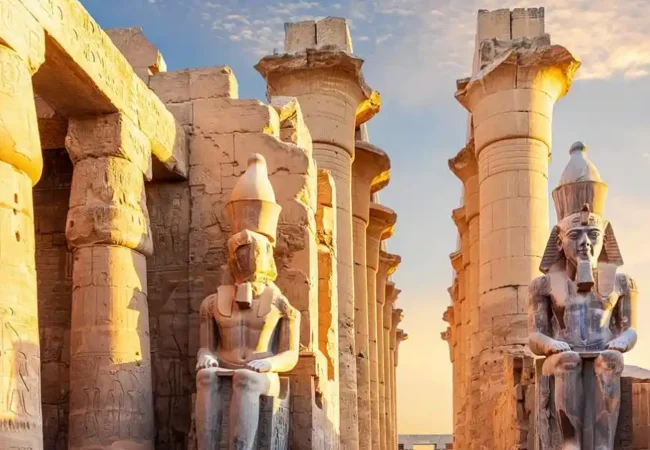
Luxor Temple is one of the most impressive ancient temples in Egypt and is located on the east bank of the Nile River in the city of Luxor which was formerly known as Thebes. The temple was constructed during the 14th century BC by several powerful pharaohs, including Amenhotep III, Ramesses II and Seti I. It was dedicated to the gods Amun Ra, Mut and Khonsu, who were widely worshipped in Thebes during the New Kingdom period. The temple features a grand entrance hall that leads into an inner courtyard lined with columns on both sides.
From there, visitors move into another spacious courtyard surrounded by columns and statues, including a seated statue of Ramesses II on his throne and a pair of statues depicting Amenhotep III and Queen Tiye alongside their three children. The temple complex also includes a shrine dedicated to the goddess Hathor, who symbolized love and beauty in ancient Egyptian belief.
The Karnak Temple Complex is one of the largest and most famous religious sites in the world, consisting of more than 1,000 temples, chapels and shrines. This vast complex is divided into three main areas, the most prominent being the precinct of Amun Ra, along with the lesser known precincts of Mut and Khonsu. Visiting Karnak Temple during the winter season is considered ideal, as the cooler weather makes the experience more comfortable and the site tends to be less crowded, allowing visitors to explore the temple complex in a calmer atmosphere.
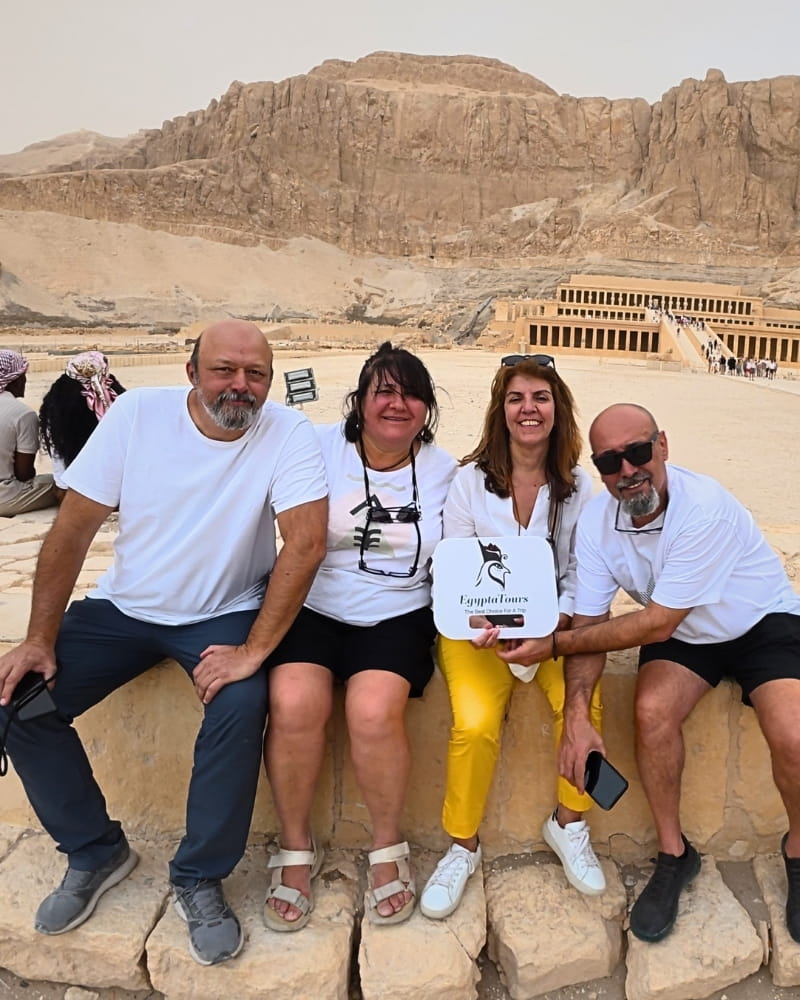
The Temple of Hatshepsut is located in Deir el Bahari in southern Egypt and was built by Queen Hatshepsut, one of Egypt’s most powerful female rulers. Dedicated to the gods Isis and Osiris, this temple is regarded as one of the best preserved ancient temples in Egypt. It was constructed using limestone blocks that are decorated with detailed inscriptions and reliefs, which provide valuable information about daily life during that period. These carvings also include records of taxes paid by the people, offering rare insights into the economic system of ancient Egypt.
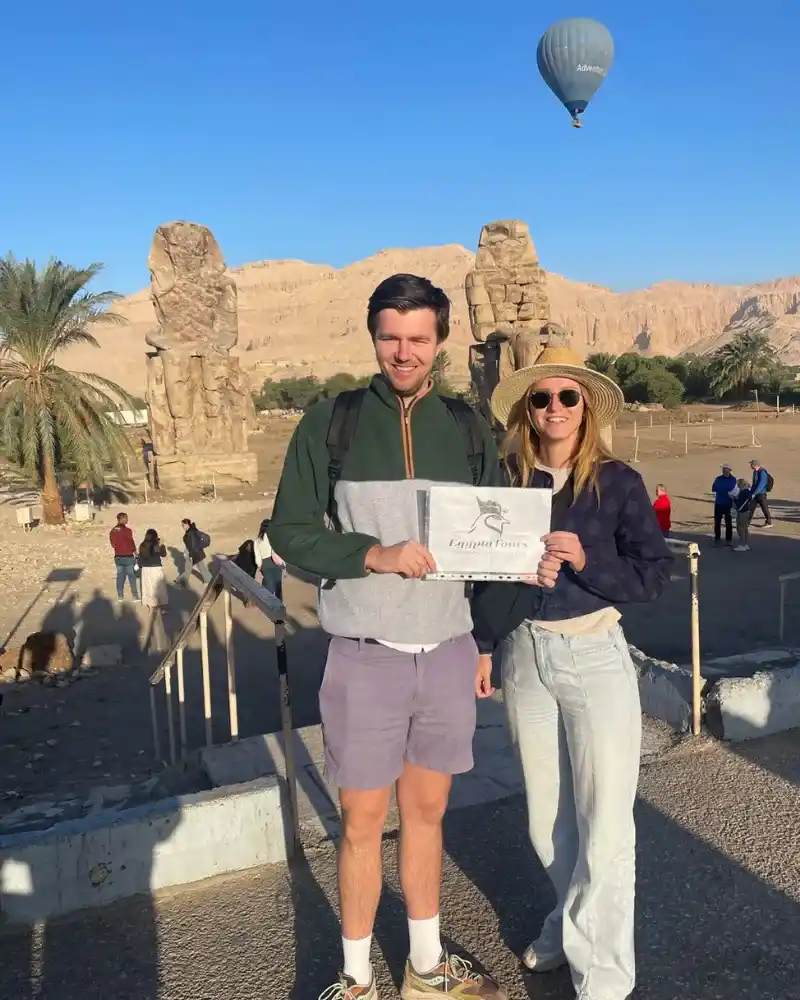
The Colossi of Memnon are two massive stone statues representing Pharaoh Amenhotep III. Each statue depicts the king seated with his hands resting on his knees, facing forward. The statues stand at the entrance of Amenhotep III’s mortuary temple on the west bank of the Nile in Luxor. Unlike many statues of pharaohs that were created after their death, these statues were commissioned while Amenhotep III was still alive, as part of the expansion of his funerary temple at Deir el Bahari.
Medinet Habu, known as the “House of Millions of Years”, is located in the ancient city of Thebes, and it is a religious city built by King Ramesses III for religious purposes, on a high area of 10 acres. Medinet Habu includes many religious temples, artifacts, and pharaonic monuments. Where there is:
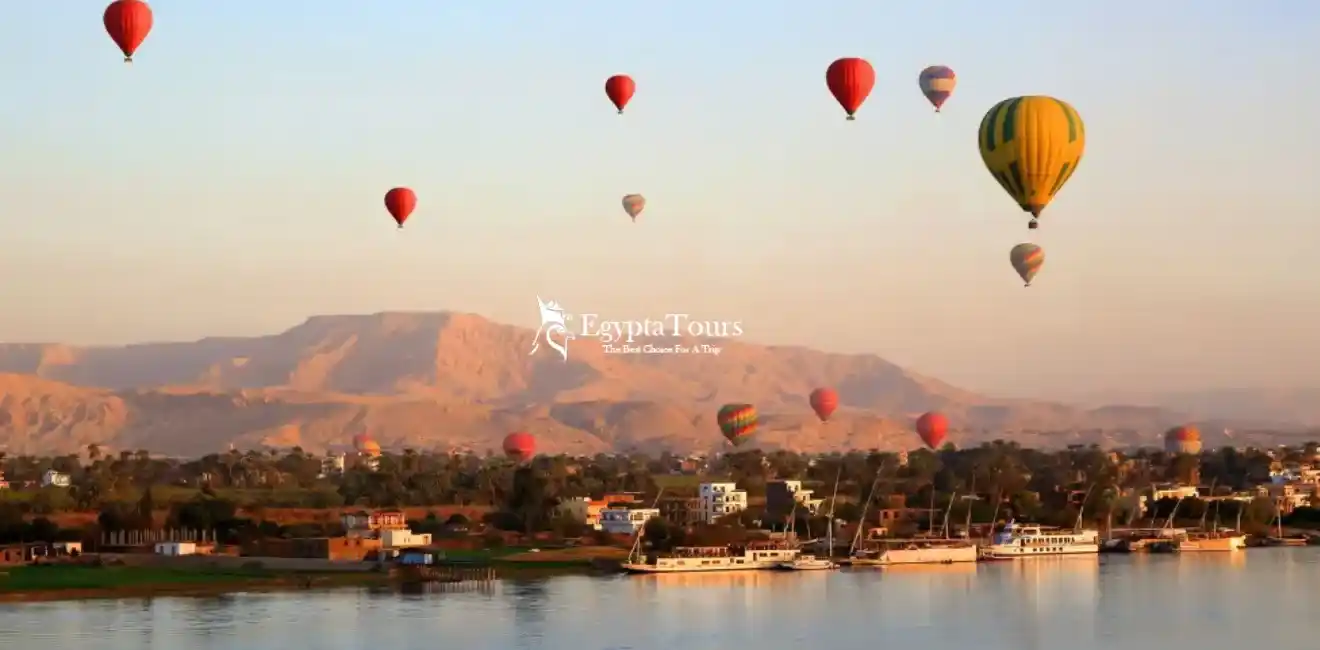
The flight of The Hot air Balloon in Luxor is unparalleled at all among all the cities of the world in which this flight is located, whether in Turkey, Argentina or London, it can never compete with the nature of Luxor, its charming atmosphere, and the dazzling view from above of the Nile and the surrounding ruins with greenery.
Describe an hour of pleasure and excitement, between heaven and earth, during which you can enjoy watching a natural painting. Through The Hot Air Balloon in Luxor, you see the ancient Pharaonic temples side by side between greenery and beauty embraced by the immortal Nile River, forming the ancient civilization in Luxor.

The- Most -Famous- Attractive- Tourist -Destination- in -Aswan
To enjoy Ultimate Egypt travel packages From India, you must visit Aswan which is a city located in southern Egypt and is well known for its stunning natural scenery, ancient monuments, unique cultural heritage and breathtaking views that attract travelers from around the world. The city is home to several famous landmarks that make it an essential destination for anyone exploring Upper Egypt.
The Aswan High Dam is one of Egypt’s most important modern landmarks and was completed in 1970. This massive engineering project plays a crucial role in Egypt’s economy by generating hydroelectric power and controlling the annual flooding of the Nile River for the first time in history. At the same time, the construction of the dam threatened many ancient monuments, which led UNESCO to launch a large-scale international rescue campaign in 1963 to dismantle and relocate endangered temples to safer locations.
To enjoy Ultimate Egypt travel packages From India, you must visit The Nubian Village in Aswan which is one of the largest Nubian settlements in Egypt and was established in the 1800s by Nubian communities seeking to preserve and revive their traditional way of life. The village is home to around 1,000 residents, most of whom work as farmers growing crops such as cotton and corn on rented land. In addition, the village includes shop owners and local artists who sell traditional crafts and handmade goods in nearby markets.
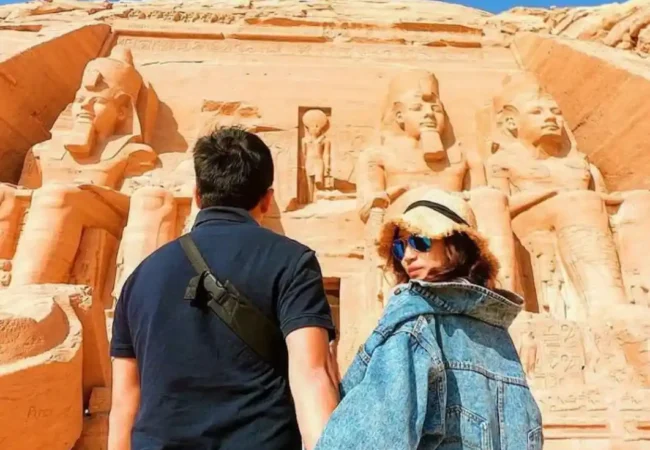
The Abu Simbel Temples are located in southern Egypt near the border with Sudan and form part of the UNESCO World Heritage Site known as the Nubian Monuments which includes Abu Simbel and Nuri. In 1966, the temples were moved approximately 100 kilometers south from their original location near Jebel Barkal Mountain in order to protect them from flooding caused by the creation of Lake Nasser.
The Temple of Edfu is situated on the west bank of the Nile River in Upper Egypt and is one of the best preserved ancient Egyptian temples. It was built on the site of an earlier Middle Kingdom temple and was dedicated to the gods Horus and Seti I. Construction of the temple took place during the reign of Ptolemy XII Neos Dionysos between 80 and 51 BCE.
The Kom Ombo Temple is a remarkable example of temples from the Ptolemaic period and is best known for its unique double design. The temple was built with mirrored halls, courts and rooms, each side dedicated to a different god. One half honored Sobek, the crocodile god, while the other was dedicated to Haroeris, also known as Horus the Elder. The temple also features an ancient calendar that divides the year into three seasons based on the Nile River: the flood season, the planting season and the harvest season.
Philae Temple was constructed during the Ptolemaic period between 237 and 57 BCE and is located in Aswan, Egypt. Originally built on Philae Island, the temple was later rediscovered by Giovanni Battista Belzoni and relocated to its current location on Agilkia Island to protect it from rising water levels.
The- Most -Attractive -Tourist -Destination -in -Alexandria
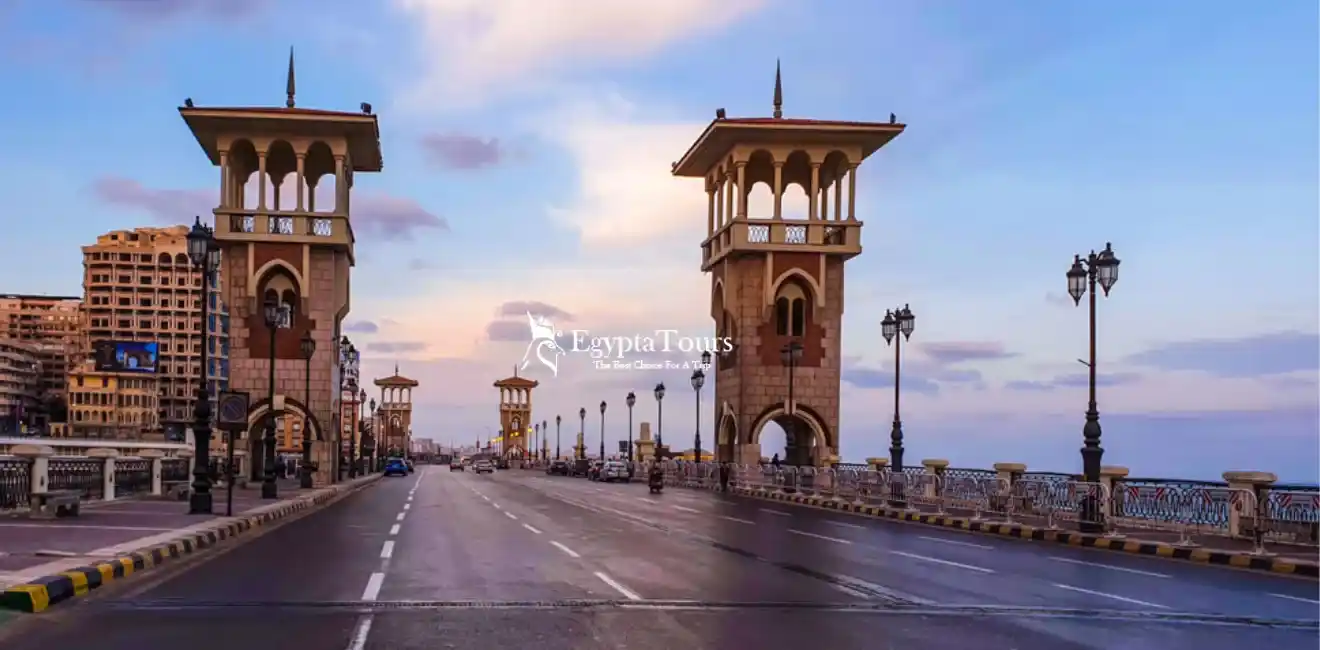
To enjoy Ultimate Egypt travel packages From India, you must visit Alexandria which is a historic coastal city located on Egypt’s Mediterranean Sea and is known for its rich cultural heritage, long history and impressive landmarks. The city combines ancient history with modern life, making it one of the most popular tourist destinations in Egypt.
The Alexandria Library is a modern cultural landmark built on the same site as the ancient Library of Alexandria. Today, it serves as an important center for knowledge, learning and research and it is also a major tourist attraction visited by people from around the world.
Pompey’s Pillar is one of Alexandria’s most famous historical landmarks. This Roman column stands at a height of 24.3 meters and was constructed in 297 CE in honor of the Roman general Pompey the Great. It remains an important symbol of the city’s Roman past.
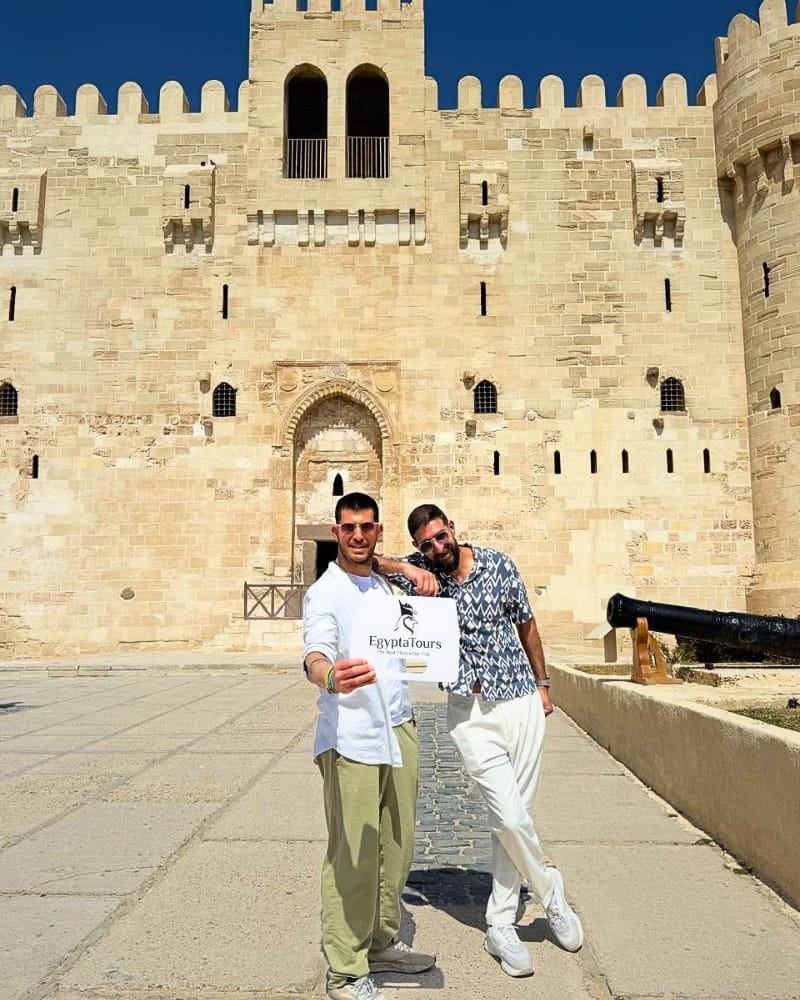
The Qaitbay Citadel is a historic fortress and former palace located along Alexandria’s coastline. It was built in 1472 CE by Sultan Qaitbay as part of efforts to strengthen the city’s defenses. Over time, the citadel has served various roles including functioning as a military base and a royal residence and today it stands as one of Alexandria’s most visited attractions.
The Catacombs of Kom El Shoqafa are an ancient underground burial site in Alexandria and are considered one of the most remarkable archaeological sites in Egypt. The catacombs are especially notable for their unique architectural style, which blends elements of ancient Egyptian, Greek and Roman traditions, reflecting the city’s multicultural history.

What’s -usually -included- in -Egypt -travel -packages- from- India
Most Egypt tour packages from India look similar on the surface, but the experience can feel totally different once you land. Two packages with the same number of days can vary a lot based on hotel location, guide quality, transfer type, and whether a Nile cruise is part of the plan.
A quick way to compare options is to focus on three things: what’s included (in writing), how packed the itinerary is, and what kind of travel days you’ll have. In Egypt, travel time matters. A “free day” isn’t very free if it’s actually a 6-hour road transfer.
Before you book, ask for a day by day itinerary and confirm the hotel names (or at least the promised star rating and area). “4-star” can mean different standards in different cities, so location and reviews matter as much as the label.
Many Egypt travel packages from India bundle the core items below:
Round-trip flights from India (often from Delhi or Mumbai, sometimes with a transit), airport pick-up and drop, hotel stays with breakfast, guided sightseeing on key days, and intercity transfers (private car, coach, train, or a short flight). Some packages include entry fees to major sites, while others keep it separate so you pay at the ticket counter.
Common exclusions are just as important. Tips for drivers and guides are often not included. Lunch and dinner may be extra unless you’re on a Nile cruise or an all-inclusive beach stay. Optional experiences (sound and light shows, a felucca ride, special tomb tickets, quad biking) usually cost more.
If you see “all tours included,” confirm what that means in plain terms. Ask whether the package includes Giza plateau entry, major temples in Luxor and Aswan, and museum tickets in Cairo. Also check if the plan includes shopping stops (papyrus, perfume, jewelry). Some travelers enjoy them, others don’t.
One simple habit saves headaches: get the itinerary in writing with hotel names (or clear hotel category), transfer type, and which tickets are included.
Visa rules and required documents can change, so don’t rely on old screenshots or forwarded messages. Check the latest requirements on the official Egyptian visa or embassy channels, then match them against what your travel agent asks for.
In general, Indian travelers should prepare the basics early: a passport with enough validity for the trip, recent photos (if requested), confirmed or tentative flight and hotel details, and proof of funds (such as bank statements) if the visa process asks for it. Some agencies also request employment details or a covering letter, depending on the visa route used.
Travel insurance is strongly recommended, and some packages include it. If it’s included, read what it covers (medical, trip delays, baggage, and exclusions). If it’s not included, buy a simple plan that covers Egypt for your full travel dates, including any Nile cruise days.
Picking- the -right -itinerary- best -Egypt -package -styles- for -different- budgets -and -travel -goals
Most first-time itineraries follow the same backbone: Cairo, Luxor, and Aswan, often with a Nile cruise connecting the last two. That route works because it hits Egypt’s biggest highlights without making you crisscross the country.
Trip length matters more than people expect. A 6-day trip can feel rushed if you try to add everything. For most travelers from India, 7 to 10 days is the comfortable range for Cairo plus Upper Egypt, with room for at least one slower evening.
Weather is another big factor. Cooler months (often October to April) are easier for temple walks and long sightseeing days. Summer can be much hotter, especially in Luxor and Aswan, so you’ll want earlier starts, more breaks, and hotels with reliable air-conditioning.
Cairo is usually your entry point. It’s where you’ll see the Pyramids of Giza and the Sphinx, and often visit major museums. Many packages include the Egyptian Museum, and some mention the Grand Egyptian Museum (GEM). Since museum access and opening schedules can change, confirm what’s actually planned for your dates instead of assuming.
Old Cairo, local bazaars, and evening food walks are also popular, and they’re great for adding a modern feel to a history-heavy trip.
Luxor is the open-air museum moment. Expect the Valley of the Kings, temple visits (such as Karnak and Luxor Temple), and big stories from guides that make the carvings feel less like stone and more like people.
Aswan is slower, scenic, and calmer. Many trips include a short Nile sail or time on the riverbank, plus nearby sites and viewpoints.
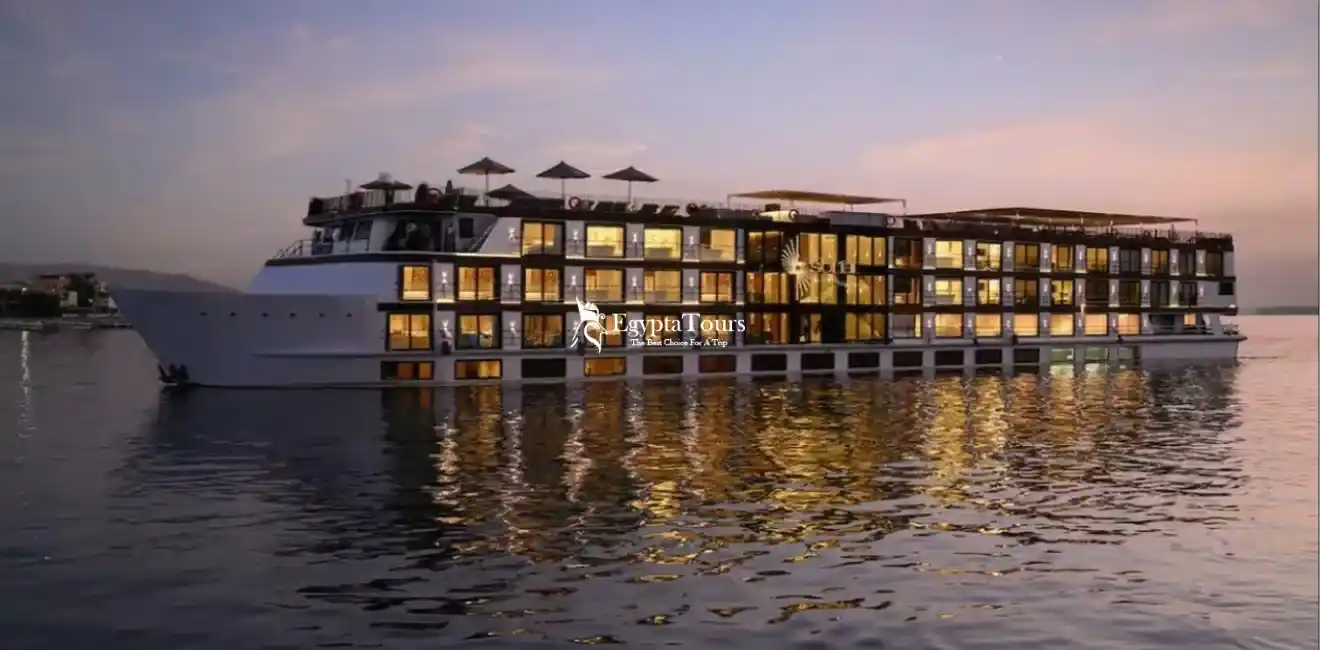
The Nile cruise question is simple: do you want comfort and a steady pace, or do you want more control over stops? A cruise often includes meals and guided shore visits, and you unpack once. Road or train options can be cheaper and flexible, but you’ll move hotels more and spend extra time in transit.
Add-ons can turn a good trip into a great one, but only if they fit your pace.
Abu Simbel is a strong pick for history lovers. It’s a long travel day from Aswan, so it works best when your itinerary already has breathing room.
Alexandria suits travelers who want a coastal, day-trip feel from Cairo, with a different vibe and lighter sightseeing than Upper Egypt.
For couples and families, a Red Sea stay in Hurghada or Sharm El Sheikh can be the “exhale” after early mornings and temple walks. Resorts, snorkeling, and pool time balance out the itinerary.
Keep travel days realistic. Packing Cairo, Luxor, Aswan, Abu Simbel, Alexandria, and a beach stay into 7 days can turn the trip into a suitcase routine.
Pricing for Egypt travel packages from India depends on season, hotel category, and how private your trip is. A small-group coach tour is usually cheaper than a private car with a dedicated guide. A mid-range Nile cruise costs less than a luxury ship. Even within the same star rating, hotel location can push the price up.
Payment and cancellation terms matter just as much as the itinerary. Look for clear policies on date changes, refunds, and no-show charges. Also confirm who supports you on the ground, especially if flights get delayed or a transfer is missed.
If a deal feels too cheap, check what’s missing. The most common gaps are entry fees, internal flights, and guide costs.
Travel in shoulder season when possible. You often get better rates and fewer crowds without facing peak summer heat. Choosing reliable 4-star hotels instead of 5-star properties can free up budget for a better cruise cabin or a private guide on key days.
Mix private and shared touring. For example, keep Giza and Valley of the Kings private, then join a small group for a city tour. Limit internal flights if your schedule allows, since short flights can raise the package cost quickly.
For spending money, carry a mix of cash and cards. Cards work well in many hotels and larger shops, while small tips and local purchases are easier in cash. Exchange a small amount first, then top up as needed instead of changing everything at the airport.
Egypt rewards good planning, especially when you’re flying in from India for a limited number of days. Pick a route that matches your travel style, confirm the inclusions line by line, and double-check the latest visa requirements before you lock anything in. Don’t ignore cancellation terms, they matter more than most people think.
Your best next step is simple: shortlist 2 to 3 Egypt travel packages from India, then ask each provider for a day-wise itinerary with hotel names and a clear total cost. Once you have that, choosing becomes much easier.
Yes, Indian citizens need a visa to enter Egypt. You can apply for an e-Visa online through the official Egyptian government portal. Alternatively, you can apply for a sticker visa through the Egyptian Embassy or Consulate in India. It’s recommended to apply well in advance of your travel date.
The best time to visit Egypt is during the cooler months, from October to April. During this period, the weather is pleasant for sightseeing, especially in Upper Egypt (Luxor, Aswan). Summers (May to September) can be extremely hot, particularly in the desert regions.
Most Egypt tour packages from India range from 6 to 10 days. A 7-day or 8-day itinerary is quite popular, allowing sufficient time to cover major highlights like Cairo, Luxor, and Aswan, often including a Nile cruise.
Key attractions typically include:
It depends on the package type. Many tour operators offer all-inclusive packages that include international flights from major Indian cities (Mumbai, Delhi, Bangalore, Chennai) to Cairo. However, some packages might be “land-only,” requiring you to book your flights separately. Always check the inclusions carefully.
Packages usually include stays in 3-star, 4-star, or 5-star hotels, depending on your budget and preference. During the Nile cruise portion, you’ll stay on a Nile cruise ship, which offers cabin accommodation, dining, and onboard facilities.
A Nile River cruise is a highly recommended and very popular inclusion in most comprehensive Egypt tour packages. It offers a unique way to see ancient sites between Luxor and Aswan, providing a relaxing and scenic experience. While not strictly mandatory, skipping it means missing out on a quintessential Egyptian experience.
Egyptian cuisine is rich and diverse. For Indian travelers, many hotels and cruise ships offer vegetarian and non-vegetarian buffet options, often including some Indian or international dishes. In larger cities like Cairo, you can also find dedicated Indian restaurants. Don’t miss trying local vegetarian dishes like Koshary, Ta’ameya (falafel), and various lentil soups.
Egypt is generally safe for tourists. Major tourist areas are well-monitored, and tourism is a vital industry for the country. It’s always advisable to take standard travel precautions: be aware of your surroundings, avoid isolated areas at night, and keep your valuables secure. Traveling with a reputable tour operator further enhances safety and convenience.
The local currency is the Egyptian Pound (EGP). It’s advisable to carry USD (US Dollars), which are widely accepted and can be easily exchanged for EGP at banks, currency exchange offices, or hotels. Indian Rupees (INR) are generally not accepted or easily exchanged in Egypt.
Will I have access to Wi-Fi and mobile connectivity during my trip?
Most hotels and Nile cruise ships offer Wi-Fi access, though it might sometimes be limited or come with an extra charge. For constant connectivity, you can purchase a local SIM card (from providers like Vodafone, Orange, Etisalat) upon arrival at Cairo airport, which offers affordable data plans.
Yes, most reputable tour operators are accustomed to catering to dietary requirements. You should inform your tour operator in advance about your vegetarian, Jain, or any other dietary preferences. Hotels and cruise ships usually offer vegetarian options, and with prior notice, can often accommodate specific requests.
Within cities like Cairo, guided tours typically use air-conditioned coaches or vans. For inter-city travel between Cairo, Luxor, and Aswan, domestic flights are common. The Nile cruise itself serves as transportation between Luxor and Aswan. Sometimes, overnight sleeper trains are also an option.
Egypt offers a vibrant shopping experience.
Popular souvenirs include:
Most Egypt packages from India bundle the big-ticket items so planning feels simpler. You’ll often see flights (or flight options), hotel stays, airport transfers, and guided sightseeing in key cities like Cairo, Luxor, and Aswan. Many itineraries also include entry tickets for major sites, a Nile cruise segment, and some meals (often breakfast, sometimes full board on cruises).
Always check what’s excluded before you book. Common exclusions are tips, personal expenses, optional tours, travel insurance, and visa fees (if the provider doesn’t include visa support).
For a first-time trip, 7 to 10 days is a practical range for Egypt’s highlights. A 7-day plan typically focuses on Cairo plus one Upper Egypt stop (often Luxor or a short Nile cruise). With 9 to 10 days, you can cover Cairo, Luxor, Aswan, and add a fuller Nile cruise experience without rushing every day.
If you want beach time in Hurghada or Sharm El Sheikh, plan on adding a few more days so travel days don’t eat into your rest time.
A group tour usually costs less per person and is good if you like fixed schedules and built-in company. It can also make logistics easier, especially at busy sites. The trade-off is less flexibility, and you’ll move at the group’s pace.
A private package costs more but gives you more control over hotel choices, start times, and how long you spend at places like the Pyramids, museums, or temples. It’s a strong fit for families, couples, and anyone who wants a slower day plan.
Start with the basics: confirm the exact hotel names (or categories), the room type, and whether the Nile cruise is included and for how many nights. Then verify the number of internal flights or long drives, because those details change comfort and time on the ground.
Also check whether sightseeing is led by a licensed Egyptologist guide, what entrance fees are covered, and how free time is handled. If the itinerary mentions “optional” activities, ask for a clear price list so there are no surprises later.
Many travelers prefer October to April because the weather is generally cooler for sightseeing. That matters a lot when you’re outdoors at the Pyramids, Valley of the Kings, or temple complexes.
Summer months can be very hot in much of Egypt, so if you’re traveling then, it helps to choose early morning tours, build in rest time, and consider adding a coastal stay where evenings feel more comfortable. Availability and rates also shift by season, so booking timelines can make a difference.
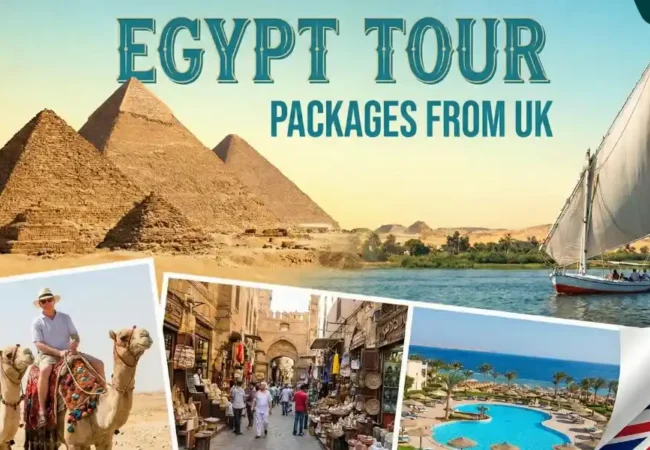

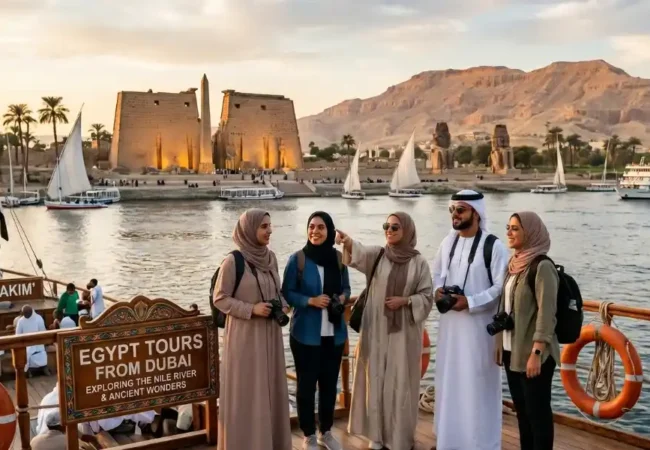


Explore our top-rated Egypt travel packages and embark on an unforgettable journey. From the Pyramids of Cairo to the magical temples of Luxor, Aswan, and Abu Simbel, discover expertly curated tours designed for your perfect Egyptian adventure